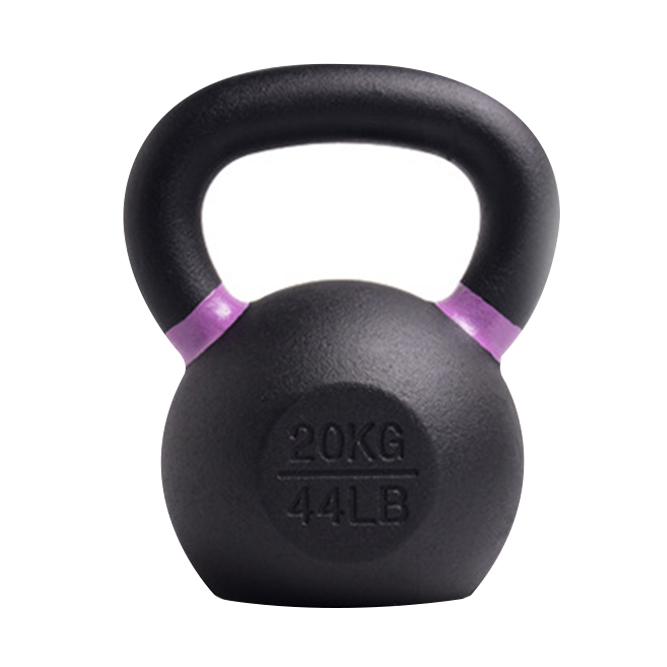
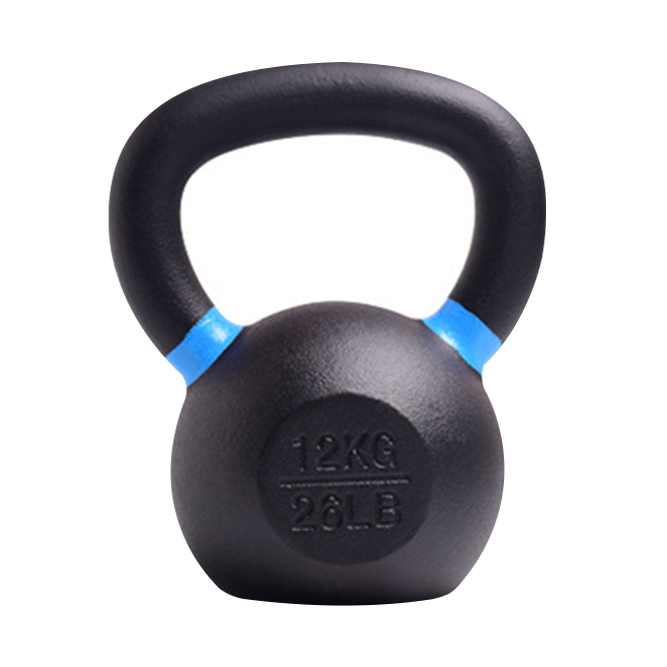
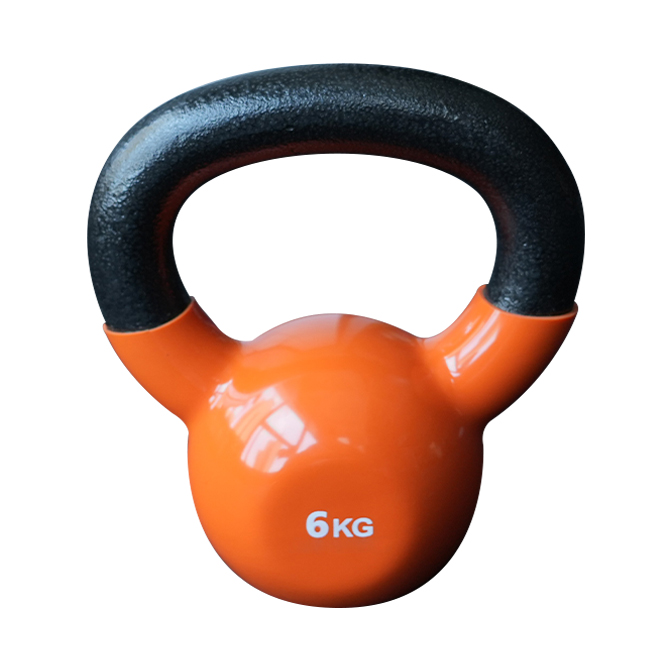
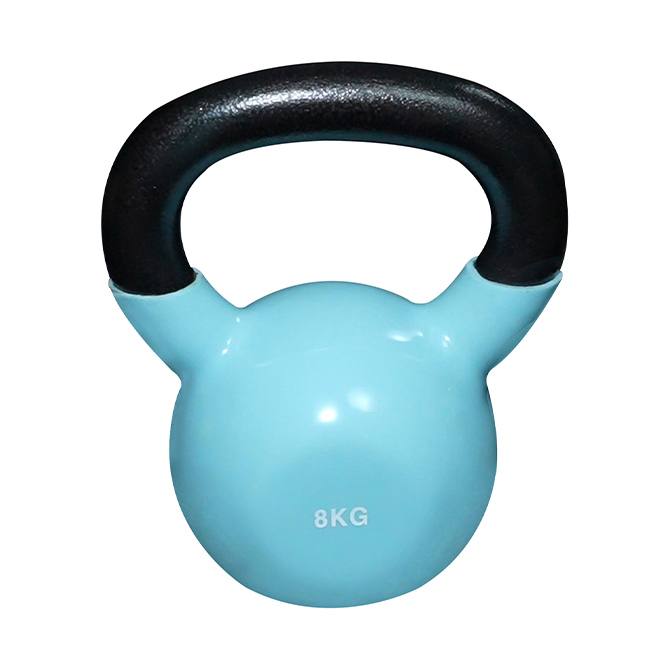
45 Pound Kettlebell: China Factory OEM Supply Wholesale
45 Pound Kettlebell: Commercial Durability and Structural Integrity
Distributors often face a critical choice between low-cost, inconsistent units and high-standard professional gear. Sourcing generic stock can lead to frequent replacements due to uneven weight or brittle handles, whereas a direct 45 pound kettlebell from a specialized China factory ensures the structural integrity required for high-traffic environments. Selecting a professional cast iron kettlebell manufacturer minimizes long-term replacement costs and ensures your inventory meets global commercial gym standards.
Engineering Standards for High-Volume Use
In a commercial setting, the physical stability of the equipment directly impacts the total cost of ownership. A poorly manufactured unit may suffer from internal voids or uneven surface densities, leading to dangerous wobbles during high-velocity movements. Our production process focuses on cast iron durability by utilizing precision molds that guarantee consistent weight distribution and a balanced center of gravity. This precision is essential for maintaining the safety profiles expected by professional strength coaches and facility managers.
Reliability in the field is achieved through rigorous China factory QC protocols. Every batch undergoes strict dimensional verification to ensure that the 45 pound kettlebell maintains its exact weight tolerance across the entire production run. This level of bulk gym equipment sourcing transparency allows importers to mitigate the risk of receiving sub-standard shipments, ensuring that every unit delivered to your warehouse or client site is ready for immediate, heavy-duty deployment.
Technical Specification Comparison: Retail vs. Commercial Grades
When evaluating your next shipment, understanding the technical gap between consumer-grade items and professional equipment is vital for long-term profitability. Retail-grade products often prioritize low production costs over structural longevity, which can increase your replacement frequency. In contrast, sourcing a 45 pound kettlebell through professional commercial kettlebell wholesale channels ensures that the material density and surface finish are optimized for constant, high-impact use in professional training facilities.
| Technical Feature | Standard Retail-Grade Unit | Professional Commercial-Grade Unit |
|---|---|---|
| Material Density | Variable density; potential for internal air pockets | Uniform high-density cast iron for balanced center of gravity |
| Handle Smoothness | Rough or inconsistent surface finish | Precision-molded, ergonomic handle for grip stability |
| Coating Durability | Thin paint or light coating prone to chipping | Heavy-duty, impact-resistant finish for long-term use |
| Weight Precision | Higher tolerance variance | Strict tolerance control for professional accuracy |
| Sourcing Logic | Single-unit consumer purchase | Large-scale bulk gym equipment sourcing |
The difference in manufacturing precision directly impacts your landed cost and replacement cycles. While a single unit may seem cheaper, the higher maintenance load of lower-tier products increases the total cost of ownership for your clients. By partnering with a specialized cast iron kettlebell manufacturer, you secure a product that maintains its structural integrity even under heavy-duty training volumes. We recommend that distributors request a full specification sheet and confirm the weight tolerance standards before finalizing any large-scale purchase or OEM agreement.
Ergonomics and Handle Precision for Professional Training
A critical failure point in lower-tier equipment is the handle geometry. For high-intensity training, the handle must accommodate various grip styles without causing friction or discomfort. Our manufacturing process prioritizes advanced handle ergonomics, ensuring a smooth, consistent diameter that facilitates seamless transitions between movements. This precision reduces the risk of grip fatigue and enhances user safety, making these units ideal for high-performance training environments.
Beyond surface texture, the structural thickness of the handle is a primary concern for professional buyers. A handle that lacks sufficient thickness or suffers from inconsistent casting can fail under heavy use, creating significant liability and replacement costs. By focusing on high-standard OEM branding and specialized production, we ensure that each 45 pound kettlebell possesses the structural density required for professional-grade strength and conditioning. This reliability translates into a superior long-term ROI for gym owners and distributors, as the equipment withstands the rigors of daily, high-volume commercial use without premature degradation.
45 Pound Kettlebell: Material Standards and Casting Precision
For professional distributors and large-scale gym operators, the structural integrity of a 45 pound kettlebell is a non-negotiable factor in long-term asset management. Sourcing from a specialized China factory ensures that every unit meets the rigorous demands of high-traffic environments where equipment failure translates directly into liability and increased maintenance costs.
High-precision casting is the technical foundation of commercial gym durability. When procurement teams engage in bulk gym equipment sourcing, they must account for the material density and surface uniformity that prevents structural cracking under repetitive high-impact use. A premium cast iron kettlebell manufacturer utilizes controlled cooling processes to ensure internal density remains consistent, preventing the internal voids often found in lower-tier, non-commercial production runs.
Technical Specifications for Commercial Grade Casting
The difference between retail-grade products and professional-grade equipment lies in the precision of the weight distribution and the stability of the handle-to-body transition. For a 45 pound kettlebell, even minor deviations in weight consistency can disrupt a user's kinetic chain, making precision casting essential for professional training standards.
| Procurement Factor | Standard Commercial Casting | Low-Tier Non-Commercial Casting |
|---|---|---|
| Weight Consistency | High precision within industry tolerances | Variable weight per unit |
| Material Integrity | Dense, uniform iron structure | Potential for internal air pockets |
| Handle Ergonomics | Smooth, seamless transition | Rough or uneven surface finish |
| Long-term Durability | Optimized for high-traffic usage | Prone to surface cracking |
To maintain strict material integrity, our production lines follow standardized industrial protocols. This level of control is critical for commercial kettlebell wholesale buyers who need to guarantee that their inventory can withstand years of heavy use without frequent replacement cycles, thereby protecting their initial capital expenditure and long-term ROI.
Reliable sourcing requires more than just a low unit price; it requires a partner capable of maintaining consistent China factory quality control across large-scale wholesale orders. We recommend that buyers request a detailed specification sheet or a sample approval process to verify the casting density and handle smoothness before finalizing large-scale procurement contracts.
Evaluating the engineering of a 45 pound kettlebell involves looking beyond the surface to the metallurgical stability of the iron. For importers, the risk of receiving batches with inconsistent density or uneven weight distribution can lead to significant issues with customs compliance and distributor trust. Choosing a reliable cast iron kettlebell manufacturer ensures that the casting mold is engineered for high-volume repeatability, which is essential for maintaining high standards in commercial kettlebell wholesale operations.
When conducting bulk gym equipment sourcing, procurement officers should prioritize suppliers that offer transparency regarding their casting and finishing stages. A standardized production process reduces the landed cost of defective units and ensures that every piece in a large-scale shipment meets the same professional-grade specifications. We suggest that professional buyers initiate a factory audit or request a sample evaluation to confirm that the handle ergonomics and weight tolerances align with their specific market requirements.
Evaluating the engineering of a 45 pound kettlebell involves looking beyond the surface to the metallurgical stability of the iron. For importers, the risk of receiving batches with inconsistent density or uneven weight distribution can lead to significant issues with customs compliance and distributor trust. Choosing a reliable cast iron kettlebell manufacturer ensures that the casting mold is engineered for high-volume repeatability, which is essential for maintaining high standards in commercial kettlebell wholesale operations.
When conducting bulk gym equipment sourcing, procurement officers should prioritize suppliers that offer transparency regarding their casting and finishing stages. A standardized production process reduces the landed cost of defective units and ensures that every piece in a large-scale shipment meets the same professional-grade specifications. We suggest that professional buyers initiate a factory audit or request a sample evaluation to confirm that the handle ergonomics and weight tolerances align with their specific market requirements.
45 Pound Kettlebell: China Factory Manufacturing and QC Protocols
Reliability in high-volume procurement depends entirely on the precision of the 45 pound kettlebell manufacturing process. For distributors and gym equipment importers, inconsistent weight or poor casting can lead to high return rates and significant liability issues. A professional China factory must implement a multi-stage inspection framework to ensure every unit meets international commercial standards before export.
Ensuring Weight Tolerance and Material Integrity
When managing commercial kettlebell wholesale orders, the most critical technical requirement is strict weight tolerance. A deviation in mass can disrupt a facility's standardized training programs and damage a distributor's reputation. Our production line utilizes precision molding to ensure the 45 pound kettlebell remains within industry-standard weight variances, preventing the costly discrepancies often found in lower-tier bulk gym equipment sourcing.
Beyond mass, we prioritize cast iron integrity to prevent structural failures during heavy use. Every unit undergoes ultrasonic or visual inspection to detect internal voids or casting flaws that could compromise safety. This rigorous quality control extends to the surface finish, ensuring the texture is consistent and free from sharp edges or casting burrs that could cause injury or equipment degradation in a commercial setting.
Dimensional Stability and Coating Durability
Maintaining consistent dimensions is essential for professional athletes and commercial operators. As a specialized cast iron kettlebell manufacturer, our facility performs rigorous dimensional checks to ensure the handle diameter and bell circumference remain uniform across an entire wholesale batch. This stability is vital for high-traffic environments where equipment must feel familiar and predictable to the user. Any deviation in handle ergonomics can lead to user fatigue or grip issues, making these technical specifications a non-negotiable factor in professional sourcing.
The final layer of our pre-shipment inspection focuses on the longevity of the exterior finish. We test the coating durability to ensure the paint or powder coating can withstand heavy impacts and constant friction without peeling or chipping. This high-level durability reduces the long-term maintenance load for gym owners and protects the distributor's margins by minimizing replacement requests. By verifying the bond strength of the finish, we ensure that each 45 pound kettlebell arrives ready for immediate, high-intensity commercial deployment.
Technical QC Standard Comparison for Procurement Evaluation
To assist procurement officers in assessing supplier capabilities, the following table outlines the technical benchmarks used during our pre-shipment phase. This comparison highlights the difference between standard manufacturing and the high-precision standards required for professional bulk gym equipment sourcing. Evaluating these parameters helps importers mitigate the risk of receiving sub-standard inventory that could impact long-term commercial utility.
| Inspection Parameter | Standard Production Spec | Commercial-Grade 45 pound kettlebell Spec | Procurement Impact |
|---|---|---|---|
| Weight Deviation | +/- 5% variance | +/- 1% to 2% precision | Ensures training consistency and brand reliability |
| Handle Smoothness | Manual sanding only | Automated precision grinding | Prevents friction burns and improves grip stability |
| Coating Adhesion | Basic spray paint | High-impact powder coating | Reduces maintenance and prevents chipping in high-traffic gyms |
| Casting Integrity | Visual check only | Multi-stage structural inspection | Minimizes liability and prevents structural failure |
| Handle Ergonomics | Generic diameter | Standardized ergonomic circumference | Guarantees uniform feel across all wholesale batches |
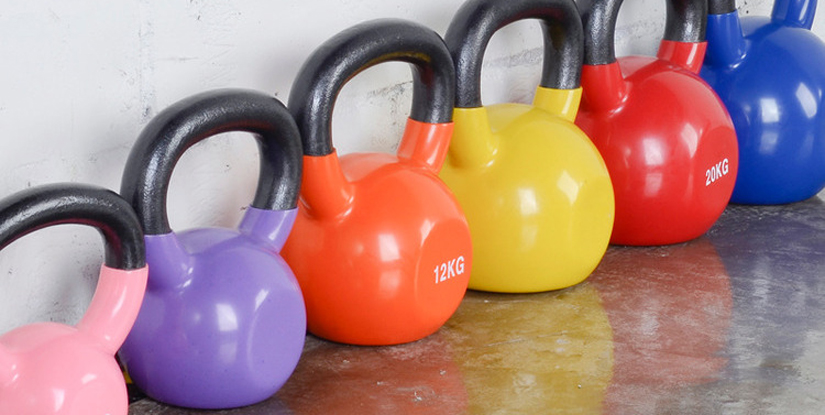
Rigorous adherence to these metrics ensures that every 45 pound kettlebell meets the durability requirements of high-performance facilities. For those managing large-scale commercial kettlebell wholesale contracts, we recommend requesting a specific sample approval or a detailed technical spec sheet to confirm these tolerances. Our factory can also provide documentation regarding material density and coating strength to support your quality assurance protocols before finalizing any MOQ or shipping schedule.
45 Pound Kettlebell: OEM and Private Label Customization Options
Transitioning from a generic importer to a recognized equipment provider requires more than just standard inventory; it requires a distinct brand identity. For distributors and large-scale gym operators, leveraging a China factory for OEM and ODM services allows for the integration of custom logos, specific colorways, and unique weight markings on every 45 pound kettlebell. This strategic move shifts your position from a mere reseller to a specialized brand owner, increasing your market value and long-term customer loyalty.
When you engage in commercial gym equipment branding, you are optimizing your product lineup for high-end studio environments and professional strength facilities. Instead of sourcing generic units that lack differentiation, working directly with a cast iron kettlebell manufacturer enables you to control the aesthetic and functional specifications of your entire weight set. This level of customization is essential for maintaining a cohesive look across your product catalog, whether you are fulfilling a boutique studio order or a large-scale distributor contract.
Strategic Advantages of Customization and Branding
Professional buyers often face the challenge of market saturation with unbranded, low-quality goods. By utilizing bulk gym equipment sourcing strategies that include custom manufacturing, you can implement specific design elements that align with your corporate standards. This process moves beyond simple wholesale purchasing and enters the realm of professional product development, ensuring your 45 pound kettlebell units stand out in a competitive procurement landscape.
| Feature | Standard Wholesale Sourcing | OEM / Private Label Solutions |
|---|---|---|
| Product Appearance | Generic, unbranded design | Custom color, texture, and logo |
| Branding Capability | No brand differentiation | Full brand identity integration |
| Target Market | General fitness consumers | Premium commercial gym chains |
| Supply Chain Role | Reseller/Trader | Brand Owner/Distributor |
Procurement Specification Comparison: Wholesale vs. Customization
To assist in your procurement planning, it is vital to understand how different sourcing models impact your landed cost and inventory uniqueness. While standard commercial kettlebell wholesale options offer rapid deployment for immediate stock needs, they lack the differentiation required for premium brand positioning. Conversely, an OEM or ODM approach requires a more structured development cycle but offers total control over the product's visual and functional profile.
Decision-makers must weigh the benefits of speed against the long-term value of a proprietary product line. For instance, when ordering a 45 pound kettlebell, standard stock may feature basic black powder coating, whereas a customized order allows for specific handle textures or color-coded weight markings to match your facility's existing aesthetic. Below is a breakdown of the technical and logistical differences between these two primary sourcing pathways.
| Specification Category | Standard Wholesale Model | Full OEM/ODM Customization |
|---|---|---|
| Customization Scope | Fixed design; standard colors | Custom color, texture, and logo |
| Branding | Generic or unbranded | Full private label integration |
| Typical MOQ | Lower; based on existing stock | Higher; dictated by custom tooling |
| Lead Time | Short; ready for immediate export | Extended; includes design and production |
| Design Control | Standardized industrial specs | Tailored to specific brand needs |
When evaluating your next batch, consider whether your business model prioritizes immediate inventory turnover or the establishment of a signature product line. For distributors looking to scale, a China factory can provide the technical support necessary to transition from simple wholesale orders to complex, branded manufacturing contracts. We recommend requesting a detailed spec sheet or a sample evaluation to confirm how your specific customization requirements will impact the final production timeline and MOQ.
Material Precision and Surface Finish Control
High-tier procurement requires absolute certainty regarding material integrity and surface durability. As a specialized cast iron kettlebell manufacturer, our facility provides precise control over the metallurgical and finishing stages of production. For a 45 pound kettlebell, the consistency of the cast iron density and the seamlessness of the handle surface are critical for long-term commercial use. Any irregularity in the casting process can lead to uneven weight distribution, which increases maintenance liability and reduces the product's lifespan in high-traffic environments.
Beyond the core casting, the surface treatment defines the product's premium positioning. Buyers can select from various high-durability finishes, such as professional-grade powder coating or specialized textures. This allows you to differentiate your brand through custom color/powder coating options that align with specific studio aesthetics. Whether your clients require a matte black finish for a minimalist look or a high-visibility color-coded system for rapid weight identification, our China factory ensures every unit meets rigorous commercial-grade standards. This attention to detail minimizes the total cost of ownership by preventing premature rust or coating degradation during intensive use.
Our quality control protocols are integrated into every stage of the customization process. Before any branded unit is cleared for export, it undergoes a multi-point inspection to verify weight tolerance, coating adhesion, and logo precision. This ensures that your custom-branded 45 pound kettlebell arrives at your warehouse exactly as specified, reducing the risk of costly returns or quality disputes. For distributors managing large-scale bulk gym equipment sourcing, this level of technical oversight is essential for maintaining a reliable supply chain and protecting your reputation as a premium equipment provider.
45 Pound Kettlebell: Wholesale Logistics and Export Packaging Standards
Managing the logistics of heavy iron implements requires precision to protect distributor margins. When sourcing a 45 pound kettlebell in bulk, the primary challenge is the high density of the product relative to its volume. Effective China factory logistics must account for both actual weight and the physical footprint to optimize container utilization and minimize the landed cost for international importers.
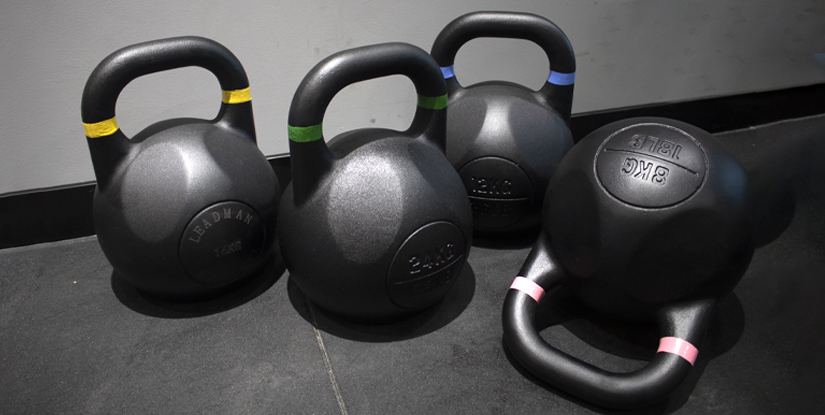
Importers often face unexpected expenses due to poor export packaging or inefficient palletization. If the protective layers are insufficient, the high density of the cast iron kettlebell manufacturer output can lead to dented packaging or surface oxidation during long-distance sea freight. This creates a direct hit to your bottom line through increased replacement claims or damaged goods upon arrival at the warehouse.
Optimizing Shipping Weight and Volumetric Efficiency
To achieve the best bulk gym equipment sourcing results, buyers must evaluate the relationship between shipping weight considerations and container volume. Because a 45 pound kettlebell is a high-density item, the weight limit of the shipping container is often reached long before the physical space is full. A professional supplier will provide optimized stacking patterns to ensure you are not paying for empty air while maximizing the weight capacity of each 20ft or 40ft container.
Standardized palletization is critical for preventing shifting during transit. We utilize heavy-duty reinforced crates and multi-layer protective layers to ensure each unit remains secure. By controlling the volumetric weight through compact, stackable configurations, our wholesale clients can more accurately forecast their final costs and maintain consistent inventory levels without the volatility of inefficient shipping loads.
Logistics Comparison: Sea Freight vs. Air Freight Packaging
Choosing the correct transit method is a vital component of your bulk gym equipment sourcing strategy. While air freight offers speed, the high weight-to-volume ratio of a 45 pound kettlebell makes it economically unfeasible for most commercial distributors. For high-volume orders, sea freight remains the industry standard for maintaining a competitive landed cost.
The following table outlines the technical requirements for different shipping configurations to help procurement managers determine the best fit for their warehouse capacity and budget.
| Shipping Method | Packaging Configuration | Primary Benefit | Best Use Case |
|---|---|---|---|
| Sea Freight | Palletized with Reinforced Crates | Maximum stability and protection against shifting | Large scale commercial kettlebell wholesale orders |
| Sea Freight | Loose Carton (Bulk Box) | Highest container density and lowest volume cost | High-volume SKU replenishment |
| Air Freight | Individual Protective Sleeves | Fastest delivery for urgent inventory gaps | Low volume, high-priority sample or small stock needs |
To prevent surface oxidation and ensure long-term durability, our cast iron kettlebell manufacturer standards include a specialized anti-rust coating and moisture-resistant wrapping. This level of detail in the export packaging process ensures that when your shipment arrives via sea freight, the units are ready for immediate sale or distribution without the need for intensive cleaning or quality remediation.
We recommend that buyers confirm the exact dimensions and weight of the final pallet configuration during the pre-shipment phase. This allows for precise calculation of container loading and ensures your 45 pound kettlebell shipment meets all local port and warehouse handling requirements.
| Logistics Factor | Standard Specification | Procurement Impact |
|---|---|---|
| Container Loading | Optimized Weight-to-Volume Ratio | Minimizes empty space costs |
| Protection Type | Multi-layer Anti-Oxidation Wrap | Reduces damaged goods claims |
| Handling Method | Reinforced Heavy-Duty Pallets | Ensures safety during port-to-door transit |
| Documentation | Standardized Export Set | Streamlines customs clearance processes |
Accurate bulk order planning is the final step in securing a predictable supply chain. A professional China factory does not just manufacture units; they provide the necessary shipping documentation to facilitate smooth customs clearance at your local destination. This transparency allows distributors to manage their inventory management with confidence, knowing exactly when a shipment will transition from the port to their warehouse.
When calculating your total expenditure, do not overlook the complexity of port-to-door logistics. Whether you are utilizing FOB or CIF terms, understanding the lead time—from the moment the MOQ is met to the final vessel departure—is essential for avoiding stockouts. A reliable supplier will provide clear timelines for production and transit, allowing you to align your product launches or seasonal inventory refreshes with actual arrival dates.
For procurement professionals looking to scale, we recommend requesting a detailed specification sheet and a formal quote that includes a breakdown of all logistical variables. Contact us today to confirm your MOQ, discuss custom branding options, or schedule a factory audit to ensure your high-density 45 pound kettlebell shipment meets your exact commercial standards.
45 Pound Kettlebell: Sourcing Strategies for Global Distributors
Optimizing your supply chain starts with selecting a reliable 45 pound kettlebell directly from a specialized China factory. For global distributors and gym equipment importers, the goal is to maximize the distributor margin by eliminating middleman markups and securing a stable landed cost through direct-from-source procurement.
Standardizing your inventory with a high-demand weight like the 45 pound kettlebell requires more than just finding a low price; it requires procurement efficiency. Relying on local wholesalers often leads to fragmented stock and higher unit costs, whereas commercial kettlebell wholesale through a direct manufacturer allows for better control over production schedules and volume-based pricing tiers.
Optimizing Profitability Through Direct Sourcing
When scaling a fitness product line, the gap between wholesale price and retail value determines your market competitiveness. By engaging in bulk gym equipment sourcing, professional buyers can leverage economies of scale that are unavailable through retail-facing distributors. A structured MOQ allows you to lock in lower per-unit costs while ensuring that your cast iron kettlebell manufacturer maintains consistent material quality and weight tolerances across every batch.
| Sourcing Model | Typical Unit Cost | Control Over Brand | Supply Chain Speed |
|---|---|---|---|
| Local Retail Wholesaler | High | None (Pre-branded) | Fast (Small volumes) |
| China factory Direct | Low | High (OEM/ODM) | Moderate (Lead time dependent) |
| International Trading Company | Medium | Moderate | Fast |
A strategic supplier relationship ensures that your 45 pound kettlebell orders are treated with priority during peak seasons. Whether you are looking for a standard wholesale arrangement or a full private label solution, understanding the landed cost—including freight, duties, and local port fees—is essential for maintaining a healthy distributor margin and long-term profitability in the North American market.
Navigating the complexities of international logistics requires a clear understanding of the operational differences between working with a specialized manufacturer and a general trading firm. For professionals engaged in bulk gym equipment sourcing, the primary objective is to mitigate risk while maximizing the reliability of the incoming shipment. A dedicated cast iron kettlebell manufacturer offers granular control over the production line, whereas a general trader may lack the technical oversight necessary to ensure strict adherence to commercial weight tolerances and surface finish standards.
Technical Advantage of Factory-Direct Procurement
The decision to source a 45 pound kettlebell directly from the source provides several structural advantages regarding quality assurance and logistics. While a trading company might offer convenience, a specialized factory integrates QC (Quality Control) directly into the manufacturing process. This ensures that every unit meets the rigorous demands of high-traffic commercial environments, reducing the frequency of replacements and protecting your brand reputation.
Furthermore, a direct relationship allows for optimized shipping optimization. Instead of receiving disparate shipments from multiple vendors, a single-source China factory can consolidate your heavy iron products into efficient container loading plans. This precision reduces the risk of damage during sea freight and lowers the overall landed cost per unit. When managing the lead time for large-scale gym builds or seasonal inventory restocks, the ability to communicate directly with the production floor is an indispensable tool for successful wholesale procurement. To ensure your specific requirements are met, we recommend contacting our team to request a detailed spec sheet, confirm current MOQ tiers, or initiate a sample approval process for your upcoming project.
Navigating the complexities of international logistics requires a clear understanding of the operational differences between working with a specialized manufacturer and a general trading firm. For professionals engaged in bulk gym equipment sourcing, the primary objective is to mitigate risk while maximizing the reliability of the incoming shipment. A dedicated cast iron kettlebell manufacturer offers granular control over the production line, whereas a general trader may lack the technical oversight necessary to ensure strict adherence to commercial weight tolerances and surface finish standards.