High Capacity Kettlebell Manufacturer: China OEM Production
High Capacity Kettlebell Manufacturer: Sourcing for Commercial Scale
For large-scale fitness distributors or international gym chains, the transition from small-batch boutique orders to high-volume inventory management requires a shift in procurement strategy. Relying on retail-oriented suppliers often leads to inconsistent weight tolerances and high landed costs. To maintain healthy distributor margins and ensure equipment longevity in high-traffic environments, identifying a professional high capacity kettlebell manufacturer is essential for stabilizing your supply chain and managing large-scale inventory requirements.
When scaling your product lines, the complexity of sourcing increases. You are no longer just buying individual units; you are managing logistical workflows, container loading efficiency, and strict MOQ requirements to justify the wholesale pricing structures. A reliable commercial kettlebell supplier provides more than just hardware; they offer the manufacturing stability needed to support bulk orders without compromising on the precision required for professional training standards.
Moving directly to a China factory allows procurement leads to bypass unnecessary middleman markups and gain direct access to OEM and ODM capabilities. This direct-to-factory model is particularly advantageous when you need to implement custom branding or specific weight ranges that typical trading companies cannot provide. By establishing a partnership with a specialized fitness equipment OEM manufacturer, you can better control your lead times and ensure that every batch of wholesale cast iron kettlebells meets the rigorous durability standards expected in the global commercial market.
Evaluating Sourcing Models: Factory-Direct vs. Trading Companies
For procurement managers, the decision between a direct factory and a trading company significantly impacts the total landed cost and the ability to scale. While trading companies may offer lower initial friction for small orders, they often lack the control over production capacity and technical calibration required for high-performance gear. A professional high capacity kettlebell manufacturer provides the transparency needed for long-term inventory planning.
The following comparison highlights the operational differences between sourcing via a direct China factory versus a third-party trading entity, focusing on the variables that affect your bottom line and product reliability.
| Sourcing Model | Primary Advantage | Production Capacity | QC Control | Typical MOQ | Landed Cost Impact |
|---|---|---|---|---|---|
| Direct Factory | High Margins | High / Scalable | In-house Pre-shipment | Higher / Tiered | Optimized / Low |
| Trading Company | Low Entry Barrier | Limited / Variable | Third-party Dependent | Low / Flexible | Higher / Middleman Markup |
| OEM Partner | Custom Branding | Optimized for Volume | Strict Specification-based | Defined by Product Line | Stable / Predictable |
When managing a wholesale distribution network, selecting a commercial kettlebell supplier that operates its own casting and coating lines is a strategic advantage. A direct fitness equipment OEM manufacturer can integrate your brand identity directly into the casting or weight marking stage, ensuring a seamless transition from raw production to your branded retail or commercial stock. We recommend requesting a detailed specification sheet and confirming the MOQ for custom colors or specialized handle textures before finalizing your procurement schedule.
Optimizing Export Logistics and Custom Branding
Beyond product specifications, the efficiency of your sourcing workflow depends heavily on the manufacturer's ability to manage international shipping requirements. A professional high capacity kettlebell manufacturer understands that for heavy iron goods, the cost of air freight is prohibitive; therefore, expertise in container loading optimization is a critical component of reducing your landed cost. High-density packing configurations and robust export packaging protocols are necessary to prevent damage to the coating or handle geometry during long-transit maritime shipping.
For distributors looking to build a recognizable market presence, utilizing OEM or ODM services allows for seamless custom branding. This can range from precision laser-etched logos on the bell body to specialized color-coded powder coating that aligns with your brand identity. When you partner with a specialized fitness equipment OEM manufacturer, you gain the ability to control the entire lifecycle of the product—from the initial sand casting stage to the final pre-shipment inspection of the handle-to-body junction and weight marking accuracy.
To ensure a successful large-scale deployment, we suggest that procurement leads initiate a formal factory audit or request a sample evaluation. Before finalizing any wholesale agreement, confirm the specific MOQ for customized handle textures or specialized finishes to ensure your lead times remain predictable and your inventory turnover remains high.
Material Selection and Casting Processes for Durability
Selecting a reliable high capacity kettlebell manufacturer requires a deep understanding of how base materials and casting methods impact long-term commercial utility. For distributors and gym owners, the choice between different iron types and surface treatments directly dictates the total cost of ownership and replacement cycles. When sourcing from a China factory, understanding the distinction between standard casting and premium finishes ensures your inventory meets the rigorous demands of high-traffic fitness environments.
Most wholesale cast iron kettlebells are produced via sand casting, a method that provides the structural density required for heavy-duty use. A professional commercial kettlebell supplier will typically oversee a multi-stage production line—starting with precise mold creation, moving through the casting phase, and concluding with rigorous weight calibration and surface treatment. This structured approach minimizes common failure modes like uneven weight distribution or handle-to-body structural weaknesses.
| Material Type | Primary Process | Surface Finish | Commercial Duty | Sourcing Advantage |
|---|---|---|---|---|
| Cast Iron | Sand Casting | Powder Coating | High (Standard Gym) | Cost-effective for bulk |
| Ductile Iron | Precision Casting | Enamel or Paint | Premium (High Impact) | Enhanced durability |
| Solid Steel | Machined/Forged | Chrome Finish | Professional/Competition | High precision/Low volume |
For those looking for a fitness equipment OEM manufacturer, the technical specifications of the handle and the adhesion of the coating are critical inspection points. Whether you require a rugged powder-coated finish for general strength training or a specialized texture for competition-grade grip, the manufacturing route must prioritize consistency. During pre-shipment QC, inspectors typically verify the base flatness and the integrity of the handle-to-body junction to ensure the product can withstand repeated high-volume use without structural degradation.
Comparing Casting Methods and Surface Finishing
The distinction between sand casting and die casting often dictates the final texture and weight precision of the bell. While sand casting is the industry-standard for high-volume production due to its ability to create heavy, dense units, precision casting or die casting may be utilized for specific high-end lines where a smoother surface is required. When evaluating a high capacity kettlebell manufacturer, it is essential to confirm the specific manufacturing route to ensure the product matches your target market's durability requirements.
Surface finishing is another critical variable in the procurement process. A standard commercial kettlebell supplier will offer various options to balance cost and protection. For instance, powder coating provides a durable, matte-textured layer that is highly resistant to chipping in high-traffic commercial settings. Conversely, a PU coating or polyurethane finish offers a smoother, more ergonomic grip profile, which is often preferred for specialized training environments. These different coating types affect not only the aesthetics but also the long-term maintenance load for the end-user.
For professional buyers, the selection of coating and casting methods should be driven by the intended use case and the target landed cost. If you are sourcing for a standard weight room, a robust powder-coated sand-cast iron unit offers the best ROI. If your client base demands premium, competition-style equipment, you may need to request specific surface finishing protocols during the OEM process. We recommend requesting a sample evaluation to inspect the coating adhesion and handle texture before finalizing any large-scale bulk order.
Quality Control and Pre-Shipment Inspection Standards
Maintaining consistent quality across high-volume shipments requires more than just standard production; it necessitates a rigorous QC protocol. For an importer, the risk of receiving a batch with inconsistent weight or poor handle texture can significantly impact distributor margins and customer satisfaction. A professional high capacity kettlebell manufacturer will implement a multi-stage inspection process that begins at the casting stage and continues through the final surface application to ensure every unit meets commercial-grade expectations.
During the pre-shipment inspection, technical oversight focuses on several critical failure points. First, inspectors evaluate the handle-to-body junction and the consistency of the knurling to ensure the grip remains ergonomic and durable under heavy use. Second, the coating adhesion is tested to prevent premature chipping or peeling, which is a common issue with lower-tier production. Finally, weight tolerance spot-checks are conducted to ensure that the cast iron density remains uniform across the entire order. For those managing large-scale wholesale procurement, these technical checkpoints are vital to minimizing the total cost of ownership and avoiding the logistics of returns or replacements.
When negotiating your next bulk order, we suggest requesting a detailed inspection report or a sample approval phase. This allows you to verify the handle texture and the structural integrity of the base flatness before the goods leave the China factory. Establishing these clear quality benchmarks during the OEM or ODM design phase ensures that your branded equipment maintains a premium reputation in the global market.
Optimizing Floor Layout and Storage Efficiency
Effective floor management is a critical factor for gym operators looking to maximize usable square footage. When sourcing from a high capacity kettlebell manufacturer, professional buyers must consider how different weight profiles and storage configurations impact the long-term utility of the facility. A poorly planned layout leads to disorganized training zones and increased maintenance overhead.
For distributors and gym owners, the goal is to balance high-volume inventory with streamlined accessibility. Selecting a commercial kettlebell supplier that offers standardized dimensions and compatible storage solutions allows for better space optimization within functional training areas. Whether you are designing a boutique studio or a large-scale fitness center, the way your equipment is housed directly affects the professional appearance and flow of the floor layout.
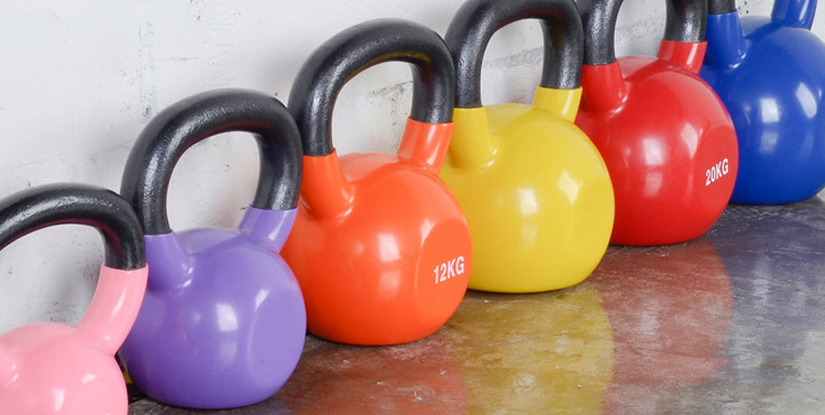
When placing a bulk order, it is highly recommended to coordinate with your factory to ensure that the kettlebell diameter and handle thickness are optimized for your specific racking systems. Standardizing your weight sets through a single wholesale partner reduces the complexity of your inventory turnover and ensures that your storage footprint remains predictable as your facility grows.
Storage Configuration and Footprint Comparison
For professional procurement leads, selecting the right form factor is a strategic decision regarding long-term operational efficiency. The choice between vertical and horizontal storage significantly impacts the total footprint and the ease of restocking during high-volume usage. When sourcing wholesale cast iron kettlebells, understanding these spatial requirements helps in calculating the total landed cost of both the equipment and the necessary storage infrastructure.
| Storage Type | Footprint Profile | Loading Efficiency | Best Use Case | Sourcing Recommendation |
|---|---|---|---|---|
| Vertical Tiered Racks | Minimal/High Verticality | Fast access for high-traffic zones | Boutique studios and functional zones | Standardized handle diameters |
| Horizontal Floor Racks | Large/Wide Footprint | Stable for heavy weight sets | Large-scale commercial training halls | Consistent base flatness |
| Wall-Mounted Systems | Zero Floor Footprint | Limited by wall mounting capacity | Small studios with limited square footage | Lightweight or compact weight profiles |
| Customized OEM Solutions | Variable/Optimized | Maximum control over facility flow | Large-scale distributor/Gym chains | Custom branding and specialized dimensions |
As a leading fitness equipment OEM manufacturer, we advise buyers to evaluate the compatibility between the kettlebell base design and the intended storage system. A mismatch between the casting diameter and the rack spacing can lead to instability or damaged coatings. For large-scale projects, we offer ODM services to develop custom-sized storage solutions or specialized weight sets that align perfectly with your facility's unique architectural constraints.
Optimizing the shipping volume and logistics for heavy iron products is a critical step in reducing the total landed cost for international distributors. Because kettlebells are high-density items, the way they are packed can significantly influence your container utilization and overall procurement budget. A professional high capacity kettlebell manufacturer provides more than just equipment; they provide optimized shipping strategies that protect your profit margins.
To maximize efficiency, we offer customized packaging and specialized palletization techniques tailored to your specific MOQ and order size. By utilizing high-density stacking methods and reinforced export-grade cartons, we help minimize wasted air space within sea containers. This attention to detail ensures that your wholesale shipments arrive with minimal movement, reducing the risk of coating damage and ensuring that your warehouse efficiency remains high upon arrival at your local port.
Custom Branding and OEM/ODM Production Capabilities
For distributors and gym equipment importers, the ability to scale a brand identity through a professional high capacity kettlebell manufacturer is a critical competitive advantage. Moving beyond standard stock items allows you to capture higher margins and establish market presence through private label solutions that meet specific regional or boutique fitness demands.
Our China factory provides comprehensive OEM and ODM services designed to transition your concepts into market-ready products. Whether you require a specific custom branding approach—such as laser-etched logos or embossed weight markings—or specialized color/finish options like high-visibility powder coating, our production lines are built for versatility. We support diverse weight customization requests, ensuring your inventory covers everything from entry-level training sets to heavy-duty professional ranges. For large-scale distributors, we offer scalable MOQ structures to balance your initial sourcing investment with the need for a unique product catalog. By leveraging our fitness equipment OEM manufacturer capabilities, you can control the technical specifications of the handle texture and base finish, ensuring the final product aligns perfectly with your brand's premium positioning.
Customization Tier Comparison for Procurement
Selecting the appropriate service level is essential for optimizing your landed cost and managing inventory turnover. Depending on your market positioning—whether you are supplying budget-friendly commercial gyms or premium boutique studios—the following comparison outlines the technical and logistical differences between standard wholesale and full-scale customization.
| Customization Aspect | Standard Wholesale | Full OEM/ODM Service | Impact on MOQ/Lead Time |
|---|---|---|---|
| Branding & Identity | Standard weight markings or existing factory templates | Custom embossed logos, laser etching, or specialized paint colors | Higher MOQ and extended lead times for custom molds |
| Material & Finish | Standard cast iron with common powder coating | Specialized PU coating, chrome finish, or specific handle textures | Requires pre-shipment QC for coating adhesion and texture consistency |
| Weight Specifications | Standard industry-standard weight increments | Customized weight ranges or specialized competition-spec bells | Longer production cycles for precise weight calibration |
| Packaging & Presentation | Standard export-ready bulk packaging | Custom branded boxes or retail-ready display solutions | Impacts container loading efficiency and shipping volume |
When sourcing through a commercial kettlebell supplier, it is vital to evaluate how these tiers affect your long-term distributor margins. While standard wholesale offers the fastest turnaround for restocking, a professional high capacity kettlebell manufacturer can provide the technical depth needed for a complete wholesale cast iron kettlebells product line that stands out in a competitive market. We recommend requesting a formal spec sheet and confirming the specific MOQ for any custom branding or finish requests to ensure your procurement timeline remains intact.
Technical Execution: Logo Application and Quality Control
A common failure mode in bulk procurement is the degradation of brand identity due to poor surface treatment. When developing a custom product line, the method of logo application must be chosen based on the intended durability of the equipment. For high-volume wholesale cast iron kettlebells, we offer two primary methods: integrated casting and surface printing. Casting the logo directly into the iron mold ensures the brand remains permanent and resistant to wear, which is ideal for heavy-duty commercial use. Alternatively, for more detailed visual branding, laser etching or high-durability pad printing can be applied over a powder coating, provided the coating adhesion meets industry standards to prevent chipping during high-impact training.
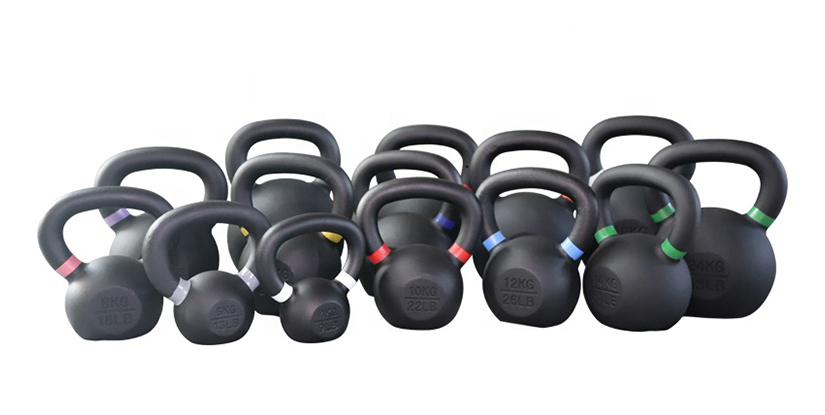
To mitigate the risk of receiving inconsistent batches, our high capacity kettlebell manufacturer protocols include a rigorous pre-shipment QC process. This goes beyond simple visual checks; we focus on critical technical points such as weight tolerance spot-checks to ensure every unit matches the specified mass, and testing the handle-to-body junction for structural integrity. For importers, understanding these technicalities is essential for reducing the total cost of ownership and avoiding the high costs of replacement or returns. Before finalizing any large-scale order, we suggest a sample approval phase and a thorough review of our export packaging standards to ensure your shipment arrives in optimal condition, ready for immediate distribution.
Factory QC Standards and Export Packaging Protocols
Maintaining consistent product integrity is the primary challenge for distributors sourcing high-volume orders. A professional high capacity kettlebell manufacturer must implement rigorous quality control (QC) protocols to mitigate the risks of weight variance and surface defects. For B2B buyers, ensuring that every unit meets commercial standards is essential to protect brand reputation and reduce the landed cost of returns or replacements.
In a professional China factory setting, the pre-shipment inspection process typically begins with a weight tolerance check. This involves verifying that the cast iron or powder-coated units fall within an acceptable industry-standard deviation. Following calibration, technicians inspect the handle-to-body junction and the integrity of the coating to ensure no chipping occurs during high-intensity use. This systematic approach allows a commercial kettlebell supplier to guarantee that wholesale cast iron kettlebells arrive at the destination with uniform density and finish, meeting the expectations of premium gym operators.
Effective export logistics also depend on robust packaging strategies. To prevent damage during sea freight, products are often palletized and secured with heavy-duty shrink wrap or reinforced cartons. For fitness equipment OEM manufacturer clients, custom packaging or private label branding can be integrated into this stage, ensuring that the MOQ requirements for customized shipping solutions are met without compromising the safety of the shipment.
A detailed technical inspection is the final barrier between a successful shipment and a high return rate. During the pre-shipment inspection, technicians focus on the physical attributes that define long-term commercial durability. A primary check involves the base flatness of each unit to ensure stability during high-velocity movements. Additionally, the handle texture and knurling depth are evaluated to confirm they provide a secure, non-slip grip without causing excessive user discomfort. These technical details are critical for a high capacity kettlebell manufacturer to ensure that every piece of wholesale cast iron kettlebells delivered to a distributor or gym owner is consistent in both performance and tactile feel.
The surface finish is another critical inspection point. Most commercial kettlebell supplier orders require a high-quality powder coating to prevent oxidation and resist impact damage. Inspectors typically check for coating adhesion and the absence of surface bubbles or unevenness that could lead to premature wear. For fitness equipment OEM manufacturer clients, these QC steps ensure that the private label or custom branding remains legible and aesthetically professional throughout the product's lifecycle. We recommend that buyers request a sample approval or a detailed inspection report to verify these specific material and finish standards before finalizing large-scale sourcing orders.
Comparison of Export Packaging and Logistics Tiers
Choosing the right logistics framework is essential for optimizing your landed cost and minimizing warehouse breakage. Depending on your MOQ and target market, a high capacity kettlebell manufacturer can offer different levels of protection to ensure safe arrival via sea freight. While standard shipping is cost-effective for high-volume wholesale orders, premium tiers provide enhanced security for high-end commercial kettlebell supplier inventory.
| Logistics Tier | Packaging Method | Palletization Standard | Container Loading Optimization | Best For |
|---|---|---|---|---|
| Standard Export | Reinforced single-wall cartons | Standard wooden pallets | Standard stackable arrangement | Budget-conscious wholesale cast iron kettlebells |
| Commercial Grade | Double-wall corrugated boxes | Heat-treated/ISPM-15 pallets | Optimized weight distribution | General fitness equipment OEM manufacturer orders |
| Premium/Distributor | Heavy-duty reinforced crates | Customized pallet dimensions | High-density container loading optimization | High-end retail or branded gym distribution |
To maximize your shipping efficiency, we recommend coordinating closely with your high capacity kettlebell manufacturer regarding container loading optimization. By aligning the dimensions of your export packaging with the specific internal volume of a 20ft or 40ft container, you can significantly reduce the cost per unit. We suggest requesting a loading plan during the sourcing phase to confirm how your specific MOQ and weight combinations will impact your total freight expenditure.
Strategic Procurement and Bulk Order Planning
Optimizing your inventory requires more than just selecting products; it requires a deep understanding of the total cost of ownership. When sourcing through a high capacity kettlebell manufacturer, professional buyers must balance initial unit costs against long-term durability and shipping efficiencies. By establishing a direct relationship with a China factory, distributors can effectively manage landed cost through optimized container loading and streamlined logistics, ensuring that bulk shipments remain profitable despite fluctuating freight markets.
A common procurement pitfall for gym owners and distributors is focusing solely on the unit price while ignoring the TCO. Low-quality casting can lead to premature surface degradation or weight inconsistencies, resulting in high replacement costs and damaged brand reputation. To maximize ROI, it is essential to partner with a commercial kettlebell supplier that offers standardized production cycles and transparent MOQ structures. This stability allows for predictable scaling and better margin management for your wholesale operations.
Sourcing Efficiency and Volume Advantages
The financial logic of moving from small-batch purchasing to large-scale wholesale cast iron kettlebells procurement is rooted in the scale of economy. As order volumes increase, the impact of fixed costs—such as machine setup, material sourcing, and pre-shipment QC—is distributed across more units, lowering the per-piece cost. Furthermore, working with a fitness equipment OEM manufacturer allows you to customize packaging and branding, which adds significant value to your private label identity without the overhead of managing multiple small-scale vendors.
| Procurement Model | Primary Advantage | Typical MOQ | Focus Area | Supply Chain Role |
|---|---|---|---|---|
| Stock Wholesale | Rapid lead time | Low to Moderate | Immediate Inventory | Distributor / Retailer |
| OEM Production | Custom Branding | High | Brand Identity | Gym Chain / Importer |
| ODM Development | Technical Customization | Very High | Product Innovation | Large Scale Brand |
Optimizing Sourcing Models for Maximum Margin
Deciding between a standard stock order and a custom OEM arrangement depends on your specific market positioning and volume requirements. While purchasing ready-to-ship stock offers the fastest way to replenish inventory, engaging a high capacity kettlebell manufacturer for custom production allows for greater control over product differentiation. For distributors looking to build long-term brand equity, the ability to specify custom knurling depth, handle textures, or unique coating colors via ODM services can justify a premium price point in the end-user market.
To ensure a successful partnership, professional procurement teams should evaluate potential partners based on their ability to handle complex logistics and rigorous quality standards. A reliable supplier should provide transparent documentation regarding their production capacity and their ability to meet specific shipping timelines. Whether you are ordering a single container of wholesale cast iron kettlebells or developing a specialized product line, understanding the nuances of factory-direct sourcing is the first step toward sustainable growth in the commercial fitness sector.
Before finalizing your next bulk purchase, we recommend requesting a detailed specification sheet and confirming the current MOQ for your target weight ranges. Our team is available to assist with sample evaluation, factory audit requests, and customized export packaging solutions to ensure your inventory arrives in optimal condition and is ready for immediate commercial deployment.