Investment Casting Manufacturer: Production and QC Overview
Investment Casting Manufacturer: Essential Qualification Standards
Distributors often fail by prioritizing low unit costs over structural integrity, leading to high replacement rates and damaged brand reputations. A professional investment casting manufacturer avoids these pitfalls by implementing rigorous material validation and precision casting protocols. For high-volume commercial fitness equipment manufacturing, selecting a China factory that masters both precision metal casting and surface adhesion is critical for maintaining long-term commercial durability and reducing total cost of ownership.
When sourcing heavy-duty components, procurement leads must evaluate the manufacturer's ability to maintain consistency across large wholesale orders. Reliable sourcing requires more than just a low MOQ; it requires a supplier capable of managing the complex transition from raw casting to final finishing without compromising the structural density required for heavy-use gym environments.
Comparison of Casting Standards for Commercial Procurement
To optimize your distributor margins and reduce the frequency of after-sales claims, it is essential to categorize casting quality by its intended commercial duty. A professional investment casting manufacturer will provide transparency regarding how different casting routes impact your landed cost and long-term maintenance load. The following table outlines the qualitative tiers typically found when sourcing components for global distribution.
| Material Tier | Process Type | Key Component Focus | Commercial Duty | MOQ Impact | Factory QC Point |
|---|---|---|---|---|---|
| Gray Iron / Cast Iron | Sand Casting | Base stability and density | Standard Commercial | Low to Moderate | Base flatness and surface uniformity |
| Ductile Iron | Precision Casting | Structural load-bearing parts | Premium Commercial | Moderate to High | Internal structural integrity and density |
| Solid Steel / Alloy | CNC Machined Casting | High-precision movement parts | Elite / Competition | High | Tolerance consistency and surface finish |
Choosing the correct tier for your commercial fitness equipment manufacturing needs ensures that your product line remains competitive. For example, while sand casting offers a lower entry point for wholesale orders, high-end studio equipment often requires the precision of more advanced precision metal casting methods to ensure smooth mechanical operation and long-term structural reliability.
Before finalizing your next bulk order, we recommend requesting a specific material spec sheet or a sample evaluation to verify the coating adhesion and weight consistency. Contact our team to confirm current MOQ levels or to discuss custom OEM requirements for your brand identity.
| Material Tier | Process Type | Key Component Focus | Commercial Duty | MOQ Impact | Factory QC Point |
|---|---|---|---|---|---|
| Gray Iron / Cast Iron | Sand Casting | Base stability and density | Standard Commercial | Low to Moderate | Base flatness and surface uniformity |
| Ductile Iron | Precision Casting | Structural load-bearing parts | Premium Commercial | Moderate to High | Internal structural integrity and density |
| Solid Steel / Alloy | CNC Machined Casting | High-precision movement parts | Elite / Competition | High | Tolerance consistency and surface finish |
Choosing the correct tier for your commercial fitness equipment manufacturing needs ensures that your product line remains competitive. For example, while sand casting offers a lower entry point for wholesale orders, high-end studio equipment often requires the precision of more advanced precision metal casting methods to ensure smooth mechanical operation and long-term structural reliability.
Before finalizing your next bulk order, we recommend requesting a specific material spec sheet or a sample evaluation to verify the coating adhesion and weight consistency. Contact our team to confirm current MOQ levels or to discuss custom OEM requirements for your brand identity.
Precision Metal Casting and Material Selection for Commercial Use
A professional investment casting manufacturer ensures that high-stress components meet the rigorous demands of high-traffic fitness environments. For distributors and importers, selecting a investment casting manufacturer that prioritizes high-grade material consistency is essential to reducing long-term maintenance costs and ensuring product durability. When sourcing components for heavy-duty equipment, the technical baseline begins with the structural integrity of the metal itself.
In the context of commercial fitness equipment manufacturing, the choice between various metal grades directly impacts the lifespan of the unit and the total cost of ownership for the end-user. Most high-end components rely on precision metal casting to achieve complex geometries that standard machining cannot easily replicate. For example, utilizing high-quality cast iron for weight bases or structural connectors provides the necessary density and impact resistance required for constant commercial use. To further enhance protection against oxidation and wear, a high-standard China factory will typically implement a multi-stage powder coating process. This ensures the finish adheres correctly to the cast surface, preventing premature peeling or corrosion in humid gym environments.
Understanding these material nuances allows procurement leads to better evaluate the wholesale value of a batch. While budget-tier options may use thinner coatings or lower-grade alloys, a premium supplier focuses on the synergy between the casting density and the surface treatment to guarantee long-term reliability.
Material and Surface Treatment Comparison for Procurement Decision-Making
For procurement managers, the trade-off between initial unit cost and long-term maintenance load is a critical factor. Selecting the correct material and coating profile determines whether a product remains a high-value asset or a recurring replacement cost. A reliable investment casting manufacturer will provide detailed specifications regarding the base metal and the application method of the surface finish to assist in your technical audit.
In many commercial settings, the distinction between gray iron and ductile iron can impact the structural resilience of heavy-duty components. While gray iron is industry-standard for many high-volume cast parts due to its excellent vibration damping, ductile iron offers superior toughness for high-impact zones. Furthermore, the choice between a standard powder coating and a specialized PU coating (polyurethane) significantly alters the tactile feel and the resistance to surface abrasions. For large-scale commercial fitness equipment manufacturing, these technical variables must be aligned with your target market's premium or budget tier to optimize your landed cost and distributor margins.
| Material Type | Surface Treatment | Key Component Application | Commercial Duty Tier | MOQ Impact | Factory QC Point |
|---|---|---|---|---|---|
| Gray Iron | Standard Powder Coating | Weight Bases / Fixed Plates | Budget to Commercial | Lower | Coating Adhesion |
| Ductile Iron | High-Grade Powder Coating | High-Impact Connectors | Premium Commercial | Moderate | Structural Density |
| Cast Steel | PU Coating / Polyurethane | Premium Grip / Handle Parts | Premium / Competition | Higher | Encapsulation Uniformity |
When evaluating your next batch, we recommend requesting a detailed spec sheet to confirm the specific alloy and coating thickness. For specialized orders involving custom branding or unique surface textures, please contact us to discuss your specific MOQ and potential lead time requirements. We are available to provide sample approval protocols or facilitate a virtual factory audit to ensure all precision metal casting standards meet your procurement guidelines.
Manufacturing Routes: Casting vs. Forging for High-End Components
Selecting the right investment casting manufacturer is a critical decision for distributors aiming to optimize the Total Cost of Ownership (TCO) for their clients. While forging is often associated with extreme impact resistance, precision metal casting offers a superior balance of geometric complexity and cost-efficiency for high-end commercial fitness equipment manufacturing. For importers managing bulk orders, understanding these technical trade-offs is essential to ensure long-term durability and minimize maintenance-related downtime in commercial environments.
When sourcing from a China factory, buyers must evaluate how the production route impacts both the initial landed cost and the long-term operational expenses. While forging produces incredibly dense parts, the high cost of tooling and limited design flexibility can drive up the price of complex components. In contrast, an experienced supplier utilizing investment casting can deliver intricate, high-strength parts that meet industry-standard specifications with much greater design freedom and a more predictable wholesale pricing structure.
| Manufacturing Route | Design Complexity | Structural Density | Commercial Duty Tier | TCO Impact |
|---|---|---|---|---|
| Investment Casting | High (Complex Shapes) | Standard to High | Premium/Commercial | Optimized for high-end durability |
| Forging | Low (Simple Shapes) | Very High | Elite/Professional | Higher initial Capex |
| Standard Casting | Moderate | Standard | Budget/Commercial | Lower initial cost; higher maintenance |
For procurement leads, the goal is to find a factory that balances these manufacturing strengths to protect distributor margins. An investment casting manufacturer provides the ability to integrate complex ergonomic features and branding directly into the component, reducing the need for secondary machining and lowering the overall sourcing complexity for large-scale gym deployments.
Evaluating the long-term value of high-end components requires a focus on how manufacturing choices influence the total lifecycle of the product. While forging remains a staple for high-impact structural elements, the versatility of precision metal casting allows for a more specialized approach to ergonomic and aesthetic requirements. For professional buyers, the decision between these routes should be driven by the specific functional demands of the equipment and the intended maintenance cycles of the facility.
A strategic investment casting manufacturer can significantly lower the long-term maintenance load by producing parts with consistent geometric precision. This reduction in variability minimizes the need for frequent part replacement and onsite adjustments. When calculating the landed cost for large-scale gym installations, the ability to produce complex, high-quality components through a single, streamlined process can provide a distinct advantage in maintaining high uptime and equipment reliability.
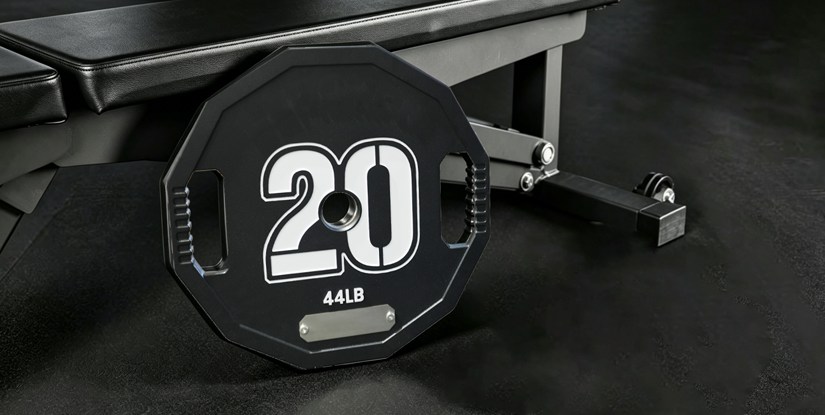
Before finalizing a bulk order, we recommend that procurement managers request a technical spec sheet or a sample evaluation to confirm that the material density and surface finish meet your specific commercial-grade requirements. Our team is available to discuss how our specific production capabilities can support your OEM or private label needs, as well as to provide detailed information regarding MOQ and lead time for your next shipment.
A strategic investment casting manufacturer can significantly lower the long-term maintenance load by producing parts with consistent geometric precision. This reduction in variability minimizes the need for frequent part replacement and onsite adjustments. When calculating the landed cost for large-scale gym installations, the ability to produce complex, high-quality components through a single, streamlined process can provide a distinct advantage in maintaining high uptime and equipment reliability.
Before finalizing a bulk order, we recommend that procurement managers request a technical spec sheet or a sample evaluation to confirm that the material density and surface finish meet your specific commercial-grade requirements. Our team is available to discuss how our specific production capabilities can support your OEM or private label needs, as well as to provide detailed information regarding MOQ and lead time for your next shipment.
Quality Control Protocols for Commercial Fitness Equipment Manufacturing
Maintaining rigorous standards in commercial fitness equipment manufacturing is essential for distributors and gym owners to minimize long-term maintenance costs and prevent product recalls. A professional investment casting manufacturer implements multi-stage verification to ensure that every component meets the structural demands of high-traffic environments. For importers managing bulk orders, a standardized factory QC system reduces the risk of receiving defective batches that can disrupt wholesale distribution schedules or damage brand reputation.
Effective pre-shipment inspection protocols typically focus on three critical technical dimensions: structural integrity, dimensional accuracy, and surface consistency. In precision metal casting, even minor deviations in the mold or cooling process can lead to significant failures in commercial settings. A reliable China factory will perform routine spot-checks on weight tolerance to ensure consistency across the entire production run, as well as detailed evaluations of the surface finish to verify that coatings are free from bubbles, cracks, or peeling. This level of oversight is vital when sourcing high-end components that require both aesthetic appeal and extreme durability.
For buyers managing complex OEM or ODM projects, understanding these QC checkpoints allows for better alignment on MOQ and lead time expectations. Rather than relying solely on post-arrival inspections, professional procurement teams often request specific verification reports regarding casting density and coating adhesion to ensure the landed cost of the product remains optimized through reduced replacement rates.
Technical Comparison of Casting Methods and Inspection Standards
Procurement managers must distinguish between various manufacturing routes to ensure the selected components align with the intended commercial duty and budget. Selecting the wrong casting method can lead to higher failure rates, increasing the total cost of ownership and reducing the distributor margin. A professional investment casting manufacturer will provide specific technical profiles for each method to assist in the decision-making process.
| Material Type | Primary Process | Key Component Focus | Commercial Duty Tier | MOQ Impact | Factory QC Point |
|---|---|---|---|---|---|
| Gray Iron / Cast Iron | Sand Casting | Heavy weights and bases | Standard Commercial | Lower MOQ required | Base flatness and surface density |
| High-Grade Steel | Investment Casting | Precision handles and joints | Premium / Competition | Higher MOQ for molds | Dimensional accuracy and knurling |
| Aluminum Alloy | Die Casting | Lightweight accessories | Entry-Level / Studio | High volume required | Surface coating adhesion |
| Solid Steel | Forging / Machining | High-impact load parts | Elite / Professional | Variable based on tooling | Structural integrity and weld strength |
When conducting a factory audit or evaluating a sample, focus on the intersection of material stability and surface finish. For example, in precision metal casting, the integrity of the handle-to-body junction is a common failure point if the cooling process is not strictly controlled. Buyers should also verify the robustness of the export packaging; high-quality components require reinforced corner protection and moisture-resistant wrapping to ensure the items arrive at the destination without cosmetic damage, thereby protecting the final landed cost and ensuring the product is ready for immediate retail or installation.
China Factory Sourcing: MOQ, Lead Times, and OEM Capabilities
Navigating the complexities of bulk procurement requires a clear understanding of how an investment casting manufacturer manages production scales. For international distributors and importers, the relationship between MOQ and production capacity directly impacts landed costs and inventory turnover. When sourcing high-end components, understanding these variables ensures your supply chain remains resilient and profitable.
A professional investment casting manufacturer typically operates on structured production cycles to balance precision with volume. For specialized commercial fitness equipment manufacturing, the MOQ is often determined by the complexity of the mold and the specific metal alloys required. While smaller wholesale orders may offer faster lead times, larger OEM or ODM projects benefit from economies of scale, reducing the per-unit cost for high-volume distributors.
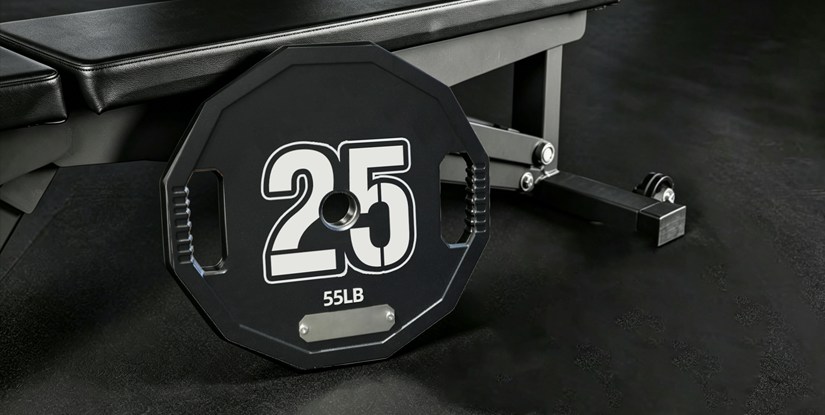
Managing these timelines effectively is critical for maintaining a steady supply of premium equipment. A reliable China factory will provide transparent lead times that account for raw material procurement, the casting process, and rigorous pre-shipment inspections. Whether you are developing a private label line or sourcing standard commercial-grade parts, aligning your order volume with the factory capacity is the most effective way to optimize your procurement strategy.
Sourcing Models: Comparing Stock vs. Custom Production
Distributors must choose between immediate availability and full brand control. Choosing the right procurement path depends on whether your priority is rapid replenishment or developing a unique market position through customization. While stock items offer the lowest barrier to entry, precision metal casting projects tailored to your specific brand identity provide long-term competitive advantages in the premium segment.
| Sourcing Model | Primary Focus | Customization Level | Typical MOQ | Lead Time Profile |
|---|---|---|---|---|
| Standard Stock | Rapid Replenishment | Minimal (Logo only) | Low | Immediate / Short |
| OEM | Brand Identity | High (Specs & Form) | Medium to High | Extended (Production Cycle) |
| ODM | Product Innovation | Full (Design & Function) | High | Long (R&D + Production) |
For importers focused on high-frequency bulk orders, maintaining a baseline of stock components is a prudent strategy to mitigate shipping delays. However, for those aiming to establish a premium presence, working with an investment casting manufacturer on an OEM basis allows for control over specific metal finishes and handle textures. This strategic approach ensures your product line meets the exact standards required for high-end commercial fitness equipment manufacturing while optimizing your total landed cost through optimized production runs.
When evaluating these options, we recommend requesting a detailed specification sheet and confirming the specific MOQ for any custom tooling requirements. To ensure alignment with your distribution timeline, always request a preliminary production schedule and a sample approval process before finalizing large-scale procurement contracts.
Optimizing Total Landed Cost and Export Logistics
For global procurement leads, the final price of a component is not merely the factory-direct cost, but the total landed cost. This figure is heavily influenced by how an investment casting manufacturer manages the logistics of heavy, high-density metal parts. Efficiently calculating the cost of shipping, duties, and insurance is essential for maintaining healthy distributor margins, especially when managing large-scale wholesale shipments from a China factory.
To mitigate the risks of transit damage and ensure product integrity upon arrival, professional commercial fitness equipment manufacturing requires standardized, high-durability export packaging. This typically involves reinforced corner protection, heavy-duty corrugated boxes, or custom wooden crates for high-volume sea freight. A reliable supplier will also provide detailed packing lists and weight specifications to streamline customs clearance and warehouse receiving processes.
Beyond packaging, rigorous pre-shipment QC is the final safeguard in the sourcing workflow. Before any container is loaded, an inspection should verify that the precision metal casting meets all dimensional and surface finish requirements. This step prevents the high cost of post-import returns and ensures that your logistics and shipping timelines remain predictable. We recommend that buyers schedule a formal inspection or request high-resolution visual verification of a sample batch to confirm that all quality benchmarks are met before the final dispatch.
Export Logistics: Packaging and Landed Cost Optimization
For professional importers, the total landed cost of heavy metal components extends far beyond the initial FOB price. When sourcing high-density items from a China factory, the efficiency of export packaging and bulk shipping strategies directly impacts your final distributor margins and warehouse overhead.
An experienced investment casting manufacturer understands that heavy, irregularly shaped commercial parts require more than just standard boxing. Improper weight optimization or inadequate protection during bulk shipping can lead to surface abrasions or structural damage, resulting in expensive replacement claims and increased TCO. To mitigate these risks, a professional investment casting manufacturer implements specialized export packaging protocols, such as reinforced wooden crates or heavy-duty corrugated cartons, to ensure stability during long-distance maritime transit. By optimizing container loading patterns and managing the volumetric weight of metal components, a reliable supplier helps buyers minimize freight expenses and stabilize their landed cost for large-scale commercial fitness equipment manufacturing projects.
Effective logistics planning requires a technical understanding of how packaging density affects the total cost of ownership. For high-density components produced via precision metal casting, the primary challenge is balancing product safety with the high cost of sea freight. A professional investment casting manufacturer will provide tiered packaging options to help distributors manage both protection and shipping efficiency.
Packaging Methods and Shipping Efficiency
| Packaging Type | Protection Level | Shipping Efficiency | Best Use Case |
|---|---|---|---|
| Standard Corrugated Box | Moderate | High (Low Volumetric Weight) | Small component wholesale orders |
| Reinforced Palletization | High | Medium (Optimized for Sea Freight) | Bulk commercial fitness equipment manufacturing parts |
| Custom Wooden Crating | Maximum | Lower (Higher Volumetric Weight) | Heavy, irregularly shaped high-end components |
To prevent oxidation and surface damage during transit, many premium components undergo a specialized protective coating application before being secured. For large-scale commercial fitness equipment manufacturing, utilizing standardized palletization is essential to maximize container utilization. By reducing empty space and controlling the volumetric weight through strategic stacking, a professional investment casting manufacturer ensures that your landed cost remains competitive while protecting the integrity of every precision-cast part during long-haul maritime transport.
Optimizing the final landed cost requires a proactive approach to the entire supply chain, from the initial MOQ agreement to the final arrival at your local distribution center. A professional investment casting manufacturer provides value by streamlining the transition from production to export, ensuring that customs clearance processes are not delayed by insufficient documentation or non-compliant labeling. By coordinating closely with freight forwarders, a reliable supplier can manage the complexities of international trade, reducing the risk of unexpected port fees or inspection delays.
Beyond documentation, the physical integrity of the shipment is a critical variable in long-term profitability. Effective damage prevention strategies—such as utilizing moisture-resistant barriers and impact-absorbing materials—are essential when transporting heavy, high-precision components. These measures protect against the high humidity and mechanical vibrations typical of maritime transit. Furthermore, a China factory that prioritizes warehouse efficiency through standardized pallet sizes and optimized loading volumes helps buyers maximize container density. This attention to detail ensures that every cubic meter of shipping space is utilized effectively, preventing the loss of profit margins caused by excessive volumetric weight or damaged goods upon arrival.