Iron Casting Manufacturer: Manufacturing Process Supply
The Role of a Professional Iron Casting Manufacturer in Global Supply Chains
Securing a reliable iron casting manufacturer requires more than just comparing unit prices; professional buyers must evaluate the intersection of metallurgical consistency, technical specification adherence, and logistical reliability. When sourcing heavy equipment, procurement leads face critical risks regarding weight tolerances, surface finish durability, and the ability of a China factory to maintain steady output during high-volume seasonal shifts. A professional partner mitigates these risks by providing transparent oversight of the commercial iron casting process, ensuring that every batch meets the structural requirements of high-traffic commercial environments while optimizing the total landed cost for distributors.
For distributors and gym equipment importers, the transition from raw material to a finished product is a high-stakes phase of fitness equipment OEM manufacturing. Relyity depends on whether the factory can manage the complex sequence of sand casting, precision machining, and surface treatment without compromising the integrity of the cast iron. Effective sourcing strategies prioritize partners who offer scalable wholesale solutions and can provide clear documentation regarding MOQ and lead time to prevent inventory stockouts or shipping delays in the global supply chain.
Technical Workflow and Quality Standards Comparison
To assist in procurement evaluation, the following table outlines the qualitative differences between various production tiers. Understanding these distinctions allows professional buyers to align their budget with the required commercial duty of the equipment, ensuring that the chosen iron casting manufacturer provides the appropriate level of durability and finish for their specific market segment.
| Material Tier | Production Process | Key Component Focus | Commercial Duty | MOQ Impact | Factory QC Point |
|---|---|---|---|---|---|
| Gray Iron | Sand Casting | Base Flatness & Weight | Standard Commercial | Standard | Weight Tolerance Spot-check |
| Ductile Iron | Precision Casting | Handle-to-Body Junction | Premium Commercial | Higher | Structural Integrity Check |
| Steel Core | Machining & Coating | Knurling & Surface Grip | Elite/Competition | Variable | Coating Adhesion Test |
A rigorous QC protocol is essential for maintaining high distributor margins and reducing after-sales returns. During the pre-shipment inspection, technicians typically focus on critical failure points such as coating adhesion on the handle, the concentricity of the weight distribution, and the structural stability of the junction welds. For large-scale wholesale orders, a professional iron casting manufacturer will also verify the integrity of the export packaging to prevent damage during long-haul maritime transit. This level of oversight ensures that the final landed cost remains predictable by minimizing the need for replacement parts or handling claims upon arrival at the warehouse.
Optimizing Material Selection and Commercial Durability
Selecting the correct base material is a critical decision for distributors and gym equipment importers. When sourcing from an iron casting manufacturer, the choice between standard gray iron and more advanced alloys directly dictates the long-term commercial durability of the product and the subsequent maintenance load for the end-user. A professional iron casting manufacturer must provide clear specifications to ensure the landed cost remains competitive while meeting the high-impact demands of commercial strength training environments.
For high-volume wholesale orders, understanding the structural differences between cast iron and ductile iron is essential. While standard cast iron is a reliable and cost-effective industry-standard for many commercial weight plates and bells, ductile iron offers superior toughness and resistance to cracking under extreme impact. For sourcing high-end studio equipment, these material nuances influence both the product's lifespan and the distributor's replacement planning. A reliable China factory will offer various material grades to help buyers balance initial procurement budgets with long-term durability requirements.
| Material Type | Typical Application | Commercial Duty Tier | Durability Profile | Sourcing Impact |
|---|---|---|---|---|
| Gray Cast Iron | Standard Commercial Plates/Bells | Budget to Mid-Tier | High compressive strength; brittle under high impact | Lower MOQ and optimized for high-volume wholesale |
| Ductile Iron | Premium Strength Equipment | Premium / Professional | High impact resistance; better tensile strength | Higher sourcing cost; suitable for high-traffic gyms |
| Steel (Machined) | Competition Grade Gear | Elite / Competition | Maximum precision and structural integrity | Complex fitness equipment OEM manufacturing requirements |
When evaluating commercial iron casting process options, buyers should consider how material density and surface treatment affect the final product. A specialized China factory can provide different finishing levels, such as basic phosphate treatments or high-durability powder coating, to protect the underlying iron from oxidation. This level of fitness equipment OEM manufacturing customization allows distributors to offer products that fit specific market segments, whether they are targeting budget-friendly fitness centers or premium boutique studios.
Beyond the base metal, the surface finish determines how the product interacts with both the user and the facility floor. For many importers, the choice between a standard finish and a premium coating is a trade-off between initial wholesale pricing and long-term maintenance costs. A professional iron casting manufacturer must ensure that the application process is consistent across all units to prevent premature oxidation or coating failure, which can damage a distributor's brand reputation.
Surface Treatment and Durability Standards
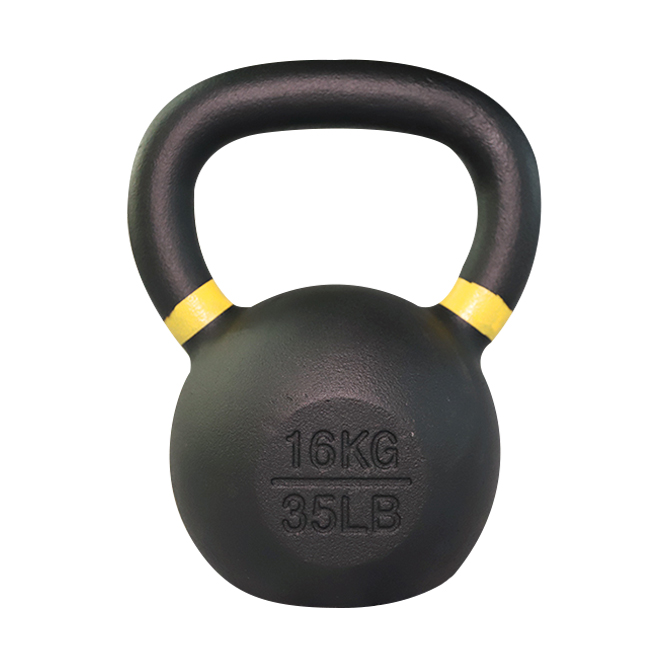
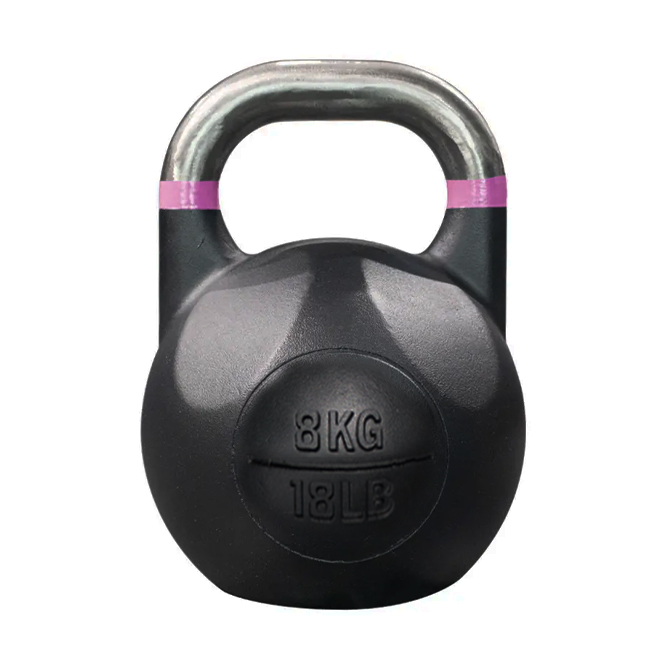
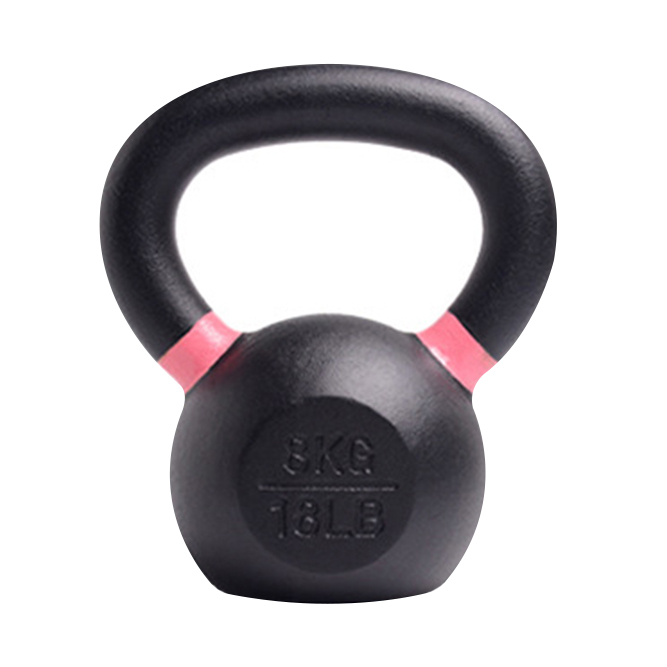
The selection of a finishing method is a key component of the commercial iron casting process. For instance, while a basic enamel or paint finish might suffice for low-traffic environments, high-use commercial facilities often require more robust solutions. A high-quality powder coating provides a thicker, more resilient layer that resists chipping and scratches during heavy use. Alternatively, for premium studio environments where floor protection and a softer tactile feel are prioritized, PU coating (polyurethane) is a common industry-standard choice. This layer adds a layer of impact absorption and prevents the metal from making direct contact with sensitive gym flooring.
When managing bulk procurement, buyers should also account for the weight tolerance associated with different coating thicknesses. A high-tier China factory will implement strict calibration steps to ensure that the addition of a heavy powder coating or a thick PU coating does not cause the finished weight to deviate from the specified commercial grade. During pre-shipment QC, inspectors typically check for coating adhesion and uniformity to ensure the surface can withstand the rigors of a professional gym environment without peeling or cracking.
For distributors looking to optimize their product catalog, it is advisable to request technical spec sheets that detail the specific coating types available. Depending on your target market, you may want to request samples to evaluate the grip texture and the durability of the surface treatment. If you are planning a large-scale OEM project, confirming the impact of these finishes on both the final weight and the total MOQ will help in accurate landed cost calculations and inventory management.
Selecting the correct base material is a critical decision for distributors and gym equipment importers. When sourcing from an iron casting manufacturer, the choice between standard gray iron and more advanced alloys directly dictates the long-term commercial durability of the product and the subsequent maintenance load for the end-user. A professional iron casting manufacturer must provide clear specifications to ensure the landed cost remains competitive while meeting the high-impact demands of commercial strength training environments.
For high-volume wholesale orders, understanding the structural differences between cast iron and ductile iron is essential. While standard cast iron is a reliable and cost-effective industry-standard for many commercial weight plates and bells, ductile iron offers superior toughness and resistance to cracking under extreme impact. For sourcing high-end studio equipment, these material nuances influence both the product's lifespan and the distributor's replacement planning. A reliable China factory will offer various material grades to help buyers balance initial procurement budgets with long-term durability requirements.
| Material Type | Typical Application | Commercial Duty Tier | Durability Profile | Sourcing Impact |
|---|---|---|---|---|
| Gray Cast Iron | Standard Commercial Plates/Bells | Budget to Mid-Tier | High compressive strength; brittle under high impact | Lower MOQ and optimized for high-volume wholesale |
| Ductile Iron | Premium Strength Equipment | Premium / Professional | High impact resistance; better tensile strength | Higher sourcing cost; suitable for high-traffic gyms |
| Steel (Machined) | Competition Grade Gear | Elite / Competition | Maximum precision and structural integrity | Complex fitness equipment OEM manufacturing requirements |
When evaluating commercial iron casting process options, buyers should consider how material density and surface treatment affect the final product. A specialized China factory can provide different finishing levels, such as basic phosphate treatments or high-durability powder coating, to protect the underlying iron from oxidation. This level of fitness equipment OEM manufacturing customization allows distributors to offer products that fit specific market segments, whether they are targeting budget-friendly fitness centers or premium boutique studios.
Beyond the base metal, the surface finish determines how the product interacts with both the user and the facility floor. For many importers, the choice between a standard finish and a premium coating is a trade-off between initial wholesale pricing and long-term maintenance costs. A professional iron casting manufacturer must ensure that the application process is consistent across all units to prevent premature oxidation or coating failure, which can damage a distributor's brand reputation.
Technical Workflows in the Commercial Iron Casting Process
A professional iron casting manufacturer follows a structured industrial sequence to ensure every unit meets the durability requirements of high-traffic fitness facilities. For importers and distributors, understanding this commercial iron casting process is vital for evaluating long-term product reliability and managing the total cost of ownership. Most high-volume production begins with precision sand casting to create the primary body of the equipment, followed by rigorous mechanical refinement.
The workflow typically initiates with the creation of high-quality molds, often utilizing sand casting techniques to achieve the desired density and shape of the base component. Once the raw iron is cast, the items move into the fitness equipment OEM manufacturing stage, where CNC machining is applied to critical contact points, such as handles or attachment interfaces. This ensures that tolerances remain within industry-standard limits for seamless assembly. Following the structural refinement, a multi-stage surface finishing process—commonly involving phosphate treatment or heavy-duty powder coating—is implemented to prevent oxidation and improve grip. Finally, strict quality control (QC) standards are applied to verify weight consistency and coating adhesion before the products are cleared for export and bulk shipping.
Material and Finishing Comparison for Procurement Selection
Selecting the appropriate finishing method is a critical decision for distributors and gym owners, as it directly influences both the initial landed cost and the long-term maintenance load. While the core structure remains consistent through the primary casting stage, the secondary surface treatment dictates how the equipment performs in high-humidity or high-usage environments. For example, a standard powder coating offers excellent durability for general commercial settings, whereas a PU coating provides a more premium, textured feel that is often preferred for high-end studio equipment. When negotiating with a supplier, procurement managers should evaluate these options based on the intended environment and the target price point of their specific product line.
| Material / Finish Type | Primary Process | Key Component Feature | Commercial Duty Tier | MOQ Impact | Factory QC Point |
|---|---|---|---|---|---|
| Bare Iron / Phosphate | Sand Casting | Natural Texture | Budget / Entry-Level | Low | Oxidation Resistance |
| Powder Coating | Electrostatic Application | Uniform Color Layer | Standard Commercial | Medium | Coating Adhesion |
| PU Coating | Polyurethane Dip/Molding | Soft-Touch Grip | Premium / Professional | High | Surface Uniformity |
| Rubber/Vinyl Encapsulation | Injection Molding | Floor Protection | High-End / Specialized | Very High | Seam Integrity |
The choice between these methods often involves a trade-off between production lead time and the desired aesthetic or functional profile. For instance, specialized coatings may require additional drying or curing cycles, which can impact the total production timeline during peak seasons. When sourcing via wholesale channels, it is prudent to confirm whether the chosen finish includes a specialized primer to ensure long-term resistance to scratches and impact. A thorough inspection of the weight tolerance and the stability of the coating layer during the pre-shipment stage is essential to avoid the high costs of replacement or client dissatisfaction in the field.
Export Readiness and Global Logistics Management
For professional buyers, the technical manufacturing sequence is only half of the equation; the second half is ensuring that the final product arrives at the destination without damage or delay. A reliable iron casting manufacturer integrates rigorous export-ready protocols into the final stages of production. This includes specialized export packaging designed to withstand long-distance maritime transport and the physical stresses of container loading. For distributors managing high-volume shipments, the quality of the packaging—such as reinforced corner protection and heavy-duty corrugated boxing—is just as important as the casting quality itself to minimize the risk of surface scratches or structural damage during transit.
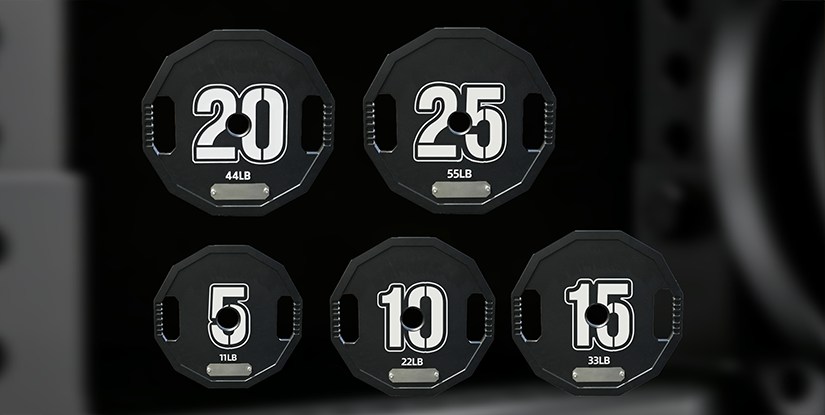
Efficient logistics management also directly impacts the total landed cost and the predictability of your inventory cycles. When coordinating with a factory, it is essential to clarify how the production lead time interacts with shipping schedules. Large-scale orders often require synchronized planning to optimize container space, especially when mixing different product weights or sizes. By working closely with an experienced supplier, importers can better manage the transition from the pre-shipment QC stage to final dispatch. This transparency allows for more accurate forecasting of arrival dates, ensuring that your warehouse or retail distribution centers remain sufficiently stocked to meet market demand without overextending capital on excess inventory.
Ensuring Precision Through Fitness Equipment OEM Manufacturing Standards
For professional distributors and gym equipment importers, the structural integrity of heavy-duty iron components is non-negoti-able. A reliable iron casting manufacturer must move beyond simple molding to implement a rigorous commercial iron casting process that ensures dimensional stability and weight consistency. High-end fitness equipment OEM manufacturing requires a seamless transition from raw molten material to a finished, calibrated product that meets strict commercial gym standards for safety and long-term use.
When sourcing bulk orders, procurement leads often face the risk of inconsistent density or surface defects that compromise the lifespan of the equipment. By partnering with a specialized factory, buyers can ensure that every unit undergoes standardized machining and surface treatment. This technical oversight is essential for maintaining a low total cost of ownership and reducing the frequency of replacement-related customer complaints in high-traffic commercial environments.
Technical Standards in the Commercial Iron Casting Process
Achieving professional-grade results requires a disciplined manufacturing sequence. Typically, the process begins with high-quality sand casting to create the initial shape, followed by precision CNC machining to ensure the concentricity of the weight and the smoothness of the handle interface. This ensures that the final product meets the strict tolerances required for professional strength equipment. A competent supplier will emphasize these technical stages to guarantee that the center of gravity remains stable during high-intensity training.
Beyond the core shape, the surface finish is a critical factor in commercial durability. Most premium orders utilize a multi-stage approach, starting with a phosphate treatment to prepare the metal surface, followed by a high-grade powder coating or specialized enamel application. This sequence is vital for preventing oxidation and ensuring long-term coating adhesion, even in humid gym environments. When evaluating your next wholesale batch, verifying these specific surface treatment steps is a key part of a successful sourcing strategy.
Comparison of Casting and Finishing Tiers for Commercial Procurement
To optimize your landed cost and inventory value, it is essential to understand how different manufacturing routes impact the final commercial duty of the equipment. A professional iron casting manufacturer will typically offer tiered options based on your target market—whether you are supplying budget-friendly commercial gyms or premium boutique studios. Choosing the correct combination of casting and coating affects not only the aesthetic appeal but also the long-term maintenance load and replacement frequency for your end users.
| Material / Process | Manufacturing Method | Key Component Detail | Commercial Duty Tier | MOQ Impact | Factory QC Point |
|---|---|---|---|---|---|
| Gray Iron / Sand Casting | Standard Sand Casting | Basic Handle Texture | Budget Commercial | Lower | Surface Smoothness |
| Cast Iron / CNC Machining | Precision Machining | Concentricity & Balance | Standard Commercial | Medium | Weight Tolerance |
| Iron / Powder Coating | Multi-stage Coating | Coating Adhesion | Premium Commercial | Higher | Logo/Plate Integrity |
| Ductile Iron / PU Coating | Molding & Encapsulation | Base Rubber/Padding | High-End Boutique | Highest | Encapsulation Uniformity |
When conducting a factory audit or reviewing samples, procurement managers should focus on these specific technical checkpoints. For instance, when evaluating the handle-to-body junction or the precision of the knurling, ensure the fitness equipment OEM manufacturing workflow includes a dedicated calibration step. Verifying the quality of the powder coating adhesion and the consistency of the weight tolerance across a bulk shipment will ultimately protect your distributor margins and ensure your brand identity remains synonymous with reliability in the global market.
Pre-Shipment Inspection and Export-Ready Standards
To mitigate the risks associated with international logistics and long-term warehousing, a professional iron casting manufacturer must implement a rigorous pre-shipment QC protocol. For distributors managing high-volume shipments, the cost of receiving defective or improperly packaged goods far outweighs the initial savings of a low-cost supplier. A high-standard commercial iron casting process concludes with a multi-point inspection that focuses on the physical and structural readiness of every unit before it enters a shipping container.
Critical checkpoints during the final inspection phase include weight calibration to ensure consistency across the entire batch, base flatness to prevent wobbling during use, and rigorous coating adhesion testing to prevent premature chipping. Furthermore, a reliable factory will perform a final audit of the export packaging, ensuring that heavy iron components are secured with reinforced corners and moisture-resistant materials to survive long-haul sea freight. For those engaged in fitness equipment OEM manufacturing, confirming these specific QC steps—including the verification of logo plate placement and handle integrity—is vital to maintaining a stable landed cost and protecting your reputation as a premium supplier.
Factory QC Protocols and Export Readiness for International Distributors
For international distributors and large-scale importers, the reliability of a iron casting manufacturer is measured by the consistency of the final shipment. Relying on a China factory that lacks standardized inspection protocols can lead to high landed costs due to weight discrepancies or surface defects. A professional commercial iron casting process must include rigorous checkpoints to ensure that every unit meets the durability requirements of a commercial gym environment.
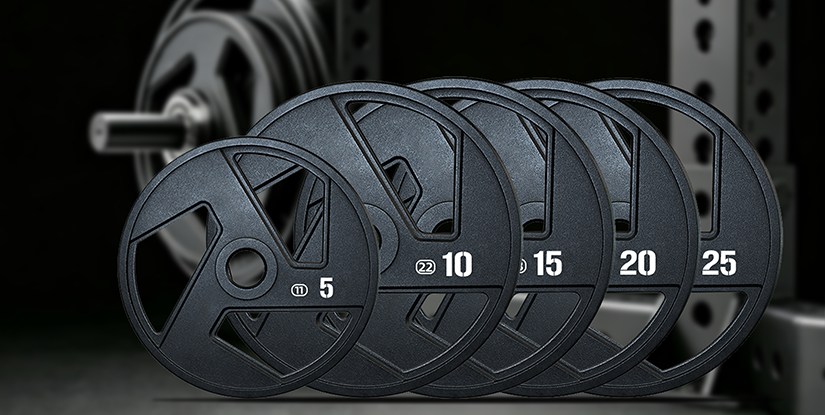
Standardized QC standards are essential to mitigate the risks of receiving damaged or non-compliant inventory. During the pre-shipment inspection, technicians typically focus on critical areas such as the handle-to-body junction, the uniformity of the powder coating, and the precision of the weight calibration. For high-volume fitness equipment OEM manufacturing, these steps prevent costly returns and protect your brand reputation in the local market.
A robust inspection workflow typically follows these stages:
- Raw Material Verification: Checking the consistency of the gray iron or ductile iron used in the casting phase.
- Casting Integrity Check: Inspecting for surface cracks, air bubbles, or structural flaws after the sand casting process.
- Machining and Surface Finish: Ensuring the handle texture and base flatness meet commercial-grade specifications.
- Weight Tolerance Audit: Performing spot-checks to confirm that the actual weight matches the labeled weight within industry-standard margins.
- Export Packaging Inspection: Verifying that the heavy-duty boxing and palletization can withstand long-distance ocean freight.
When sourcing in bulk, we recommend that buyers confirm the specific MOQ for custom branding and request a detailed inspection report or a sample evaluation before the full production run. This proactive approach ensures that your wholesale orders arrive ready for immediate commercial distribution.
Technical Inspection Matrix for Commercial-Grade Procurement
To assist procurement officers in evaluating technical capability, the following table outlines the qualitative benchmarks used during a professional commercial iron casting process. This matrix allows buyers to differentiate between standard production and the high-tier standards required for premium commercial gym distribution.
| Inspection Point | Critical Focus Area | Commercial Duty Standard | Impact on Landed Cost & ROI | Factory QC Checkpoint |
|---|---|---|---|---|
| Weight Calibration | Weight consistency across batches | High uniformity for professional use | Reduces replacement/refund claims | Spot-check vs. labeled weight |
| Coating Adhesion | Powder coating or paint durability | Resistant to chipping and abrasion | Lowers long-term maintenance load | Scratch and impact testing |
| Knurling Consistency | Handle texture and grip depth | Uniform, non-abrasive grip texture | Ensures user safety and comfort | Visual and tactile inspection |
| Structural Integrity | Casting smoothness and density | No visible cracks or air pockets | Prevents breakage in high-use gyms | Surface and structural audit |
| Packaging Durability | Outer box and pallet stability | Heavy-duty, reinforced protection | Reduces ocean freight damage | Pre-shipment load testing |
When engaging in fitness equipment OEM manufacturing, it is vital to understand that these quality controls directly influence your distributor margins. A failure in any single checkpoint—such as poor coating adhesion or inconsistent knurling—can lead to high return rates and increased customer service overhead. We suggest that all wholesale clients request a sample approval and a detailed inspection checklist to ensure the iron casting manufacturer aligns with your specific brand standards before finalizing the MOQ.
Optimizing Export Logistics and Landed Cost Efficiency
For professional buyers, the final landed cost is determined by more than just the unit price; it is heavily influenced by the efficiency of the export packaging and the reliability of the logistics chain. In high-volume bulk orders, even minor inefficiencies in container loading or inadequate protection can lead to damaged goods, resulting in significant losses for a distributor. A professional iron casting manufacturer must prioritize shipping safety to ensure that heavy iron components arrive in optimal condition, preserving your profit margins.
Effective logistics planning begins at the factory level. We utilize reinforced, heavy-duty corrugated boxes and optimized palletization strategies specifically designed for the weight and density of cast iron products. This structured approach to export packaging maximizes container volume utilization, which directly lowers the shipping cost per unit for your wholesale shipments. By streamlining the transition from the China factory to the international port, we help maintain a predictable lead time, allowing you to manage your inventory levels and market demand more effectively.
To ensure seamless procurement, we recommend that buyers coordinate closely with our supplier team to confirm the following details before shipment:
- Finalize palletization specifications to optimize container space.
- Verify the specific MOQ requirements for any custom branding or specialized packaging requests.
- Confirm the total weight and volume for accurate ocean freight and customs documentation.
- Schedule a pre-shipment inspection to validate that all bulk orders meet the agreed-upon quality and packing standards.
Strategic Sourcing: MOQ, Lead Times, and Custom Branding
Navigating the logistical complexities of international procurement requires a clear understanding of how an iron casting manufacturer manages production cycles. For distributors and large-scale gym operators, the relationship between order volume and lead time is a critical factor in maintaining consistent inventory levels and maximizing distributor margins.
When sourcing commercial fitness equipment, buyers often face a trade-off between rapid fulfillment and cost-efficiency. Small-scale orders may offer faster shipping, but bulk orders are essential for reducing the landed cost per unit and securing competitive wholesale pricing. A professional China factory typically operates on structured production schedules where the production cycle is directly influenced by the complexity of the commercial iron casting process and the specific OEM or ODM requirements requested by the client.
Understanding these constraints allows importers to better plan for seasonal demand and warehouse management. Whether you are seeking a wholesale partnership for standard weight plates or requiring custom branding to strengthen your own brand identity, aligning your procurement timeline with the factory capacity ensures smoother logistics and more predictable stock availability.
Customization Tiers: OEM and ODM Capabilities
For professional distributors looking to scale, the ability to transition from generic stock to a proprietary product line is a significant competitive advantage. As a specialized iron casting manufacturer, we provide structured OEM and ODM services designed to integrate your unique brand identity into the heavy-duty hardware of the fitness industry. This allows you to move beyond simple reselling and start building a recognizable presence in your local market.
The level of customization typically depends on the complexity of the fitness equipment OEM manufacturing request and the established MOQ for that specific production run. While standard casting shapes are readily available for fast wholesale fulfillment, more intensive ODM projects—such as developing unique handle geometries or specialized weight distributions—require longer lead times to accommodate the engineering and mold-making stages.
Customization options generally fall into three procurement tiers to suit different business scales:
| Customization Level | Branding Scope | Typical Application | Procurement Focus |
|---|---|---|---|
| Standard Wholesale | Minimal (Standardized logo placement) | Rapid stock replenishment | Low MOQ and fast turnaround |
| Private Label | Intermediate (Custom logo/color/packaging) | Distributor-led brand building | Balanced landed cost and identity |
| Full Customization | Advanced (Full product specification/mold design) | Premium market entry | Higher MOQ and strategic lead time |
Whether you require a simple logo laser-etched or embossed onto the cast iron surface, or a complete redesign of the product silhouette, our China factory provides the technical support necessary to ensure your vision meets commercial-grade durability standards. We recommend discussing your custom branding requirements during the initial sample approval stage to ensure that all branding elements can withstand the rigorous commercial iron casting process and subsequent coating applications without compromising the integrity of the piece.
To optimize your procurement strategy, we recommend contacting our sales team directly to request a detailed specification sheet or to confirm the current MOQ for your specific product categories. For long-term distribution planning, it is often beneficial to schedule a formal factory audit or a video-based pre-shipment inspection to verify that all branding and material standards meet your expectations. Whether you are looking for a single sample for evaluation or planning a large-scale container shipment, aligning your technical requirements with our production capacity is the most effective way to ensure a successful partnership.