Kettlebell Lead Time Manufacturer: OEM Manufacturing
Understanding the Kettlebell Lead Time Manufacturer Landscape
Professional distributors often face the dual risk of excessive stockouts or high carrying costs due to unoptimized kettlebell lead time manufacturer coordination. While a low-cost trader might offer immediate availability, they often lack the vertical control required for consistent wholesale kettlebell production. Conversely, relying on a factory without transparent production cycles can lead to delayed shipments that disrupt your entire seasonal inventory turnover.
Effective procurement requires a strategic partnership with a commercial kettlebell supplier that synchronizes material sourcing with your specific demand forecasts. For high-volume importers, managing the gap between placing a bulk order and receiving landed goods is critical for maintaining healthy cash flow. A reliable China factory provides more than just products; they offer predictable timelines by managing the entire kettlebell manufacturing process, from raw iron casting to final export packaging, ensuring your MOQ requirements do not become a bottleneck for your market entry.
Technical Stages of Production and Lead Time Drivers
Understanding the technical complexity of the kettlebell manufacturing process is essential for accurate inventory planning. The timeline is heavily influenced by the specific finish and structural requirements of your order. For instance, standard sand casting requires specific cooling periods and post-casting machining to ensure handle symmetry. If your procurement involves high-end requirements, such as a specialized powder coating or a seamless PU coating, the lead time must account for the additional stages of surface preparation and drying time within the coating line. These finishing steps are critical for ensuring coating adhesion and long-term durability in high-traffic commercial environments.
Beyond surface treatments, the most significant impact on your delivery schedule often comes from the weight calibration and quality control stages. A professional commercial kettlebell supplier must implement a rigorous sequence—starting from the initial sand casting of the iron body, moving through precision machining of the handle, to the final weight calibration and pre-shipment inspection. For distributors managing large-scale wholesale kettlebell production, skipping or rushing these steps can lead to high return rates due to weight inaccuracies or surface defects. A dependable kettlebell lead time manufacturer integrates these QC checkpoints into the production cycle to ensure that every unit meets commercial-grade standards before it enters the export packaging stage, thereby protecting your distributor margins and reducing the cost of returns.
Comparative Overview of Production Variables and Sourcing Tiers
To optimize your total cost of ownership (TCO) and manage inventory turnover, it is vital to recognize how product complexity dictates the kettlebell lead time manufacturer schedule. Procurement teams must balance the desire for rapid delivery against the manufacturing requirements of different material tiers. For example, a standard cast iron order typically moves through the production line faster than a specialized PU coated unit, which requires additional molding or dipping stages. Choosing the correct specification at the onset of your wholesale kettlebell production can prevent unexpected delays and stabilize your landed cost calculations.
The following table illustrates how material selection and customization impact your procurement planning. As a professional commercial kettlebell supplier, we categorize these options based on their technical complexity and typical impact on your MOQ and delivery timelines.
| Material / Finish Type | Primary Process | Key Component Focus | Commercial Duty Tier | Typical Sourcing Impact |
|---|---|---|---|---|
| Cast Iron (Bare/Painted) | Sand Casting & Machining | Handle Symmetry & Base Flatness | Budget / Standard Commercial | Fastest Turnaround |
| Powder Coated Iron | Casting & Coating Line | Coating Adhesion & Texture | Premium Commercial | Moderate Lead Time |
| PU Coated (Polyurethane) | Casting & Injection/Dip | Encapsulation Layer & Grip | High-End / Studio Grade | Extended Production Cycle |
| Custom Branding (OEM) | Casting & Surface Treatment | Logo Emboss & Identity | Distributor / Private Label | Highest Lead Time Requirement |
When planning a large-scale OEM project, such as implementing custom branding for a retail chain or a fitness studio network, the lead time must account for the design approval and specialized tooling stages. While standard stock orders may benefit from quicker dispatch, a dedicated factory production run for a private label client involves more rigorous pre-shipment QC to ensure brand consistency across all weight increments. We recommend that distributors confirm their specific sourcing requirements and weight coverage needs early in the cycle to ensure that the kettlebell lead time manufacturer can align production with your seasonal shipping windows.
Material Selection and Casting Processes for Commercial Durability
For professional distributors and gym operators, selecting the right material is a critical decision that impacts total cost of ownership and long-term replacement cycles. A reliable kettlebell lead time manufacturer ensures that the core material—typically cast iron or steel—meets the high-impact demands of high-traffic training environments. When managing large-scale wholesale orders, understanding the distinction between standard casting and premium finishes is essential to avoid high maintenance costs and premature surface degradation.
The kettlebell manufacturing process generally begins with sand casting to create a consistent, heavy-duty shape. For commercial-grade units, the quality of the cast iron or steel used directly dictates the product's ability to withstand repeated drops and environmental exposure. A professional China factory will implement specific surface treatments, such as powder coating, to enhance grip and prevent oxidation, which is a common failure mode in lower-tier production. Choosing the correct specification during the sourcing phase allows importers to balance upfront procurement costs with long-term commercial durability.
| Material Type | Primary Process | Typical Surface Finish | Commercial Duty Tier | Procurement Focus |
|---|---|---|---|---|
| Cast Iron | Sand Casting | Powder Coating | Standard Commercial | High Volume / Low TCO |
| Solid Steel | Machining/Casting | Enamel or Chrome | Premium / Competition | Precision / High Durability |
| Steel Core | Injection Molding | PU or Rubber Coating | Studio / Boutique | Aesthetics / Floor Protection |
When evaluating a commercial kettlebell supplier, it is vital to inspect the quality of the handle-to-body junction and the consistency of the coating adhesion. A high-quality wholesale kettlebell production line will include a calibration step to ensure weight uniformity and a surface inspection to verify that the texture does not compromise grip during intense use. For OEM partners, specifying the exact coating thickness or the type of iron used can significantly influence the final landed cost and the product's lifespan in a professional setting.
Optimizing Technical Specifications for Bulk Procurement
For distributors managing inventory turnover, the technical nuances of the kettlebell manufacturing process directly affect the rate of after-sales claims. A primary concern during large-scale wholesale kettlebell production is the consistency of the sand casting and the subsequent surface treatment. Variations in the casting mold can lead to uneven weight distribution or handle irregularities, which are critical failure points in high-traffic commercial facilities. By selecting a kettlebell lead time manufacturer that prioritizes rigorous calibration, importers can mitigate the risks associated with weight tolerance discrepancies and surface imperfections.
The choice between a standard powder coating and a specialized PU coating often depends on the target market segment and the desired durability profile. While powder coating offers a robust, textured surface ideal for standard commercial gyms, a high-tier commercial kettlebell supplier may offer polyurethane (PU) or rubber-coated options for boutique studios where floor protection and aesthetic branding are paramount. During the pre-shipment QC stage, it is industry-standard to inspect the coating adhesion at the handle and the base flatness to ensure the units are fit for professional use. When negotiating an OEM or ODM contract, procurement officers should request specific details regarding the surface finishing steps to ensure the final product aligns with their brand's quality standards and long-term TCO requirements.
Optimizing the Kettlebell Manufacturing Process for Bulk Orders
For distributors and gym equipment importers, understanding the kettlebell manufacturing process is vital to ensuring consistent product density and surface integrity. A professional kettlebell lead time manufacturer manages a multi-stage workflow—starting from raw material melting to final weight verification—to ensure that bulk shipments meet international commercial standards without unexpected delays in the supply chain.
A reliable China factory typically utilizes high-grade gray iron or ductile iron through a structured sequence to minimize defect rates. The cycle begins with sand casting, where molten iron is poured into precisely shaped molds to create the core bell shape. Following the initial cooling, the units undergo machining to refine the handle geometry and ensure the concentricity required for professional use. This stage is critical for preventing balance issues that can lead to high return rates for a supplier.
Once the structural form is finalized, the units move to the surface treatment and weight calibration stages. In many commercial settings, the cast iron undergoes a phosphate treatment or a specialized powder coating application to enhance coating adhesion and prevent oxidation during sea freight. Finally, a rigorous QC inspection is performed to verify that each unit falls within the acceptable weight tolerance before the export packaging process begins. This structured approach allows a commercial kettlebell supplier to provide predictable wholesale volumes and maintain stable MOQ levels for global distributors.
Production Method Comparison for Procurement Planning
Distributors must evaluate different casting methods to balance upfront costs against long-term product durability. The choice between production routes significantly impacts the final landed cost and the total kettlebell lead time manufacturer can guarantee for high-volume orders. While certain methods offer faster throughput, others provide the premium finish required for high-end studio branding.
| Material / Process | Core Production Method | Key Component Focus | Commercial Duty Tier | MOQ Impact | Factory QC Point |
|---|---|---|---|---|---|
| Sand Casting | Traditional Mold Casting | Handle-to-body junction | Budget / Standard Commercial | Lower | Base flatness & weight consistency |
| Die Casting | High-Pressure Precision Casting | Handle texture & grip precision | Premium / Competition Spec | Higher | Surface smoothness & concentricity |
| Powder Coating | Electrostatic Spray Application | Coating adhesion & color | Standard Commercial | Moderate | Thickness uniformity & chip resistance |
| PU / Rubber Coating | Injection / Dip Molding | Encapsulation layer | Premium / Studio Grade | Higher | Bonding integrity & surface seamlessness |
When managing wholesale kettlebell production, selecting the appropriate surface finish is as critical as the casting method itself. For example, a commercial kettlebell supplier will often recommend a high-grade powder coating for standard gym-grade iron to ensure the finish does not peel under heavy usage. For premium studio-grade products, a seamless PU coating provides better floor protection and a more refined aesthetic, though it may require more complex wholesale kettlebell production cycles. Choosing the right combination of casting and coating allows importers to optimize their inventory turnover and meet specific market demands without compromising on the quality of the final shipment.
Final Inspection and Logistics Readiness
The final stage of the wholesale kettlebell production cycle focuses on mitigating the risks of transit damage and ensuring that every unit meets the strict specifications required by professional distributors. A professional kettlebell lead time manufacturer does not simply ship finished goods; they implement a rigorous pre-shipment protocol to protect the buyer's margin. This includes a detailed weight tolerance spot-check to ensure consistency across the entire batch and a specialized inspection of coating adhesion to prevent peeling or oxidation during long-haul sea freight.
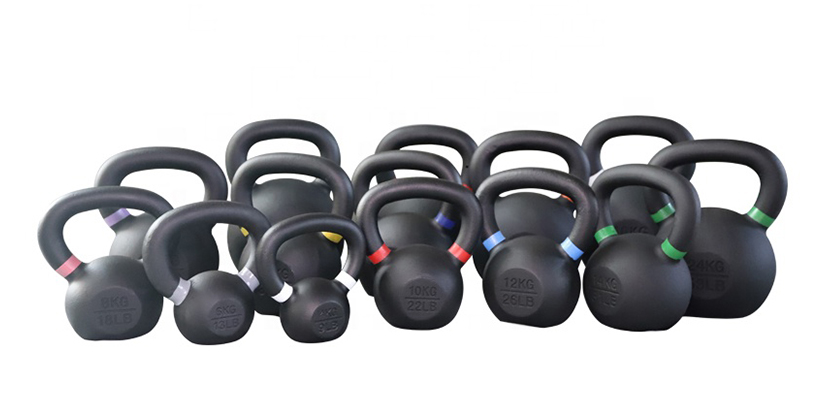
To optimize the total landed cost, the commercial kettlebell supplier must also prioritize export-ready packaging. For bulk orders, this typically involves heavy-duty reinforced cartons and optimized palletization patterns that maximize container space efficiency. By ensuring that the base flatness and handle integrity are verified before the final seal, the factory minimizes the likelihood of defective arrivals. This attention to detail in the final stages of the kettlebell manufacturing process allows distributors to maintain high inventory turnover and provide reliable service to their end-users without the friction of damaged or underweight stock.
Managing Lead Times and MOQ Requirements with a China Factory
For international distributors and gym equipment importers, understanding the relationship between production cycles and inventory turnover is critical for maintaining healthy margins. A professional kettlebell lead time manufacturer manages a complex sequence of events—from raw material procurement to final export packaging—to ensure your bulk orders arrive on schedule. Rely much on a reliable China factory that synchronizes these stages to prevent stockouts or excessive warehousing costs.
Effective wholesale kettlebell production relies on a predictable kettlebell manufacturing process. This typically begins with the sourcing of high-grade cast iron or steel, followed by sand casting or die casting. Because raw material availability can fluctuate, a seasoned commercial kettlebell supplier maintains strategic material sourcing buffers to protect against global supply chain volatility. When you place a large order, the production cycles are influenced by the complexity of the finish—such as a standard powder coating versus a more intensive PU coating—and the specific MOQ requirements for custom branding or OEM specifications.
Optimizing your procurement strategy requires transparency regarding how a kettlebell lead time manufacturer handles different order tiers. For instance, standard stock items may have shorter turnaround times, whereas ODM projects involving custom handle textures or unique weight distributions require extended calibration and specialized tooling phases. By aligning your purchase orders with these established cycles, you can better manage your landed cost and ensure your distribution network remains consistently supplied.
Understanding Order Variables: MOQ, Customization, and Shipping
Procurement managers must differentiate between standardized stock replenishment and high-spec custom projects to avoid unexpected delays. A high-tier kettlebell lead time manufacturer will typically offer tiered timelines based on the complexity of the request. While standard cast iron units may follow a rapid production track, any OEM request involving specialized handle knurling or unique logo embossing will naturally extend the calibration and pre-shipment inspection phases.
The following table illustrates how different sourcing paths impact your inventory planning and total landed cost:
| Order Type | Typical MOQ | Production Complexity | Lead Time Impact | Primary QC Focus |
|---|---|---|---|---|
| Standard Wholesale | Moderate | Low (Standard Casting) | Shortest | Weight tolerance and base flatness |
| Custom Branding | Higher | Medium (Logo/Color) | Moderate | Coating adhesion and logo clarity |
| Full Customization | Highest | High (Specialized Material) | Longest | Handle texture and dimensional precision |
When negotiating with a commercial kettlebell supplier, consider that customization is not just about aesthetics; it affects the entire kettlebell manufacturing process. For example, a request for a specific PU coating or a unique handle-to-body junction design requires additional drying and curing time in the factory. Furthermore, logistics planning should account for the fact that high-volume wholesale shipments often require specialized export packaging to prevent movement within containers, which can slightly adjust the final dispatch window. To ensure your distribution margins remain protected, we recommend confirming your specific MOQ and technical spec sheets well in advance of your peak seasonal demand.
Critical QC and Logistics Checkpoints for Bulk Imports
For professional importers, the final landed cost is heavily influenced by the efficiency of the pre-shipment phase. A rigorous quality control process is not merely a formality; it is a safeguard against the high costs of international returns and damaged inventory. A professional kettlebell lead time manufacturer implements multi-stage checkpoints—from the initial casting stage to the final coating adhesion test—to ensure every unit meets commercial-grade standards before it enters a container.
Reliable wholesale kettlebell production requires strict oversight of several technical variables. During the pre-shipment inspection, experienced procurement teams focus on specific failure points: base flatness to ensure stability, handle-to-body junction integrity, and the consistency of the knurling depth. For coated models, checking the coating or encapsulation layer is vital to prevent peeling or chipping during transit. By ensuring these technical benchmarks are met at the factory level, distributors can minimize the risk of product dissatisfaction and maintain high service standards for their local clients.
Logistics and export packaging also play a decisive role in the final delivery reliability. Because kettlebells are high-density, heavy-duty items, the way they are palletized and secured within a shipping container directly impacts transit damage risks. A competent commercial kettlebell supplier utilizes reinforced export-grade packaging and strategic container loading patterns to optimize space while protecting the product's surface finish. We recommend that buyers request a detailed packaging specification and coordinate with their supplier to confirm how weight distribution and container volume will be managed to optimize the total landed cost for each bulk shipment.
Quality Control and Export Standards for Commercial Suppliers
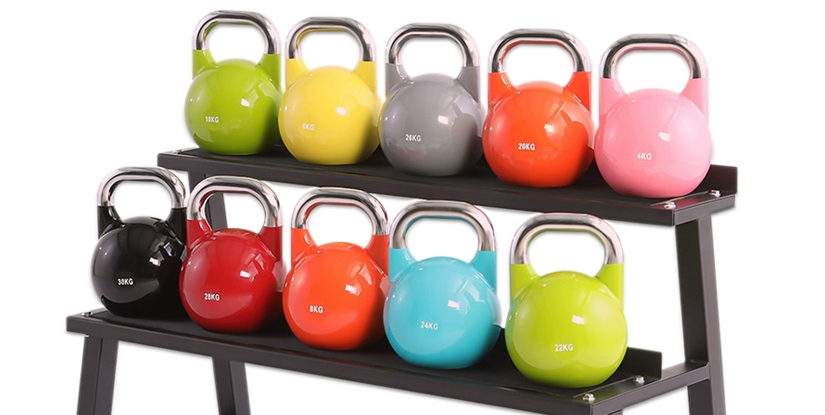
For distributors and gym equipment importers, the final stage of the kettlebell manufacturing process determines the total landed cost and long-term product reliability. A professional commercial kettlebell supplier must implement rigorous protocols that extend beyond simple weight verification to include structural integrity and surface durability. Failure to manage these variables during the production cycle can result in high return rates and damaged brand reputation in the North American market.
Reliable wholesale kettlebell production requires a multi-stage verification system. A professional kettlebell lead time manufacturer typically integrates quality checks at the casting, coating, and packaging stages to ensure every unit meets commercial-grade specifications. This systematic approach minimizes the risk of receiving defective batches that could disrupt your inventory turnover or increase replacement costs.
Critical Inspection Points for Bulk Procurement
When conducting a pre-shipment inspection or auditing a China factory, buyers should focus on specific technical tolerances that impact commercial utility. Precision in the handle texture and the consistency of the coating layer are vital for high-traffic gym environments. Below is a standard breakdown of what professional procurement leads should evaluate during the quality control phase.
| Inspection Category | Key Component/Detail | Commercial Duty Requirement | Typical QC Focus Point |
|---|---|---|---|
| Weight Accuracy | Cast Iron Core | Standardized Weight Increments | Weight tolerance spot-check |
| Surface Integrity | Powder Coating / PU Layer | High-impact Durability | Coating adhesion and smoothness |
| Ergonomics | Handle / Grip | Consistent Knurling Depth | Handle-to-body junction and texture |
| Structural Balance | Base Flatness | Stable Movement/Placement | Concentricity and center of gravity |
| Export Readiness | Export Packaging | Container Loading Efficiency | Corner protection and moisture control |
Ensuring high standards in export packaging is just as critical as the product itself. For bulk shipments, the use of reinforced corrugated boxes and optimized palletization is essential to prevent damage during sea freight. A disciplined kettlebell lead time manufacturer will coordinate these logistics closely with the factory production schedule to ensure that the MOQ requirements are met without compromising the safety or the structural integrity of the shipment upon arrival.
Evaluating these technical benchmarks allows procurement managers to differentiate between high-tier manufacturing and standard production. For instance, a well-managed kettlebell lead time manufacturer ensures that the transition from the raw cast iron stage to the final powder coating application is seamless, preventing common defects like coating peeling or uneven weight distribution. When sourcing at scale, verifying the base flatness and handle-to-body junction integrity is essential to avoid the high replacement costs associated with lower-tier units.
Before finalizing a bulk order, we recommend that distributors request a detailed spec sheet or a physical sample to evaluate the knurling depth and coating adhesion firsthand. Whether you are looking for a custom OEM solution or standard wholesale stock, confirming these pre-shipment protocols with your supplier will protect your margins and ensure your brand identity remains associated with premium, durable equipment.
Strategic Sourcing: Selecting a Reliable Commercial Kettlebell Supplier
For distributors and gym equipment importers, managing the balance between stock availability and capital expenditure is a constant challenge. A professional kettlebell lead time manufacturer does more than just produce weights; they provide the predictability required to maintain high inventory turnover. When sourcing in bulk, understanding the relationship between wholesale kettlebell production cycles and your landed cost is essential for protecting your margins and ensuring your clients never face out-of-stock scenarios.
Effective procurement begins with identifying a commercial kettlebell supplier capable of scaling output without sacrificing quality. Whether you are placing a standard wholesale order or a specialized OEM request, the timing of your sourcing decisions directly impacts your warehouse efficiency. A well-managed China factory will provide clear timelines regarding production cycles, allowing you to align your shipping schedules with market demand and minimize the time capital is tied up in transit.
To optimize your procurement strategy, consider how different MOQ tiers and production methods affect your final pricing. High-volume wholesale kettlebell production typically offers better economies of scale, but requires longer lead times to account for material seasoning and rigorous QC. By integrating these production realities into your distribution model, you can better manage customer expectations and maintain a competitive edge in the commercial fitness market.
Sourcing Models and Lead Time Comparison
Navigating the complexities of the global supply chain requires a clear understanding of how different manufacturing approaches influence your arrival timelines and profit margins. A professional kettlebell lead time manufacturer will provide transparency regarding how their specific production route affects your ability to fulfill large-scale distributor contracts. Choosing between stock replenishment and custom production is a strategic decision that impacts both your warehouse storage capacity and your long-term competitiveness.
The following table outlines how various kettlebell manufacturing process selections and sourcing structures impact your commercial operations. As a buyer, you must weigh the benefits of rapid availability against the higher margins offered by direct-from-factory bulk orders.
| Sourcing Model | Primary Process | Key Component Focus | Commercial Duty | MOQ Impact | Typical Lead Time Profile |
|---|---|---|---|---|---|
| Standard Wholesale | Sand Casting & Powder Coating | Handle Knurling & Base Flatness | Standard Commercial | Lower | Short (Ready to Ship) |
| Custom OEM | Precision Die Casting | Logo Emboss & Grip Texture | Premium/Competition | Higher | Extended (Production Cycle) |
| Private Label | Cast Iron + PU/Rubber Molding | Encapsulation Layer Integrity | High-End Studio | Medium-High | Moderate (Multi-stage) |
When evaluating a commercial kettlebell supplier, always verify the specific kettlebell manufacturing process used for your chosen tier. For instance, while sand casting is industry-standard for general commercial use, high-end wholesale kettlebell production involving PU coating requires additional time for the molding and curing stages. We recommend requesting a detailed specification sheet and confirming the MOQ for any ODM or custom branding projects to ensure your logistics planning remains accurate and your landed cost stays within budget.
Logistics Coordination and Export Quality Control
Reliability in the B2B sector is defined by more than just the physical product; it is defined by the precision of the delivery. For large-scale distributors, the risk of receiving a damaged or substandard batch can lead to significant losses in margin and reputation. A professional kettlebell lead time manufacturer mitigates these risks by implementing a rigorous export QC protocol that covers every stage from the initial casting to the final container loading. This ensures that the weight calibration and surface finishes—such as the coating adhesion on the handle—meet the high standards required for commercial gym environments.
To prevent disruptions in your supply chain, it is critical to coordinate closely with your supplier regarding pre-shipment inspection schedules. During this phase, technical teams should verify essential components such as the base flatness, knurling consistency, and the integrity of the branding or logo plate. By scheduling these inspections before the goods leave the factory, you can ensure that any deviations in the kettlebell manufacturing process are addressed immediately, preventing costly returns or client complaints. This proactive approach to logistics planning is what separates a standard vendor from a strategic partner.
Furthermore, efficient bulk orders management requires a deep understanding of export packaging and container optimization. A seasoned commercial kettlebell supplier will utilize reinforced packaging solutions designed to protect heavy cast iron or coated units from impact during sea freight. Proper palletization and weight distribution within a shipping container not only protect your inventory but also optimize your warehouse efficiency upon arrival at your local distribution center. We encourage buyers to request detailed packaging specifications and a sample of the export-ready unit to confirm that the product can withstand the rigors of international transit without compromising your landed cost.