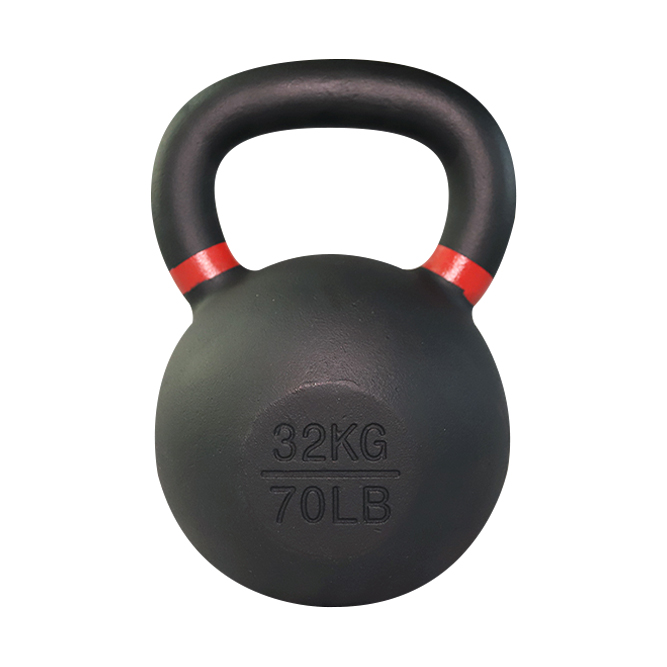
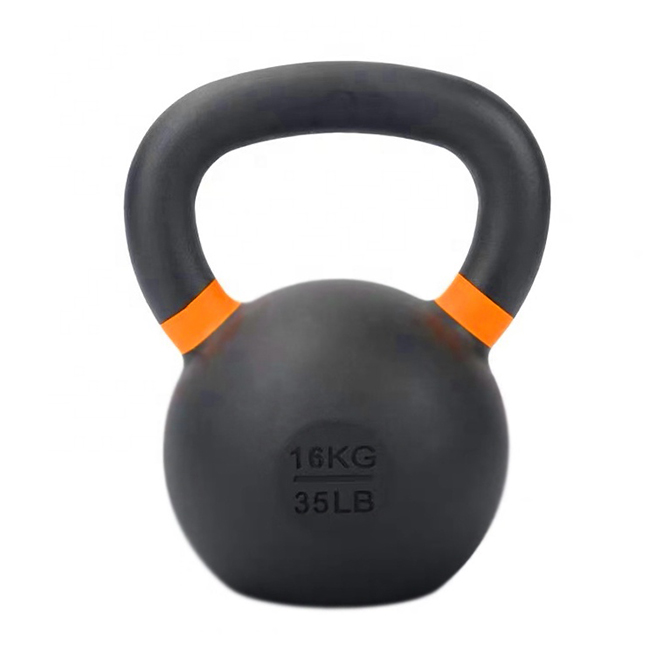
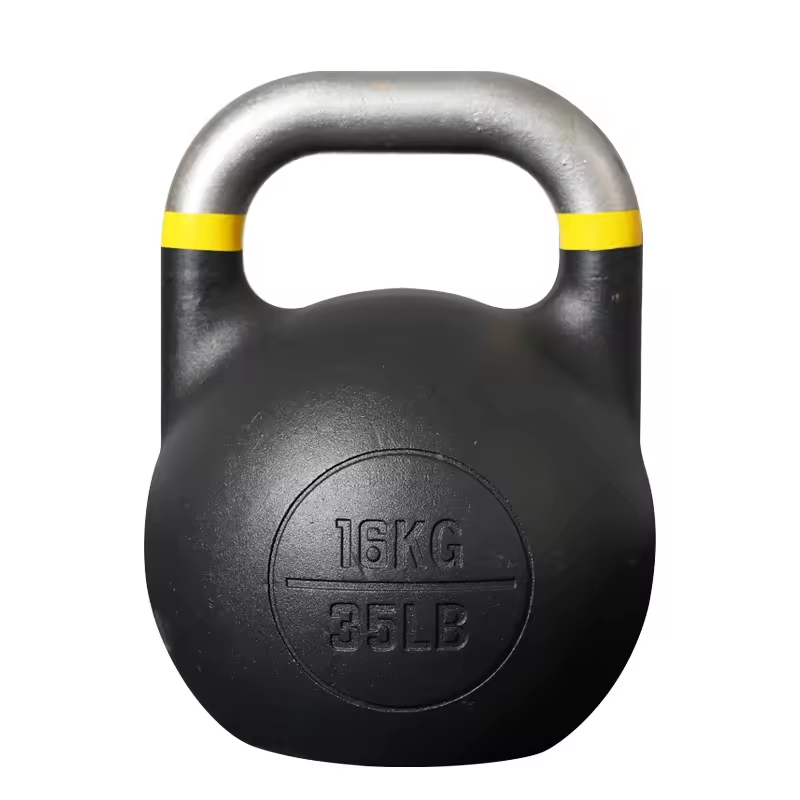
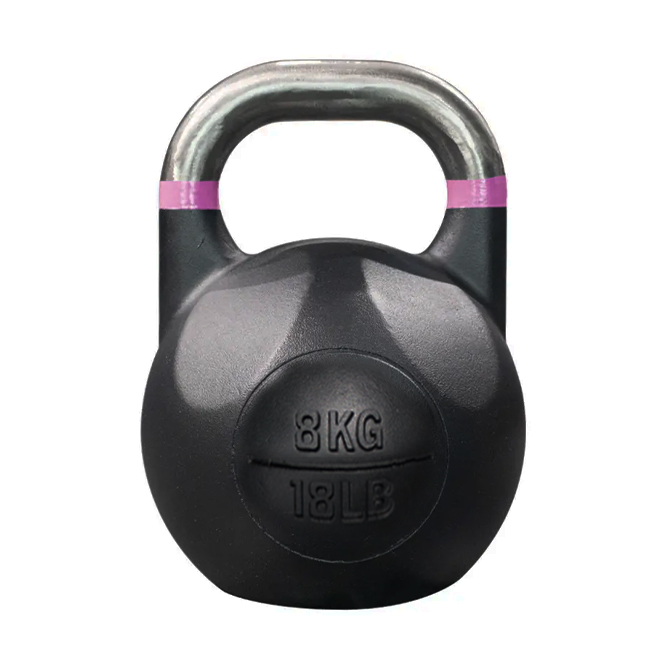
Kettlebell Nda Manufacturer: China Factory Source Supply
The Strategic Importance of a Kettlebell Nda Manufacturer
Selecting a reliable kettlebell NDA manufacturer involves evaluating three critical procurement checkpoints: the security of your proprietary designs, the precision of technical specifications, and the stability of your long-term supply chain. For distributors and large-scale importers, the risk of intellectual property leakage can compromise a brand's market position and unique selling propositions. A professional kettlebell NDA manufacturer ensures that your custom handle textures, specialized coating applications, or unique weight markings remain exclusive to your business, preventing competitors from replicating your specific product identity.
When managing high-volume professional gym equipment sourcing, the protection of your brand identity is as vital as the physical durability of the iron itself. Whether you are developing a niche line of high-end PU-coated kettlebells or a standard cast iron series, your commercial kettlebell OEM partner must demonstrate a disciplined approach to manufacturing confidentiality. This legal and operational framework allows you to scale your product catalog without the fear that your specialized manufacturing routes or unique component assemblies will be shared with other clients within the same China factory.
Beyond mere protection, working with a dedicated kettlebell NDA manufacturer directly impacts your distributor margin. By securing exclusive rights to specific designs or specialized finishes, you reduce the likelihood of price wars driven by generic product availability. This exclusivity allows for better control over your landed cost and market pricing, as you are no longer competing solely on the price of a commodity item, but rather on a protected, branded asset that offers distinct value to your commercial clients.
Maintaining high-level product differentiation requires a partner who understands that technical precision and legal security are inseparable. In the context of professional gym equipment sourcing, a failure in quality control or a breach in design confidentiality can lead to costly product recalls or the sudden emergence of generic imitators in your territory. A professional kettlebell NDA manufacturer mitigates these risks by implementing strict protocols that protect both your investment and your market exclusivity.
Standardized production often leads to commoditization, where multiple distributors sell identical-looking units. To avoid this, many importers utilize commercial kettlebell OEM services to introduce specialized features, such as specific handle-to-body junction designs or unique coating adhesion properties. When you engage a kettlebell NDA manufacturer, you are not just buying a product; you are securing a specialized manufacturing route. This includes everything from the initial sand casting process to the final application of a custom powder coating or PU layer, ensuring that your specific aesthetic and functional requirements remain your proprietary advantage.
Effective professional gym equipment sourcing also necessitates transparency regarding the following production benchmarks to ensure long-term reliability:
| Procurement Metric | Standard Commercial Spec | Impact on Distributor Value | Typical QC Focus Point |
|---|---|---|---|
| Weight Tolerance | Consistent weight distribution | Reduces returns and customer complaints | Weight calibration and concentricity |
| Coating Adhesion | High resistance to chipping | Extends product lifespan in high-traffic areas | Base ring and logo emboss area |
| Handle Texture | Defined knurling or grip | Ensures user safety and comfort | Handle-to-body junction finish |
| Branding Integrity | Permanent logo/markings | Protects brand identity and premium positioning | Embossing depth and paint coverage |
To ensure your product meets these standards, we recommend requesting a formal specification sheet and confirming the MOQ for any custom branding or specialized coating requests. Before proceeding with a large-scale bulk order, it is standard practice to request a sample approval and, if possible, book a factory audit or a pre-shipment inspection to verify the weight tolerance and coating durability of your specific batch. This rigorous approach minimizes the risk of landed cost fluctuations caused by quality-related delays.
| Sourcing Dimension | Standard Sourcing | NDA-Protected OEM |
|---|---|---|
| IP Security | Public domain designs; high risk of imitation | Strict protection of proprietary molds and textures |
| Product Uniqueness | Generic cast iron or powder-coated units | Custom handle-to-body junctions and specialized finishes |
| Quality Consistency | Standardized mass production protocols | Tailored QC focus on specific branding and coating adhesion |
| Customization Level | Limited to standard color or weight increments | Deep integration of custom branding and specialized materials |
| Market Position | Commodity-based competition on price | Value-based competition on exclusive product identity |
For professional importers, the decision to move from standard procurement to a commercial kettlebell OEM model is often driven by the need for market differentiation. While standard sourcing provides a cost-effective way to fill a catalog, it offers no protection for the unique design elements that define a premium brand. By partnering with a kettlebell NDA manufacturer, you ensure that your investment in specialized research—such as specific knurling depths or unique PU coating applications—remains a protected asset that cannot be easily replicated by generic suppliers.
To evaluate your next step in professional gym equipment sourcing, we suggest reviewing your current product roadmap. If your strategy involves high-end studio or commercial gym deployments, transitioning to a kettlebell NDA manufacturer allows you to secure a competitive edge through exclusive product specifications. We invite you to contact our team to request a detailed spec sheet, confirm the MOQ for specialized runs, or discuss the requirements for a sample approval and factory audit to ensure your brand identity is fully protected during the production cycle.
Material Selection and Surface Finishing for Commercial Durability
Selecting a reliable kettlebell NDA manufacturer is a strategic decision that directly impacts the long-term Total Cost of Ownership (TCO) for fitness distributors and gym operators. When sourcing in bulk, the relationship between base material integrity and surface treatment determines how often a client must replace stock due to wear or corrosion. High-volume procurement requires a focus on materials that withstand high-frequency commercial use without compromising the aesthetic or functional grip.
For most commercial deployments, cast iron remains the industry standard due to its density and predictable casting characteristics. However, the durability of the unit is heavily dependent on the secondary finishing process. A commercial kettlebell OEM must ensure that the transition from the casting stage to the final coating stage is seamless, particularly around the handle-to-body junction, to prevent premature chipping or oxidation in humid gym environments.
The following table outlines the common material and coating configurations available through professional professional gym equipment sourcing to help you evaluate the best fit for your target market's budget and durability requirements.
| Material Type | Surface Finish | Commercial Duty Tier | Maintenance Profile | Sourcing Context |
|---|---|---|---|---|
| Cast Iron | Powder Coating | Premium Commercial | Low; high impact resistance | Standard for high-end studios |
| Cast Iron | Vinyl Dip | Mid-Tier Commercial | Moderate; protects flooring | Popular for boutique fitness |
| Solid Steel | Chrome Finish | Competition/Elite | Very Low; high corrosion resistance | Specialized functional training |
| Cast Iron | Enamel/Paint | Budget/Entry Commercial | Higher; prone to chipping | High-volume wholesale/entry-level |
When evaluating a kettlebell NDA manufacturer, procurement leads should prioritize the quality of the powder coating application. A high-quality coating ensures that the weight markings and branding remain legible even after extensive use. For distributors, choosing a China factory that utilizes automated powder coating lines can reduce the risk of uneven application or peeling, ultimately protecting your margins by reducing the rate of defective returns and after-sales claims.
The choice between different coating technologies—such as PU coating versus traditional powder coating—significantly affects the landed cost and the long-term maintenance load for the end-user. While powder coating is highly effective for structural durability and color consistency, PU (polyurethane) coatings offer a specialized benefit for high-traffic studio environments by providing superior impact absorption and floor protection. A professional kettlebell NDA manufacturer will typically offer these variations to suit different market segments, from heavy-duty strength gyms to high-end boutique studios.
During the pre-shipment inspection, it is critical to verify the adhesion of these layers. A common failure mode in low-quality production is the delamination of the coating at the handle-to-body junction or around the weight markings. To mitigate this risk, we recommend that importers request a sample evaluation to test the coating's resilience against abrasions. This ensures that the final product meets the high standards required for professional deployment, maintaining a premium brand identity for your own label throughout its lifecycle.
Surface Integrity and Handle Ergonomics
Beyond the base material, the tactile experience of the handle determines the product's commercial viability. A high-tier kettlebell NDA manufacturer focuses heavily on the precision of the knurling and the smoothness of the handle-to-body junction. In high-volume professional gym equipment sourcing, a common pain point is inconsistent knurling depth, which can lead to either a slippery grip or an overly abrasive surface that causes user discomfort. This lack of consistency often results in higher replacement rates and negative feedback for distributors.
To ensure long-term reliability, the manufacturing sequence must include a rigorous calibration of the knurling pattern before the final surface treatment. This is especially critical for commercial kettlebell OEM orders where weight-to-handle ratios must remain constant. A reliable China factory will implement a machining step to refine the handle texture, ensuring that the coating or dip layer does not fill in the knurling, which would compromise the grip. This attention to detail prevents the common issue of "smooth-out" wear, where the texture disappears after a few months of heavy commercial use.
For importers managing large-scale deployments, the pre-shipment QC process should specifically include a spot-check of the handle's concentricity and the adhesion of the coating under stress. If the coating is too thick or poorly bonded at the handle, it can create weak points that lead to chipping during high-intensity training. By confirming these technical specifications during the initial sample approval or a factory audit, procurement leads can secure a more stable landed cost and ensure the product meets the durability demands of professional strength facilities.
Precision in the Casting and Coating Process
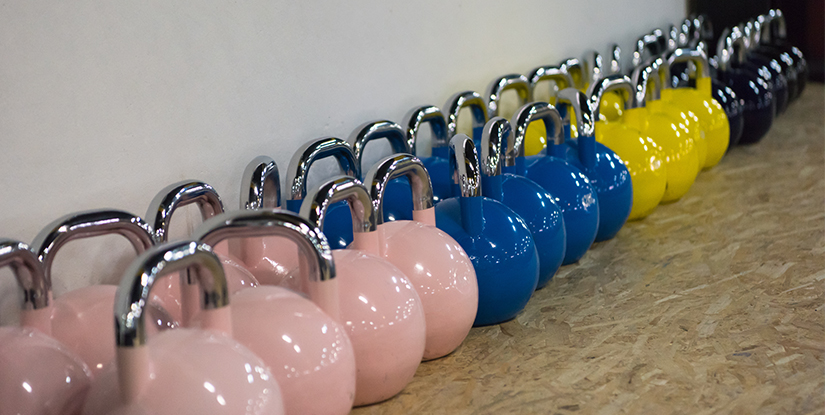
For professional importers and distributors, technical reliability is the foundation of long-term profitability. Sourcing from a kettlebell NDA manufacturer ensures that your private label products meet the rigorous physical demands of high-traffic commercial gyms. Precision starts at the molecular level, where structural integrity directly influences the total cost of ownership and replacement cycles for your end-users.
The manufacturing sequence typically begins with high-grade sand casting to create the primary bell shape. This method is industry-standard for achieving the consistent density required for commercial-grade equipment. Following the initial casting, the units undergo CNC machining to refine the handle-to-body junction, ensuring a smooth, ergonomic grip. A critical step in the commercial kettlebell OEM process is the application of high-durability finishes, such as a multi-layer powder coating or a thick PU coating. These layers are essential for preventing oxidation and protecting the base ring from impact wear, which maintains the aesthetic value of your brand over years of heavy use.
Technical Specifications and Quality Benchmarks
When conducting professional gym equipment sourcing, buyers must evaluate the relationship between manufacturing methods and product longevity. A failure in coating adhesion or a lack of weight tolerance can lead to high return rates and damaged distributor margins. To mitigate these risks, a reliable China factory implements a multi-stage verification process that moves from raw material inspection to final weight calibration.
| Material Type | Primary Process | Key Component | Commercial Duty | MOQ Impact | Factory QC Point |
|---|---|---|---|---|---|
| Cast Iron | Sand Casting | Handle Junction | High-Intensity Training | Standard | Weight Tolerance Spot-check |
| Steel | Machining | Knurling Texture | Precision/Competition | Higher | Concentricity Check |
| Cast Iron | Powder Coating | Encapsulation Layer | Standard Commercial | Flexible | Coating Adhesion |
Evaluating Casting and Coating Durability for Bulk Procurement
Understanding the distinction between casting methods and surface treatments is vital for effective professional gym equipment sourcing. For instance, sand casting is the industry-standard approach for producing high-volume, heavy-duty cast iron bells, offering excellent structural density. In contrast, more specialized processes like die casting may be utilized for smaller, high-precision units, though they often involve different scaling requirements. When negotiating with a kettlebell NDA manufacturer, buyers should clarify if the production line utilizes single-piece casting or a two-piece assembly, as this affects the long-term stability of the handle-to-body junction under heavy load.
Surface finishing also dictates the maintenance load and total cost of ownership. A high-quality powder coating provides a rugged, matte finish that resists chipping and oxidation, making it a preferred choice for standard commercial weight sets. Conversely, a PU (polyurethane) coating offers a smoother, more premium tactile experience and superior floor protection, which is often a requirement for boutique studios or high-end hotel gyms. A professional factory will typically perform a coating adhesion test to ensure the finish does not peel during high-frequency use. We recommend that importers request specific details on the coating thickness and the treatment of the base ring to ensure the product meets the durability standards of your target market.
Logistics Reliability and Pre-Shipment Verification
For distributors managing large-scale deployments, the transition from production to transit is a high-risk phase. Relying on a kettlebell NDA manufacturer ensures that your bulk orders are not only manufactured to spec but are also prepared for the rigors of international freight. A failure in the final stages—such as improper export packaging or unverified weight consistency—can lead to significant landed cost increases through damaged goods or customs disputes.
To protect your margins, a professional China factory implements a mandatory pre-shipment inspection protocol. This process verifies that every unit in the wholesale shipment adheres to the agreed-upon OEM specifications. Inspectors typically focus on the weight tolerance spot-check, the integrity of the coating adhesion, and the durability of the export packaging to withstand ocean transit. By confirming these details before the lead time expires, you ensure that your professional gym equipment sourcing remains efficient and that your stock arrives ready for immediate commercial distribution.
Optimizing Sourcing with a Commercial Kettlebell OEM Partner
For distributors and gym equipment importers, the ability to scale a product line depends on finding a reliable kettlebell NDA manufacturer. When managing a premium fitness brand, generic sourcing often leads to inconsistent weight tolerances and unbranded, low-quality inventory. Partnering with a specialized commercial kettlebell OEM allows you to move beyond off-the-shelf products toward a curated collection that reflects your brand identity through custom colors, textures, and specialized coatings.
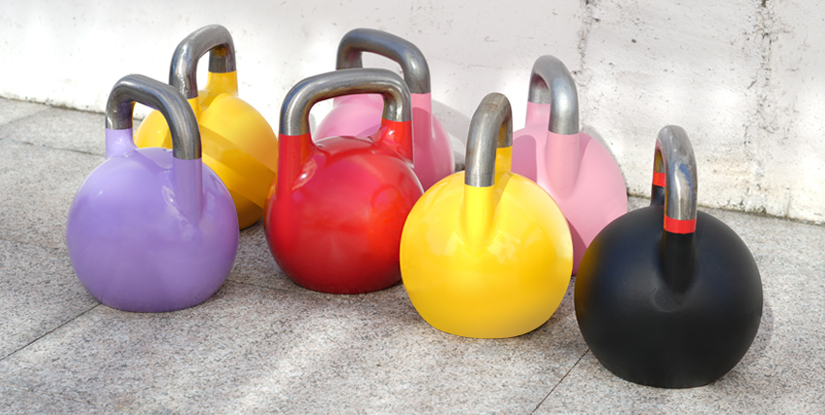
Strategic professional gym equipment sourcing involves more than just finding a low price; it requires a partner capable of high-level customization and strict IP protection. A professional China factory can execute complex design requests—such as specific handle diameters or unique base rubber ring integration—while ensuring your proprietary designs remain secure. Whether you require a specific powder coating color to match your studio aesthetic or a specialized PU coated finish for premium tactile feedback, an experienced factory can manage these technical requirements alongside standard MOQ and lead time constraints to ensure your product launch remains on schedule.
Customization Tiers for Branding and Technical Depth
Selecting the right level of production depth is critical for managing your landed cost and distributor margins. A professional kettlebell NDA manufacturer typically offers tiered engagement models, ranging from simple logo application to complete structural redesigns. Understanding these distinctions helps procurement managers align their technical specification requirements with their specific market positioning.
| Customization Level | Branding Depth | Customization Scope | Technical Specification | Manufacturing Complexity | Commercial Utility |
|---|---|---|---|---|---|
| Standard Stock | Basic Logo Imprint | Standard Colors Only | Industry-Standard Cast Iron | Low | Rapid Wholesale Distribution |
| OEM Tier | Custom Color & Logo | Specific Powder Coating | Standard Handle Dimensions | Moderate | Private Label Brand Building |
| ODM Tier | Full Brand Identity | Custom Handle & Base Design | Advanced Material/Texture | High | Premium Boutique/Studio Series |
When evaluating your next batch, consider how customization affects your MOQ and shipping efficiency. While OEM services allow for rapid brand differentiation through custom colors or specialized coatings, full ODM projects require longer lead time due to the precision machining and specialized molding processes involved. For high-volume distributors, balancing these technical requirements with your target price point is essential for long-term ROI.
Export-Ready Logistics and Quality Control
Beyond product design, the final stages of production—specifically logo application and export packaging—are where a kettlebell NDA manufacturer demonstrates true professional capability. For bulk wholesale buyers, a failure in the final QC stage can lead to significant landed cost increases due to damaged goods or incorrect branding during transit. A high-tier China factory ensures that branding elements, whether they are embossed into the cast iron or applied via high-adhesion powder coating, are durable enough to withstand rigorous commercial use and long-distance maritime shipping.
Reliable professional gym equipment sourcing must include a verification of the packaging strength. High-end bulk orders require specialized export packaging, such as reinforced corrugated boxes and customized internal dividers, to prevent movement and surface abrasion of the coating. This level of detail protects your brand identity and ensures that the commercial-grade equipment arrives at your warehouse in showroom condition. Before finalizing any wholesale shipment, we recommend requesting a detailed pre-shipment inspection report to confirm that the logo application, weight calibration, and packaging integrity meet your specific distributor standards.
China Factory QC and Export Standards for Global Distributors
For international distributors and gym equipment importers, selecting a kettlebell NDA manufacturer involves more than just comparing unit costs; it requires verifying strict adherence to intellectual property protection and rigorous manufacturing precision. When managing high-volume professional gym equipment sourcing, the risk of receiving inconsistent batches or compromised designs can lead to significant losses in distributor margins and brand reputation.
A professional China factory must implement a multi-stage quality control protocol to ensure every unit meets commercial gym equipment standards. This process begins with raw material verification and moves through casting, surface treatment, and finally, a comprehensive pre-shipment inspection. For those focused on commercial kettlebell OEM projects, ensuring consistent weight tolerance and surface finish consistency across a full container load is critical for maintaining long-term reliability in professional fitness environments.
To mitigate the risks associated with large-scale wholesale orders, we recommend that buyers request a detailed specification sheet and perform a sample evaluation. It is standard practice to confirm the MOQ and conduct a factory audit or book a third-party pre-shipment inspection to verify the handle-to-body junction integrity and coating adhesion before the final export shipment leaves the warehouse.
Technical Inspection Points for Bulk Procurement
Standardized quality control is the primary defense against high return rates in the B2B market. During the pre-shipment phase, technical inspectors at a professional China factory focus on specific structural and surface vulnerabilities that commonly impact long-term commercial durability. For high-tier commercial kettlebell OEM orders, these inspections are non-negotiable to ensure the landed cost remains low by avoiding replacement claims.
The inspection protocol typically targets three critical areas: structural integrity, surface adhesion, and weight precision. First, the handle-to-body junction must be checked for seamless continuity to prevent stress fractures under heavy use. Second, the coating adhesion is tested to ensure the powder coating or PU layer remains intact without peeling at the base ring or logo area. Finally, base flatness is verified to ensure the unit sits stable on gym flooring. A reliable kettlebell NDA manufacturer will also conduct a weight calibration spot-check to ensure the deviation remains within industry-standard limits for the entire batch.
| Inspection Point | Focus Area | Commercial Duty Requirement | Distributor Value |
|---|---|---|---|
| Handle Integrity | Handle-to-body junction | Seamless casting or reinforced weld | Reduces injury liability |
| Surface Finish | Coating adhesion | Uniform thickness across grip and base | Prevents aesthetic degradation |
| Weight Accuracy | Weight calibration | Consistent weight per unit across batch | Protects brand reputation |
| Base Stability | Base flatness | Level contact surface | Minimizes floor vibration and noise |
| Export Readiness | Export packaging | Reinforced cartons and palletizing | Reduces transit damage and loss |
To optimize your sourcing strategy, we advise distributors to confirm the specific export packaging standards during the initial wholesale negotiation. High-quality export packaging—including reinforced corners and moisture-resistant wrapping—is essential for maintaining product condition during long-distance sea freight. We encourage partners to request a sample approval and a detailed QC checklist to ensure all technical requirements are met before finalizing the MOQ and shipping schedule.
```json { "title": "Kettlebell NDA Manufacturer: China Factory Source Supply", "seo_description": "Sourcing from a kettlebell nda manufacturer requires strict adherence to intellectual property and manufacturing precision. Learn about production and QC.", "seo_keywords": "kettlebell NDA manufacturer, commercial kettlebell OEM, professional gym equipment sourcing, landed cost, MOQ, lead time, China factory", "slug": "kettlebell-nda-manufacturer-china-factory-supply", "page_faqs": "What is the role of an NDA in kettlebell manufacturing?===A signed non-disclosure agreement ensures that your proprietary designs, custom handle shapes, or unique branding elements are protected during the production process at the China factory.===How does MOQ affect my landed cost?===Higher MOQ levels typically allow for better economies of scale, which can reduce the unit price and optimize the landed cost by distributing shipping and customs expenses across a larger volume of goods.===Can I request custom branding through a commercial kettlebell OEM?===Yes, a professional commercial kettlebell OEM can incorporate your brand identity through methods such as embossed logos, custom powder coating colors, or specialized handle textures.", "content": "For distributors and large-scale fitness operators, the complexity of global procurement extends far beyond simple product selection. When engaging a kettlebell NDA manufacturer, the primary objective is to secure high-quality inventory while ensuring that proprietary design specifications and brand assets remain protected. Effective professional gym equipment sourcing requires a partner who understands the intersection of intellectual property security and high-volume production scalability.
Managing the transition from design to container loading involves calculating more than just the unit price. A professional China factory must provide transparency regarding the landed cost, ensuring that duties, freight, and local handling fees are accounted for in your total procurement budget. Without a structured approach to MOQ and lead time, importers risk inventory shortages or unexpected capital tie-ups. Selecting a reliable commercial kettlebell OEM allows you to leverage specialized manufacturing lines to meet specific weight coverage requirements and branding standards efficiently.