How Long Does Kettlebell Production Take: Export Ready China
Understanding the Kettlebell Production Lifecycle
Many distributors fail to account for the multi-stage complexity of the how long does kettlebell production take question, often confusing simple assembly with true manufacturing. While a trader might offer immediate stock, a direct China factory approach requires a structured timeline to ensure commercial-grade durability. Relying on superficial lead times without understanding the China factory production cycle often results in delayed shipments or substandard weight tolerances that damage your brand reputation.
For professional importers, understanding how long does kettlebell production take is critical for managing inventory turnover and landed cost. The process begins with rigorous raw material sourcing, such as high-grade cast iron or steel, followed by precision casting/forging to ensure uniform density. After the core shape is set, the units undergo specialized surface treatment—such as powder coating or rubber encasement—to meet commercial durability standards. Finally, a strict QC protocol is executed to verify weight accuracy and structural integrity before the wholesale order is cleared for export packaging. This systematic kettlebell manufacturing lead time ensures that every unit delivered to your warehouse meets the high-performance expectations of professional gym environments.
Standardized Production Stages and Timeline Breakdown
To optimize your procurement planning, you must align your inventory replenishment with the standard kettlebell manufacturing lead time. A professional supplier understands that production is not a single step but a series of interconnected phases where each stage affects the final delivery date and your total landed cost. For large-scale commercial kettlebell wholesale orders, the timeline is heavily influenced by the complexity of the finish and the total volume requested.
| Production Stage | Typical Duration | Focus Area for B2B Buyers |
|---|---|---|
| Raw Material Sourcing | 7–14 Days | Verification of iron/steel grade and purity |
| Casting and Molding | 14–21 Days | Consistency of weight distribution and handle shape |
| Surface Treatment (Coating/Rubber) | 10–15 Days | Durability of finish and adhesion quality |
| Weight Calibration & QC | 5–7 Days | Accuracy of weight tolerances for commercial use |
| Export Packaging & Loading | 3–5 Days | Container space optimization and pallet security |
When calculating how long does kettlebell production take, it is essential to account for the impact of MOQ and customization requests. A standard OEM request for custom colors or specific branding may add an additional 10–14 days to the cycle due to specialized paint drying times or mold adjustments. For distributors managing large-scale projects, we recommend initiating the sourcing process at least 60–90 days before your required arrival date to account for both the China factory production cycle and international ocean freight transit times. This proactive approach mitigates the risk of stockouts and ensures a stable supply chain for your commercial clients.
Impact of Customization and Export Requirements on Delivery
Beyond the core manufacturing steps, specific OEM and ODM requirements can significantly alter your expected arrival dates. While standard stock items follow a predictable path, high-value customization—such as specialized handle grips, custom weight increments, or unique color schemes—requires additional setup time. For a distributor, these variables are not just aesthetic; they directly influence the kettlebell manufacturing lead time and the final accuracy of the product weight. If your order involves complex branding or specialized coatings, you must factor in the time needed for mold modifications and extended drying cycles to ensure the finish meets commercial-grade standards.
Furthermore, the final phase of the China factory production cycle involves rigorous export preparation. This is not merely about packing boxes; it is about optimizing container density and ensuring the safety of high-density iron products during ocean transit. Professional export packaging protocols—including reinforced palletizing and moisture-proof wrapping—are essential to prevent damage and ensure a smooth unloading process at your destination. When evaluating your total landed cost, remember that efficient container loading and robust packaging reduce the risk of replacement costs and shipping damage. To ensure your inventory arrives on schedule, we recommend confirming your MOQ and any custom branding specifications during the initial sourcing phase to allow for seamless integration into the production schedule.
How Long Does Kettlebell Production Take Across Different Material Types
Understanding how long does kettlebell production take is essential for distributors managing inventory turnover and landed cost. The China factory production cycle is primarily dictated by the complexity of the material and the precision required for commercial gym requirements. While standard cast iron units allow for faster high-volume throughput, specialized coatings or high-grade steel components require additional stages of finishing and quality control to ensure long-term durability and maintenance efficiency.
When sourcing commercial kettlebell wholesale orders, procurement leads must account for the specific processing steps of each material type. For example, a plain cast iron kettlebell follows a streamlined manufacturing path, whereas rubber-coated or color-coated options introduce extra steps in the cooling and application phases, directly impacting the total lead time.
| Material Type | Production Complexity | Typical Maintenance Load | Impact on Total Lead Time |
|---|---|---|---|
| Cast Iron | Low | Moderate (Rust prevention) | Shortest cycle |
| Steel (Powder Coated) | Medium | Low | Standard cycle |
| Rubber Coated | High | Minimal | Extended cycle |
For buyers looking to optimize their kettlebell manufacturing lead time, selecting materials with standardized finishes can reduce the risk of production delays. Choosing a supplier that offers optimized processes for high-demand SKUs ensures a more predictable arrival for bulk shipments.
Selecting the appropriate material involves balancing the initial purchase price against the long-term total cost of ownership (TCO). For instance, while cast iron options may offer a lower landed cost, the maintenance requirements for rust prevention in high-humidity environments can increase operational expenses. Conversely, premium rubber-coated or specialized steel units often require more complex molding and coating processes, which can extend the kettlebell manufacturing lead time, but provide higher durability and lower maintenance loads for high-traffic commercial facilities.
When managing large-scale commercial kettlebell wholesale procurement, it is strategic to diversify your order across different material tiers. For example, a distributor might order high-volume cast iron sets for standard training areas to maintain lower inventory costs, while reserving specialized, coated versions for premium studio environments where equipment longevity and floor protection are critical. Always confirm the specific production steps with your China factory to ensure that custom coating or branding requirements do not unexpectedly impact your shipping schedule.
Impact of Customization and Quality Control on Delivery Timelines
Integrating custom branding or specialized specifications into a bulk order can significantly alter the expected how long does kettlebell production take. While standard stock items follow a predictable path, any request for OEM or ODM services—such as custom logo embossing, unique handle textures, or non-standard weight increments—requires additional setup time for molds and specialized tooling. For distributors, failing to account for these customization windows can lead to missed seasonal launch dates or inventory gaps.
Beyond the molding phase, rigorous QC processes and export packaging are non-negotiable for maintaining commercial-grade standards. A professional factory must perform weight verification, balance testing, and coating adhesion checks to ensure each unit meets international specifications. These quality assurance stages, combined with the time required for secure, container-ready palletizing, add a final layer to the kettlebell manufacturing lead time. Buyers should consider these steps when calculating the total landed cost and arrival window, as thorough pre-shipment inspections prevent the high cost of returning defective bulk shipments.
China Factory Production Cycle and Lead Time Variables
Understanding how long does kettlebell production take is essential for distributors managing inventory turnover and seasonal demand. For professional importers, the China factory production cycle typically involves four critical stages to ensure commercial-grade durability and weight precision.
The process begins with rigorous raw material sourcing to secure high-density iron or steel. Following this, the casting or forging stage shapes the core, which is then moved to painting or coating lines for surface protection. Finally, a strict QC inspection verifies weight tolerances and grip integrity before the order enters export packaging. For most commercial kettlebell wholesale orders, the total kettlebell manufacturing lead time depends heavily on your specific MOQ and any OEM customization requirements.
Comparing Order Types and Production Speed
Procurement timelines vary significantly based on whether you are sourcing standard stock or requesting specialized designs. For distributors, selecting the right order model affects both your landed cost and your ability to meet market demand. A standard stock order offers the fastest turnaround, whereas an ODM or custom project requires additional time for tooling and design approval.
| Order Type | Typical Lead Time | Primary Focus | Best For |
|---|---|---|---|
| Standard Stock Order | 15–30 Days | Rapid replenishment and inventory stability | Distributors needing quick restock |
| Custom OEM Order | 45–60+ Days | Brand identity and specific weight tolerances | Large-scale gym chains and private labels |
| New Mold/Tooling Project | 90+ Days | Unique ergonomic grips or specialized coatings | Market innovators and premium brands |
When planning your next shipment, consider that a higher MOQ can often stabilize production slots within the factory. To minimize delays, we recommend confirming your technical specifications and securing sample approval well in advance of peak seasonal demand. Contact our team to request a detailed spec sheet or to discuss current production availability for your specific volume requirements.
Logistics, Export Packaging, and Final Delivery Timelines
Beyond the manufacturing floor, the total duration of how long does kettlebell production take is heavily influenced by logistics planning and protective packaging standards. For high-volume importers, the transition from the factory to the port is a critical phase where potential delays in sea freight or inadequate packaging can increase the total landed cost through damaged goods or unexpected port fees.
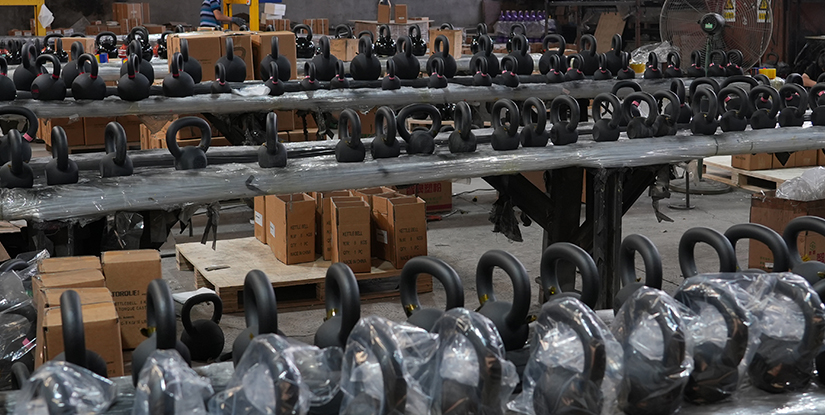
To protect the integrity of heavy, high-density iron units, we utilize specialized export-ready packaging. This includes reinforced master cartons and optimized palletization designed to maximize container space efficiency and prevent movement during transit. Depending on your destination and volume, you must choose between sea freight for cost-effective bulk shipping or air freight for rapid, high-priority replenishment. To ensure your shipment meets international commercial standards, we strongly recommend a formal pre-shipment inspection. This step allows your team or a third-party agent to verify weight accuracy and coating quality before the container is sealed, effectively mitigating the risk of costly returns or quality disputes upon arrival.
OEM and Custom Branding Timelines for Specialized Equipment
For distributors and professional importers, the standard production cycle is often extended when transitioning from stock orders to OEM or ODM requirements. While standard production focuses on existing SKU volumes, custom projects involve complex variables that directly impact your how long does kettlebell production take calculations.
The primary reason for a longer kettlebell manufacturing lead time is the necessity of mold development. If your brand identity requires a unique handle shape, a specific weight distribution profile, or a non-standard texture, the China factory must first engineer and test specialized equipment or casting molds. This stage is critical to ensure the final product meets commercial-grade specifications before mass production begins.
Furthermore, custom branding requests—such as laser-etched logos, specialized powder coating colors, or unique weight markings—require an additional design approval phase. This process ensures that your private label vision aligns with the supplier's technical capabilities. To avoid unexpected delays in your wholesale shipment schedule, we recommend submitting your technical specifications and branding assets well in advance of your required launch date. Failure to account for these customization steps can result in significant bottlenecks in your global sourcing timeline.
Comparing Lead Times: Standard Wholesale vs. Custom Projects
To assist in your procurement planning and inventory management, it is essential to distinguish between the timelines for ready-to-ship items and specialized orders. Understanding how long does kettlebell production take for different order types allows distributors to manage client expectations and optimize warehouse stocking cycles effectively.
| Order Type | Complexity Level | Branding/Logo | Mold/Tooling Requirements | Typical Production Cycle |
|---|---|---|---|---|
| Standard Wholesale | Low (Existing SKUs) | Standard Factory Markings | No New Tooling Needed | 25–35 Days |
| Custom OEM/ODM | High (Bespoke Specs) | Private Label/Custom Colors | Potential New Mold Creation | 60–90+ Days |
When placing a commercial kettlebell wholesale order for standard weights, the China factory typically utilizes existing production lines, which minimizes the kettlebell manufacturing lead time. These orders are optimized for speed, making them ideal for replenishing stock or meeting sudden market demand. However, when your sourcing strategy involves a specialized OEM or ODM request, the timeline must account for the technical development of custom molds and the rigorous quality control processes required for non-standard specifications. We recommend initiating contact with your supplier during the early stages of your product development to confirm MOQ requirements and ensure a seamless transition from design approval to final export packaging.
Beyond the physical manufacturing phase, the final stages of the supply chain are where professional buyers secure their margins. Even after the production cycle is complete, a rigorous pre-shipment inspection and specialized export packaging process must be executed to protect the integrity of your shipment during long-distance maritime transit. For high-volume bulk orders, neglecting these final steps can lead to damaged goods and increased landed cost, directly impacting your distributor profitability.
A reliable China factory does not merely ship products; they manage a comprehensive quality control (QC) protocol that includes weight accuracy verification, coating durability tests, and structural integrity checks for every batch. Once the wholesale units pass these standards, they are palletized and secured in reinforced containers designed for international shipping. Understanding how long does kettlebell production take requires looking past the factory floor to include these essential logistics and documentation phases. To ensure your shipment arrives on schedule and meets all commercial-grade standards, we advise coordinating with your supplier to book a third-party inspection and finalize all logistics arrangements well before the vessel departure date.
Quality Control and Pre-Shipment Inspection Protocols
Understanding how long does kettlebell production take requires a clear view of the rigorous testing phases that protect your investment. For distributors and professional importers, a China factory production cycle is not merely about casting metal; it is about ensuring every unit meets strict commercial standards to prevent costly returns or client dissatisfaction.
A reliable supplier integrates quality control at multiple stages—from raw iron casting to final powder coating thickness. Skipping these steps to save time can compromise wholesale reliability, leading to uneven weight distribution or surface defects that damage your brand reputation. By prioritizing a comprehensive quality control protocol, professional buyers ensure that the final wholesale shipment aligns perfectly with their durability requirements and long-term commercial use.
Multi-Stage Inspection Protocols for Commercial Grade Units
To maintain high batch consistency, a professional factory implements a tiered inspection system. The first phase focuses on raw material integrity and casting precision. During this stage, technicians verify the weight tolerance of each unit to ensure it meets the exact specifications required for professional training. Even a slight deviation can lead to non-compliance with international commercial standards, which is why rigorous verification is a critical component of the kettlebell manufacturing lead time.
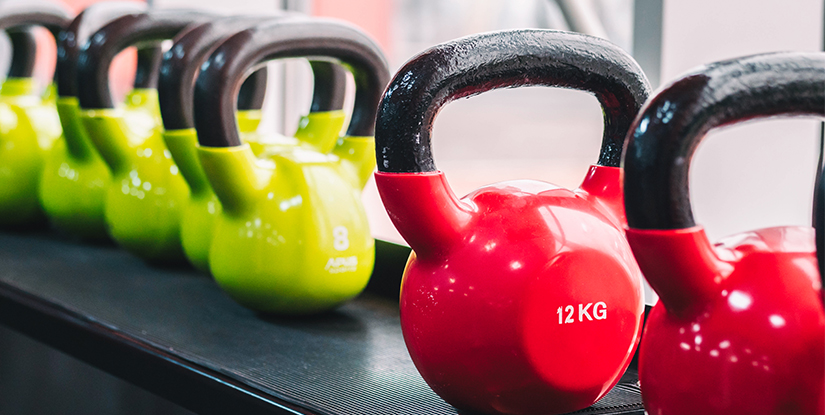
The second phase moves into the aesthetic and structural refinement of the equipment. This includes inspecting the surface finish to confirm the coating is uniform, free of bubbles, and adheres strictly to the specified thickness. This step is vital for preventing rust and wear in high-traffic environments. For any wholesale order, these inspection protocols serve as a final safeguard. By validating the handle smoothness and the seamless integration of the base, the China factory ensures that the landed products are ready for immediate deployment in premium fitness facilities, reducing the risk of post-delivery quality disputes.
| Inspection Stage | Focus Area | B2B Quality Objective |
|---|---|---|
| Raw Material Testing | Iron/Steel Purity | Ensure structural integrity for high-impact use |
| Casting Inspection | Shape and Handle Smoothness | Eliminate ergonomic defects and casting flaws |
| Coating/Painting Check | Adhesion and Uniformity | Prevent rust and surface degradation in commercial settings |
| Final Weight Verification | Weight Tolerance Accuracy | Guarantee compliance with specified weight increments |
| Export Readiness | Packaging and Container Loading | Protect shipment integrity and optimize container space |
Implementing these protocols allows a supplier to mitigate the risks associated with bulk procurement. For a buyer, knowing how long does kettlebell production take is only useful if that time includes these essential verification steps. A thorough inspection process protects your distributor margins by ensuring that the commercial kettlebell wholesale order arriving at your warehouse is ready for immediate, high-standard retail or facility deployment.
Optimizing Logistics and Export Packaging for Bulk Orders
For professional distributors and importers, understanding how long does kettlebell production take involves more than just the casting phase; it requires a deep look at the final logistics readiness. A high-quality China factory does not just focus on the product, but also on the efficiency of the export packaging to ensure that the landed cost remains competitive for the end buyer.
Inefficient packing strategies can lead to wasted space in a shipping container, effectively increasing your freight expense per unit. When managing commercial kettlebell wholesale accounts, we prioritize weight optimization and precise shipping volume calculations. By maximizing container utilization, we help our partners reduce the overhead associated with large-scale bulk orders, ensuring that the kettlebell manufacturing lead time includes sufficient time for professional palletizing and sea-freight preparation.
A streamlined China factory production cycle must account for the time required to secure heavy-duty materials and the subsequent transition to export-ready crating. Failure to plan for these logistical nuances can result in unexpected delays or inflated shipping bills. We recommend coordinating with your supplier during the initial sourcing phase to align your MOQ with optimal container loading patterns, thereby securing the best possible return on your investment.
Comparing Packaging Strategies for Cost Efficiency
To effectively manage your total landed cost, you must evaluate how different packaging configurations affect container density. For large-scale procurement, the choice between standard retail-ready boxes and optimized bulk configurations can significantly impact your freight-to-value ratio. When managing a commercial kettlebell wholesale account, selecting a method that maximizes weight-to-volume efficiency is critical for maintaining distributor margins.
| Packaging Type | Protection Level | Volume Efficiency | Best Use Case |
|---|---|---|---|
| Standard Export Box | High (Individual Protection) | Moderate | Retail-ready shipments or small-scale distributor stock |
| Optimized Bulk Crating | Maximum (Heavy-duty) | High (Density Optimized) | Large bulk orders and full container loads (FCL) |
| Custom OEM Branding | High (Branded Protection) | Variable | Private label projects requiring brand identity at arrival |
When calculating how long does kettlebell production take, ensure your timeline includes the specific duration required for your chosen packaging method. While optimized bulk crating may add a small amount of time to the China factory production cycle, the long-term savings in shipping costs often outweigh the initial lead time adjustment. We suggest consulting with your supplier to confirm if your MOQ allows for specialized container loading patterns to further drive down your unit costs.
For professional distributors and importers, understanding how long does kettlebell production take involves more than just the casting phase; it requires a deep look at the final logistics readiness. A high-quality China factory does not just focus on the product, but also on the efficiency of the export packaging to ensure that the landed cost remains competitive for the end buyer.
Inefficient packing strategies can lead to wasted space in a shipping container, effectively increasing your freight expense per unit. When managing commercial kettlebell wholesale accounts, we prioritize weight optimization and precise shipping volume calculations. By maximizing container utilization, we help our partners reduce the overhead associated with large-scale bulk orders, ensuring that the kettlebell manufacturing lead time includes sufficient time for professional palletizing and sea-freight preparation.
A streamlined China factory production cycle must account for the time required to secure heavy-duty materials and the subsequent transition to export-ready crating. Failure to plan for these logistical nuances can result in unexpected delays or inflated shipping bills. We recommend coordinating with your supplier during the initial sourcing phase to align your MOQ with optimal container loading patterns, thereby securing the best possible return on your investment.
Strategic Sourcing: Preparing Your Next Bulk Procurement
Effective procurement planning requires a deep understanding of how much time is actually required to move from order placement to port delivery. For distributors and large-scale gym operators, knowing how long does kettlebell production take is the difference between a seamless inventory restock and a costly stockout that disrupts commercial operations.
The China factory production cycle is rarely a single, fixed number; rather, it is a complex sequence of raw material procurement, casting, finishing, and rigorous quality control. When managing commercial kettlebell wholesale orders, professional buyers must account for several lead time variables, including seasonal demand surges, customized OEM specifications, and international shipping schedules to ensure a stable landed cost and reliable supply chain.
To optimize your inventory turnover and maintain consistent distributor margins, you must evaluate the specific stages within the manufacturing workflow. Miscalculating these stages often leads to unexpected landed costs or delayed product launches. Below is a breakdown of the standard phases encountered during a typical production run.
| Production Stage | Primary Process | Typical Duration Factor | B2B Sourcing Focus |
|---|---|---|---|
| Material Sourcing | Iron ore or steel procurement | Depends on current market availability | Raw material consistency |
| Casting & Shaping | Sand casting or iron molding | Determined by volume and mold complexity | Weight accuracy and structural integrity |
| Finishing | Grinding, painting, or coating | Dependent on surface specification | Commercial-grade durability |
| Quality Control | Weight verification and inspection | Critical for high-volume compliance | Pre-shipment accuracy |
| Export Packaging | Palletization and container loading | Standardized for sea freight | Shipping safety and volume efficiency |
Understanding how long does kettlebell production take allows a supplier to align their procurement calendar with seasonal demand. For instance, a standard wholesale order of existing stock may move through the China factory much faster than a highly customized ODM project. While raw material sourcing and casting are relatively stable, the finishing and QC stages are where the highest level of attention is required to meet commercial standards. By accounting for these variables, importers can better manage their warehouse capacity and ensure that export packaging and logistics are synchronized for the most efficient container loading.
To maintain a competitive edge, professional buyers should treat these timelines as a strategic baseline rather than a fixed certainty. When calculating your total lead time, always include a buffer for potential international logistics fluctuations and customs clearance. For those managing high-volume kettlebell manufacturing lead time, it is often more efficient to finalize your technical specifications and kettlebell production requirements well in advance of peak seasonal demand. This proactive approach ensures that your specific how long does kettlebell production take calculation accounts for both the physical manufacturing process and the necessary pre-shipment documentation required for smooth global transit.
As you finalize your next procurement cycle, we recommend requesting a detailed spec sheet and confirming the current MOQ for your specific weight ranges. Whether you are pursuing a standard wholesale replenishment or a complex OEM project with custom branding, engaging with your supplier early in the cycle is the most effective way to secure predictable delivery dates and optimize your landed cost.