Gym Free Weights Zone Layout Guide: Global Export Factory
Gym Free Weights Zone Layout Guide: Maximizing Commercial Floor Utility
A professional gym free weights zone layout guide distinguishes between high-performing facilities and those plagued by inefficient floor use. Many importers mistakenly prioritize low initial unit costs from unverified traders, only to face high maintenance overhead and premature equipment wear. Conversely, successful distributors focus on a commercial free weight area planning strategy that balances heavy-duty equipment with optimal traffic flow. By sourcing directly from a professional China factory, procurement leads can secure high-durability assets that maximize space utility and ensure a superior long-term ROI.
Optimizing a free weight section requires more than just placing racks; it demands a strategic wholesale gym equipment layout that accounts for weight plate storage, barbell clearance, and safety zones. When executing a gym equipment sourcing strategy, professional buyers must evaluate the total cost of ownership, including the durability of coatings and the structural integrity of racks under heavy use. Selecting a reliable supplier capable of meeting strict commercial specifications ensures that your facility remains functional and profitable for years to come.
Evaluating Total Cost of Ownership: Retail-Grade vs. Commercial-Grade
Procurement errors often stem from a failure to account for the hidden costs of low-spec equipment. While retail-grade units offer a lower initial invoice, they lack the structural density required for high-traffic environments. For distributors and facility owners, this results in frequent replacement cycles and increased maintenance labor. A professional gym free weights zone layout guide must emphasize the transition from purchasing single units to implementing a high-durability, commercial-grade infrastructure. By focusing on a wholesale gym equipment layout that utilizes heavy-duty steel and reinforced bushings, you minimize long-term downtime and protect your capital expenditure.
To assist in your decision-making process, the following table compares the long-term economic impact of sourcing standard consumer-grade items versus professional-grade equipment from a direct factory. This comparison highlights why a robust gym equipment sourcing strategy favors high-spec components to reduce the total landed cost over the equipment lifecycle.
| Feature / Metric | Standard Retail-Grade Units | Commercial-Grade (Direct Sourcing) |
|---|---|---|
| Structural Integrity | Lightweight steel; prone to bending | Heavy-duty gauge steel; high stability |
| Maintenance Frequency | High; frequent part replacement | Low; built for continuous use |
| Coating Durability | Basic paint; prone to chipping/rust | Industrial powder coating; high resistance |
| Long-term ROI | Low; high replacement costs | High; extended asset lifecycle |
| Sourcing Model | Small-batch retail/consumer | Bulk order / OEM / Wholesale |
When finalizing your commercial free weight area planning, we recommend requesting a full technical specification sheet from your manufacturer. Confirming the steel thickness, welding standards, and weight-bearing capacity ensures your facility meets international safety standards. For large-scale projects, please contact us to discuss your specific MOQ and potential for custom branding to align with your brand identity.
Customization and Logistics Efficiency for Large-Scale Installations
Scaling a professional fitness facility requires a sophisticated approach to product customization and global supply chain management. Advanced procurement leads often move beyond standard catalog items to leverage OEM and ODM capabilities. Utilizing OEM services allows distributors to integrate custom branding or specific color palettes into the equipment, ensuring the free weight zone aligns perfectly with a client's unique brand identity. This level of customization is essential for high-end studio operators and large-scale gym chains looking to differentiate their market position through a cohesive aesthetic.
Beyond aesthetics, operational efficiency depends on a seamless gym equipment sourcing strategy that accounts for complex logistics and bulk delivery. When managing large-scale installations, understanding the MOQ for custom-spec items and the associated lead times is critical for project timelines. A professional factory will provide detailed export packaging solutions and container loading plans to minimize the risk of transit damage and optimize the landed cost. By coordinating directly with a supplier capable of handling high-volume export orders, buyers can ensure that every component—from heavy-duty racks to specialized dumbbells—arrives on-site ready for immediate deployment and maximum commercial floor utility.
The High Cost of Suboptimal Commercial Free Weight Area Planning
Effective commercial free weight area planning extends far beyond basic aesthetics; it is a critical factor in your long-term operational efficiency. For distributors and gym operators sourcing from a China factory, ignoring the spatial requirements of heavy lifting leads to immediate financial leakage through wasted square footage and increased maintenance overhead.
When a gym free weights zone layout guide is not strictly followed during the procurement stage, the consequences manifest as a high landed cost relative to actual utility. Poorly spaced equipment leads to high replacement frequency because users inadvertently collide with adjacent stations or drop weights in restricted zones. This premature wear and tear forces unplanned capital expenditures, significantly lowering your long-term ROI. A professional wholesale gym equipment layout strategy ensures that your bulk order of dumbbells, barbells, and racks maximizes every square meter of your facility while protecting your initial investment.
Comparing Procurement Approaches: Professional vs. Retail-Level Planning
The difference in total cost of ownership (TCO) between a strategic gym equipment sourcing strategy and a basic retail-based purchase is substantial. Professional buyers must evaluate the long-term impact of equipment density, durability, and maintenance requirements before finalizing a bulk order. A professional approach focuses on the lifecycle of the equipment, whereas amateur planning often prioritizes immediate low prices over long-term operational stability.
The following table compares the financial and operational outcomes of these two distinct procurement paths to illustrate why sourcing directly from a specialized manufacturer is more cost-effective for commercial facilities.
| Evaluation Metric | Amateur / Retail-Level Planning | Professional / Factory-Direct Sourcing |
|---|---|---|
| Equipment Durability | Standard consumer-grade materials; high wear rate | High-density commercial-grade steel and coatings |
| Maintenance Costs | High; frequent replacement of damaged components | Low; optimized for continuous heavy usage |
| Replacement Cycle | Short; driven by structural fatigue and wear | Extended; engineered for long-term commercial cycles |
| Space Utilization | Suboptimal; often results in crowded, unsafe zones | Optimized; maximizes floor utility and safety clearances |
| Procurement Logic | Unit-based retail purchasing | Volume-based wholesale and bulk procurement |
| Long-term ROI | Low; high frequency of unplanned capital outlays | High; stable asset value and lower operational friction |
For distributors and large-scale operators, the goal is to minimize the frequency of re-ordering through superior initial quality. By implementing a rigorous gym free weights zone layout guide during the design phase, you ensure that your equipment can withstand high-traffic volume without constant intervention. We recommend that all professional buyers confirm the technical specifications and material density of their chosen units before proceeding with a bulk order or requesting a custom OEM or ODM production schedule.
A failure to align your spatial design with a professional gym free weights zone layout guide often stems from a flawed gym equipment sourcing strategy. When importers prioritize low unit prices over technical specifications, they inadvertently invite long-term operational deficits. Choosing equipment that lacks the correct footprint or durability standards results in a mismatch between the physical facility and the actual equipment density, leading to safety hazards and rapid asset depreciation.
To mitigate these risks, professional buyers must look beyond the initial invoice and evaluate the total lifecycle of the hardware. This requires a deep dive into factory-level quality control and material integrity. Relying on a reputable China factory that understands the nuances of commercial-grade weight dimensions and clearance requirements is the only way to ensure that a high-volume bulk order actually serves the intended floor plan. Without this oversight, the cost of replacing substandard, poorly-fitted units will quickly exceed any initial savings achieved through low-cost procurement.
Optimizing Footprint with Wholesale Gym Equipment Layout Strategies
A professional gym free weights zone layout guide focuses on maximizing usable square footage while maintaining safety buffers for high-traffic areas. For distributors and facility operators, effective commercial free weight area planning ensures that heavy-duty equipment placement does not obstruct movement or create bottlenecks. When managing a wholesale gym equipment layout, the goal is to balance high-density storage with high-performance training zones to increase the overall utility of the floor space.
Efficient space optimization directly impacts the long-term ROI of a facility. By selecting compact, modular, or stackable equipment through a reliable China factory, importers can reduce the footprint of weight storage units. This strategic approach also lowers the landed cost efficiency by optimizing container loading density during the sourcing process, ensuring that every cubic meter of shipping space is utilized effectively.
| Storage Configuration Type | Space Efficiency | Procurement Advantage | Best Use Case |
|---|---|---|---|
| Vertical Dumbbell Racks | High | Standardized dimensions for easier wholesale shipping | Compact boutique studios |
| Multi-Tier Plate Trees | Medium | High volume per square meter for bulk orders | Large-scale commercial gyms |
| Modular Weight Stations | Very High | Customizable OEM configurations to fit specific dimensions | High-end specialized training zones |
| Wall-Mounted Storage | Maximum | Reduces floor footprint to improve sourcing logistics | Small footprint or premium home-gym setups |
When evaluating your next batch, it is essential to distinguish between standard retail-grade setups and professional-grade industrial layouts. A common procurement mistake is sourcing equipment based solely on unit price without considering the long-term operational footprint. While retail-grade setups often prioritize aesthetics, a professional gym free weights zone layout guide demands a focus on durability and high-density utility to protect your capital expenditure. Relying on a factory that understands these technical requirements ensures your equipment can withstand the rigorous demands of a high-traffic commercial environment without requiring frequent replacement or excessive floor reconfiguration.
Choosing between stock items and customized solutions also dictates your long-term efficiency. For instance, utilizing OEM capabilities allows you to select specialized storage configurations that match your facility's specific dimensions, rather than being forced to adapt your floor plan to the equipment. This level of customization, available through a professional supplier, optimizes both the training experience and the total cost of ownership by reducing maintenance-related downtime and maximizing the utility of every square meter.
A sophisticated gym equipment sourcing strategy must account for how hardware dimensions dictate facility flow. Professional buyers often overlook how the physical footprint of weight racks and benches affects long-term operational efficiency. By working directly with an experienced factory, importers can secure equipment designed for high-density placement, which reduces the likelihood of costly floor reconfigurations. This proactive approach to gym equipment sourcing strategy ensures that your inventory aligns with both the physical constraints of the venue and the logistical requirements of international shipping.
Furthermore, leveraging custom branding through ODM or OEM services allows distributors to differentiate their market offering while maintaining strict control over the product's physical profile. Instead of being limited to standard dimensions, you can request specific configurations that optimize your client's floor space. This level of precision, supported by a professional supplier, ensures that the equipment serves as a high-value asset that maximizes the utility of the training zone while reinforcing your brand identity in the commercial market.
Sourcing High-Durability Weights and Benches via China Factory Direct
A professional gym free weights zone layout guide must prioritize the long-term durability of equipment to protect your capital investment. For distributors and facility operators, the cost of replacing worn-out benches or dented plates is a significant drain on operational budgets. By establishing a direct sourcing relationship with a China factory, buyers can secure commercial grade steel and high-density urethane coatings that withstand heavy daily use while maintaining higher profit margins.
Effective commercial free weight area planning requires more than just floor space; it requires a strategic wholesale procurement plan. When you manage gym equipment sourcing strategy through direct manufacturing channels, you gain control over material specifications and structural integrity. This approach ensures that every rack, bench, and weight set meets the rigorous demands of high-traffic commercial environments, reducing long-term maintenance costs and improving total ROI.
Evaluating Procurement Channels: Factory-Direct vs. Trading Companies
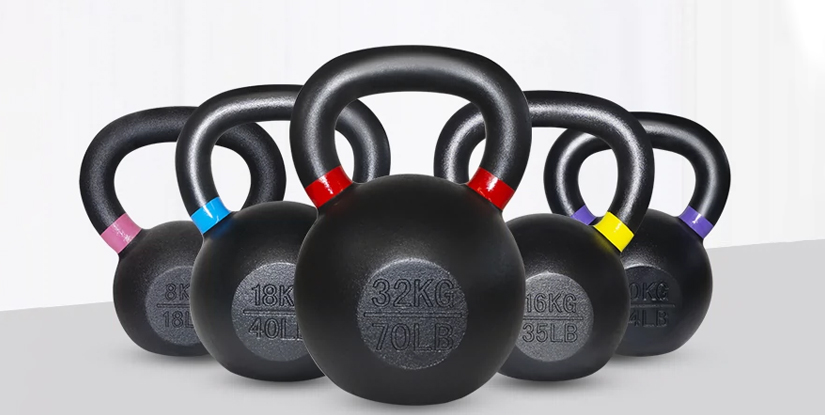
Selecting the right supply chain partner is critical for maintaining a stable wholesale gym equipment layout. Professional buyers must distinguish between the cost savings of a specialized manufacturer and the perceived convenience of a general trader. While traders may offer a wider variety of SKUs, they often introduce hidden costs through multiple markups and fragmented quality control. In contrast, working with a direct supplier allows for precise oversight of production standards and more predictable logistics.
| Procurement Dimension | Specialized Manufacturer (Direct) | General Trading Company |
|---|---|---|
| Quality Control (QC) | Strict in-house oversight and pre-shipment inspection | Dependent on third-party or trader-led audits |
| Customization Capability | High potential for OEM and ODM branding | Limited to existing stock and standard catalogs |
| Lead Time Control | Directly managed through production scheduling | Subject to trader-to-factory communication delays |
| Landed Cost Efficiency | Optimized via direct factory-to-port shipping | Higher due to intermediary margins and fees |
| Minimum Order Quantity (MOQ) | Tiered based on production capacity | Often higher or more rigid due to inventory limits |
When executing a gym free weights zone layout guide for a large-scale project, the transparency of the supply chain determines your final landed cost. A direct partnership provides the ability to negotiate specific MOQ requirements for specialized items like heavy-duty power racks or custom-branded dumbbells. We recommend that procurement leads request a detailed technical spec sheet and confirm the factory audit protocols before finalizing any bulk order to ensure all equipment meets international commercial standards.
Leveraging OEM and ODM for Brand Identity and Differentiation
To move beyond standard equipment offerings, professional importers utilize OEM and ODM capabilities to build a unique market position. A standard gym free weights zone layout guide often assumes generic equipment, but high-tier distributors know that custom branding is a powerful tool for increasing perceived value. By working with a manufacturer that offers ODM services, you can request specific frame dimensions, upholstery textures, or unique weight plate aesthetics that align with your specific brand identity.
Engaging in OEM production allows you to integrate your own logo and color schemes onto high-durability benches and racks, transforming a standard shipment into a proprietary product line. This level of custom branding is essential for distributors looking to build long-term brand equity rather than just selling commodities. Whether you require a specific color of urethane coating or a unique handle grip design, a specialized factory can accommodate these technical variations within a structured production run, provided the MOQ is met to ensure cost-effective manufacturing.
For those managing complex international projects, understanding these manufacturing tiers is vital for a successful gym equipment sourcing strategy. Transitioning from purchasing off-the-shelf stock to a private label model requires close coordination regarding technical drawings and sample approval. We suggest that buyers initiate a formal inquiry to discuss OEM tolerances and custom branding-related lead times early in the procurement cycle to avoid delays in the final project rollout.
Custom Branding and OEM/ODM Capabilities for Global Distributors
For distributors looking to scale, a professional gym free weights zone layout guide must extend beyond physical dimensions to include the strategic integration of a unique brand identity. Relying solely on generic, unbranded equipment limits your ability to command premium market positions. By leveraging OEM and ODM services from a specialized factory, you can transition from a simple equipment reseller to a recognized market authority.
Effective commercial free weight area planning requires more than just floor space; it requires a cohesive aesthetic that reinforces your value proposition. Through custom branding and private label manufacturing, distributors can ensure that every dumbbell, barbell, and weight plate reflects their specific quality standards. This level of market differentiation is a vital component of a high-level professional gym equipment sourcing strategy, allowing you to move away from price-war competition and toward long-term, high-margin partnerships. Working directly with a China factory that offers robust wholesale customization ensures your product line is both distinctive and commercially scalable.
Comparing Sourcing Models: Standard Wholesale vs. Customized Solutions
Choosing the right procurement path depends on your long-term scaling objectives and capital availability. While standard wholesale orders offer speed, specialized OEM solutions provide the differentiation necessary for established distributors. Understanding these distinctions is essential for a successful gym equipment layout and long-term brand positioning.
| Feature | Standard Wholesale Sourcing | Custom OEM/ODM Solutions |
|---|---|---|
| Customization Depth | Limited to standard color options or minor logo placement | Full specification control (dimensions, materials, and weight accuracy) |
| Branding Options | Generic or unbranded products | Full private label integration and custom brand identity |
| MOQ Requirements | Lower threshold for standard stock items | Higher threshold based on custom specification complexity |
| Lead Time Impact | Short; suitable for rapid restocking and immediate needs | Extended; requires time for tooling, prototyping, and QC |
| Market Positioning | Competitive pricing for high-volume, low-margin sales | Premium positioning for specialized or boutique fitness brands |
When executing a wholesale gym equipment layout, distributors must weigh the immediate cost savings of stock items against the long-term asset value of a custom-branded line. A dedicated supplier can assist in calculating the total landed cost and ROI for both paths, ensuring your gym free weights zone layout guide transitions from a simple floor plan into a professional, branded commercial environment.
Technical Execution: From Manufacturing to Export Logistics
A sophisticated gym free weights zone layout guide is only as reliable as the quality of the hardware being placed within it. For large-scale importers, the risk of receiving sub-standard or damaged units can devastate the total landed cost and project timelines. Therefore, a professional wholesale gym equipment layout must be supported by a rigorous manufacturing and shipping workflow that prioritizes durability and structural integrity.
The process begins with strict adherence to technical specifications during the production phase. Whether you are selecting high-density urethane coatings or specialized steel alloys, a reputable China factory implements multi-stage testing to ensure every unit meets commercial-grade tolerances. Beyond the production line, the sourcing process must account for specialized export packaging designed to withstand long-distance maritime transit. This includes reinforced heavy-duty cartons and optimized container loading patterns to prevent shifting and impact damage during sea freight. By coordinating closely with your supplier, you can manage the complex variables of lead times, sea freight logistics, and customs documentation, ensuring that your bulk order arrives on-site ready for immediate installation and high-intensity commercial use.
Quality Control and Export Packaging Standards for Bulk Orders
A professional gym free weights zone layout guide must prioritize the structural integrity of every unit arriving at your facility. When managing large-scale commercial free weight area planning, the greatest risk to your ROI is not just improper placement, but transit-related damage that compromises equipment safety and aesthetics. For distributors and gym owners, a failure in the supply chain results in high replacement costs and disrupted launch timelines.
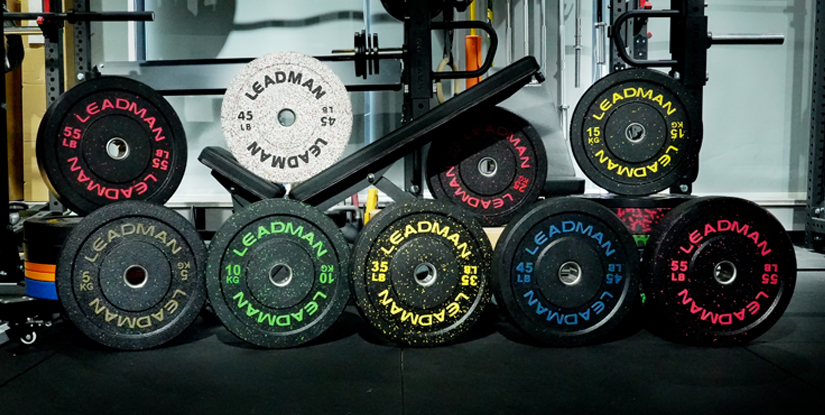
To mitigate these risks, professional wholesale gym equipment layout strategies must include a rigorous verification of quality control (QC) protocols and heavy-duty packaging standards. High-tier sourcing from a China factory should involve multi-stage inspections—from raw material testing to final weight calibration—ensuring that every dumbbell, barbell, and rack meets international commercial specifications before leaving the warehouse.
Effective transit damage prevention is achieved through reinforced crating and moisture-proof wrapping, which are essential for long-distance sea freight. Below is a comparison of procurement-side packaging and quality standards to help you evaluate the total landed cost and long-term durability of your bulk orders.
| Procurement Factor | Standard Export Grade | Premium OEM/ODM Grade |
|---|---|---|
| Packaging Material | Standard Corrugated Box | Reinforced Wooden Crates/Pallets |
| Transit Protection | Basic Foam Padding | High-Density EPS & Moisture Barriers |
| Inspection Depth | Batch Sampling | Full Unit Inspection & Weight Verification |
| Risk of Damage | Moderate (Requires Local Buffer) | Low (Optimized for Global Freight) |
| TCO Impact | Lower Initial Cost | Higher Reliability & Lower Replacement Rate |
When negotiating with a supplier, always confirm the specific QC checklists and the thickness of the protective layers used for heavy items. Requesting a detailed packaging specification sheet during the sourcing process ensures that your wholesale shipment arrives in showroom condition, protecting your margins and your reputation.
Optimizing your gym equipment sourcing strategy requires more than just selecting the right products; it requires a deep understanding of logistics efficiency and container utilization. For high-volume importers, the difference between a profitable shipment and a logistical nightmare often lies in the precision of the export packaging and the sophistication of the loading plan. A disorganized container layout not only increases the risk of product deformation during sea freight but also inflates your landed cost through wasted volume and increased handling fees.
To ensure maximum efficiency, professional procurement teams should demand high-standard palletization and strict shipping container optimization protocols. This involves calculating the exact volumetric weight of every barbell, rack, and weight plate to ensure the most dense, stable, and secure load possible. When working with a reliable China factory, you should verify that they utilize reinforced wooden pallets and specialized stacking limits to prevent crushing under heavy loads during long-distance ocean transit.
Before finalizing any bulk purchase, always request a detailed loading plan and confirm the MOQ for customized packaging requirements. A transparent supplier will provide technical drawings of the crate dimensions and a detailed packing list, allowing you to accurately calculate your final landed cost and plan your local warehouse receiving schedule with precision. Proactive communication regarding export packaging and pre-shipment inspections is the most effective way to safeguard your commercial investment.
Optimizing your gym equipment sourcing strategy requires more than just selecting the right products; it requires a deep understanding of logistics efficiency and container utilization. For high-volume importers, the difference between a profitable shipment and a logistical nightmare often lies in the precision of the export packaging and the sophistication of the loading plan. A disorganized container layout not only increases the risk of product deformation during sea freight but also inflates your landed cost through wasted volume and increased handling fees.
To ensure maximum efficiency, professional procurement teams should demand high-standard palletization and strict shipping container optimization protocols. This involves calculating the exact volumetric weight of every barbell, rack, and weight plate to ensure the most dense, stable, and secure load possible. When working with a reliable China factory, you should verify that they utilize reinforced wooden pallets and specialized stacking limits to prevent crushing under heavy loads during long-distance ocean transit.
Before finalizing any bulk purchase, always request a detailed loading plan and confirm the MOQ for customized packaging requirements. A transparent supplier will provide technical drawings of the crate dimensions and a detailed packing list, allowing you to accurately calculate your final landed cost and plan your local warehouse receiving schedule with precision. Proactive communication regarding export packaging and pre-shipment inspections is the most effective way to safeguard your commercial investment.
Strategic Procurement: Finalizing Your Sourcing and Logistics Plan
Once your spatial design is finalized, the transition from a gym free weights zone layout guide to actual execution requires a shift toward high-level procurement logic. Relying on local retail stock often leads to inflated landed costs and inconsistent equipment density. To achieve professional results, most distributors and gym owners look toward direct sourcing from a China factory to secure specialized, high-durability units that meet international commercial standards.
Effective commercial free weight area planning is not merely about floor markings; it is about managing the total cost of ownership. By coordinating your wholesale gym equipment layout directly with a manufacturer, you can optimize container loading and reduce shipping overhead. This strategic approach ensures that every square meter of your facility is filled with commercial-grade equipment that offers both long-term durability and maximum return on investment.
Evaluating Sourcing Models and Logistics Efficiency
Selecting the right supply chain partner is a critical decision in your gym equipment sourcing strategy. Professional buyers must weigh the convenience of local distributors against the cost-efficiency of direct manufacturing. While local traders offer faster delivery for small batches, they often lack the ability to provide custom specifications or significant volume discounts. For large-scale facility setups, working directly with a manufacturer allows for tighter control over quality and branding.
The following comparison highlights the fundamental differences between these procurement paths to help you determine the best fit for your project scale and budget.
| Metric | Direct Factory Sourcing | Local Commercial Trader |
|---|---|---|
| Primary Advantage | Optimized landed cost and customization | Speed of delivery and local support |
| Customization Capability | High (Full OEM and ODM support) | Limited to existing stock availability |
| Typical MOQ | Higher (Based on container or pallet volume) | Lower (Unit-based or small batch) |
| Quality Control | Direct QC and pre-shipment inspection | Dependent on trader's third-party vetting |
| Lead Time | Longer (Production plus ocean freight) | Shorter (Local warehouse availability) |
| Pricing Structure | Wholesale/Ex-works/FOB | Retail or small-scale wholesale markup |
To mitigate risks when importing, we recommend requesting a detailed specification sheet and confirming the MOQ for your specific product categories early in the process. For high-tier projects, it is standard practice to schedule a virtual factory audit or a pre-shipment inspection to ensure all units meet your facility's durability requirements before the final container loading.
Customization and Brand Identity Through OEM/ODM
For distributors and facility developers, the ability to establish a unique market presence is often tied to how much control they exert over product aesthetics. A standard gym free weights zone layout guide focuses on the physical footprint, but a sophisticated gym equipment sourcing strategy must also account for brand differentiation. Utilizing OEM or ODM services allows you to move beyond generic equipment and integrate your own visual identity into the hardware.
Through OEM partnerships, you can specify custom color palettes for weight plates, customized upholstery textures for benches, and unique logo placement on metal frames. This level of customization is essential for premium studio operators who want their facility to feel like a cohesive, branded environment rather than a collection of disparate parts. While these services often require a higher MOQ, the long-term value lies in building brand equity and professional recognition within your local market.
Beyond aesthetics, high-volume orders require rigorous technical oversight. Engaging directly with a factory ensures that your custom specifications are documented and tested during the production phase. Whether you are requesting specific tolerances for weight accuracy or unique handle diameters for dumbbells, professional sourcing involves verifying these details through a structured QC process. This minimizes the risk of receiving non-compliant units that could impact your facility's operational efficiency or professional reputation.
As you finalize your procurement plan, ensure your logistics provider is aligned with your export requirements. High-density items like cast iron plates and heavy dumbbells require specialized export packaging to prevent damage during ocean freight and to optimize container loading. We suggest requesting a detailed packing list and a 3D loading plan from your supplier to accurately calculate your final landed cost and ensure a smooth transition from the port to your facility.