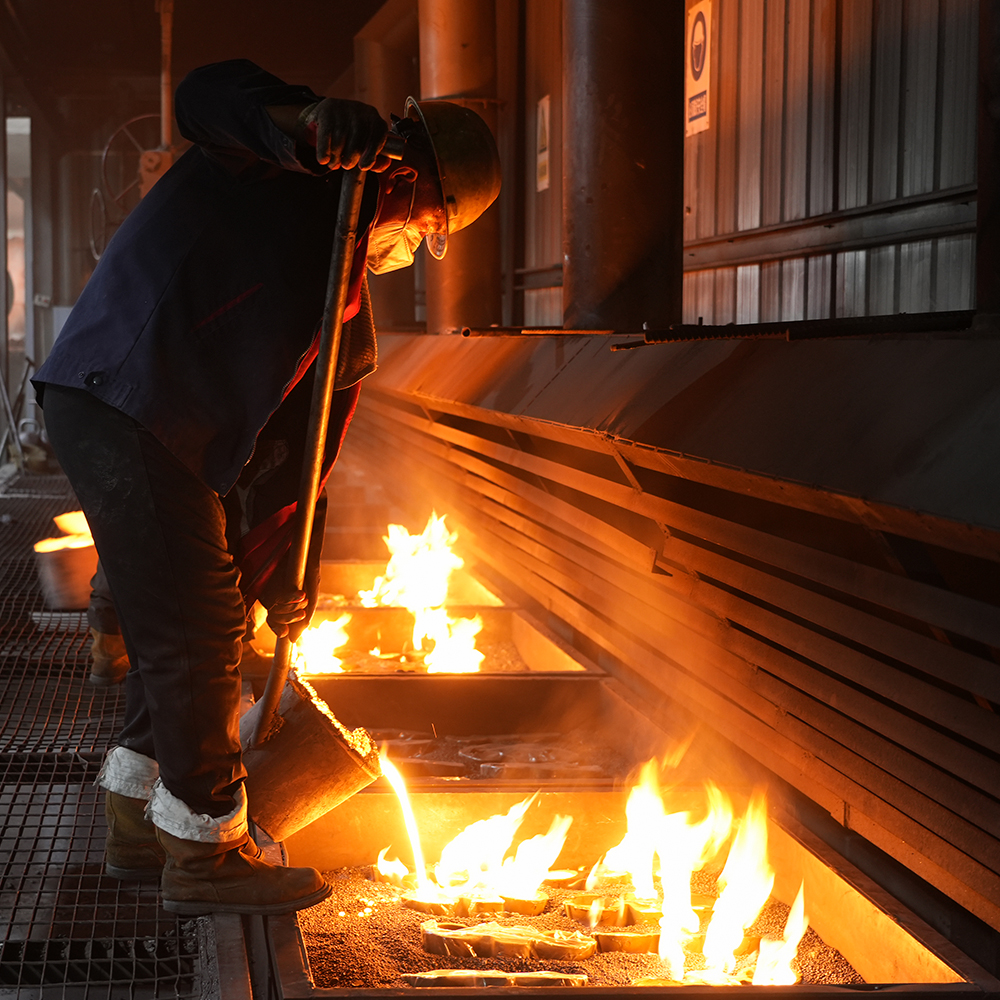
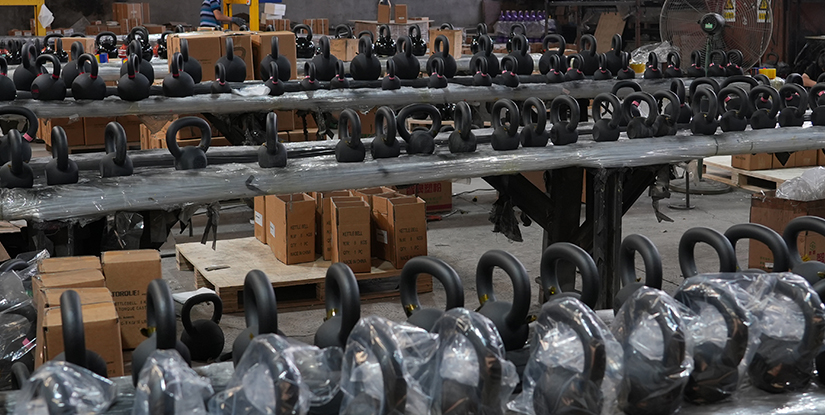
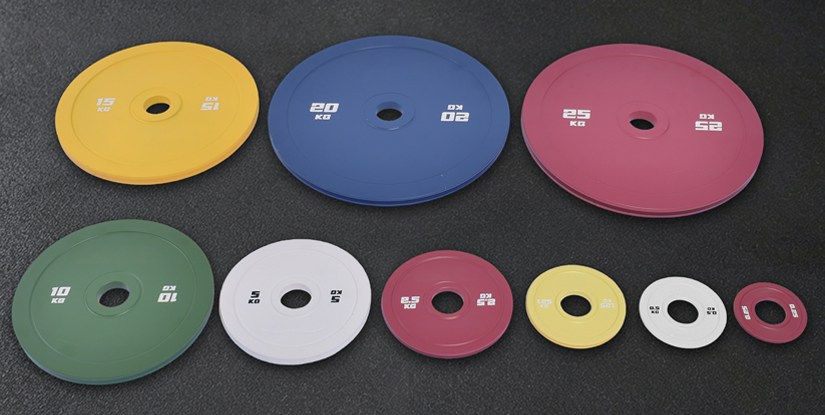
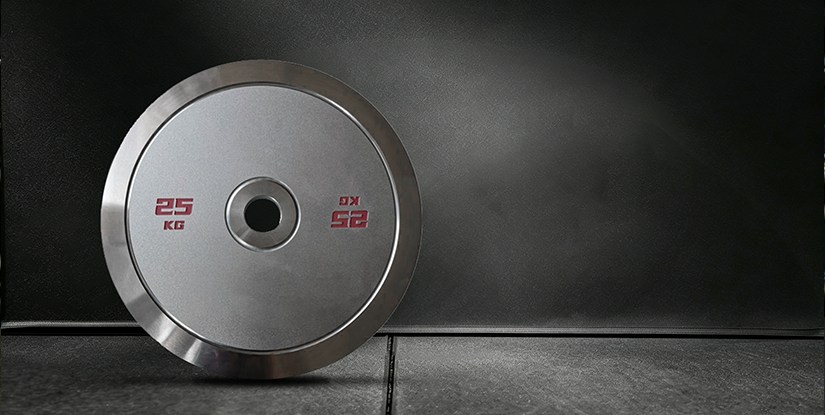
For global fitness distributors, gym owners, and brand developers, the challenge of scaling a facility or a product line often hinges on finding a reliable free weight equipment supplier that balances structural integrity with cost-efficiency. Navigating the complex landscape of international procurement requires more than just locating a vendor; it demands identifying a partner capable of meeting the rigorous demands of high-traffic commercial environments. Whether you are setting up a boutique strength studio or managing a large-scale distribution network, the quality of your foundational gear—from dumbbells and kettlebells to specialized resistance tools—directly impacts your brand reputation and operational longevity. This guide is designed to help procurement professionals move beyond surface-level specifications. We address the critical questions regarding material density, manufacturing tolerances, and the logistical complexities of sourcing weightlifting gear at scale. By understanding the nuances of factory-direct procurement, you can mitigate common risks such as inconsistent weight increments, coating degradation, and unreliability in lead times. Our objective is to provide a framework for evaluating potential partners, ensuring that your investment in strength and cardio solutions meets international standards for both safety and performance. Key procurement considerations covered in this resource include: A professional approach to sourcing ensures that your facility or product catalog remains competitive. As the fitness industry evolves toward more specialized training, the demand for high-tolerance equipment becomes a baseline requirement rather than an optional premium. Through disciplined vetting and technical scrutiny, you can secure a supply chain that supports your long-term growth and operational excellence. When building a commercial fitness facility or expanding a distribution catalog, procurement professionals must distinguish between different tiers of supply. The choice is not merely about the purchase price, but about the total cost of ownership, which includes maintenance, durability, and brand perception. A common mistake in B2B procurement is treating high-traffic commercial gear with the same criteria as home-use retail products. For professional environments, the tolerance for error in weight increments and material structural integrity is significantly lower. The following table provides a technical comparison across different sourcing models. This framework helps buyers understand where a specialized free weight equipment supplier sits in relation to mainstream retail and high-end brand-tier solutions. Note that "Factory Direct" models focus on high-tolerance, high-volume production designed to meet the technical specifications of premium brands without the markup of retail distribution layers. Understanding these distinctions is vital when evaluating a gym machine manufacturer or a specialized weight production facility. While the "Premium Brand Tier" offers high recognition, the "Specialized Factory Direct Tier" provides the technical capability to achieve similar performance benchmarks—such as impact resistance and ergonomic precision—while maintaining the cost-efficiency required for large-scale deployment. This makes direct sourcing a strategic advantage for companies looking to build their own high-quality product lines through OEM partnerships. A critical failure in professional procurement occurs when buyers focus exclusively on the finished product's appearance rather than the underlying manufacturing processes. For a specialized free weight equipment supplier, the true value lies in the control of variables that are often invisible to the untrained eye. When sourcing high-density cast iron or urethane-coated dumbbells, the primary concern is not just the weight, but the homogeneity of the material. Inconsistent density within a single weight unit can lead to uneven wear and unbalanced movement, which poses a long-term safety risk in high-traffic commercial gyms. The cost-quality paradox in fitness gear is often driven by the precision of the molding and casting stages. In the production of weightlifting gear, achieving a strict tolerance—for example, ensuring a 20kg dumbbell does not deviate by more than a specific percentage—requires advanced calibration of the casting molds and high-precision finishing equipment. Many lower-tier suppliers achieve lower prices by accepting wider tolerances, which results in "weight drift" across a single batch. This inconsistency can disrupt the professional experience of athletes and lead to high replacement rates for distributors. Furthermore, the durability of coatings, such as Neoprene or Polyurethane, depends heavily on the chemical bonding process used during manufacturing. A professional facility will implement multi-stage testing to ensure that the coating does not peel or crack under repeated impact. When vetting a strength training equipment manufacturer, you should demand specific data regarding the adhesion strength and the impact resistance of these outer layers. This technical scrutiny prevents the common issue of aesthetic degradation that often plagues lower-quality commercial-grade gear. A common misconception in B2B sourcing is that a lower price point automatically implies higher efficiency. In reality, aggressive pricing often masks a lack of integrated supply chain control. For instance, a factory that does not manage its own raw material or component production—such as the steel or high-grade rubber used in resistance tools—is highly vulnerable to external market fluctuations. This lack of control frequently results in unexpected production delays and unfulfilled POs. To build a resilient procurement strategy, buyers should look for manufacturers that demonstrate high levels of vertical integration. A supplier that owns or maintains strict control over its production lines can provide more predictable lead times and more consistent quality. Additionally, ensuring that the factory adheres to international compliance standards—such as ISO management systems or specific safety certifications for structural load-bearing—is not just a formality; it is a fundamental safeguard for your brand's liability and reputation in the global market. In the modern fitness procurement landscape, the distinction between a premium brand and a high-performance factory-direct solution is often found in the technical documentation rather than the marketing. Many distributors seek to provide a "premium experience" without the prohibitive markup associated with top-tier global brands. This is achieved by sourcing through a specialized free weight equipment supplier that operates under the same rigorous manufacturing protocols used by major international players, focusing on verifiable metrics such as material density, coating adhesion, and dimensional stability. When we discuss high-end alternatives, we are referring to products that align with the "Brand-Grade" specifications through controlled manufacturing. For example, instead of focusing on brand names, procurement specialists should focus on the following alignment indicators: For companies looking to expand their own proprietary brands, our OEM/ODM services are built upon the foundation of "Brand-Standard" production lines. We understand that serving international orders requires more than just producing a product; it requires adhering to a strict hierarchy of quality control and confidentiality. Our production processes are designed to meet the expectations of high-end fitness distributors who demand precision and reliability. The transition from a design concept to a mass-produced, branded product follows a disciplined multi-stage workflow. This begins with a detailed technical review of the client's specifications, followed by a formal sampling phase where the prototype's weight, texture, and durability are rigorously tested. Once the sample is approved, the project moves into the mass production stage, governed by a strict QC (Quality Control) protocol that includes batch-level inspection of raw materials, in-process monitoring of casting/molding, and a final structural audit. This systematic approach ensures that every unit bearing your brand's identity meets the high standards required for global distribution and commercial use. Furthermore, we maintain strict compliance and confidentiality boundaries. When a client engages us for a customized solution, all proprietary designs, technical drawings, and branding elements are treated as protected intellectual property. This commitment to professional ethics allows brand owners to focus on market expansion, knowing that their manufacturing partner operates with the transparency and discipline expected in a professional B2B partnership. Practical application of specialized manufacturing expertise is best illustrated through the complexities of real-world procurement. We often encounter clients whose requirements extend far beyond standard catalog items, requiring a blend of technical precision and logistical adaptability. These scenarios demonstrate how a dedicated free weight equipment supplier acts as a strategic partner rather than a mere vendor. One notable case involved a regional fitness distributor in Europe who was preparing to launch a proprietary line of premium strength gear. The client's objective was to offer a high-end aesthetic—specifically, a seamless, matte-finish urethane coating on dumbbells and kettlebells—to compete with luxury boutique brands. However, they faced two significant constraints: a rigid timeline for a seasonal product launch and a strict requirement for weight consistency that could not deviate by more than 1% across the entire 5kg to 30kg range. Most standard suppliers could not guarantee the precision required for their brand positioning. To address this, we developed a customized production workflow. We began by refining the casting molds to ensure high-density homogeneity, followed by a specialized application process for the urethane coating to achieve the desired matte texture without compromising impact resistance. To meet the client's strict weight tolerance, we implemented an additional high-precision calibration stage during the finishing process. Furthermore, to resolve the logistical pressure, we established a phased shipping schedule, prioritizing the most popular weight increments to ensure the client could begin pre-orders on schedule while the remaining batch completed final quality audits. The result was a successful brand launch where the client's products passed all third-party durability tests and met the high-performance expectations of their target audience. The technical precision of the weight increments and the premium feel of the coating allowed the distributor to establish a strong market presence as a high-quality alternative to established luxury brands. A second scenario involved a large-scale commercial gym chain undergoing a multi-location expansion. They required a diverse range of equipment, including customized resistance bands and specialized weightlifting gear, with a focus on color-coded systems for easy identification by gym members. The primary challenge was the integration of their corporate color palette into the production of various materials, from high-elasticity latex to heavy-duty metal components. The client also required specific retail-ready packaging to facilitate efficient distribution to their new branches. Our team provided a comprehensive solution by integrating color-matching protocols at the raw material stage. For the resistance bands, we utilized precision dye-injection techniques to ensure color fastness and prevent fading during high-frequency use. For the weightlifting gear, we customized the metal finishes and handle knurling to align with the client's brand identity. We also designed and implemented a customized packaging system that utilized reinforced, branded containers, which reduced damage during transit and optimized the unboxing experience for their facility managers. By managing the entire lifecycle from material selection to final packaging, we ensured that the gym chain received a cohesive, branded product suite that was both durable and aesthetically aligned with their facility standards. The project was delivered within the projected budget and timeline, supporting the client's rapid expansion without the typical quality-control hurdles associated with multi-category sourcing. Transitioning from a technical specification to a physical shipment requires a structured operational framework. For B2B buyers, the primary risks involve unmanaged lead times, insufficient quality documentation, and logistical errors during international transit. A professional free weight equipment supplier manages these variables through standardized protocols that ensure transparency at every stage of the procurement lifecycle. Successful procurement execution is typically governed by the following operational pillars: Effective communication is the backbone of a successful partnership. We establish clear touchpoints throughout the production cycle, including technical sign-offs after the sampling phase, mid-production progress updates, and pre-shipment documentation reviews. This ensures that all stakeholders—from the product designers to the logistics managers—are aligned on the final output. For distributors managing complex product catalogs, we can also provide support in documentation and compliance. This includes providing material safety data sheets (MSDS) for coatings and ensuring that all structural components meet the necessary load-bearing standards. By treating procurement as a highly disciplined manufacturing process rather than a simple transaction, we help our partners mitigate the risks of international trade and build a more resilient supply chain. Establishing a reliable supply chain for commercial-grade strength gear requires a transition from transactional purchasing to strategic technical alignment. Before finalizing any large-scale procurement contracts or initiating a customized OEM project, professional buyers should utilize a rigorous vetting framework to ensure the partner can sustain the required quality and logistical standards. A high-performance procurement strategy focuses on these three critical execution pillars: By prioritizing these technical and operational benchmarks, distributors and gym owners can move beyond the limitations of standard retail sourcing. This approach ensures that every piece of equipment—from heavy-duty dumbbells to customized resistance tools—functions as a reliable asset within a high-traffic commercial environment, supporting both the physical demands of the end-user and the long-term commercial objectives of the facility.Procurement Dimension Mainstream Retail Tier Premium Brand Tier Specialized Factory Direct Tier Primary Target Audience Individual consumers and home users Global gym chains and high-end studios Distributors, gym owners, and OEM brands Weight Increment Precision Standard (± 3-5% variance) High Precision (Strictly controlled) High Precision (Strictly controlled) Material & Coating Durability Basic (PVC/Light Neoprene) Advanced (Urethane/Heavy Rubber) Advanced (Urethane/Heavy Rubber) Customization Capability Minimal (Standard colors/logos) High (Proprietary designs) High (OEM/ODM/Custom Branding) Cost Structure High (Includes retail/marketing markup) Highest (Brand premium + distribution) Optimized (Direct manufacturing cost) Lead Time & MOQ Low MOQ / Rapid shipping High MOQ / Long lead times Scalable MOQ / Controlled lead times The Logic of Material Selection and Tolerance Control
Mitigating Lead Time and Compliance Risks
Strategic Alignment: High-End OEM Capabilities and Value-Driven Alternatives
Case Study: Tailored Solutions for Global Expansion
Operational Execution: From Sampling to Global Delivery
Strategic Procurement Checklist for Long-Term Partnerships