Kettlebell Manufacturers: Export Ready China Factory
Kettlebell Manufacturers: Strategic Sourcing for Commercial Gyms
Distributors and gym procurement managers often face two critical errors: sourcing low-grade cast iron that cracks under high-volume use, or failing to verify the coating adhesion of rubber-coated units. A professional kettlebell manufacturers approach avoids these pitfalls by prioritizing structural integrity and surface durability. For high-traffic gym environments, selecting a commercial kettlebell supplier with established production lines ensures that every unit meets the rigorous demands of daily commercial use, reducing long-term replacement costs and maintenance cycles.
Reliable wholesale kettlebells must withstand extreme mechanical stress without losing weight accuracy or surface finish. Whether you are outfitting a boutique studio or a large-scale strength facility, the complexity of sourcing lies in balancing unit durability with your target landed cost. Partnering with an experienced kettlebell OEM manufacturer allows you to specify material grades and handle textures that align with your brand identity while maintaining strict MOQ and lead time requirements for bulk distribution.
Comparison of Commercial-Grade Kettlebell Specifications
Selecting the correct material profile is essential for long-term ROI. A mismatch between the training environment and the material choice—such as using unpainted cast iron in a high-humidity studio—can lead to premature oxidation and increased maintenance labor. To assist in your procurement decision, the following table outlines the standard commercial tiers used by a professional k Material Type Surface Process Key Component Detail Commercial Duty Tier MOQ Impact Factory QC Point Cast Iron Powder Coating Handle-to-body junction Standard Commercial Lower Coating adhesion Cast Iron Vinyl/Rubber Dip Base/Grip encapsulation Premium Studio Moderate Layer uniformity Solid Steel Chrome Finish Precision knurling Competition/Elite Higher Weight tolerance When evaluating a kettlebell OEM manufacturer, procurement leads should prioritize the durability of the coating layer and the integrity of the handle texture. For high-volume distribution, a factory specializing in multi-stage powder coating or seamless PU molding offers better protection against surface chipping and impact damage. We recommend requesting a sample to inspect the base flatness and the consistency of the handle grip before finalizing any large-scale wholesale agreement.
Material Selection and Casting Processes for High-Volume Orders
When sourcing from professional kettlebell manufacturers, understanding the fundamental construction of the bell is critical for managing long-term replacement costs and durability standards. For high-volume procurement, most wholesale kettlebells are produced using gray iron via the sand casting method. This process involves pouring molten iron into a sand mold, which is the industry-standard approach for creating the consistent, rounded shapes required for commercial gym environments. A reliable commercial kettlebell supplier will ensure that the casting process minimizes structural air pockets, which can lead to cracks under heavy use.
Beyond the core casting, the surface treatment determines the product's lifespan and grip reliability. Many distributors opt for a high-grade powder coating finish, which provides a durable, textured layer that resists chipping and corrosion. During the kettlebell OEM manufacturer production sequence, the bells typically undergo a rigorous process: sand casting, followed by precision machining of the handle, and finally a multi-stage coating line. This sequence ensures that the weight tolerance remains within acceptable commercial limits and that the handle-to-body junction is structurally sound for heavy lifting. For buyers, choosing a factory that prioritizes these specific manufacturing steps reduces the risk of defective batches and improves the overall landed cost through higher product longevity.
Material and Surface Finish Comparison for Bulk Procurement
Selecting the appropriate specification is a vital part of the sourcing process. For distributors and gym owners, the choice between cast iron and specialty coatings directly impacts the maintenance load and the replacement cycle of the inventory. A professional kettlebell OEM manufacturer will provide distinct tiers of finishes to meet different commercial requirements, ranging from standard weight training to high-end competition environments.
| Material | Casting Process | Surface Finish | Commercial Use Case | Sourcing Advantage |
|---|---|---|---|---|
| Cast Iron | Sand Casting | Bare Iron / Phosphate | Standard Commercial Gyms | Cost-effective for high-volume bulk orders |
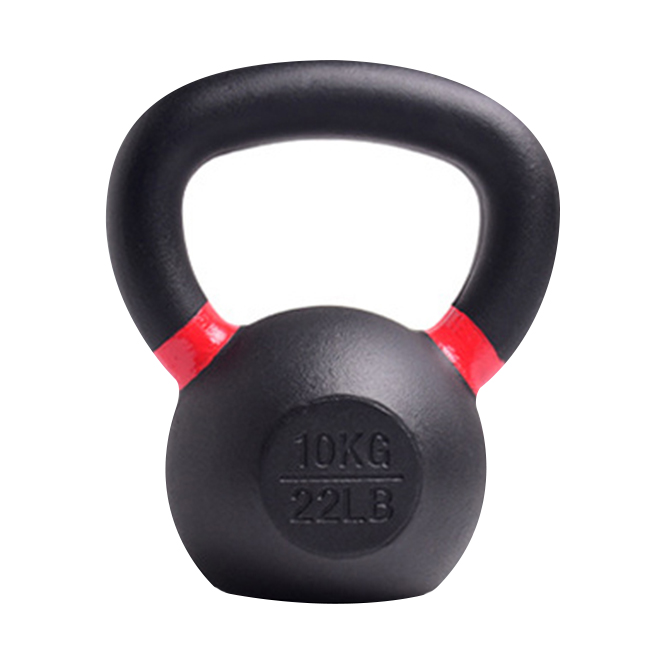
| Cast Iron | Sand Casting | Powder Coating | Boutique Studios / CrossFit | Enhanced durability and color branding options |
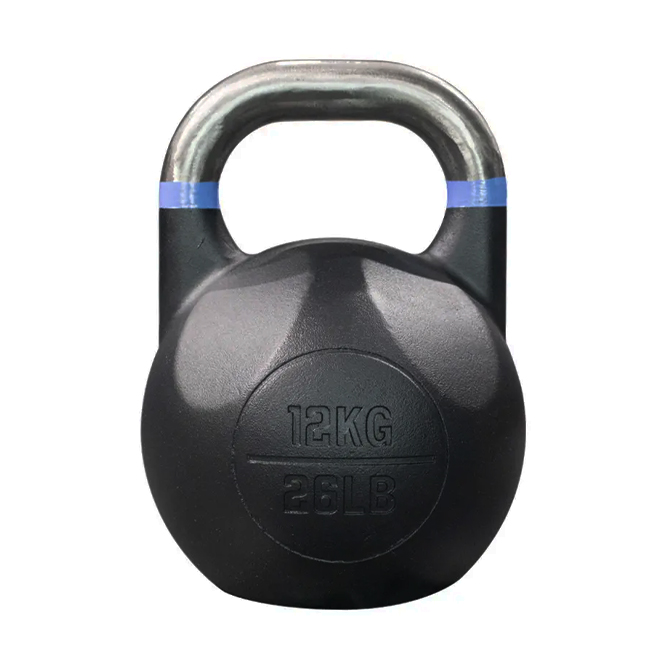
| Solid Steel | Machining / CNC | Chrome Finish | Competition / Professional Training | High precision and premium brand identity |
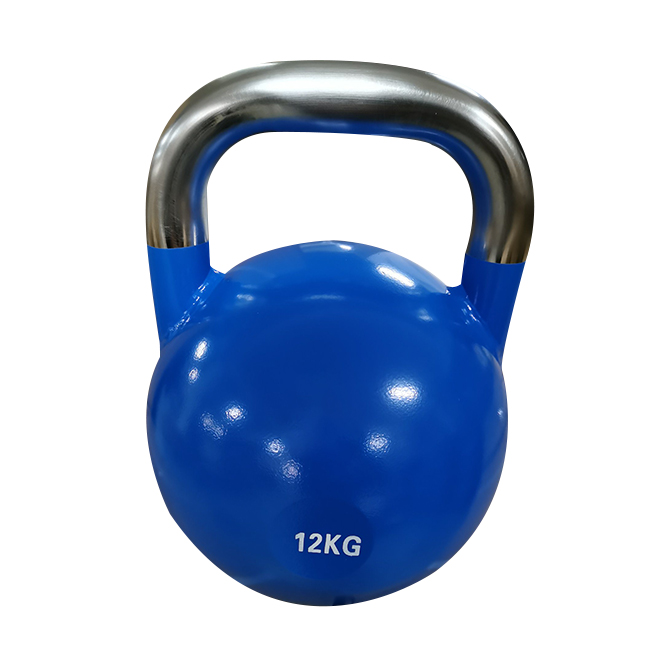
| Steel / Iron | Molding / Encapsulation | PU or Rubber Coating | Premium Home Gyms / High-Traffic Areas | Superior floor protection and reduced noise |
When evaluating a kettlebell OEM manufacturer, buyers should verify the handle-to-body junction integrity and the consistency of the coating adhesion. High-quality wholesale kettlebells must undergo a weight tolerance spot-check and a base flatness inspection before being cleared for export. We recommend requesting a sample or a detailed specification sheet to confirm that the knurling depth and the coating thickness meet your specific commercial-grade standards before finalizing your bulk order.
Essential QC and Inspection Points for Bulk Import
For distributors and importers, the risk of receiving inconsistent batches is a major concern during large-scale sourcing. A professional kettlebell OEM manufacturer must implement a multi-stage QC protocol that goes beyond basic weight checks. Reliability in commercial settings depends on fine details like handle texture, base flatness, and the integrity of the surface layer. If the knurling is too shallow or the coating adhesion is poor, the product will fail to meet the durability requirements of high-traffic facilities, leading to higher replacement costs and lower distributor margins.
During the pre-shipment inspection, technical buyers should prioritize the following verification steps to ensure high-quality wholesale kettlebells: First, inspect the handle-to-body junction for any casting irregularities that could compromise structural safety. Second, perform a physical check of the handle texture to ensure consistent grip performance. Third, verify the coating or encapsulation layer for any signs of peeling or uneven application. Finally, confirm that the base flatness is uniform to prevent wobbling during use. By establishing these technical requirements early, you can effectively manage your MOQ and lead time while ensuring that every unit arriving at your warehouse meets international commercial standards. We recommend booking a third-party inspection or requesting a detailed production report to confirm these specific QC metrics before final payment and container loading.
Comparing Kettlebell Production Standards and Commercial Tiers
For distributors and gym owners, the Total Cost of Ownership (TCO) is driven by how long a product survives high-frequency use without surface degradation or structural failure. When sourcing from a kettlebell manufacturers, understanding the relationship between the casting method and the final finish is essential for long-term profitability. A mismatch between material quality and usage volume leads to high replacement costs and diminished brand reputation.
Selecting the right wholesale kettlebells requires balancing initial landed costs against long-term durability. In a typical China factory, production is tiered by material density and coating adhesion. For instance, standard cast iron units are optimized for cost-effective bulk orders, while higher-end commercial kettlebell supplier options utilize advanced powder coating or polyurethane layers to prevent oxidation and improve grip longevity in high-traffic facilities.
| Material Tier | Primary Process | Surface Finish | Commercial Duty | TCO Profile |
|---|---|---|---|---|
| Standard Cast Iron | Sand Casting | Enamel or Paint | Budget / Home Gym | Moderate (Higher replacement rate) |
| Premium Cast Iron | Sand Casting + Machining | Powder Coating | Full Commercial | Low (High durability) |
| Competition Steel | Solid Steel / Chrome | Chrome Plating | Elite / Professional | Minimal (Highest longevity) |
When evaluating a kettlebell OEM manufacturer, procurement leads should request specific details regarding the powder coating adhesion and the handle-to-body junction integrity. Higher-tier wholesale units typically undergo more rigorous weight calibration and surface inspection to ensure consistent concentricity, which reduces the risk of uneven wear in professional environments.
The technical differentiation between production tiers is often found in the precision of the casting and the durability of the exterior layer. For high-volume importers, the choice between sand casting and more advanced methods directly affects the weight tolerance and the long-term maintenance load of the equipment. While sand casting remains the industry standard for cost-effective bulk production, the secondary finishing process determines whether the product remains a viable asset or a maintenance liability for a commercial facility.
A reliable kettlebell OEM manufacturer will differentiate their high-end lines through superior surface treatments. For example, while basic painted finishes may peel under heavy use, a high-grade PU coating or specialized powder coating line provides much higher adhesion. This is a critical factor for distributors managing the reputation of their own brand, as coating failure or oxidation can significantly increase the frequency of replacement orders and impact overall profit margins.
| Material Tier | Primary Process | Surface Finish | Commercial Duty | TCO Profile |
|---|---|---|---|---|
| Standard Cast Iron | Sand Casting | Enamel or Paint | Budget / Home Gym | Moderate (Higher replacement rate) |
| Premium Cast Iron | Sand Casting + Machining | Powder Coating | Full Commercial | Low (High durability) |
| Competition Steel | Solid Steel / Chrome | Chrome Plating | Elite / Professional | Minimal (Highest longevity) |
To ensure the highest standards, professional buyers should verify the factory's quality control steps during the pre-shipment phase. This includes checking the base flatness of the cast iron, the knurling depth of the handle, and the consistency of the coating layer. We recommend that procurement teams request a sample approval or a detailed specification sheet to confirm that the weight tolerance and the handle-to-body junction meet the required commercial-grade standards before finalizing any large-scale bulk order.
To ensure the highest standards, professional buyers should verify the factory's quality control steps during the pre-shipment phase. This includes checking the base flatness of the cast iron, the knurling depth of the handle, and the consistency of the coating layer. We recommend that procurement teams request a sample approval or a detailed specification sheet to confirm that the weight tolerance and the handle-to-body junction meet the required commercial-grade standards before finalizing any large-scale bulk order.
Optimizing Inventory with a Professional Commercial Kettlebell Supplier
Transitioning from small-scale retail purchases to high-volume procurement requires a strategic shift toward professional kettlebell manufacturers. For distributors and gym equipment importers, the goal is to move beyond simple unit costs and focus on total landed cost and inventory turnover. Selecting a reliable commercial kettlebell supplier ensures that your stock meets international commercial standards while maintaining a predictable supply chain.
Scaling a product line effectively depends on managing the delicate balance between MOQ requirements and lead time. A professional China factory provides the infrastructure necessary to support both rapid restocks and long-term wholesale kettlebells orders. By working directly with an OEM partner, you can optimize your distributor margin through better control over production cycles and customized packaging, reducing the overhead costs typically associated with middleman-led sourcing.
Supply Chain Scalability: Sourcing from Manufacturers vs. Traders
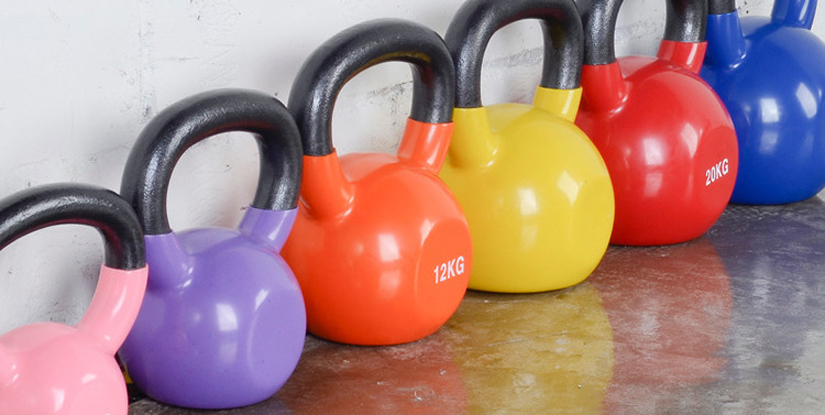
Professional buyers must differentiate between local trading companies and specialized production facilities to ensure long-term profitability. While traders may offer lower entry barriers, they often struggle with consistency and customization, which can impact your ability to scale a premium product line. In contrast, working with a professional kettlebell OEM manufacturer allows for direct control over the production roadmap, ensuring that every batch aligns with your brand identity and specific market requirements.
| Sourcing Model | Primary Focus | Customization Capability | Logistics & QC Control | Scalability Potential |
|---|---|---|---|---|
| Small-Scale Trader | Low-volume retail stock | Minimal (Standard colors/logos) | Limited oversight of production | Low (Dependent on third-party stock) |
| Professional kettlebell OEM manufacturer | Bulk wholesale & private label | High (Custom coating, handle texture, & branding) | Direct pre-shipment inspection & optimized loading | High (Direct production capacity & predictable lead times) |
When evaluating your next procurement cycle, consider how your choice of kettlebell OEM manufacturer affects your ability to offer specialized products, such as competition-spec steel bells or specialized PU-coated units. A dedicated commercial kettlebell supplier can manage complex production sequences—from sand casting to final powder coating—ensuring that your inventory remains a high-margin asset rather than a logistical liability. We recommend requesting a detailed specification sheet and confirming the MOQ for custom branding options before finalizing your seasonal procurement plan.
Customization and Export-Ready Packaging Standards
A significant advantage of working with a direct kettlebell OEM manufacturer is the ability to integrate custom branding into the core manufacturing process. Whether you require a specific logo plate, a unique powder coating color, or a customized knurling depth on the handle, a dedicated China factory can accommodate these specifications within standard production runs. This level of customization allows distributors to build a distinct brand identity that separates their professional-grade offerings from generic, unbranded imports, thereby protecting your long-term market position.
Beyond the physical product, professional wholesale kettlebells procurement requires rigorous attention to export packaging to ensure low damage rates during maritime transit. A professional commercial kettlebell supplier utilizes heavy-duty, reinforced cartons and optimized palletization techniques to maximize container load efficiency. This focus on export-ready packaging reduces the risk of coating damage or structural issues during long-haul shipping, ultimately lowering your landed cost and ensuring that the product arrives at your warehouse in a retail-ready state for immediate distribution.
Customization and Brand Identity via Kettlebell OEM Manufacturer
For distributors and commercial gym owners, moving beyond generic stock items is essential for building market authority. Utilizing a professional kettlebell OEM manufacturer allows you to transition from a mere reseller to a specialized brand. Whether you are launching a boutique fitness line or supplying a large-scale gym chain, custom branding through a China factory provides the technical flexibility needed to differentiate your product catalog in a competitive global market.
The strategic value of OEM and ODM services lies in the ability to control the aesthetic and functional specifications of your inventory. A specialized kettlebell OEM manufacturer can accommodate private label requirements ranging from basic logo placement to complex structural modifications. This ensures your products meet the specific professional standards of your target demographic while maintaining healthy distributor margins through optimized wholesale production runs.
Technical Customization and Material Options
Customization extends far beyond a simple logo; it involves the fundamental construction and surface finish of the equipment. Depending on your brand positioning—whether premium competition-grade or heavy-duty commercial—the sourcing process must account for different manufacturing routes. High-tier clients often request specific mold customization to ensure the handle geometry and base diameter meet unique ergonomic or storage requirements.
The method of logo application is a critical decision for long-term product durability. For cast iron units, casting the logo directly into the mold is the industry standard for permanent, high-durability branding. For products utilizing a PU coating or rubber coated finish, brands typically opt for high-adhesion printing or heat-transfer methods that can withstand heavy friction and frequent cleaning in a commercial environment.
| Material Type | Surface Finish Option | Branding Method | Commercial Application | Typical MOQ Impact |
|---|---|---|---|---|
| Cast Iron | Powder Coating | Mold Casting | Standard Commercial Gyms | Standard |
| Solid Steel | Chrome Finish | Laser Etching | Competition/Studio Use | Higher |
| Cast Iron | PU/Rubber Coating | Heat Transfer/Print | Premium/High-Traffic Areas | Medium |
When evaluating a kettlebell OEM manufacturer, buyers should confirm the technical capabilities regarding material/finish options. A robust supplier should offer a range of finishes, such as a matte powder coating for grip stability or a smooth vinyl dip coating for easy maintenance. Understanding these nuances during the initial sourcing phase prevents costly errors in product specification and ensures the final landed cost aligns with your retail or wholesale pricing strategy.
Decision Matrix for Bulk Procurement
Selecting the appropriate customization tier is a critical component of your procurement strategy. A lower MOQ might offer faster speed to market, but deeper customization through a kettlebell OEM manufacturer can significantly enhance your brand equity and long-term product defensibility. It is essential to weigh the upfront investment in tooling against the potential for higher distributor margins and product differentiation.
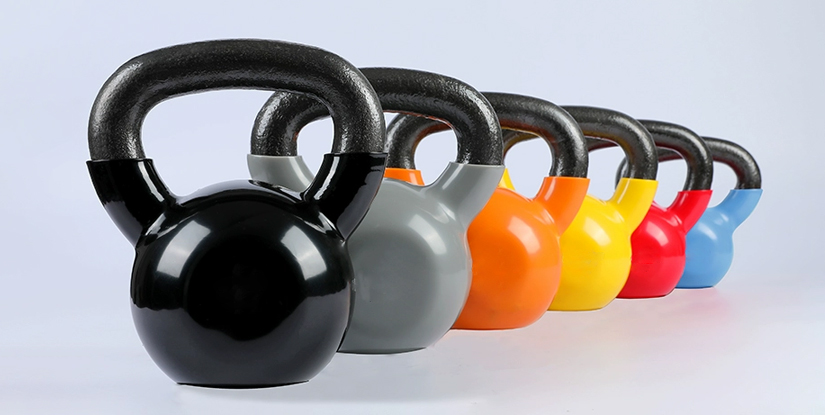
| Customization Level | Typical Process | Branding Method | MOQ Impact | Best For |
|---|---|---|---|---|
| Standard Stock | Mass Production | Pre-made Logo Plate | Low | General Wholesale |
| Basic Private Label | Standard Casting | Mold-in Casting | Medium | Fitness Distributors |
| Full Customization | Custom Mold & Finish | Heat Transfer/Custom Print | High | Premium Brand Owners |
When calculating your total landed cost, do not overlook the impact of these variables on the lead time. A standard order of wholesale kettlebells can often be fulfilled from existing inventory, whereas a fully customized ODM project involving unique handle textures or specialized PU coating will require additional time for mold development and quality calibration. To ensure a smooth sourcing experience, we recommend requesting a detailed specification sheet and confirming the specific MOQ for any non-standard material or finish requests during your initial inquiry.
Factory QC Protocols and Export Packaging Standards
Managing the logistics of kettlebell manufacturers requires more than just selecting a high-quality commercial kettlebell supplier; it demands rigorous oversight of the entire supply chain to protect your margins. For distributors handling bulk orders, even minor defects in weight consistency or surface coating can lead to costly returns and damaged brand reputation. A professional China factory must implement a multi-stage verification process to ensure every unit meets the intended commercial grade before leaving the warehouse.
The first critical checkpoint involves a strict weight tolerance verification. During the pre-shipment inspection, technicians typically perform spot checks on the casting density and the final weight of the bells to ensure they align with the ordered specifications. Any significant deviation in the handle-to-body junction or the base flatness can compromise the structural integrity required for heavy-duty commercial use. Beyond physical weight, the quality of the surface finish—whether it is a powder coating or a PU encapsulation—must be tested for adhesion to prevent chipping during high-frequency gym use.
To mitigate the risks of transit damage during long-distance ocean freight, utilizing export-grade packaging is non-negotiable. For heavy iron or steel units, this typically involves heavy-duty corrugated cartons, reinforced corner protectors, and customized palletization. Effective packaging strategies prevent the crushing of lower layers in a container and ensure that the landed cost remains optimized by reducing the rate of damaged goods upon arrival. When sourcing from an OEM partner, always confirm that their standard shipping protocols include palletized loading and moisture-resistant wrapping to protect the metal surfaces from sea air corrosion.
A reliable kettlebell manufacturers protocol must also address the fine details of ergonomic safety. During the inspection of wholesale kettlebells, quality control teams must manually inspect the handle texture and knurling depth. A consistent, non-abrasive grip is essential for commercial environments to prevent user fatigue or skin irritation. Technicians should also check for any casting defects, such as air pockets or rough edges, that could occur during the sand casting or die casting stages. If the coating adhesion is weak or the handle-to-body junction shows any signs of unevenness, the batch should be flagged to avoid the high replacement costs associated with low-quality kettlebell OEM manufacturer outputs.
For distributors and large-scale gym operators, these QC protocols are the final line of defense in maintaining high standards. Before finalizing any bulk shipment, we recommend requesting a sample evaluation or a factory audit to verify that the manufacturer's internal standards for base flatness and weight calibration align with your specific market requirements. Confirming these technical details early in the sourcing process ensures that your inventory arrives ready for immediate deployment in professional training facilities.
Shipping Method and Packaging Specification Comparison
Selecting the correct logistics strategy is essential for managing the total landed cost and ensuring the durability of your shipment. Depending on your volume and speed requirements, the level of protective layering and palletization must scale accordingly. Professional procurement teams often differentiate between shipping tiers to balance speed against the risk of transit-related surface damage.
| Shipping Method | Standard Packaging Tier | Typical Protection Level | Palletization Requirement | Best For |
|---|---|---|---|---|
| Sea Freight | Commercial/Bulk | Heavy-duty corrugated cartons with reinforced corners | High: Full palletized loading for container stability | High-volume wholesale kettlebells and large inventory replenishment |
| Air Freight | Premium/Express | Double-walled boxes with specialized cushioning | Moderate: Optimized for weight-to-volume efficiency | Small MOQ orders or urgent stock-out prevention |
| LCL (Less than Container Load) | Standard/Distributor | Moisture-resistant wrapping and edge guards | Essential: Palletized to prevent crushing by other freight | Mid-range sourcing for boutique studios or new distributors |
When coordinating with a kettlebell OEM manufacturer, it is standard practice to specify your preferred shipping configuration during the initial quote phase. For example, if you are ordering high-end PU coated or chrome-finished units, an increased level of moisture-resistant wrapping is often required for sea freight to prevent oxidation. Ensuring that your supplier adheres to these specific export standards will protect your investment and maintain your brand's quality promise upon arrival.
Streamlining Your Procurement with Wholesale Kettlebells
Selecting professional kettlebell manufacturers requires a strategic focus on long-term ROI rather than just the initial unit price. For distributors and gym owners, the landed cost is only one part of the equation; true value is found in product durability and the reduction of replacement cycles. Sourcing wholesale kettlebells directly from a China factory allows for better control over material consistency and weight accuracy, which directly impacts your procurement efficiency and margin protection.
A reliable commercial kettlebell supplier provides more than just inventory; they offer a stable supply chain that minimizes downtime. When you move toward a wholesale model, you must evaluate how much the factory prioritizes structural integrity—such as the strength of the handle-to-body junction—to ensure your investment survives high-traffic commercial environments without frequent reordering.
Evaluating Procurement Models: Stock vs. Custom Orders
To optimize your distribution margins, you must decide whether to purchase ready-to-ship inventory or invest in a dedicated kettlebell OEM manufacturer for brand-specific products. While stock orders offer immediate availability, custom orders allow you to control every detail of your brand identity and product differentiation.
| Procurement Model | Primary Material/Process | Customization Scope | Typical MOQ | Lead Time | Best For |
|---|---|---|---|---|---|
| Standard Stock | Cast iron with powder coating | Limited to standard weights | Low/Flexible | Short (Ready-to-ship) | Small studios and quick restocking |
| Custom OEM Order | Solid steel or PU coated | Full branding and color options | Higher/Set by factory | Longer (Production + Shipping) | Distributors and large-scale gym chains |
| Private Label | Competition-spec steel or custom grip | Logo plate and bespoke textures | High | Extended | Premium fitness brands |
When evaluating a kettlebell OEM manufacturer, always confirm if the MOQ for custom branding includes specialized packaging or if it is strictly for the unit itself. A professional kettlebell OEM manufacturer will provide a detailed specification sheet during the sourcing phase to help you calculate the total landed cost before you commit to a bulk production run.
The next step for professional buyers is to request a formal quote based on your specific volume requirements. We recommend requesting a sample evaluation and a factory audit to verify weight calibration and coating adhesion before finalizing any large-scale wholesale agreements.
To finalize your selection, we recommend initiating a formal inquiry to receive a detailed quote tailored to your volume. A professional kettlebell OEM manufacturer will provide a comprehensive specification sheet and clear MOQ guidelines to help you accurately project your total landed cost. To mitigate procurement risks, professional buyers should prioritize a formal sample evaluation and a comprehensive factory audit. This ensures that critical details—such as the handle texture, weight tolerance, and coating durability—meet your brand standards before any large-scale wholesale production or international shipping begins.