Plate Loaded Gym Equipment: Leading OEM ODM Manufacturer
Plate Loaded Gym Equipment: Essential Standards for Global Importers
For large-scale commercial gym chains and international distributors, sourcing reliable plate loaded gym equipment is a decision that impacts long-term maintenance costs and facility reputation. Unlike boutique studio setups, high-traffic commercial environments require units that can withstand constant load cycles and heavy use. When establishing a wholesale procurement strategy, professional buyers must look beyond basic aesthetics to validate the structural durability and manufacturing precision of every machine.
A qualified wholesale gym equipment manufacturer must demonstrate a controlled production environment where every component—from the steel frame to the weight horns—meets strict quality control protocols. For distributors managing high-volume imports, understanding the distinction between different tiers of commercial plate loaded gym equipment is essential to ensure that the landed cost aligns with the expected lifespan and durability of the machines in a professional setting.
Critical Material and Structural Specifications
The structural integrity of plate loaded strength training machines depends heavily on the quality of the raw materials and the precision of the welding processes. A high-tier factory will typically use heavy-duty steel tubing with consistent wall thickness to prevent deformation under heavy weight loads. During the sourcing process, importers should verify that the machines utilize industry-standard finishes, such as high-grade powder coating, to prevent oxidation and ensure long-term surface adhesion in humid gym environments.
When evaluating plate loaded gym equipment, buyers should inspect the precision of the weight horn construction. In high-end commercial plate loaded gym equipment, the transition from the main frame to the weight storage area must be seamlessly welded to avoid stress fractures. A reliable China factory will implement specific checks for weld penetration and frame alignment to ensure the machine remains stable and level during heavy unilateral movements.
| Material Tier | Manufacturing Process | Key Component Focus | Commercial Duty | MOQ Impact | Factory QC Point |
|---|---|---|---|---|---|
| High-Grade Steel | CNC Machining & Welding | Load-bearing Horns | Premium Commercial | Higher | Weld Integrity |
| Standard Steel | Standard Casting & Assembly | Frame Joints | Standard Commercial | Medium | Alignment Accuracy |
| Economy Steel | Basic Fabrication | Surface Coating | Light Commercial/Studio | Lower | Coating Adhesion |
Technical Comparison of Manufacturing Standards
Effective procurement for professional facilities requires a granular understanding of how different manufacturing routes affect the total cost of ownership. When a wholesale buyer evaluates plate loaded gym equipment, the focus must remain on the technical specifications of the load-bearing parts. For instance, the difference between standard casting and high-precision CNC machining can significantly alter the durability of the weight horns and the smooth movement of the machine's carriage.
High-quality plate loaded strength training machines utilize specialized components like industrial-grade bearings or high-density bushings to ensure smooth, frictionless weight transitions. A professional supplier will often provide details on the bearing-to-bushing ratio, as this directly influences the maintenance frequency and long-term reliability of the equipment. Furthermore, the quality of the powder coating process is a critical factor in preventing rust and surface degradation, especially for machines destined for high-humidity environments.
To assist in your sourcing decisions, the following table outlines the typical quality distinctions found in various production tiers. This comparison is designed to help importers align their MOQ requirements with the specific durability needs of their target market, whether they are supplying boutique studios or large-scale commercial franchises.
| Component Category | Process Specification | Material Focus | Commercial Duty | QC Inspection Point |
|---|---|---|---|---|
| Frame and Structure | Precision Welding | Heavy-gauge Steel | Premium Commercial | Weld Penetration and Joint Strength |
| Movement Mechanism | Precision Machining | Steel Bearings / Bushings | High-Traffic Commercial | Smoothness and Tolerance Consistency |
| Surface Finish | Multi-stage Powder Coating | Industrial Grade Coating | All Commercial Tiers | Coating Adhesion and Thickness |
| Weight Interface | Calibrated Machining | Reinforced Steel Horns | Heavy-duty Strength Training | Weight Tolerance and Alignment |
Before finalizing a bulk order, we recommend requesting a detailed spec sheet or a sample evaluation to confirm that the OEM or ODM production lines meet your brand's specific quality benchmarks. A comprehensive factory audit or a pre-shipment inspection focusing on these specific components is a standard best practice for minimizing the landed cost of returns and maintenance-related downtime.
Material Composition and Manufacturing Precision in Plate Loaded Strength Training Machines
When sourcing plate loaded gym equipment for large-scale facility deployments, the structural integrity of the frame is the most critical factor for long-term ROI. High-end distributors and gym operators prioritize units built from high-tensile steel to ensure the chassis can withstand years of heavy mechanical stress without frame fatigue or weld failure. Relying on a professional China factory that utilizes industrial-grade steel and precision machining can significantly reduce your long-term maintenance costs and equipment replacement cycles.
The structural stability of plate loaded strength training machines depends heavily on the gauge of the steel and the quality of the welding processes. A heavy-duty frame constructed from high-tensile steel provides the necessary rigidity for high-intensity training environments. For procurement professionals, understanding the difference between standard manufacturing and commercial grade specifications is essential to avoid the high landed cost of substandard, flimsy equipment that requires frequent repairs.
Structural Integrity and Material Tiers
The following table outlines the qualitative differences in material construction and manufacturing standards typically encountered during wholesale gym equipment manufacturer sourcing. This comparison helps buyers align their budget with the required durability for their specific facility type.
| Material Tier | Primary Steel Type | Manufacturing Process | Typical Commercial Application | Durability Level |
|---|---|---|---|---|
| Standard Commercial | Carbon Steel | Standard Welding & Powder Coating | Commercial Gyms & Studios | Moderate |
| Premium Professional | High-Tensile Steel | Precision Machining & Multi-Coat Finishing | High-Traffic Training Centers | High |
| Elite Performance | Reinforced Alloy Steel | CNC Machining & Specialized Calibration | Professional Strength Facilities | Maximum |
When evaluating commercial plate loaded gym equipment, procurement leads should request detailed specifications regarding the steel grade and the thickness of the structural tubing. A reliable supplier will be able to provide clarity on the welding methods used—such as continuous welding versus intermittent welding—as these details directly impact the safety and lifespan of the machine under heavy loading conditions.
Surface Finishing and Precision Engineering
Beyond the structural steel, the durability of plate loaded gym equipment is defined by the precision of its surface treatments and moving parts. High-quality commercial plate loaded gym equipment must undergo rigorous finishing to prevent corrosion and wear. A professional China factory typically employs an industrial powder coating process, which provides a much thicker, more resilient barrier against scratches and moisture than standard liquid paint. This ensures that the equipment maintains its aesthetic and structural integrity even in high-humidity training environments, lowering the long-term maintenance load for the facility owner.
For the moving components, such as selector pins or weight horns, CNC machining is used to ensure tight tolerances. This precision prevents wobbling or mechanical resistance, which are common failure modes in lower-tier equipment. During the final pre-shipment QC, a reputable wholesale gym equipment manufacturer will perform thorough inspections on welding precision and coating adhesion. For distributors, these technical details are vital; investing in machines with superior welding and high-grade coatings reduces the frequency of replacement parts and protects your profit margins by minimizing after-sales service calls.
Quality Control and Component Reliability in Bulk Sourcing
For procurement managers, the total cost of ownership is often determined by the reliability of smaller, high-wear components. While the steel frame provides the foundation, the performance of plate loaded strength training machines relies on the precision of secondary parts like weight horns, pivot points, and guide rods. A high-tier supplier ensures that these components are not just functional, but engineered to withstand constant loading and unloading cycles without mechanical degradation.
In a professional China factory setting, the pre-shipment inspection should focus on specific high-wear areas to prevent future maintenance headaches. We recommend that buyers request a detailed breakdown of the quality control steps regarding weight horn concentricity and the thickness of the powder coating layer. For those managing large-scale orders, verifying the quality of the hardware—such as the grade of bolts and the smoothness of the bearing surfaces—is a critical step in your sourcing strategy. High-quality components reduce the need for replacement parts, ensuring a better long-term ROI for your clients or facility. To ensure your specifications meet your local standards, please contact us to request a detailed technical spec sheet, confirm the current MOQ for your project, or discuss custom OEM branding options for your next bulk shipment.
Optimizing Facility Footprint with Commercial Plate Loaded Gym Equipment
Efficient floor plan management is a critical factor for high-density training environments. For facility owners and distributors sourcing from a wholesale gym equipment manufacturer, selecting the right plate loaded gym equipment is essential to balance machine variety with usable floor area. Optimized designs allow for higher throughput without sacrificing the premium user experience.
When planning a professional commercial gym layout, the goal is to maximize the utility of every square meter. Utilizing commercial plate loaded gym equipment with integrated storage or vertical orientation helps reduce clutter. This space optimization strategy ensures that heavy strength training stations do not impede movement, ultimately improving the long-term ROI of the facility by allowing for more revenue-generating stations within a smaller footprint.
Vertical Integration and High-Density Training Design
Modern plate loaded strength training machines are increasingly engineered with a focus on footprint efficiency. Rather than occupying expansive floor zones, high-tier units utilize verticality and compact structural frames to minimize the ground-level shadow. This is particularly beneficial for boutique studios or urban fitness centers where real estate costs are a significant operational expense.
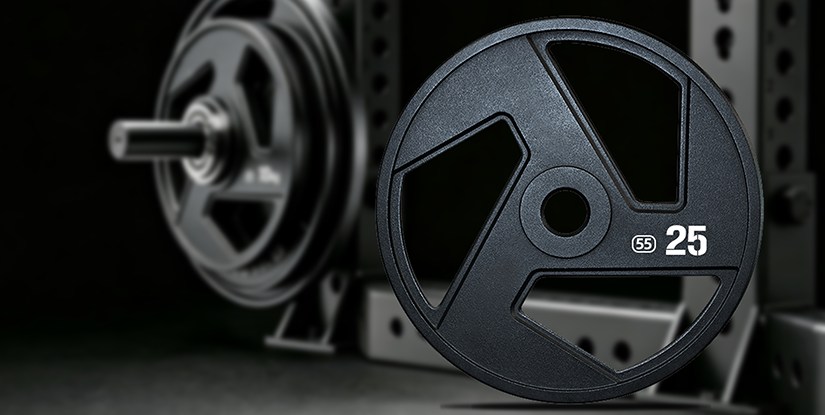
By choosing equipment with built-in weight storage or streamlined profiles, procurement leads can achieve high-density training capabilities. This approach allows a factory to produce units that accommodate heavy loading while maintaining a narrow, efficient profile. For B2B procurement specialists, evaluating the machine's dimensions against the intended facility layout is a key step in ensuring a successful sourcing project and minimizing future spatial bottlenecks.
Comparing Footprint and Storage Efficiency
Effective facility management requires a granular understanding of how different machine profiles interact with available square footage. When negotiating with a China factory, buyers should request specific dimension charts to assess the actual footprint of each unit. Choosing between standard configurations and customized dimensions can significantly alter the density of a training floor. For instance, machines with integrated storage pegs allow for a cleaner aesthetic and better weight management, effectively turning unused vertical space into functional storage.
| Machine Type | Typical Footprint Profile | Primary Space-Saving Feature | Procurement Utility | Commercial Duty Tier |
|---|---|---|---|---|
| Standard Plate Loaded Bench | Wide/Horizontal | Standardized Dimensions | High Stock Availability | Commercial |
| Integrated Strength Station | Narrow/Vertical | Built-in Plate Storage | High Density Training | Premium |
| Customized Strength Machine | Variable/Optimized | OEM Customized Dimensions | Facility Layout Optimization | Premium |
For distributors and large-scale facility developers, the ability to utilize ODM services is a strategic advantage. A specialized supplier can adjust the frame height or plate-loading angles to fit specific structural constraints, such as low ceilings or narrow corridors. This level of customization ensures that plate loaded strength training machines do not become spatial liabilities. While custom dimensions may slightly affect lead time or MOQ, the long-term benefit is a highly efficient, professional-grade layout that maximizes the number of active training stations per square meter.
China Factory QC Protocols and Pre-Shipment Inspection Standards
When sourcing plate loaded gym equipment at scale, the highest procurement risk is not the initial landed cost, but the long-term expense of high return rates caused by structural defects or shipping damage. For distributors and gym owners, a single batch of substandard commercial plate loaded gym equipment can compromise facility safety and damage brand reputation. Relying on a professional China factory with established QC protocols ensures that every unit meets the durability requirements of high-traffic commercial environments.
A rigorous inspection process must go beyond superficial aesthetics. To maintain high margins and minimize after-sales service requests, wholesale buyers should verify that the plate loaded strength training machines undergo a multi-stage validation sequence. This typically begins with raw material verification of the steel or cast iron, followed by a thorough check of the weight calibration and concentricity of the plates. During pre-shipment, the factory must demonstrate strict adherence to industry-standard inspection points, such as coating adhesion strength, weld integrity on load-bearing joints, and the precision of the weight-loading mechanism. For high-volume sourcing, requesting a detailed inspection report or booking a third-party audit is a critical step to mitigate the risks of receiving damaged or improperly calibrated equipment.
Mechanical Integrity and Surface Finish Inspection
Precision is paramount when evaluating the structural longevity of plate loaded strength training machines. A professional China factory manages several critical checkpoints to ensure that mechanical movement remains fluid over years of heavy usage. During the pre-shipment inspection, technical auditors focus heavily on the welding joints of the main frame and the loading horns. High-quality commercial units must show consistent, smooth welding beads without cracks or porosity, ensuring the chassis can handle repetitive heavy plate loading without structural fatigue.
Beyond structural strength, the mechanical interface—specifically the bearing smoothness and the loading pin fitment—must be verified. Inspectors typically check that the bearings or bushings allow for seamless, friction-free movement, preventing the "jerky" motion often found in lower-tier equipment. Furthermore, the weight tolerance of the loading mechanisms is checked to ensure that the center of gravity remains stable during use. To protect your long-term investment, the surface finish must also pass a rigorous assessment. This includes verifying the durability of the powder coating through adhesion checks to ensure the finish does not chip or peel under high-impact commercial environments. Finally, ensuring the durability of the export packaging is a vital step in the sourcing process; high-density foam and reinforced corner protection are standard for preventing transit-related damage to the coating and structural components during international shipping.
Technical Inspection Framework for Bulk Procurement
To facilitate efficient wholesale decision-making, we have outlined a standard inspection matrix. This framework helps importers understand the qualitative differences between various production tiers, allowing you to align your sourcing strategy with your target market's premium or budget requirements. A professional factory will provide specific data points regarding these categories during a pre-shipment audit to ensure full compliance with your order specifications.
| Inspection Category | Focus Area | Commercial Standard | QC Check Point | Wholesale Procurement Context | Logistics Safety |
|---|---|---|---|---|---|
| Structural Integrity | Weld Joints & Frame | Consistent weld beads; no porosity | Load-bearing horn stability | Reduces long-term maintenance costs | High-density foam reinforcement |
| Mechanical Movement | Bearing & Bushing | Fluid, non-jerky motion | Friction-free rotation check | Protects distributor margins | Protects internal components |
| Surface Quality | Coating Adhesion | Uniform powder coating/PU finish | Surface scratch & chip resistance | Improves equipment lifespan | Protects against transit scuffs |
| Weight Accuracy | Plate Calibration | Standardized weight distribution | Concentricity & flatness check | Ensures professional utility | Balanced container loading |
When finalizing your MOQ for a large-scale facility rollout, we recommend requesting a sample evaluation or a detailed inspection report. This allows you to verify the quality of the plate loaded gym equipment before it leaves the China factory. By confirming these technical standards—from the precision of the steel machining to the durability of the export packaging—you can effectively manage your landed cost and ensure a seamless installation for your end-users.
OEM and Private Label Capabilities for Global Distributors
For global distributors and large-scale facility planners, the ability to transition from a general importer to a recognized brand owner is a critical competitive advantage. High-tier plate loaded gym equipment sourcing requires more than just basic procurement; it demands a strategic partnership with a China factory capable of executing complex OEM and ODM requests. By leveraging professional customization, distributors can integrate their unique brand identity into the hardware, ensuring that every piece of equipment reinforces their market position.
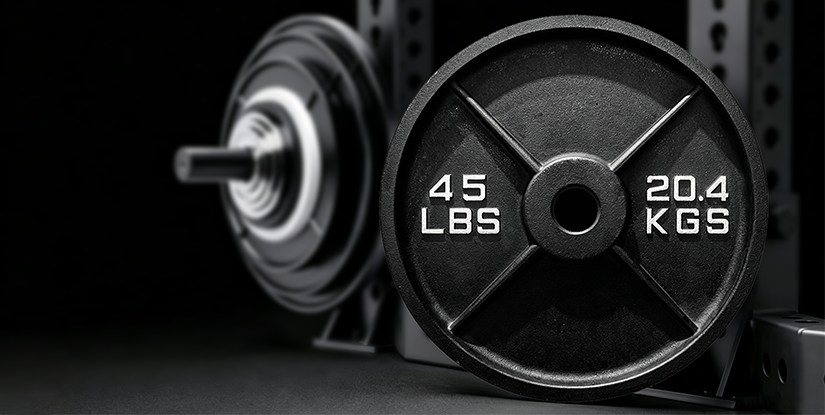
Standard wholesale procurement often limits you to existing SKUs, which can lead to product homogenization in your local market. However, working with a specialized supplier allows for granular control over machine aesthetics, color schemes, and even specialized component configurations. Whether you are looking to develop a proprietary line of commercial plate loaded gym equipment or require specific branding on plate loaded strength training machines, the right factory can manage everything from logo placement to customized upholstery colors and weight plate finishes.
Managing the transition to a private label model involves navigating specific MOQ requirements and technical specifications. A professional wholesale gym equipment manufacturer will provide clear guidelines on how customization affects production timelines and shipping costs. This strategic approach ensures that your branded products meet international commercial standards while maintaining a healthy distributor margin through efficient, direct-from-source production.
Customization Tiers and Procurement Impact
Selecting the appropriate level of customization is a strategic decision that directly impacts your total landed cost and inventory turnover. Most importers must choose between rapid deployment of standard models or the long-term brand-building potential of full-scale custom development. While standard models offer lower risk, high-tier plate loaded gym equipment distributors often utilize OEM paths to differentiate their product catalogs in saturated markets.
The following table outlines the typical procurement differences between standard wholesale orders and specialized customization levels. This comparison is designed to help procurement leads evaluate how technical specifications and branding requirements influence the overall supply chain.
| Customization Level | Technical Specifications | Branding Scope | Typical MOQ | Lead Time Impact | Landed Cost Profile |
|---|---|---|---|---|---|
| Standard Wholesale | Existing factory SKUs and colorways | Standard manufacturer logo or neutral | Low to Moderate | Short / Optimized for rapid shipping | Highly competitive / High margin |
| Limited OEM | Standard frame with color/upholstery options | Your brand logo on pads or plates | Moderate | Medium / Depends on coating availability | Moderate / Balanced for volume |
| Full OEM/ODM | Custom dimensions, steel gauge, and components | Complete brand identity integration | High | Long / Requires dedicated production cycle | Higher / Requires high-volume strategy |
Understanding these variables is essential when calculating your final procurement budget. For example, a request for specialized plate loaded strength training machines with custom powder coating or unique weight plate finishes will naturally extend the production process and require a higher MOQ. We recommend that distributors first confirm their target market needs before finalizing technical specs to ensure a smooth transition from the initial quote to pre-shipment QC and final delivery.
Rigorous Factory QC and Export Logistics Standards
Reliability in bulk procurement is determined by what happens before the container is sealed. For professional buyers of plate loaded gym equipment, the greatest risk is not the initial price, but the landed cost of receiving non-compliant or damaged goods. A professional wholesale gym equipment manufacturer must implement a multi-stage quality control framework that covers everything from raw material inspection to final container loading. Rely0ing on a China factory that integrates these steps into their standard operating procedure is essential for maintaining long-term distributor margins.
Our factory QC protocols focus on the structural integrity of plate loaded strength training machines. This begins with a material validation phase, ensuring the steel and casting meet commercial-grade density and thickness standards. During the assembly phase, technicians conduct weight calibration and concentricity checks to ensure precision. Before any wholesale order leaves the facility, a comprehensive pre-shipment inspection is conducted. This includes checking the coating adhesion of the powder-coated frames, the smoothness of the moving parts, and the stability of the base components. This rigorous approach minimizes the risk of field failures and reduces the need for costly after-sales replacement parts.
Logistics efficiency is equally critical for maintaining a predictable supply chain. High-quality commercial plate loaded gym equipment requires specialized export packaging to withstand the rigors of international ocean freight. We utilize heavy-duty, reinforced corner protection and multi-layered corrugated boxing to prevent scratches and structural deformation during transit. For large-scale OEM or ODM projects, we also manage container loading optimization to ensure that the maximum volume of equipment is shipped per cubic meter without compromising safety. This attention to detail ensures that your shipment arrives at your warehouse or customer facility in the same condition it left the factory, protecting your capital investment and your reputation as a reliable distributor.
Logistics Management: Export Packaging and Landed Cost Optimization
For professional importers and distributors, the final landed cost of plate loaded gym equipment is determined by more than just the factory price. Efficient logistics management involves optimizing the balance between protective export packaging and container volume to ensure that heavy, high-density weight plates arrive without surface damage while minimizing shipping costs per unit.
A professional wholesale gym equipment manufacturer must prioritize container loading optimization to maximize every cubic meter of sea freight space. Since weight plates are high-density products, the primary constraint is often weight capacity rather than volume. However, utilizing specialized palletization and heavy-duty corrugated boxing prevents metal-on-metal friction and protects the coating integrity during long-distance sea freight transit. By working with a supplier that understands volume efficiency, buyers can reduce the number of shipments required and lower the overall cost per kg of plate loaded strength training machines and accessories delivered to the warehouse.
Effective commercial plate loaded gym equipment sourcing requires a factory that provides detailed packing lists and volumetric dimensions early in the procurement process. This allows distributors to plan their MOQ levels and shipment schedules based on real-world container constraints, ensuring that wholesale orders are both cost-effective and structurally secure for international transit.
Packaging Method Comparison for Procurement Optimization
Selecting the correct packaging strategy is a critical decision for importers managing the landed cost of heavy orders. Depending on your specific MOQ and the sensitivity of the finish, you may choose between standard bulk methods or high-protection configurations. A reliable China factory will offer various tiers to balance safety and shipping efficiency.
| Packaging Tier | Protective Layering | Standard Use Case | Logistics Focus | Impact on Landed Cost |
|---|---|---|---|---|
| Basic Bulk Export | Corrugated Cardboard & Film | Standard Cast Iron Plates | Volume Maximization | Lowest Cost |
| Commercial Grade | Reinforced Edge Protectors & Pallets | commercial plate loaded gym equipment | Damage Prevention | Moderate Cost |
| Premium Protective | Multi-layer Polyethylene & Custom Crating | PU Coated or High-End Machines | Zero Surface Abrasion | Higher Cost |
When sourcing plate loaded strength training machines, we recommend discussing the specific export packaging requirements during the initial sourcing phase. Whether you require standard palletization for stability or heavy-duty reinforced boxing for long-distance sea freight, our factory ensures that every wholesale shipment is optimized for both safety and container density. For large-scale bulk order planning, we provide detailed volumetric data to help you calculate the most efficient loading patterns.
Ensuring Predictable Delivery via Rigorous Pre-Shipment Inspection
To mitigate the risks associated with international bulk procurement, a professional China factory must implement a structured pre-shipment inspection protocol. For high-density items like plate loaded strength training machines, visual surface checks are insufficient. A reliable supplier conducts weight tolerance spot-checks and inspects the structural integrity of connection points and coating adhesion to ensure the equipment meets commercial standards before leaving the dock.
Beyond product quality, effective logistics management requires precision in customs documentation and container weight distribution. We coordinate closely with freight forwarders to manage the lead time from production completion to vessel departure, providing transparent updates to our global partners. This level of oversight ensures that your wholesale shipments avoid costly port delays and that all essential export paperwork is accurate, facilitating a smoother transition through customs and a more predictable landed cost for your facility or distribution center.