Kettlebell Design: Top China Factory for OEM Buyers
Kettlebell Design Standards for Commercial Procurement
Professional importers and distributors must evaluate three critical checkpoints when sourcing high-volume orders: structural risk, technical specification accuracy, and logistics-ready packaging. Selecting a reliable kettlebell design requires moving beyond basic aesthetics to verify that every unit meets the rigorous demands of a high-traffic gym. Without standardized commercial kettlebell design, distributors face increased replacement costs and diminished brand reputation due to premature wear or inconsistent weight distribution.
In a high-traffic gym environment, the durability of the equipment directly impacts the total cost of ownership for the end-user. A substandard cast iron kettlebell manufacturing process can result in uneven density or structural weak points at the handle-to-body junction. For a wholesale kettlebell supplier, providing products that maintain consistent weight tolerance and handle ergonomics is essential for long-term distributor success and minimizing after-sales service requests.
Technical Comparison of Manufacturing Tiers and Surface Finishes
When evaluating a wholesale kettlebell supplier, procurement managers must differentiate between production tiers to accurately calculate the landed cost and expected lifespan of their inventory. The manufacturing route chosen—ranging from standard sand casting to advanced encapsulation—dictates how the product performs under heavy usage and how much maintenance the end-user will require. Selecting the correct kettlebell design ensures that the product aligns with the specific commercial setting, whether it is a high-impact functional training zone or a premium studio environment.
A common pitfall in bulk sourcing is overlooking the relationship between surface adhesion and long-term durability. For instance, a budget-tier finish may suffer from chipping under high-frequency use, leading to increased replacement cycles and lower distributor margins. To assist in your selection process, the following table compares the most common manufacturing standards found in a professional China factory for different commercial applications.
| Material | Process | Surface Finish | Commercial Application | Sourcing Advantage |
|---|---|---|---|---|
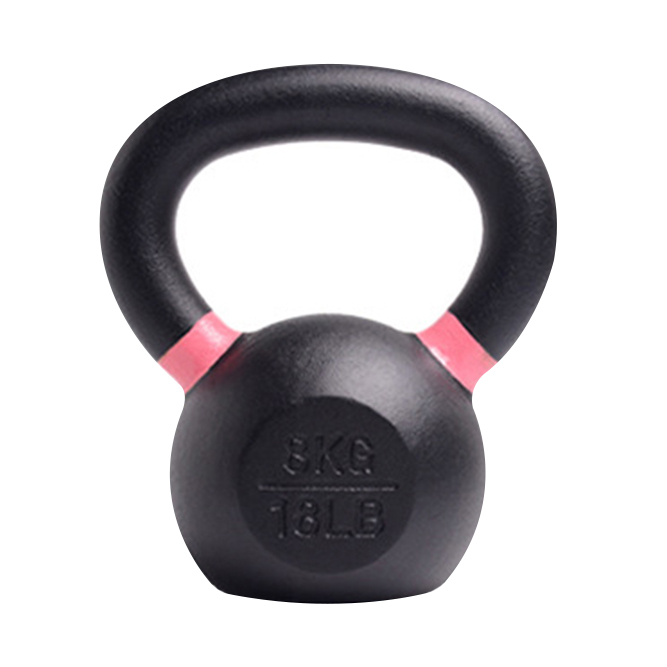
| Cast Iron | Sand Casting | Powder Coating | Standard Commercial Gyms | High volume, lower MOQ, cost-effective |
| Cast Iron | Sand Casting | Vinyl/Rubber Dip | Boutique Studios & Home Gyms | Enhanced floor protection, premium feel |
| Steel/Iron | Injection/Molding | PU Coating | Premium Functional Training | High durability, superior grip, high TCO value |
| Gray Iron | Precision Casting | Phosphate/Enamel | Traditional Strength Training | Low maintenance, classic aesthetic |
Understanding these nuances allows for better inventory planning and more accurate quotes for your clients. Whether you require a standard commercial kettlebell design for a large-scale gym rollout or a specialized finish for a premium brand, verifying the specific production steps with your factory is a critical part of the pre-shipment QC process. We recommend requesting a sample to evaluate the coating adhesion and handle texture before finalizing any large-scale wholesale order.
Critical Inspection Points for Bulk Order Quality Assurance
For professional importers, the risk of receiving a shipment with inconsistent quality is a major friction point in the sourcing process. A reliable China factory must implement a multi-stage inspection protocol that extends beyond simple weight checks. When managing large-scale bulk orders, procurement leads should focus on three specific technical areas to ensure the kettlebell design meets international commercial standards before the container is sealed.
First, evaluate the base flatness and center of gravity. Inconsistent casting can lead to a wobbling effect, which increases the risk of injury in a commercial setting. Second, inspect the coating adhesion and handle texture. A high-quality cast iron kettlebell manufacturing process ensures that the powder coating or PU layer is seamlessly integrated, preventing premature chipping that could damage a distributor's reputation. Finally, verify the handle-to-body junction for any structural irregularities that could impact long-term durability.
To mitigate logistics risks, ensure that the wholesale kettlebell supplier utilizes professional export packaging. This includes heavy-duty corrugated boxes and reinforced corner protection to prevent denting or coating damage during sea freight. By confirming these QC protocols and requesting a detailed pre-shipment inspection report, you can secure a more predictable lead time and protect your landed cost. We recommend discussing your specific OEM branding requirements and packaging standards during the initial sample approval stage to ensure seamless integration into your product line.
Material Selection and Casting Processes for High-Volume Orders
Selecting the right kettlebell design begins with the fundamental choice of base material, as this dictates the long-term durability and landed cost for distributors. For high-volume wholesale procurement, gray iron remains the industry standard due to its reliability and cost-effectiveness in large-scale production. When sourcing from a China factory, understanding the distinction between different casting methods is vital to ensure the units meet commercial-grade expectations for weight consistency and structural integrity.
The most common method for producing cast iron kettlebell manufacturing units is sand casting. This process involves pouring molten iron into a sand mold, which creates a robust, single-piece body that can withstand the high-impact environments of commercial gyms. A professional supplier will typically oversee a sequence that includes casting, followed by precision machining of the handle area to ensure a smooth grip, and finally, a surface treatment to prevent oxidation. For buyers managing a high MOQ, ensuring the commercial kettlebell design includes a high-quality powder coating or a durable PU coated layer is essential to prevent premature wear and maintain a premium aesthetic for your brand.
Comparison of Surface Finishing and Coating Durability
When managing the total cost of ownership (TCO) for a fitness facility or distribution network, the choice between different surface treatments is a critical procurement decision. A common failure mode in lower-tier products is poor coating adhesion, which leads to peeling and unsightly oxidation, increasing long-term maintenance loads for the end-user. Professional commercial kettlebell design must account for how the finish interacts with the cast iron core under heavy usage.
For high-traffic environments, a high-quality powder coating offers a hard, scratch-resistant layer that is ideal for standard commercial settings. However, for premium boutique studios or high-end home gym distributors, a PU coating (polyurethane) or rubber encapsulation provides a superior tactile grip and better floor protection. During the pre-shipment QC process, a reliable factory will inspect the coating adhesion at the handle-to-body junction and the weight marking area to ensure the finish does not chip during heavy handling. This attention to detail ensures that the weight tolerance remains consistent and the aesthetic value of the product stays intact throughout its lifecycle.
| Material Base | Surface Finishing | Key Component Focus | Commercial Duty Tier | MOQ Impact | Factory QC Point |
|---|---|---|---|---|---|
| Gray Iron | Powder Coating | Handle Texture | Standard Commercial | Lower | Coating Adhesion |
| Gray Iron | PU Coated | Base Flatness | Premium/Boutique | Moderate | Encapsulation Uniformity |
| Cast Iron | Enamel/Paint | Body Smoothness | Budget/Entry-Level | Low | Oxidation Prevention |
Evaluating these material-to-process ratios allows importers to better calculate the landed cost versus the expected replacement cycle. We recommend requesting a sample evaluation or a detailed spec sheet from your supplier to verify how different coatings handle impact and abrasion before finalizing large-scale bulk orders.
Maintaining a high standard of kettlebell design requires more than just a reliable casting process; it demands a rigorous pre-shipment QC framework to protect your margins. For a distributor, the greatest risk in bulk procurement is receiving a shipment with inconsistent weight distributions or surface defects that necessitate costly returns. A professional China factory mitigates these risks by implementing multi-stage inspections that verify both the physical dimensions and the structural integrity of every unit before it enters the final packaging stage.
The inspection sequence typically begins with a weight calibration check to ensure each unit falls within the industry-standard tolerance for its specific weight class. Following this, the wholesale kettlebell supplier should perform a visual inspection of the handle-to-body junction and the knurling texture to ensure no casting flaws or sharp edges exist. A critical step in the cast iron kettlebell manufacturing workflow is testing the coating adhesion under standard handling conditions, ensuring the finish remains intact during transit. This prevents the common issue of peeling or chipping that can diminish the perceived value of your brand's inventory.
Once the units pass all quality benchmarks, the export packaging process becomes the final line of defense for your landed cost efficiency. To minimize breakage and optimize container space, high-quality units are typically packed in reinforced corrugated boxes with custom dividers or heavy-duty cartons designed for stacking. For large-scale wholesale orders, ensuring that the packaging can withstand the mechanical stress of international sea freight is vital. We recommend confirming the specific packaging dimensions and palletization standards with your factory during the initial sourcing phase to accurately plan your warehouse space and shipping lead time.
Surface Finishing and Coating Adhesion Requirements
For distributors and large-scale gym operators, the long-term TCO (Total Cost of Ownership) of a product is heavily dictated by how the surface reacts to high-frequency use. When sourcing kettlebell design solutions, the primary concern shifts from simple aesthetics to the mechanical integrity of the finish. In high-traffic commercial environments, substandard coatings lead to chipping and oxidation, which increases labor costs for maintenance and reduces the lifespan of the inventory.
A professional China factory specializing in commercial kettlebell design will prioritize the adhesion between the cast iron body and the outer layer. Whether utilizing a standard powder coating or a more resilient polyurethane layer, the bond must withstand constant friction and impact. High-quality cast iron kettlebell manufacturing involves a multi-stage surface preparation process—typically including degreasing and phosphate treatment—to ensure the coating does not peel at the handle-to-body junction or around the embossed weight markings.
Evaluating these finishing options helps procurement leads determine the best fit for their specific market segment, whether they are stocking budget-friendly gym essentials or premium studio equipment.
| Finishing Type | Primary Material Base | Durability Level | Maintenance Requirement | Best Commercial Use Case |
|---|---|---|---|---|
| Bare Iron / Phosphate | Cast Iron | Moderate | Regular oiling to prevent rust | Budget-tier strength training |
| Powder Coating | Cast Iron | High | Low; easy to wipe clean | Standard commercial gyms |
| PU / Rubber Coating | Cast Iron / Steel | Premium | Minimal; high impact resistance | High-end studios and boutique fitness |
When negotiating wholesale agreements, we recommend requesting specific details regarding the surface treatment sequence. A reliable supplier should be able to confirm that the coating process includes a pre-treatment stage to ensure maximum adhesion, which is critical for reducing replacement rates in heavy-use facilities.
Optimizing Procurement Based on Coating Specifications
Selecting the correct finish is a strategic decision that affects both the initial landed cost and the long-term operational efficiency of a facility. For instance, while a standard powder coating offers excellent resistance for most general gym settings, a PU coating provides the superior impact protection and grip texture required for high-end boutique environments. When managing a wholesale order, procurement officers must weigh the higher unit cost of specialized finishes against the reduced long-term maintenance and replacement frequency.
A professional wholesale kettlebell supplier will provide transparency regarding the manufacturing sequence to ensure the finish meets commercial standards. A robust kettlebell design must account for the physical stress at the handle-to-body junction, where many lower-tier products experience premature coating failure. To mitigate these risks, we suggest verifying the pre-treatment steps during your factory audit or sample evaluation phase.
For distributors looking to optimize their inventory, understanding these distinctions is vital for matching products to the right client needs. Whether you are sourcing for a budget-conscious strength facility or a premium wellness center, ensuring high coating adhesion will protect your brand reputation and reduce the frequency of customer returns or warranty claims.
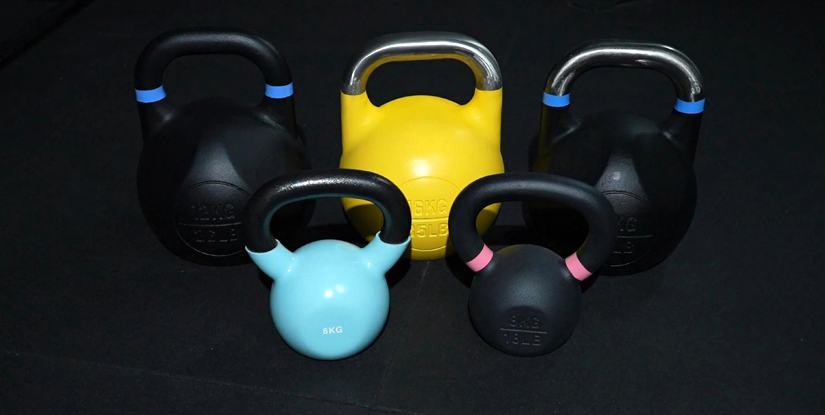
Pre-Shipment Inspection and Quality Control Points
To safeguard your margins and ensure product reliability, a structured quality control protocol is essential before finalizing any bulk orders. For professional importers, the risk of receiving units with surface defects or inconsistent weight distribution can significantly inflate the landed cost through returns and shipping disputes. We recommend that your factory audit or third-party inspection focuses on specific high-stress areas where kettlebell design failures most commonly occur.
During a pre-shipment inspection, auditors should perform a manual check of the handle-to-body junction and the weight-marking area to verify coating adhesion. A common failure mode in mass-produced items is the peeling of the finish at the handle curve due to improper surface preparation. Additionally, inspectors should verify the flatness of the base and the integrity of the weight markings to ensure they remain legible under heavy use. For high-volume export shipments, ensuring that the cast iron kettlebell manufacturing process includes a final calibration step will prevent discrepancies in weight tolerance that could lead to commercial disputes.
Effective sourcing requires more than just comparing unit prices; it requires verifying that the China factory maintains rigorous standards for every batch. By requesting a detailed inspection report that covers surface finish, handle texture, and weight consistency, distributors can ensure their inventory meets the high expectations of the North American commercial market. Once these technical benchmarks are confirmed, you can proceed with confidence toward final container loading and dispatch.
Factory QC and Component Inspection Protocols
Maintaining high standards in kettlebell design is a critical requirement for distributors and gym owners managing high-volume inventory. When sourcing from a China factory, a rigorous quality control framework ensures that every unit meets the durability expectations of a commercial environment. For professional buyers, a lack of oversight during the manufacturing process can lead to inconsistent weight distribution or premature surface degradation, ultimately increasing the total cost of ownership and affecting distributor margins.
A professional wholesale kettlebell supplier must implement a multi-stage inspection protocol that begins at the raw material stage and continues through to final export packaging. Effective commercial kettlebell design relies on strict adherence to weight tolerance and structural integrity to prevent costly returns or client dissatisfaction. Rely during your sourcing process by requesting specific documentation regarding how a factory manages the following critical checkpoints:
Critical Inspection Points for Bulk Procurement
Standardized cast iron kettlebell manufacturing requires precise monitoring of the casting and coating stages. A reliable supplier will focus on the handle-to-body junction and the uniformity of the surface finish to ensure long-term usability in high-traffic fitness centers. If the MOQ is met, specialized testing can often be integrated into the production run to verify batch consistency.
- Weight Calibration: Verifying that the cast iron density and volume result in a consistent weight across the entire batch to prevent discrepancies in commercial sets.
- Casting Integrity: Inspecting for common casting defects such as air bubbles, surface pitting, or uneven handle thickness that could compromise safety.
- Coating Adhesion: Testing the bond of the powder coating or rubber dip to ensure it does not peel or crack under heavy use.
- Handle Ergonomics: Checking the knurling depth and handle-to-body junction for smoothness and grip consistency.
By prioritizing these technical details during your sourcing phase, you can mitigate the risks of receiving substandard goods. We recommend requesting a sample evaluation or a pre-shipment inspection report to confirm that the kettlebell design aligns with your brand's quality benchmarks before finalizing large-scale wholesale orders.
Surface Finish and Ergonomic Precision
A high-performance commercial kettlebell design must prioritize the tactile relationship between the user and the equipment. In professional settings, the handle texture and knurling depth are not merely aesthetic choices; they are functional requirements that prevent slippage during high-intensity training. During the cast iron kettlebell manufacturing process, the mold must be precision-machined to ensure the handle remains smooth and free of sharp edges or casting burrs that could cause discomfort or injury.
Furthermore, the surface finish must undergo a rigorous pre-shipment inspection to verify coating adhesion. Whether the unit utilizes a standard powder coating or a specialized PU dip, the layer must bond seamlessly to the iron substrate. A failure in adhesion often leads to unsightly chipping or peeling, which increases maintenance costs for the end-user and diminishes the perceived value of your inventory. We advise all importers to request a sample to test the grip and coating durability before committing to a full wholesale production run.
Standardized Inspection Checklist for Procurement Managers
To minimize the risk of receiving damaged or inconsistent goods, professional buyers should utilize a structured checklist during factory audits or sample evaluations. A reliable wholesale kettlebell supplier will have documented protocols for each stage of production. Using a qualitative assessment rather than relying on unverified claims helps ensure that the final landed cost remains optimized through reduced replacement rates and higher customer satisfaction.
| Inspection Category | Focus Area | Commercial Duty Requirement | Typical QC Point |
|---|---|---|---|
| Structural Integrity | Handle-to-body junction | High-traffic durability | Smooth transition and no casting burrs |
| Weight Consistency | Casting density | Standardized commercial sets | Uniform volume and density check |
| Surface Finish | Coating adhesion | Long-term aesthetic stability | No peeling or chipping on base or logo |
| Ergonomics | Knurling and grip | Safe, non-slip operation | Consistent texture and smoothness |
| Logistics Ready | Export packaging | Safe long-distance transit | Reinforced corners and moisture protection |
Finalizing your kettlebell design requirements should always include a review of the export packaging standards. For high-volume wholesale orders, ensure the manufacturer utilizes heavy-duty corrugated boxes and reinforced corner protection to prevent damage during sea freight. We recommend confirming the MOQ and requesting a detailed pre-shipment inspection report to verify that all commercial kettlebell design specifications are met before the container is sealed.
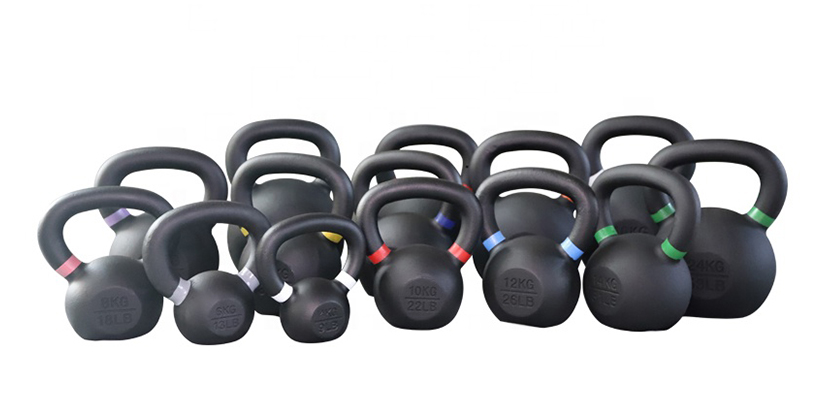
OEM and Private Label Customization Capabilities
For distributors and professional gym equipment importers, standard stock offerings often fail to meet the branding requirements of high-end fitness facilities. A professional kettlebell design must go beyond basic weight increments to provide a unique market identity. Through OEM and ODM services, a specialized China factory can transform a generic product into a proprietary asset through precise physical and aesthetic modifications.
The scope of commercial kettlebell design customization typically covers three critical dimensions: branding, ergonomics, and weight precision. To differentiate your product line, you can request private label services that include embossed or laser-etched logos directly onto the cast iron body. Beyond visual branding, technical customization allows for a custom handle texture, enabling you to control the knurling depth or the smoothness of the grip to suit specific regional market preferences. Furthermore, a reliable wholesale kettlebell supplier can adjust weight increments to match specific training protocols, ensuring your catalog offers the exact weight jumps required by professional strength coaches.
Navigating these customizations requires a clear understanding of how MOQ impacts the production line. While standard stock orders offer faster lead times, true custom branding and specialized kettlebell design requests often require higher volume commitments to offset the costs of new molds or specialized coating applications. We recommend discussing your specific sourcing requirements early in the process to align your branding vision with realistic factory production capacities and shipping schedules.
Material and Finish Selection for Commercial Tiers
Choosing the correct material and surface treatment is a critical decision for procurement managers balancing durability against landed cost. The selection affects not only the aesthetic appeal but also the long-term maintenance load and floor protection requirements for your clients. For example, while a standard cast iron kettlebell manufacturing process provides a rugged, high-value option, the choice between a matte powder coating or a smooth PU coating will significantly impact the product's perceived premium quality and grip consistency in high-traffic commercial environments.
The following table outlines the typical differentiation between common commercial-grade options to assist in your sourcing strategy and budget planning:
| Material Base | Surface Finish | Key Component Focus | Commercial Duty Tier | MOQ Impact | Factory QC Point |
|---|---|---|---|---|---|
| Cast Iron | Bare Iron / Phosphate | Handle Texture | Budget / Entry-Level | Lower | Weight Marking Clarity |
| Cast Iron | Powder Coating | Coating Adhesion | Standard Commercial | Medium | Base Flatness |
| Cast Iron | PU Coating | Encapsulation Layer | Premium / Studio | Higher | Handle-to-Body Junction |
When evaluating a wholesale kettlebell supplier, we suggest reviewing the specific manufacturing route used for each tier. A high-quality cast iron kettlebell manufacturing workflow should follow a consistent sequence: sand casting, followed by precision machining of the handle, and finally the application of the chosen finish. For premium orders, ensure the factory performs a thorough check on the coating adhesion at the handle-to-body junction to prevent peeling during heavy use, which is a common failure mode in lower-tier production.
To optimize your inventory turnover and maintain healthy distributor margins, we recommend confirming the specific production lead time for customized finishes before finalizing your purchase order. While specialized coatings may add time to the manufacturing cycle, they often justify a higher retail price point in the boutique studio market. Please contact us to request a detailed spec sheet or to discuss your specific MOQ requirements for custom-branded batches.
Technical Quality Control and Export Logistics
Maintaining the integrity of a professional kettlebell design requires rigorous oversight throughout the transition from casting to the final shipping container. For high-volume importers, the primary risk lies in the discrepancy between the initial sample and the mass-produced batch. A reliable China factory mitigates this by implementing a multi-stage quality control system that monitors weight tolerance, surface finish, and structural durability at every critical junction.
During the cast iron kettlebell manufacturing process, quality control must focus on three high-risk areas: weight accuracy, coating adhesion, and branding permanence. First, a standardized weight tolerance check is essential to ensure that every unit in a bulk order meets the specified weight class, preventing costly returns or client dissatisfaction. Second, for coated models, the factory must verify the strength of the coating adhesion, particularly around the handle-to-body junction, to prevent chipping or peeling under heavy usage. Finally, for OEM orders, the clarity of the logo embossing or laser-etched branding is inspected to ensure your brand identity remains intact after repeated handling and environmental exposure.
Efficient export packaging is the final, yet most critical, step in protecting your landed cost and ensuring high shipping efficiency. For heavy, dense items like kettlebells, the packaging must be engineered to prevent metal-on-metal impact during transit. We utilize reinforced, heavy-duty cartons and optimized palletizing layouts to maximize container load density. This systematic approach to quality control and logistics planning ensures that your wholesale shipments arrive in pristine condition, ready for immediate distribution or retail display, thereby protecting your distributor margins and long-term brand reputation.
Optimizing Logistics and Bulk Sourcing Efficiency
Efficient kettlebell design is a critical factor for distributors and importers looking to maximize their profit margins through reduced shipping overhead. When sourcing from a China factory, the relationship between product dimensions and container utilization directly determines your final landed cost. A well-engineered bell ensures that weight distribution remains centered, preventing structural instability during long-distance transit and reducing the risk of damaged shipments.
For professional buyers, cast iron kettlebell manufacturing must prioritize volume efficiency to optimize palletization and container loading density. If the handle geometry or the base circumference is not standardized, it creates wasted space within a shipping container, effectively increasing the freight cost per unit. By selecting a wholesale kettlebell supplier that offers optimized nesting or standardized sizing, importers can achieve higher shipping density, allowing for more units per 40ft HQ container and lowering the overall landed cost per piece.
Strategic logistics planning also requires a focus on commercial kettlebell design that accommodates standard export packaging. High-quality manufacturers provide reinforced carton structures and optimized stacking patterns to protect the integrity of the coating and prevent denting. For large-scale wholesale orders, these small efficiencies in weight and volume management translate into significantly improved distributor margins and smoother warehouse replenishment cycles.
Impact of Product Specifications on Procurement Variables
To facilitate more accurate budget forecasting, buyers must evaluate how different material and finish choices influence the total volume and weight distribution of a shipment. The following comparison illustrates how various manufacturing paths impact the physical footprint and logistics requirements for large-scale orders.
| Material Type | Surface Process | Primary Benefit | Storage Footprint | MOQ Impact | Factory QC Point |
|---|---|---|---|---|---|
| Cast Iron | Powder Coating | High Durability | Standard | Lower | Coating Adhesion |
| Cast Iron | PU/Rubber Coating | Floor Protection | Moderate | Medium | Encapsulation Uniformity |
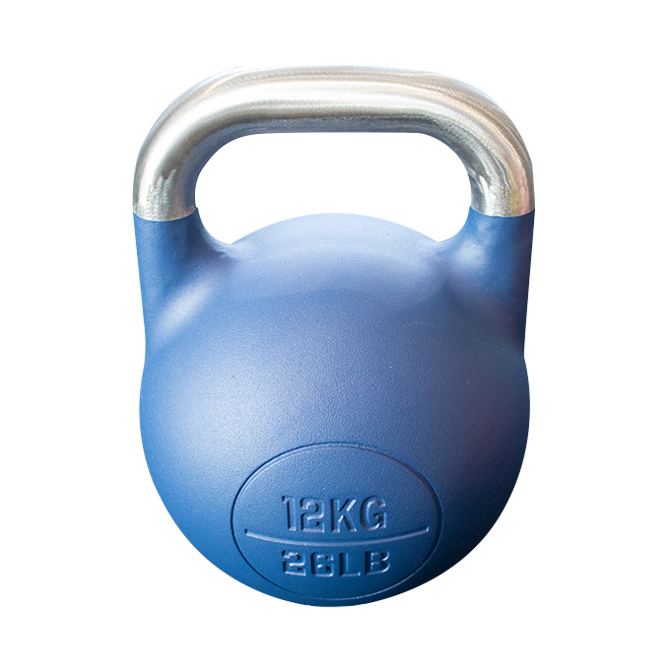
| Solid Steel | Chrome Finish | Precision/Weight | Compact | Higher | Handle-to-Body Junction |
| Ductile Iron | Vinyl Dip | Texture/Grip | Larger | Medium | Base Flatness |
When evaluating your next batch, consider that specialized finishes like rubber or PU coatings may increase the physical dimensions of each unit compared to bare or powder-coated iron. This increase in volume can affect your total pallet density and the number of units that fit within a standard container. A professional wholesale kettlebell supplier will provide precise dimensional data for each weight tier to help you calculate the most cost-effective loading plan. For high-volume wholesale procurement, we recommend confirming the exact dimensions and weight tolerance with the factory to ensure your warehouse and shipping logistics are perfectly aligned with your projected inventory needs.
Mitigating Transit Risks Through Export Standards
For distributors managing large-scale inventory, the hidden costs of poor kettlebell design often manifest as damaged shipments or customs delays. High-density iron products exert significant pressure on packaging during sea freight, making robust export packaging a non-negotiable requirement. A professional wholesale kettlebell supplier must utilize reinforced, heavy-duty corrugated cartons and standardized palletizing methods to prevent the crushing of lower layers and ensure stability during multi-axis container movement. Without these strict standards, the risk of coating abrasion or structural deformation increases, directly impacting your net margins upon arrival.
Effective procurement also requires a clear understanding of how QC protocols and production schedules affect your supply chain. We recommend that buyers verify the factory's pre-shipment inspection procedures, specifically focusing on the durability of the packaging and the integrity of the weight markings. When negotiating MOQ and lead time, ensure that these timelines include sufficient buffer for both rigorous quality testing and specialized loading processes. By aligning your sourcing strategy with a manufacturer that prioritizes sea freight optimization and standardized export protocols, you can minimize unexpected replacement costs and maintain a predictable replenishment cycle for your commercial clients.