Home Gym vs Commercial Gym Kettlebell Difference: OEM
Understanding the Home Gym vs Commercial Gym Kettlebell Difference
Distributors often mistake low-cost consumer units for high-value inventory, leading to high replacement rates and damaged reputations. The primary home gym vs commercial gym kettlebell difference lies in the structural integrity required for high-volume usage. While residential models prioritize low cost, professional procurement requires a commercial grade kettlebell manufacturing standard that ensures density consistency and long-term durability under heavy daily strain.
When sourcing for large-scale facilities, relying on standard retail-grade casting can lead to uneven weight distribution and premature surface degradation. Professional wholesale gym equipment sourcing necessitates a focus on high-density iron or steel and superior casting precision to prevent structural flaws. A reliable kettlebell OEM factory provides the technical consistency required to meet international safety and weight tolerances, ensuring that every unit in a bulk shipment performs identically.
For importers, selecting a China factory with rigorous QC standards is the most effective way to manage the total cost of ownership. High-volume environments demand materials that resist impact and constant friction, making the choice between consumer and professional-grade production a critical decision for long-term ROI and distributor margins.
Technical Specifications and Material Integrity Comparison
Understanding the technical nuances between residential and professional units is vital for effective wholesale gym equipment sourcing. Procurement specialists must evaluate whether the casting method and surface treatment align with the expected turnover rate of the facility. A mismatch between usage intensity and material grade can lead to increased maintenance costs and reduced product lifespan.
The following table outlines the technical divergence in production standards. For distributors, prioritizing a kettlebell OEM factory that utilizes precision casting ensures that the home gym vs commercial gym kettlebell difference is reflected in the actual density and weight accuracy of the shipment, rather than just the price point.
| Feature/Specification | Standard Residential Grade | Professional/Commercial Grade |
|---|---|---|
| Primary Material Type | Standard Cast Iron or Coated Plastic | High-Density Cast Iron or Solid Steel |
| Casting Method | Basic Sand Casting | High-Precision Precision Casting |
| Surface Finish | Basic Paint or Thin Powder Coat | Heavy-Duty Industrial Polyurethane or High-Grade Powder |
| Durability Rating | Low (Light/Intermittent Use) | High (High-Volume/Continuous Use) |
| Weight Tolerance | Higher Variance (±5% or more) | Strict Precision (Strictly Controlled) |
| Procurement Focus | Low Unit Cost | Long-term TCO and Reliability |
When evaluating your next batch, consider the landed cost considerations regarding replacement frequency. While consumer-grade units may offer a lower initial price, the commercial grade kettlebell manufacturing process yields a product that withstands the rigors of a professional environment, protecting your profit margins through durability. We recommend requesting a detailed specification sheet and confirming the MOQ for custom color or branding requirements to ensure the final product meets your specific facility standards.
The home gym vs commercial gym kettlebell difference becomes most apparent during the logistics and long-term operational phases of a procurement cycle. For professional buyers, durability is not just a feature but a risk management strategy. Relying on a kettlebell OEM factory that understands the nuances of high-impact resistance can prevent the costly cycle of frequent replacements and customer dissatisfaction. In a commercial setting, a single defective casting can lead to uneven weight distribution, causing both safety risks and increased maintenance costs for the facility operator.
To ensure maximum long-term ROI, distributors should prioritize a China factory that implements rigorous pre-shipment inspection protocols. This includes testing for structural integrity and verifying that the coating can withstand the constant friction of heavy daily use. Furthermore, high-quality commercial grade kettlebell manufacturing must account for shipping durability. A robust export packaging standard is essential to prevent surface chipping or structural deformation during long-distance ocean freight, ensuring the product arrives in perfect condition for immediate distribution or facility installation.
When planning your inventory, we recommend discussing the lead time and specific export packaging requirements with your supplier. Whether you are looking for standard stock or custom branding, aligning on these technical details early in the sourcing process will optimize your landed cost and ensure the reliability of your professional-grade product line.
Material Integrity and Casting Precision in Bulk Procurement
Understanding the home gym vs commercial gym kettlebell difference is essential for distributors and gym operators managing long-term asset depreciation. When sourcing at scale, the technical distinction lies in the manufacturing rigor required to withstand high-volume usage and constant impact in professional environments.
In high-density fitness facilities, equipment must maintain strict weight tolerance and structural integrity. While consumer-grade units often suffer from uneven weight distribution or surface irregularities, professional commercial grade kettlebell manufacturing utilizes advanced casting processes to ensure consistent density and precision. For a China factory specializing in export-grade fitness gear, maintaining these standards is the baseline for meeting international procurement requirements.
The home gym vs commercial gym kettlebell difference becomes most apparent in the casting precision and material density of the unit. Commercial-grade units are engineered to prevent internal voids or surface fractures during heavy use, whereas residential models may lack the structural density required for rigorous training cycles. For professionals engaged in wholesale gym equipment sourcing, prioritizing these technical specifications reduces replacement frequency and lowers the total cost of ownership.
| Procurement Factor | Residential/Home Grade | Commercial/Professional Grade |
|---|---|---|
| Casting Precision | Standard/Variable | High-Precision/Uniform |
| Weight Tolerance | Higher Margin of Error | Strict/Consistent Density |
| Usage Profile | Occasional/Low Impact | High-Volume/Constant Impact |
| Material Integrity | Basic Casting | Reinforced Density |
For distributors looking to optimize their kettlebell OEM factory partnerships, selecting a supplier that emphasizes rigorous QC standards is vital. A professional kettlebell OEM factory will provide documentation regarding casting consistency and weight accuracy to ensure your wholesale batches meet the expectations of premium fitness facilities and high-end studio operators.
Technical Specification Comparison for Bulk Procurement
When evaluating the home gym vs commercial gym kettlebell difference, procurement leads must look beyond aesthetics to the core metallurgical and surface-treatment standards. For large-scale distributors, the choice between standard and professional-grade units directly impacts the landed cost through long-term durability and reduced replacement cycles. High-volume facilities require equipment that can withstand the mechanical stress of constant impact without structural failure.
| Technical Specification | Standard/Residential Grade | Commercial-Grade Manufacturing |
|---|---|---|
| Primary Material Type | Basic Cast Iron or Plastic Shell | High-Density Reinforced Iron/Steel |
| Casting Method | Standard Sand Casting | Precision Mold Casting |
| Weight Tolerance | +/- 5% to 10% Variance | Strict +/- 1% to 3% Precision |
| Surface Finish | Basic Paint or Coating | Industrial Polyurethane or High-Durability Powder Coat |
| Lifespan Expectancy | Low to Moderate (Wear-prone) | High (Optimized for Heavy Use) |
| Procurement Focus | Price-Point Driven | Total Cost of Ownership (TCO) & Durability |
Selecting a kettlebell OEM factory that prioritizes these technical benchmarks ensures that your inventory remains a high-value asset for your clients. When engaging in wholesale gym equipment sourcing, it is prudent to request specific material data sheets and surface-test reports. This level of transparency from your supplier allows you to confirm that each batch meets the rigorous demands of professional training environments, thereby protecting your brand reputation and distributor margins.
Maximizing Long-Term ROI via Factory-Direct Quality Control
For professional importers, the home gym vs commercial gym kettlebell difference is ultimately a calculation of long-term durability versus initial capital expenditure. While residential units may offer a lower entry price, the frequent replacement cycles required by high-traffic studios can significantly inflate the total cost of ownership. By partnering with a specialized kettlebell OEM factory, distributors can secure equipment engineered for high-impact longevity, ensuring that every unit remains a reliable asset rather than a recurring maintenance expense.
Optimizing your wholesale gym equipment sourcing strategy requires moving beyond simple unit pricing to evaluate the total landed cost and long-term maintenance load. A reputable China factory provides more than just hardware; they offer a structured quality control framework that includes rigorous pre-shipment inspection and weight-verification protocols. This level of oversight is critical when managing large-scale orders to ensure that every batch delivered to your warehouse meets the exacting standards of professional-grade fitness environments.
To mitigate procurement risks, we recommend that buyers initiate a formal request for a spec sheet and sample approval before finalizing any bulk order. Engaging in customized branding or private label development through an established supplier allows you to build a distinct brand identity while benefiting from factory-direct manufacturing efficiencies. Whether you are looking to confirm a specific MOQ for a new product line or require a detailed factory audit, prioritizing technical transparency will secure your position as a premium provider in the global commercial fitness market.
Optimizing Inventory with Commercial Grade Kettlebell Manufacturing
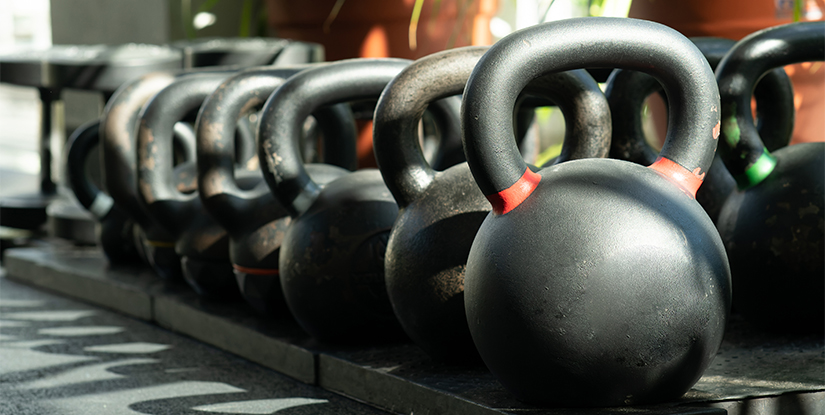
Distributors and gym equipment importers must recognize that the home gym vs commercial gym kettlebell difference is fundamentally rooted in the rigor of the production line. When managing high-volume wholesale gym equipment sourcing, relying on consumer-grade products leads to high replacement rates and diminished distributor margins. Professional procurement requires a kettlebell OEM factory capable of maintaining strict tolerances and high-density casting to ensure long-term asset stability in high-traffic environments.
The technical gap becomes evident during commercial grade kettlebell manufacturing, where the focus shifts from aesthetic finish to structural integrity. For large-scale B2B sourcing, the primary concern is casting precision and material durability. While home-use units may feature inconsistent weight distributions or thinner coatings, industrial-grade units undergo rigorous quality control to ensure uniform density and impact resistance. Selecting a reliable China factory that adheres to these professional standards is essential for minimizing the total cost of ownership and maintaining a high-quality inventory for your clients.
Technical Customization and Manufacturing Standards
To assist procurement managers in evaluating technical specifications, the following table outlines the standard customization capabilities available when coordinating with a professional manufacturing partner. Understanding these variables is essential for accurate landed cost calculations and ensuring your brand identity meets the rigorous demands of high-traffic environments.
| Specification Category | Standard Wholesale Option | Premium OEM/ODM Capability |
|---|---|---|
| Material Base | Cast Iron or Powdered Steel | Solid Steel or High-Density Polyurethane |
| Surface Texture | Standard Matte or Gloss Finish | Anti-slip Vulcanized Rubber or Textured Grip |
| Logo Application | Laser Engraved or Stencil Paint | 3D Embossed Casting or High-Durability Decal |
| Color Coating | Basic Black or Single Color | Custom Pantone Matching and Multi-layer Finish |
| Weight Precision | Standard Increments | High-Precision Calibrated Casting |
| Minimum Order (MOQ) | Standard Volume Tiers | Tiered Pricing based on Customization Complexity |
| Lead Time | Standard Production Cycles | Extended Cycles for Complex Customization |
When evaluating the home gym vs commercial gym kettlebell difference, the level of customization directly impacts the durability and long-term maintenance load of the equipment. For instance, while standard coatings may suffice for retail-focused buyers, professional distributors require high-durability finishes that withstand constant friction and environmental exposure. Selecting a kettlebell OEM factory that offers advanced material specification options ensures that your branded inventory meets the expected service life of a commercial facility.
Effective wholesale gym equipment sourcing requires a clear understanding of how these customization tiers affect your total cost of ownership and shipping efficiency. We recommend that buyers request a detailed spec sheet and confirm the specific MOQ for customized colorways or logo applications during the initial consultation. This proactive approach allows for more accurate inventory planning and ensures that your custom-branded products arrive meeting all pre-shipment inspection requirements.
Quality Control and Global Export Logistics
For professional importers and distributors, the procurement process extends far beyond the initial order. A critical component of a successful partnership with a China factory involves rigorous quality control protocols and optimized logistics. When managing large-scale bulk orders, the risk of receiving inconsistent weight increments or surface defects can lead to significant losses in distributor margins. Therefore, a structured pre-shipment inspection is a mandatory step in the sourcing lifecycle to ensure every unit meets the high-performance standards of the home gym vs commercial gym kettlebell difference.
Efficient commercial grade kettlebell manufacturing must also account for the complexities of international freight. To minimize the total landed cost, professional manufacturers provide specialized export packaging designed to withstand long-distance sea freight and heavy handling. This includes reinforced cartons, palletization, and optimized container loading patterns to maximize shipping efficiency. By coordinating closely with your supplier regarding container volume and weight distribution, you can reduce per-unit shipping costs and ensure that your inventory arrives at your warehouse in a pristine, retail-ready state.
To ensure your procurement strategy is sound, we recommend the following professional steps: request a detailed technical specification sheet for weight tolerances, confirm the specific MOQ for your custom branding requirements, and schedule a third-party factory audit or pre-shipment inspection. Engaging in these advanced sourcing practices will help you mitigate risks and secure a reliable, high-margin supply chain for your commercial fitness equipment needs.
Quality Control Standards and Pre-Shipment Inspection Protocols
When managing high-volume procurement, the home gym vs commercial gym kettlebell difference becomes most visible during the inspection phase. For distributors and gym owners, relying on a China factory that implements rigorous factory QC is the only way to mitigate the bulk order risks associated with weight deviations or surface imperfections. Unlike single-unit consumer purchases, large-scale wholesale orders require standardized oversight to ensure every unit meets professional specifications.
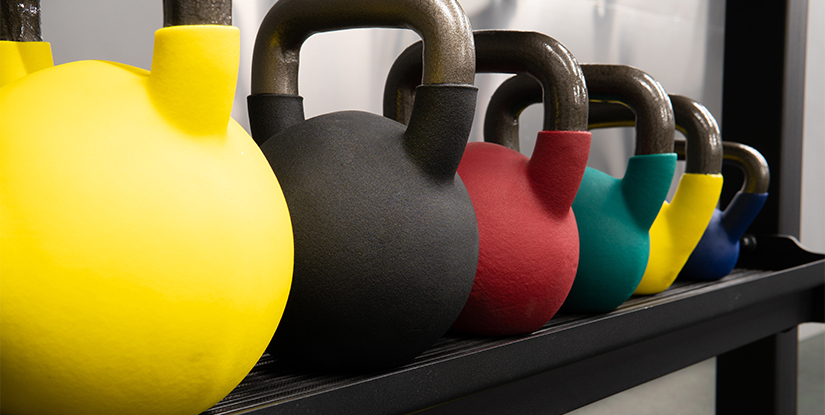
Standardized commercial grade kettlebell manufacturing must prioritize material consistency and weight tolerance to protect your long-term margins. In a professional sourcing context, a lack of strict factory QC can lead to catastrophic batch defects, such as uneven casting or inconsistent handle diameters, which increase maintenance costs and liability. High-tier kettlebell OEM factory operations utilize precision calibration to ensure that a 24kg unit remains within a strict tolerance range, a necessity for maintaining the integrity of your professional equipment inventory.
Technical Comparison of Production Standards
To assist procurement managers in evaluating potential wholesale gym equipment sourcing partners, it is essential to understand the technical variance between standard production and professional-grade lines. A reliable supplier will provide a transparent breakdown of how their equipment handles high-frequency usage and heavy-duty environments. The following table highlights the critical technical requirements for high-tier production.
| Technical Specification | Standard Production Line | Commercial Grade Production Line |
|---|---|---|
| Casting Precision | Moderate; potential for uneven weight distribution | High; precision-molded for balanced center of gravity |
| Surface Finish | Basic powder coating or raw iron finish | Advanced textured coating for enhanced grip and durability |
| Weight Deviation | +/- 5% to 10% tolerance range | Strict +/- 1% to 2% tolerance for precision training |
| Inspection Standards | Visual check of surface defects only | Comprehensive weight calibration and structural integrity testing |
| Handle Uniformity | Variable diameter and texture consistency | Consistent ergonomic diameter for high-volume use |
When analyzing the home gym vs commercial gym kettlebell difference, the primary differentiator is the rigor of the pre-shipment inspection. Professional commercial grade kettlebell manufacturing requires constant calibration of molds to ensure casting precision and surface finish consistency. For a distributor, choosing a factory that maintains these strict standards reduces the total cost of ownership by minimizing replacement rates and ensuring product reliability across your entire inventory.
A critical component of successful international procurement is the implementation of a formal pre-shipment inspection (PSI). For importers, the home gym vs commercial gym kettlebell difference is often decided by the quality of the final logistics preparation. A professional kettlebell OEM factory must demonstrate that every batch has undergone rigorous weight verification and structural stress testing before leaving the facility. Without this oversight, distributors face the high risk of receiving inconsistent stock that fails to meet the professional standards required by commercial clients.
Beyond product precision, the reliability of your supply chain depends on specialized export packaging and logistics safety protocols. High-density iron or steel kettlebells present unique challenges for container loading; improper stacking can lead to dented handles or compromised coatings during sea freight. A reputable supplier will utilize reinforced, heavy-duty cartons and optimized palletization to ensure maximum stability. This attention to detail protects your landed cost by reducing the likelihood of shipping damage and ensures that your MOQ requirements are met with fully intact, retail-ready inventory. When finalizing your wholesale gym equipment sourcing strategy, always confirm that the manufacturer provides detailed documentation regarding their packaging standards and weight-verification processes.
Logistics Efficiency and Export Packaging for Wholesale Gym Equipment Sourcing
Understanding the home gym vs commercial gym kettlebell difference requires looking beyond the iron and into the logistical overhead of international procurement. For distributors and large-scale gym operators, the true cost of an order is not just the unit price, but the landed cost associated with freight, duties, and warehouse receiving. When sourcing from a China factory, the efficiency of export packaging and container utilization directly dictates your profit margins and inventory turnover speed.
Inefficient packaging leads to excessive shipping volume and wasted air space, which can inflate your freight-per-unit costs significantly. Professional wholesale gym equipment sourcing demands a supplier that prioritizes weight optimization and standardized palletizing to ensure that every cubic meter of a sea container is utilized effectively. This level of precision is a hallmark of high-tier commercial grade kettlebell manufacturing, where the goal is to minimize the total cost of ownership through smart logistics.
| Procurement Factor | Standard Retail Packaging | Professional Export Packaging |
|---|---|---|
| Volume Efficiency | High air space/low density | Optimized stacking/high density |
| Damage Risk | Moderate during long-haul | Minimal via reinforced crates |
| Landed Cost Impact | Higher per-unit freight cost | Lowered via container optimization |
| Unloading Speed | Manual/individual handling | Palletized/forklift ready |
To secure the best margins, we recommend that buyers request a detailed packing list and a 3D load plan during the initial sourcing phase. By confirming the exact dimensions and weight limits of your OEM orders, you can better calculate your final landed cost and prevent unexpected surcharges at the port of entry. Contact our team to discuss your specific MOQ and request a customized shipping quotation for your next bulk replenishment.
Evaluating the home gym vs commercial gym kettlebell difference through a logistics lens reveals why professional importers prioritize specialized manufacturers. While consumer orders often focus on single-unit delivery, high-volume wholesale gym equipment sourcing requires a rigorous approach to container loading optimization. A failure to account for the high density of cast iron means that poor packing strategies will lead to significant wasted space, effectively increasing your freight-per-unit expense and reducing your overall ROI.
A professional kettlebell OEM factory manages these variables by implementing standardized palletization and reinforced outer packaging designed for the rigors of sea freight. This ensures that heavy, high-density products do not shift or cause structural damage to the boxes during transit. For distributors, the ability to receive a fully palletized shipment that is ready for immediate forklift unloading is essential for maintaining efficient warehouse operations and reducing labor-intensive manual handling at the receiving dock.
Before finalizing your next procurement cycle, we advise importers to request a detailed loading simulation. This allows you to verify how your specific weight distribution will impact the total volume within a 20ft or 40ft container. Confirming these technical details early in the process ensures that your commercial grade kettlebell manufacturing requirements are met with the highest level of logistics efficiency, protecting both your profit margins and your equipment's arrival condition.
To mitigate the risk of transit-related damage, a reputable kettlebell OEM factory must implement a multi-layered approach to quality control and protection. Standard retail shipping often fails to account for the immense kinetic energy and shifting weight inherent in long-distance sea freight. For professional buyers, any product arriving with chipped paint, cracked handles, or dented surfaces represents more than just a replacement cost—it represents a failure in brand integrity and a direct hit to your distributor margins. This is why professional-grade commercial grade kettlebell manufacturing focuses as much on the robustness of the export crate as it does on the casting of the iron itself.
Effective damage prevention begins with rigorous quality control protocols conducted before the product ever reaches the shipping dock. This includes weight tolerance verification, coating adhesion testing, and structural integrity checks. Once the units pass inspection, they must be secured using heavy-duty, moisture-resistant packaging and standardized palletizing. This level of detail is non-negotiable for successful wholesale gym equipment sourcing, where the goal is to ensure that every unit arrives in pristine, sellable condition. By prioritizing these high-standard logistics, importers can reduce the frequency of returns and maintain a reliable reputation within their local markets.
As you plan your next inventory replenishment, we suggest requesting a pre-shipment inspection report and a detailed breakdown of your order's packaging specifications. Understanding these variables allows for a more accurate calculation of your total landed cost and ensures that your warehouse team can process the incoming shipment with maximum efficiency. Contact us today to discuss your specific MOQ and receive a tailored quote for your next bulk procurement order.