How to Choose a Kettlebell Manufacturer: OEM Manufacturing
How to Choose a Kettlebell Manufacturer for Long-Term Value
When sourcing equipment for high-traffic facilities, many distributors mistakenly prioritize the lowest unit price, only to face high replacement costs when substandard cast iron cracks or coatings peel. To maximize ROI, you must understand how to choose a kettlebell manufacturer by looking beyond the initial invoice to the Total Cost of Ownership (TCO). A professional kettlebell manufacturer provides more than just a product; they provide a reliable supply chain where durability reduces your long-term replacement cycles.
The difference between a budget-tier supplier and a professional commercial kettlebell supplier often becomes apparent within the first year of heavy commercial use. While a low-cost China factory might offer an attractive price point for small wholesale orders, the lack of rigorous quality control can lead to uneven weight distribution or structural vulnerabilities. For distributors and gym owners, investing in high-grade materials ensures that the equipment withstands constant impact, effectively lowering the landed cost over the product's total lifespan.
Evaluating the TCO allows procurement leads to justify higher upfront investments in premium OEM production. High-quality powder coating and seamless casting prevent rust and surface degradation, which are critical for maintaining a professional brand identity in premium fitness studios. By selecting a kettlebell manufacturer that adheres to strict industrial standards, you mitigate the risk of frequent re-ordering and logistical disruptions, ultimately protecting your profit margins.
Comparing Procurement Models: Factory-Direct vs. Trading Companies
To accurately assess the long-term value of your procurement strategy, you must compare the operational differences between direct sourcing and intermediary models. A professional OEM kettlebell factory offers direct control over the production process, which is essential for maintaining consistent weight tolerances and surface finishes. In contrast, working with a trading company may offer convenience but often obscures the actual production capabilities and increases the final landed cost through multiple markups.
| Procurement Dimension | Direct OEM Factory Sourcing | Trading Company / Middleman |
|---|---|---|
| Unit Cost & Margins | Lower base price; higher distributor margins | Higher markup; reduced profit potential |
| Customization Capability | Full access to OEM and ODM services | Limited to existing stock or standard catalogs |
| Quality Control (QC) | Direct oversight of pre-shipment inspection | Dependent on third-party reporting |
| MOQ Flexibility | Structured tiers based on production runs | Often higher due to consolidated orders |
| Lead Time Control | Direct alignment with manufacturing schedules | Subject to intermediary communication delays |
| Landed Cost Transparency | Clear FOB/CIF pricing directly from source | Hidden fees and multi-layered pricing |
Selecting the right kettlebell manufacturer requires a balance between immediate capital expenditure and future operational stability. While a trading company might satisfy a low MOQ for a small boutique studio, a direct factory relationship is the superior choice for scaling a distribution business. By establishing a direct line to the supplier, you gain the ability to implement custom branding and ensure that every batch meets the rigorous durability standards required for commercial-grade fitness environments.
The Impact of QC and Logistics on Your Bottom Line
A critical oversight in global sourcing is failing to account for the costs associated with shipping damage and inconsistent quality. Even if a product is manufactured to perfect specifications, a weak commercial kettlebell supplier may lack the robust export packaging required for long-distance sea freight. Without reinforced, heavy-duty boxing and standardized palletization, your shipment may arrive with chipped paint or structural imperfections, immediately eroding your distributor margins and increasing your replacement costs.
To protect your long-term ROI, you must prioritize a manufacturer that integrates rigorous QC protocols into their daily production cycles. A professional kettlebell manufacturer does not simply wait for a final check; they monitor material density, casting uniformity, and coating adhesion at every stage. This proactive approach ensures that when you place a bulk order, the weight tolerances remain consistent across every SKU, preventing the costly returns and customer dissatisfaction that plague low-tier sourcing.
Ultimately, the goal of professional procurement is to minimize the total landed cost while maximizing product lifespan. By vetting a China factory that specializes in export-grade fitness equipment, you secure a partner capable of handling complex logistics and high-volume shipments with precision. This level of operational maturity allows you to scale your business with confidence, knowing that your inventory is built for durability and your supply chain is optimized for commercial-grade reliability.
The Hidden Costs of Low-Quality Sourcing and Procurement Errors
Understanding how to choose a kettlebell manufacturer requires looking beyond the initial unit price to the total cost of ownership. For distributors and gym owners, a low initial quote often masks significant long-term liabilities. When sourcing from a low-tier China factory, the lack of rigorous quality control can lead to catastrophic procurement errors that damage your brand reputation and bottom line.
The true expense of a cheap commercial kettlebell supplier is found in the replacement costs and diminished margins caused by inconsistent product standards. If a batch arrives with significant weight deviations or surface defects, the resulting logistical burden and customer returns will quickly exceed any initial savings. High-quality kettlebell manufacturer selection ensures that your landed cost accounts for durability and weight consistency, preventing the need for frequent re-ordering and minimizing the risk of defective inventory in your warehouse.
Choosing a professional OEM kettlebell factory over a generic trading entity protects your investment from the volatility of low-quality production. A dedicated factory focuses on precision casting and uniform coating, ensuring that every unit meets commercial-grade specifications. This reliability reduces the long-term opex for your clients and stabilizes your supply chain, making the decision of how to choose a kettlebell manufacturer a strategic move for sustainable growth rather than a short-term cost-cutting exercise.
Financial Impact: Low-Quality Sourcing vs. Professional Manufacturing
When evaluating your next bulk order, the difference between a budget-focused supplier and a professional partner becomes clear when analyzing the total cost of ownership. A procurement strategy focused solely on the lowest unit price often leads to higher long-term expenses due to replacement cycles and logistical failures. The following table illustrates how selecting a professional kettlebell manufacturer impacts your long-term business efficiency compared to low-tier sourcing options.
| Dimension | Low-Cost / Low-Quality Sourcing | Professional OEM Manufacturing |
|---|---|---|
| Weight Accuracy | High deviation; inconsistent mass | Strict tolerance; precision casting |
| Surface Finish | Rough texture; uneven coating | Smooth finish; uniform application |
| Product Longevity | High wear; frequent replacement | High durability; commercial-grade |
| Inventory Risk | High defect rates; high returns | Stable quality; reliable inventory |
| Total Landed Cost | Low unit price; high hidden costs | Optimized value; predictable ROI |
To avoid these procurement pitfalls, we recommend requesting a detailed specification sheet and confirming the specific MOQ for your customized requirements. A thorough factory audit or a sample approval process is essential to verify that your chosen supplier can maintain the standards necessary for your brand identity. Contact our team to discuss bulk pricing or to initiate a custom OEM project tailored to your market needs.
Logistical Vulnerabilities: Lead Time and Export Packaging Risks
Beyond physical product defects, procurement professionals must account for the logistical risks inherent in global sourcing. A primary pain point when working with an unverified kettlebell manufacturer is the volatility of the lead time. Inaccurate production timelines from a disorganized facility can cause massive disruptions in your distribution schedule, leading to missed market opportunities and strained relationships with your own clients. If a factory fails to communicate realistic production windows, your inventory turnover rates will suffer, directly impacting your cash flow.
Furthermore, the complexity of international freight demands superior export packaging protocols. Even high-quality cast iron products are susceptible to shipping damage if the protection is insufficient for container loading. Improperly packed crates can lead to dented handles, chipped powder coating, or even structural compromises during sea transit. For a distributor, the cost of a single damaged shipment is not just the price of the goods, but the compounded expense of return shipping, customs re-processing, and the labor required for replacements. Prioritize a partner who understands the rigors of long-distance transit to ensure your bulk orders arrive in warehouse-ready condition.
Evaluating Manufacturing Capabilities and OEM/ODM Customization
To successfully navigate the complexities of global procurement, professional buyers must understand how to choose a kettlebell manufacturer that offers more than just standard inventory. High-level sourcing requires a distinction between purchasing ready-to-ship stock and engaging in deep customization through OEM kettlebell factory services or specialized ODM development to meet specific market demands.
While standard wholesale orders focus on rapid fulfillment of existing SKUs, a professional kettlebell manufacturer with robust OEM and ODM capabilities allows you to build a unique brand identity. This includes precise product specifications such as specific weight increments, custom handle diameters for ergonomic variety, and specialized surface textures. Furthermore, a high-tier commercial kettlebell supplier can manage complex logo application—whether through sandblasting, laser engraving, or high-durability paint—ensuring your private label maintains professional standards during heavy commercial use.
| Procurement Model | Customization Depth | Typical MOQ | Best For |
|---|---|---|---|
| Standard Wholesale | Minimal (Logo only) | Low to Medium | Rapid stock replenishment |
| OEM (Private Label) | High (Color, Texture, Logo) | Medium to High | Building brand recognition |
| ODM (Full Development) | Maximum (Full Spec Design) | High | Launching unique product lines |
Choosing the right sourcing strategy directly impacts your landed cost and long-term distributor margins. While OEM orders require higher initial commitments, the ability to control product aesthetics and specifications provides a significant competitive advantage in the premium commercial fitness market.
Strategic Implementation of Customization
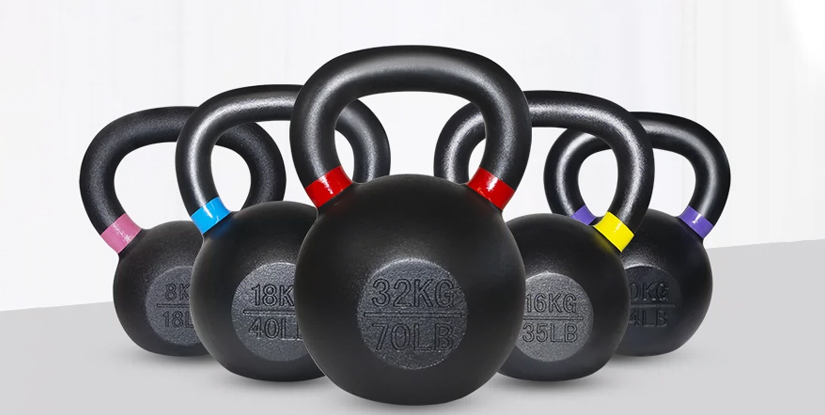
When evaluating the technical depth of a potential partner, procurement managers should analyze the transition from simple branding to full-scale engineering. A standard kettlebell manufacturer may only offer color changes or basic logo printing, which is sufficient for basic retail replenishment. However, for distributors looking to capture the premium segment, engaging a OEM kettlebell factory that can adjust casting molds or handle ergonomics is essential for differentiation.
The complexity of your request will fundamentally dictate your MOQ and lead time. For instance, requesting a specific weight increment that is not part of the standard production run requires dedicated production time and higher minimums to offset the setup costs of the casting process. If your goal is to launch a signature line with unique dimensions or specialized coatings, ensure the supplier has the technical documentation and engineering capacity to execute these precise specifications without compromising structural integrity.
Before finalizing any large-scale production agreement, we recommend requesting a detailed specification sheet and a sample evaluation. This allows you to verify the weight tolerance, handle grip quality, and the durability of the custom branding under simulated commercial stress. Confirming these details early in the sourcing process ensures that your bulk orders meet the high standards expected by professional gym operators and reduces the risk of costly returns or quality disputes.
The Impact of Customization on Total Landed Cost and Logistics
Advanced procurement planning requires a deep understanding of how customization variables influence your final budget. When you move beyond standard stock to specialized OEM requests, you must account for the direct relationship between technical complexity and the total landed cost. A kettlebell manufacturer capable of custom mold development or specialized surface treatments will often introduce higher upfront tooling costs, which are essential for creating a unique product line but must be amortized across a larger volume to maintain healthy distributor margins.
Beyond the unit price, customization significantly impacts your supply chain efficiency. Higher-level ODM projects often result in extended lead times due to the specialized production cycles required for non-standard weights or unique finishes. Furthermore, custom dimensions or non-standard packaging can alter your shipping volume and container loading density. A professional commercial kettlebell supplier will provide accurate volumetric data early in the process, allowing you to calculate the most efficient way to manage sea freight and warehouse space. Neglecting these variables can lead to unexpected increases in your per-unit shipping cost, ultimately eroding your ROI.
To mitigate these risks, we advise all professional buyers to conduct rigorous quality control for custom orders. Rather than relying on standard batch testing, ensure your sourcing agreement includes specific protocols for your custom specifications—such as weight tolerance verification for unique increments or durability tests for specialized coatings. Requesting a pre-shipment inspection or a formal sample approval is a critical step in ensuring that your factory-direct order aligns perfectly with your brand identity and commercial durability standards before the goods leave the China factory.
Standardizing Quality Control and Pre-Shipment Inspection Protocols
For distributors and large-scale gym operators, the cost of a single defective shipment far outweighs the initial savings of a low-price vendor. Knowing how to choose a kettlebell manufacturer requires looking beyond the unit price to evaluate their internal quality control systems. A reliable kettlebell manufacturer must implement rigorous testing to ensure every unit meets commercial grade standards for weight accuracy, handle smoothness, and coating durability.
Without standardized protocols, importers face high risks of batch inconsistency, which can damage a distributor's reputation and increase replacement costs. A professional commercial kettlebell supplier provides transparency through a formal factory audit and detailed pre-shipment reports. This level of risk mitigation ensures that whether you are ordering a small OEM run or a massive wholesale container, every piece maintains the exact specifications required for professional strength training environments. By prioritizing a factory that integrates inspection at every production stage, you protect your long-term margins and brand integrity.
Technical Pre-Shipment Inspection (Psi) Checklist
To ensure your bulk order meets professional standards, you must demand a technical inspection focused on physical specifications and surface longevity. A professional OEM kettlebell factory should provide data-driven verification for every critical metric before the container is sealed. Relying on visual checks alone is insufficient for high-volume procurement; you must mandate specific tolerance thresholds to avoid the logistical nightmare of returning non-compliant weight sets.
When conducting a final evaluation, focus on these three critical dimensions of quality:
| Inspection Dimension | Technical Requirement | Procurement Objective |
|---|---|---|
| Weight Accuracy | Strict weight tolerance within +/- 1% to 2% of target mass | Ensures regulatory compliance and professional training consistency |
| Coating Integrity | Uniform thickness with no bubbling, peeling, or cracking | Prevents premature oxidation and maintains long-term durability |
| Handle Ergonomics | Seamless transition and zero sharp edges or casting defects | Redures injury risk and meets commercial safety standards |
A high-tier kettlebell manufacturer will offer a sample evaluation process where you can approve a physical prototype before full-scale production begins. This step is essential for verifying the handle diameter and the texture of the cast iron or rubber coating. For distributors managing large-scale projects, verifying these details via high-resolution video or third-party inspection reports is a standard part of the sourcing workflow to confirm shipment readiness and minimize landed cost volatility.
A professional OEM kettlebell factory should provide data-driven verification for every critical metric before the container is sealed. Relying on visual checks alone is insufficient for high-volume procurement; you must mandate specific tolerance thresholds to avoid the logistical nightmare of returning non-compliant weight sets.
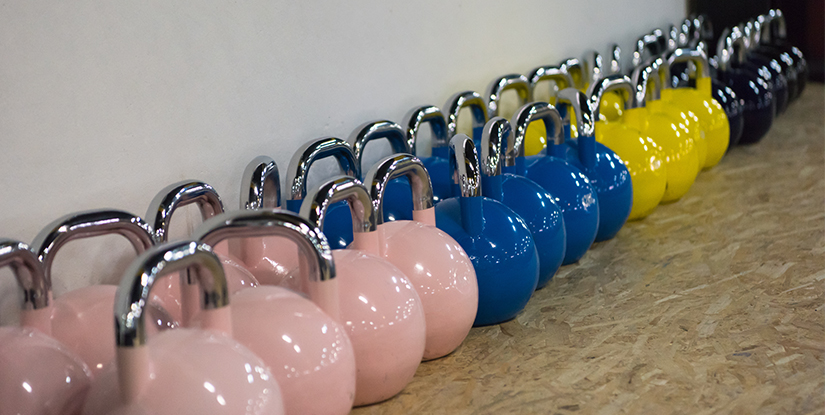
When conducting a final evaluation, focus on these three critical dimensions of quality:
| Inspection Dimension | Technical Requirement | Procurement Objective |
|---|---|---|
| Weight Deviation | Strict weight tolerance within +/- 1% to 2% of target mass | Ensures regulatory compliance and professional training consistency |
| Surface Finish | Uniform thickness with no bubbling, peeling, or cracking | Prevents premature oxidation and maintains long-term durability |
| Handle Smoothness | Seamless transition with zero sharp edges or casting defects | Reduces injury risk and meets commercial safety standards |
A high-tier kettlebell manufacturer will offer a sample evaluation process where you can approve a physical prototype before full-scale production begins. This step is essential for verifying the handle diameter and the texture of the cast iron or rubber coating. For distributors managing large-scale projects, verifying these details via high-resolution video or third-party inspection reports is a standard part of the sourcing workflow to confirm shipment readiness and minimize landed cost volatility.
Optimizing Logistics and Export Packaging for Bulk Shipments
When managing large-scale imports, understanding how to choose a kettlebell manufacturer requires looking beyond the casting quality to the final logistics chain. For distributors and gym equipment importers, the total landed cost is heavily dictated by how effectively a kettlebell manufacturer manages container volume and shipping protection. Inefficient loading or substandard packaging leads to damaged inventory and increased air shipment costs, which directly erodes your profit margins.
A professional commercial kettlebell supplier must prioritize high-density loading patterns and robust export packaging to ensure product integrity. Whether you are sourcing single-weight SKUs or a diverse range of sizes, the container loading efficiency provided by your OEM kettlebell factory determines whether you are paying to ship heavy iron or empty space. High-quality damage prevention strategies, such as reinforced corrugated boxes and palletized stability, are essential for bulk shipments to prevent surface scuffs or structural deformation during long-sea transit.
Comparing Shipping Methods and Packaging Standards
To optimize your procurement budget, you must evaluate the trade-off between shipping speed, volume utilization, and protection levels. A seasoned kettlebell manufacturer will offer tiered packaging options to suit different wholesale requirements. For instance, while standard packaging may suffice for low-volume LCL shipments, high-density FCL orders for global distribution often require reinforced solutions to withstand the mechanical stress of container stacking.
| Shipping Mode | Packaging Type | Volume Optimization | Primary Benefit for Importers |
|---|---|---|---|
| LCL (Less than Container Load) | Standard Corrugated Box | Moderate; higher risk of unused space | Lower initial capital outlay for smaller MOQ |
| FCL (Full Container Load) | Reinforced Industrial Carton | High; optimized for palletized stacking | Reduced landed cost per unit via scale |
| Air Freight (Express) | Premium Protective Wrap | Low; extremely high cost per kg | Rapid restocking for high-demand SKUs |
| Sea Freight (Bulk/Loose) | Custom Wooden Crates | Maximum density; specialized loading | Highest protection for long-distance sourcing |
When calculating your final budget, do not merely look at the unit price. A low-cost OEM kettlebell factory that utilizes thin, non-reinforced packaging may result in higher landed cost due to transit damage and replacement claims. We recommend requesting a detailed packing list and a sample of the export packaging used for your specific weight range. Confirming the stacking height limits and pallet dimensions during the pre-shipment phase ensures your warehouse receives a predictable, undamaged arrival.
Beyond the physical dimensions of the product, the reliability of your commercial kettlebell supplier is often proven during the final stage of production. A critical component of how to choose a kettlebell manufacturer is verifying their capacity for rigorous QC and professional logistics coordination. Without a strict pre-shipment inspection protocol, importers risk receiving batches with inconsistent weight tolerances or surface defects that can lead to costly returns and damaged brand reputation.
To ensure seamless inventory management, professional buyers should demand transparency regarding lead time and sea freight readiness. An experienced kettlebell manufacturer will provide detailed documentation regarding palletization standards and container loading plans. This level of detail allows you to accurately forecast your warehouse space requirements and calculate the true landed cost before the vessel even departs the port. By aligning on these technical logistics specifications during the initial sourcing phase, you mitigate the risk of unexpected port fees or damaged stock upon arrival.
Strategic Sourcing: MOQ and Lead Time Management
When professional buyers evaluate how to choose a kettlebell manufacturer, they must look beyond unit price to the structural efficiency of the supply chain. For distributors and large-scale gym operators, the relationship between MOQ and product variety directly impacts warehouse overhead and capital liquidity. A mismatch between order volumes and weight increments can lead to excessive dead stock or, conversely, missed market opportunities due to stockouts.
Managing wholesale orders requires a strategic balance between inventory depth and production speed. If your kettlebell manufacturer requires a high MOQ for specific weight increments, you may face higher initial landed cost and increased storage requirements. However, negotiating these terms effectively allows for better custom branding integration and more predictable production cycles, ensuring your brand identity remains consistent across all product lines.
To optimize your sourcing strategy, consider the following trade-offs between order scale and operational flexibility:
| Procurement Factor | Low MOQ / Stock Order | High MOQ / OEM Production |
|---|---|---|
| Production Speed | Immediate availability from existing inventory | Extended lead time due to custom setup |
| Customization Level | Limited to standard colors and sizes | Full OEM capability for custom branding |
| Unit Cost Efficiency | Higher per-unit cost due to smaller batches | Lower per-unit cost through economies of scale |
| Inventory Risk | Lower capital tie-up; high flexibility | Higher capital investment; specialized stock |
Understanding these variables is essential for accurate financial forecasting. A professional commercial kettlebell supplier will provide a transparent production schedule, allowing you to align your shipping logistics with seasonal demand or upcoming product launches. For instance, while stock orders offer rapid deployment, a dedicated OEM kettlebell factory provides the leverage needed to control your total landed cost through bulk procurement and optimized container loading strategies.
To mitigate the risks of long-distance procurement, we recommend requesting a detailed specification sheet and a confirmed lead time for both standard and customized runs. Before finalizing any large-scale purchase, ensure you confirm the MOQ for specific weight ranges and request a sample approval to validate that the factory's output meets your commercial standards. Proactive communication regarding your sourcing timeline will ensure your distribution network remains consistently supplied without unexpected gaps in inventory.
Effective procurement planning requires anticipating the impact of global logistics on your bottom line. When working with a China factory, relying on a single shipment can be a high-risk strategy due to potential shipping delays or fluctuations in raw material availability. Professional importers often maintain a buffer stock to insulate their distribution channels from these unpredictable variables, ensuring that seasonal spikes in demand do not lead to lost revenue or unfulfilled contracts.
A reliable kettlebell manufacturer should offer transparency regarding their production capacity. Whether you are managing a sudden large-scale order for a new gym chain or a routine replenishment of standard weights, knowing the exact duration from order placement to port departure is critical. By aligning your procurement cycles with the factory's peak production periods, you can better manage your working capital and ensure that your sourcing timelines remain predictable and efficient.