Color Coded Competition Kettlebell Standards: Leading OEM
Understanding Color Coded Competition Kettlebell Standards for Global Sourcing
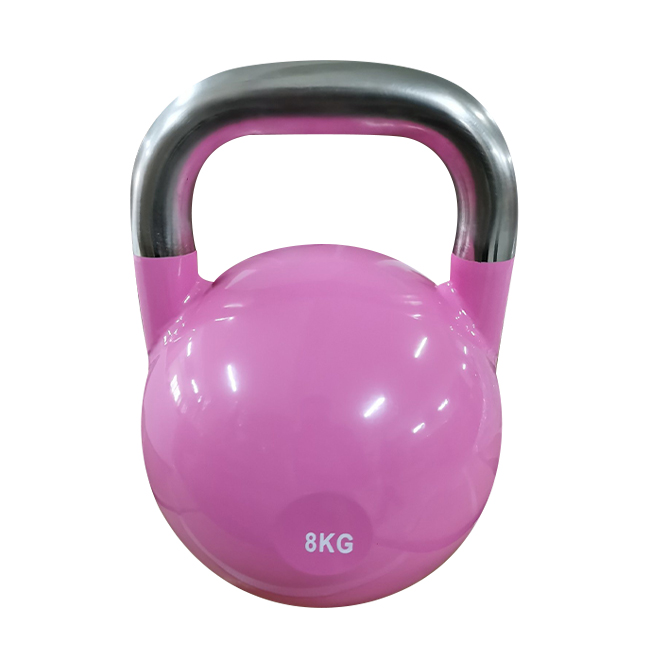
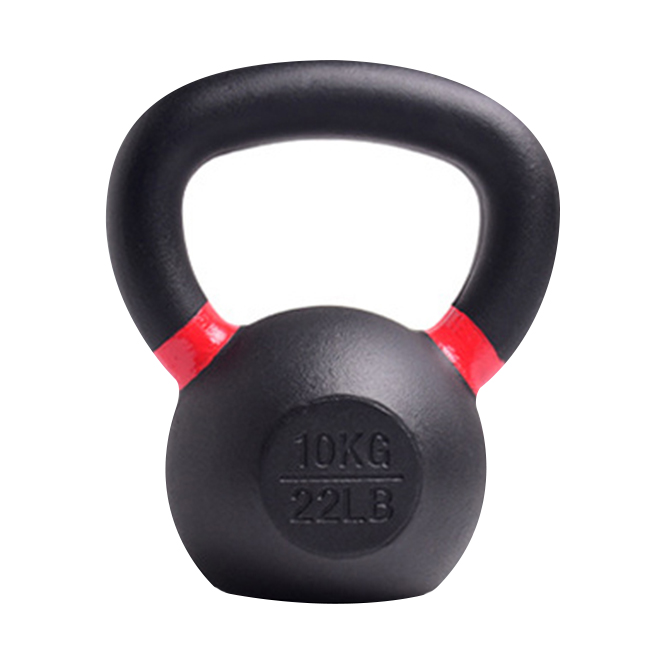
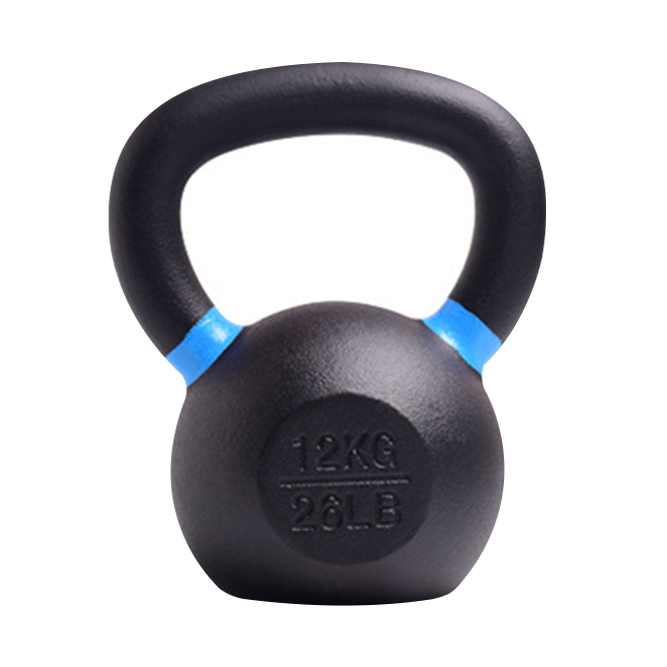
Strict adherence to color coded competition kettlebell standards ensures that every unit maintains uniform weight distribution and visual identification across international training circuits. For professional distributors and gym owners, sourcing from a reliable China factory guarantees that these color-coded visual cues align with precise technical specifications required for high-level competition and commercial use.
Inconsistent weight increments and inaccurate casting can lead to significant liability issues and diminished professional credibility. When procurement leads overlook the necessity of precision casting, they risk receiving batches with uneven density, which compromises commercial gym safety. High-performance facilities require equipment that meets exact tolerances to prevent injury and maintain the integrity of professional training protocols.
A professional commercial kettlebell OEM supplier mitigates these risks by implementing rigorous China factory QC protocols. This includes verifying weight accuracy through calibrated testing and ensuring that the color-coded coating remains durable under heavy usage. For bulk importers, prioritizing a supplier that utilizes standardized competition kettlebell manufacturing processes ensures that the landed cost reflects high-quality, long-term commercial value rather than a cheap, unreliable alternative.
Technical Specification and Material Comparison
To facilitate efficient procurement and inventory planning, it is essential to understand the technical divergence between standard cast iron and high-end competition models. A professional color coded kettlebell wholesale order should always include a detailed specification sheet to verify the material composition and coating durability. For large-scale distributors, knowing the exact weight tolerance and surface finish is critical for maintaining high standards across a global product catalog.
| Technical Specification | Standard Commercial Grade | Competition Grade (OEM Standard) |
|---|---|---|
| Material Composition | Cast Iron or Powder Coated Steel | High-Density Cast Iron or Solid Steel |
| Weight Tolerance | +/- 3% to 5% typical | +/- 1% or stricter precision |
| Surface Coating | Standard Powder Coating | High-Durability Polyurethane or Rubberized Finish |
| Visual Identification | Basic Color Markings | Standardized Color Coding Systems |
| Handle Texture | Basic Smooth or Textured | Precision Ergonomic Grip |
When evaluating color coded competition kettlebell standards, procurement officers must prioritize the longevity of the finish. Low-quality coatings often chip or peel under heavy use, increasing maintenance loads and reducing the lifespan of the equipment. By selecting a specialized commercial kettlebell OEM supplier, you ensure that the coating durability is tested against commercial friction levels, protecting your investment and reducing long-term replacement costs.
Before finalizing a bulk order, we recommend requesting a sample to verify the material density and the precision of the color coding. Our team can provide detailed technical drawings and confirm the MOQ for any custom branding requirements to ensure the final product meets your brand identity and technical standards.
When managing large-scale inventory, the integrity of the industrial coating is a primary factor in determining the total cost of ownership. A failure in the surface finish during a bulk order inspection can result in high replacement rates and damaged brand reputation for distributors. High-tier competition kettlebell manufacturing must include rigorous testing to ensure the color-coded layers can withstand high-impact environments and constant friction without chipping or fading.
For professional importers, managing weight deviation is the most critical aspect of quality control. Even a minor discrepancy in density can disrupt professional training and lead to disputes with end-users. A reputable supplier will provide certified weight verification reports for every batch, ensuring that the color coded competition kettlebell standards are met with high precision. We suggest that buyers confirm the specific weight tolerance thresholds and request a detailed pre-shipment inspection protocol to ensure every unit in your shipment aligns with your professional requirements.
The Impact of Color Coding on Commercial Lifecycle and TCO
For professional distributors and large-scale facility managers, the selection of equipment is a long-term financial decision. Adhering to strict color coded competition kettlebell standards ensures that your inventory remains globally compatible and highly functional. When sourcing from a reliable commercial kettlebell OEM supplier, the focus shifts from initial purchase price to the total cost of ownership (TCO) over several years of heavy usage.
In high-traffic training environments, non-standardized equipment leads to operational friction. If a facility uses kettlebells with inconsistent weight-to-color ratios, trainers and athletes face confusion, and procurement teams face increased replacement frequency. By prioritizing competition kettlebell manufacturing that follows international color protocols, you ensure high weight accuracy and coating durability, which directly protects your profit margins and reduces the need for frequent restocking.
Sourcing high-quality units through color coded kettlebell wholesale channels allows importers to mitigate the risks of premature wear. A high-quality China factory provides better control over the chemical composition of the coating, ensuring the colors remain vibrant and the weights remain precise even after intensive commercial use. This stability reduces the landed cost per year of service, making your initial wholesale investment significantly more efficient.
| Procurement Factor | Standard Commercial Grade | Premium Competition Standard |
|---|---|---|
| Weight Accuracy | +/- 3% to 5% tolerance | Strict +/- 1% tolerance |
| Color Consistency | Variable by batch | Standardized across all weights |
| Replacement Frequency | Moderate (due to wear/fading) | Low (high durability coatings) |
| Long-Term TCO | Higher due to frequent replacement | Lower due to extended lifecycle |
| Operational Efficiency | Manual verification often required | Instant visual weight recognition |
When evaluating your next bulk order, consider the long-term value of standardized specifications. A professional supplier should be able to provide documentation regarding their production precision and coating longevity. We recommend that buyers request a detailed spec sheet or a sample approval process to verify that the color coded competition kettlebell standards meet your specific market requirements before committing to a full container load.
Optimizing your procurement strategy requires a deep understanding of how material quality affects the long-term landed cost. While lower-tier options may offer a lower initial invoice, the lack of standardized color coded competition kettlebell standards often results in higher maintenance costs and unpredictable replacement cycles. For distributors managing large inventories, the ability to offer a consistent, high-durability product is essential for maintaining client trust and ensuring high turnover rates.
A professional China factory specializing in high-end fitness gear will prioritize the chemical stability of the paint and the precision of the casting. This level of detail ensures that the coating durability remains high, preventing the unsightly chipping or fading that often plagues generic commercial equipment. By investing in superior competition kettlebell manufacturing, you are effectively lowering your long-term operational expenses and improving the return on investment for your end-users.
Before finalizing your next shipment, we suggest confirming the specific weight tolerances and coating resistance levels with your supplier. For large-scale projects, requesting a sample for a physical audit or a pre-shipment inspection is a standard practice to ensure that the color coded kettlebell wholesale order aligns perfectly with your brand identity and quality expectations. Establishing these protocols early helps streamline the sourcing process and secures your position as a provider of premium, industry-standard training tools.
Optimizing your procurement strategy requires a deep understanding of how material quality affects the long-term landed cost. While lower-tier options may offer a lower initial invoice, the lack of standardized color coded competition kettlebell standards often results in higher maintenance costs and unpredictable replacement cycles. For distributors managing large inventories, the ability to offer a consistent, high-durability product is essential for maintaining client trust and ensuring high turnover rates.
A professional China factory specializing in high-end fitness gear will prioritize the chemical stability of the paint and the precision of the casting. This level of detail ensures that the coating durability remains high, preventing the unsightly chipping or fading that often plagues generic commercial equipment. By investing in superior competition kettlebell manufacturing, you are effectively lowering your long-term operational expenses and improving the return on investment for your end-users.
Before finalizing your next shipment, we suggest confirming the specific weight tolerances and coating resistance levels with your supplier. For large-scale projects, requesting a sample for a physical audit or a pre-shipment inspection is a standard practice to ensure that the color coded kettlebell wholesale order aligns perfectly with your brand identity and quality expectations. Establishing these protocols early helps streamline the sourcing process and secures your position as a provider of premium, industry-standard training tools.
Technical Specifications for Competition Kettlebell Manufacturing
Achieving professional consistency requires strict adherence to color coded competition kettlebell standards. For distributors and gym operators sourcing from a China factory, understanding the technical nuances of weight precision and surface integrity is essential to minimize replacement costs and ensure long-term ROI. High-tier competition kettlebell manufacturing must prioritize both physical dimensions and material stability to meet international commercial requirements.
Weight Tolerance and Precision Standards
In professional strength training, even slight deviations in mass can disrupt athlete performance and training rhythm. A reputable commercial kettlebell OEM supplier ensures that every unit falls within a strictly controlled weight tolerance, typically within a 1% to 3% margin depending on the specific weight class. This precision is vital for distributors who want to avoid client complaints regarding inconsistent equipment sets. When managing bulk wholesale orders, verifying these tolerances through a formal QC process is a non-negotiable step in the procurement cycle.
Coating Durability and Material Integrity
The longevity of a kettlebell in a high-traffic facility depends heavily on its coating durability. Standard commercial-grade units often utilize high-density polyurethane or specialized powder coating to prevent chipping and oxidation. For importers, selecting a supplier that utilizes robust, impact-resistant coatings reduces the total cost of ownership (TCO) by extending the product lifecycle. A rigorous QC protocol at the factory level should include abrasion testing to ensure the color-coded finish remains intact under heavy use, protecting the underlying cast iron or steel structure.
| Specification Category | Standard Commercial Grade | Competition-Grade Requirement |
|---|---|---|
| Weight Accuracy | +/- 5% variance common | Strict weight accuracy within +/- 1% to 3% |
| Surface Finish | Basic powder coat or paint | High-durability, impact-resistant coating |
| Visual Identification | Manual labeling or single color | Standardized color coding for instant recognition |
| Handle Texture | Generic cast texture | Smooth, consistent grip for high-frequency use |
| Dimensional Uniformity | Variable handle/body ratios | Precise, standardized dimensions for all weights |
| Procurement Focus | General gym utility | High-performance color coded kettlebell wholesale |
Selecting the right color coded competition kettlebell standards depends on whether your target market requires general fitness utility or high-level athletic performance. For specialized distributors, sourcing through color coded kettlebell wholesale channels allows for a more professional product lineup that meets the specific needs of strength athletes and professional coaching facilities.
When evaluating your next batch, it is critical to confirm if the manufacturer provides OEM/ODM capabilities to customize handle diameters or specific color palettes for your brand identity. Establishing a clear specification sheet during the initial sourcing phase ensures that the final landed cost remains predictable and that the delivered units match your quality expectations for professional competition environments.
Precision Casting and Structural Reliability
The structural integrity of a competition unit begins with the casting process. High-quality competition kettlebell manufacturing relies on advanced precision casting techniques to eliminate air pockets and internal voids that can lead to structural failure. For a professional supplier, ensuring a uniform density across all weight classes is vital to maintaining the center of gravity. This level of engineering excellence prevents the weight shifts that often occur in lower-tier products, making it a critical factor for distributors who prioritize long-term durability and reduced replacement cycles for their clients.
Industrial Coating and Export-Ready Packaging
To withstand the rigors of global transit and high-intensity commercial use, the application of a professional industrial coating is mandatory. A high-grade finish not only provides the necessary visual identification but also acts as a shield against moisture and impact. When managing large-scale color coded kettlebell wholesale orders, the risk of transit damage increases; therefore, robust export packaging is a key component of the procurement checklist. Reliable manufacturers utilize reinforced cartons and specialized palletizing to ensure high shipping durability, protecting your investment from the factory floor to the final warehouse destination. This attention to detail minimizes the risk of damaged goods upon arrival, optimizing your total landed cost and ensuring your stock is ready for immediate commercial distribution.
Optimizing Inventory with Color Coded Kettlebell Wholesale Options
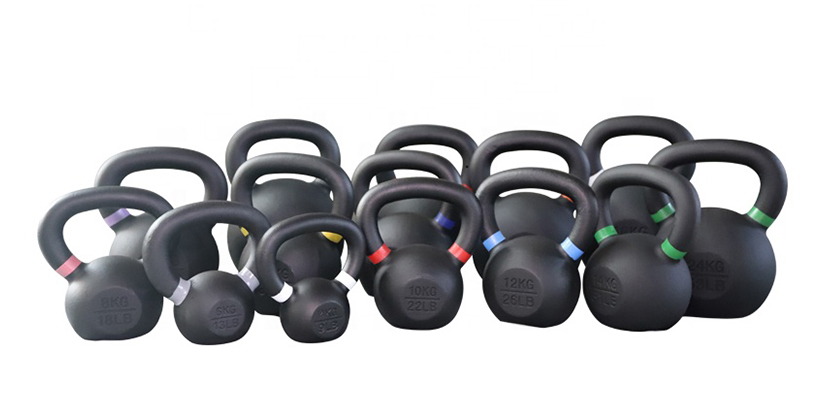
For international distributors and large-scale gym operators, efficient inventory management is a critical component of maintaining high turnover rates and reducing operational friction. Utilizing color coded competition kettlebell standards allows staff to perform rapid visual identification during high-volume training sessions or rapid restocking. When sourcing from a professional commercial kettlebell OEM supplier, ensuring that every weight increment follows a universal color-coded system reduces the likelihood of user error and minimizes the time required for equipment organization in professional strength facilities.
Standardized coding is not merely an aesthetic choice; it is a logistical tool that improves the efficiency of your warehouse and retail floor. By implementing color coded kettlebell wholesale solutions that adhere to strict weight accuracy protocols, importers can guarantee that the physical weight and the visual indicator are perfectly aligned. This consistency is vital for maintaining the reputation of your brand and ensuring long-term durability in high-traffic environments.
| Procurement Model | Inventory Control Level | Stocking Complexity | Primary Benefit |
|---|---|---|---|
| Standard Wholesale | Moderate | Low - Pre-set weight increments | Rapid deployment and immediate availability |
| Custom OEM/ODM | High | Medium - Specific color/branding requests | Enhanced brand identity and market differentiation |
| Private Label Bulk | Maximum | High - Full control over weight ranges | Optimized for specific regional competition standards |
When planning your next procurement cycle, consider how standardized color coding impacts your total landed cost by reducing replacement needs and improving the speed of your distribution workflows. Whether you are ordering via a wholesale model or requesting a custom OEM production run, verifying these specifications with your factory is essential for long-term ROI.
Evaluating the logistical impact of your order requires a clear understanding of how sourcing models affect your bottom line. For distributors managing high-volume logistics, the difference between generic bulk shipments and specialized competition kettlebell manufacturing can significantly alter your long-term operational margins. A standardized approach ensures that your stock remains organized and compliant with international expectations, reducing the hidden costs of inventory errors.
| Sourcing Strategy | Warehouse Efficiency | Landed Cost Impact | Quality Control Focus |
|---|---|---|---|
| Non-Standardized Bulk | Low - High risk of mixing weights | Variable - Higher replacement costs | Basic physical weight check |
| Standardized Color-Coded Sets | High - Rapid visual sorting | Stable - Optimized for distribution | Standardized visual/weight alignment |
| Customized competition kettlebell manufacturing | Maximum - Precision-engineered sets | Predictable - Based on specific SKU requirements | Rigorous multi-stage QC standards |
To maintain a competitive edge, professional buyers should evaluate the total value of a shipment beyond the initial invoice. While non-standardized options might appear cost-effective at first glance, the lack of consistent color coded competition kettlebell standards often leads to increased labor costs during unboxing, sorting, and eventual redistribution. By prioritizing a supplier that offers standardized, color-coded sets, you streamline your warehouse efficiency and ensure a much smoother path from the container to the end-user. We recommend requesting a detailed spec sheet and confirming the specific QC standards applied to your batch before finalizing your bulk order.
To maintain a competitive edge, professional buyers should evaluate the total value of a shipment beyond the initial invoice. While non-standardized options might appear cost-effective at first glance, the lack of consistent color coded competition kettlebell standards often leads to increased labor costs during unboxing, sorting, and eventual redistribution. By prioritizing a supplier that offers standardized, color-coded sets, you streamline your warehouse efficiency and ensure a much smoother path from the container to the end-user. We recommend requesting a detailed spec sheet and confirming the specific QC standards applied to your batch before finalizing your bulk order.
Customization and Private Labeling via Commercial Kettlebell OEM Supplier
For distributors and high-end studio owners, generic equipment often fails to differentiate a premium facility. Utilizing a professional commercial kettlebell OEM supplier allows you to move beyond standard stock units to develop a specialized product line. By leveraging color coded competition kettlebell standards, you can ensure your equipment meets international competition requirements while simultaneously building a recognizable brand identity through custom color schemes and high-grade finishes.
Strategic private label programs offer more than just a logo; they provide extensive customization options regarding handle texture, weight tolerance, and coating durability. When sourcing through a China factory, buyers can integrate specific design elements that align with their market positioning. Whether you require unique powder coating colors for specific weight increments or custom etched branding, these ODM services ensure your inventory stands out in a competitive wholesale market. This level of customization helps justify premium pricing and strengthens long-term client loyalty.
Technical Specification Comparison for Bulk Customization
Selecting the right competition kettlebell manufacturing partner requires a clear understanding of how technical variables impact your landed cost and product differentiation. Professional buyers must evaluate whether a commercial kettlebell OEM supplier can maintain strict color coding accuracy across large production runs. Inconsistency in color shades between different weight sets can diminish the perceived value of a premium collection and impact your brand reputation.
| Customization Feature | Standard Wholesale Option | Premium OEM/ODM Specification |
|---|---|---|
| Color Coding Accuracy | Basic color matching | Strict adherence to international competition standards |
| Handle Texture | Standard smooth/knurled | Customized ergonomic texture or specialized grip |
| Weight Tolerance | Standard industrial range | High-precision/Strict competition-grade tolerance |
| Branding Method | Standard silk screen | Laser etching, embossed casting, or custom decals |
| Minimum Order Quantity | High volume only | Tiered MOQ for specialized colors |
Effective competition kettlebell manufacturing involves more than aesthetic changes; it requires precise control over the casting and coating processes. For example, a China factory can offer specialized handle textures to improve grip performance under high-intensity use, which is a critical selling point for professional training centers. When calculating your procurement budget, consider how these custom technical specs—such as enhanced weight tolerance and specialized coatings—will affect your long-term maintenance load and overall product durability in a commercial environment.
To ensure your specific requirements are met, we recommend requesting a detailed technical spec sheet or a sample evaluation before committing to a full production run. Our OEM process allows you to confirm color samples and handle feel to ensure they align with your brand expectations. Contact us to discuss your specific MOQ, potential lead time for customized orders, and how our ODM capabilities can support your product development goals.
Optimizing your supply chain requires a clear understanding of how color coded competition kettlebell standards influence both production complexity and final delivery. When engaging in color coded kettlebell wholesale, buyers must account for the specialized logistics involved in managing custom color palettes. Unlike standard black iron kettlebells, competition-grade units with specific color-coded weight increments require rigorous color-matching protocols to ensure that a 12kg unit from one batch perfectly matches the shade of a 12kg unit from a subsequent production cycle.
For professional importers, the decision to move from standard stock to a factory-direct customized model depends heavily on balancing the landed cost against the potential for higher distributor margin. While highly customized specifications may slightly increase the initial unit price, the ability to offer a proprietary, high-spec product line can significantly differentiate your catalog in the premium fitness market. We recommend evaluating the total cost of ownership, including potential replacement rates and the value of a cohesive, branded aesthetic for your clients.
To mitigate procurement risks, ensure your sourcing strategy includes a formal request for export packaging specifications. High-density, color-coded equipment requires specialized protection to prevent coating abrasions during long-distance sea freight. Confirming that your supplier utilizes reinforced, moisture-resistant packaging is a vital step in protecting your investment and ensuring that your shipment arrives in showroom-ready condition, ready for immediate commercial deployment.
Quality Control and Export Standards for China Factory Orders
Maintaining strict adherence to color coded competition kettlebell standards is critical for distributors to avoid commercial liability and product returns. When sourcing high-volume orders, any deviation in weight accuracy can compromise the integrity of a professional training facility. A reliable China factory must implement rigorous QC protocols to ensure every unit meets the specific weight tolerance required for sanctioned competition play.
For professional importers, the risk of receiving inconsistent batches from a sub-standard supplier can lead to significant logistical headaches and damaged reputations. High-tier commercial gym requirements demand that color-coded identification remains precise and durable, even under heavy use. By prioritizing competition kettlebell manufacturing that utilizes advanced calibration techniques, buyers can ensure their wholesale inventory maintains a premium market position with minimal replacement costs.
Technical Specification Comparison for Professional Procurement
To mitigate the risks associated with bulk sourcing, procurement officers should evaluate technical data sheets against industry-standard benchmarks. Discrepancies in weight accuracy or coating durability often emerge when working with low-tier manufacturers who lack specialized competition kettlebell manufacturing capabilities. The following table outlines the essential inspection standards required to ensure your wholesale order meets international professional requirements.
| Metric Category | Standard Commercial Spec | Professional Competition Grade | B2B Procurement Impact |
|---|---|---|---|
| Weight Deviation | +/- 3% to 5% tolerance | +/- 1% precision tolerance | High precision reduces replacement claims |
| Coating Integrity | Standard powder coat | High-density, impact-resistant finish | Ensures long-term coating durability |
| Color Consistency | Variable batch colors | Strict color-coded identification | Essential for color coded competition kettlebell standards |
| Surface Texture | Basic matte finish | Uniform, non-slip textured grip | Reduces liability and maintenance load |
When finalizing your B2B procurement checklist, do not rely solely on price-per-unit metrics. A comprehensive color coded kettlebell wholesale strategy must account for the total cost of ownership, including the durability of the finish and the precision of the weight. We recommend requesting a sample approval and a full factory audit to confirm that the commercial kettlebell OEM supplier can consistently deliver on these technical benchmarks before proceeding with large-scale production or container loading.
Optimized Export Packaging and Global Logistics Management
For international distributors, the final stage of the procurement process is as critical as the initial production run. Even the highest quality color coded competition kettlebell standards can be undermined by inadequate export packaging. Heavy, high-density iron products require specialized handling to prevent damage during long-haul maritime transit. A professional China factory must utilize reinforced, heavy-duty corrugated boxes and high-strength palletizing techniques to ensure maximum shipping durability throughout the global supply chain.
Efficient bulk order logistics planning is essential to protect your margins and minimize the landed cost of goods. We recommend that buyers coordinate closely with their supplier to optimize container loading patterns, ensuring that weight distribution is balanced and that products are secured against impact. By implementing strict lead time management and verifying pre-shipment inspection reports, importers can avoid the common pitfalls of delayed arrivals or damaged inventory. Whether you are executing a standard wholesale order or a complex OEM project, ensuring robust packaging and predictable shipping schedules is vital for maintaining a reliable distribution network.
Strategic Sourcing: MOQ and Lead Time Management
When sourcing high-end strength equipment, procurement professionals must recognize that color coded competition kettlebell standards require more rigorous production oversight than standard cast iron units. Maintaining precise weight tolerances alongside consistent, high-grade color coatings increases manufacturing complexity, as each weight increment requires specific calibration and curing cycles. For distributors and large-scale gym operators, understanding these technical requirements is essential to avoid unexpected delays in the supply chain.
Efficient production scheduling is the cornerstone of a reliable partnership with a China factory. Because achieving perfect color uniformity across a full weight spectrum involves multi-stage painting and inspection processes, the lead time impact can be significant compared to non-standardized products. To maintain optimal inventory turnover and avoid stockouts, professional buyers should plan bulk orders well in advance of seasonal demand peaks. We recommend discussing your specific volume requirements early to align color coded competition kettlebell standards with our optimized manufacturing workflows, ensuring your wholesale shipments arrive on schedule and meet all international commercial specifications.
Evaluating Sourcing Models: Stock vs. Custom Production
Choosing between immediate availability and customized branding is a critical decision for your landed cost and market positioning. For many distributors, the choice depends on whether the priority is rapid replenishment or long-term brand identity. A professional commercial kettlebell OEM supplier will typically offer two distinct pathways: purchasing from existing stock for speed, or initiating a full production cycle for specialized requirements.
The following table outlines the operational differences between these two models to help you determine the best fit for your current procurement cycle and inventory strategy.
| Sourcing Model | Typical MOQ | Average Lead Time | Shipping Speed | Customization Level |
|---|---|---|---|---|
| Standard Stock Orders | Low (per weight set) | Short (7–14 days) | Rapid (Air/Sea) | Minimal (Standard Colors) |
| color coded kettlebell wholesale | Medium (Full Sets) | Moderate (30–45 days) | Standard (Sea Freight) | Moderate (Standard Specs) |
| competition kettlebell manufacturing | High (Custom Volume) | Extended (60+ days) | Planned (Sea/Container) | Maximum (Full OEM/ODM) |
When your business requires strict adherence to color coded competition kettlebell standards with specific brand markings or unique coating textures, the custom manufacturing route is necessary. While this requires a higher MOQ and longer lead times, it provides the highest level of control over product differentiation and quality consistency. We suggest reviewing your annual volume projections and requesting a formal quote to confirm how these timelines and sourcing requirements align with your distribution or facility launch schedule.
Optimizing your total landed cost requires a deep understanding of how competition kettlebell manufacturing affects logistics and final margins. For professional importers, the goal is to balance the premium nature of color-coded units with the economic efficiencies of container-load shipping. Relying on a single-unit purchase model often leads to higher per-unit freight costs and inconsistent quality control, whereas structured bulk procurement allows for more predictable shipping efficiency and better cost-averaging across your entire product catalog.
To ensure a seamless transition from the factory floor to your warehouse, we implement rigorous QC protocols that focus on both weight accuracy and coating adhesion. This prevents the common procurement headache of receiving shipments with chipped paint or off-spec weights, which can devastate your distributor margins. By integrating these checks during the production phase, we stabilize the bulk order logistics process, ensuring that every container meets the expected commercial grade before it leaves the port. We invite you to contact our team to discuss your specific MOQ, request a detailed spec sheet, or schedule a factory audit to verify our quality assurance standards for your next large-scale order.