Foundry Fitness Equipment Manufacturing Process: Export
Foundry Fitness Equipment Manufacturing Process: Essential Overview for Importers
The foundry fitness equipment manufacturing process involves casting molten metal into high-precision molds to create dense, seamless, and heavy-duty training tools. For global distributors and gym owners, choosing this method ensures equipment can withstand extreme commercial use, effectively lowering the total cost of ownership through superior longevity.
When sourcing heavy lifting tools, understanding the technical nuances of commercial cast iron production is vital for managing long-term replacement costs. A high-quality China factory utilizes precision cooling and specialized alloy additives to create high-density iron. This density prevents structural cracking and surface degradation, ensuring that your bulk order maintains its structural integrity even in high-intensity training environments.
For professional buyers, the primary advantage of this manufacturing standard is the reduction of maintenance-related downtime. By partnering with a specialized gym equipment OEM manufacturer, importers can secure products that meet rigorous international commercial standards. This focus on material density and casting precision directly impacts your bottom line by extending the lifecycle of the gear, thereby improving the overall ROI for your clients and end-users.
Technical Comparison: Commercial Grade vs. Standard Casting
To optimize your sourcing strategy, it is essential to distinguish between high-grade foundry outputs and standard casting methods. For professional importers, the difference in material density and surface finish directly dictates the long-term maintenance load and the durability of the product in a commercial setting. Evaluating these technical specifications helps in determining the true landed cost and the long-term value of your bulk order.
| Technical Specification | Standard Casting (Light/Home Use) | Commercial Foundry Process (Professional Grade) |
|---|---|---|
| Material Density | Lower density; prone to internal air pockets | High density; optimized for impact resistance |
| Surface Finish | Rougher texture; inconsistent coating adhesion | Smooth, uniform finish; superior for powder coating |
| Structural Integrity | Susceptible to stress fractures under heavy use | High structural stability for high-traffic environments |
| Maintenance Frequency | Higher; requires frequent inspection/replacement | Lower; engineered for long-term commercial durability |
| Primary Sourcing Use | Retail or light residential markets | Professional gym, studio, and distributor wholesale |
Understanding these variables allows procurement leads to make informed decisions when evaluating a foundry fitness equipment manufacturing process. While standard options may offer lower upfront costs, the high-grade commercial cast iron production utilized by a professional gym equipment OEM manufacturer provides a much higher return on investment through reduced replacement cycles and lower operational overhead for your end-users.
Optimizing Logistics and Bulk Order Reliability
For professional importers, the technical excellence of the foundry fitness equipment manufacturing process must be matched by rigorous logistical standards. A single deviation in dimensional accuracy or a failure in the quality control (QC) protocol can result in significant shipping stability issues, increasing the risk of damaged goods and higher landed costs during transit. To mitigate these risks, a professional gym equipment OEM manufacturer implements a multi-stage inspection framework that spans from raw material testing to final pre-shipment verification.
Reliability in a bulk order is not just about the product itself, but the precision of the entire supply chain. High-tier commercial cast iron production requires strict monitoring of cooling rates and mold tolerances to ensure every unit meets exact weight and size specifications. When a China factory maintains these standards, it ensures that heavy, dense products are packaged for maximum stability, reducing the chance of container shifts and ensuring that the shipment arrives at the destination with zero structural defects. For distributors, this level of precision translates to lower insurance claims, smoother customs clearance, and a more dependable inventory turnover.
To ensure long-term success in your procurement cycle, we recommend that buyers engage with our sourcing team early to confirm specific requirements. Whether you are looking to optimize your MOQ for a new product line, request a detailed spec sheet for a private label project, or schedule a factory audit to verify our QC procedures, our team is ready to support your growth. Contact us today to discuss your bulk pricing requirements and how our export-ready manufacturing can support your commercial distribution goals.
Optimizing Commercial Floor Layout via Casting Precision
A sophisticated foundry fitness equipment manufacturing process ensures that every piece of gear maintains a consistent, predictable profile. For distributors and gym operators, this precision is critical for maximizing usable square footage. When sourcing from a professional China factory, understanding how high-precision commercial cast iron production affects the final dimensions allows for more efficient floor planning and higher density in weight rooms.
Standardized casting reduces the dimensional variance often found in lower-tier manufacturing. This reliability is essential when calculating the total footprint of a functional training area or a heavy lifting zone. By minimizing the "buffer space" required between irregular-shaped items, professional buyers can achieve higher space optimization and better footprint efficiency across their entire facility layout.
| Procurement Dimension | High-Precision Casting (OEM/ODM) | Standard Commercial Casting |
|---|---|---|
| Dimensional Consistency | High (Uniform dimensions) | Moderate (Minor variances) |
| Floor Layout Planning | Predictable/Optimized | Variable/Requires Buffer |
| Storage Density | High (Stackable/Nested) | Moderate |
| Sourcing Value | Long-term TCO Efficiency | Lower Initial Capex |
When managing large-scale wholesale orders, the ability to stack or nest equipment predictably directly impacts both your facility's layout and your shipping container utilization. We recommend that procurement leads request technical spec sheets to confirm exact dimensions before finalizing bulk sourcing decisions.
Selecting a reliable gym equipment OEM manufacturer involves more than just comparing unit prices; it requires evaluating the long-term utility of the hardware. A high-precision foundry fitness equipment manufacturing process provides a distinct advantage in high-density environments where every square meter of floor space translates to revenue. By ensuring uniform thickness and standardized edges, high-end production allows for tighter, safer configurations in commercial weight rooms.
For international distributors, the technical precision of the casting process also affects the total landed cost by optimizing container loading density. A well-executed commercial cast iron production cycle results in pieces that are more easily stackable and nestable. This precision reduces the risk of dimensional inconsistencies that can lead to wasted space in both the shipping container and the final facility layout. Before finalizing your next bulk order, we suggest requesting a sample or a detailed technical drawing to verify how these dimensions align with your specific floor planning requirements and to confirm your target MOQ.
Selecting a reliable gym equipment OEM manufacturer involves more than just comparing unit prices; it requires evaluating the long-term utility of the hardware. A high-precision foundry fitness equipment manufacturing process provides a distinct advantage in high-density environments where every square meter of floor space translates to revenue. By ensuring uniform thickness and standardized edges, high-end production allows for tighter, safer configurations in commercial weight rooms.
For international distributors, the technical precision of the casting process also affects the total landed cost by optimizing container loading density. A well-executed commercial cast iron production cycle results in pieces that are more easily stackable and nestable. This precision reduces the risk of dimensional inconsistencies that can lead to wasted space in both the shipping container and the final facility layout. Before finalizing your next bulk order, we suggest requesting a sample or a detailed technical drawing to verify how these dimensions align with your specific floor planning requirements and to confirm your target MOQ.
Comparing Casting Methods for Commercial Gym Gear
Understanding the technical nuances of the foundry fitness equipment manufacturing process is vital for distributors managing long-term product liability and replacement costs. When sourcing high-volume orders, the choice between casting techniques directly impacts the structural integrity and the total cost of ownership (TCO) for your end-users.
The foundry fitness equipment manufacturing process typically utilizes two primary methods: sand casting and die casting. For professional buyers, the distinction is not merely technical but economic, affecting everything from initial MOQ requirements to the durability of the finished unit in high-traffic environments. While one method offers superior density for heavy-duty gear, the other provides higher precision for specialized components.
| Procurement Factor | Sand Casting (Heavy Duty) | Die Casting (Precision/High Volume) |
|---|---|---|
| Structural Density | High (Ideal for heavy weights) | Moderate (Better for thin-walled parts) |
| Surface Finish | Textured/Grainy | Smooth/Refined |
| Typical Application | commercial cast iron production | Lightweight accessory components |
| TCO (Long-term) | Lower maintenance/High durability | Higher precision/Specific use cases |
| Production Speed | Slower/Batch-oriented | Rapid/Continuous production |
For importers seeking a reliable gym equipment OEM manufacturer, selecting the correct method ensures that the product meets the rigorous demands of commercial facilities. A professional China factory will provide specific material certifications to prove that the engineering precision used in commercial cast iron production meets international safety standards for weight distribution and impact resistance.
When evaluating your next wholesale shipment, confirm with your supplier whether the casting method aligns with your target market's durability expectations. We recommend requesting a technical spec sheet or a sample approval to verify the density and finish before proceeding with large-scale sourcing.
Selecting the appropriate method involves balancing the initial tooling investment against the long-term scalability of your product line. For instance, when a gym equipment OEM manufacturer develops heavy-duty weight plates, the higher initial setup for certain molds is offset by the massive volume efficiency in high-capacity production runs.
Procurement managers must also account for the relationship between complexity and the final landed cost. While sand casting is the standard for high-mass items, precision-engineered parts often require different thermal management to avoid structural flaws. To ensure your inventory meets commercial-grade standards, always verify the manufacturer's capability to handle both high-density and high-precision requirements within a single production cycle.
Before finalizing a bulk purchase, we suggest contacting your supplier to confirm the specific MOQ for customized molds and to review the expected lead time for specialized runs. A thorough factory audit or a request for a pre-shipment sample is the most effective way to ensure the final product aligns with your brand's quality benchmarks.
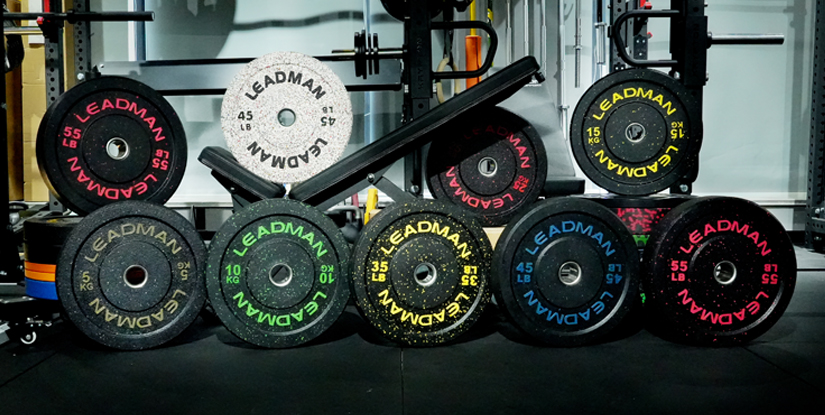
Selecting the appropriate method involves balancing the initial tooling investment against the long-term scalability of your product line. For instance, when a gym equipment OEM manufacturer develops heavy-duty weight plates, the higher initial setup for certain molds is offset by the massive volume efficiency in high-capacity production runs.
Procurement managers must also account for the relationship between complexity and the final landed cost. While sand casting is the standard for high-mass items, precision-engineered parts often require different thermal management to avoid structural flaws. To ensure your inventory meets commercial-grade standards, always verify the manufacturer's capability to handle both high-density and high-precision requirements within a single production cycle.
Before finalizing a bulk purchase, we suggest contacting your supplier to confirm the specific MOQ for customized molds and to review the expected lead time for specialized runs. A thorough factory audit or a request for a pre-shipment sample is the most effective way to ensure the final product aligns with your brand's quality benchmarks.
China Factory Capabilities: OEM and Private Label Standards
To maintain a competitive edge in the global fitness market, distributors and gym owners must look beyond standard stock items. A professional foundry fitness equipment manufacturing process allows for deep integration of a buyer's unique vision into physical products. By leveraging a specialized China factory, importers can transition from simple sourcing to building a recognizable market presence through high-level OEM and ODM services.
The strategic value of these services lies in the ability to control the technical specifications of commercial cast iron production. Whether you require specific weight increments, unique handle textures, or a distinct aesthetic, a capable supplier provides the custom molds necessary to differentiate your catalog. This level of customization ensures that your private label products are not just generic commodities, but branded assets that reinforce your brand identity in the eyes of professional end-users.
For large-scale distributors, utilizing an ODM approach can significantly reduce the R&D burden. Instead of developing new designs from scratch, you can work with an established factory to refine existing high-performance templates. This streamlined foundry fitness equipment manufacturing process optimizes the transition from a conceptual design to a finished, export-ready product, ensuring that your bulk orders meet both international durability standards and your specific market positioning.
Comparing Stock Procurement vs. Custom Production Models
Deciding between purchasing ready-to-ship inventory and initiating a custom production run is a critical pivot point for any procurement manager. While standard stock orders offer speed, they often limit your ability to build a unique brand presence. In contrast, a specialized gym equipment OEM manufacturer provides the technical infrastructure required to scale a proprietary product line that meets specific regional or professional demands.
The following table outlines the operational differences between standard wholesale purchasing and full-scale customization to assist in your sourcing strategy and landed cost calculations.
| Procurement Dimension | Standard Stock Orders | Custom OEM/ODM Production |
|---|---|---|
| Customization Level | Limited to standard colors/weights | Full control over molds and specs |
| Design Control | Fixed factory specifications | High: Custom branding and textures |
| Branding Options | Generic or standard logo placement | Full private label integration |
| Typical MOQ | Lower thresholds for rapid replenishment | Higher requirements for custom tooling |
| Lead Time | Short: Dependent on current inventory | Extended: Includes mold and casting cycles |
| Production Focus | Rapid fulfillment of existing SKUs | Precision commercial cast iron production |
When evaluating your next batch, consider whether your market requires a high-turnover, low-risk stock model or a differentiated, high-margin branded solution. A professional foundry fitness equipment manufacturing process ensures that even with complex customization, the structural integrity of the cast iron remains consistent across all high-volume shipments. Before proceeding with a large-scale commitment, we recommend requesting a detailed specification sheet or a sample approval to verify that the production output aligns with your quality control standards.
Managing the transition from a completed casting to a container-ready shipment is where many procurement errors occur. For distributors handling high-volume imports, the complexity of the foundry fitness equipment manufacturing process extends far beyond the mold itself. A failure in the final stages—such as improper weight verification or inadequate protection—can lead to significant increases in your landed cost through damaged goods or non-compliance with international weight standards.
To mitigate these risks, a professional gym equipment OEM manufacturer implements a multi-layered inspection protocol. This begins with rigorous weight tolerance testing to ensure every unit meets the exact specification required for commercial use. Following this, a thorough visual audit checks for surface imperfections or casting flaws that could compromise the professional appearance of your branded products. This systematic approach ensures that the high-quality output of the commercial cast iron production phase is preserved throughout the entire supply chain.
Efficient shipping and container loading are equally critical for optimizing your logistics budget. High-density items like cast iron equipment require strategic palletization and specialized export packaging to withstand the stresses of maritime transport. A competent China factory will utilize reinforced cartons, moisture-resistant wrapping, and heavy-duty palletizing to maximize space efficiency and protect the integrity of the product. This attention to detail minimizes the risk of damage during transit and ensures that your bulk orders arrive at your warehouse or distribution center in pristine, ready-to-sell condition.
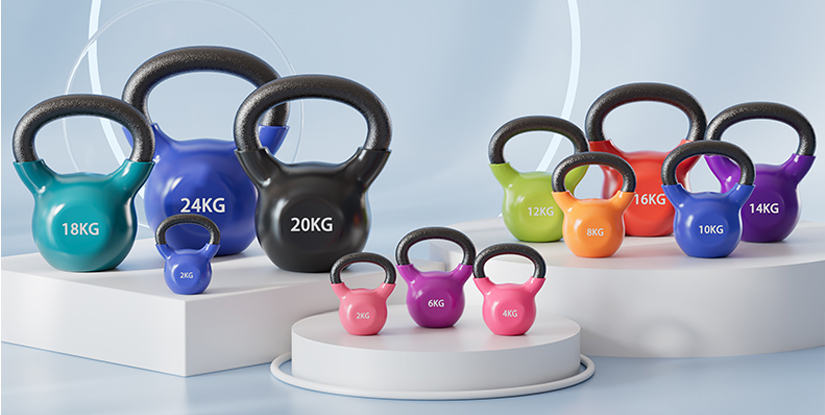
When planning your next procurement cycle, we recommend coordinating closely with your supplier to confirm the specific export packaging requirements and container loading plans. Proactive communication regarding weight distribution and volume optimization can help you refine your shipping efficiency and better manage your total landed cost. We invite you to request a detailed quote or discuss your specific MOQ and lead time requirements to ensure your logistics framework is fully aligned with your distribution goals.
Quality Control and Pre-Shipment Inspection Protocols
Maintaining strict oversight during the foundry fitness equipment manufacturing process is essential for distributors to minimize the total cost of ownership and avoid the high expense of replacement cycles. For professional buyers sourcing bulk orders, a single batch of defective iron components can lead to significant revenue loss and damaged reputation. By implementing rigorous quality assurance protocols at the source, a China factory ensures that every unit meets the heavy-duty durability standards required for high-traffic commercial environments.
A professional gym equipment OEM manufacturer integrates inspection points throughout the entire commercial cast iron production cycle. This includes checking raw material purity, mold integrity, and cooling rates to prevent structural micro-cracks. Beyond the casting stage, a comprehensive factory-direct inspection involves physical weight verification, dimensional tolerance checks, and surface finish assessments. For importers managing large-scale wholesale shipments, these checkpoints are non-negotiable to ensure that the landed product matches the approved sample perfectly, protecting your profit margins and long-term reliability.
Standardized Inspection Stages and Protocols
To ensure high-volume reliability, the foundry fitness equipment manufacturing process relies on a multi-stage verification system. This rigorous oversight begins with raw material testing to confirm iron purity and ends with a final pre-shipment inspection conducted before container loading. For a professional gym equipment OEM manufacturer, these steps are critical to ensuring that the bulk shipments arriving at your warehouse or distribution center meet exact specifications without deviation.
The following table outlines the standard inspection protocols utilized to maintain consistency across large-scale production runs. This transparency allows importers and distributors to evaluate the technical capabilities of their supplier before committing to a large-scale wholesale order.
| Inspection Stage | Primary Focus Area | Standard Metric & Tolerance | B2B Sourcing Importance |
|---|---|---|---|
| Raw Material Verification | Chemical composition and purity | Iron grade compliance | Prevents structural failure in commercial use |
| Casting & Mold Check | Mold integrity and cooling rate | Visual surface smoothness | Ensures consistent product aesthetics |
| Material Testing | Density and structural density | Hardness and fracture resistance | Reduces long-term maintenance and replacement costs |
| Dimensional Accuracy | Handle diameter and body shape | Strict millimetric tolerances | Ensures ergonomic consistency for users |
| Weight Tolerance | Unit mass accuracy | Standardized percentage deviation | Critical for professional weight compliance |
| Final Pre-shipment Inspection | Finished product and packaging | Visual defects and shipping durability | Minimizes damage during international transit |
When managing international logistics, we recommend that buyers request a detailed QC checklist or a sample approval report prior to the final container loading. Confirming these technical specifications early helps streamline the sourcing process and ensures your landed cost remains predictable by avoiding costly returns or quality-related disputes.
Logistics and Export Packaging for Heavy Cast Iron
Managing the foundry fitness equipment manufacturing process requires rigorous attention to the final logistics stage to protect your investment. For distributors and professional importers, the primary risk during long-haul sea freight is structural damage or surface degradation caused by improper handling of high-density materials. A professional China factory must implement specialized protocols to ensure that bulk shipments arrive at your warehouse in pristine, sellable condition.
To mitigate these risks, high-quality commercial cast iron production facilities utilize heavy-duty wooden crates and reinforced palletization. Each unit is secured to prevent shifting during ocean transit, ensuring maximum sea freight stability. By adhering to strict China factory export standards, we focus on minimizing breakage/scratches through multi-layer protective wrapping. This systematic approach to volume optimization not only protects the integrity of the iron but also maximizes container utilization, directly reducing your total landed cost per unit during wholesale procurement.
Shipping Mode and Packaging Configuration Comparison
Selecting the optimal shipping method is a critical decision for any gym equipment OEM manufacturer partner. The choice between air and sea transit impacts not only your lead time but also your total landed cost and the required volume of protective packaging. For heavy, high-density items resulting from the foundry fitness equipment manufacturing process, the weight-to-volume ratio must be carefully calculated to prevent excessive freight charges and ensure structural safety during transit.
The following table provides a comparison of standard B2B packaging and shipping configurations to assist in your procurement planning and budget forecasting.
| Shipping Mode | Typical Packaging Type | Weight/Volume Impact | Protection Level | Best Use Case |
|---|---|---|---|---|
| Sea Freight | Reinforced wooden crates or heavy-duty pallets | High weight density; optimized for full container loads | Maximum; designed for long-duration ocean transit | Bulk orders and high-volume wholesale distribution |
| Air Freight | Lightweight corrugated boxes or slim wooden frames | High sensitivity to volume and dimensional weight | Moderate; focused on rapid transit and speed | Small sample batches or urgent OEM restocking |
| LCL (Less than Container Load) | Standardized export cartons and pallets | Medium; depends on shared container space | Standard; requires careful stacking protocols | Diversified sourcing for varied product lines |
When calculating your final procurement budget, we recommend requesting a detailed packing list from your supplier. This allows you to evaluate the exact cubic meter (CBM) requirements and weight limits for your specific container type, ensuring your landed cost optimization strategy remains effective for large-scale imports.
Optimizing Container Loading and Documentation for Bulk Imports
Efficient logistics coordination is the final pillar of a successful foundry fitness equipment manufacturing process. For large-scale distributors, the difference between a profitable margin and a loss often lies in the precision of container loading optimization. Because cast iron products possess high density but relatively low volume, maximizing every cubic meter of a 20ft or 40ft container is essential to lowering the landed cost per unit. A professional China factory will provide detailed loading plans that balance weight distribution and spatial efficiency to prevent damage and reduce shipping overhead.
Beyond physical loading, meticulous attention to customs documentation is required to prevent costly port delays. Ensuring that all commercial invoices, packing lists, and certificates of origin are accurate and compliant with North American import regulations is a standard part of our professional wholesale service. This rigor ensures that your bulk order moves seamlessly from the factory floor to your local distribution center without unexpected administrative friction. To ensure your procurement strategy is fully optimized, we recommend confirming your specific volume requirements and requesting a formal quote to verify the current bulk order lead time for your designated product mix.