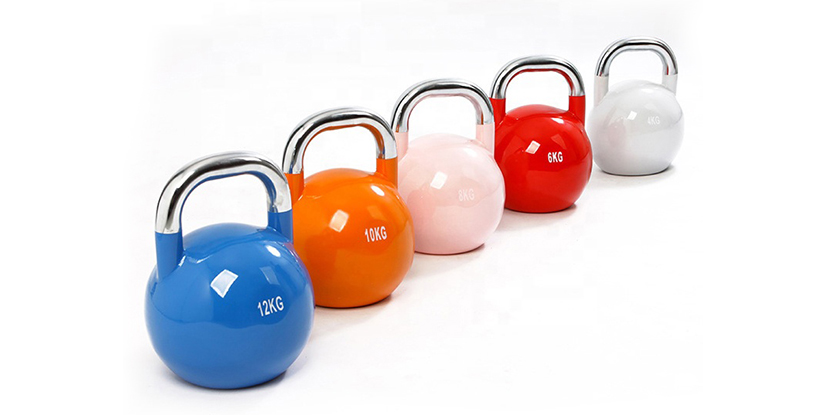
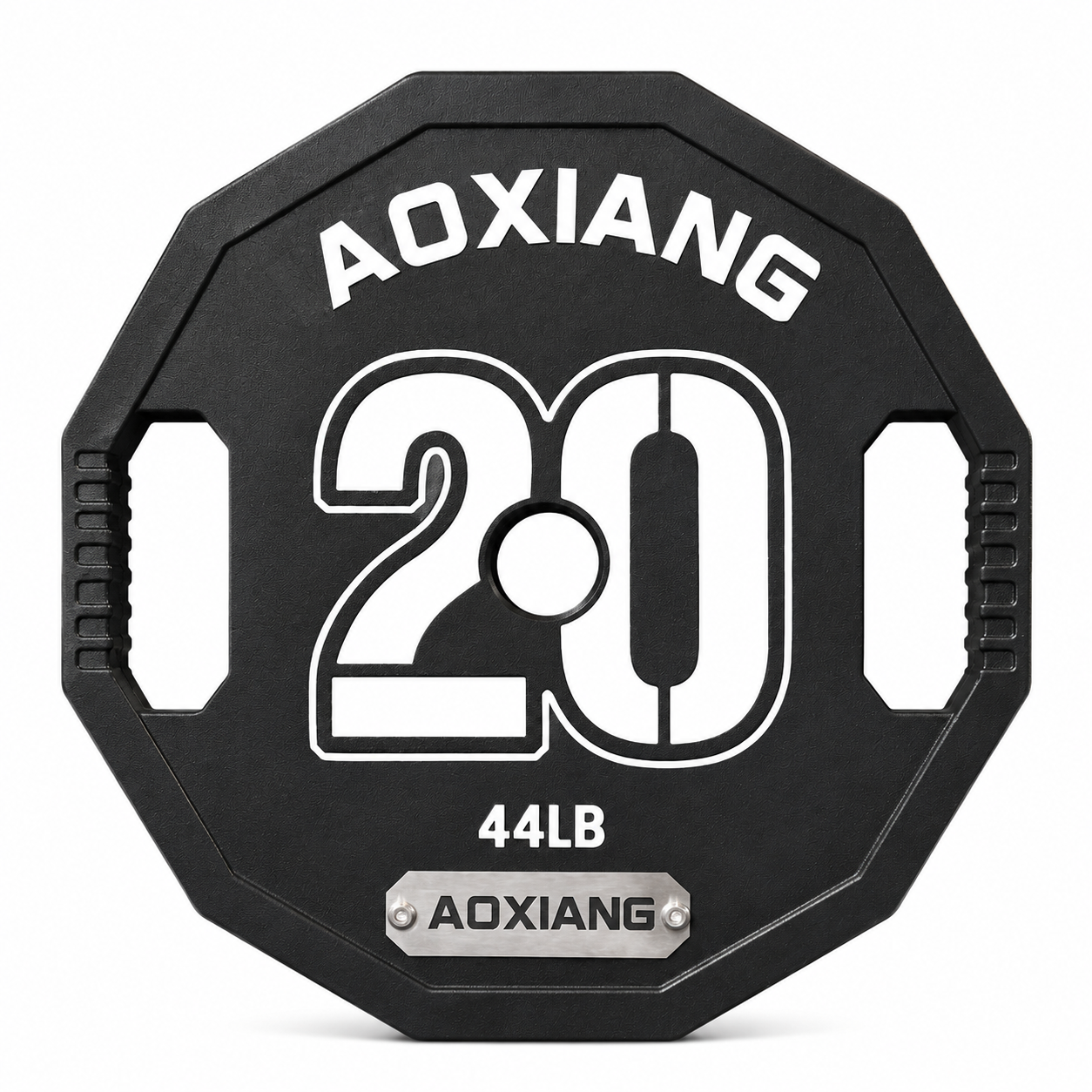
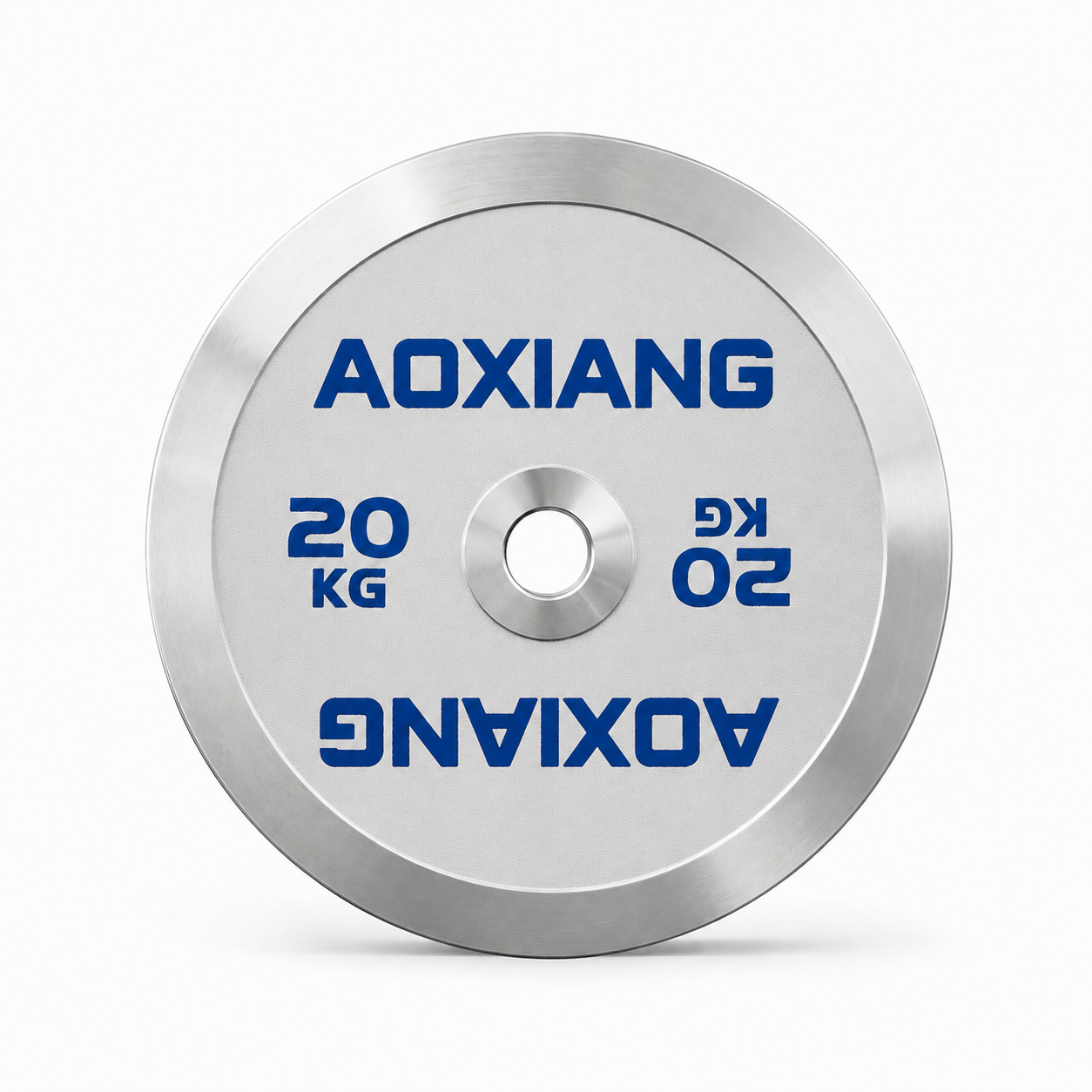
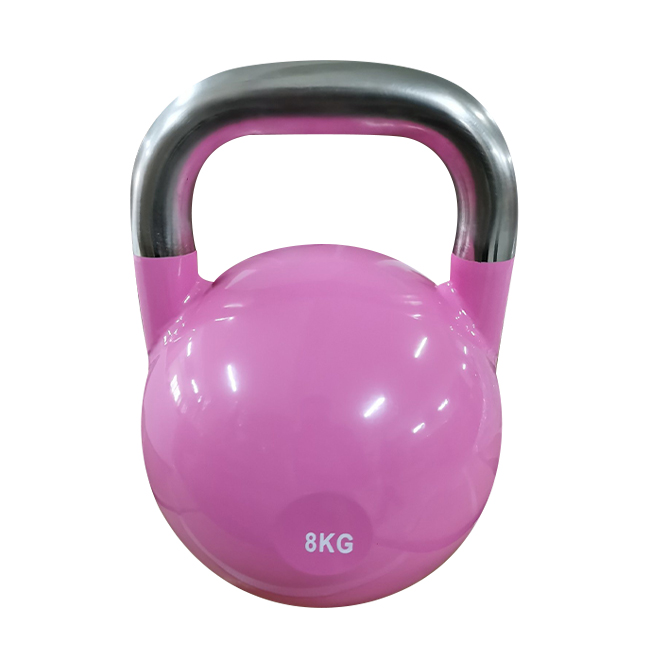
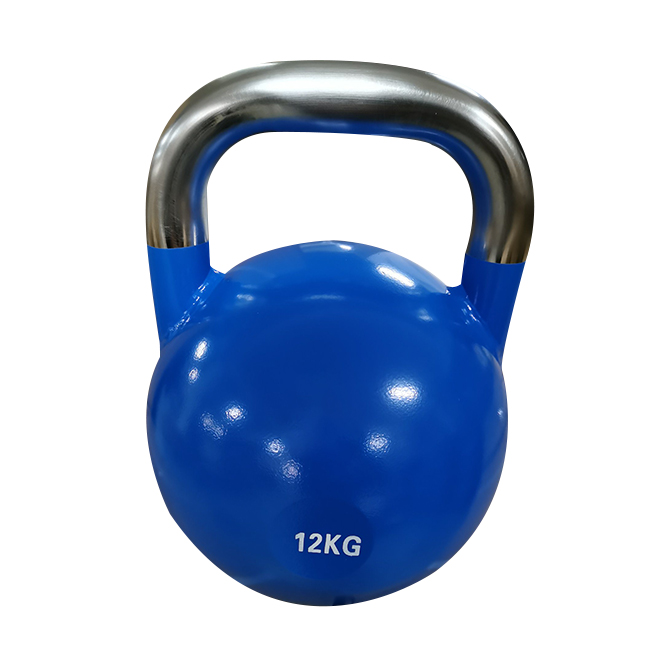
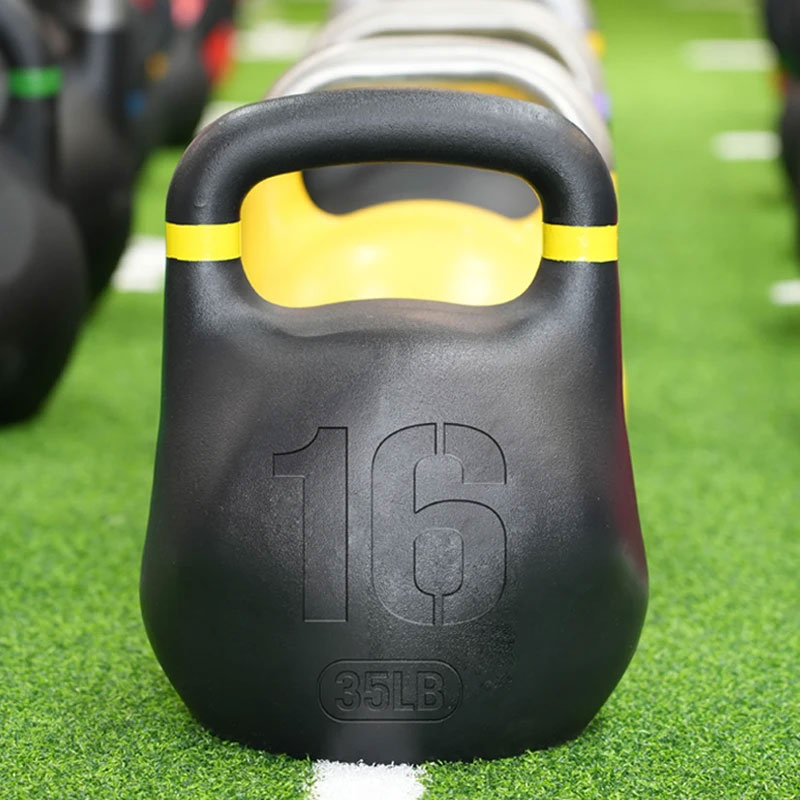
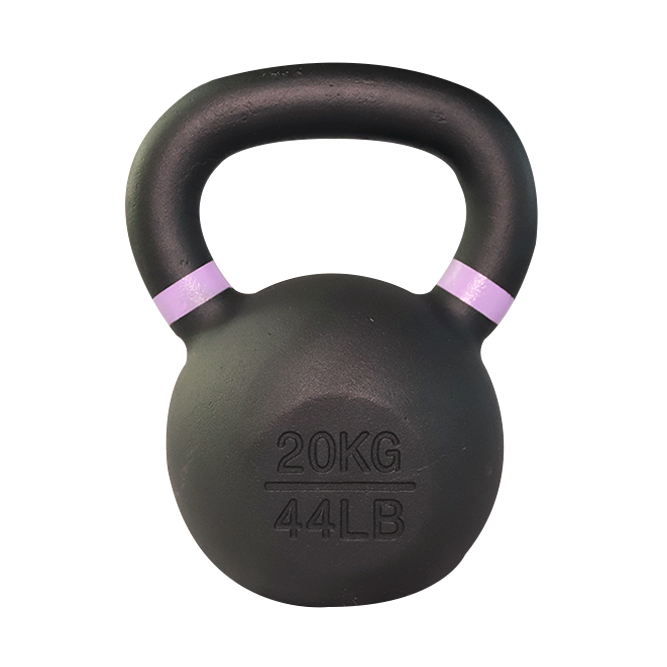
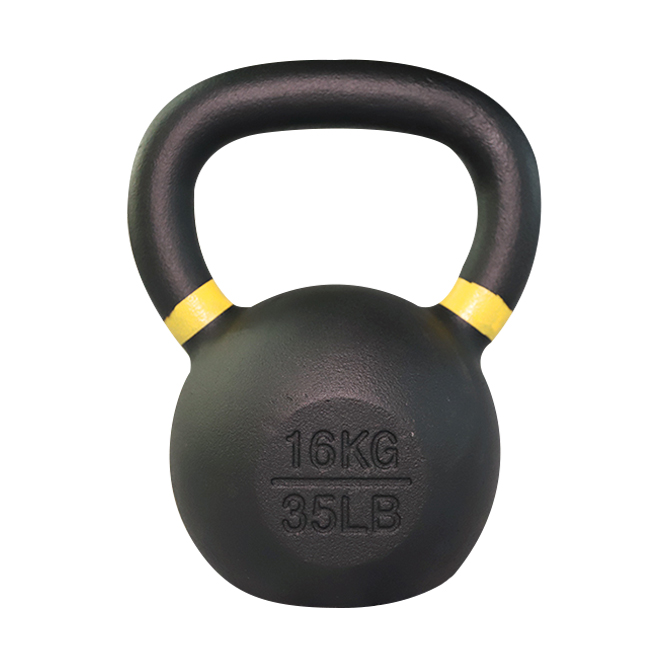
For global gym owners, fitness distributors, and brand developers, the challenge of scaling a facility or a product line often hinges on the reliability of the supply chain. Finding a dependable free weight equipment manufacturer is not merely about locating a source for dumbbells or barbells; it is about securing a partner capable of delivering consistent density, ergonomic precision, and long-term structural integrity. Whether you are outfitting a high-end boutique studio or managing a large-scale commercial distribution network, the technical nuances of free weight production directly impact your operational costs and brand reputation. This guide addresses the critical complexities involved in high-volume procurement and specialized production. We move beyond basic product descriptions to explore the structural requirements, material standards, and manufacturing protocols that distinguish professional-grade gear from standard retail offerings. Our objective is to provide procurement professionals with a clear framework for evaluating production capabilities across several key categories: Navigating the transition from a standard supplier to a specialized manufacturing partner requires an understanding of the underlying engineering. By focusing on the intersection of material science and industrial-scale production, businesses can build a more resilient inventory that meets the rigorous demands of modern commercial fitness environments. When building a commercial fitness inventory, procurement professionals must decide between several sourcing models. The choice often depends on whether the priority is brand prestige, immediate availability, or long-term cost-efficiency. While mainstream retail-grade brands offer high brand recognition, a specialized free weight equipment manufacturer can provide technical specifications that match or exceed these standards through direct-to-factory procurement. The following table provides a comparative framework for evaluating different sourcing tiers across critical performance and logistical dimensions. This comparison is intended to help distributors and facility owners identify the most effective path for their specific business needs. Understanding these distinctions allows a buyer to move beyond superficial comparisons. For instance, when sourcing commercial strength gear, the ability to verify the steel gauge and the quality of the internal bearing systems is far more valuable than simply relying on a brand name. A professional manufacturer provides the transparency required to ensure that the "factory direct" model translates into tangible durability and performance advantages. A common pitfall in global fitness procurement is equating "heavy-duty" with "commercial-grade." Many distributors fall into the trap of purchasing equipment that looks substantial but lacks the internal structural integrity required for high-traffic environments. A professional free weight equipment manufacturer does not just cast metal; they engineer products to withstand specific mechanical stresses, such as repetitive impact and thermal expansion. The cost variance between a standard dumbbell and a high-performance barbell is often driven by three hidden technical factors: material purity, surface treatment, and tolerance control. For instance, high-grade polyurethane coatings are significantly more expensive than basic rubber or PVC, but they provide a much higher resistance to oxidation and chemical degradation from sweat and cleaning agents. When a buyer chooses a factory-direct model, they are not just saving on the brand markup; they are gaining the ability to specify these exact material properties to control long-term maintenance costs. Furthermore, the precision of the weight itself is a critical decision point. In the retail sector, a 20kg dumbbell might have a variance of 5% or more. However, for professional strength training and competitive weightlifting, a tolerance of ±1% is a non-negotiable standard. This requires advanced calibration processes during the casting and machining stages, which is why vetting a manufacturer's ability to provide serialized weight verification is essential for any large-scale facility project. One of the most significant misunderstandings in B2B sourcing involves the relationship between customization and lead times. While an OEM partnership allows for deep customization—such as specialized grip textures or unique colorways—it also introduces complexity into the production schedule. A seasoned procurement professional understands that adding a custom logo or a non-standard coating requires a dedicated prototyping phase and a formal sign-off process before the bulk run can commence. To avoid the common error of "hidden delays," buyers should evaluate a manufacturer not just on their current stock, but on their ability to manage the full lifecycle of a custom order. This includes the transition from raw material procurement to the final quality control (QC) inspection. A reliable partner will provide a transparent timeline that accounts for material sourcing, mold adjustments, and the testing of any new surface finishes. Relying on a manufacturer that offers a comprehensive weightlifting equipment production line ensures that your facility's launch or your brand's product update remains on schedule. In the commercial fitness industry, the gap between "premium brand" and "factory-direct" is often narrower than the price tag suggests. Many distributors seek high-performance alternatives that can match the technical benchmarks of top-tier retail brands without the heavy brand-equity markup. To achieve this, a professional free weight equipment manufacturer focuses on verifiable, measurable metrics rather than marketing slogans. When sourcing high-end alternatives, procurement teams should focus on aligning specific technical indicators. For example, a "premium tier" product is defined by its high-density polyurethane coating, precision-machined knurling on barbells, and strict weight tolerances. By specifying these exact requirements during the RFQ process, businesses can secure gear that delivers the same tactile feedback and durability as mainstream luxury brands, while optimizing their overall procurement budget. For brands looking to expand their product lines, our OEM and private label services are built on the rigorous standards used to serve international fitness chains. We operate under a structured development-to-production framework that ensures every custom specification is documented and reproducible. This process is designed to protect both the client's intellectual property and the final product's consistency. A professional OEM workflow typically involves the following stages: By leveraging a manufacturing partner that understands these industrial-scale requirements, brands can transition from simple trading to true product development. This capability allows for the creation of unique, high-quality product lines that stand out in a crowded market, backed by the stability of a professional fitness machine manufacturer production environment. The true value of a specialized free weight equipment manufacturer is best demonstrated through the resolution of complex, real-world procurement challenges. Unlike standard retail transactions, B2B partnerships often involve navigating a matrix of technical, logistical, and budgetary constraints. The following anonymous case studies illustrate how tailored manufacturing solutions address specific market demands. A mid-sized fitness distributor in Europe sought to launch a high-end "boutique series" of dumbbells and kettlebells. Their primary requirement was a distinct aesthetic—specifically, a matte-finish, pastel-colored polyurethane coating—to differentiate themselves from the standard black rubber-coated gear common in the region. The main constraints were a strict budget for the initial launch and a requirement for extremely high dimensional precision to maintain a premium brand image. Our technical team developed a solution that involved selecting a high-density core material with a specific casting process to ensure weight consistency within a ±1% margin. To meet the aesthetic requirement, we implemented a multi-stage powder coating and color-matching protocol. Instead of a standard mass-production run, we initiated a controlled prototyping phase where the client could approve the tactile feel and the exact hue of the coating on a physical sample. This approach allowed the distributor to launch a visually striking, high-performance line that met their quality benchmarks while remaining within the projected cost-per-unit framework. A large-scale commercial gym chain faced an urgent situation when a significant portion of their free weight inventory was damaged due to improper storage and environmental exposure. They needed to replace a massive volume of weightlifting gear, including barbells and specialized plates, across multiple locations within a very tight three-month window. The primary challenge was not just the volume, but the need for a consistent, high-durability specification that would prevent a recurrence of the previous issues. The solution focused on upgrading the material specifications for the entire replacement order. We transitioned the client from a basic iron-based specification to a heavy-duty, high-grade coating system designed for high-traffic commercial environments. To manage the aggressive timeline, we synchronized our production scheduling with their facility rollout plan. By providing a transparent lead-time roadmap—covering everything from raw material arrival to final QC and palletized shipping—we ensured that the new gear arrived at each location just as the previous inventory was being decommissioned. The project was completed on schedule, with all batches passing the client's rigorous on-site inspection for surface finish and weight accuracy. These examples highlight that successful procurement is not just about selecting a product, but about choosing a partner capable of engineering a solution that accounts for branding, durability, and time-sensitive logistics. Transitioning from a conceptual design to a physical shipment of commercial-grade free weights requires a structured operational framework. For B2B buyers, understanding the nuances of Minimum Order Quantities (MOQ), sampling cycles, and quality control (QC) checkpoints is essential to mitigating risk and ensuring a smooth procurement lifecycle. A professional free weight equipment manufacturer operates with a high degree of transparency in these areas to facilitate predictable scaling for distributors and gym chains. The transition from a purchase order (PO) to a delivered container involves several critical milestones. Effective communication at each stage prevents the common "specification drift" often seen in high-volume manufacturing. A standard professional workflow includes: Because free weights and strength gear are high-density, high-impact products, the packaging strategy is as critical as the manufacturing itself. A professional manufacturer provides various packaging options tailored to the end-use environment and shipping method. For example, commercial-grade dumbbells often require reinforced, heavy-duty boxes and specialized palletizing to prevent damage during long-haul maritime transit. Logistical coordination also extends to documentation and compliance. Whether you are sourcing through a exercise equipment supplier for a local distribution or managing a global import, ensuring that all weight-specific declarations and material certifications are accurate is vital for customs clearance. A reliable partner will provide a comprehensive documentation package that includes weight verification reports and material safety data sheets (MSDS) where applicable, ensuring that your procurement process remains compliant with international shipping standards. Securing a sustainable supply chain for free weight equipment requires moving beyond the initial quote. To ensure that your procurement strategy supports long-term facility growth and brand consistency, professional buyers should utilize a rigorous pre-contract checklist. This focuses on the technical and operational benchmarks that distinguish a high-performing free weight equipment manufacturer from a standard trading entity. Before finalizing a large-scale purchase order or entering an OEM development contract, verify the following critical operational pillars: By implementing these high-standard vetting procedures, distributors and gym owners can transition from reactive purchasing to proactive, strategic sourcing. This approach minimizes the risks associated with equipment failure, branding inconsistencies, and shipping delays, ultimately protecting your capital investment and your reputation in the fitness industry.Procurement Dimension Mainstream Retail Tier Professional Brand Tier Factory Direct/OEM Tier Core Material Focus Standard density cast iron or basic PVC coating High-grade polyurethane or precision steel Customizable density and premium coatings Dimensional Tolerance Moderate variability in weight precision Strict adherence to weight standards High-precision calibration (±1% to 2%) Customization Depth Limited to existing colorways Limited to specific product lines Full color, logo, and ergonomic tailoring Cost Structure High markup due to brand and retail overhead Premium pricing for brand equity and service Optimized cost via direct manufacturer access Lead Time Control Dependent on distributor stock levels Long lead times for specialized orders Direct control via production scheduling Primary Use Case Home gyms and light fitness studios Premium commercial gym chains Global distributors and large-scale facility projects The Logic of Material Selection and Cost Drivers
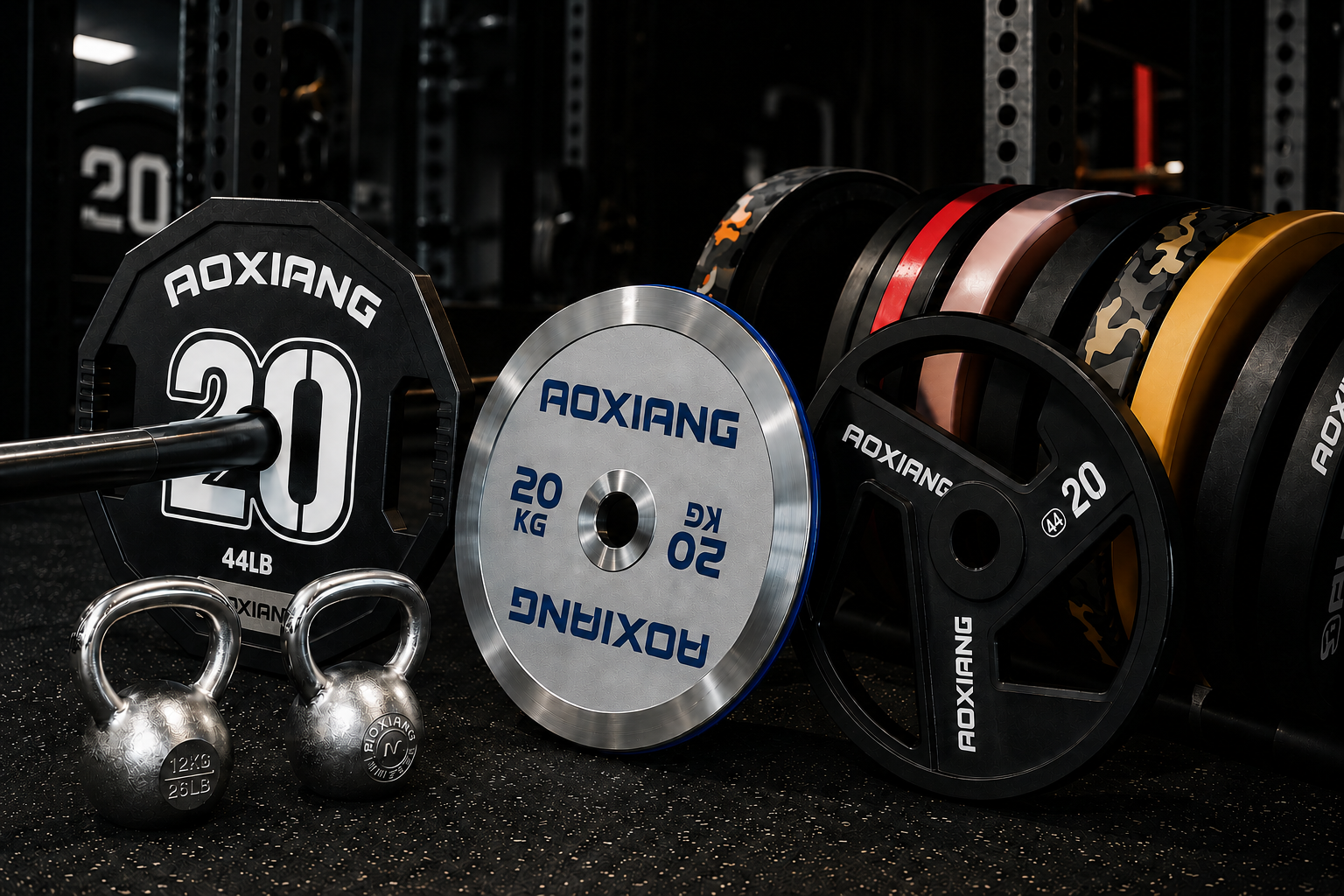
Navigating the Lead Time and Compliance Matrix
Aligning High-Performance Standards: Premium Alternatives and OEM Capabilities
Standardizing the OEM and Private Label Process
Case Studies in Customized Procurement and Strategic Delivery
Scenario A: Expanding a Regional Distributor's Premium Product Line
Scenario B: Rapid Equipment Replacement for a Large-Scale Facility Project
Operational Framework: MOQ, Sampling, and Global Logistics
The Lifecycle of a Custom Order
Packaging and Export Readiness
Strategic Checklist for Long-Term Manufacturing Partnerships