Adjustable Kettlebell Buying Guide: China Factory OEM Supply
Optimizing Floor Space with an Adjustable Kettlebell Buying Guide
When professional buyers evaluate an adjustable kettlebell buying guide, they must look beyond individual weight increments to consider the long-term logistical impact on facility layout. Successful procurement requires balancing three critical checkpoints: mitigating the risk of mechanical failure in high-traffic zones, ensuring weight specifications meet international commercial standards, and managing the complex logistics of importing bulky, high-density equipment. For distributors and gym operators, the decision to source from a China factory involves calculating how much floor area can be reclaimed by replacing static weight sets with versatile, modular systems.
In high-density training environments, the sheer volume of traditional cast iron kettlebells can quickly consume valuable square footage, leading to cramped functional training zones and reduced member throughput. By utilizing an adjustable kettlebell buying guide to select high-quality modular units, procurement leads can achieve significant footprint reduction. This transition allows a single station to serve multiple strength levels, effectively increasing the revenue-generating capacity of every square meter within a studio or commercial facility.
From a wholesale perspective, the spatial efficiency of adjustable systems directly impacts your warehouse and shipping costs. Instead of managing multiple SKUs and large volumes of static iron, a commercial adjustable kettlebell supplier can provide a streamlined range of adjustable units that simplify inventory management. This optimization is particularly vital for boutique studios and premium training centers where maximizing usable floor area is a primary driver of ROI and operational excellence.
To assist in your procurement modeling, the following comparison highlights the operational differences between traditional fixed sets and modular systems. When evaluating the adjustable kettlebell buying guide for large-scale deployment, consider how equipment density affects your long-term facility layout and inventory management.
| Metric | Traditional Fixed Kettlebell Sets | Modular Adjustable Systems |
|---|---|---|
| Average Weight Range Coverage | Requires 10–15 individual units per user | Single unit covers 8–5 range |
| Storage Footprint | High (Requires extensive racking/shelving) | Low (Compact footprint for high density) |
| Inventory SKU Complexity | High (Multiple individual items to track) | Low (Streamlined model management) |
| Landed Cost Efficiency | Lower per unit, but higher shipping volume | Higher per unit, but optimized container loading |
| Equipment Density | Low (Spreads across large floor area) | High (Consolidates training zones) |
For distributors looking to maximize wholesale adjustable kettlebells margins, the ability to offer a high-density solution is a competitive advantage. While the individual unit price may differ, the reduction in total shipping volume and the ability to provide a versatile range within a smaller footprint significantly improves the total cost of ownership for the end-user. When engaging with an adjustable kettlebell manufacturer, we recommend requesting a detailed technical specification sheet to confirm how the mechanism handles high-frequency weight transitions in a commercial setting.
Beyond the immediate training floor, the procurement of modular weight systems significantly impacts the broader supply chain. For importers and large-scale distributors, managing the shipping volume of high-density equipment is a critical factor in determining the final landed cost. Traditional fixed kettlebell sets often result in inefficient container utilization due to their irregular shapes and high total weight-to-volume ratio. In contrast, a professional adjustable kettlebell manufacturer can design packaging and modular configurations that optimize pallet density, ensuring more efficient bulk order logistics and reduced freight costs per unit.
Effective warehouse efficiency is another primary advantage for companies sourcing from a China factory. Instead of dedicating vast amounts of storage space to a massive variety of individual SKUs, a streamlined selection of adjustable models allows for higher inventory turnover. This reduction in SKU complexity means your warehouse or distribution center can manage larger volumes of high-value, versatile products without the overhead of massive, static inventory. When planning your next procurement cycle, consider how a consolidated product line can improve your operational agility and reduce long-term storage expenses.
Evaluating Weight Mechanism Durability for High-Traffic Facilities
Selecting the right mechanism is a critical component of any professional adjustable kettlebell buying guide, as the internal components directly dictate the long-term total cost of ownership. For distributors and gym operators, the difference between a high-grade locking system and a budget alternative is the frequency of replacement and onsite maintenance. When sourcing from a China factory, it is essential to verify that the internal weight selection mechanisms are engineered for high-frequency use to prevent mechanical failure in commercial environments.
In high-traffic settings, the mechanism type determines the durability and operational efficiency of your inventory. A commercial adjustable kettlebell supplier should provide detailed technical specifications regarding the materials used in the selector pins, gears, or sliding plates. If a mechanism is prone to jamming or wear, the resulting downtime and replacement costs can quickly erode the initial savings gained from wholesale procurement. To ensure long-term reliability, professional buyers should prioritize units that undergo rigorous stress testing to simulate thousands of weight-change cycles.
The relationship between mechanism complexity and maintenance load is a vital factor in your adjustable kettlebell buying guide. While complex systems may offer more weight increments, they often require more stringent QC and higher maintenance oversight. A commercial adjustable kettlebell supplier specializing in wholesale orders will often recommend robust, simplified mechanical designs that minimize the risk of component fatigue under heavy usage. By emphasizing structural integrity during the sourcing process, importers can ensure their adjustable kettlebell manufacturer provides products that withstand the rigors of daily commercial throughput without frequent intervention.
Mechanism Comparison and TCO Analysis
To optimize the total cost of ownership (TCO), procurement officers must evaluate how different weight adjustment systems perform under continuous load. The following comparison outlines common mechanisms found in the industry to assist in your adjustable kettlebell buying guide. When ordering wholesale adjustable kettlebells, understanding these technical differences helps in predicting long-term maintenance needs and potential replacement cycles for your clients.
| Mechanism Type | Operational Profile | Maintenance Profile | Best Commercial Use Case |
|---|---|---|---|
| Pin-Lock System | Manual insertion of a physical pin into pre-drilled weight slots. | Low; highly durable with minimal moving parts. | High-intensity strength training facilities. |
| Dial-Based System | Rotational movement to reposition internal weight plates. | Moderate; requires precise gear alignment to prevent jamming. | Boutique studios and premium home-gym retail. |
| Selector Pin System | Quick-release pin for rapid weight transitions. | Low to Moderate; depends on pin material and spring tension. | High-throughput commercial fitness centers. |
The mechanical choice directly impacts the landed cost and long-term profitability of your inventory. For example, a pin-lock system offers superior durability for rugged commercial use, whereas a dial-based mechanism may offer a more streamlined user experience but requires higher quality control. When you work with an experienced adjustable kettlebell manufacturer, you can discuss how these specific mechanisms align with your target market's durability requirements and your specific MOQ requirements to ensure a high-margin, low-maintenance product line.
Customization and Quality Assurance for High-Wear Components
For professional importers, the ability to request specific material upgrades is a significant advantage when working with a specialized adjustable kettlebell manufacturer. High-traffic facilities demand components that resist oxidation, impact, and friction. When negotiating wholesale contracts, buyers should inquire about the grade of stainless steel or high-impact polymers used in the adjustment housing. Utilizing an OEM or ODM partnership allows you to specify reinforced locking pins or specialized coatings that enhance the product's lifespan, effectively lowering the long-term maintenance burden for the end-user.
Effective quality control must extend beyond the exterior shell to the high-wear internal interfaces. A reliable commercial adjustable kettlebell supplier will provide evidence of testing for both weight-transition frequency and material fatigue. During the sourcing process, it is highly recommended to request a sample for a rigorous stress test before finalizing a bulk order. This ensures that the customization of the weight-selection track meets your brand's durability standards and prevents the high return rates often associated with lower-tier factory-direct alternatives.
Ultimately, the goal of customization is to balance sophisticated user experience with mechanical simplicity. Whether you are pursuing a private label project or a standard wholesale replenishment, ensure your China factory partner can maintain tight tolerances across all batches. By prioritizing high-wear resistance and verifying these specs during the pre-shipment inspection, you protect your margins and establish your brand as a provider of premium, reliable commercial-grade equipment.
Comparing Sourcing Models: Factory-Direct vs. Trading Companies
A professional adjustable kettlebell buying guide must address the structural impact of your supply chain choice on long-term profitability. For distributors and large-scale gym operators, the decision between a China factory and a third-party trading company determines your ability to scale and maintain competitive margins.
Sourcing through a trading company often simplifies initial communication but adds a layer of markup that diminishes your final profit margin. While traders may offer a broader product catalog, they rarely provide the deep customization required for high-level wholesale adjustable kettlebells. In contrast, direct sourcing from a manufacturer allows for tighter control over technical specifications and direct OEM capabilities, ensuring your brand identity remains consistent across all product lines.
| Procurement Factor | Direct Factory Sourcing | Trading Company Model |
|---|---|---|
| Profit Margin | Higher potential via direct pricing | Lower due to intermediary markups |
| Customization | Full OEM and ODM control | Limited to existing stock options |
| Minimum Order (MOQ) | Strict MOQ based on production | Often lower, but higher unit cost |
| Quality Oversight | Direct factory QC and inspection | Dependent on trader's oversight |
| Supply Chain Control | High control over lead times | Variable control over production |
When searching for a reliable commercial adjustable kettlebell supplier, evaluating the total landed cost is essential. A factory-direct model typically offers the best balance of volume-based discounts and technical precision, which is critical when building a premium commercial fitness brand.
Understanding these trade-offs is essential for optimizing your inventory turnover and long-term ROI. While trading companies may offer shorter lead times for small, ready-to-ship batches, they cannot match the technical depth of a specialized adjustable kettlebell manufacturer when it comes to engineering specific weight increments or custom handle ergonomics. For a professional adjustable kettlebell buying guide, the focus should remain on how these sourcing models impact your total landed cost and the durability of your equipment deployment.
To minimize procurement risk, we recommend requesting a detailed spec sheet and a sample evaluation before committing to a bulk order. Once the technical standards are met, you should establish a clear protocol for pre-shipment inspection to ensure that every unit meets your commercial-grade requirements. Whether you are looking for standard stock or a highly customized private label solution, direct communication with the production facility remains the most effective way to secure predictable lead times and consistent quality.
To minimize procurement risk, we recommend requesting a detailed spec sheet and a sample evaluation before committing to a bulk order. Once the technical standards are met, you should establish a clear protocol for pre-shipment inspection to ensure that every unit meets your commercial-grade requirements. Whether you are looking for standard stock or a highly customized private label solution, direct communication with the production facility remains the most effective way to secure predictable lead times and consistent quality.
Custom Branding and OEM Capabilities for Global Distributors
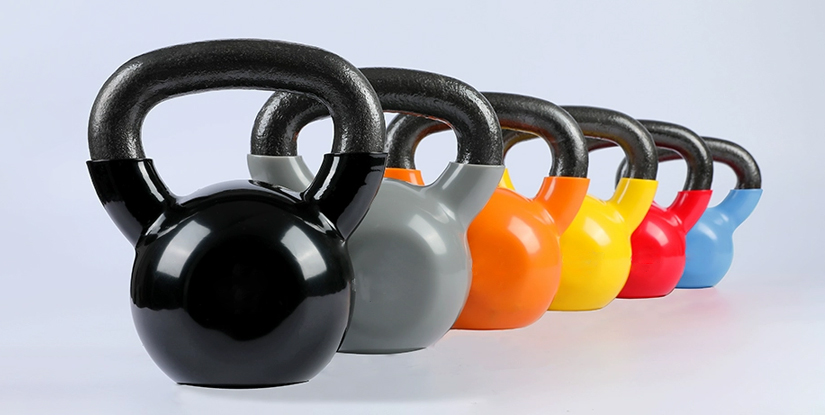
For professional distributors and gym equipment importers, generic sourcing often limits long-term growth. Utilizing an adjustable kettlebell buying guide to identify a specialized commercial adjustable kettlebell supplier allows you to move beyond commodity trading into brand building. By leveraging OEM and ODM services, you can transition from a simple reseller to a recognized equipment provider in your local market.
Establishing a unique brand identity is essential for market differentiation in competitive regions. Instead of competing solely on price against generic imports, professional buyers use custom branding to add perceived value to their product lines. Whether it is laser-engraved logos on the weight plates or specific color schemes for the adjustment mechanisms, these details allow you to build loyalty among studio owners and premium fitness retailers.
Partnering with a capable adjustable kettlebell manufacturer ensures that your private label requirements meet international commercial standards. A high-tier China factory can integrate your specific design requirements—from ergonomic handle textures to specialized housing materials—ensuring that your branded products maintain high durability and consistent performance across every wholesale shipment. This strategic approach transforms a standard procurement cycle into a scalable asset for your distribution business.
Technical Customization and Procurement Tiers
Standardized inventory often fails to meet the specific aesthetic or functional demands of high-end boutique studios or large-scale commercial facilities. A professional adjustable kettlebell manufacturer provides the technical flexibility required to align product design with your specific market positioning. Customization capabilities typically extend from surface finishes—such as powder coating colors or specialized grip textures—to the core weight-adjustment mechanisms themselves. This ensures that your branded units meet the exact durability and ergonomic standards expected by professional athletes and commercial facility managers.
When evaluating your next shipment, it is critical to understand the trade-offs between immediate availability and custom specification. For rapid replenishment or small-scale testing, purchasing existing stock is efficient. However, for long-term market dominance, high-volume wholesale adjustable kettlebells orders through customized production paths offer superior control over brand consistency and total landed cost. Below is a comparison of the two primary procurement models used by global distributors.
| Procurement Model | Customization Depth | Typical MOQ | Lead Time | Primary Advantage |
|---|---|---|---|---|
| Standard Stock Order | Limited to existing colors/specs | Lower volume requirements | Short (Ready to ship) | Rapid inventory turnover |
| Full OEM/ODM Production | Full control over logo, color, and mechanism | Higher volume thresholds | Extended (Production + Transit) | Stronger brand differentiation |
To optimize your sourcing strategy, we recommend requesting a detailed technical spec sheet and confirming the current MOQ for your specific customization tier. For new distributors looking to launch a unique product line, initiating a sample evaluation phase is a vital step to ensure the weight mechanism and material quality align with your brand's premium positioning before committing to a full bulk order.
Quality Control Standards and Pre-Shipment Inspection Protocols
Maintaining strict quality control is vital when sourcing via an adjustable kettlebell buying guide to ensure every unit meets commercial-grade expectations. For distributors, a single defective batch of weight-adjustment mechanisms can lead to high return rates and damaged professional reputations. Relying on a professional commercial adjustable kettlebell supplier ensures that rigorous testing protocols are applied to every unit before it leaves the China factory.
A reliable adjustable kettlebell manufacturer must implement multi-stage inspections to guarantee batch consistency across large-scale orders. This process begins with raw material verification to ensure weight accuracy and structural integrity. Without standardized quality control, slight deviations in plate mass or locking components can compromise mechanism durability, leading to increased maintenance costs and diminished long-term ROI for your end-users.
To mitigate procurement risks, we recommend that buyers request specific inspection reports or even book a third-party factory audit. Verifying the precision of the weight-selection interface and the strength of the internal locking pins is essential for high-throughput commercial environments. Proactive sourcing strategies, such as approving a production sample and confirming the pre-shipment inspection checklist, will help protect your distributor margins and ensure a seamless landing of your bulk shipment.
Technical Pre-Shipment Inspection (Psi) Checklist
When managing high-volume orders, professional buyers should implement a technical checklist focused on the mechanical components that define long-term durability. A high-standard adjustable kettlebell manufacturer will provide data regarding the specific tolerances of their weight-selection systems. During the pre-shipment stage, verifying the precision of the internal locking pins and the smoothness of the plate transition is critical to prevent mechanical failure in high-traffic facilities.
| Inspection Focus | Technical Requirement | Procurement Objective |
|---|---|---|
| Mechanism Testing | Consistent weight selection and locking stability | Reduce maintenance load and returns |
| Weight Tolerance | Standardized mass deviation within industry limits | Ensure professional training accuracy |
| Surface Coating | Adhesion strength and scratch resistance | Protect long-term aesthetic and TCO |
| Assembly Inspection | Seamless fit of all moving parts and pins | Minimize mechanical friction and wear |
For those seeking wholesale adjustable kettlebells, the inspection must extend beyond the mechanism to the surface integrity. The powder coating or rubberized finish must be tested for adhesion to prevent chipping during heavy commercial use. This attention to detail at the China factory level ensures that your landed cost remains low by avoiding the need for premature replacements or high-frequency technical support. We suggest confirming these technical specifications during the initial sample approval phase to align with your brand identity and quality expectations.
| Inspection Category | Testing Method | Acceptable Tolerance | Commercial-Grade Requirement |
|---|---|---|---|
| Weight Precision | Calibrated scale verification per increment | +/- 1% to 2% of target mass | High-density metal plates for stability |
| Locking Mechanism | Repeated cycle testing (insertion/removal) | Zero mechanical play or loose fit | High-strength alloy pins and smooth transition |
| Handle Ergonomics | Tactile grip and diameter consistency check | Uniform surface texture and no burrs | Sweat-resistant, non-slip commercial finish |
| Structural Integrity | Drop test and impact resistance simulation | No cracking or deformation under load | Reinforced housing for heavy-duty throughput |
| Coating Durability | Cross-cut adhesion and scratch test | No visible chipping or peeling | Industrial-grade powder coating or TPU |
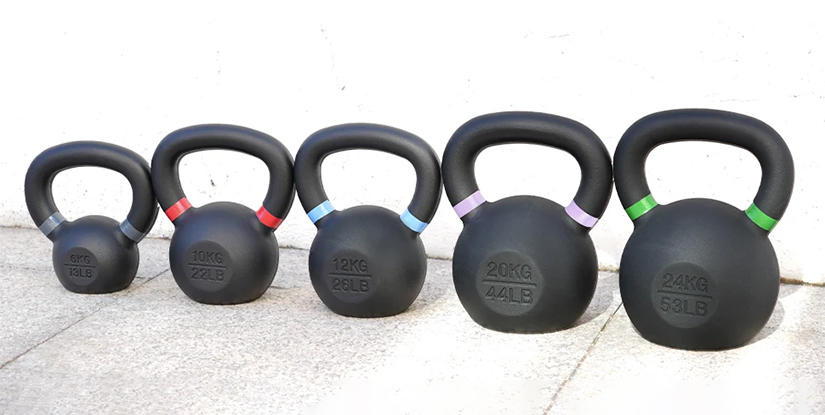
Implementing this level of scrutiny is a fundamental part of a professional adjustable kettlebell buying guide. By validating these technical benchmarks, importers can ensure that their bulk shipments arrive with the reliability required for premium fitness centers. We recommend that you request a formal specification sheet and a video of the mechanism undergoing stress tests before finalizing your production order. This proactive approach to sourcing ensures your distributor margins remain protected from the costs of defective units and high-frequency replacements.
Logistics and Export Packaging for Bulk International Orders
Optimizing the adjustable kettlebell buying guide requires a deep understanding of how logistics impact your final landed cost. For distributors and gym operators, the cost of the unit is only one part of the equation; the secondary costs associated with shipping damage and inefficient container utilization can significantly erode your profit margins during bulk orders.
A professional commercial adjustable kettlebell supplier must prioritize robust export packaging to mitigate the risks of long-distance sea freight. High-density corrugated boxes, reinforced corner protectors, and customized internal structural supports are essential to prevent mechanical components from shifting or sustaining impact damage. Without rigorous shipping protection, even high-quality units can arrive with cosmetic or functional defects, leading to costly returns and damaged client relationships.
Furthermore, maximizing container loading efficiency is a critical skill for any adjustable kettlebell manufacturer. By utilizing optimized palletization and stacking configurations, a China factory can increase the number of units per 20ft or 40ft HC container. This volume optimization directly lowers the per-unit shipping cost, providing a competitive advantage for your wholesale distribution model. When sourcing internationally, always request a detailed packing list and a 3D loading plan from your supplier to verify how much volume is being utilized before the shipment departs.
Comparison of Shipping Modes and Packaging Requirements
Selecting the optimal transport method is a vital part of the adjustable kettlebell buying guide, as it dictates both the speed of inventory turnover and the total logistics expenditure. While air freight offers rapid deployment for small-scale studio refreshes or urgent sample approvals, sea freight remains the industry standard for high-volume wholesale adjustable kettlebells due to its superior cost-efficiency for heavy, high-density equipment.
The following table outlines the technical differences in packaging and logistics to help you calculate your expected landed cost and manage warehouse arrival expectations.
| Logistics Factor | Air Freight (Express/Cargo) | Sea Freight (LCL/FCL) |
|---|---|---|
| Primary Use Case | Small batches, samples, or urgent restocks | Standard bulk distribution and large inventory imports |
| Packaging Strength | Lightweight, high-durability corrugated boxes | Heavy-duty reinforced cartons with reinforced corners |
| Palletization Requirement | Often individual carton shipments | Strict palletization for stability and forklift access |
| Weight Distribution | Low density per cubic meter; higher volumetric cost | High density; optimized for container weight limits |
| Risk Mitigation | Reduced handling time; lower vibration risk | Requires robust stacking protocols to prevent crushing |
When managing large-scale procurement, we recommend verifying the specific carton reinforcement specs with your commercial adjustable kettlebell supplier. For sea freight, ensuring that your pallets are heat-treated and that weight distribution is evenly balanced is critical to avoiding shifting during transit. For long-term profitability, consult with your partner to finalize a loading plan that balances shipping speed against the durability requirements of your specific SKU mix.
Ensuring Product Integrity Through Pre-Shipment Inspection
A critical oversight in many international procurement processes is the failure to implement a rigorous pre-shipment inspection protocol. For a professional buyer, the risk of receiving a batch of damaged or non-compliant units is a significant threat to both the landed cost and long-term distributor reputation. Relying solely on factory promises is insufficient; a formal QC (quality control) process must be integrated into the final stages of the wholesale workflow.
To ensure maximum packaging integrity, your China factory partner should conduct random sampling from the finished, packed cartons rather than just the unboxed products. This verifies that the internal structural supports and cushioning are sufficient to withstand the physical stresses of international transit. We recommend requesting a formal inspection report that confirms the weight accuracy of each unit and the structural stability of the retail packaging. By mandating these standards during the sourcing phase, you minimize the probability of receiving defective inventory and ensure that your wholesale adjustable kettlebells arrive ready for immediate commercial deployment.
Strategic Procurement: Finalizing Your Bulk Order
Navigating the final stages of an adjustable kettlebell buying guide requires shifting focus from product specifications to logistical execution. For distributors and gym operators, the transition from selecting a model to finalizing a wholesale adjustable kettlebells contract determines your long-term profitability and operational stability.
A successful procurement strategy must account for more than just unit price. To protect your margins, you must evaluate the total landed cost, which includes factory-direct pricing, international freight, customs duties, and local warehousing. Partnering with a professional commercial adjustable kettlebell supplier ensures that these variables are managed through transparent documentation and optimized container loading protocols.
Selecting a reliable China factory as your primary supplier allows for greater control over the entire supply chain. Rather than purchasing finished goods from a middleman, working directly with a manufacturer enables you to optimize for ROI through customized OEM solutions and rigorous quality control. This direct approach minimizes the risk of receiving substandard units that could damage your brand reputation or increase replacement costs.
To ensure a seamless transition to bulk inventory, we recommend the following next steps for professional buyers:
- Request a detailed technical specification sheet and material certifications.
- Confirm the MOQ for private label or custom branding requests.
- Arrange for a sample evaluation to test mechanism durability under commercial use.
- Conduct a remote or on-site factory audit to verify QC processes.
- Request a formal quote including FOB or CIF terms to calculate final landed cost.
| Sourcing Model | Primary Advantage | Typical MOQ | Customization Potential | Logistics & QC Control |
|---|---|---|---|---|
| Direct Factory | Maximum margin and direct control over production | Higher/Tiered | Full OEM/ODM capabilities | Direct oversight of pre-shipment inspection |
| Trading Company | Lower initial entry barriers for small orders | Lower/Flexible | Limited to existing stock variations | Relies on third-party verification |
| Wholesale Distributor | Immediate availability of standard SKUs | Variable | Minimal/Standardized | Standardized export packaging |
Understanding these distinctions is a critical component of any professional adjustable kettlebell buying guide. While a trading company might offer convenience for smaller, one-off shipments, a commercial adjustable kettlebell supplier operating as a factory-direct entity provides the scalability required for global expansion. For large-scale gym deployments or regional distribution, the ability to integrate custom branding and rigorous QC protocols directly into the production line is indispensable for maintaining a premium market position.
Finalizing a high-volume shipment requires moving beyond surface-level aesthetics to verify the mechanical integrity of every unit. An experienced adjustable kettlebell manufacturer will provide a transparent framework for both OEM and ODM requests, ensuring that your custom branding or specific weight increments are integrated during the casting or assembly phase, rather than as an afterthought. This level of integration is essential for maintaining a consistent brand identity across your entire product line.
To mitigate the risks inherent in international sourcing, professional buyers should mandate a formal sample evaluation phase before any large-scale production begins. This allows you to test the weight-locking mechanism, the ergonomics of the handle, and the durability of the outer coating under actual commercial-grade stress. Once the sample meets your standards, the final step is to coordinate a comprehensive pre-shipment inspection. This stage is your primary defense against defective batches, ensuring that every piece in your bulk order aligns perfectly with the agreed-upon technical specifications and quality benchmarks.