Powder Coated vs Painted Kettlebell: China Source Factory
Powder Coated vs Painted Kettlebell: Essential Sourcing Specifications
Understanding the technical distinction between a powder coated vs painted kettlebell is critical for high-volume importers. While liquid paint offers lower initial costs, powder coating provides superior impact resistance and surface adhesion, making it the industry standard for high-traffic commercial gym environments.
For distributors and gym equipment importers, selecting the wrong finish can lead to rapid surface degradation, chipped coatings, and increased replacement cycles. When sourcing from a China factory, evaluating these specifications ensures your inventory maintains its premium appearance and structural integrity under heavy use. Choosing high-grade finishes directly influences the long-term TCO and the perceived value of your brand in the competitive fitness market.
In commercial kettlebell manufacturing, the choice between these two methods dictates how the product performs in high-intensity settings. Liquid painting is often used for budget-tier products, but it lacks the thickness and durability required for heavy daily handling. Conversely, a powder coated kettlebell wholesale order typically offers a much more resilient surface that resists scratches and moisture, protecting the underlying iron from oxidation and extending the product's operational lifespan.
Optimizing your procurement strategy requires a deep look at how these coatings affect your iron kettlebell supplier selection. A professional supplier capable of high-standard powder coating will provide a product that requires minimal maintenance, thereby reducing the total cost of ownership for your end clients and improving your distributor margins through higher product reliability.
Technical Specification Comparison for Procurement Evaluation
To minimize long-term replacement costs and maximize inventory value, procurement officers must evaluate the specific physical properties of each coating method. The following data outlines how the choice between a powder coated vs painted kettlebell impacts operational durability and maintenance requirements in professional settings. When managing bulk orders, these technical differences determine whether a product meets the rigorous demands of commercial-grade usage or fails prematurely due to surface chipping.
| Specification Metric | Liquid Paint (Standard) | Powder Coating (Commercial Grade) |
|---|---|---|
| Coating Thickness | Thin, single-layer application | Thick, multi-layer electrostatic application |
| Impact Resistance | Low; prone to chipping and peeling | High; resilient against heavy drops |
| Surface Adhesion | Moderate; susceptible to moisture infiltration | Superior; creates a dense, protective barrier |
| Corrosion Protection | Basic; requires frequent inspection | Advanced; prevents oxidation of the iron core |
| Maintenance Load | Higher; requires frequent cleaning/repainting | Minimal; highly resistant to wear and tear |
| Typical Commercial Use | Lightweight/Home-tier applications | High-traffic/Professional gym environments |
For professional buyers, the higher durability of powder coating serves as an insurance policy against the high replacement costs associated with lower-tier finishes. When negotiating with a iron kettlebell supplier, we recommend requesting technical spec sheets to verify the micron thickness of the coating. A reliable supplier will be able to provide documentation or samples that demonstrate the coating's ability to withstand high-impact environments, ensuring your landed cost remains optimized by reducing the frequency of warranty claims and replacement cycles.
Ensuring Consistency Through Factory Quality Control
Maintaining uniform coating thickness across thousands of units is a significant challenge in mass production. When placing a powder coated kettlebell wholesale order, the risk of uneven application or air bubbles can lead to localized failure points. To mitigate this, professional importers must verify that their chosen partner utilizes automated electrostatic spray systems and controlled curing ovens. A lack of rigorous quality control during the drying phase often results in brittle coatings that chip easily under standard commercial impact, directly hurting your brand's reputation and increasing your after-sales service burden.
Beyond standard manufacturing, high-tier commercial kettlebell manufacturing requires a specialized approach to surface preparation. Before the powder is applied, the iron core must undergo a thorough degreasing and sandblasting process to ensure maximum adhesion. Without this step, even the highest grade of powder will eventually delaminate. We advise all procurement leads to request a pre-shipment inspection report or a sample for a "drop test" evaluation. This ensures that the coating's bond to the metal is sufficient for the rigors of a professional strength training facility, protecting your long-term inventory value and minimizing the risk of defective shipments.
For distributors looking to build a premium product line, the ability to leverage OEM or ODM services is a strategic advantage. A capable factory can not only adjust the texture of the powder—such as adding a high-grip sand finish—but also customize the color profile to match your specific brand identity. This level of customization allows you to differentiate your catalog from generic stock items. When negotiating your next bulk order, confirm whether the manufacturer can provide custom color matching and specialized texture options to meet the specific aesthetic and ergonomic requirements of your target market.
Evaluating Coating Durability for Commercial TCO
When calculating the long-term value of a gym inventory, the distinction between powder coated vs painted kettlebell options becomes a critical factor in your total cost of ownership. For distributors and gym operators sourcing from a China factory, selecting the wrong finish can lead to premature peeling, rust, and frequent replacement cycles. High-volume procurement requires a focus on how coating thickness and adhesion properties directly impact your replacement cycles and maintenance costs over a multi-year period.
A professional iron kettlebell supplier understands that the initial purchase price is only one part of the equation. If a cheaper painted finish fails under heavy commercial use, the resulting labor for resurfacing or the cost of replacing entire sets will quickly erode your profit margins. Choosing high-quality commercial kettlebell manufacturing standards ensures that your assets remain durable and visually professional for years.
| Procurement Factor | Standard Liquid Paint | Industrial Powder Coating |
|---|---|---|
| Surface Durability | Moderate; prone to chipping | High; impact resistant |
| Corrosion Resistance | Basic protection | Superior long-term barrier |
| Maintenance Load | Frequent touch-ups required | Minimal upkeep needed |
| Impact on TCO | Higher due to replacement cycles | Lower due to extended asset life |
| Best Use Case | Light/Home use or low-tier stock | High-traffic commercial facilities |
By prioritizing powder coated kettlebell wholesale orders, importers can secure a more stable TCO for their clients. While the wholesale unit price may be slightly higher than basic painted versions, the reduction in maintenance costs and the extension of replacement cycles provide a much stronger ROI for professional fitness centers and large-scale distributors.
Analyzing the technical specifications of the powder coated vs painted kettlebell distinction allows procurement leads to mitigate the risk of rapid depreciation. In high-density training environments, the physical properties of the coating—such as surface hardness and chip resistance—determine how long a product maintains its aesthetic and structural integrity. For a professional supplier, providing clear data on these metrics is essential for helping distributors justify the upfront investment to their end-users.
The following technical comparison highlights why high-tier commercial kettlebell manufacturing focuses on advanced coating adhesion. While liquid paint offers a lower initial cost, it often lacks the molecular density required to withstand the high-impact nature of heavy iron equipment. Investing in superior finishes ensures that your bulk shipments arrive with the durability required for global export and long-term commercial utility.
| Technical Metric | Liquid Paint Specification | Industrial Powder Coating Specification |
|---|---|---|
| Surface Hardness | Lower; susceptible to scratches | Higher; resistant to abrasive wear |
| Chip Resistance | Moderate to low in high-impact zones | Excellent; maintains integrity under load |
| Application Method | Liquid spray and air dry | Electrostatic application and heat curing |
| Long-term ROI | Lower; requires frequent replacement | Higher; extends product lifecycle |
When managing large-scale wholesale accounts, understanding these variables helps in optimizing the landed cost versus product longevity. We recommend requesting a technical spec sheet or a sample approval from your factory to verify the coating thickness and adhesion quality before finalizing a large-scale order. Confirming these details during the pre-shipment stage ensures your inventory meets the rigorous demands of professional fitness facilities worldwide.
Ensuring Batch Consistency Through Rigorous QC
For distributors managing high-volume inventory, the risk of inconsistent quality across different shipments can jeopardize brand reputation and profit margins. When sourcing a powder coated vs painted kettlebell, the primary challenge is not just the material itself, but the uniformity of the finish across a single batch. A lack of strict quality control during the curing process can lead to uneven textures or varying levels of chip resistance, which complicates your inventory management and client satisfaction.
Reliable commercial kettlebell manufacturing requires more than just automated lines; it demands a rigorous QC protocol that monitors temperature stability and electrostatic application at every stage. For professional importers, verifying that a supplier conducts regular batch testing is essential to ensure that the first 100 units in a wholesale order look and perform exactly like the last 1,000. This level of precision prevents the hidden costs of damaged goods and ensures that your landed cost remains optimized by avoiding the need for returns or replacements due to surface defects.
To mitigate these risks during your next procurement cycle, we recommend a structured approach to validation. Rather than relying solely on digital specifications, professional buyers should request a physical sample approval and a detailed report on the factory testing procedures. Establishing a clear requirement for pre-shipment inspections will help you confirm that the powder coated vs painted kettlebell distinction meets your specific commercial durability standards before the container leaves the port.
Commercial Kettlebell Manufacturing: Material Integrity and Standards
When managing large-scale inventory or equipment turnover, understanding the technical distinction between powder coated vs painted kettlebell options is critical for long-term asset management. For distributors and gym operators sourcing from a China factory, selecting the correct finish directly influences the Total Cost of Ownership (TCO) and the frequency of replacement cycles in high-traffic environments.
Choosing the wrong coating can lead to premature chipping, surface oxidation, and increased maintenance labor, which ultimately erodes your distributor margins. A professional iron kettlebell supplier must provide clear specifications regarding the application process to ensure the finished product meets international commercial standards for durability and safety.
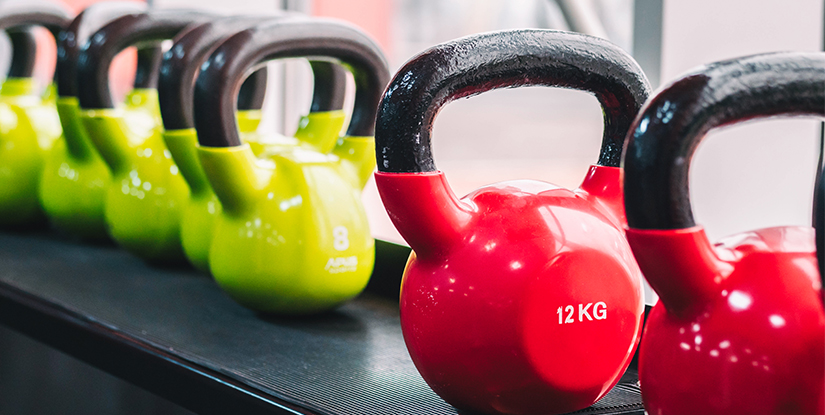
Technical Comparison: Durability and Commercial Utility
| Feature | Powder Coating Process | Traditional Liquid Paint |
|---|---|---|
| Application Method | Electrostatic spray of dry resin particles | Liquid solvent-based spray |
| Surface Durability | High resistance to impact and abrasion | Moderate; prone to chipping under heavy use |
| Maintenance Load | Low; maintains finish through heavy cycling | High; requires periodic touch-ups |
| Long-term TCO | Optimized for high-volume commercial use | Higher replacement frequency in heavy gyms |
| Texture/Grip | Consistent, professional matte or textured finish | Smooth, can become slippery with sweat |
Evaluating the powder coated vs painted kettlebell distinction through an engineering lens allows procurement leads to justify higher initial unit costs with significantly lower long-term depreciation. When pursuing commercial kettlebell manufacturing at scale, the robustness of the coating determines how well your brand identity survives the rigors of professional training environments.
For buyers focused on powder coated kettlebell wholesale, we recommend requesting a detailed technical spec sheet and confirming the curing temperature standards used by your supplier. This ensures that the batch meets your specific requirements for impact resistance and color fastness before the wholesale shipment leaves the facility.
Impact of Quality Control on Inventory Value and Landed Cost
The decision between powder coated vs painted kettlebell specifications is not merely a matter of aesthetics; it is a strategic calculation of landed cost and inventory longevity. For importers and large-scale distributors, a failure in surface integrity results in a higher rate of returns and damaged brand reputation. A high-standard commercial kettlebell manufacturing process must incorporate rigorous testing to prevent surface degradation that leads to premature replacement cycles.
Reliable quality control (QC) protocols are essential when sourcing in bulk. A professional iron kettlebell supplier should implement multi-stage inspections, including adhesion tests and impact resistance checks, to ensure every unit survives the rigors of international shipping and high-volume commercial usage. Without strict adherence to these standards, the cost of replacing chipped or rusted units can quickly outweigh the initial savings gained from a lower unit price.
To optimize your procurement strategy, we suggest conducting a thorough factory audit or requesting a sample evaluation to verify the curing process. Confirming the manufacturer's ability to maintain consistent coating thickness across various weight increments will protect your long-term ROI and ensure your inventory remains a premium asset in any commercial setting.
Custom Branding and OEM/ODM Capability for Global Distributors
Beyond basic material specifications, professional buyers often require specialized solutions to differentiate their product lines in competitive markets. Whether you are looking to launch a private label series or upgrade an existing catalog, robust OEM/ODM capabilities are essential. A high-tier China factory can provide far more than just standard weight increments; they can integrate custom branding, specific color palettes, and unique handle textures that align with your brand identity.
When negotiating powder coated kettlebell wholesale contracts, ensure your partner can handle custom color matching and logo application via high-durability methods. For instance, while liquid paint might be easier for simple logos, a professional supplier will offer heat-transfer or specialized etching techniques that won't peel under heavy use. This level of customization allows distributors to move from being commodity importers to providing premium, branded solutions for high-end fitness studios and professional training centers.
To move forward with your procurement planning, we recommend contacting us to discuss your specific MOQ and custom branding requirements. Whether you need a standard production run or a bespoke ODM project, our team can provide detailed technical drawings, sample approval processes, and transparent lead time estimates to support your inventory management and market entry strategy.
China Factory QC Protocols for Coating Consistency
Distributors and large-scale importers must prioritize technical validation when evaluating powder coated vs painted kettlebell specifications. Rely much on visual inspections alone; professional commercial kettlebell manufacturing requires rigorous laboratory-grade testing to ensure long-term asset value. A high-quality China factory implements standardized protocols to prevent premature coating failure, which directly impacts your replacement cycles and distributor margins.
During the pre-shipment phase, our iron kettlebell supplier standards mandate strict adhesion testing to ensure the finish remains intact under heavy usage. We utilize the cross-hatch test to verify that the coating adheres perfectly to the cast iron substrate, preventing peeling or flaking. Furthermore, we monitor thickness uniformity across all weight increments to ensure every unit meets the required micron levels. This precision in powder coated kettlebell wholesale production guarantees superior impact resistance, ensuring the product survives the high-velocity environment of a commercial gym without degrading the underlying metal.
Standardizing Batch-to-Batch Consistency for Global Distribution
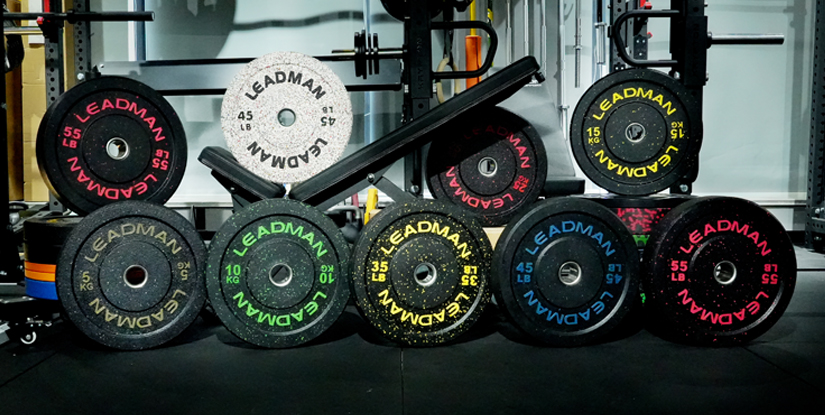
For professional importers, the primary risk in high-volume sourcing is not just the initial price, but the variance in quality between shipments. A reliable powder coated vs painted kettlebell comparison must account for batch-to-batch consistency. Inconsistent coating thickness or poor curing in a low-standard facility leads to uneven weight distribution and premature surface degradation. To mitigate this, our manufacturing process integrates rigorous pre-shipment inspection protocols that go beyond simple visual checks. We ensure that every unit in a powder coated kettlebell wholesale order adheres to the same technical standard, regardless of whether you are ordering a single pallet or multiple containers.
Effective procurement strategy involves evaluating the total cost of ownership (TCO) rather than just the FOB price. A product that appears cheaper due to a basic paint application may actually increase your long-term replacement costs if the finish fails under commercial stress. By selecting a iron kettlebell supplier that prioritizes automated electrostatic application and controlled heat-curing cycles, you protect your distributor margins. We encourage buyers to initiate a formal sample approval process and request a detailed technical spec sheet to verify that the coating durability aligns with the high-traffic demands of your target market.
Custom Branding and OEM/ODM Capabilities for Distributors
For high-volume importers, the distinction between powder coated vs painted kettlebell specifications often dictates the success of a private label line. When sourcing from a China factory, the ability to integrate custom branding is not merely an aesthetic choice but a strategic tool for building a distinct brand identity in competitive markets.
Distributors seeking to move beyond generic commodities require a supplier capable of sophisticated OEM and ODM services. Whether you are requesting a specific texture for a premium powder coating or a unique color profile for a standard paint finish, these technical customizations allow you to differentiate your inventory. Selecting the right commercial kettlebell manufacturing partner ensures that your bulk orders meet both your visual standards and the rigorous durability requirements of professional fitness facilities, ultimately protecting your long-term distributor value.
Technical Specification Comparison for Customization
Selecting between these two finishes requires a clear understanding of how technical specifications impact your customization scope and long-term inventory value. For professional buyers, the choice between a powder coated vs painted kettlebell depends on whether the priority is high-end aesthetic differentiation or cost-efficient volume scaling. The following table outlines the standard capabilities provided during the commercial kettlebell manufacturing process to assist in your procurement planning.
| Specification Category | Powder Coated Options | Painted/Liquid Coated Options |
|---|---|---|
| Logo Application Method | Stencil-based powder application or laser etching | Silk screen printing or high-durability liquid ink |
| Texture & Grip Feel | Matte, textured, or sand-finish options | Smooth, high-gloss, or satin finishes |
| Color Durability | High resistance to chipping and impact | Moderate resistance; prone to scratches over time |
| Color Versatility | Standardized industrial palettes | Wider range of custom color matching |
| Typical MOQ | Higher requirements for custom color/texture | Lower threshold for standard color variations |
| Lead Time Impact | Extended due to specialized curing processes | Standardized production cycles |
When managing a wholesale order, please note that specialized powder coating requests may impact your total lead time. We recommend confirming your specific requirements for logo placement and finish texture during the initial inquiry phase to ensure seamless production. To optimize your landed cost, please request a detailed spec sheet or confirm the specific MOQ for your desired custom branding configuration before finalizing your purchase order.
Quality Control and Export Logistics for Bulk Orders
Maintaining consistent quality across a large-scale bulk order requires more than just a standard production line; it requires rigorous oversight. When sourcing from an iron kettlebell supplier, procurement leads must verify that the coating application—whether it is the durable, textured finish of a powder coated vs painted kettlebell or a standard liquid coating—is consistent across every unit. A lack of standardized QC standards during the curing process can lead to uneven finishes, which directly impacts your brand reputation and increases replacement costs for your end-users.
Beyond product integrity, logistics efficiency is a critical component of your total landed cost. Professional importers should prioritize a factory that utilizes high-grade export packaging designed to withstand long-distance maritime transit. This includes reinforced cartons and palletization strategies that maximize container density, thereby improving shipping efficiency. To ensure your inventory arrives in a retail-ready state, we recommend scheduling a pre-shipment inspection or a factory audit. This proactive approach allows you to confirm that all powder coated kettlebell wholesale orders meet your exact weight tolerances and finish specifications before they leave the China factory.
Optimizing Export Packaging and Landed Cost for Bulk Orders
When evaluating the powder coated vs painted kettlebell distinction, professional importers must look beyond the initial unit price to the total landed cost. For distributors and gym equipment wholesalers, the choice of coating directly impacts the long-term TCO and replacement cycles. Sourcing from a reliable China factory ensures that your bulk shipments are optimized for both durability and shipping efficiency, reducing the frequency of costly returns due to surface degradation.
A common procurement pitfall is selecting a lower-cost paint finish that fails prematurely under heavy commercial use. While liquid paint may offer a lower upfront cost, it often lacks the impact resistance required for high-traffic facilities. In contrast, high-quality commercial kettlebell manufacturing processes typically favor powder coating because it creates a more resilient, uniform shield. This higher initial investment is offset by significantly lower maintenance costs and extended product lifespans, protecting your profit margins over time.
| Procurement Factor | Liquid Paint Option | Powder Coated Option |
|---|---|---|
| Initial Unit Cost | Lower | Moderate |
| Surface Durability | Standard/Moderate | High/Industrial Grade |
| Maintenance Frequency | Higher | Lower |
| Long-term ROI | Lower for high-use gyms | Higher for commercial fleets |
To maximize your wholesale value, we recommend coordinating closely with your supplier regarding specialized export packaging. For heavy iron products, ensuring that the coating remains intact during sea freight is essential. We offer customized OEM packaging solutions that prevent metal-on-metal friction during transit, ensuring that your powder coated kettlebell wholesale orders arrive at your warehouse in pristine, retail-ready condition, ready for immediate distribution or facility installation.
Optimizing the logistics of a bulk shipment requires a deep understanding of how product weight and packaging density influence the final price per unit. When sourcing from an iron kettlebell supplier, the way the product is palletized and protected can significantly alter the total cost of ownership. For large-scale distributors, the stability of the coating during long-distance ocean freight is a critical variable that prevents the need for expensive rework or inventory replacement upon arrival.
Strategic Volume and Weight Management for Global Shipping
The structural integrity of the finish is as important as the dimensions of the shipping carton. Because a powder coated kettlebell provides a thicker, more impact-resistant layer, it can withstand the vibrations and stacking pressures of containerized transport more effectively than thinner liquid-painted alternatives. This reliability reduces the risk of surface chipping that often occurs during heavy handling, ensuring that your powder coated vs painted kettlebell assessment remains focused on long-term asset value rather than transit-related damage.
To ensure the highest level of efficiency, we suggest discussing container loading plans and palletization standards during the initial sourcing phase. Whether you are managing a small boutique studio order or a massive 40-foot high-cube container, our factory can provide specific loading configurations that maximize volume without compromising the safety of the finish. We recommend requesting a detailed packing specification or a sample shipment to validate that the protective layers meet your local commercial standards before proceeding with full-scale wholesale production. Contact us today to confirm your MOQ or to request a detailed technical spec sheet for your next procurement cycle.
To ensure the highest level of efficiency, we suggest discussing container loading plans and palletization standards during the initial sourcing phase. Whether you are managing a small boutique studio order or a massive 40-foot high-cube container, our factory can provide specific loading configurations that maximize volume without compromising the safety of the finish. We recommend requesting a detailed packing specification or a sample shipment to validate that the protective layers meet your local commercial standards before proceeding with full-scale wholesale production. Contact us today to confirm your MOQ or to request a detailed technical spec sheet for your next procurement cycle.