Rush Kettlebell Order Manufacturer: Global Export from China
The Economic Impact of Selecting a Rush Kettlebell Order Manufacturer
A rush kettlebell order manufacturer provides the essential production capacity and logistical frameworks required for distributors to scale their inventory rapidly. For professional importers, selecting a specialized China factory ensures that high-volume orders for cast iron or coated units are fulfilled with consistent weight accuracy and optimized shipping density.
Managing a global supply chain requires more than just finding a product; it requires optimizing the total landed cost. When distributors face sudden market demand, an inefficient wholesale gym equipment export partner can lead to stockouts or inflated freight expenses. A professional commercial kettlebell supplier mitigates these risks by offering standardized palletization and streamlined container loading protocols, ensuring that your distributor margin remains protected even during high-frequency replenishment cycles.
The complexity of international procurement often hinges on the balance between MOQ requirements and lead time reliability. A low MOQ might seem attractive for small orders, but for large-scale distributors, the ability to execute a rush kettlebell order manufacturer workflow is more critical for maintaining a steady market presence. Rapid production cycles and predictable lead time windows allow for leaner warehousing and more efficient capital rotation.
| Sourcing Model | Typical MOQ | Lead Time Impact | Primary Focus | Distributor Margin Potential |
|---|---|---|---|---|
| Standard Wholesale | Moderate | Standardized | Inventory Stability | Stable / Predictable |
| Rush Order / OEM | High | Accelerated | Market Responsiveness | High (via Volume) |
| Small Batch Sourcing | Low | Variable | Niche Testing | Lower (due to Freight) |
Evaluating Sourcing Models for Maximum Efficiency
Selecting the correct sourcing route is a critical decision for any commercial kettlebell supplier looking to balance speed with profitability. A professional cast iron kettlebell manufacturer can provide significant advantages depending on your specific inventory needs and brand identity requirements. The following table compares common procurement pathways to help you evaluate the potential procurement risk and long-term scalability of your supply chain.
| Sourcing Model | Primary Advantage | customization capability | Logistics & shipping efficiency | Ideal For |
|---|---|---|---|---|
| Direct Factory (OEM/ODM) | Highest volume discounts | Full branding & specs | Optimized container loading | Large distributors & brands |
| Specialized Trading Company | Lower initial MOQ | Limited to stock items | Flexible, smaller shipments | Boutique studio owners |
| Standard Wholesale Stock | Immediate availability | No customization | Standard palletization | Rapid replenishment |
When evaluating a rush kettlebell order manufacturer, professional buyers must weigh the speed of delivery against the total landed cost. While a trading company might offer faster access to existing stock, a direct factory provides the ability to implement specific OEM or ODM requirements, such as custom handle textures or specific logo embossing. For long-term expansion, securing a partner with a robust wholesale structure ensures that your scale-up efforts are supported by consistent production capacity and reliable export-grade quality control.
Mitigating Financial Loss via Technical QC Standards
The cost of a procurement error extends far beyond the initial invoice. For a distributor, receiving a batch from a rush kettlebell order manufacturer that fails to meet commercial standards can lead to devastating returns and damaged brand reputation. High-volume sourcing requires strict oversight of technical specifications to ensure that every unit delivered is truly commercial duty rated.
Critical failure points often occur during the transition from casting to final finishing. A reliable cast iron kettlebell manufacturer must maintain rigorous control over weight tolerance and surface integrity. If the weight tolerance is inconsistent across a single batch, it creates significant friction with professional gym clients who demand precision. Furthermore, inadequate coating adhesion—particularly at the handle-to-body junction or the embossed logo area—can lead to premature chipping and rust, increasing your long-term maintenance and replacement liabilities.
To protect your margins, your QC protocols during a China factory audit should focus on these specific technical benchmarks:
- Casting Integrity: Inspecting the gray iron body for surface voids or structural inconsistencies that could affect durability.
- Coating Adhesion: Verifying that the powder coating or enamel layer is uniformly applied and resistant to impact during high-frequency use.
- Weight Calibration: Performing spot-checks to ensure the cast iron density meets the specified weight per unit.
- Export Packaging: Confirming that heavy-duty, reinforced palletization and protective cornering are used to prevent transit damage.
Investing in a partner that prioritizes these export packaging and technical standards is the most effective way to reduce the total cost of ownership. Before finalizing any large-scale wholesale agreement, we recommend requesting a detailed spec sheet or arranging a sample approval process to verify these quality benchmarks firsthand.
Critical Material and Casting Standards for Commercial Wholesale
When managing high-volume procurement, selecting a reliable rush kettlebell order manufacturer is a decision that directly impacts your total cost of ownership. For distributors and gym operators, the primary procurement risk involves receiving batches with inconsistent density or surface defects that compromise long-term durability. High-quality wholesale orders must originate from a factory that prioritizes structural integrity to ensure each unit meets the rigorous demands of a 24/7 commercial environment.
The foundational quality of a cast iron kettlebell manufacturer is determined by the precision of the sand casting process. Utilizing high-grade gray iron ensures a stable, dense core that resists cracking under heavy use. A professional commercial kettlebell supplier will implement a strict production sequence—starting with high-fidelity sand casting, followed by precision machining of the handle-to-body junction, and ending with a standardized surface finishing process. This systematic approach minimizes the likelihood of weight deviations and ensures the product remains a high-value asset for your clients.
To assist in your sourcing evaluation, the following table outlines the qualitative differences between production tiers commonly found in a China factory:
| Material Tier | Casting Process | Key Component Focus | Commercial Duty | MOQ Impact | Factory QC Point |
|---|---|---|---|---|---|
| Gray Iron (Standard) | Sand Casting | Handle-to-body junction | Commercial/High-traffic | Standard | Weight tolerance spot-check |
| Ductile Iron (Premium) | Precision Casting | Base flatness & concentricity | Premium Studio/Elite | Higher | Surface smoothness inspection |
| Steel (Competition) | Machined/CNC | Knurling depth & texture | Professional Competition | Variable | Handle texture calibration |
Evaluating Surface Finishes and Coating Adhesion
Beyond the structural density of the iron, the final surface finish determines the long-term maintenance load and aesthetic value of your inventory. For a wholesale gym equipment export specialist, the ability to offer diverse finishes is a key competitive advantage. While bare iron with phosphate treatment is common for budget-conscious tiers, premium commercial environments often demand specialized coatings to enhance grip and protect the underlying metal from oxidation.
When evaluating a rush kettlebell order manufacturer, it is essential to inspect the coating adhesion, particularly around the handle-to-body junction and the embossed logo area. Inferior coating processes often lead to premature peeling or chipping, which can damage flooring and increase replacement costs for the end-user. A professional commercial kettlebell supplier will utilize advanced application methods to ensure the finish remains intact despite heavy friction and environmental exposure.
Common commercial-grade finishes include:
- Powder Coating: A highly durable, electrostatically applied finish that provides a consistent texture and excellent resistance to chipping in high-traffic settings.
- PU Coating: A polyurethane layer that offers a smooth, premium feel and increased impact resistance, often used for boutique studio equipment.
- Rubber Coating: An encapsulation process that provides superior floor protection and a non-slip grip, ideal for high-intensity functional training zones.
Before finalizing your bulk order, we recommend requesting a sample evaluation or a detailed specification sheet to confirm that the coating thickness and handle texture meet your specific brand identity and durability requirements. For large-scale OEM or ODM projects, we can also discuss custom branding options to ensure your products stand out in the global market.
Essential Pre-Shipment Inspection and Packaging Standards
For professional importers, the final stage of the procurement cycle is often the most critical for protecting profit margins. Even with a high-quality cast iron kettlebell manufacturer, failures in the final stages—such as poor base flatness or inadequate protection during transit—can lead to high return rates and damaged brand reputation. A reliable rush kettlebell order manufacturer must demonstrate rigorous control over the final assembly and protection steps before the goods leave the factory.
During a pre-shipment QC or a third-party factory audit, buyers should focus on three technical pillars: weight calibration, base flatness, and knurling consistency. Weight calibration ensures that the cast iron density remains within industry-standard tolerances across the entire batch, preventing disputes over weight accuracy. Base flatness is equally vital; a perfectly level base ensures the kettlebell remains stable during use and prevents uneven wear on expensive gym flooring. Furthermore, inspecting the knurling consistency on the handle ensures that the grip remains professional and functional, rather than having uneven or sharp edges that could cause user discomfort.
Once the physical specifications are verified, the focus must shift to export packaging. To minimize the landed cost of damaged goods, high-volume wholesale orders should be packed using reinforced corrugated boxes and heavy-duty pallets. Effective export packaging must account for the high density and potential for impact during sea freight. We recommend that distributors confirm the specific packing configuration—including corner protection and moisture-resistant liners—to ensure that the shipment arrives in a condition that allows for immediate retail or commercial deployment.
To ensure your procurement requirements are fully met, please contact us to request a detailed spec sheet, confirm current MOQ, or schedule a sample approval process. We are also available to discuss tailored OEM solutions and lead time optimizations for your upcoming global distribution cycles.
Comparing Production Tiers: Casting and Coating Specifications
For professional distributors and gym equipment importers, understanding the technical divergence in manufacturing is essential to managing long-term TCO. When you engage a rush kettlebell order manufacturer, the distinction between budget and premium tiers often lies in the precision of the gray iron casting and the durability of the surface treatment. High-quality cast iron kettlebell manufacturer operations prioritize structural density to prevent cracking under heavy use, ensuring that the weight remains consistent over years of commercial rotation.
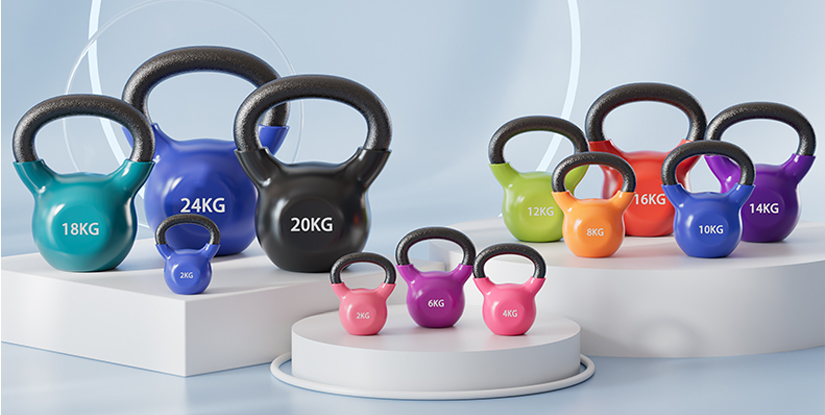
Selecting the wrong specification can lead to high replacement costs or customer dissatisfaction due to coating failure. A reliable commercial kettlebell supplier will offer varying levels of finish—from bare iron to high-grade powder coating—to suit different market segments. Below is a comparison of common production tiers to assist your sourcing decisions based on target market positioning and durability requirements.
| Material Tier | Primary Process | Surface Finish | Commercial Duty | MOQ Impact | Factory QC Focus |
|---|---|---|---|---|---|
| Standard Gray Iron | Sand Casting | Bare Iron / Phosphate | Entry-Level Commercial | Lower | Weight Tolerance |
| Premium Cast Iron | Precision Sand Casting | Powder Coating | High-Traffic Gyms | Medium | Coating Adhesion |
| Competition Grade | Centrifugal Casting | PU or Chrome Finish | Professional Studios | Higher | Concentricity & Balance |
When managing a wholesale gym equipment export, it is vital to verify that the China factory conducts a weight calibration and concentricity check for every batch. For high-volume orders, ensuring the powder coating adheres properly to the handle-to-body junction prevents premature peeling, which is a common failure mode in lower-tier wholesale units. We recommend requesting a sample or a detailed specification sheet to confirm that the casting density meets your brand's durability standards before finalizing your bulk order.
Technical Selection for Longevity
The choice between sand casting and more advanced methods like centrifugal casting significantly impacts the landed cost and the long-term maintenance load for your clients. While sand casting is the industry standard for high-volume wholesale production due to its cost-efficiency, premium tiers often utilize precision molding to ensure a smoother handle-to-body junction. This distinction is critical when you are evaluating a rush kettlebell order manufacturer for high-end studio clients who demand consistent grip and aesthetic longevity.
Furthermore, the method of surface application dictates the replacement cycle. A standard powder coating process provides a durable, textured grip that withstands high-frequency use in commercial settings. Conversely, PU coating (polyurethane) offers a smoother, more ergonomic feel often preferred in boutique fitness environments. When negotiating with a commercial kettlebell supplier, always clarify if the coating is applied via a dip method or a spray system, as this affects the coating adhesion strength and the overall resistance to chipping during heavy training sessions.
To ensure your procurement aligns with your target market's expectations, we suggest requesting a pre-shipment inspection report that specifically highlights the weight-marking clarity and the surface finish consistency across your MOQ. Verifying these technical details early in the sourcing process helps mitigate the risk of high return rates and protects your distributor margins.
Mitigating Procurement Risks Through Factory QC and Inspection
When managing high-volume imports, identifying a reliable rush kettlebell order manufacturer is the first step in protecting your distributor margins. For professional importers, the primary concern is not just the initial unit price, but the total landed cost associated with defective goods. Sourcing directly from a China factory allows for better control over production, yet without rigorous oversight, several technical failure modes can compromise your inventory value.
The most common procurement risks involve inconsistencies in the physical properties of the equipment. For example, poor casting defects in the gray iron body can lead to structural vulnerabilities, while insufficient coating adhesion on the handle or base ring can cause premature peeling during high-frequency commercial use. Furthermore, a lack of precise weight tolerance monitoring can result in batches that do not meet the strict standards required by professional training facilities. To ensure your wholesale gym equipment export remains profitable, implementing a structured quality control protocol is essential.
A professional commercial kettlebell supplier should provide transparency regarding their inspection points. A standard cast iron kettlebell manufacturer must demonstrate competence in several key areas of the production cycle:
- Casting Integrity: Inspecting the bell body for air bubbles, cracks, or uneven surfaces that could impact durability.
- Surface Finish: Verifying the bond between the metal and the powder coating to prevent chipping.
- Dimensional Accuracy: Conducting spot-checks on the handle diameter and concentricity to ensure a consistent grip.
- Weight Verification: Ensuring that each weight class remains within acceptable industry-standard deviations.
By prioritizing these technical checkpoints, distributors can minimize the frequency of after-sales claims and maintain a reputation for reliability in their local markets. We recommend that all buyers request a detailed specification sheet and confirm the MOQ for custom OEM orders to ensure the factory can meet both your quality requirements and your delivery timelines.
Technical Inspection Checklist for Commercial-Grade Durability
A professional pre-shipment inspection must go beyond visual aesthetics to verify the structural and functional integrity of the batch. For a wholesale gym equipment export, the goal is to ensure that the units can withstand the rigors of high-traffic commercial environments without increasing your maintenance or replacement costs.
When conducting a factory audit or managing a remote sourcing process, focus on these three critical technical pillars:
- Material and Casting: Verify that the sand casting process has produced a solid, single-piece gray iron body without internal voids or surface pitting. The base flatness must be checked to ensure the bell sits stable on a flat floor, preventing wobbling during use.
- Surface and Coating: Inspect the powder coating application, particularly around the handle-to-body junction and the embossed logo areas. A high-quality finish should show no signs of bubbling or uneven thickness, ensuring long-term durability and preventing rust in humid gym environments.
- Grip and Ergonomics: Evaluate the handle texture and knurling consistency. The grip must be uniform across the entire circumference to ensure user safety and comfort, which is a vital metric for premium commercial-grade equipment.
To minimize the risk of receiving sub-standard inventory, we recommend that buyers request a sample approval and a detailed weight calibration report. For large-scale wholesale orders, scheduling a third-party inspection to verify these specific technical points is a standard best practice to protect your long-term ROI and reduce the total landed cost of your shipment.
Comparison of Quality Tiers and Inspection Focus
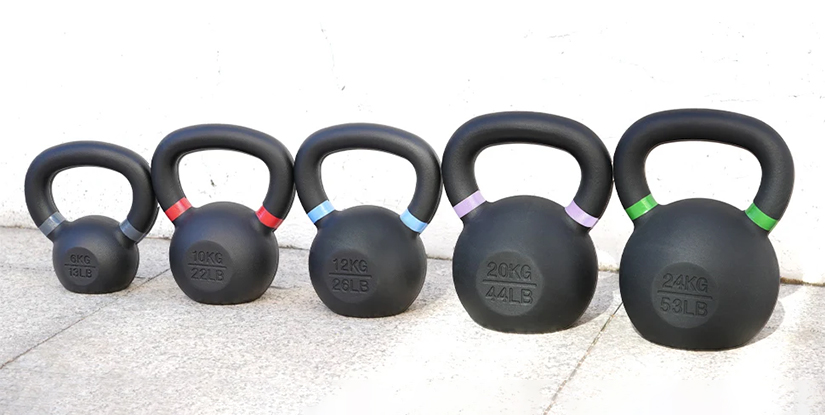
Understanding the qualitative differences between production tiers helps procurement managers align their budget with their specific market positioning. A high-tier commercial kettlebell supplier will focus heavily on the technical precision of the handle and the uniformity of the coating, whereas budget-tier production may prioritize low cost over long-term durability.
The following table outlines the critical inspection points required to ensure that your rush kettlebell order manufacturer is delivering products that meet professional commercial standards. This comparison is designed to assist in your sourcing decision-making process.
| Material & Process | Key Component | Commercial Duty Tier | Typical QC Focus Point | Impact on Sourcing |
|---|---|---|---|---|
| Gray Iron / Sand Casting | Bell Body & Base | Budget / Entry-Level | Surface pitting and base flatness | Higher replacement frequency |
| Gray Iron / Powder Coating | Handle-to-Body Junction | Standard Commercial | Coating adhesion and surface smoothness | Balanced TCO and durability |
| Premium Cast Iron / Precision Machining | Handle Texture & Grip | High-End / Professional | Knurling consistency and concentricity | Maximum user safety and brand value |
When finalizing your order, we suggest requesting a sample for a physical inspection of the handle texture and the weight marking area. Confirming these technical details early in the OEM or ODM process will significantly reduce the risk of receiving non-compliant inventory and ensure your distributor margins remain protected.
Optimizing Logistics: Export Packaging and Container Loading
When managing high-volume procurement, the final landed cost is heavily dictated by how efficiently your rush kettlebell order manufacturer handles the transition from the factory floor to the shipping container. For distributors and gym equipment importers, the primary risk is not just product defect, but transit-related damage and inefficient space utilization that drives up sea freight expenses per unit.
Heavy cast iron products present unique challenges during long-haul maritime transport. Without specialized export packaging, the dense weight of the kettlebells can lead to structural damage to the outer cartons or even crushing of lower layers during movement. A professional commercial kettlebell supplier must implement a standardized palletization protocol to ensure stability. This typically involves heavy-duty corrugated boxes, reinforced corner protectors, and high-strength strapping to prevent shifting.
Efficient container loading is critical for maximizing your ROI on wholesale gym equipment export orders. Because kettlebells are high-density, low-volume items, the goal is to optimize weight distribution within the container to prevent uneven stress on the vessel or container walls. Expert logistics teams utilize strategic stacking patterns to ensure that the center of gravity remains stable, reducing the risk of load shifts during heavy seas. By prioritizing robust sea freight protection and precision loading, importers can achieve much higher damage prevention rates, ensuring that the bulk shipment arrives at the warehouse in a condition ready for immediate retail or commercial distribution.
Strategic Comparison: Loading Methods and Cost Efficiency
Selecting the correct loading strategy is essential for any professional buyer working with a cast iron kettlebell manufacturer. The decision between loose loading and palletized shipping directly impacts your volumetric weight calculations and the overall landed cost of the shipment. While loose loading may appear to maximize container space, it significantly increases the labor required for unloading and the risk of surface abrasions or coating damage during transit.
| Loading Method | Space Utilization | Handling Speed | Breakage & Coating Risk | Best Use Case |
|---|---|---|---|---|
| Loose Loading | High (Maximum density) | Slow (Manual unloading) | Moderate (Surface friction) | Small-batch wholesale orders |
| Palletized Loading | Standard (Requires pallet space) | Fast (Forklift compatible) | Low (Protected by crates) | Large bulk export shipments |
| Reinforced Crating | Moderate (Structured) | Fast (Standardized) | Very Low (Premium protection) | High-end OEM/ODM custom orders |
To achieve optimal shipping cost optimization, we recommend a hybrid approach for large-scale wholesale gym equipment export. By utilizing high-strength pallets and reinforced edge protectors, a factory can ensure that the heavy density of the iron does not compromise the structural integrity of the shipping unit. Before finalizing your rush kettlebell order manufacturer selection, always request a detailed loading plan to confirm how your MOQ volume will be distributed to minimize empty space and prevent shifting. We suggest confirming the specific export packaging requirements and requesting a sample loading photo to ensure the shipment meets your warehouse's receiving capabilities.
Customization and Scalability via OEM and ODM
For professional distributors and gym equipment importers, the ability to scale a product line depends on more than just sourcing; it requires a strategic partnership with a rush kettlebell order manufacturer that offers deep customization. Relying on generic, off-the-shelf inventory often limits your ability to differentiate in a saturated market. By leveraging OEM and ODM capabilities, you can transition from a mere reseller to a recognized brand owner.
Effective private label programs allow you to integrate your brand identity directly into the product, whether through embossed logos on the cast iron body or custom powder coating colors. This level of specification is critical for maintaining a high distributor margin. While standard stock orders may offer lower entry barriers, true scalability is found in customization options that allow for specialized weight sets or unique handle textures tailored to your specific target demographic. Navigating the MOQ requirements for customized runs is a vital part of the sourcing process, as it balances the initial investment against the long-term value of a proprietary product line.
Comparison of Customization Tiers for Commercial Procurement
When evaluating a commercial kettlebell supplier, procurement officers must distinguish between purchasing standard inventory and initiating a full-scale production run. Standard orders typically involve existing molds and stock colors, which minimizes lead time but limits brand differentiation. In contrast, high-level customization through a cast iron kettlebell manufacturer allows for proprietary specifications that can strengthen your market position.
The following table outlines the typical trade-offs between standard wholesale procurement and specialized production to assist in your sourcing decision.
| Procurement Tier | Customization Depth | Branding Method | Typical Lead Time | MOQ Impact | Commercial Use Case |
|---|---|---|---|---|---|
| Standard Wholesale | Minimal (Standard weights/colors) | None or simple sticker | Short (Stock availability) | Low | General gym replenishment |
| Premium Private Label | Moderate (Color/Handle texture) | Embossed logo on cast iron | Medium | Medium | Studio-specific branding |
| Full OEM/ODM | High (Custom mold/Dimensions) | Full brand integration | Long (Production cycle) | High | Global distributor launch |
For distributors aiming for a high-volume wholesale gym equipment export strategy, understanding these tiers is essential for managing landed costs and inventory turnover. While a rush kettlebell order manufacturer can often accommodate rapid requests for standard items, specialized OEM projects require advanced planning regarding the casting and coating cycles. We recommend confirming the specific MOQ for customized colors or embossed logos during the initial RFQ stage to ensure your production timelines align with your market launch or seasonal replenishment needs.
Technical Specifications for Custom Branding and Surface Finish
High-tier customization extends beyond simple aesthetics; it involves precise technical control over the physical interface of the equipment. When a rush kettlebell order manufacturer executes a custom run, the primary focus must be on the durability of the handle texture and the integrity of the surface finish. For instance, while standard units may use generic textures, a professional commercial kettlebell supplier can adjust the knurling depth or the handle-to-body junction profile to meet specific ergonomic requirements for your brand.
A critical technical detail for importers to monitor is the adhesion of the coating. Whether you are selecting a high-durability powder coating or a specialized finish, the application must be uniform across the casting to prevent premature peeling in high-traffic commercial environments. Furthermore, when requesting custom logo placement, it is standard practice to specify whether the logo should be embossed directly into the cast iron mold or applied via a secondary process. Embossed logos offer the highest level of durability for long-term commercial use, as they are integrated into the structural integrity of the gray iron body and cannot be worn away by frequent handling. We suggest requesting a sample evaluation of the coating adhesion and logo clarity during your initial sourcing phase to ensure the final product meets your quality standards before proceeding with a full-scale wholesale production order.