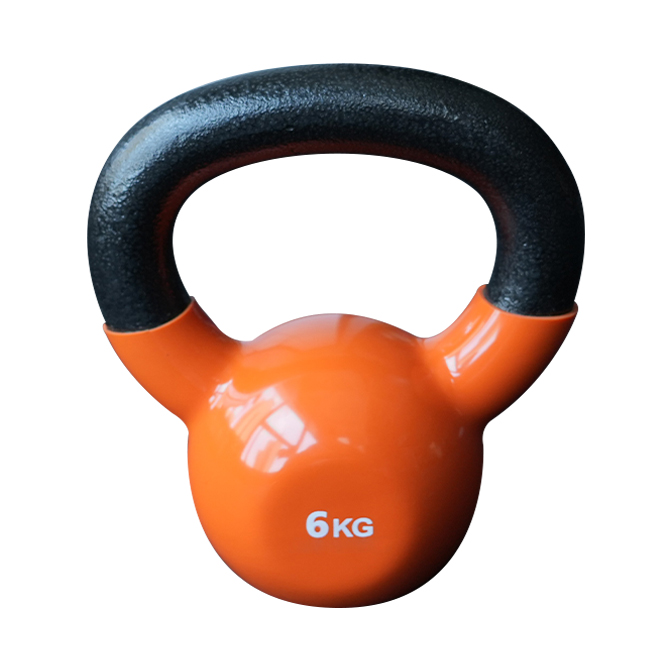
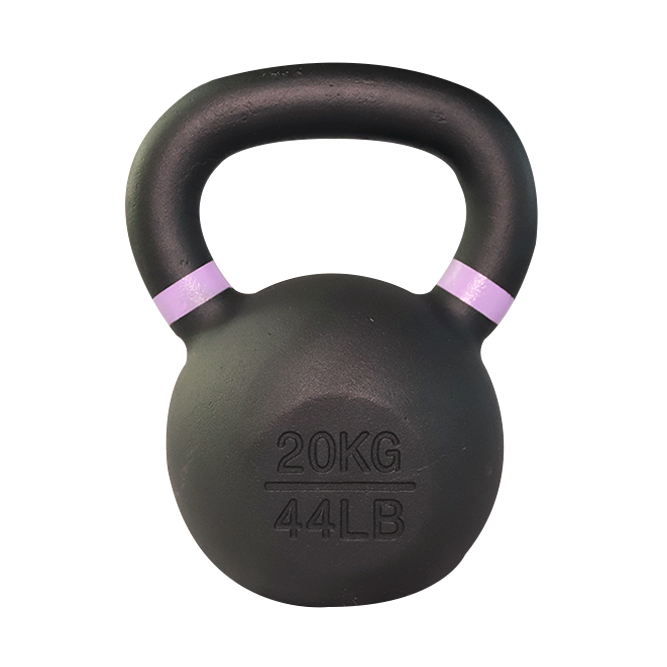
Kettlebell Production Line Manufacturer: OEM Manufacturing
Kettlebell Production Line Manufacturer: Understanding the Economics of Bulk Sourcing
Navigating the complexities of international procurement requires a sharp focus on three critical checkpoints: mitigating supply chain risk, ensuring technical specification compliance, and optimizing logistics workflows. When a business transitions from boutique orders to high-volume distribution, the primary objective shifts from simple product acquisition to maximizing the distributor margin. Relying on a professional kettlebell production line manufacturer allows importers to bypass the markup added by middle-tier traders and gain direct access to the production efficiencies of a China factory. This strategic move is essential for maintaining a competitive landed cost while scaling inventory for large-scale commercial fitness projects or regional retail distribution.
Scaling a fitness brand requires more than just finding a commercial kettlebell supplier; it requires a partner capable of managing the nuances of wholesale volume and complex shipping requirements. A direct cast iron kettlebell factory provides the control necessary to manage MOQ levels effectively, ensuring that your capital is not unnecessarily tied up in low-yield small batches. By sourcing through a dedicated wholesale fitness equipment manufacturing partner, distributors can better forecast lead times and align their inventory cycles with market demand, ultimately protecting their long-term profitability in a crowded commercial market.
Optimizing Sourcing Models: Stock vs. Custom OEM
Distributors must decide between the speed of ready-to-ship inventory and the long-term brand equity of custom manufacturing. While purchasing existing stock from a commercial kettlebell supplier offers immediate availability and lower initial risk, it limits your ability to differentiate in a saturated market. Conversely, engaging in OEM production allows you to control the technical specifications—such as handle texture, coating thickness, and logo placement—which builds a more professional brand identity and justifies a premium price point in the commercial sector.
| Sourcing Model | Primary Advantage | Typical Inventory Risk | Production Control | Best For |
|---|---|---|---|---|
| Standard Stock Sourcing | Fastest lead time and lower MOQ | High reliance on supplier availability | Limited to existing material/finish | Small studios and rapid restock |
| Custom OEM Production | High distributor margin via direct pricing | Requires advanced capital and space | Full control over casting and coating | Global distributors and fitness brands |
When evaluating a kettlebell production line manufacturer, the choice between these models should be driven by your warehouse capacity and seasonal demand cycles. A cast iron kettlebell factory can offer significant advantages in weight consistency and surface finish durability when you move toward custom orders. To ensure the highest ROI, we recommend requesting a detailed specification sheet and confirming the MOQ for custom branding before committing to a full-scale container order. Once the technical standards are aligned, you can proceed to sample approval and a formal factory audit to secure your supply chain.
Logistics Efficiency and Total Cost of Ownership
For professional importers, the relationship between shipping volume and the weight-to-volume ratio is a critical factor in determining the final landed cost. Because kettlebells are high-density products, maximizing container utilization is essential to prevent paying for "shipping air." A professional kettlebell production line manufacturer optimizes the packing configuration—often utilizing specialized nested layouts or reinforced export packaging—to ensure that every cubic meter of a sea container is utilized for maximum weight capacity. This precision in loading directly impacts your warehouse optimization and reduces the per-unit shipping cost, which is a vital component of your overall distributor margin.
Miscalculating these logistics variables can lead to significant procurement setbacks, such as under-filled containers or damaged goods due to improper weight distribution. When sourcing from a cast iron kettlebell factory, it is standard practice to request a detailed loading plan or a volumetric breakdown for your specific order volume. This allows you to accurately forecast warehouse space requirements and align your inventory arrival with your local distribution needs. To secure the most efficient shipping terms and optimize your bulk pricing, we suggest contacting our team to request a formal quote based on your target container capacity and specific weight increments.
Material Standards and Casting Processes for Commercial Grade Units
Selecting a reliable kettlebell production line manufacturer requires a deep understanding of how different casting methods impact the long-term durability and weight consistency of the final product. For professional distributors and gym owners, the choice between production routes directly affects the total cost of ownership and the replacement frequency of the equipment in high-traffic environments.
Most professional buyers sourcing from a cast iron kettlebell factory look for products manufactured using high-quality gray iron. This material is industry-standard for commercial-grade equipment due to its density and stability. During the manufacturing process, the quality of the sand casting determines the smoothness of the handle and the precision of the weight distribution, which is critical for maintaining a professional standard in any strength training facility.
When evaluating wholesale fitness equipment manufacturing, it is essential to distinguish between different casting and coating tiers to ensure the product meets the specific demands of your market. A high-quality commercial kettlebell supplier will provide clear documentation regarding the casting route and surface treatment to prevent common issues like handle roughness or coating peeling during heavy use.
| Material & Process | Key Component Focus | Commercial Duty Tier | Sourcing Advantage |
|---|---|---|---|
| Sand Casting (Gray Iron) | Handle-to-body junction | Standard Commercial | High volume, cost-effective |
| Precision Die Casting | Handle texture/knurling | Premium/Competition | High precision, consistent weight |
| Powder Coated Steel | Coating adhesion | High-End Commercial | Enhanced durability, low maintenance |
For distributors looking to scale their product lines through OEM or ODM partnerships, understanding these technical distinctions allows for better inventory planning. Whether you require basic sand-cast units for budget-friendly studios or precision-molded steel bells for competition-style training, the factory must demonstrate consistent weight calibration and surface finish control to ensure your brand's reputation remains intact.
Technical Comparison of Surface Finishing and Durability
The choice of surface treatment is a critical factor in determining the long-term maintenance load and the visual appeal of your inventory. A professional kettlebell production line manufacturer must offer various coating options to suit different market segments, from high-intensity functional training centers to premium boutique studios. The adhesion of the coating to the base material is often the primary failure point in lower-tier production, making it essential to verify the application process during your initial sourcing phase.
When negotiating with a commercial kettlebell supplier, consider how the coating affects the handle-to-body junction and the overall grip feel. For example, while a powder coating provides excellent protection against oxidation in humid environments, a PU coated finish may offer a more premium tactile experience for competition-style training. Understanding these nuances helps procurement officers align product specifications with the expected usage volume and the target price point of their end-users.
| Surface Finish Type | Core Material Base | Commercial Duty Tier | Primary Benefit | Typical MOQ Impact |
|---|---|---|---|---|
| Powder Coating | Cast Iron / Steel | Standard Commercial | High impact resistance | Standard wholesale levels |
| PU Coating (Polyurethane) | Solid Steel / Iron | Premium / Boutique | Soft touch and grip | Higher volume required |
| Bare Iron (Phosphate) | Gray Iron | Budget / Basic | Low cost, high density | Lowest entry barrier |
Effective wholesale fitness equipment manufacturing involves more than just selecting a finish; it requires rigorous pre-shipment QC to ensure coating adhesion and weight marking clarity. For importers managing large-scale orders, a China factory that utilizes automated coating lines will typically offer more consistent results and better lead time reliability than manual application methods. We recommend requesting a sample evaluation to inspect the handle texture and the durability of the coating before finalizing any bulk purchase or OEM agreement.
Critical QC Protocols and Pre-Shipment Inspection Standards
For professional buyers, the most significant procurement risk is not the initial landed cost, but the hidden expense of defective units arriving at a warehouse. A sophisticated kettlebell production line manufacturer must implement a multi-stage quality control framework that moves beyond simple visual checks. This includes rigorous weight calibration to ensure every unit within a batch meets the specified tolerance, as even slight deviations can damage a distributor's reputation for precision and reliability.
A comprehensive pre-shipment inspection should focus on three critical failure points: weight consistency, coating adhesion, and handle texture. During the final stages of production, the cast iron kettlebell factory must verify that the handle-to-body junction is smooth and that the knurling or grip texture is uniform. Inconsistent handle surfaces or poor coating adhesion—where the finish peels under stress—are common indicators of inadequate surface preparation, which can lead to high return rates and increased maintenance loads for your end-users.
When managing large-scale wholesale fitness equipment manufacturing orders, we recommend that procurement leads request a detailed inspection report covering these specific technical benchmarks:
- Weight Calibration: Verification of weight accuracy across the entire ordered weight range.
- Coating Adhesion: Inspection of the surface integrity, particularly around the handle and logo emboss areas.
- Handle Texture: Assessment of the grip consistency and the absence of sharp casting imperfections.
- Base Flatness: Ensuring the unit sits stable on a flat surface to prevent wobbling during use.
- Export Packaging: Verification of container-ready packing to prevent damage during long-distance ocean freight.
By establishing these strict requirements during the initial sourcing phase, importers can mitigate the risks of receiving sub-standard inventory. Whether you are developing a private label line or fulfilling a large-scale gym contract, ensuring your supplier adheres to these industry-standard export protocols will protect your margins and ensure long-term commercial success. We suggest confirming the specific QC steps and requesting a sample approval to validate these standards before finalizing your bulk order or MOQ agreement.
Critical Inspection Points for a Cast Iron Kettlebell Factory
Maintaining consistent quality during bulk procurement requires a rigorous quality control (QC) protocol. When sourcing from a kettlebell production line manufacturer, professional buyers must look beyond the surface to ensure every unit meets commercial-grade standards for safety and longevity.
A reliable cast iron kettlebell factory focuses on two primary technical pillars: structural integrity and weight precision. During the sand casting stage, the mold must be inspected for surface irregularities or air bubbles that could compromise the density of the bell. For distributors, even minor casting defects can lead to high return rates and increased TCO (Total Cost of Ownership) for the end-user.
Beyond the casting, the weight tolerance is the most critical metric for a commercial kettlebell supplier. In many commercial settings, a discrepancy in weight between different sizes can disrupt training programming and decrease the perceived value of a gym set. High-tier manufacturers implement a calibration step after the surface finishing to ensure that the final product aligns with the declared weight, maintaining the wholesale fitness equipment manufacturing standards expected in the North American market. This precision is essential for sourcing products that can be marketed as premium or competition-ready.
Standardized Inspection Metrics for Commercial Procurement
To mitigate the risks of receiving inconsistent batches, procurement managers should utilize a standardized inspection framework. Different kettlebell categories require specific focus areas, ranging from the structural density of the base to the tactile quality of the grip. A professional kettlebell production line manufacturer will typically provide a detailed inspection report that covers these variables before shipment.
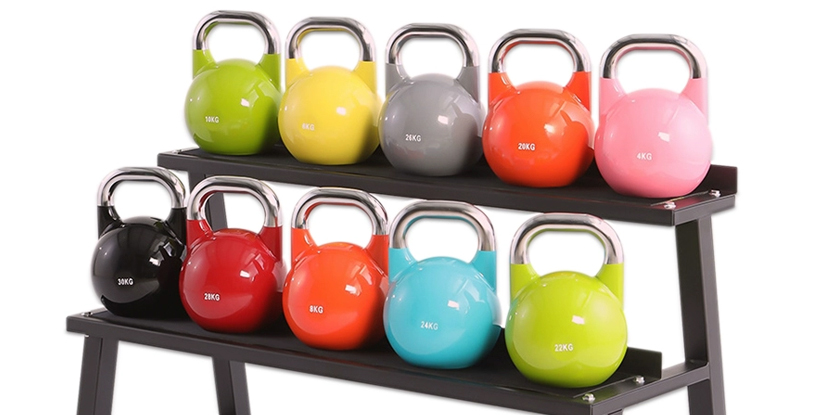
The following table outlines the qualitative inspection standards used to differentiate between standard and premium commercial-grade units. This comparison helps importers align their sourcing strategy with their target market's price point and durability requirements.
| Material Type | Surface Finish Process | Key Component Focus | Commercial Duty Tier | MOQ Impact | Factory QC Point |
|---|---|---|---|---|---|
| Cast Iron | Powder coating | Handle texture and base flatness | Standard Commercial | Lower | Coating adhesion and handle-to-body junction |
| Cast Iron | Enamel or Paint | Surface smoothness and weight marking | Budget/Entry-Level | Lowest | Casting imperfections and paint chipping |
| Solid Steel | Chrome finish | Handle knurling and concentricity | Premium/Competition | Higher | Weight calibration and surface polish |
| Cast Iron | Rubber/PU coating | Encapsulation layer and grip comfort | High-End Commercial | Medium | Coating thickness and base rubber ring fit |
When conducting a factory audit or reviewing samples from a commercial kettlebell supplier, pay close attention to the handle-to-body junction and the uniformity of the powder coating. A consistent handle texture is vital for safety during high-repetition training. Furthermore, verify the base flatness to ensure the unit remains stable on gym flooring, reducing the risk of movement or tipping during use. These technical details are the hallmarks of professional wholesale fitness equipment manufacturing.
Before finalizing a bulk order, we recommend requesting a detailed specification sheet and a sample of your specific design. This allows you to confirm the weight calibration accuracy and the quality of the surface finish, ensuring the final landed cost is justified by a durable, high-performing product.
Pre-Shipment Inspection and Export Logistics
Finalizing a bulk order requires more than just product approval; it requires a rigorous pre-shipment inspection (PSI) to protect your distributor margin. A professional kettlebell production line manufacturer must demonstrate control over the final stage of the supply chain, specifically regarding coating adhesion and structural stability. If the powder coating is brittle or the handle-to-body junction shows inconsistencies, the resulting high return rates will quickly erode your profitability and brand reputation.
Effective wholesale fitness equipment manufacturing extends to the final packaging and container loading protocols. For heavy items like cast iron, the export packaging must be robust enough to prevent impact damage during sea freight. We recommend verifying that the factory uses reinforced corner protection and heavy-duty cartons to ensure shipping safety. This attention to detail minimizes the risk of damaged goods upon arrival, ensuring your landed cost remains predictable and your stock is ready for immediate retail or gym distribution.
To optimize your procurement cycle, always confirm the MOQ, expected lead time, and any OEM or ODM customization possibilities before initiating a wire transfer. A transparent supplier will provide clear documentation regarding the inspection process and the readiness of the cargo for export. By aligning these logistical requirements early, you can manage your inventory turnover more efficiently and maintain a competitive edge in the commercial fitness market.
Customization Capabilities and OEM/ODM Services
For distributors and large-scale fitness importers, standardizing a product line requires more than just off-the-shelf inventory. A professional kettlebell production line manufacturer provides the technical infrastructure to transform generic equipment into a proprietary product line. Through OEM and ODM workflows, buyers can move beyond basic sourcing to develop high-margin assets that align with specific market positioning, whether targeting budget-friendly fitness centers or premium boutique studios.
The scope of customization extends from the core structural elements to the final aesthetic touchpoints. When sourcing from a China factory, professional buyers can specify the exact cast iron density and the specific texture of the powder coating to ensure the grip meets regional ergonomic standards. This level of control is essential for building a distinct brand identity that stands out among various commercial gym brands. Whether you require a specific weight increment profile or a unique handle diameter, a specialized supplier can adjust the casting molds and machining parameters to meet your exact requirements.
Effective private label programs also allow for sophisticated branding integration, such as recessed logo embossing during the sand casting stage or high-durability silk-screen printing on the finished surface. While these custom specifications may influence the MOQ and the total lead time, they significantly increase the long-term value of your inventory by providing a unique selling proposition for your local distribution network. For high-volume wholesale orders, working directly with a factory ensures that your custom technical requirements are integrated into the initial production run rather than treated as an afterthought.
Technical Comparison of Customization Tiers
To assist in procurement planning, the following table outlines the typical differences between standard stock orders and full-scale customization. Understanding these tiers helps distributors balance the desire for a unique private label with the practicalities of lead time and landed cost. While standard products offer the fastest turnaround, a specialized commercial kettlebell supplier can execute more complex requests to elevate your product's market position.
| Customization Level | Material & Finish Options | Branding Method | Typical MOQ Impact | Complexity & Lead Time |
|---|---|---|---|---|
| Standard Wholesale | Standard cast iron with basic powder coating | No branding or standard logo sticker | Low (Standard bulk increments) | Short (Ready-to-ship inventory) |
| Basic Private Label | Standard material with color-specific coating | Silk-screen printing or decal application | Medium (Specific color requirements) | Moderate (Standard production cycle) |
| Full OEM/ODM | Custom handle texture or specialized steel/PU coating | Recessed casting/embossing or high-durability print | High (Requires custom mold or tooling) | Long (Includes mold development & QC) |
When evaluating a kettlebell production line manufacturer for high-tier projects, buyers should note that ODM requests involving structural changes—such as a unique handle-to-body junction or a specific weight calibration profile—will naturally require higher MOQ thresholds. For those seeking to minimize sourcing risks, we recommend requesting a sample approval of the specific powder coating adhesion or handle texture before committing to a full wholesale production run. This ensures that the final product meets your commercial-grade expectations and maintains a consistent quality standard across all distributed units.
Logistical Requirements for Bulk Sourcing and Export
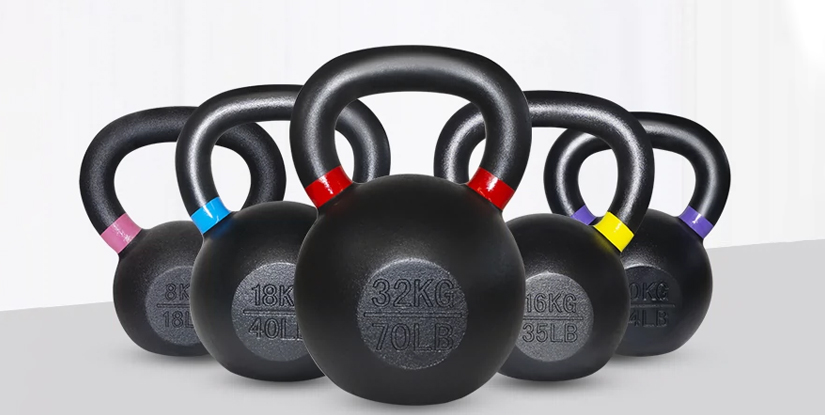
Successful wholesale fitness equipment manufacturing requires more than just a production agreement; it demands a rigorous logistical framework to manage the transition from design to global distribution. For professional importers, the complexity lies in the variables that affect the final landed cost, including material weight, volume optimization, and the precision of the export packaging. A reliable kettlebell production line manufacturer must demonstrate capability in handling these high-density goods through specialized container loading strategies that minimize movement and prevent surface damage during sea freight.
The procurement process should always begin with a formal sample evaluation to verify that the design specifications—such as handle diameter, knurling depth, and coating durability—are consistent with the production-grade units. Once the sample is approved, the transition to mass production involves strict monitoring of the casting and coating stages to ensure every unit meets the agreed-upon weight tolerance and finish quality. To mitigate risks during long-distance transit, it is industry-standard to request detailed documentation regarding the export packaging, such as the use of reinforced cartons and palletization methods designed for heavy-duty wholesale shipments.
When calculating the total budget for a new product line, professional buyers must look beyond the initial factory quote. A comprehensive sourcing strategy accounts for the lead time required for custom tooling, the costs associated with specific OEM modifications, and the eventual landed cost at your local warehouse. We recommend that distributors request a detailed breakdown of shipping logistics and container loading capacity (CBM) during the initial inquiry. This transparency allows you to optimize your inventory turnover and ensure that your commercial kettlebell supplier is fully aligned with your supply chain requirements.
Optimizing Logistics and Export Packaging for Global Distribution
For international distributors and gym equipment importers, the total landed cost of a shipment is often determined more by logistics efficiency than by the unit price itself. When sourcing from a kettlebell production line manufacturer, understanding how your goods are packed and loaded is vital for maintaining healthy distributor margins. Poorly managed bulk orders often suffer from high breakage rates or inefficient container utilization, which directly erodes your ROI.
To mitigate these risks, a professional commercial kettlebell supplier must implement standardized export packaging protocols. This includes high-strength corrugated boxes, reinforced corner protectors, and heavy-duty palletization designed to withstand the rigors of sea freight. By prioritizing shipping efficiency and damage prevention, a reliable cast iron kettlebell factory ensures that your wholesale fitness equipment manufacturing investment arrives at your warehouse in premium condition, ready for immediate distribution.
Comparison of Packaging Strategies for Bulk Procurement
Choosing the correct packaging method allows a distributor to balance upfront costs against long-term product integrity. A professional kettlebell production line manufacturer typically offers tiered packaging options to suit different market segments, from budget-friendly retail distribution to premium studio-grade shipping. Selecting the wrong method can lead to increased damage claims or inefficient container volume utilization, negatively impacting your landed cost.
| Packaging Tier | Typical Use Case | Protective Layers | Palletization Method | Sourcing Advantage |
|---|---|---|---|---|
| Standard Bulk | Budget retail or high-volume wholesale | Single-layer cardboard and standard wrap | Basic wooden pallet | Lowest MOQ impact and shipping cost |
| Commercial Grade | Gym distributors and studio suppliers | Reinforced cartons with moisture protection | Standardized industrial pallet | Balanced protection for sea freight |
| Premium OEM | High-end brand identity and long-distance export | Multi-layer protection and custom branding | Heavy-duty reinforced palletization | Maximum safety for high-value wholesale orders |
When managing wholesale fitness equipment manufacturing, we recommend that buyers request a detailed export packaging specification sheet before finalizing any bulk order. For long-distance transit, ensure the factory utilizes adequate moisture protection to prevent oxidation of the cast iron surface during sea freight. A reliable supplier will provide clear documentation regarding palletization dimensions and container loading density to help you accurately calculate your shipping budget and optimize your warehouse space.
For international distributors and gym equipment importers, the total landed cost of a shipment is often determined more by logistics efficiency than by the unit price itself. When sourcing from a kettlebell production line manufacturer, understanding how your goods are packed and loaded is vital for maintaining healthy distributor margins. Poorly managed bulk orders often suffer from high breakage rates or inefficient container utilization, which directly erodes your ROI.
To mitigate these risks, a professional commercial kettlebell supplier must implement standardized export packaging protocols. This includes high-strength corrugated boxes, reinforced corner protectors, and heavy-duty palletization designed to withstand the rigors of sea freight. By prioritizing shipping efficiency and damage prevention, a reliable cast iron kettlebell factory ensures that your wholesale fitness equipment manufacturing investment arrives at your warehouse in premium condition, ready for immediate distribution.
Evaluating Your Next Wholesale Fitness Equipment Manufacturing Partner
Transitioning from small-scale purchasing to high-volume procurement requires a shift in strategy. For distributors and gym chains, finding a reliable kettlebell production line manufacturer is not merely about finding a low price; it is about mitigating procurement risks such as weight inconsistencies, handle defects, and shipping damages. When sourcing from a China factory, professional buyers must look beyond the initial quote to evaluate the long-term scalability and technical precision of the production facility.
A professional commercial kettlebell supplier provides more than just finished goods; they offer a transparent supply chain. Whether you are looking for a cast iron kettlebell factory for standard strength training or a specialized partner for premium competition-style steel bells, your decision should be based on technical capability. Successful wholesale fitness equipment manufacturing depends on the manufacturer's ability to manage MOQ requirements while maintaining strict quality standards across every batch, ensuring that your landed cost remains competitive without sacrificing product integrity.
Technical Comparison of Material and Production Standards
To optimize your procurement strategy, you must distinguish between different manufacturing tiers. A high-tier kettlebell production line manufacturer will offer clear differentiation in material density and surface treatment, which directly impacts the product's lifespan in high-traffic commercial environments. Understanding these technical nuances helps prevent the high replacement costs associated with substandard casting or poor coating adhesion.
| Material Tier | Primary Process | Key Component Focus | Commercial Duty | MOQ Impact | Factory QC Point |
|---|---|---|---|---|---|
| Cast Iron | Sand Casting | Handle-to-body junction | Standard Commercial | Low to Moderate | Base Flatness |
| Powder Coated Iron | Casting + Powder Coating Line | Coating Adhesion | Premium Commercial | Moderate | Weight Marking Area |
| Steel / Competition Spec | Machining / CNC | Handle Knurling & Grip | Professional/Competition | Higher | Concentricity Check |
When sourcing through wholesale fitness equipment manufacturing, we recommend requesting a sample to inspect the handle texture and the seamlessness of the casting. A reliable cast iron kettlebell factory will ensure that the weight calibration is consistent across the entire batch, reducing the risk of uneven distribution in your inventory. For distributors looking to scale, verifying the manufacturer's ability to handle custom branding and specialized surface finishes is a critical step in building a high-value product line.
Critical QC Checkpoints for High-Volume Procurement
A common failure in global sourcing is neglecting the final stage of the supply chain: pre-shipment verification. For a professional commercial kettlebell supplier, the risk of high landed cost issues often stems from inadequate export packaging or unverified weight tolerances. If the casting process is not paired with a rigorous calibration step, your bulk order may arrive with significant weight discrepancies, leading to customer dissatisfaction and potential returns. To safeguard your distributor margins, you must confirm that the kettlebell production line manufacturer implements a standardized QC protocol that covers every critical touchpoint from the mold to the shipping container.
A comprehensive inspection should prioritize three specific areas: coating adhesion, handle-to-body integrity, and packaging durability. In many commercial settings, the coating—whether it is a standard powder coating or a premium finish—can chip if the adhesion test is skipped, especially around the handle-to-body junction. Furthermore, because weight is a significant factor in shipping costs, a professional cast iron kettlebell factory will perform weight tolerance spot-checks on a percentage of the batch to ensure every unit meets the specified commercial grade. Finally, ensure the manufacturer utilizes reinforced export packaging designed to withstand container loading and long-distance maritime transit, protecting your investment from the moment it leaves the China factory until it reaches your warehouse.
Before finalizing any large-scale contract, we suggest a structured sample evaluation process. This allows you to verify the knurling depth, the smoothness of the base, and the overall finish quality in person. Once the sample meets your brand identity standards, you should move to confirm the specific MOQ, lead times, and shipping terms for your bulk order to ensure a seamless integration into your inventory management system.