Iso Certified Kettlebell Manufacturer: Factory Direct
The Strategic Value of an Iso Certified Kettlebell Manufacturer
When managing large-scale procurement, distributors must evaluate three critical risk pillars: specification deviations, logistical consistency, and long-term maintenance overhead. Sourcing from an ISO certified kettlebell manufacturer mitigates these variables by establishing a standardized framework for weight calibration and structural integrity. For professional importers and large-scale gym distributors, this certification acts as a baseline for quality assurance, ensuring that every unit in a bulk order adheres to the same technical tolerances and surface finish standards required for high-traffic environments.
The primary objective for any wholesale kettlebell supplier is to provide products that minimize the total cost of ownership (TCO) for the end-user. In a commercial setting, the most frequent expenses arise from uneven weight distribution—which can lead to safety liabilities—and premature surface degradation. By selecting a cast iron kettlebell factory that operates under strict ISO protocols, buyers ensure superior coating durability. This level of precision reduces the frequency of replacements and minimizes the maintenance load, directly protecting the profit margins of the distributor and the longevity of the gym's equipment inventory.
Economic Comparison: Sourcing Tiers and Long-Term Value
For procurement professionals, the distinction between low-cost generic sourcing and a commercial kettlebell OEM model is best understood through the lens of landed cost and operational longevity. While uncertified units may offer a lower initial price per unit, the hidden costs of weight discrepancies and coating failure often negate these superficial savings. A professional wholesale kettlebell supplier provides a predictable value proposition where quality is a standardized metric rather than a variable outcome.
| Sourcing Model | Material & Process | Primary Risk Factor | Commercial Duty Tier | Landed Cost Impact |
|---|---|---|---|---|
| Generic Uncertified Sourcing | Standard sand casting; basic paint | Weight tolerance deviation; peeling coating | Budget / Light Commercial | Low initial cost; high replacement frequency |
| ISO certified kettlebell manufacturer | Precision casting; controlled powder coating | Minimal; standardized calibration | Premium Commercial / Professional | Stable mid-range; optimized TCO |
| Custom commercial kettlebell OEM | Advanced casting; specialized finish options | Managed via strict factory QC | High-End Studio / Competition | High initial investment; maximum durability |
When evaluating a cast iron kettlebell factory, buyers should prioritize the stability of the supply chain over the lowest single-unit price. High-traffic commercial facilities require equipment that maintains its grip texture and surface integrity over years of use. By securing a partnership with a certified factory, distributors can guarantee their clients a consistent product that reduces the need for frequent inventory replenishment and minimizes the long-term maintenance burden.
Optimizing your procurement strategy requires moving beyond simple unit pricing to analyze the total impact on your distributor margin. A reliable ISO certified kettlebell manufacturer offers more than just hardware; they provide a predictable supply chain that stabilizes your landed cost. For distributors managing large-scale shipments, the ability to confirm a specific MOQ and a consistent lead time is essential for maintaining inventory turnover and meeting client deadlines without the risk of unexpected stockouts or defective batch arrivals.
To ensure maximum operational efficiency, we recommend that procurement leads conduct a thorough factory audit or request a detailed pre-shipment inspection protocol before finalizing any large-scale contracts. For complex bulk orders, a professional China factory will provide transparent documentation regarding their QC stages—from the initial sand casting and weight calibration to the final powder coating adhesion check. This level of transparency allows you to secure a competitive edge, ensuring that your branded or white-label products meet the rigorous durability standards expected in the North American commercial fitness market.
Material Selection and Casting Processes for Commercial Durability
Selecting a reliable ISO certified kettlebell manufacturer is a critical decision for distributors looking to minimize replacement costs and maintenance overhead. When sourcing high-volume orders, the structural integrity of the bell depends entirely on the quality of the raw iron and the precision of the mold. A professional factory must ensure that the casting process results in a uniform density to prevent structural weaknesses during high-impact use.
Most premium commercial units utilize high-grade cast iron produced through professional sand casting techniques. This method is the industry standard for creating the robust, heavy-duty bodies required for gym environments. During the production cycle, the molten metal is poured into precision-engineered sand molds, which allows for the creation of the classic spherical shape and the integrated handle. To ensure the product meets international distribution standards, a rigorous weight calibration process is performed after the initial casting and machining stages. This step ensures that each unit in a bulk shipment adheres to the specified weight class, providing the consistency that professional trainers and gym owners demand. For wholesale buyers, this level of control is essential to avoid the high return rates and customer dissatisfaction associated with inconsistent weight deviations.
Comparing Surface Finishes for Commercial Durability
The choice between different surface treatments significantly impacts the total cost of ownership (TCO) and the long-term maintenance load for a facility. While the core body remains consistent, the secondary coating determines how the equipment interacts with the user and the gym floor. For a wholesale kettlebell supplier, offering a variety of finishes allows distributors to cater to different market segments, from high-intensity functional training zones to premium boutique studios. Understanding the technical nuances between these finishes helps procurement officers select the right SKU for their specific target audience.
The following table outlines the technical distinctions between common commercial finishes to assist in your sourcing decisions. This comparison focuses on the durability and application suitability of each material type rather than consumer preference.
| Material Type | Surface Process | Key Component Focus | Commercial Duty Tier | MOQ Impact | Factory QC Point |
|---|---|---|---|---|---|
| Cast Iron | Powder Coating | Coating Adhesion & Logo | Commercial | Standard | Surface Smoothness |
| Cast Iron | PU Coating | Handle-to-Body Junction | Premium | Higher | Encapsulation Uniformity |
| Cast Iron | Bare Iron | Weight Calibration | Budget/Standard | Lower | Rust Prevention Treatment |
When evaluating a cast iron kettlebell factory, it is essential to inspect the quality of the surface finishing. For instance, high-quality powder coating provides a durable, textured grip that resists chipping under heavy use, making it ideal for high-traffic commercial gyms. Conversely, a PU coating offers a smoother, more premium tactile experience and better floor protection, though it may involve different production complexities. A professional commercial kettlebell OEM will provide detailed specifications regarding the adhesion strength and the uniformity of the coating across the handle and the bell body to ensure long-term reliability for your clients.
Pre-Shipment QC and Export Logistics Optimization
Beyond material integrity, the final stage of the supply chain determines your actual profitability. A reputable commercial kettlebell OEM does not stop at production; they integrate rigorous pre-shipment QC to protect the buyer from the high costs of transit damage and weight discrepancies. For professional importers, the risk of receiving a shipment with unevenly coated handles or inconsistent weight tolerances can devastate distributor margins. Therefore, a standard inspection protocol must include checking the handle-to-body junction, the smoothness of the knurling, and the adhesion of the coating to prevent peeling during long-distance maritime transit.
Efficient export packaging is equally vital for managing the total landed cost. Because kettlebells are high-density, heavy-weight products, the way they are palletized and secured in a container directly impacts shipping volume efficiency and breakage risks. A sophisticated China factory will utilize heavy-duty reinforced cartons and optimized pallet layouts to maximize container load capacity. When negotiating your next bulk order, always confirm the specific packaging dimensions and the MOQ requirements for custom branding or specialized crate protection. By aligning your sourcing strategy with a manufacturer that prioritizes both technical precision and logistical optimization, you can ensure a predictable lead time and a lower total cost of ownership for your distribution network.
Comparing Surface Finishes and Coating Adhesion Standards
When managing high-traffic facilities, the long-term TCO (Total Cost of Ownership) of your equipment is dictated by how well the surface withstands constant friction and moisture. For distributors and gym owners, a low initial purchase price is often offset by high maintenance costs if the coating fails prematurely. Sourcing from an iso certified kettlebell manufacturer ensures that the bond between the cast iron base and the exterior layer is standardized, preventing the common issue of chipping or peeling in high-intensity environments.
Poor quality coating adhesion leads to exposed metal, which rapidly develops oxidation. For those involved in commercial gym distribution, this translates to higher replacement rates and diminished brand reputation. A professional wholesale kettlebell supplier will provide units where the surface treatment—whether it is a high-durability powder coating or a seamless PU layer—is applied following strict industrial protocols to ensure maximum rust resistance.
| Surface Treatment Type | Primary Material Base | Commercial Duty Tier | Maintenance Profile | Procurement Context |
|---|---|---|---|---|
| Powder Coating | Cast Iron | Standard Commercial | Low; requires occasional wiping | High volume wholesale |
| PU (Polyurethane) | Cast Iron / Steel | Premium / Studio | Very Low; highly impact resistant | OEM / Custom Branding |
| Bare Iron (Phosphate) | Gray Iron | Budget / Basic | Moderate; prone to oxidation | Low MOQ / Entry level |
| Rubber Coating | Cast Iron | Full Commercial | Low; excellent floor protection | Commercial kettlebell OEM |
To mitigate long-term operational expenses, importers should prioritize a cast iron kettlebell factory that utilizes a multi-stage surface preparation process. This typically includes degreasing and a phosphate treatment before the final coating is applied, ensuring the finish remains intact even under heavy use. When evaluating your next batch, always verify the manufacturer's ability to provide consistent surface density and adherence across different weight increments.
Selecting the appropriate finish is a critical procurement decision that impacts both the aesthetic of a fitness facility and the long-term durability of the inventory. While bare iron is cost-effective for entry-level setups, premium studios often require specialized coatings to ensure longevity. A professional iso certified kettlebell manufacturer will offer various surface options to match specific facility requirements, from high-impact resistance to specialized grip textures.
The choice between a standard powder coating and a premium PU coating often depends on the intended environment and the client's budget. For instance, a cast iron kettlebell factory producing high-end studio equipment will typically employ a more rigorous multi-layer application process to ensure the finish does not crack or peel during heavy training. This attention to detail is essential for maintaining a high-quality brand image for distributors and large-scale gym operators.
Before finalizing a bulk order, we recommend requesting a sample or a detailed technical specification sheet to evaluate the coating adhesion and texture. Our team can also provide guidance on custom branding options or specific weight tolerances to ensure the final product meets your exact commercial standards. Please contact us to discuss your MOQ, lead times, or to request a formal quote for your next procurement cycle.
To mitigate long-term operational expenses, importers should prioritize a cast iron kettlebell factory that utilizes a multi-stage surface preparation process. This typically includes degreasing and a phosphate treatment before the final coating is applied, ensuring the finish remains intact even under heavy use. When evaluating your next batch, always verify the manufacturer's ability to provide consistent surface density and adherence across different weight increments.
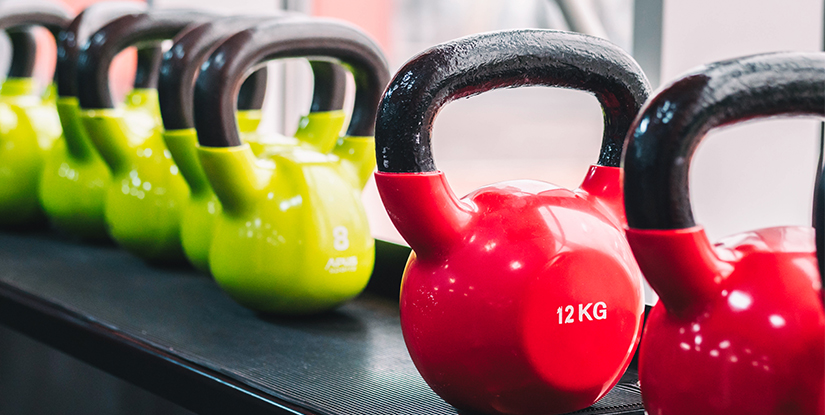
Selecting the appropriate finish is a critical procurement decision that impacts both the aesthetic of a fitness facility and the long-term durability of the inventory. While bare iron is cost-effective for entry-level setups, premium studios often require specialized coatings to ensure longevity. A professional iso certified kettlebell manufacturer will offer various surface options to match specific facility requirements, from high-impact resistance to specialized grip textures.
The choice between a standard powder coating and a premium PU coating often depends on the intended environment and the client's budget. For instance, a cast iron kettlebell factory producing high-end studio equipment will typically employ a more rigorous multi-layer application process to ensure the finish does not crack or peel during heavy training. This attention to detail is essential for maintaining a high-quality brand image for distributors and large-scale gym operators.
Before finalizing a bulk order, we recommend requesting a sample or a detailed technical specification sheet to evaluate the coating adhesion and texture. Our team can also provide guidance on custom branding options or specific weight tolerances to ensure the final product meets your exact commercial standards. Please contact us to discuss your MOQ, lead times, or to request a formal quote for your next procurement cycle.
Quality Control Protocols for Global Export and Weight Calibration
For distributors managing large-scale commercial gym distribution, the margin for error in weight accuracy is non-existent. Sourcing from an iso certified kettlebell manufacturer ensures that every unit meets strict calibration standards, preventing the logistical nightmare of returns caused by weight discrepancies. When you manage bulk orders, even a slight deviation in weight tolerance across a wholesale kettlebell supplier batch can damage your reputation with high-end studio clients and professional athletes.
A professional cast iron kettlebell factory must implement a multi-stage inspection sequence to maintain commercial-grade integrity. This process typically begins with the raw casting phase to ensure structural density, followed by precision machining of the handle to ensure a consistent grip. The most critical stage for a commercial kettlebell OEM involves rigorous weight calibration and the verification of surface finish consistency. Without these standardized checks, batches may arrive with uneven powder coating or irregular textures, leading to premature wear and diminished value in the secondary market.
To mitigate risk during sourcing, we recommend that buyers request a pre-shipment inspection report that specifically covers the handle-to-body junction and the adhesion of the coating. High-volume wholesale orders should always be verified against a standardized sample to ensure that the factory output remains consistent from the first container to the last. By prioritizing these technical benchmarks, importers can optimize their landed cost by reducing the need for after-sales replacements and maintaining high distributor margins.
Sand Casting and Surface Integrity Standards
Reliability in bulk procurement begins with the foundational manufacturing route. A professional cast iron kettlebell factory utilizes industrial-grade sand casting to create the primary bell shape. This process is essential for ensuring the structural density required for high-impact commercial use. Once the bell is cast, the unit undergoes machining to refine the handle diameter and ensure the concentricity of the weight distribution. This stage is critical for a commercial kettlebell OEM, as any irregularity in the handle-to-body junction or the grip texture can lead to user dissatisfaction and increased returns for the importer.
The durability of the finish is just as vital as the weight accuracy. In many professional settings, the transition from raw casting to a finished product involves a high-standard powder coating line. We focus heavily on coating adhesion to ensure the finish does not chip or peel under heavy use, which is a common failure mode in lower-tier production. During the pre-shipment inspection, technicians typically verify the integrity of the coating across the base ring and the embossed logo areas. For a wholesale kettlebell supplier, maintaining this level of surface consistency is what protects the brand identity of the client and ensures the product remains a premium asset in any commercial facility.
When evaluating your next sourcing project, we suggest requesting a sample to verify the handle texture and the smoothness of the coating. Whether you are looking for a single MOQ or a full container load, understanding these technical layers helps in calculating the true total cost of ownership and ensures your inventory meets the rigorous demands of the global fitness market.
Commercial-Grade Quality Tiers and Procurement Benchmarks
To assist in your procurement decision, the following table compares the technical specifications between standard production and the premium standards maintained by an iso certified kettlebell manufacturer. Understanding these qualitative differences is essential for distributors to manage long-term replacement costs and maintain high service standards for their clients.
| Material & Process | Key Component Focus | Standard Commercial Tier | Premium Commercial Tier | Impact on Sourcing & MOQ |
|---|---|---|---|---|
| Sand Casting & Powder Coating | Base Flatness & Weight Calibration | Basic weight accuracy; standard coating thickness; typical handle texture. | High-precision weight calibration; superior base flatness; consistent handle texture. | Standard MOQ; suitable for general gym distribution. |
| Machined Casting & Multi-Stage Finish | Handle-to-Body Junction & Coating Durability | Standard grip; basic coating adhesion; standard density. | Refined knurling; enhanced coating durability; optimized handle-to-body junction. | Higher MOQ; optimized for premium studio/boutique branding. |
| Advanced Casting & Precision Coating | Export Packaging & Surface Integrity | Basic protective layering; standard container loading protocols. | High-adhesion coating; reinforced packaging for long-distance export. | Custom OEM/ ODM requirements; higher landed cost. |
When evaluating a wholesale kettlebell supplier, do not merely focus on the unit price. A lower initial cost often masks hidden expenses related to poor weight tolerance or inadequate export packaging, which can lead to damaged goods and increased shipping claims. For professional sourcing, we recommend requesting a detailed spec sheet that outlines the specific handle texture and the density of the coating. For high-volume wholesale orders, confirm that the factory can provide a pre-shipment inspection report to verify the base flatness and overall product uniformity before the container is sealed.
OEM and Private Label Capabilities for Global Distributors
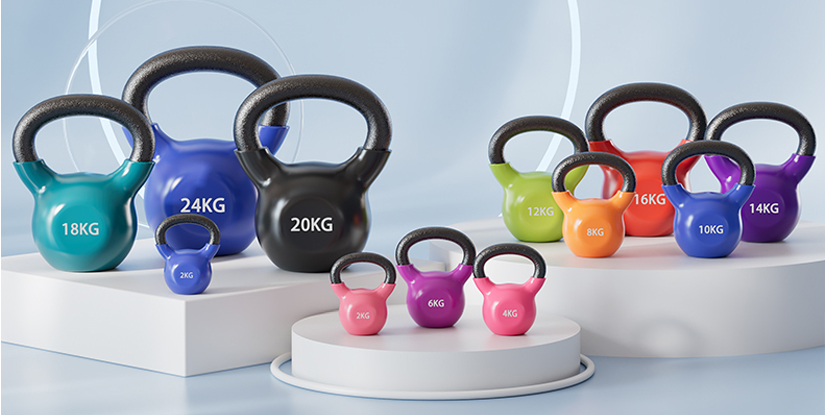
For international distributors and gym equipment importers, sourcing from an ISO certified kettlebell manufacturer provides a critical advantage in establishing a professional market presence. Rather than competing on generic stock, high-tier buyers leverage OEM and ODM services to build a distinct brand identity that commands premium pricing in local markets.
A professional wholesale kettlebell supplier understands that your success depends on more than just product weight; it depends on the ability to offer customized solutions that fit your specific catalog. By utilizing private label manufacturing, you can move beyond being a mere reseller to becoming a recognized brand in the commercial fitness space. This strategic shift allows for significantly higher distributor margin through the elimination of middleman markups and the ability to control the entire aesthetic and functional specification of the unit.
Whether you require custom handle textures, specific colorways for powder coating, or embossed logos for a premium look, a specialized cast iron kettlebell factory can accommodate various customization options. These services are designed to help you scale your inventory from standard bulk orders to highly specialized, branded collections that meet the exact requirements of your target commercial clients.
Customization Tiers and Sourcing Logic
Navigating the complexities of production requires a clear understanding of how different service levels affect your landed cost and inventory management. For most professional importers, selecting a commercial kettlebell OEM partner involves deciding between standardized production and highly specialized custom builds. While standard stock orders offer faster turnaround, deep customization allows for a unique market position through specialized coatings or branded hardware.
The following table outlines the typical differences in sourcing requirements and logistics for various levels of manufacturing engagement:
| Service Tier | Primary Focus | Customization Level | Typical MOQ | Impact on Lead Time |
|---|---|---|---|---|
| Standard Wholesale | Ready-to-ship stock units | Basic color or standard branding | Low to Medium | Short (Standard shipping) |
| OEM | Private label specification | Custom logo, handle texture, or specialized coating | Medium to High | Extended (Production + QC) |
| ODM | Full product development | Complete structural or material redesign | High | Long (R&D + Tooling + QC) |
When evaluating your next batch, consider that higher levels of customization often require longer lead time due to the specialized tooling or coating processes involved. For instance, a factory capable of specialized polyurethane or multi-layer powder coating must schedule production cycles specifically for your unique color requirements. To ensure the best sourcing outcome, we recommend confirming all technical specifications and sample approvals well in advance of your peak seasonal demand to mitigate any potential delays in the global supply chain.
Technical Specification and Quality Control Framework
To maintain high standards during bulk procurement, professional buyers must look beyond basic weight markings. A reliable cast iron kettlebell factory implements a multi-stage verification process to ensure that every unit meets the rigorous demands of commercial gym environments. This involves precise control over the casting, finishing, and final packaging stages to protect your long-term brand reputation and minimize replacement costs.
The following technical framework illustrates the typical production and inspection checkpoints used by a professional supplier to ensure product consistency and durability:
| Production Stage | Technical Focus | Key Component/Detail | Commercial Duty Requirement | Factory QC Point |
|---|---|---|---|---|
| Casting & Machining | Structural Integrity | Handle-to-body junction | Consistent concentricity and smooth grip | Visual inspection for casting flaws |
| Weight Calibration | Mass Accuracy | Internal weight distribution | Standardized weight tolerances | Weight spot-check per batch |
| Surface Treatment | Coating Adhesion | Powder coating or base layer | Resistance to chipping and abrasion | Adhesion and thickness verification |
| Final Assembly | Component Stability | Base ring or grip texture | Ergonomic comfort and floor protection | Handle texture and base flatness check |
| Export Packaging | Logistics Protection | Outer carton and internal dividers | Stacking stability for container loading | Pre-shipment package integrity test |
For distributors managing complex inventory, understanding these technical layers is essential for calculating total landed cost and managing after-sales expectations. Whether you are sourcing via wholesale for rapid stock replenishment or engaging in a deep OEM project for a premium product line, ensuring that the factory conducts rigorous pre-shipment inspections on handle texture and coating adhesion will significantly reduce your return rates and enhance your market position.
Sourcing Logistics: MOQ, Lead Times, and Export Packaging
Managing the supply chain for a ISO certified kettlebell manufacturer requires a clear understanding of how production cycles impact your inventory turnover. For distributors and gym chains, the complexity of bulk orders lies in balancing the MOQ against shipping costs to optimize the landed cost of each unit. A professional China factory provides the necessary infrastructure to scale production based on seasonal demand or new facility openings.
When you engage with a wholesale kettlebell supplier, the lead time typically encompasses three distinct phases: raw material casting, surface coating application, and final weight calibration. For commercial kettlebell OEM requests involving custom branding or specific weight sets, these timelines must be factored into your procurement roadmap to avoid stockouts during peak expansion periods.
| Order Type | Typical MOQ | Estimated Lead Time | Primary Sourcing Focus | Packaging Standard |
|---|---|---|---|---|
| Standard Stock | Low | Short (1-2 weeks) | Fast replenishment | Standard export carton |
| Custom OEM | Medium to High | Medium (4-6 weeks) | Brand identity & color | Custom branded box |
| Full Container Load | High | Long (6-8 weeks) | Landed cost optimization | Palletized heavy-duty crates |
To ensure efficient commercial gym distribution, professional sourcing specialists should verify the factory's export packaging protocols. High-density foam inserts and reinforced corrugated boxes are industry-standard requirements to prevent surface damage during long-distance maritime transit. We recommend confirming the specific factory packing dimensions and palletization methods during the initial quote phase to accurately calculate your final warehouse storage requirements.
Ensuring Product Integrity via Pre-Shipment QC and Shipping Safety
A significant risk in international procurement is the discrepancy between ordered weight and actual delivered weight. To mitigate this, a reputable cast iron kettlebell factory implements a rigorous pre-shipment QC protocol. This process begins with a systematic weight calibration check, where each unit is verified against the target specification to ensure compliance with commercial standards. This step is vital for maintaining your brand's reputation for accuracy when distributing to premium fitness facilities.
Beyond weight accuracy, the physical integrity of the product must be validated before leaving the China factory. This includes inspecting the coating adhesion at the handle-to-body junction and checking for any casting imperfections that could compromise long-term durability. For high-volume wholesale shipments, we utilize heavy-duty, reinforced export packaging designed specifically for high-density cast iron. This often involves palletized arrangements with edge protectors and moisture-resistant wrapping to ensure maximum shipping safety during maritime transit. By prioritizing these standardized QC checkpoints, importers can effectively stabilize their landed cost by reducing the incidence of damaged goods and returns upon arrival at the destination warehouse.