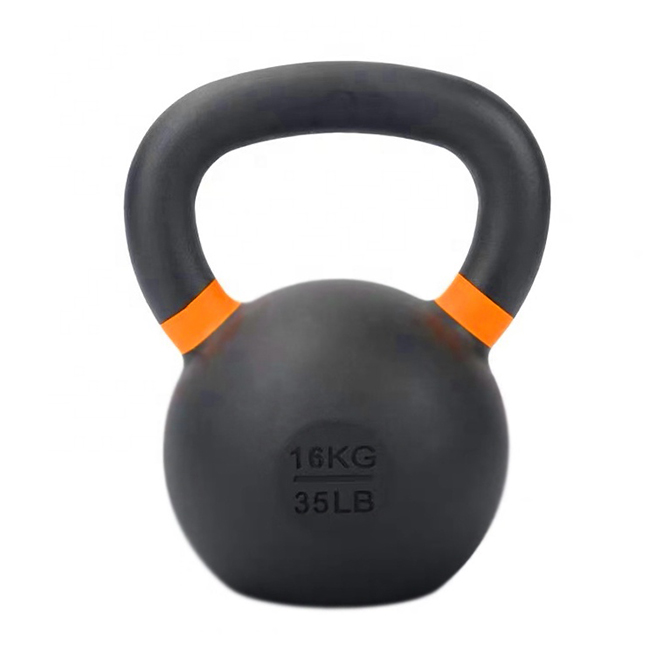
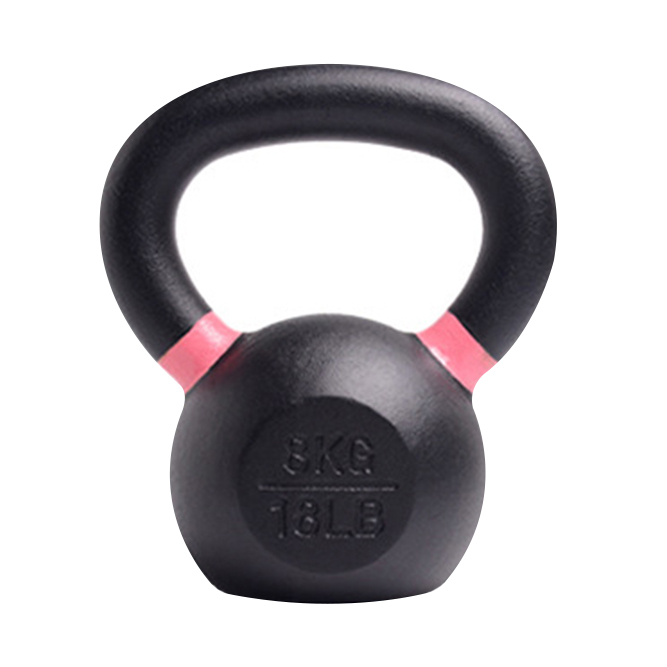
Cast Iron Fitness Equipment Manufacturer: Commercial
The Economic Value of Sourcing a Cast Iron Fitness Equipment Manufacturer
Many distributors fail by sourcing through high-markup middle-tier traders, which inflates the landed cost through unnecessary layers of commission and logistics overhead. A more profitable strategy involves direct engagement with a cast iron fitness equipment manufacturer to secure wholesale cast iron weights directly from the source. By bypassing secondary importers, professional buyers can optimize their procurement budget and improve distributor margins through bulk pricing models.
When scaling a commercial gym or supplying a large-scale fitness facility, the ability to control the MOQ and production timelines is critical for maintaining cash flow. Sourcing directly from a China factory allows for a leaner supply chain, reducing the financial risks associated with long lead times and high minimum order requirements. This direct-to-factory model ensures that capital is not tied up in excess inventory while providing the flexibility needed for commercial grade iron casting projects that require specific weight increments or customized finishes.
Comparing Sourcing Models for Commercial Procurement
Understanding the distinction between a trade-based supplier and a specialized fitness equipment OEM manufacturer is essential for calculating the long-term TCO of your inventory. While traders often offer smaller volumes, they lack the technical oversight required for high-performance commercial grade iron casting. A dedicated factory provides the structural control necessary to ensure that every unit meets rigorous durability standards before export.
| Sourcing Model | Primary Focus | Quality Control Control | Typical MOQ | Impact on TCO |
|---|---|---|---|---|
| Trading Company | Product Variety | Third-party inspection only | Lower | Higher due to markup |
| cast iron fitness equipment manufacturer | Production Scalability | In-house process monitoring | Higher | Lower through direct pricing |
| OEM Partner | Custom Branding | Strict specification adherence | Variable | Optimized for long-term ROI |
For distributors, the difference in lead time and consistency can determine the success of a seasonal product launch. Sourcing from a professional supplier allows for tighter integration of custom branding and precise quality control. To ensure your procurement strategy aligns with your facility's needs, we recommend requesting a detailed spec sheet or discussing wholesale options for your next bulk order.
| Sourcing Model | Unit Cost Potential | Customization (OEM/ODM) | Quality Oversight | Logistics Control |
|---|---|---|---|---|
| Trading Company | Moderate | Limited to existing stock | Relies on external audits | Standardized shipping services |
| cast iron fitness equipment manufacturer | High (Direct) | Full OEM/ ODM capabilities | Integrated production monitoring | Direct control of container loading |
| fitness equipment OEM manufacturer | Optimized | High (Private Label focus) | Strict spec-based QC | Customized export packaging |
Selecting the right supplier determines whether your inventory remains a high-margin asset or a logistical liability. While trading entities can simplify small-scale sourcing, they often cannot provide the granular oversight required for commercial grade iron casting. For large-scale distributors, the ability to direct a factory on specific casting parameters or coating adhesion is a decisive advantage in maintaining product consistency across wholesale shipments.
Material Specifications and Casting Standards for Commercial Use
When sourcing from a professional cast iron fitness equipment manufacturer, understanding the underlying metallurgical composition is vital for ensuring long-term durability in high-traffic environments. Most high-volume distributors and gym equipment importers prioritize gray iron due to its excellent vibration damping and high compressive strength, which are essential for the longevity of heavy lifting sets. Achieving consistent density through professional sand casting techniques ensures that each unit meets the rigorous demands of a commercial facility, reducing the risk of structural failure or uneven weight distribution during intensive training sessions.
For B2B buyers, the distinction between budget-grade cast iron and commercial grade iron casting often comes down to the refinement of the mold and the consistency of the cooling process. A reliable China factory will utilize standardized sand casting molds to minimize surface imperfections and ensure the concentricity of the weight distribution. For those looking to scale their inventory via wholesale channels, verifying these material properties during a factory audit or by requesting material data sheets is a critical step in mitigating the total cost of ownership and avoiding the logistical headaches of high return rates due to material defects.
Casting Methods and Surface Finishing Options
Procurement teams must differentiate between various manufacturing routes to optimize their landed cost and product tiering. While sand casting is the industry standard for heavy, high-volume weights, more precise requirements may call for advanced techniques. Selecting the correct method impacts everything from the initial MOQ to the final aesthetic quality of the branded product.
| Casting Method | Surface Finishing | Commercial Duty | Procurement Benefit | Typical Factory QC Point |
|---|---|---|---|---|
| Sand Casting | Bare Iron or Phosphate | Standard Commercial | Low Cost / High Volume | Surface Roughness & Weight Uniformity |
| Sand Casting | Powder Coating | Premium Commercial | High Durability / Branding | Coating Adhesion & Smoothness |
| Die Casting | Chrome or Enamel | Elite / Competition | High Precision / Aesthetics | Dimensional Tolerance & Surface Clarity |
The choice of surface finishing is a decisive factor in long-term maintenance and brand perception. For example, a high-quality powder coating process offers a much more resilient layer than simple spray paint, providing better resistance to scratches and oxidation in high-use gym settings. When negotiating wholesale cast iron weights, buyers should ask if the coating is applied via a continuous automated line to ensure uniformity across the entire batch. This level of detail prevents premature peeling, which can otherwise damage a distributor's reputation and increase replacement costs. For specialized fitness equipment OEM manufacturer requests, advanced finishes like PU or rubber encapsulation can be integrated to enhance the premium feel and protect flooring, though these options typically involve higher MOQs and longer lead times.
Quality Control and Pre-Shipment Inspection Protocols
Reliability in a bulk order depends on the rigor of the pre-shipment QC conducted by the cast iron fitness equipment manufacturer. For distributors and large-scale gym operators, the primary concern is not just the weight itself, but the mechanical integrity of the piece. A professional factory must implement a multi-stage inspection process that begins with the raw casting to identify any structural voids or surface irregularities. During the machining phase, the weight tolerance must be strictly monitored to ensure that every unit falls within the industry-standard deviation. Discrepancies in weight can lead to significant disputes in large-scale wholesale transactions and negatively impact the landed cost through unexpected shipping weight adjustments.
Beyond structural integrity, the durability of the surface finish is a critical checkpoint. A high-tier fitness equipment OEM manufacturer will perform a specific coating adhesion test to ensure the finish—whether it be powder coating or enamel—is chemically bonded to the iron substrate. This prevents the premature chipping or peeling that often occurs in high-traffic commercial environments. Before the final export packaging is sealed, a comprehensive inspection of the knurling, handle smoothness, and base flatness is mandatory. We recommend that all professional buyers arrange for a third-party inspection or request high-resolution video verification of the batch to confirm that the pre-shipment QC aligns with your specific procurement standards. This proactive step ensures that your containerized shipment arrives ready for immediate distribution without the need for costly local replacements.
Comparing Casting Processes and Surface Finishes for Bulk Procurement
Selecting the right cast iron fitness equipment manufacturer requires a deep understanding of how initial casting methods and subsequent surface treatments impact the total cost of ownership. For distributors and gym operators, the choice between different manufacturing routes directly dictates the long-term durability and maintenance requirements of the inventory. When managing wholesale cast iron weights, understanding these technical trade-offs is essential to avoid high replacement rates and ensure consistent product quality across large shipments.
Different production methods offer varying levels of precision and cost-efficiency. While sand casting remains the industry standard for producing heavy, robust weights with a traditional texture, other methods might be utilized for specific specialized components. Furthermore, the application of a powder coating or a phosphate treatment significantly alters the product's resistance to oxidation and its aesthetic longevity in high-traffic commercial environments.
| Material/Process Type | Primary Casting Method | Surface Finish | Commercial Duty Level | Maintenance Requirement | Procurement Impact |
|---|---|---|---|---|---|
| Standard Iron | Sand Casting | Phosphate Treatment | Standard Commercial | Low | Cost-Effective Bulk |
| Premium Iron | Sand Casting | Powder Coating | High-Traffic Premium | Minimal | Higher Landed Cost |
| Precision Iron | Die Casting | Enamel/Paint | Studio/Specialized | Moderate | Strict MOQ/Special Order |
When sourcing commercial grade iron casting, buyers should evaluate the factory capability to manage multi-stage finishing. A robust commercial grade iron casting unit typically follows a sequence of casting, machining for base flatness, and then applying a protective layer. For wholesale buyers, choosing a supplier that offers standardized powder coating can reduce the risk of surface rust during sea freight and long-term warehouse storage, ultimately protecting your distributor margins.
To ensure the highest standards for your inventory, we recommend requesting a detailed specification sheet from your supplier to confirm specific weight tolerance bands and coating adhesion methods. A professional cast iron fitness equipment manufacturer should be able to provide clarity on the transition from the initial casting stage to the final pre-shipment QC. Before finalizing a bulk order, consider requesting a sample or a video of the pre-shipment inspection to verify the consistency of the surface finish and the precision of the handle knurling.
If your procurement strategy involves specialized branding, many fitness equipment OEM manufacturer partners offer ODM solutions that allow for custom logo integration during the casting or powder coating stages. This can enhance your brand identity while maintaining a competitive landed cost. Whether you are looking for bare iron for a rugged aesthetic or a premium coating for high-end studio environments, aligning your technical requirements with the factory production capabilities will ensure a seamless sourcing experience and long-term commercial reliability.
Critical Quality Control Points for China Factory Export Orders
Ensuring consistency in bulk shipments requires a rigorous cast iron fitness equipment manufacturer to implement multi-stage inspection protocols. When managing large-scale sourcing projects, distributors must verify that every unit meets strict commercial grade iron casting standards to avoid the high costs of replacements and shipping returns.
A professional China factory should execute a standardized sequence including sand casting, machining, and surface treatment. For wholesale cast iron weights, the most critical checkpoint is the weight tolerance; even minor deviations can disrupt a full set's balance and lead to client disputes. Beyond mass, the surface finish must be inspected for uniformity—whether it is a phosphate treatment or a heavy-duty powder coating—to ensure long-term durability in high-traffic commercial environments. Without a dedicated fitness equipment OEM manufacturer performing pre-shipment calibration, importers risk receiving batches with uneven textures or inconsistent coating adhesion.
Technical Inspection Framework for Bulk Procurement
To mitigate the risks associated with international logistics and high-volume imports, procurement managers should utilize a standardized defect and inspection matrix. Evaluating these variables during a factory audit or a sample approval stage ensures that your wholesale cast iron weights maintain high commercial utility and low maintenance overhead.
| Inspection Point | Common Defect | Commercial Impact | Manufacturing Standard |
|---|---|---|---|
| Casting Surface | Blowholes or pitting | Reduced durability and poor aesthetic value for premium studios | Smooth, uniform surface post-machining |
| Handle/Grip Texture | Inconsistent knurling depth | Ergonomic failure and potential user grip slip during high-intensity use | Uniform texture across the entire grip circumference |
| Weight Accuracy | Mass deviation outside tolerance | Disrupted set balance and loss of distributor credibility | Standardized weight calibration per unit |
| Coating Adhesion | Peeling or bubbling paint | High maintenance frequency and visible rust in humid environments | Consistent multi-layer powder coating or encapsulation |
| Base Flatness | Uneven bottom surface | Instability during movement or storage efficiency issues | Stable, level base for consistent placement |
When negotiating with a fitness equipment OEM manufacturer, we recommend requesting a detailed pre-shipment inspection report that specifically covers these technical dimensions. For high-volume wholesale orders, verifying the manufacturer's ability to manage these specific inspection points can significantly lower your long-term TCO (Total Cost of Ownership) and prevent costly claims regarding product quality or shipping damage.
Optimizing Export Packaging and Logistics for Global Distribution
For high-volume distributors, the final stage of the pre-shipment inspection process is just as critical as the casting itself. Even the highest quality products from a cast iron fitness equipment manufacturer can suffer significant damage if the export packaging is insufficient for long-distance sea freight. Improperly secured bulk orders often lead to dented surfaces, chipped coatings, or even structural deformation due to shifting within the shipping container during transit.
To protect your profit margins and ensure a low landed cost, a professional China factory must employ reinforced packaging solutions. This typically includes heavy-duty corrugated boxes, edge protectors for pallet stability, and high-density foam or specialized wrapping to prevent metal-on-metal friction. When managing international logistics, we recommend that buyers confirm the specific container loading plan with their supplier. A well-optimized loading strategy not only minimizes the risk of transit damage but also maximizes container volume efficiency, effectively reducing your per-unit shipping expense and improving overall procurement ROI.
OEM and Private Label Capabilities for Global Distributors
For international importers and large-scale distributors, the ability to build a distinct market presence relies on more than just product availability; it requires a specialized cast iron fitness equipment manufacturer capable of high-level customization. When you move beyond standard stock items to private label solutions, you transition from a mere reseller to a brand owner. This strategic shift allows you to control your brand identity and differentiate your catalog in crowded commercial markets.
Successful sourcing strategies often involve leveraging OEM or ODM services to meet specific regional demands or premium tier requirements. Whether you need custom logo embossing on the cast surface or specific color-coded powder coating for weight identification, a professional fitness equipment OEM manufacturer provides the technical infrastructure to execute these requests. We understand that for global distributors, the goal is to balance high-end aesthetics with a competitive landed cost.
Navigating the complexities of production requires a reliable China factory that can manage both small-batch specialty items and high-volume wholesale orders. Our facility offers scalable solutions tailored to your growth, ensuring that even with strict MOQ requirements, your custom specifications—from handle texture to coating thickness—remain consistent across every shipment. By integrating your branding directly into the manufacturing process, you ensure long-term value and professional recognition in the commercial fitness sector.
Customization Depth and Investment Tiers
Selecting the appropriate level of customization is a critical decision for procurement managers balancing brand differentiation against capital expenditure. A professional cast iron fitness equipment manufacturer typically offers three distinct tiers of service, each with different implications for your MOQ, production lead time, and overall wholesale cast iron weights unit price. Understanding these tiers helps you align your investment with your target market's expectations, whether you are supplying budget-friendly training centers or high-end boutique studios.
The following comparison outlines the technical and logistical differences between standard and fully customized production routes. This ensures you can accurately calculate your potential margins and manage your inventory turnover effectively.
| Customization Level | Product Design & Branding | Manufacturing Complexity | Typical Lead Time | MOQ Impact |
|---|---|---|---|---|
| Standard Wholesale | Existing molds with standard logo or no branding | Low: Uses established commercial grade iron casting lines | Short: Ready-to-ship or standard production cycles | Low: Minimums based on standard stock units |
| OEM (Original Equipment Manufacturer) | Custom logo embossing and specific powder coating colors | Moderate: Requires setup for specific surface finishing | Medium: Includes time for branding and coating calibration | Medium: Higher than standard to cover setup costs |
| ODM (Original Design Manufacturer) | Full product design, unique handle shapes, and custom molds | High: Involves new casting molds and CNC machining | Long: Includes mold fabrication and multiple QC stages | High: Significant initial investment for proprietary tooling |
For distributors aiming for a premium market position, moving toward fitness equipment OEM manufacturer services allows for the creation of signature products that cannot be easily replicated by competitors. While ODM processes involve higher upfront costs for tool development and longer lead times, they provide the highest level of control over product ergonomics and weight-identification systems. Conversely, for high-volume turnover in the commercial sector, standard wholesale orders offer the most efficient way to maintain a low landed cost while ensuring consistent quality across large-scale gym deployments.
Export Packaging and Pre-Shipment Inspection Protocols
For high-volume importers, the risk of damage during ocean freight can significantly impact the final landed cost and distributor margins. A professional cast iron fitness equipment manufacturer must implement rigorous export-grade protection to ensure that heavy, high-density items arrive at your warehouse in pristine condition. This involves more than just basic boxing; it requires a systematic approach to structural stability and moisture control during long-distance transit.
Our China factory utilizes heavy-duty, reinforced packaging solutions designed specifically for the weight and density of iron products. This typically includes multi-layer corrugated cartons, reinforced corner protection, and palletization with shrink-wrap to prevent shifting within shipping containers. For bulk orders, we often employ custom pallet configurations to maximize container utilization, ensuring that every cubic meter of space is used efficiently to reduce your per-unit shipping expense.
To eliminate the friction of post-arrival disputes, we mandate a strict pre-shipment inspection protocol. Before any wholesale shipment leaves the facility, quality control teams perform spot checks on several critical points: the integrity of the surface coating, the accuracy of the weight calibration, and the durability of the export packaging. This level of scrutiny ensures that the commercial grade iron casting meets your brand's standards before it ever reaches the port, allowing you to manage your inventory and client expectations with total confidence.
Optimizing Logistics and Landed Costs for Heavy Iron Shipments
Managing the logistics of heavy iron products requires precise calculation of both physical weight and spatial efficiency to protect distributor margins. When sourcing from a cast iron fitness equipment manufacturer, professional buyers must account for the relationship between actual mass and the total shipping volume to avoid unexpected overhead. For large-scale distributors, even minor inefficiencies in how wholesale cast iron weights are palletized can lead to significantly higher volumetric weight charges during air or sea freight.
A professional China factory optimizes the landed cost by utilizing high-density packing configurations and standardized container loading patterns. Instead of shipping air or utilizing oversized packaging that increases the volumetric footprint, specialized manufacturers focus on nestable or tightly grouped arrangements. This approach ensures that the bulk shipping process remains cost-effective, allowing importers to maximize the actual weight-to-volume ratio within a standard 20ft or 40ft container. By prioritizing high-density loading, a reliable fitness equipment OEM manufacturer helps partners reduce the per-unit freight expense, which is critical for maintaining competitive pricing in the North American commercial market.
Comparison of Packaging and Shipping Configurations for Bulk Procurement
Selecting the correct logistics model is a critical decision for procurement leads. The way a fitness equipment OEM manufacturer handles the final assembly and palletization directly influences your final landed cost. For example, choosing between loose-packed bulk orders and pre-packaged retail units involves a trade-off between packaging density and the speed of warehouse distribution. A specialized cast iron fitness equipment manufacturer will provide tiered options to suit different distributor needs, whether you are sourcing for high-volume gym builds or specialized boutique studio inventory.
| Packaging Configuration | Typical Packing Method | Shipping Density | Logistics Profile | Primary Procurement Benefit |
|---|---|---|---|---|
| Bulk Loose Pack | Standard industrial crates or wooden pallets | Highest density for heavy units | Optimized for sea freight weight limits | Lowest per-unit freight cost for wholesale cast iron weights |
| Retail-Ready Sets | Custom branded boxes or color-coded sleeves | Medium density; higher volume per unit | Ready for immediate floor display | Reduces local labor and unboxing time |
| Custom OEM Branded | Reinforced corrugated cartons with brand identity | Variable based on custom dimensions | High protection for premium finishes | Strengthens your specific brand presence |
When evaluating your next batch, consider that optimized commercial grade iron casting shipments often utilize custom-sized wooden crates to prevent movement and damage during long-haul transit. A professional supplier will offer detailed loading plans to ensure your container capacity is fully utilized, minimizing the impact of volumetric weight surcharges. Before finalizing your order, we recommend requesting a detailed packing list and a sample of the export packaging to confirm it meets your regional warehousing and distribution standards.
Customization, MOQ, and Pre-Shipment Quality Control
Beyond basic logistics, the complexity of customization via OEM or ODM services introduces new variables into the procurement cycle. When a cast iron fitness equipment manufacturer accepts custom branding or specialized handle textures, the production timeline and MOQ must be clearly defined to prevent delays. For instance, integrating a specific logo into the mold or applying a custom powder coating requires additional lead time compared to standard stock items. It is vital to align these custom requirements with your seasonal inventory planning to ensure consistent supply for your clients.
To mitigate the risks associated with heavy-duty manufacturing, a rigorous pre-shipment QC process is non-negotiable. For high-volume orders, a reputable fitness equipment OEM manufacturer performs specific inspections that go beyond visual aesthetics. This includes checking for weight tolerance deviations in the cast iron, verifying the adhesion of the surface coating, and ensuring the structural integrity of handle-to-body junctions. These technical checks are essential to ensure that the heavy cargo arriving at your warehouse meets the exact specifications promised during the sourcing phase, thereby protecting your reputation and reducing the frequency of costly returns or replacements.