Adjustable Kettlebell Made in China: Production and QC
Strategic Procurement of Adjustable Kettlebell Made in China
Many distributors mistakenly prioritize low unit costs by sourcing single-weight cast iron units, only to face high replacement rates and massive storage overhead. A more sophisticated approach involves sourcing an adjustable kettlebell made in China to maximize utility per square foot. By transitioning from static iron to modular systems, commercial facilities can significantly improve space optimization, reduce long-term TCO, and ensure higher warehouse efficiency during bulk shipments.
For gym owners and professional distributors, the value of an adjustable kettlebell made in China lies in the ability to provide a full spectrum of resistance levels within a single footprint. This versatility is essential for high-traffic studios where floor space is a premium. When evaluating a commercial adjustable kettlebell supplier, procurement leads should focus on how modularity affects both the initial capital expenditure and the long-term maintenance load of the facility.
Choosing the right adjustable kettlebell manufacturing partner allows your brand to offer a high-density training solution that scales with user needs. Whether you are optimizing a boutique studio or managing a large-scale distribution network, leveraging a China factory adjustable kettlebell production line provides the necessary balance between sophisticated mechanical design and the cost-effectiveness required for competitive market positioning. This strategic sourcing approach ensures that your inventory remains versatile, durable, and highly profitable.
Construction Types and Procurement Comparison
Selecting the appropriate construction method is a critical decision for long-term ROI. Buyers must decide between single-piece cast iron models and more complex two-piece or modular systems. While single-piece units offer high impact resistance, modular designs provide the weight increment versatility required by modern high-end studios. Understanding these technical trade-offs is essential when negotiating with an adjustable kettlebell manufacturing partner to ensure the final product meets your specific commercial-grade durability standards.
The following table outlines the primary structural differences to assist in your sourcing decisions, focusing on how construction impacts maintenance and total cost of ownership.
| Construction Type | Primary Material & Process | Key Component Focus | Commercial Duty | MOQ Impact | Factory QC Point |
|---|---|---|---|---|---|
| Single-Piece Cast | Sand casting / Gray iron | Handle-to-body integrity | Standard Commercial | Lower | Base flatness & weight tolerance |
| Two-Piece Modular | Machined steel / Die casting | Weight increment mechanism | Premium/High-Traffic | Higher | Mechanism smoothness & pin durability |
| Encapsulated Modular | Internal filler / PU or Rubber coating | Coating adhesion & seal | Boutique/Studio | Medium | Encapsulation integrity & grip texture |
When evaluating a commercial adjustable kettlebell supplier, technical scrutiny should be applied to the mechanism durability. In modular systems, the precision of the weight incrementing parts determines the product's lifespan in a commercial setting. We recommend requesting a sample to test the transition between weight increments and to inspect the coating adhesion at high-wear areas like the handle-to-body junction. A thorough factory audit or a pre-shipment inspection focusing on these mechanical tolerances will mitigate the risk of high return rates for your distribution network.
Material Selection and Casting Processes for Commercial Durability
For distributors and gym equipment importers, selecting the correct adjustable kettlebell made in China requires a deep understanding of how material density and surface treatments impact the Total Cost of Ownership (TCO). When sourcing in bulk, the choice between standard cast iron and high-grade steel components dictates both the initial landed cost and the long-term maintenance load for the end-user. A professional commercial adjustable kettlebell supplier must provide transparency regarding the casting route to ensure the unit can withstand high-volume commercial use without premature wear or weight shifting.
The manufacturing of an adjustable kettlebell made in China typically follows a rigorous sequence: sand casting for the main body, precision machining for the weight-adjustment mechanisms, and a final application of powder coating to prevent oxidation. For high-end studio applications, the quality of the powder coating adhesion is a critical inspection point during pre-shipment QC, as it prevents the finish from chipping during heavy use. Selecting a China factory adjustable kettlebell that utilizes consistent metallurgical standards ensures that the internal weight plates and the external housing remain synchronized, reducing the risk of mechanical failure in a commercial setting.
| Material Type | Primary Process | Commercial Duty Tier | Durability Profile | Sourcing Context |
|---|---|---|---|---|
| Cast Iron | Sand Casting | Standard Commercial | High impact resistance; prone to surface oxidation if coating fails | Best for high-volume wholesale orders |
| Steel Assembly | Machined Components | Premium / Competition | Superior precision; high resistance to mechanical wear | Ideal for OEM specialized studio lines |
| Coated Steel | Die Casting + Coating | Premium Commercial | Excellent grip and protection against environmental moisture | Higher MOQ typically required |
When evaluating adjustable kettlebell manufacturing, procurement leads should focus on the stability of the weight-adjustment interface. In many adjustable kettlebell manufacturing workflows, the precision of the internal track determines whether the unit remains balanced as weights are added. A reliable factory will implement a weight tolerance spot-check to ensure every unit in a wholesale shipment meets the specified weight increments, protecting your distributor margins by reducing return rates due to weight discrepancies.
Professional buyers should note that the distinction between budget and premium tiers often lies in the precision of the secondary manufacturing steps. While standard sand casting is a reliable and cost-effective method for mass production, premium-grade units often undergo additional CNC machining to ensure the handle-to-body junction and internal weight tracks are perfectly aligned. This level of precision is vital for maintaining the concentricity and balance of the kettlebell during high-velocity movements, which is a key factor in reducing long-term maintenance costs for commercial facilities.
To ensure a successful import, we recommend that your procurement team requests a sample to evaluate the coating adhesion and the smoothness of the weight-adjustment mechanism. For large-scale distributions, verifying the factory's ability to maintain consistent weight tolerances across an entire production run is essential. We invite you to contact us to confirm the current MOQ for customized OEM orders or to request a detailed specification sheet for your next bulk shipment.
When sourcing an adjustable kettlebell made in China, the primary technical risk involves the precision of the internal weight mechanism. A failure in assembly precision can lead to uneven weight distribution, which increases the maintenance load for gym operators and diminishes the long-term ROI of the equipment. For professional distributors, the durability of the handle and the stability of the internal tracks are non-negotiable benchmarks during the factory audit and pre-shipment inspection stages.
A reliable commercial adjustable kettlebell supplier focuses heavily on the integration of the handle and the weight housing. In high-standard adjustable kettlebell manufacturing, the handle must maintain structural integrity despite the constant friction of weight adjustments. If the internal tracks or the handle-to-body junction are not machined with sufficient accuracy, the unit may experience mechanical binding or uneven wear, leading to higher replacement rates and lower client satisfaction for your brand.
To mitigate these risks, we implement strict export packaging protocols to protect the delicate mechanical components during long-distance sea freight. A professional China factory adjustable kettlebell production line ensures that every unit undergoes a calibration check to verify that the weight increments are consistent and the movement is smooth. This attention to detail directly impacts your landed cost by reducing the frequency of defective units arriving at your warehouse. We suggest coordinating with our team to discuss your specific lead time requirements and to finalize any custom branding or specialized packaging needs for your bulk order.
Precision Engineering in Adjustable Kettlebell Manufacturing
Reliable sourcing for an adjustable kettlebell made in China requires a deep understanding of the technical requirements for weight stability and mechanical longevity. For distributors and gym equipment importers, the value of a single unit depends on the precision of its internal mechanism and the durability of its external housing. High-quality adjustable kettlebell manufacturing must balance the complexity of moving parts with the rigorous demands of a commercial environment to ensure a high return on investment for the end-user.
The production cycle begins with high-grade casting to create the outer shell, followed by rigorous machining to ensure the internal weight-adjustment components function without friction or jamming. A professional China factory adjustable kettlebell production line typically follows a strict sequence: casting the main body, precision machining of the internal tracks, assembly of the weight increments, and finally, the application of a durable powder coating. This systematic approach ensures that the weight tolerance remains within industry-standard limits, preventing the unevenness often found in lower-tier products.
To achieve true commercial durability, the surface finish must be more than just aesthetic. A high-quality commercial adjustable kettlebell supplier will utilize a multi-stage powder coating process. This ensures excellent coating adhesion at the handle-to-body junction and around the adjustment dials, preventing premature chipping or corrosion during heavy use. For professional buyers, verifying these technical specifications during a factory audit is essential to avoid high replacement costs and maintenance complaints in the field.
Manufacturing Standards and TCO Comparison
When evaluating your next bulk order, understanding the qualitative differences in production tiers is vital for calculating the true Total Cost of Ownership (TCO). A lower initial price often masks higher maintenance loads and shorter product lifespans. For professional importers, selecting the correct tier ensures that the landed cost reflects long-term durability rather than just a low upfront expense. A reputable commercial adjustable kettlebell supplier will provide clear documentation regarding their production standards to help you manage distributor margins and client expectations effectively.
| Material Tier | Casting Method | Key Component Spec | Commercial Duty | MOQ Impact | Factory QC Point |
|---|---|---|---|---|---|
| Standard Cast Iron | Sand Casting | Basic internal weight pins | Budget/Light Commercial | Lower MOQ | Base flatness and handle smoothness |
| Reinforced Iron | Precision Die Casting | High-density weight increments | Full Commercial/Studio | Medium MOQ | Coating adhesion and weight precision |
| Premium Steel/Alloy | CNC Machined Shell | Advanced mechanical adjustment track | High-End Professional/Competition | Higher MOQ | Internal friction and concentricity check |
Choosing an adjustable kettlebell made in China requires a strategic balance between weight coverage efficiency and mechanical complexity. While budget tiers may suffice for limited-use settings, premium adjustable kettlebell manufacturing focuses on the longevity of the adjustment mechanism and the integrity of the coating. We recommend that buyers request a detailed spec sheet and confirm the factory capability for OEM or ODM customization to ensure the final product aligns with your brand identity and durability requirements. Before finalizing a bulk order, always request a sample approval or book a pre-shipment inspection to verify the assembly quality and weight calibration.
Navigating the logistics of an adjustable kettlebell made in China requires more than just selecting a product; it requires a partner capable of managing complex assembly and global shipping demands. For large-scale distributors, the primary risks are not just product quality, but also inconsistencies in lead time and shipping damage. A professional China factory adjustable kettlebell operation integrates production scheduling with robust logistics planning to ensure that bulk orders reach international ports without delays or structural compromises.
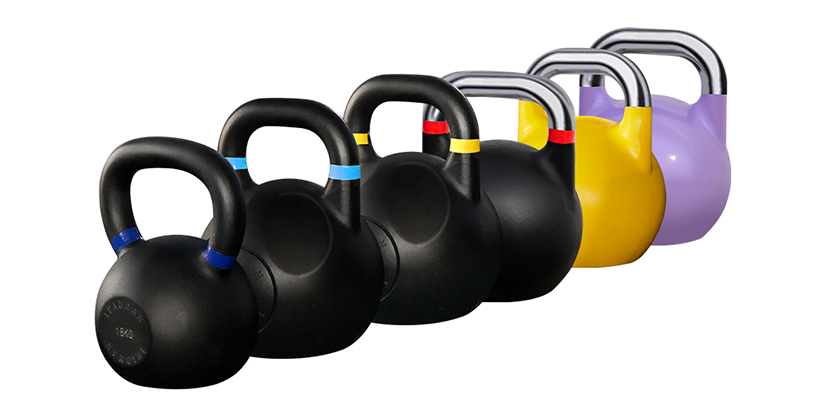
Effective adjustable kettlebell manufacturing for the export market involves a specialized pre-shipment workflow. Once the assembly and weight calibration are complete, every unit undergoes a final inspection focusing on the handle-to-body junction and the integrity of the adjustment mechanism. Following this, high-density export packaging is applied—typically using reinforced corrugated boxes and protective corner guards—to withstand the rigors of container loading and long-distance ocean freight. This level of detail is what separates a reliable supplier from a standard manufacturer, directly impacting your landed cost and reducing the rate of transit-related returns.
For buyers seeking to scale their brand, the ability to implement OEM or ODM solutions is a critical differentiator. Whether you require custom branding on the weight plates or a unique colorway for the outer shell, a capable factory can integrate these requirements into the standard production run. When negotiating your next contract, we suggest clarifying the MOQ for customized versions and confirming the expected lead time for both standard and bespoke orders. This ensures your inventory management remains efficient and your distributor margins are protected against unexpected supply chain fluctuations.
Optimizing Facility Footprint with Adjustable Weight Systems
For commercial gym owners and distributors, managing floor space is a critical component of long-term ROI. Traditional fixed-weight sets require extensive storage racks and large footprints, which can limit the density of a high-performance training area. By sourcing an adjustable kettlebell made in China, procurement leads can consolidate multiple weight increments into a single, compact unit. This transition significantly improves space efficiency and simplifies inventory management for distributors who need to maintain diverse weight coverage without the high overhead of massive stock volumes.
The ability to offer a wide weight range through a single adjustable kettlebell manufacturing solution allows studio operators to maximize their revenue per square foot. Instead of dedicating several meters of floor space to a static kettlebell rack, a modular system provides versatile training options within a much smaller commercial gym footprint. This versatility is particularly valuable for boutique studios or high-end home gym distributors looking to provide premium functionality while minimizing the landed cost of bulky, single-weight equipment shipments.
When evaluating commercial adjustable kettlebell supplier options, professional buyers should prioritize systems that balance modularity with structural integrity. A high-quality China factory adjustable kettlebell production line typically utilizes a precision-machined internal weight mechanism to ensure smooth transitions between increments. This technological approach ensures that the weight remains stable during high-intensity movements, providing the durability required for heavy-duty commercial use while offering the flexibility of a multi-functional training tool.
Space and Cost Efficiency Comparison
Professional buyers must weigh the initial procurement cost against the long-term logistical and operational advantages of modular systems. While fixed kettlebells are standard, the high volume of individual SKUs required for a full weight spectrum can inflate shipping costs and warehouse requirements. Utilizing an adjustable kettlebell made in China allows for a more streamlined supply chain, as one unit replaces the storage footprint of a complete set of traditional fixed kettlebell sets.
| Metric | Fixed Kettlebell Sets | Adjustable Kettlebell Systems |
|---|---|---|
| Storage Footprint | High (Requires large racks) | Low (Compact modular design) |
| Weight Variety | Limited by physical SKU count | High (Multiple increments per unit) |
| Logistics/Shipping Volume | High (Bulky, high volume) | Low (Optimized for container density) |
| Landed Cost Efficiency | Lower per unit, higher shipping | Higher per unit, lower shipping/storage |
| Commercial Utility | Standard/Static | Versatile/Multi-functional |
From a distributor perspective, the higher density of an adjustable kettlebell manufacturing output means more value can be shipped per container. This efficiency directly impacts the total landed cost and improves the profit margins for OEM and ODM partners. When negotiating with a commercial adjustable kettlebell supplier, consider how the compact nature of these units can reduce your warehousing overhead and facilitate faster inventory turnover in high-traffic training environments.
Optimizing the logistics chain requires more than just selecting a reliable supplier; it requires a deep understanding of how product dimensions impact your bottom line. For distributors managing large-scale imports, the high shipping density of modular systems offers a distinct advantage over traditional, bulky equipment. When you engage in wholesale procurement for an adjustable kettlebell made in China, you are not just buying a piece of equipment—you are investing in a more efficient shipping profile that maximizes container utilization and reduces the logistical friction often associated with high-volume fitness gear.
The complexity of these units often requires specialized OEM or ODM capabilities to ensure that the internal weight mechanisms remain durable under commercial stress. A professional China factory adjustable kettlebell production line will focus on the precision of the internal component assembly to prevent mechanical failure during rapid weight transitions. For buyers, this means the ability to offer a high-end, versatile product while maintaining a predictable lead time and controlled MOQ, ensuring that your inventory turnover remains high without the excessive storage costs of static weight sets.
China Factory Adjustable Kettlebell Quality Control and Inspection
For distributors and gym equipment importers, the reliability of an adjustable kettlebell made in China depends entirely on the rigor of the manufacturing sequence. Unlike single-weight cast iron, adjustable models involve complex mechanical assembly where weight plates, internal mechanisms, and the outer shell must work in perfect unison. A failure in any single component can lead to high return rates and diminished distributor margins.
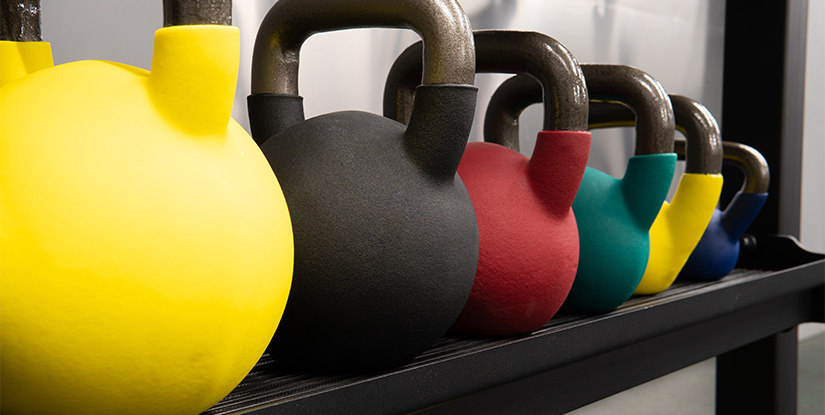
Standard adjustable kettlebell manufacturing begins with high-precision sand casting or die casting for the main body and weight increments. To ensure commercial durability, the process must move through a strict sequence: casting, followed by precision machining to ensure concentricity, and finally, weight calibration to meet specified tolerances. Without rigorous weight calibration, the center of gravity may shift during use, creating a safety hazard in high-traffic commercial environments.
A professional commercial adjustable kettlebell supplier will implement a multi-stage inspection protocol. This includes checking the handle-to-body junction for structural integrity and testing the smoothness of the weight adjustment mechanism. Before any bulk shipment leaves the China factory, a comprehensive pre-shipment inspection is mandatory. This inspection typically focuses on the coating adhesion of the outer shell, the flatness of the base, and the functional reliability of the locking pins to ensure the landed cost of the product is not offset by high maintenance or replacement expenses.
Evaluating Production Tiers and Technical Standards
When sourcing through a China factory adjustable kettlebell production line, buyers must distinguish between different manufacturing tiers to manage long-term TCO (Total Cost of Ownership). The complexity of adjustable mechanisms means that a low-cost approach often results in poor handle stability or mechanical failure. For professional procurement, selecting the correct tier ensures that the product meets the durability requirements of commercial gyms while maintaining healthy distributor margins.
The following table outlines the typical quality benchmarks across different production levels to assist in your sourcing decisions and product evaluation.
| Material & Process | Key Component Focus | Commercial Duty Tier | Typical QC Inspection Point | Sourcing Impact |
|---|---|---|---|---|
| Cast Iron & Mechanical Assembly | Weight tolerance & locking mechanism | Premium Commercial | Handle stability & concentricity | Higher MOQ / Lower return rate |
| Steel Shell & Internal Fillers | Coating adhesion & surface finish | Standard Commercial | Base flatness & shell durability | Balanced lead time & cost |
| Basic Sand Casting | Weight accuracy & handle texture | Budget / Entry-Level | Surface imperfections & weight drift | Low landed cost / Higher maintenance |
To minimize procurement risks, we recommend that all importers request a detailed specification sheet and a sample evaluation before placing a bulk order. During the adjustable kettlebell manufacturing process, it is vital to confirm the specific weight tolerance bands and the durability of the internal adjustment pins. A professional supplier will be able to provide documentation regarding their calibration methods and the material specifications used for the high-wear internal components. Contact us to confirm your specific MOQ requirements or to discuss custom branding options for your next shipment.
Optimizing Export Packaging and Container Loading Logistics
For high-volume importers, the final stage of the adjustable kettlebell made in China procurement process is often the most critical for protecting the bottom line. Even the most precisely manufactured unit can become a liability if the export packaging is insufficient. Because adjustable models often feature intricate external shells and internal mechanical parts, they are more susceptible to impact damage or component displacement during long-haul ocean freight compared to solid cast iron units.
To ensure a low landed cost and prevent shipping damage, a professional commercial adjustable kettlebell supplier must utilize reinforced packaging protocols. This typically involves high-density foam inserts to stabilize the outer shell, heavy-duty corrugated cartons, and standardized palletizing to prevent crushing during stacking in a sea container. For bulk orders, we implement strict container loading plans that optimize space while ensuring that weight distribution is even, preventing any single point of failure during transit.
Managing the lead time effectively also requires coordination between the China factory and the logistics provider. We recommend that distributors confirm the exact dimensions and weight of the final retail or wholesale box during the sample stage. This allows you to accurately calculate container volume capacity and shipping costs. If your MOQ necessitates a full container load (FCL), our team provides detailed packing lists and loading diagrams to ensure your inventory arrives in professional, retail-ready condition, ready for immediate distribution or studio deployment.
Wholesale Logistics and Custom Branding Capabilities
For distributors and gym equipment importers, optimizing the procurement of an adjustable kettlebell made in China requires a strategic focus on both product versatility and supply chain efficiency. Sourcing through a China factory adjustable kettlebell production line allows buyers to balance high-density weight coverage with significantly lower storage footprints compared to traditional fixed-weight sets. This versatility is essential for maximizing commercial gym ROI by providing clients with a wide range of resistance levels within a single, compact unit.
When managing large-scale wholesale orders, procurement professionals must evaluate the landed cost beyond the initial unit price. Effective space optimization in both the shipping container and the end-user's facility is a primary driver of value. By utilizing an adjustable kettlebell manufacturing process that produces modular, high-durability components, a commercial adjustable kettlebell supplier can offer products that reduce long-term replacement cycles and minimize warehouse overhead for the distributor.
To ensure a competitive edge, many professional buyers leverage OEM or ODM capabilities to implement private label solutions. This allows for the integration of custom brand identities through precision-molded logos or specialized handle textures. Whether you are looking for a standard factory-direct model or a fully customized specification, coordinating with a professional supplier regarding MOQ and lead times is the first step in building a high-margin product line.
For distributors and gym equipment importers, optimizing the procurement of an adjustable kettlebell made in China requires a strategic focus on both product versatility and supply chain efficiency. Sourcing through a China factory adjustable kettlebell production line allows buyers to balance high-density weight coverage with significantly lower storage footprints compared to traditional fixed-weight sets. This versatility is essential for maximizing commercial gym ROI by providing clients with a wide range of resistance levels within a single, compact unit.
When managing large-scale wholesale orders, procurement professionals must evaluate the landed cost beyond the initial unit price. Effective space optimization in both the shipping container and the end-user's facility is a primary driver of value. By utilizing an adjustable kettlebell manufacturing process that produces modular, high-durability components, a commercial adjustable kettlebell supplier can offer products that reduce long-term replacement cycles and minimize warehouse overhead for the distributor.
To ensure a competitive edge, many professional buyers leverage OEM or ODM capabilities to implement private label solutions. This allows for the integration of custom brand identities through precision-molded logos or specialized handle textures. Whether you are looking for a standard factory-direct model or a fully customized specification, coordinating with a professional supplier regarding MOQ and lead time is the first step in building a high-margin product line.
International logistics require rigorous export packaging standards to prevent damage during sea freight. A professional China factory will typically utilize heavy-duty corrugated cartons, reinforced corner protectors, and palletized arrangements to ensure the stability of the adjustable kettlebell made in China during transit. This attention to detail reduces the risk of crushed packaging or mechanical failure upon arrival at your warehouse. We recommend contacting us to request a detailed spec sheet, confirm your specific MOQ, or schedule a factory audit to ensure all quality and branding requirements meet your commercial standards.
International logistics require rigorous export packaging standards to prevent damage during sea freight. A professional China factory will typically utilize heavy-duty corrugated cartons, reinforced corner protectors, and palletized arrangements to ensure the stability of the adjustable kettlebell made in China during transit. This attention to detail reduces the risk of crushed packaging or mechanical failure upon arrival at your warehouse. We recommend contacting us to request a detailed spec sheet, confirm your specific MOQ, or schedule a factory audit to ensure all quality and branding requirements meet your commercial standards.