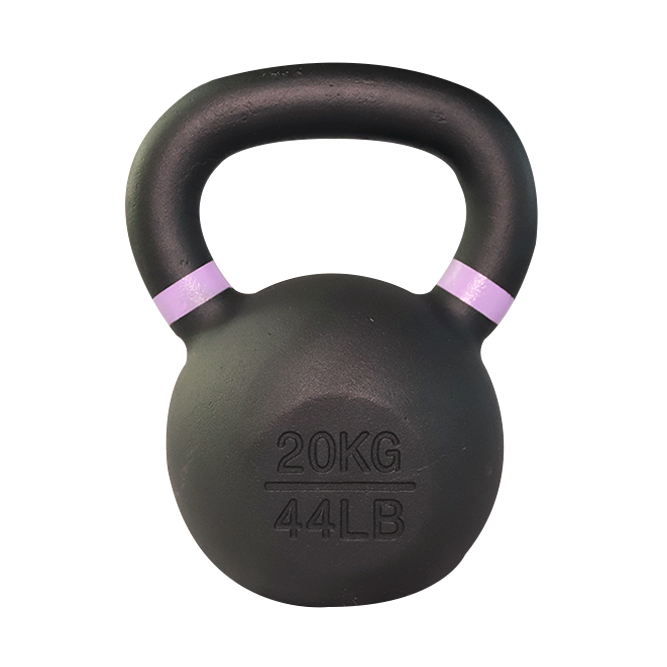
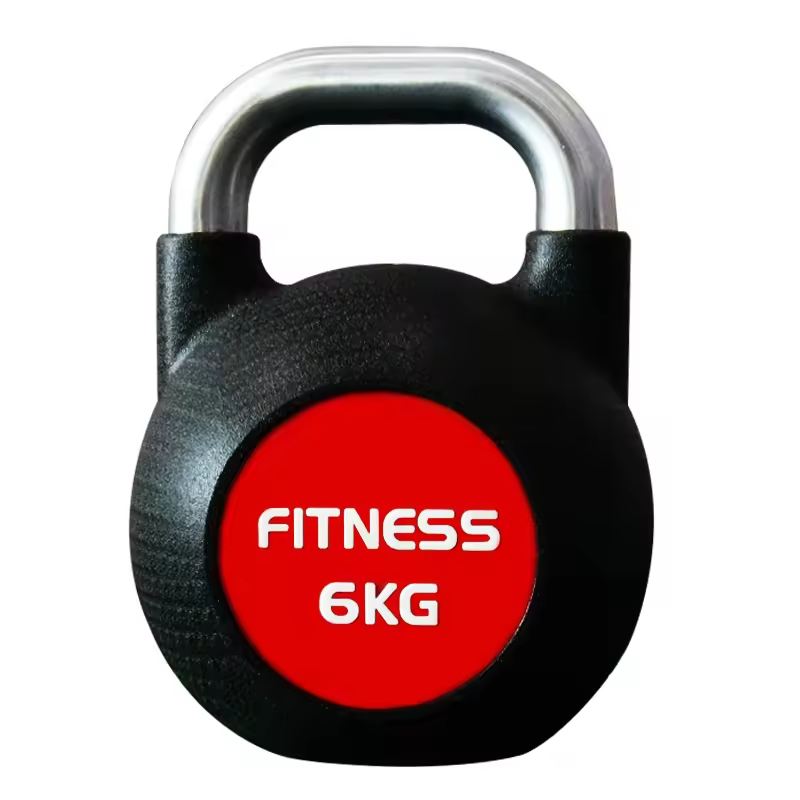
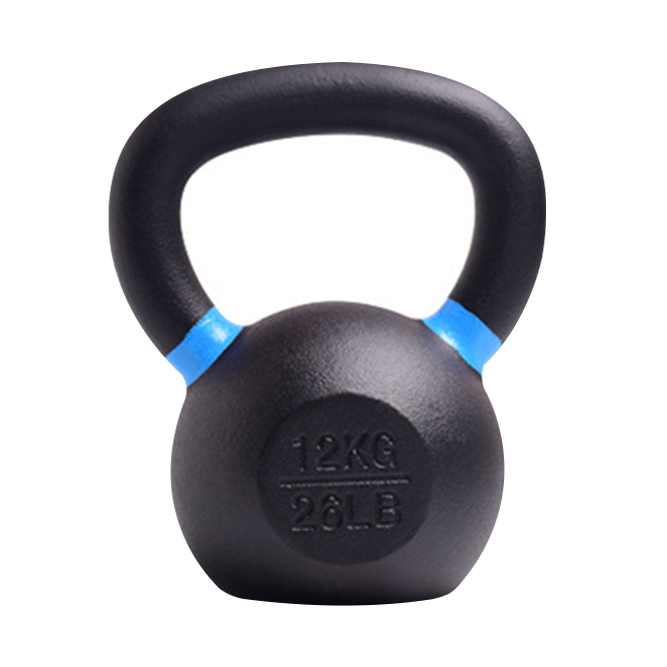
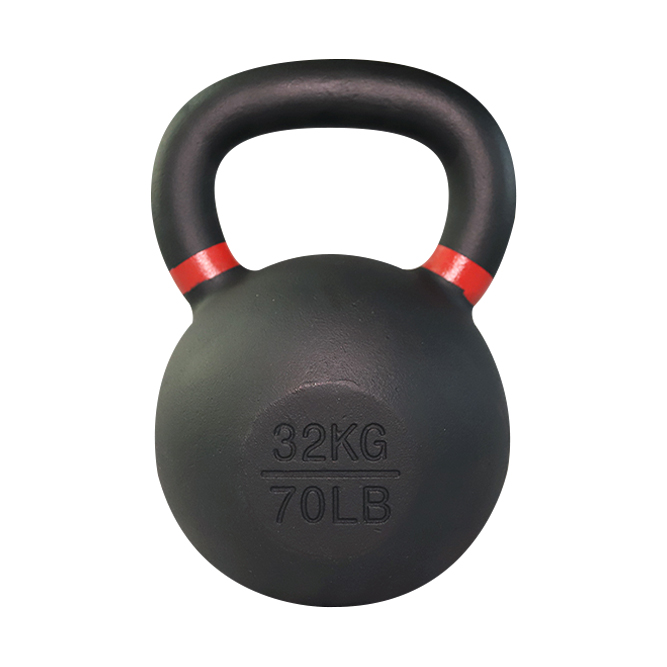
One Piece Casting Kettlebell Trade Manufacturer: OEM
One Piece Casting Kettlebell Trade Manufacturer: Core Value and Sourcing
When managing high-volume procurement for commercial fitness facilities, distributors must evaluate three critical checkpoints: structural risk, weight specification accuracy, and long-term logistics reliability. Choosing a professional one piece casting kettlebell trade manufacturer ensures that your inventory avoids the common failure modes associated with assembly-based models, such as handle separation or uneven weight distribution. By sourcing directly from a China factory, importers can secure products that prioritize structural integrity through single-mold production, reducing the total cost of ownership and minimizing replacement cycles for your clients.
The primary advantage of working with a one piece casting kettlebell trade manufacturer lies in the use of single-piece sand casting techniques. Unlike two-piece assembly methods where the handle is welded or joined to the bell body, a single-mold process creates a seamless transition between the grip and the weight base. This monolithic construction is essential for commercial durability, as it eliminates potential weak points at the handle-to-body junction. For a supplier, this means providing a product that can withstand the rigorous, high-impact environments of professional training centers without the risk of structural fatigue.
Furthermore, a one piece casting kettlebell manufacturer provides superior weight tolerance management during the casting phase. Because the entire unit is cast as one object, the density remains consistent throughout the bell, which is a vital B2B sourcing advantage for distributors who require precise weight increments for professional sets. This stability in manufacturing also simplifies the wholesale process, as it reduces the rate of defective units and ensures that each batch meets the strict uniformity standards expected in the international market. Whether you are seeking commercial kettlebell OEM solutions or looking for wholesale cast iron kettlebells, prioritizing single-piece casting is a strategic move to protect your brand reputation and maintain high margins.
Technical Comparison: Single-Piece vs. Two-Piece Assembly
For procurement officers, the distinction between casting methods directly impacts the long-term maintenance load and replacement frequency of your inventory. While two-piece assembly models might offer a lower initial landed cost, they often introduce structural vulnerabilities at the handle junction. When evaluating your next batch, understanding these technical trade-offs is essential for maximizing distributor margins and ensuring product reliability in high-traffic commercial settings.
The following table outlines the qualitative differences between the two primary manufacturing routes to assist in your one piece casting kettlebell manufacturer selection and technical audit.
| Material / Process Type | Manufacturing Route | Key Component Detail | Commercial Duty Tier | Procurement Impact | Typical Factory QC Point |
|---|---|---|---|---|---|
| Single-Piece Casting | Monolithic Sand Casting | Seamless handle-to-body junction | Premium / High-Intensity | Lower TCO / High Durability | Weight tolerance & base flatness |
| Two-Piece Assembly | Cast Body + Welded Handle | Handle-to-body weld joint | Budget / Standard Commercial | Higher replacement risk | Weld integrity & joint strength |
| Two-Piece Assembly | Cast Body + Inserted Grip | Internal handle junction | Entry-Level / Light Use | Higher maintenance load | Grip stability & weight consistency |
When managing wholesale cast iron kettlebells orders, we recommend prioritizing the single-piece casting method. This approach mitigates the risk of handle separation, a common failure mode in lower-tier assembly models. For distributors focused on commercial kettlebell OEM partnerships, selecting a single-mold process ensures that the product can withstand heavy use, thereby protecting your after-sales reputation and reducing the frequency of return-related logistics costs.
Surface Finishing and Export-Grade QC Standards
A critical differentiator for any professional one piece casting kettlebell trade manufacturer is the precision of the final surface treatment. For high-traffic commercial environments, the raw cast iron surface must undergo rigorous processing to ensure both aesthetic uniformity and functional longevity. A common requirement for wholesale cast iron kettlebells is the application of high-grade powder coating. This process provides a durable, even layer that protects the iron from oxidation and moisture, which is essential for maintaining product value during long-distance maritime transit and extended storage in diverse climates.
Beyond the coating, the surface finishing process must address the handle texture and base stability. A reliable one piece casting kettlebell manufacturer ensures that the knurling is consistent and that the transition from the handle to the bell body is smooth, preventing any sharp edges that could cause user discomfort or safety issues. During the pre-shipment phase, a comprehensive QC inspection is mandatory. This includes checking the adhesion of the powder coating, verifying the flatness of the base to prevent wobbling, and performing weight spot-checks to ensure every unit in the bulk order aligns with the specified weight increments.
For importers and distributors, these technical details directly impact the landed cost and long-term brand perception. Selecting a China factory that implements a structured sequence—from sand casting and machining to specialized coating and multi-stage QC—minimizes the risk of receiving defective or inconsistent stock. When negotiating your MOQ or discussing OEM customization, always request detailed information regarding the coating thickness and the specific steps taken to ensure handle-to-body seamlessness. This level of scrutiny during the sourcing process protects your margins and ensures your clients receive equipment that meets international commercial standards.
Material and Manufacturing Standards for Commercial Grade Units
Selecting a reliable one piece casting kettlebell trade manufacturer requires a deep understanding of how raw material integrity affects your total cost of ownership. For distributors and gym equipment importers, the difference between high-grade gray iron and inferior casting determines the replacement rate and long-term brand reputation in the market.
A professional one piece casting kettlebell manufacturer typically utilizes high-density gray iron to ensure structural uniformity. Unlike two-piece assembly models that may suffer from joint fatigue, a single-mold process eliminates structural weak points, making it a preferred choice for wholesale cast iron kettlebells destined for high-traffic commercial environments. This structural integrity is essential for maintaining consistent weight distribution and preventing cracks during heavy usage.
The manufacturing sequence—starting from sand casting through to the final coating—must be strictly monitored to ensure the product meets commercial-grade standards. For commercial kettlebell OEM projects, the quality of the surface treatment is just as critical as the iron itself to prevent oxidation and ensure long-term durability.
| Material Base | Surface Finish | Durability Profile | Commercial Duty Tier | Procurement Advantage |
|---|---|---|---|---|
| Gray Iron | Powder Coating | High resistance to chipping and oxidation | Premium Commercial | Low maintenance for high-traffic gyms |
| Cast Iron | Enamel/Paint | Standard durability for general use | Standard Commercial | Cost-effective for large-scale stock |
| Solid Steel | Chrome Finish | Excellent surface hardness | Competition/Specialty | Higher landed cost due to precision |
When sourcing from a China factory, buyers should evaluate the specific coating adhesion and the smoothness of the handle-to-body junction. A high-quality supplier will ensure that the powder coating or enamel layer is applied uniformly to prevent premature peeling, which can increase maintenance costs for your end clients. During your pre-shipment inspection, we recommend a spot-check on the weight calibration and the consistency of the handle texture to ensure every unit meets your OEM specifications.
The transition from raw molten iron to a finished, retail-ready product involves several critical stages where quality can either be secured or lost. For a professional one piece casting kettlebell manufacturer, the process begins with high-precision sand casting. This method is industry-standard for creating the dense, single-mold structure required for professional-grade equipment. After the casting stage, the units undergo machining to refine the handle-to-body junction and ensure the grip profile meets commercial ergonomic expectations.
Surface finishing is the stage where the product's longevity is truly determined. Most wholesale cast iron kettlebells undergo a multi-step preparation process, including sandblasting to remove casting imperfections, followed by a professional powder coating application. This creates a durable, impact-resistant layer that protects the iron from oxidation and provides a consistent texture for the user. For commercial kettlebell OEM orders, the uniformity of this coating is a primary metric used during factory quality control to prevent peeling or chipping under heavy use.
To optimize your sourcing strategy, it is vital to understand how these technical variables impact your landed cost and product positioning. Whether you are selecting a budget-friendly painted finish or a premium powder-coated option, the manufacturing route directly affects the maintenance load for your clients and the overall durability of your inventory. We suggest requesting a sample to verify the coating adhesion and the smoothness of the knurling before proceeding with a large-scale bulk order.
The transition from raw molten iron to a finished, retail-ready product involves several critical stages where quality can either be secured or lost. For a professional one piece casting kettlebell manufacturer, the process begins with high-precision sand casting. This method is industry-standard for creating the dense, single-mold structure required for professional-grade equipment. After the casting stage, the units undergo machining to refine the handle-to-body junction and ensure the grip profile meets commercial ergonomic expectations.
Surface finishing is the stage where the product's longevity is truly determined. Most wholesale cast iron kettlebells undergo a multi-step preparation process, including sandblasting to remove casting imperfections, followed by a professional powder coating application. This creates a durable, impact-resistant layer that protects the iron from oxidation and provides a consistent texture for the user. For commercial kettlebell OEM orders, the uniformity of this coating is a primary metric used during factory quality control to prevent peeling or chipping under heavy use.
To optimize your sourcing strategy, it is vital to understand how these technical variables impact your landed cost and product positioning. Whether you are selecting a budget-friendly painted finish or a premium powder-coated option, the manufacturing route directly affects the maintenance load for your clients and the overall durability of your inventory. We suggest requesting a sample to verify the coating adhesion and the smoothness of the knurling before proceeding with a large-scale bulk order.
Single-Piece Casting vs. Assembly: Engineering for Longevity
When sourcing for high-traffic fitness centers, the structural design of the weight determines the total cost of ownership. A professional one piece casting kettlebell trade manufacturer prioritizes the use of single-piece cast iron to eliminate the failure points common in cheaper, multi-part alternatives. For distributors managing large-scale inventory, choosing a one piece casting kettlebell manufacturer ensures that every unit delivered to the end-user maintains consistent weight stability and impact resistance during heavy use.
The primary difference lies in the manufacturing route: assembly-based construction often involves welding a separate handle to a pre-cast body, whereas single-piece cast iron production creates the bell and handle as one continuous, seamless unit. This distinction is critical for commercial durability, as the handle-to-body junction is the most frequent point of failure in lower-tier products. By utilizing a single-mold casting process, the structural integrity of the kettlebell is significantly enhanced, reducing the risk of handle detachment or weld fractures. For a wholesale buyer, this means fewer replacement claims and higher client satisfaction. High-volume sourcing from a reliable China factory allows you to secure these premium-grade, unified structures that withstand the rigors of professional training environments.
Technical Comparison of Construction Methods
For procurement leads evaluating the long-term maintenance load and replacement cycles, understanding the mechanical differences between casting types is essential. While assembly-based units may offer a lower initial unit cost, they often introduce significant procurement risk due to potential weld fatigue or handle separation. A professional commercial kettlebell OEM will typically offer single-piece options to meet the stringent durability requirements of commercial gym environments.
| Construction Method | Core Material/Process | Key Component Focus | Commercial Duty Tier | TCO & Maintenance | Sourcing Advantage |
|---|---|---|---|---|---|
| Single-Piece Casting | Cast Iron (Continuous Mold) | Seamless Handle-to-Body Junction | Premium / High-Traffic | Lowest replacement frequency | High durability for long-term ROI |
| Two-Piece Assembly | Cast Body + Welded Handle | Handle-to-Body Weld Joint | Budget / Entry-Level | Higher maintenance/replacement risk | Lower initial landed cost |
| Encapsulated/Coated | Cast Core + PU/Rubber Layer | Coating Adhesion & Internal Filler | Standard Commercial | Floor protection & noise reduction | Diversified product SKU offering |
When ordering wholesale cast iron kettlebells, we recommend prioritizing single-piece casting for facilities where equipment is frequently dropped or used in high-intensity interval training (HIIT) settings. This method ensures the highest level of structural stability, which is a critical factor during pre-shipment QC when inspecting for weight distribution and base flatness. If your distribution model focuses on high-end boutique studios, selecting a one piece casting kettlebell manufacturer that utilizes a single-mold process will help you minimize after-sales service issues and maximize your brand reputation for quality.
Quality Control and Logistics for High-Volume Orders
For international distributors and procurement managers, the technical specification of a product is only as valuable as the reliability of its delivery. A professional one piece casting kettlebell trade manufacturer understands that bulk order reliability depends on strict adherence to weight tolerance and shipping stability standards. When managing large-scale shipments, the risk of receiving inconsistent weight increments or damaged goods can significantly impact your landed cost and distributor margins. To mitigate these risks, a high-standard China factory implements a rigorous multi-stage inspection process before any container is sealed.
Our pre-shipment QC protocols are designed to address the specific failure modes of cast iron equipment. This includes a comprehensive weight tolerance spot-check to ensure every unit within a batch meets the declared specification, as well as a detailed inspection of the handle texture and base flatness. For wholesale clients, we also prioritize export packaging durability. Because cast iron is a high-density, heavy-impact material, we utilize reinforced carton structures and optimized palletizing techniques to ensure maximum shipping stability during long-haul ocean freight. Whether you are executing a OEM project for a premium fitness brand or sourcing standard stock for a regional distribution network, our focus remains on providing a predictable, high-quality supply chain that supports your long-term growth.
Optimizing Inventory and Margins with a Reliable Supplier
Selecting a professional one piece casting kettlebell trade manufacturer is a strategic decision that extends far beyond the initial purchase price. For distributors and large-scale importers, the true value lies in the reduction of the total cost of ownership through consistent product specifications and reliable lead times. A dependable one piece casting kettlebell manufacturer ensures that every unit in a bulk shipment meets the same weight tolerances and surface finish standards, preventing the costly logistical headaches of returns or client disputes.
When sourcing wholesale cast iron kettlebells, procurement professionals must balance the initial landed cost against long-term inventory efficiency. High-quality commercial kettlebell OEM production minimizes the risk of surface defects or structural inconsistencies that can degrade your brand reputation. By establishing a direct relationship with a factory that understands high-volume export requirements, you can optimize your inventory turnover. This is achieved through predictable production cycles and the ability to scale orders based on seasonal demand, ensuring your warehouse remains lean while meeting the needs of high-traffic commercial fitness facilities.
Sourcing Model and Procurement Comparison
To maximize distributor margins, it is essential to understand how different supply chains impact your bottom line. A direct one piece casting kettlebell trade manufacturer offers significant advantages in both unit cost and product uniformity compared to traditional trading models. When you engage in commercial kettlebell OEM partnerships, you are not just buying a product; you are securing a controlled manufacturing process that protects your brand identity and minimizes the risk of defective batches.
The following table outlines the typical differences in procurement dimensions when choosing between a direct one piece casting kettlebell manufacturer and a standard trading company. This comparison highlights why professional importers prioritize direct factory-to-distributor relationships to maintain high-volume efficiency.
| Procurement Dimension | Standard Trading Model | Direct OEM Manufacturing |
|---|---|---|
| Sourcing Model | Third-party intermediary | Direct factory-to-buyer |
| Unit Cost | Higher due to markup | Optimized for wholesale |
| Quality Consistency | Variable depending on agent | Strict, standardized production |
| Lead Time | Extended by communication layers | Predictable and direct |
| Customization Capability | Limited to existing stock | High OEM/ODM flexibility |
| MOQ Requirements | Often lower but higher unit price | Scalable based on order volume |
For organizations looking to scale, we recommend requesting a detailed specification sheet or a sample evaluation to confirm that the casting quality and coating adhesion meet your commercial standards before proceeding with a full bulk order. Contact us to discuss your specific MOQ and potential for private label development.
| Key Component Focus | MOQ Impact | Handle-to-body junction | Low | Surface coating adhesion | Medium | Encapsulation layer integrity | High | 
Maintaining consistency across bulk shipments is the primary challenge for importers. A professional one piece casting kettlebell trade manufacturer must implement rigorous inspection cycles to prevent the high landed cost risks associated with defective units or shipping damage. For distributors, a single batch of unevenly weighted or poorly coated units can compromise brand reputation and increase replacement overhead. Standard QC protocols in a China factory focus on three critical areas: weight tolerance, surface finish, and structural integrity. During the calibration phase, technicians perform spot-checks to ensure the cast iron mass remains within industry-standard deviations. This is followed by a detailed inspection of the handle-to-body junction and the knurling texture to ensure no casting imperfections exist that could affect grip safety. For commercial kettlebell OEM orders, these checks are vital to ensure the surface finish—whether it is a standard powder coating or a specialized PU layer—is uniform and free of chips or bubbles. To mitigate the risk of transit-related loss, export packaging must be engineered for heavy-duty maritime or air freight. High-volume wholesale cast iron kettlebells require reinforced corrugated boxes and heavy-duty palletization. A reliable one piece casting kettlebell manufacturer will utilize specialized corner protectors and moisture-resistant wrapping to prevent oxidation and shipping damage prevention during long-haul transit. For large-scale sourcing projects, we recommend confirming the specific palletization method and carton strength during the initial MOQ discussion to ensure your inventory arrives in retail-ready condition. Efficient container loading is the final safeguard for your profit margins. When managing large-scale wholesale cast iron kettlebells shipments, the density and weight of the product demand a sophisticated approach to palletization and sea freight durability. Poorly managed loading leads to crushed cartons, broken seals, and increased breakage rates, which directly impacts your final landed cost and warehouse efficiency. A professional one piece casting kettlebell manufacturer employs a structured loading sequence to maximize volume while protecting the product. This process typically involves placing the heaviest units at the base of the pallet, followed by a layer of protective dividers or foam sheets to prevent metal-on-metal friction. To ensure long-term integrity during maritime transit, we implement strict moisture protection protocols, including heavy-duty shrink wrapping and moisture-absorbent materials within the shipping containers. This prevents the common issue of rust or coating degradation caused by humidity fluctuations during long-haul ocean freight. For distributors and large-scale sourcing partners, we recommend a detailed review of the loading plan during the pre-shipment phase. Whether you are ordering a standard MOQ or a full container load, our team provides documentation regarding the pallet dimensions, carton reinforcement, and container stowage methods. This transparency allows you to plan your warehouse space and logistics more effectively, ensuring that your one piece casting kettlebell trade manufacturer partner supports both your inventory turnover and your operational stability. Standardized Inspection and Packaging Tiers for Bulk ProcurementTo assist in your procurement planning, the following table outlines the standard inspection and packaging protocols used across different order scales. Selecting the appropriate tier ensures that your wholesale cast iron kettlebells arrive with the durability and presentation required for your specific market segment, whether you are stocking a boutique studio or a large-scale distribution warehouse.
When evaluating your next one piece casting kettlebell trade manufacturer, we recommend requesting a detailed specification sheet for each tier. Confirming the exact pallet dimensions and the level of moisture protection during the initial sourcing phase will help you accurately calculate your landed cost and optimize your warehouse space efficiency. For customized ODM or private label requirements, please consult with our production team to align packaging strength with your specific branding and logistics needs. OEM and Private Label Customization CapabilitiesFor distributors and large-scale gym franchises, standard inventory often lacks the brand distinction required to capture premium market segments. A professional one piece casting kettlebell trade manufacturer provides the necessary infrastructure to transition from a generic importer to a recognized brand owner. Through specialized commercial kettlebell OEM services, we allow partners to integrate their unique brand identity directly into the physical product, ensuring high perceived value and long-term customer loyalty. Our China factory manages the entire customization pipeline, from initial mold adjustments to final branding application. This includes the ability to execute private label projects that require specific custom logo integration, such as debossed lettering or high-durability pad printing. To ensure your product line meets diverse training requirements, we offer precise weight increments across standard commercial ranges, allowing you to build a cohesive, branded strength set that scales with your customers' needs. Beyond simple branding, we provide diverse surface finish options to match different facility environments and price points. Whether your clients demand the classic aesthetic of bare iron, the vibrant durability of powder coating, or the high-end, floor-protective feel of enamel finishes, our production lines are optimized for high-volume output. This versatility enables you to offer tiered product lines—from budget-friendly commercial units to premium, specialized training gear—all under your own label. Tiered Customization and Specification MatrixSelecting the correct specification tier is a critical decision for distributors managing total cost of ownership (TCO) and inventory turnover. A reliable one piece casting kettlebell manufacturer will provide clear distinctions between production levels to ensure your brand promise aligns with the actual durability of the units. The following table outlines the qualitative differences between standard and premium options to assist in your procurement planning.
When evaluating your next batch of wholesale cast iron kettlebells, consider how the coating and branding choices will affect your long-term after-sales service. For example, while standard powder coating is highly efficient for bulk wholesale distribution, premium PU coatings offer better floor protection and a more sophisticated tactile experience for high-end clients. We recommend discussing these specifications during the initial sourcing phase to ensure your landed cost and product positioning are perfectly synchronized with your market strategy. To move forward with your project, please contact us to request a detailed specification sheet, confirm the current MOQ for your chosen tier, or initiate a sample approval process for your custom branding design. Optimizing your supply chain requires more than just selecting a product; it requires a partner who understands the complexities of global logistics and high-volume replenishment. As a specialized one piece casting kettlebell trade manufacturer, we prioritize the transition from factory floor to your warehouse through rigorous export-ready protocols. Managing the complexities of international shipping—from container load optimization to ensuring the integrity of heavy iron goods—is essential for maintaining your distributor margins and minimizing unexpected landed costs. The production cycle for wholesale cast iron kettlebells is designed for predictability. Once your order is confirmed and the MOQ is met, the workflow moves through a disciplined sequence: precision casting, machining of the handle-to-body junction, surface treatment, and weight calibration. This structured approach ensures that every unit meets the high-performance standards expected by professional gym operators. We maintain transparent communication regarding the lead time, providing regular updates as your batch progresses through the various stages of the China factory production line. To protect your investment during long-distance transit, we implement specialized export packaging designed for heavy-duty movement. Each batch is secured to prevent friction damage and structural stress, ensuring that the coating and weight markings remain intact upon arrival. Our shipping optimization strategies focus on maximizing container density, allowing you to reduce freight costs per unit. Whether you are managing a single bulk shipment or recurring replenishment for a large-scale distribution network, our logistics framework is built to support your long-term scaling and inventory efficiency. Frequently Asked QuestionsWhat MOQ and lead time should importers expect from a China factory for one piece casting kettlebell trade manufacturer?MOQ and lead time vary by customization level, coating or branding, and production slot availability. Importers commonly confirm MOQ tiers, sample approval cycles, and peak-season capacity before placing a bulk order. Can buyers source one piece casting kettlebell trade manufacturer with OEM or private-label branding?Many China manufacturers support OEM/ODM runs with logo plates, colorways, packaging, and compliance labeling. Buyers should request tooling timelines, approved samples, and QC checkpoints before approving a production run. How should distributors verify factory QC before a bulk shipment?Review material specs, dimensional tolerances, surface finish standards, and in-process QC steps. Pre-shipment inspection, carton drop tests, and palletization checks help reduce landed-cost surprises and returns. What is a practical MOQ strategy when sourcing one piece casting kettlebell manufacturer, commercial kettlebell OEM wholesale?Start with a mixed-SKU purchase plan aligned to facility demand and distributor turnover. Buyers commonly validate sell-through first, then scale MOQ after confirming utilization and replenishment cadence. How can buyers reduce maintenance costs on strength stations?Prioritize equipment with proven surface treatment, corrosion resistance, and stable structural design. Preventive inspection schedules, spare-part planning, and clear supplier warranty terms are key to controlling long-run maintenance costs. What should distributors verify before committing to recurring orders?Review lead time consistency, quality control documentation, export packaging standards, and logistics reliability. Stable replenishment and predictable landed cost are critical for healthy distributor margins. Featured ProductsLeave a MessagePopular articles |
|---|