Kettlebell Powder Coating Manufacturer: Cast Iron vs Rubber
Selecting a Kettlebell Powder Coating Manufacturer for Commercial Use
For high-traffic environments such as large-scale fitness chains, hotel gyms, or high-intensity boutique studios, the durability of equipment directly impacts long-term operational expenditures. When managing a large-scale deployment, procurement leads must prioritize surface integrity to prevent chipping and handle degradation. Partnering with a specialized kettlebell powder coating manufacturer ensures that each unit can withstand the rigorous throughput of daily commercial use while maintaining a professional aesthetic. For distributors managing high-volume wholesale gym weight equipment orders, selecting the right coating is a critical decision that affects both product longevity and replacement cycles.
The choice between cast iron and rubberized finishes often depends on the specific facility requirements and the intended commercial use scenario. While a commercial kettlebell supplier may offer various options, understanding the trade-offs in floor protection and maintenance is essential for optimizing the total cost of ownership. For those sourcing from China factory direct channels, evaluating the coating adhesion and material thickness is a standard part of the sourcing process to ensure the final landed cost aligns with the durability required for professional gym environments.
Technical Material Comparison for Procurement Decisions
When evaluating inventory for a professional facility, the distinction between a powder coated kettlebell factory and a standard casting house becomes clear through the technical specifications of the finish. Procurement professionals must decide whether to prioritize the sleek, high-density finish of powder coating or the impact-absorption qualities of rubber. This decision directly affects the maintenance load and the lifespan of the equipment under heavy usage cycles.
| Material Type | Primary Process | Key Component Focus | Commercial Duty Tier | MOQ Impact | Factory QC Point |
|---|---|---|---|---|---|
| Cast Iron with Powder Coating | Sand casting and electrostatic application | Coating adhesion and handle-to-body junction | Premium Commercial | Medium | Surface smoothness and chip resistance |
| Rubber Coated | Injection molding or dip coating | Encapsulation layer and base ring | Standard Commercial | High | Material thickness and bond stability |
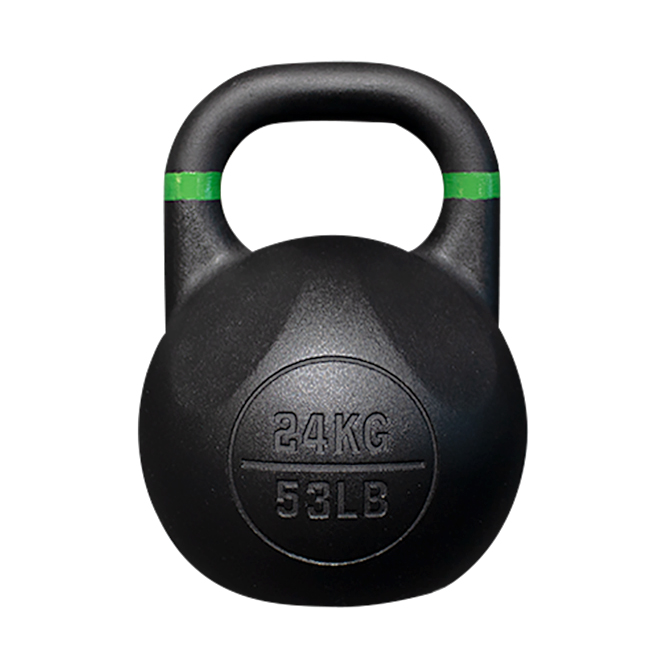
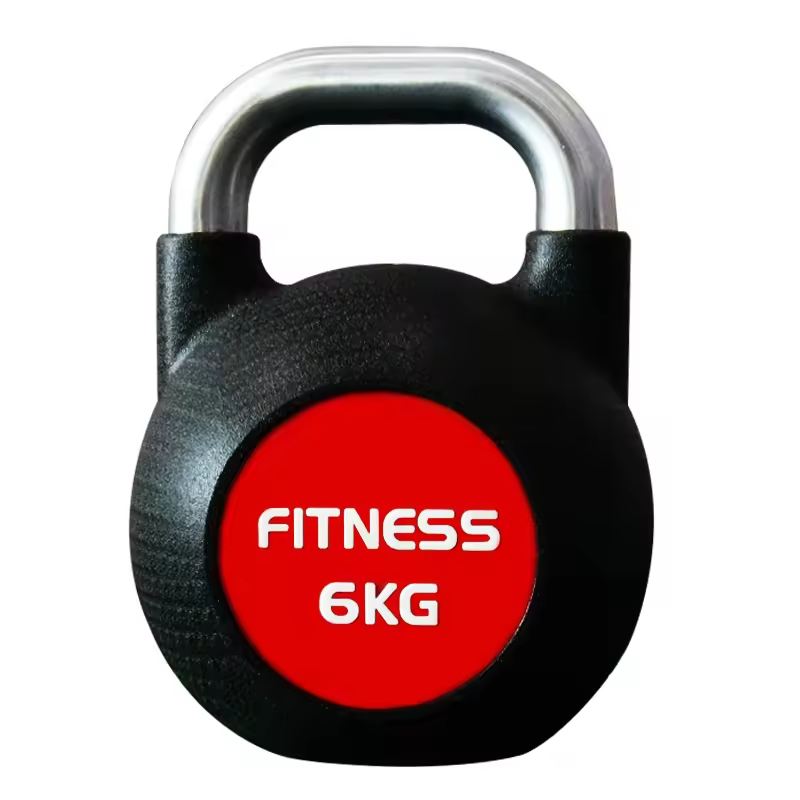
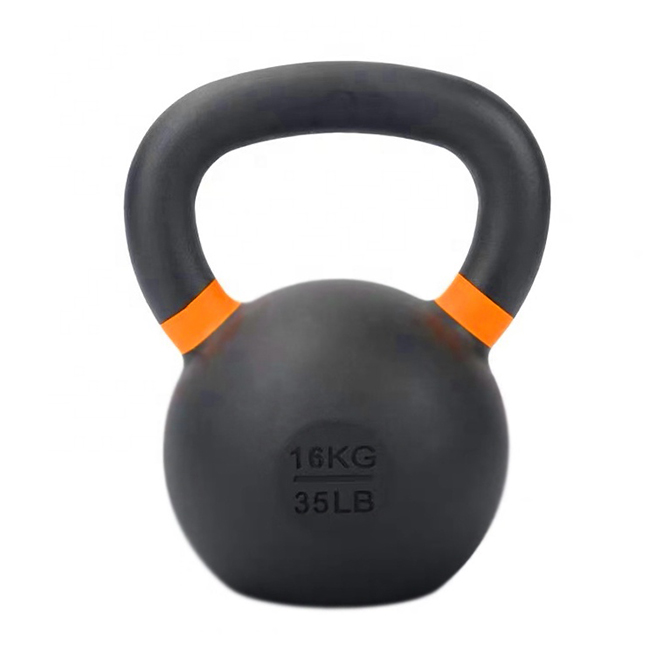
For a commercial kettlebell supplier, the primary concern is how these materials behave during high-volume transit and daily operation. Powder-coated units offer a highly durable, hard-wearing surface that is ideal for studios focusing on strength and conditioning where a premium aesthetic is required. Conversely, rubber-coated options are often preferred in multi-purpose fitness centers to reduce noise and provide better floor protection. When engaging with a powder coated kettlebell factory, it is standard practice to request details on the coating adhesion process to ensure the finish does not peel under high-friction training scenarios. For large-scale wholesale gym weight equipment orders, we recommend reviewing sample batches to verify that the weight calibration remains consistent across both material types before finalizing the bulk order.
Material Comparison: Cast Iron vs. Rubber Coated Specifications
Selecting the correct surface finish is a critical decision for distributors managing long-term TCO (Total Cost of Ownership) and facility maintenance. As a specialized kettlebell powder coating manufacturer, we recognize that the choice between bare iron and encapsulated coatings impacts both the landed cost and the replacement cycle of your inventory. Whether you are sourcing for high-traffic commercial gyms or premium studio environments, understanding the engineering of the coating layer is essential for bulk procurement.
When sourcing from a commercial kettlebell supplier, buyers must evaluate how different finishes interact with flooring and handle wear. Cast iron with a professional powder coating offers a rigid, high-density option that maintains precise weight dimensions, whereas a rubber coating provides enhanced impact absorption. For large-scale distributors, the choice often depends on whether the end-user prioritizes compact storage efficiency or floor protection and noise reduction.
| Material Option | Primary Coating Process | Commercial Duty Tier | Durability Profile | Procurement Advantage |
|---|---|---|---|---|
| Cast Iron with Powder Coating | Electrostatic Spray & Heat Cure | Premium Commercial | High resistance to chipping and oxidation | Compact footprint and lower shipping volume |
| Rubber Coated Kettlebell | Injection Molding or Dip Coating | Standard Commercial | High impact absorption and floor protection | Reduced noise and increased grip stability |
| Vinyl Dip Coated | Liquid Dip Application | Budget/Studio | Moderate durability; prone to punctures | Lowest unit cost for lightweight SKUs |
For professional importers, the wholesale gym weight equipment market demands a balance between aesthetic longevity and functional utility. A powder coated kettlebell factory typically ensures that the adhesion between the cast iron core and the finish can withstand repeated contact without peeling. This technical distinction is a key metric during pre-shipment QC to ensure that the commercial durability of the batch meets the standards of high-volume fitness centers.
Evaluating the structural integrity of these finishes is vital for maintaining high distributor margins and minimizing after-sales claims. In a professional powder coated kettlebell factory, the technical focus remains on the interface between the metal core and the outer layer. While powder coating relies on an electrostatic application to a sand-cast iron base, rubber coating involves a more complex encapsulation process. These differences in manufacturing complexity directly influence the MOQ and the overall landed cost for large-scale gym deployments.
Technical Inspection and QC Standards for Bulk Sourcing
When conducting a factory audit or requesting samples, procurement leads should focus on specific failure points common in mass production. For powder-coated units, the primary concern is coating adhesion and the uniformity of the finish around the handle-to-body junction. A reliable commercial kettlebell supplier will implement a rigorous pre-shipment QC process that includes visual inspections for surface bubbles, uneven thickness, or oxidation on the cast iron core before the final coating stage. For rubber-encapsulated models, the inspection focuses on the seamlessness of the molding and the absence of air pockets that could lead to premature peeling under heavy use.
To ensure the highest quality for your brand identity, we recommend requesting a detailed specification sheet or a sample evaluation before finalizing a large bulk order. Our production lines are optimized for both OEM and ODM requirements, allowing for custom branding and specialized finishes. Whether you are looking to expand your premium product line or secure a stable supply of standard commercial-grade equipment, we provide transparent lead times and detailed technical support to facilitate a seamless import process. Please contact us to confirm your specific MOQ or to discuss custom manufacturing requirements for your next shipment.
Evaluating the structural integrity of these finishes is vital for maintaining high distributor margins and minimizing after-sales claims. In a professional powder coated kettlebell factory, the technical focus remains on the interface between the metal core and the outer layer. While powder coating relies on an electrostatic application to a sand-cast iron base, rubber coating involves a more complex encapsulation process. These differences in manufacturing complexity directly influence the MOQ and the overall landed cost for large-scale gym deployments.
The Manufacturing Process: From Sand Casting to Powder Coating
Understanding the foundational production steps is vital for importers looking for a reliable kettlebell powder coating manufacturer. For distributors sourcing high-volume orders, the quality of the base material directly impacts the final weight tolerance and the longevity of the surface finish during heavy commercial use.
The Fundamentals of Sand Casting and Gray Iron
Most high-volume production begins with the sand casting process. In a professional China factory, molten gray iron is poured into precision-engineered sand molds to form the kettlebell body. This method is industry-standard for creating the dense, durable core required for commercial-grade weight equipment. The precision of the mold is critical; any inconsistency in the casting phase can lead to deviations in the center of gravity or uneven weight distribution. For a commercial kettlebell supplier, maintaining strict control over the casting stage ensures that each unit meets the required weight tolerance before it moves to the surface treatment lines. High-quality gray iron provides the structural integrity needed to prevent cracking under impact, making it a preferred choice for wholesale gym weight equipment intended for high-traffic strength facilities.
Surface Finishing and Coating Adhesion
Once the casting and machining stages are complete, the bell undergoes rigorous surface preparation to ensure long-term durability. A professional powder coated kettlebell factory utilizes a multi-step cleaning process to remove any residual oils or casting imperfections. This is a critical step for a powder coated kettlebell factory, as any contamination will lead to poor coating adhesion, resulting in chipping or peeling during high-intensity training. The bells are typically placed in an electrostatic spray booth where the powder is applied evenly across the body and handle. This is followed by a controlled curing process in an industrial oven, which fuses the powder into a hard, resilient layer. For buyers managing large-scale procurement, this level of precision in the surface finishing stage reduces the long-term maintenance load and protects the underlying iron from oxidation.
Pre-Shipment QC and Export Standards
The final stage of production focuses on ensuring that the finished product meets the strict requirements of international distributors. A comprehensive pre-shipment QC protocol is essential to prevent costly returns or client dissatisfaction. During this phase, technicians perform spot-checks on the coating adhesion and inspect the handle-to-body junction for any structural irregularities. In many commercial settings, the weight tolerance is also verified one last time to ensure consistency across the entire batch. For importers, confirming these quality control steps helps mitigate the risk of receiving defective units in bulk shipments. Efficient pre-shipment QC also extends to the export packaging, where units are secured to prevent movement and damage during sea freight, ensuring the landed cost remains optimized by reducing the rate of transit-related breakage.
Technical Comparison: Material and Surface Selection
Deciding between different finishes is a strategic procurement choice that affects both the initial purchase price and the long-term replacement cycle. For a kettlebell powder coating manufacturer, the distinction between a standard cast iron finish and a multi-layered coating is a primary factor in determining the product's commercial duty tier. Buyers must weigh the immediate cost-efficiency of powder coating against the premium protection offered by specialized rubber or PU layers to optimize their total cost of ownership.
| Material | Primary Process | Surface Treatment | Commercial Application | QC Focus | Sourcing Impact |
|---|---|---|---|---|---|
| Gray Iron | Sand Casting | Powder Coating | Standard Commercial Gyms | Coating Adhesion | Lower MOQ / High Volume |
| Gray Iron | Sand Casting | Rubber/PU Coating | Premium Studios & High-Traffic Areas | Layer Thickness & Uniformity | Higher Unit Cost / Premium Tier |
| Solid Steel | Machining | Chrome Finish | Competition & Specialized Training | Concentricity & Surface Smoothness | Specialized Order / Lower Volume |
When evaluating your next batch, consider that while a powder coated kettlebell factory offers excellent value for general strength training, high-end facilities may require the impact absorption of rubberized finishes. For distributors, selecting the right material specification during the sourcing phase prevents future issues with floor damage or surface peeling. We recommend requesting a detailed specification sheet or a sample evaluation to confirm that the coating thickness and handle texture meet your specific brand standards before proceeding with a full bulk order.
Critical Quality Control Points for Bulk Imports
When managing high-volume procurement, a reliable kettlebell powder coating manufacturer must implement a multi-stage inspection protocol to mitigate the risks of transit damage and premature surface failure. For distributors and gym equipment importers, the transition from the raw casting stage to the final surface finish is where most commercial-grade products fail due to poor adhesion or inconsistent weight distribution.
A professional China factory focuses on a strict sequence: starting with the structural integrity of the cast iron, moving through precision machining of the handle, and concluding with the application of the coating. During pre-shipment QC, technicians must verify that the coating adhesion is sufficient to withstand heavy daily use in commercial environments. Furthermore, a commercial kettlebell supplier should provide documentation or visual verification of weight tolerance checks to ensure every unit in a wholesale gym weight equipment shipment meets the specified mass requirements. Neglecting these technical checkpoints can lead to high return rates and diminished distributor margins due to chipped finishes or uneven weight distribution.
Technical Comparison for Procurement Decision-Making
Selecting the appropriate finish requires balancing long-term durability against the total landed cost of your shipment. A professional powder coated kettlebell factory provides distinct advantages for different commercial use cases, particularly regarding floor protection and maintenance cycles. For high-traffic strength studios, the choice between a rigid finish and a shock-absorbing layer significantly impacts the total cost of ownership (TCO) and facility upkeep.
| Material Type | Primary Process | Key Component Focus | Commercial Duty Tier | MOQ Impact | Factory QC Point |
|---|---|---|---|---|---|
| Cast Iron with Powder Coating | Sand casting and electrostatic application | Handle-to-body junction and coating adhesion | Standard Commercial | Lower MOQ for stock items | Surface smoothness and chipping resistance |
| Rubber Coating | Injection molding or dip coating over iron core | Encapsulation layer and base thickness | Premium / High-Impact | Higher MOQ for custom colors | Coating peel and weight concentricity |
When sourcing wholesale gym weight equipment, distributors should evaluate whether a powder coated kettlebell factory can offer custom branding or specific colorways through an OEM agreement. While powder-coated units offer a cost-effective solution for standard weight sets, rubber-coated options provide superior floor protection in premium boutique settings. We recommend requesting a sample evaluation or a detailed spec sheet to confirm that the coating thickness and handle texture meet your specific market standards before finalizing a bulk order.
Essential Inspection Benchmarks for Importers
To ensure long-term durability, buyers must look beyond basic aesthetics. A professional kettlebell powder coating manufacturer should allow for detailed inspection of the handle-to-body junction and the precision of the knurling. In high-volume orders, even slight imperfections in the casting or the subsequent coating application can lead to significant after-sales issues. When evaluating a potential commercial kettlebell supplier, we advise checking the consistency of the surface texture to ensure the grip remains functional even under high-intensity training conditions.
For large-scale distribution, the final stage of the wholesale gym weight equipment procurement process involves verifying the export packaging. High-quality manufacturers utilize reinforced cartons and specialized palletizing to prevent denting or coating scratches during sea freight. Before finalizing your MOQ or confirming a production lead time, request a pre-shipment inspection report that specifically covers coating adhesion and weight calibration. This level of scrutiny ensures that your landed cost remains optimized by reducing the frequency of damaged or out-of-spec arrivals.
Sourcing Strategy: MOQ and Custom Branding Options
Selecting the right kettlebell powder coating manufacturer requires balancing material durability with your specific inventory requirements. For distributors and large-scale gym operators, the decision between cast iron vs rubber coatings significantly impacts both the landed cost and the long-term maintenance profile of the equipment. While cast iron offers a classic, high-density feel often favored for traditional strength training, rubber-coated variants provide essential floor protection and noise reduction in high-traffic commercial environments.
When negotiating with a commercial kettlebell supplier, understanding the relationship between material complexity and MOQ is vital for maintaining healthy distributor margins. Typically, standard powder-coated units allow for more flexible wholesale gym weight equipment ordering patterns, whereas specialized rubber encapsulation or high-end PU coated finishes may require higher volume commitments to offset the specialized molding and tooling costs at the factory.
To build a distinctive product line, many professional buyers leverage OEM/ODM services to implement custom branding. This allows you to integrate your own brand identity directly into the product—whether through precision laser-etched logos on the cast iron surface or high-durability heat-transfer printing on the coating layer. Working directly with a powder coated kettlebell factory ensures that your private label specifications, from handle texture to colorway, are standardized during the pre-shipment QC process to meet your market's premium standards.
Strategic Sourcing Comparison for Distributors
To optimize your procurement workflow, we have structured a comparison of common material-to-branding pathways. This table assists importers in evaluating the complexity and investment levels associated with different product tiers when sourcing from a powder coated kettlebell factory.
| Material Type | Surface Process | Branding Potential | Commercial Duty | MOQ Impact | Factory QC Point |
|---|---|---|---|---|---|
| Cast Iron | Powder Coating | High (Laser/Stencil) | Standard Commercial | Lower | Coating Adhesion |
| Cast Iron | Enamel/Paint | Medium (Silk Screen) | Budget/Entry-Level | Low | Base Flatness |
| Steel/Iron Core | Rubber/PU Coating | High (Heat Transfer) | Premium/High-Traffic | Higher | Encapsulation Integrity |
| Cast Iron | Bare/Phosphate | Low (Embossed) | Traditional/Old School | Very Low | Weight Tolerance |
When evaluating your next batch, consider that while powder-coated options offer a versatile middle ground for wholesale gym weight equipment, specialized coatings may involve longer lead time due to additional drying or molding stages. A professional commercial kettlebell supplier will provide clear documentation regarding how these processes affect your final landed cost and shipping volume efficiency. We recommend confirming your private label design requirements early in the sourcing cycle to ensure that custom branding elements do not disrupt the standard production throughput of the factory.
Logistics and Export Readiness for Bulk Orders
Managing the complexities of international freight requires more than just selecting a high-quality kettlebell powder coating manufacturer; it requires a partner who understands the nuances of export-grade logistics. For professional buyers, the total landed cost is heavily influenced by how effectively the wholesale gym weight equipment is palletized and secured for long-haul sea transit. Inefficient packaging can lead to damaged coatings or uneven weight distribution within a container, which ultimately erodes your distributor margins.
A reliable powder coated kettlebell factory must implement rigorous export packaging protocols to mitigate the risks of vibration and impact during transit. This typically includes heavy-duty corrugated boxes, reinforced corner protectors, and standardized palletizing to ensure maximum container density. During the pre-shipment QC phase, we emphasize not only the weight tolerance and coating adhesion of each unit but also the structural integrity of the shipping crates. This attention to detail ensures that when your bulk order arrives at your warehouse, the products are ready for immediate distribution without the need for costly replacements or returns.
To facilitate seamless procurement, we encourage importers to request a detailed specification sheet and confirm the MOQ for any OEM or ODM projects during the initial inquiry. Whether you are looking for standard stock or specialized custom branding, establishing a clear timeline for production and lead time is essential for your inventory planning. We are available to discuss bulk pricing, sample approval processes, and factory audit requirements to ensure our manufacturing capabilities align perfectly with your commercial deployment goals.
Optimizing Landed Cost and Export Logistics
For international distributors and gym equipment importers, the final landed cost of a shipment is often determined by the density and volume efficiency of the cargo. When sourcing from a kettlebell powder coating manufacturer, understanding how material weight impacts container utilization is critical for maintaining healthy distributor margins. A commercial kettlebell supplier can help optimize these costs through strategic palletization and specialized export packaging designed for high-density weight products.
Choosing between cast iron and rubber-coated options involves a trade-off between unit price and long-term commercial gym durability. While powder-coated cast iron units typically offer a lower initial wholesale gym weight equipment price point, rubber-coated models may reduce the maintenance load by preventing floor damage and noise in high-traffic facilities. When calculating long-term ROI, procurement leads must weigh the lower upfront sourcing cost of iron against the potential replacement frequency and floor-protection requirements of a commercial installation.