Iron Casting Manufacturer: Production and QC Overview
The Strategic Role of an Iron Casting Manufacturer in Global Distribution
An iron casting manufacturer provides the foundational heavy-duty components required for high-traffic commercial fitness environments. For distributors and importers, selecting a specialized iron casting manufacturer ensures consistent material density and structural integrity, which are critical for maintaining high wholesale volumes and long-term product reliability in global markets.
In the complex landscape of international procurement, the efficiency of your supply chain depends on the technical capability of your China factory. Relying on a direct supplier reduces the layers of middleman markup, allowing for better distributor margins and a more competitive landed cost. When managing large-scale orders, understanding the commercial iron casting process is essential to mitigate risks associated with structural defects or uneven weight distribution that can lead to costly returns.
Logistical precision is just as vital as production quality. A professional iron casting manufacturer must manage complex lead time variables, from the initial sand casting phase to the final iron casting quality control inspection. For distributors, this means predictable delivery schedules for wholesale replenishment. Furthermore, optimizing export packaging and container loading density is a strategic necessity to minimize shipping costs per unit, directly impacting the final profitability of your product lines in North American or European markets.
Scaling a product line requires more than just a basic production agreement; it demands a partner capable of executing complex OEM or ODM requests without compromising on technical precision. A high-tier iron casting manufacturer integrates standardized manufacturing workflows to ensure that every batch meets the rigorous demands of professional gym environments. This includes managing the transition from raw gray iron casting to precision machining and specialized surface treatments, ensuring that the final product is ready for immediate distribution upon arrival at your warehouse.
To maintain strict quality standards during high-volume runs, a robust iron casting quality control framework must be implemented. This typically involves multi-stage checkpoints, including weight tolerance spot-checks, surface finish inspections, and coating adhesion tests. For procurement leads, a transparent commercial iron casting process—from the initial mold creation to the final pre-shipment inspection—is the best way to ensure that bulk orders arrive without the structural inconsistencies that often plague lower-tier sources. We recommend that buyers confirm the specific inspection protocols and MOQ requirements during the initial sourcing phase to align production schedules with your market demand and inventory turnover goals.
Procurement Comparison: Standard vs. Commercial-Grade Specifications
When sourcing for high-traffic facilities, the distinction between budget-tier products and professional-grade equipment becomes a matter of long-term TCO and brand reputation. A professional iron casting manufacturer provides clear differentiation through material density, precision, and finishing. For importers, understanding these qualitative tiers helps in setting realistic pricing strategies and managing customer expectations regarding product durability.
| Feature / Specification | Standard/Budget Tier | Commercial-Grade Tier |
|---|---|---|
| Material Density | Variable porosity; inconsistent density | High-density gray iron; uniform structure |
| Weight Tolerance | Higher variance; less precision | Strictly controlled; high consistency |
| Surface Finish | Basic coating; prone to chipping | Multi-stage powder coating; high adhesion |
| Commercial Duty | Light/Home use; low impact | High-traffic; heavy-duty commercial use |
| Packaging Standard | Basic bulk wrap; higher breakage risk | Reinforced export packaging; optimized for shipping |
| Sourcing Context | Low MOQ; limited customization | Optimized for wholesale and OEM |
Choosing the correct specification is a critical decision for any supplier or distributor. While budget options may offer a lower initial landed cost, the commercial-grade tier ensures higher reliability and lower replacement rates. We suggest that buyers request a detailed spec sheet and confirm the iron casting quality control protocols for their specific tier to ensure the final product aligns with their market positioning and durability requirements.
Industrial Standards in the Commercial Iron Casting Process
For professional distributors and gym equipment importers, maintaining product consistency is the primary challenge when sourcing from a iron casting manufacturer. Establishing a technical baseline ensures that every batch meets the rigorous demands of high-traffic commercial environments. A professional China factory must integrate standardized industrial protocols to mitigate the risks of weight variance or structural flaws that can damage a distributor's reputation.
Achieving high-volume wholesale reliability requires a disciplined commercial iron casting process. This begins with precise sand casting or centrifugal casting techniques to ensure structural integrity. By adhering to strict iron casting quality control protocols, a reliable supplier can guarantee that the density and surface finish of the cast components remain uniform across large bulk orders, reducing the long-term TCO for the end-user and simplifying the sourcing workflow for the importer.
Technical Comparison of Casting and Finishing Methods
Selecting the correct production route is a critical decision for procurement leads balancing upfront landed cost against long-term durability. While standard sand casting remains the industry staple for high-volume production, the subsequent surface treatment dictates the product's lifespan in high-intensity training environments. Importers must evaluate how these technical choices impact the overall maintenance load and the potential for premature degradation in a commercial setting.
The following table outlines the typical technical variations encountered when evaluating production tiers for commercial-grade equipment. This comparison helps procurement specialists align their specific MOQ requirements with the appropriate level of surface protection and structural finish.
| Material & Process | Surface Treatment | Key Component Detail | Commercial Duty Tier | MOQ Impact | Factory QC Point |
|---|---|---|---|---|---|
| Sand Casting | Bare Iron / Phosphate | Standard knurling texture | Budget / Entry-Level | Lower threshold | Base flatness & weight uniformity |
| Sand Casting | Powder Coating | Smooth or textured finish | Standard Commercial | Moderate | Coating adhesion & thickness |
| Die Casting | Chrome / Enamel | Precision handle geometry | Premium / Competition | Higher threshold | Surface smoothness & concentricity |
| Steel Construction | Rubber / PU Coating | Integrated grip/base protection | High-End Commercial | Significant | Encapsulation integrity |
When conducting a pre-shipment inspection, professional buyers should focus on the adhesion of the powder coating to the cast body. In many commercial settings, poor coating application leads to chipping or oxidation, which increases the maintenance frequency for gym operators. A high-tier iron casting manufacturer will typically utilize automated coating lines to ensure a uniform layer that withstands constant friction and environmental exposure, thereby protecting the distributor's margins and the end-user's ROI.
Standardizing Pre-Shipment Inspection and Export Logistics
For global distributors, the final stage of the commercial iron casting process is as critical as the initial pour. A rigorous pre-shipment inspection serves as the last line of defense against costly returns and client dissatisfaction. During this phase, a professional iron casting manufacturer must verify that every unit within a bulk order adheres to the agreed-upon specifications. This includes performing a weight tolerance spot-check to ensure mass consistency and conducting a physical test for coating adhesion to prevent chipping during transit or initial use.
Beyond technical quality, the logistics of export packaging directly influence the total landed cost and product arrival condition. Reliable OEM and ODM partners utilize reinforced, heavy-duty corrugated boxes and specialized palletizing techniques to protect cast iron components from impact damage during sea freight. Proper stacking protocols and moisture-resistant packaging are essential to ensure that the shipment arrives at the warehouse in pristine condition, ready for immediate distribution or retail display. We recommend that buyers confirm specific packaging standards and request a sample of the export-ready unit before finalizing large-scale wholesale contracts.
Material Selection and Surface Finishing for Long-Term Durability
Selecting the correct metallurgical base is the first step in ensuring a high return on investment for distributors and gym operators. A professional iron casting manufacturer must provide options that balance structural integrity with long-term maintenance costs. For bulk wholesale orders, the choice between gray iron and ductile iron often determines the total cost of ownership (TCO) and the frequency of replacement cycles in high-traffic commercial environments.
When sourcing from a China factory, procurement leads should evaluate how material density affects the commercial iron casting process. While standard gray iron is the industry baseline for most commercial weight plates and kettlebells, premium applications may require the enhanced impact resistance of ductile iron. Understanding these distinctions is critical for sourcing equipment that meets the rigorous demands of professional strength facilities without incurring excessive after-sales liabilities.
| Material Type | Primary Casting Method | Commercial Duty Tier | Maintenance Profile | MOQ Impact on Grade |
|---|---|---|---|---|
| Gray Iron | Sand Casting | Standard Commercial | Low (Requires periodic coating check) | Standard baseline for wholesale |
| Ductile Iron | High-Precision Casting | Premium / High-Impact | Minimal (Superior fracture resistance) | Higher MOQ typically required |
| Solid Steel | Forging / Machining | Elite / Competition | Very Low (High surface hardness) | Premium sourcing tier |
The iron casting quality control protocol must also address the relationship between the base metal and the final surface finish. In many commercial settings, the adhesion of the powder coating or enamel layer is as vital as the casting itself. A failure in the commercial iron casting process—such as improper degassing or surface impurities—can lead to coating delamination, which increases the maintenance load for the end-user and diminishes the perceived value of your brand's product line.
Surface Finishing: Powder Coating vs. Pu Coating
For distributors managing large-scale gym builds, the final surface finish directly impacts the landed cost and the long-term maintenance budget. While the commercial iron casting process provides the structural foundation, the choice of coating determines how the product survives high-frequency use. A professional iron casting manufacturer typically offers two primary routes: powder coating and PU coating, each serving different commercial tiers and price points.
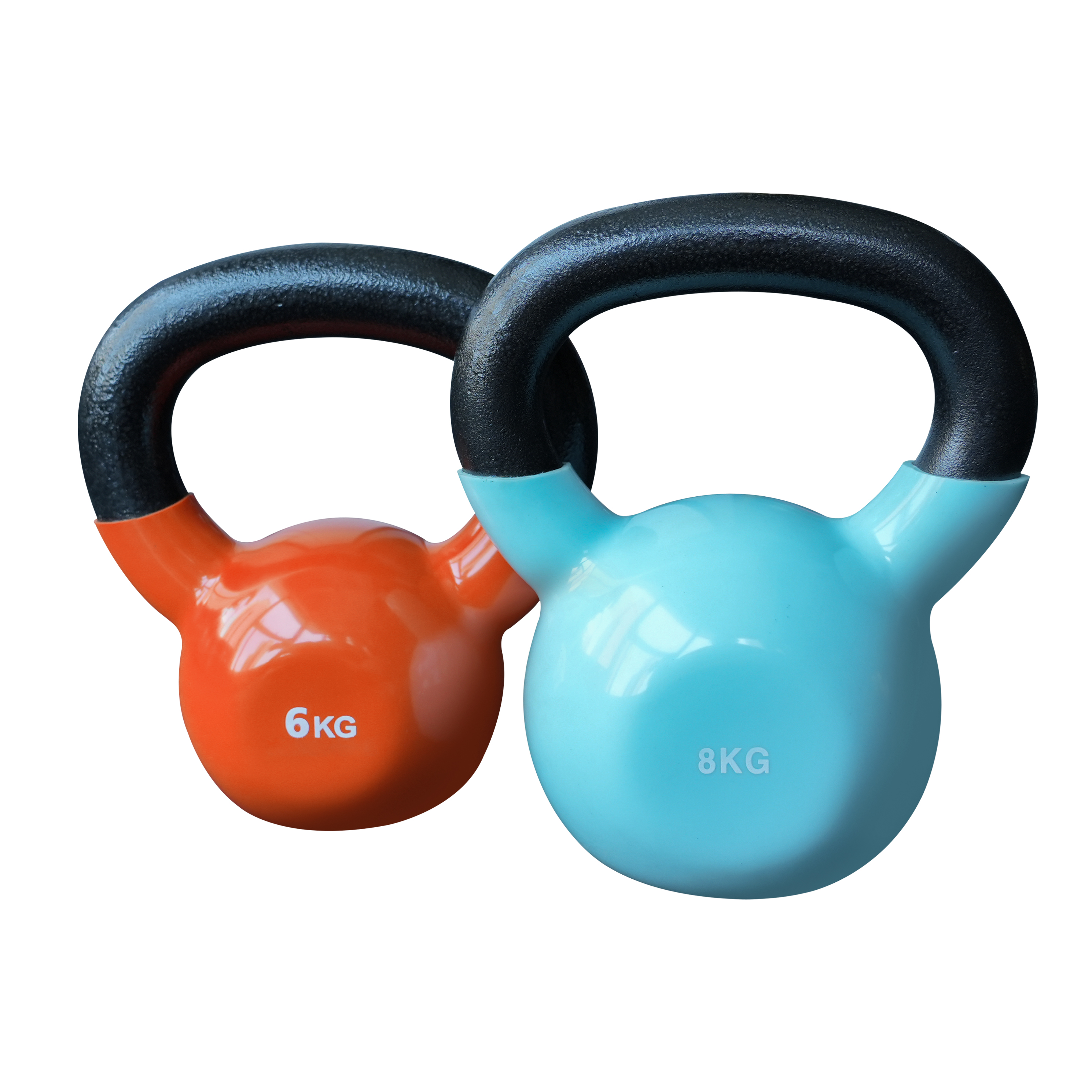
Powder coating is a standard industry-grade solution that involves applying dry resin particles which are then cured under heat. This method is highly effective for standard commercial-grade iron products due to its durability and cost-efficiency. Conversely, PU coating (polyurethane) offers a more premium, seamless feel with superior impact resistance, often preferred for high-end studio equipment. When evaluating your next batch, consider how these finishes affect the maintenance requirements and the overall durability of the product in high-traffic environments.
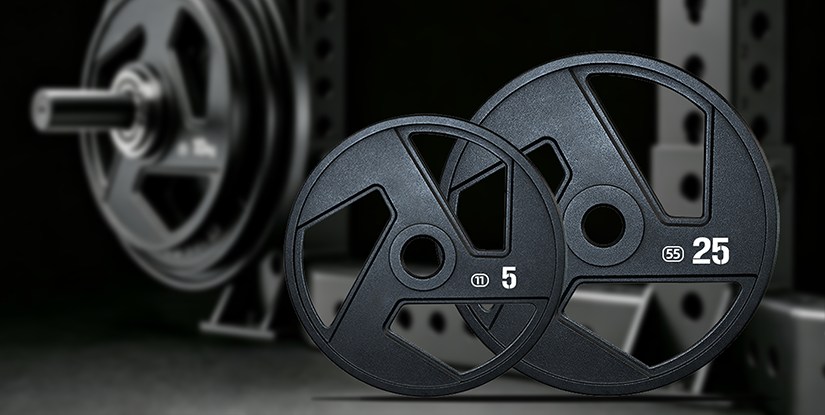
A reliable iron casting quality control procedure must include rigorous testing for surface adhesion. If the preparation stage—such as degreasing or sandblasting—is insufficient, the coating may peel or chip under heavy use. For professional buyers, a failure in coating adhesion translates to higher replacement rates and lower distributor margins. Therefore, verifying the specific finishing standards with your supplier is a critical step in ensuring long-term product stability and brand reputation.
Rigorous Iron Casting Quality Control and Pre-Shipment Inspection
Maintaining high B2B sourcing reliability requires more than just a standard manufacturing line; it requires a systematic approach to iron casting quality control. For distributors and importers, the cost of receiving a shipment with structural defects or inconsistent weights far outweighs the initial savings of a low-cost supplier. A professional iron casting manufacturer must implement rigorous inspection points throughout the commercial iron casting process to ensure every unit meets the durability standards required for high-traffic commercial gyms.
Failure to monitor these variables results in high replacement costs and damaged distributor margins. When sourcing in bulk, buyers must look for a factory that prioritizes structural integrity and surface finish consistency. Effective iron casting quality control focuses on three critical areas: weight tolerance, surface integrity, and dimensional stability. By addressing these during the pre-shipment stage, a China factory can significantly reduce the risk of transit damage or client returns, ensuring a smoother landed cost for the end-user.
Critical Inspection Points for Bulk Procurement
A reliable iron casting manufacturer conducts inspections at several stages to mitigate common failure modes. During the casting phase, the focus is on preventing internal voids or air bubbles that compromise the weight and strength of the unit. Once the casting is complete, the commercial iron casting process moves into machining and surface treatment, where technical oversight becomes even more vital for export-grade quality.
- Weight Tolerance Verification: Ensuring each unit falls within the industry-standard acceptable range to maintain professional calibration.
- Surface Integrity Check: Inspecting the casting for smoothness, cracks, or casting flash that could affect the coating adhesion.
- Dimensional Stability: Confirming that the base flatness and handle dimensions align with the technical specification sheets.
- Coating Adhesion Testing: Verifying that the powder coating or paint layer is securely bonded to the iron substrate to prevent peeling during heavy use.
For those managing large-scale wholesale orders, requesting a pre-shipment inspection report or a sample approval process is a standard way to verify these technical standards. Whether you are looking for OEM customized branding or standard stock, these QC steps are essential for maintaining long-term commercial durability.
Technical Comparison of Manufacturing Standards
When evaluating a potential iron casting manufacturer, it is essential to understand how different production tiers impact your total cost of ownership and long-term maintenance. A professional iron casting manufacturer will typically provide clear distinctions between product grades to help importers manage their inventory and distributor margins effectively. Relying on a budget-grade supplier without verified iron casting quality control often leads to higher replacement rates and diminished brand reputation in the commercial market.
The following table outlines the qualitative differences encountered during the commercial iron casting process. This comparison helps procurement leads decide between high-volume standard stock and specialized premium orders based on their specific market positioning and MOQ requirements.
| Material & Grade | Primary Process | Key Component Focus | Commercial Duty | MOQ Impact | Factory QC Point |
|---|---|---|---|---|---|
| Standard Cast Iron | Sand Casting | Base Flatness | Basic Commercial | Lower | Weight Calibration |
| Premium Powder Coated | Sand Casting + CNC | Handle Texture | High-Traffic Gym | Moderate | Coating Adhesion |
| Professional Spec | Precision Casting | Concentricity | Elite Training | Higher | Dimensional Accuracy |
To ensure your procurement aligns with your business model, we recommend requesting a detailed technical spec sheet or a sample evaluation before finalizing any wholesale agreement. A transparent factory will be able to provide documentation regarding their coating adhesion tests and dimensional stability protocols, which are critical for maintaining high-quality standards in the global export market.
Pre-Shipment Inspection and Export-Ready Packaging Protocols
For large-scale importers, the final stage of the commercial iron casting process is often the most critical for protecting the total landed cost. A professional iron casting manufacturer must go beyond product quality to ensure that logistics risks are mitigated through rigorous pre-shipment inspection (PSI) and specialized export packaging. Without these protocols, even a high-quality batch can suffer from transit damage, such as surface chipping or oxidation, which directly erodes distributor margins and increases after-sales service costs.
A reliable China factory understands that bulk shipments require more than standard cardboard. To ensure logistics safety during long-distance sea freight, the iron casting manufacturer should utilize reinforced corrugated boxes, corner protectors, and heavy-duty pallets. This level of export packaging is essential for maintaining the integrity of the coating and preventing structural shifts within a container. When managing high-volume wholesale orders, verifying the palletization method and the strength of the outer packaging is a vital step in the procurement process to ensure the shipment arrives in a retail-ready state for your customers.
To optimize your sourcing efficiency, we recommend discussing specific packaging requirements and lead time stability with your supplier during the initial quote phase. Whether you are pursuing OEM custom branding or standard wholesale units, confirming the pre-shipment inspection checklist and the container loading plan will help ensure a predictable and cost-effective supply chain for your commercial fitness equipment business.
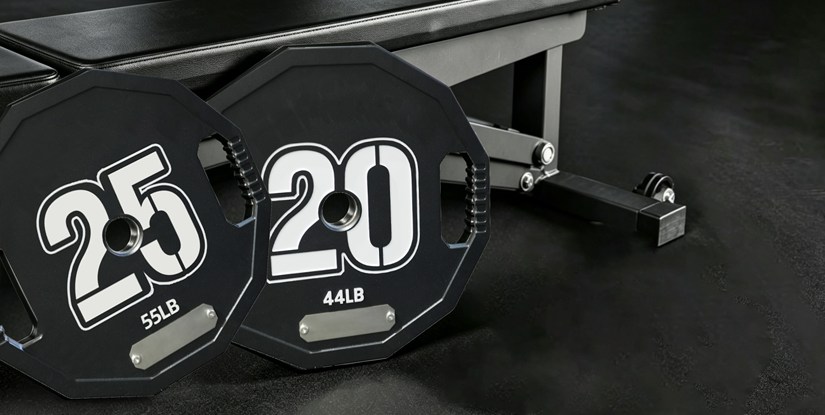
Optimizing Sourcing with OEM and Private Label Capabilities
For global distributors and gym equipment importers, the ability to differentiate a product line is critical for long-term market positioning. A professional iron casting manufacturer provides more than just bulk hardware; they offer a strategic partnership through OEM and ODM services that allow you to build a distinct brand identity. Whether you are launching a boutique fitness line or expanding a large-scale distribution network, leveraging a China factory for custom production can significantly improve your competitive edge and distributor margins.
Moving beyond standard wholesale models, high-tier sourcing often requires specific customization to meet regional market demands or specific studio aesthetics. While basic stock items may have a lower MOQ, investing in private label solutions ensures that your logo, specialized coating, or unique handle textures are integrated directly into the manufacturing stage. This approach transforms a generic commodity into a proprietary product, allowing you to command premium pricing in your local market while maintaining a controlled landed cost.
Standard Stock vs. Customized OEM/Private Label Orders
When evaluating your next procurement cycle, it is essential to understand how different order types impact your total investment. Choosing between standard stock and a custom commercial iron casting process depends on your specific volume requirements and branding objectives. A professional iron casting manufacturer will typically offer two distinct paths to help you balance immediate availability with long-term brand equity.
Standard wholesale orders are ideal for rapid restocking and minimizing initial capital expenditure, whereas customized production allows for deeper market penetration through unique product features. The following table outlines the typical procurement variables encountered when working with a professional iron casting manufacturer to assist in your decision-making process.
| Order Type | Customization Level | Branding Options | Typical Lead Time | MOQ Requirements | Landed Cost Impact |
|---|---|---|---|---|---|
| Standard Stock | Low (Standard shapes/finishes) | Generic or existing logo | Short (Ready to ship) | Lower | Lower (Optimized for volume) |
| Custom OEM | High (Custom molds/textures) | Full Private Label integration | Longer (Mold/production cycle) | Higher | Variable (Based on specs) |
| Premium ODM | Very High (Complete design) | Full Brand Identity | Extended (R&D + Production) | Highest | Higher (Premium positioning) |
To ensure your procurement aligns with your business model, we recommend confirming the specific iron casting quality control protocols for each tier during your initial inquiry. Whether you require a quick replenishment of standard units or a complex, branded production run, please contact us to request a detailed spec sheet, confirm the current MOQ for your target items, or discuss sample approval processes for custom projects.
Technical Integration of Branding and Surface Finishes
A critical component of professional iron casting quality control is the precise integration of brand elements and surface treatments. For distributors seeking to establish a premium market presence, a logo should not be a mere afterthought but a structural part of the production. High-tier manufacturers typically incorporate branding through two primary methods: precision mold casting for a permanent, recessed logo, or high-adhesion powder coating for surface-level branding. This ensures that your brand identity remains intact even under heavy commercial use, preventing the peeling or fading common in low-grade production environments.
Beyond the logo, the surface finish dictates the long-term maintenance load and durability of the equipment. During the standard production workflow, the casting undergoes a rigorous multi-stage preparation process. This involves removing casting flash through machining, followed by a chemical cleaning or phosphate treatment to enhance bonding. This sequence is vital for ensuring that the final coating—whether it is a textured powder coat or a smooth enamel—adheres perfectly to the cast iron substrate. For buyers, prioritizing these technical details during the sourcing phase reduces the risk of high return rates and protects your reputation as a reliable equipment provider.
Logistics and Export Packaging for Bulk Global Shipments
When sourcing heavy metal components from a iron casting manufacturer, the final stage of the supply chain is as critical as the casting process itself. For distributors and gym equipment importers, the primary risk involves transit-related damage and unexpected overheads. A professional iron casting manufacturer must implement rigorous export packaging protocols to ensure that bulk shipments arrive at your warehouse without surface abrasions, structural deformities, or oxidation. Neglecting these standards often leads to increased landed cost through insurance claims, replacement fees, and disrupted inventory schedules.
To maintain sea freight stability, high-density pallets and reinforced wooden crates are commonly utilized for heavy iron goods. This is especially vital when managing large-scale wholesale orders where weight distribution within a container directly impacts shipping safety and vessel stability. Effective damage prevention strategies include moisture-resistant barriers and edge protectors, which safeguard the integrity of the iron surfaces during long-duration maritime transit. By optimizing load density and securing every unit, a reliable supplier helps importers minimize the total cost of ownership and ensures that the product quality remains intact from the factory floor to the final destination.
Pre-Shipment Inspection and Container Loading Standards
Before any bulk order leaves the China factory, a final pre-shipment inspection is mandatory to verify that the product matches the approved sample. This stage of the iron casting quality control process focuses on the structural integrity of the cast iron, the uniformity of the coating, and the precision of the weight calibration. A professional iron casting manufacturer will conduct spot checks on handle texture and base flatness to ensure no casting defects survived the final machining stages. For distributors, this inspection is the last opportunity to mitigate the risk of receiving defective units that could harm your brand reputation.
Once the quality is verified, the palletization process begins, using heavy-duty, heat-treated pallets designed to withstand the extreme weight of iron goods. To prevent corrosion during long-haul maritime transit, we implement strict moisture protection using industrial-grade plastic wraps and desiccants. For high-value or oversized shipments, we utilize reinforced sea-worthy crates to provide an extra layer of defense against mechanical impact. Whether you are managing a small MOQ or a full container load, these packaging standards ensure your commercial iron casting process concludes with a safe, efficient, and predictable arrival at your port of destination.
Comparison of Packaging Types for Shipping Volumes
Selecting the correct packaging method is a vital decision for procurement managers to balance protection against total landed cost. Depending on your order volume and the specific commercial iron casting process used, the strategy for securing heavy goods must shift to maintain both shipping durability and warehouse efficiency. A professional iron casting manufacturer provides different tiers of protection to suit various logistical needs.
| Order Volume Tier | Primary Packaging Type | Protection Level | Logistics Focus |
|---|---|---|---|
| Sample or Small Batch | Reinforced Single Carton | Standard protection for surface integrity | Low volume, high frequency |
| Mid-Tier Wholesale | Palletized Corrugated Boxes | Balanced protection and stacking stability | Optimized for LCL or palletized sea freight |
| Full Container Load (FCL) | Industrial Wooden Crates or Pallets | Maximum defense against heavy impact | High-density loading and sea-worthy stability |
For distributors managing high-volume bulk vs sample procurement, moving from individual cartons to heavy-duty palletized systems significantly improves warehouse efficiency during unloading. While sample orders prioritize compact sizing, large-scale packaging types for full containers must prioritize load density and structural reinforcement to prevent shifting during transit. Consult with your supplier to confirm the most cost-effective configuration for your specific shipping route and destination requirements.