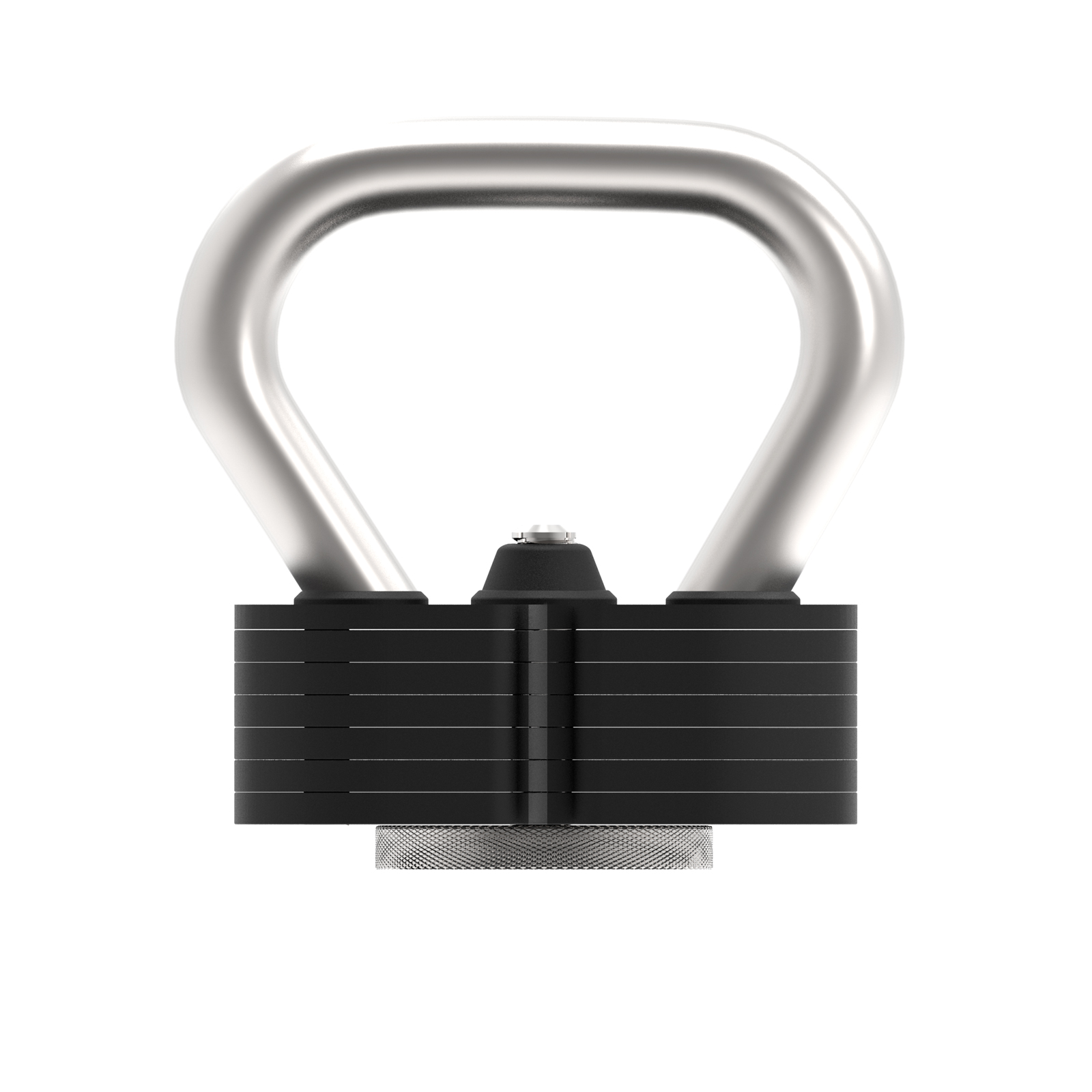
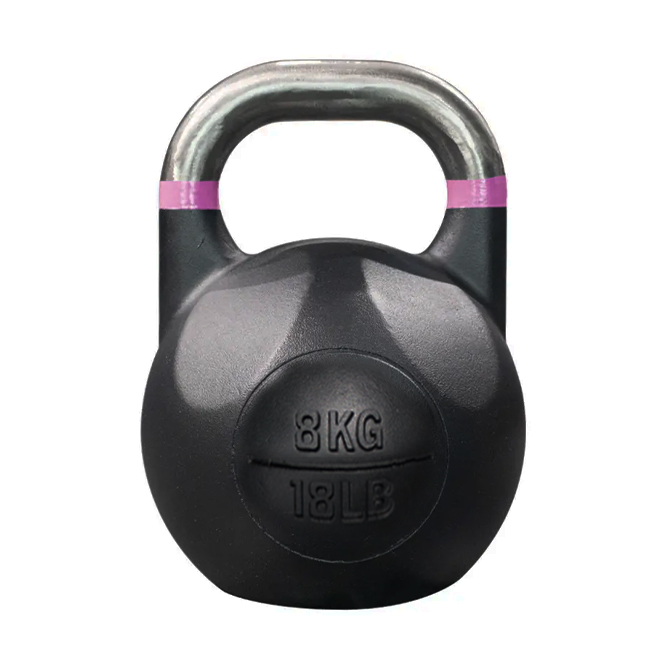
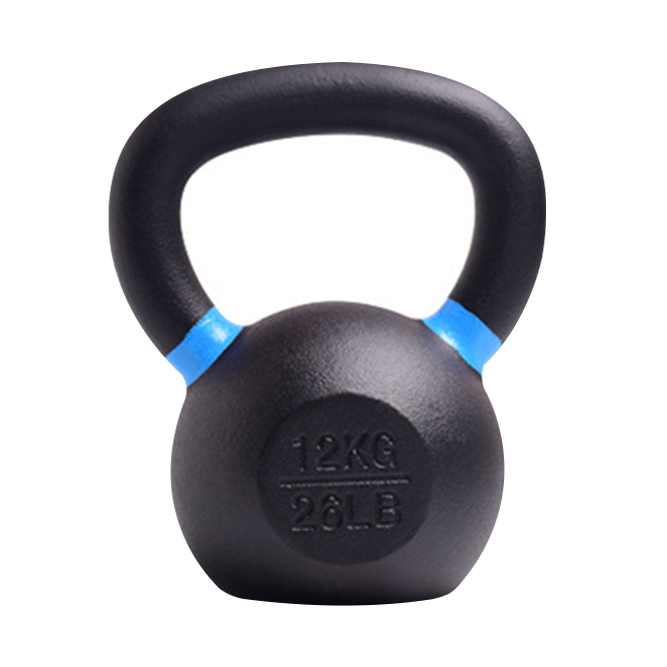
Kettlebell Sets: Export Ready China Factory OEM Supply
Optimizing Facility Footprint with Professional Kettlebell Sets
When procurement leads evaluate high-density training zones, they must balance equipment variety against usable floor area while managing the logistical risks of weight variance and shipping volumes. A professional facility layout depends on selecting kettlebell sets that offer both high utility and predictable dimensions to ensure seamless integration into existing floor plans. Efficient gym equipment sourcing requires moving beyond simple aesthetics to focus on how weight increments and storage footprints impact long-term operational flow and member density.
Standardization is the cornerstone of a professional training environment. Sourcing from a reliable China factory allows distributors to secure units produced with standardized weight increments, ensuring that a 16kg unit from one batch matches the calibration of a 16kg unit from another. This precision is critical for high-end studios where consistency in training progression is expected. Without these strict manufacturing tolerances, facility operators face the hidden costs of mismatched equipment, which can disrupt programmed training sessions and degrade the professional quality of the space.
Space-efficiency is often achieved through the selection of specialized storage solutions and high-density commercial weight sets. Instead of scattered individual units, professional buyers prioritize integrated rack systems that utilize vertical space and maintain clear walkways. By optimizing the footprint of kettlebell sets, facility managers can increase the number of active training zones within the same square footage, directly improving the potential ROI of the facility layout. High-quality wholesale kettlebell sets designed for commercial use typically feature ergonomic handles and compact profiles that facilitate both high-intensity movement and organized storage, reducing the time and labor required for floor maintenance.
Vertical vs. Horizontal Storage Efficiency Comparison
For distributors and facility managers, the decision between horizontal floor placement and vertical rack integration significantly affects the total cost of ownership and the usable square footage of a training zone. When conducting gym equipment sourcing, understanding the spatial impact of different storage configurations is vital for maximizing density. While horizontal floor layouts are simpler to implement, they often consume more valuable floor area and can lead to increased trip hazards or disorganized training zones. In contrast, vertical storage solutions leverage the facility's height, effectively reclaiming floor space for active training.
The following table compares the spatial and logistical profiles of common storage methods to assist in your procurement planning. For those seeking highly specialized configurations, working with an OEM partner allows for the creation of custom-dimension racks that perfectly match the specific diameter of your ordered kettlebell sets, ensuring a perfect fit that maximizes both safety and density.
| Storage Configuration | Primary Footprint Type | Space Utilization Efficiency | B2B Sourcing Advantage |
|---|---|---|---|
| Floor-Based Placement | Horizontal / High Surface Area | Low: Consumes active training floor space | Lower initial procurement cost; no specialized hardware required |
| Standard A-Frame Racks | Vertical / Medium Footprint | Moderate: Consolidates weights into a single zone | Standardized sizing; easy to include in bulk shipments |
| Integrated Wall-Mount Systems | Vertical / Minimal Floor Footprint | High: Utilizes vertical wall space | Ideal for custom studio layouts via ODM requests |
| Tiered Multi-Level Racks | Vertical / High Density | Very High: Maximizes weight-to-volume ratio | Optimizes shipping volume and landed cost efficiency |
When evaluating your next batch, consider how the choice of storage affects your long-term logistics. A factory that offers integrated storage solutions can help you optimize container loading efficiency, reducing the impact of volumetric weight on your shipping costs. We recommend requesting a detailed specification sheet for both the weights and their compatible storage systems to confirm that your vertical or horizontal footprint aligns with your facility's architectural constraints before finalizing your bulk order.
| Storage Configuration | Primary Footprint Type | Space Utilization Efficiency | B2B Sourcing Advantage |
|---|---|---|---|
| Floor-Based Placement | Horizontal / High Surface Area | Low: Consumes active training floor space | Lower initial procurement cost; no specialized hardware required |
| Standard A-Frame Racks | Vertical / Medium Footprint | Moderate: Consolidates weights into a single zone | Standardized sizing; easy to include in bulk shipments |
| Integrated Wall-Mount Systems | Vertical / Minimal Floor Footprint | High: Utilizes vertical wall space | Ideal for custom studio layouts via ODM requests |
| Tiered Multi-Level Racks | Vertical / High Density | Very High: Maximizes weight-to-volume ratio | Optimizes shipping volume and landed cost efficiency |
When evaluating your next batch, consider how the choice of storage affects your long-term logistics. A factory that offers integrated storage solutions can help you optimize container loading efficiency, reducing the impact of volumetric weight on your shipping costs. We recommend requesting a detailed specification sheet for both the weights and their compatible storage systems to confirm that your vertical or horizontal footprint aligns with your facility's architectural constraints before finalizing your bulk order.
Strategic Sourcing for High-Density Commercial Weight Sets
Optimizing floor layouts requires more than just selecting equipment; it requires a strategic approach to kettlebell sets procurement. For facility planners and distributors, sourcing high-density weight solutions directly from a China factory ensures that every square meter of training space is utilized effectively. By selecting high-density commercial weight sets, operators can maximize their functional training zones without the clutter of traditional, bulky equipment.
When managing a large-scale procurement project, the difference between standard retail items and professional-grade wholesale kettlebell sets becomes clear in the context of space-efficiency. A well-planned gym equipment sourcing strategy prioritizes modularity and stackability to reduce the long-term footprint of the facility. Choosing a reliable supplier allows for the integration of standardized dimensions that fit seamlessly into compact racks or specialized storage solutions, directly impacting the total cost of ownership and facility throughput.
| Storage Configuration Type | Space Footprint | Weight Density Level | Ideal Sourcing Scenario |
|---|---|---|---|
| Standard Floor Placement | High | Low to Medium | Small studio or boutique setups |
| Tiered Vertical Racks | Medium | High | Large commercial gyms with high volume |
| Integrated Modular Shelving | Low | Very High | High-traffic functional training zones |
The decision to transition from loose equipment to structured, high-density systems is driven by the need to lower long-term operational costs and increase facility capacity. For professional buyers, evaluating the landed cost of a shipment involves more than just the unit price; it requires calculating the value of the space saved. Utilizing specialized storage solutions from a professional supplier allows for a much higher density of equipment per square foot, which is a critical metric for high-traffic training environments.
To ensure your facility or retail inventory meets international standards, it is essential to confirm that your sourcing partner can provide detailed technical specifications for both the weights and the integrated storage structures. Whether you are looking for standard configurations or specialized OEM designs to fit a unique floor plan, the ability to customize the weight increments and the rack dimensions is a key advantage of working with a direct factory. This level of control ensures that the final delivery aligns perfectly with your spatial requirements and brand identity.
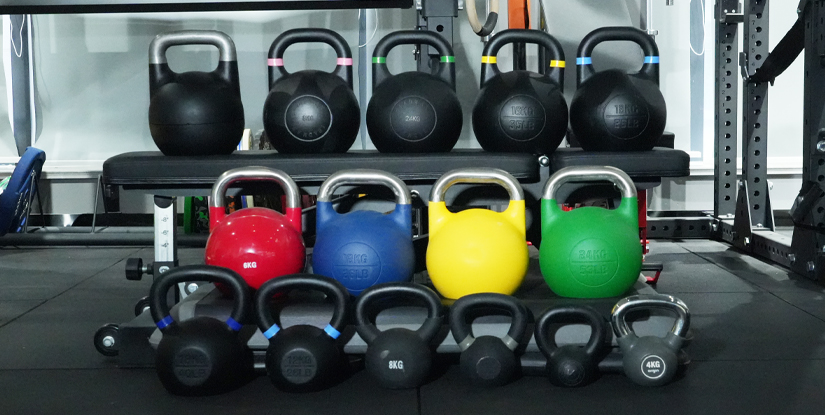
Before finalizing a bulk order, we recommend that procurement leads request a detailed specification sheet and confirm the MOQ for customized storage solutions. Our team can provide comprehensive documentation to assist with your sample evaluation and facilitate a smooth transition from order placement to final delivery. Contact us today to discuss bulk pricing and how our production capabilities can support your specific commercial needs.
Efficient spatial management is a critical component of long-term facility ROI. For distributors and large-scale gym operators, the ability to scale inventory without exponentially increasing warehouse or floor-space requirements is a distinct competitive advantage. By working with a professional factory, buyers can move beyond off-the-shelf limitations and implement specialized storage protocols that streamline both training workflows and logistical handling.
When planning high-volume distribution, the integration of custom-branded, space-optimized solutions becomes a core part of the value proposition. A strategic sourcing approach allows you to offer clients more than just individual units; you can provide complete, high-density training systems. This capability is especially vital for boutique studios or urban fitness centers where square footage is at a premium. Leveraging OEM capabilities ensures that the dimensions of the weights and their respective storage footprints are perfectly synchronized, reducing clutter and enhancing the professional aesthetic of the training environment.
For procurement specialists, the logistical complexity of moving heavy, high-density items requires a partner who understands export-ready packaging and container loading efficiency. A direct China factory provides the necessary oversight to ensure that even the most compact, high-density weight configurations are shipped in a way that minimizes volume-based shipping costs. This attention to detail helps in managing the total landed cost, ensuring that the efficiency gained in the gym layout is not lost during the international transit and customs process.
Custom Branding and OEM Capabilities for Global Distributors
Distributors and gym chains often face the challenge of market saturation caused by generic, unbranded equipment. To establish a unique brand identity and capture higher market segments, transitioning from standard stock to custom branding is a strategic necessity. Working directly with a China factory allows you to move beyond being a mere reseller to becoming a recognized equipment provider with proprietary product lines.
Our OEM and ODM services are designed to help you build long-term equity through precise logo application. Depending on your target market and budget, we offer various customization methods including high-precision laser engraving, durable embossing, or high-visibility color coating. These options ensure your kettlebell sets stand out in competitive catalogs and maintain a premium appearance throughout their commercial lifecycle.
Whether you are developing a specialized line for boutique studios or a rugged series for high-traffic strength facilities, our wholesale kettlebell sets production lines can accommodate your specific design requirements. This level of customization provides the differentiation for gym chains/distributors who need to offer exclusive, high-quality commercial weight sets that cannot be easily replicated by competitors using generic gym equipment sourcing channels.
Technical Specifications and Material Customization
The technical complexity of producing high-performance kettlebell sets requires a deep understanding of material density and surface durability. For distributors targeting high-traffic strength facilities, the choice between cast iron and urethane-coated options is a critical decision for long-term TCO (Total Cost of Ownership). While cast iron offers a cost-effective solution for standard weight increments, premium urethane-coated units provide superior impact resistance and a non-slip grip, which is highly valued in boutique studio environments.
Our manufacturing process begins with advanced mold development to ensure dimensional accuracy and weight consistency across every unit. This precision is essential for professional gym equipment sourcing, where even slight deviations in balance can affect user safety and brand reputation. We offer a wide spectrum of color and texture options, allowing you to align your product line with specific facility aesthetics or your own brand colors, ensuring a cohesive look for large-scale commercial projects.
| Specification Detail | Cast Iron Standard | Urethane Premium | B2B Sourcing Impact |
|---|---|---|---|
| Durability | High impact resistance | Maximum shock absorption | Reduces replacement frequency |
| Surface Texture | Powder coated finish | Smooth or textured matte | Enhances grip and aesthetics |
| Customization | Standard weight increments | Custom mold shapes/colors | Supports niche market entry |
| Landed Cost | Lower weight-to-value ratio | Higher premium positioning | Optimizes distributor margins |
To maintain the highest standards for your wholesale kettlebell sets, every batch undergoes a rigorous QC integration process. This includes weight tolerance testing, coating adhesion checks, and handle ergonomic verification. By managing the technical specification directly at the factory level, we ensure that your commercial weight sets meet international safety standards, reducing the risk of returns or liability issues during your distribution cycle. For clients looking to scale, we recommend discussing your specific MOQ and technical requirements early to align production schedules with your market launch.
Comparison of Sourcing Models: Stock vs. Full Customization
Selecting the right procurement path depends on your current inventory strategy and market positioning. For many distributors, balancing speed with brand development is a constant challenge. To assist in your decision-making, the following comparison outlines the operational differences between ordering standard stock and engaging in full-scale manufacturing services.
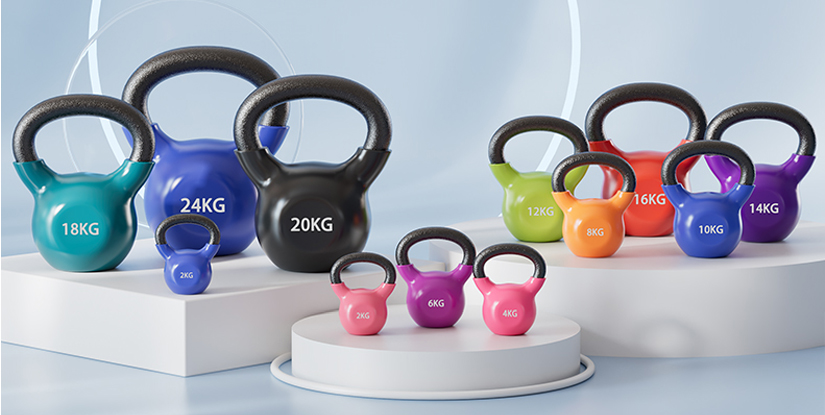
| Feature Comparison | Standard Stock Orders | Full OEM/ODM Services |
|---|---|---|
| Customization Depth | Limited to standard colors/weights | Full mold, color, and texture control |
| Branding Options | Standard or no logo application | Custom logo, color, and packaging |
| MOQ Requirements | Lower, based on existing stock | Higher, based on production runs |
| Lead Time Impact | Short, ready for immediate export | Extended, due to mold/production cycles |
| Cost Structure | Fixed wholesale unit pricing | Variable based on technical complexity |
| Primary Use Case | Rapid restocking and quick turnover | Long-term brand building and exclusivity |
When evaluating your next batch of kettlebell sets, consider whether your goal is immediate fulfillment or long-term market differentiation. Standard stock orders offer a faster way to replenish inventory, but full-scale OEM production allows you to control every aspect of the product's physical identity. This is particularly vital when you are targeting high-end commercial clients who demand specific aesthetic and ergonomic standards that generic products cannot satisfy.
For professional importers, the choice between these two models impacts both your initial landed cost and your ability to scale. While the factory-direct stock model minimizes upfront investment, the customized path provides the leverage needed to establish a proprietary product line. We recommend reviewing your projected volume and branding requirements with your supplier to determine the most efficient path for your upcoming procurement cycle.
Quality Control Standards for Bulk Kettlebell Set Orders
Maintaining strict oversight during the manufacturing process is essential when sourcing kettlebell sets for large-scale distribution or facility deployment. For importers and professional distributors, the primary B2B sourcing risks involve weight discrepancies and structural inconsistencies that can lead to high return rates and damaged brand reputation. A professional China factory mitigates these issues by implementing multi-stage verification protocols that ensure every unit meets international commercial standards.
Precision in weight accuracy is the foundation of professional commercial weight sets. Even minor deviations in mass can compromise the training integrity of a high-end studio or gym. Our factory QC protocols involve calibrated testing of every single unit to guarantee that the declared weight matches the actual mass. Furthermore, we prioritize material integrity by inspecting the density of the cast iron or the thickness of the urethane coating. This rigorous approach ensures long-term durability, preventing premature wear or cracking under heavy usage, which ultimately protects your landed cost and maximizes your long-term ROI.
Pre-Shipment Inspection Checklist for Importers
To minimize the risk of receiving substandard inventory, professional buyers should demand a technical inspection report before final payment or container loading. When you are sourcing high-volume inventory, relying on a visual check is insufficient; you must require documented verification of physical specifications. This checklist serves as a standard for evaluating the quality of wholesale kettlebell sets to ensure they meet the durability requirements of high-traffic commercial environments.
| Inspection Category | Technical Standard Requirement | Verification Method |
|---|---|---|
| Weight Accuracy | Tolerance within +/- 1% to 3% of declared mass | Calibrated electronic scale testing |
| Handle Ergonomics | Smooth surface, no burrs, uniform diameter | Manual tactile check and calipers |
| Coating Integrity | Uniform thickness, no bubbling or peeling | Visual inspection and adhesion test |
| Structural Balance | Consistent center of gravity across the set | Dynamic rotation and balance test |
| Material Density | Non-porous surface, consistent iron/urethane density | Visual and density verification |
Implementing these standards during the pre-shipment stage allows distributors to confirm that the kettlebell sets align with their specific brand identity and quality promises. By verifying these metrics at the factory level, you reduce the likelihood of costly replacements or customer dissatisfaction upon arrival at your warehouse. We recommend requesting a sample approval and a detailed QC report for every bulk order to ensure consistent excellence across your entire shipment.
Beyond product specifications, the final stage of the procurement cycle—export packaging and logistics—is where many distributors face unexpected overhead. Inadequate protection during sea freight can lead to surface abrasions, dented handles, or damaged weight shells, directly increasing your landed cost through damaged goods claims. A professional China factory focuses on high-density packaging solutions designed specifically for the rigors of international long-haul shipping.
Our export-ready approach utilizes reinforced, heavy-duty corrugated cartons and customized internal dividers to prevent movement within the shipping container. For large-scale gym equipment sourcing, we offer various palletization and container loading optimization strategies to maximize your shipping volume. This level of attention to detail ensures that your kettlebell sets arrive in a condition that allows for immediate retail or facility deployment, maintaining the professional standard of your brand and ensuring high distributor margins.
Logistics and Export Packaging for Efficient Container Loading
Optimizing the landed cost of heavy strength equipment is a critical variable for distributors and facility owners. When sourcing heavy items like kettlebell sets, the relationship between product dimensions and container density directly dictates your shipping overhead. A China factory that prioritizes high-density packing configurations helps minimize the volumetric weight and empty space within a standard 20ft or 40ft container, effectively lowering the per-unit freight cost for your wholesale order.
Professional export packaging goes beyond simple protection; it is a strategic tool for maximizing container loading efficiency. Standardized nesting patterns and heavy-duty reinforced cartons allow for stable, high-density stacking. This prevents movement during maritime transit and ensures that your commercial weight sets arrive at the port in optimal condition, reducing the risk of damage-related claims and improving your overall gym equipment sourcing ROI.
| Packing Configuration Type | Primary Benefit for Importers | Best Use Case |
|---|---|---|
| Standard Export Carton | Protects individual units from moisture and impact | Mixed SKU shipments |
| Nesting/Stackable Sets | Maximizes container loading efficiency | Bulk wholesale kettlebell sets |
| Reinforced Wooden Crates | High-density stability for heavy loads | Large-scale commercial weight sets |
Shipping Strategy and Volume Optimization
To effectively manage the total cost of ownership, procurement managers must evaluate the specific shipping method and its impact on the final unit price. Choosing between LCL (Less than Container Load) and FCL (Full Container Load) depends largely on your specific wholesale kettlebell sets order volume and your warehouse storage capacity. For distributors, a strategic approach to volume optimization can turn a standard shipment into a high-margin opportunity by reducing the empty space that usually drives up freight expenses.
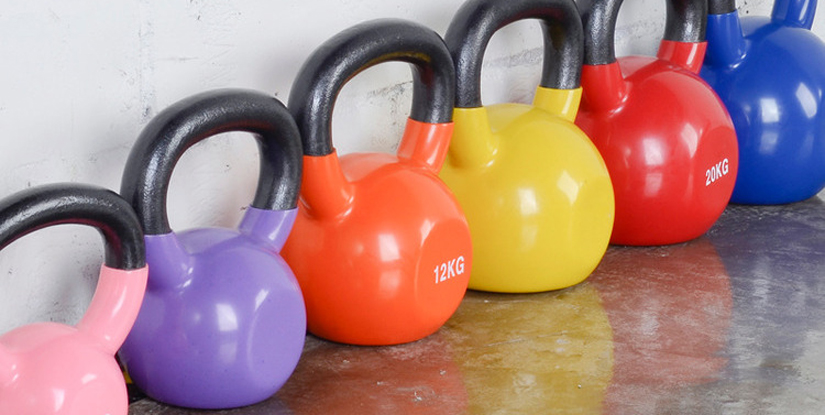
A specialized China factory can provide customized palletization or nested boxing to ensure that every cubic meter of a container is utilized. This level of technical planning is essential when importing commercial weight sets, where the weight-to-volume ratio is often high. By coordinating with a professional supplier to align your order with standard container dimensions, you can achieve a lower landed cost and improve the scalability of your global distribution model.
Quality Control and Pre-Shipment Inspection Protocols
The risk of transit-related loss or receiving defective inventory is a significant pain point in international gym equipment sourcing. For high-volume importers, a single batch of damaged or incorrectly weighted units can disrupt entire distribution cycles and erode profit margins. To mitigate these risks, a professional China factory must implement a multi-stage QC protocol that covers every phase of production, from raw material verification to the final weighing of each unit in the kettlebell sets.
A rigorous pre-shipment inspection is the most effective way to ensure that your wholesale kettlebell sets meet strict commercial-grade tolerances before they leave the warehouse. This process should include physical impact tests on the casting, verification of the handle ergonomics, and precise weight calibration to ensure every piece aligns with the specified SKU. By conducting these audits before the lead time expires and the container is sealed, you protect your landed cost from the unexpected expenses of returns, replacements, or damaged goods claims.
When evaluating your next procurement cycle, we recommend requesting a detailed inspection report or a sample approval process to confirm that all quality standards are met. Whether you are managing a small studio order or a large-scale distributor shipment, aligning on these technical specifications early ensures a reliable and predictable supply chain.
Maximizing ROI Through Direct Factory Sourcing
Optimizing your procurement strategy for kettlebell sets requires a shift from retail-focused purchasing to industrial-grade sourcing. By engaging directly with a China factory, importers and distributors can bypass the inflated markups typical of regional distributors and third-party trading companies. This direct-to-source model ensures that your capital is invested in material density and structural integrity rather than middleman margins.
When managing a large-scale fitness facility or a distribution network, the total cost of ownership is driven by more than the initial purchase price. Selecting high-quality wholesale kettlebell sets reduces the frequency of replacement cycles caused by coating failure or handle deformation. This durability is essential for maintaining a professional aesthetic and operational continuity in high-traffic environments.
Total Cost of Ownership: Factory-Direct vs. Traditional Distribution
| Procurement Dimension | Factory-Direct Sourcing | Traditional Trading/Retailer |
|---|---|---|
| Unit Cost Structure | Optimized for high-volume wholesale | Includes multiple markup layers |
| Customization Capability | High potential for OEM/ODM | Limited to stock availability |
| Landed Cost Control | Direct control over shipping and sourcing | Subject to distributor pricing shifts |
| Long-term Durability | Direct oversight of material specs | Variable quality based on stock |
| Supply Chain Transparency | Full visibility into production and QC | Limited to finished product inspection |
For professional buyers, calculating the true landed cost of commercial weight sets involves accounting for freight, customs, and long-term maintenance. Sourcing directly from a specialized supplier allows for better planning of container loading and specialized export packaging, which minimizes transit damage and optimizes shipping volume. This level of control is the most effective way to protect your margins while delivering premium equipment to your end-users.
To successfully scale your inventory or facility upgrades, it is vital to confirm specific technical requirements before finalizing any purchase. We recommend that procurement officers initiate a formal inquiry to request a detailed specification sheet, which includes material density, handle diameter tolerances, and coating durability standards. Depending on your volume, you should also confirm the specific MOQ for custom branding or specialized weight increments to ensure your order aligns with your long-term growth strategy.
Before proceeding with a full-scale container shipment, we suggest arranging a sample evaluation or a third-party factory audit to verify production consistency. Establishing a clear protocol for pre-shipment inspection ensures that every unit meets your commercial standards. Whether you are looking for standard stock or require complex ODM solutions to differentiate your brand identity, direct communication with our production team will facilitate a more efficient and cost-effective procurement cycle.
The complexity of international logistics means that the value of your kettlebell sets is determined long before they arrive at your warehouse. For distributors and facility managers, the risk of receiving damaged or substandard inventory can erode profit margins and disrupt project timelines. Implementing rigorous QC protocols at the source is the only way to mitigate these variables. By verifying product weight tolerances, coating adhesion, and structural integrity at the factory level, you ensure that your bulk orders meet the high standards required for commercial use.
Furthermore, efficient export packaging and optimized container loading are critical components of professional gym equipment sourcing. A specialized manufacturer understands how to secure heavy, high-density iron or cast iron units to prevent movement and impact damage during ocean freight. This attention to detail reduces the likelihood of transit-related losses and ensures that your landed cost remains predictable. When you partner with a direct manufacturer, you gain the ability to customize packaging configurations to better suit your warehouse storage needs and regional distribution workflows.