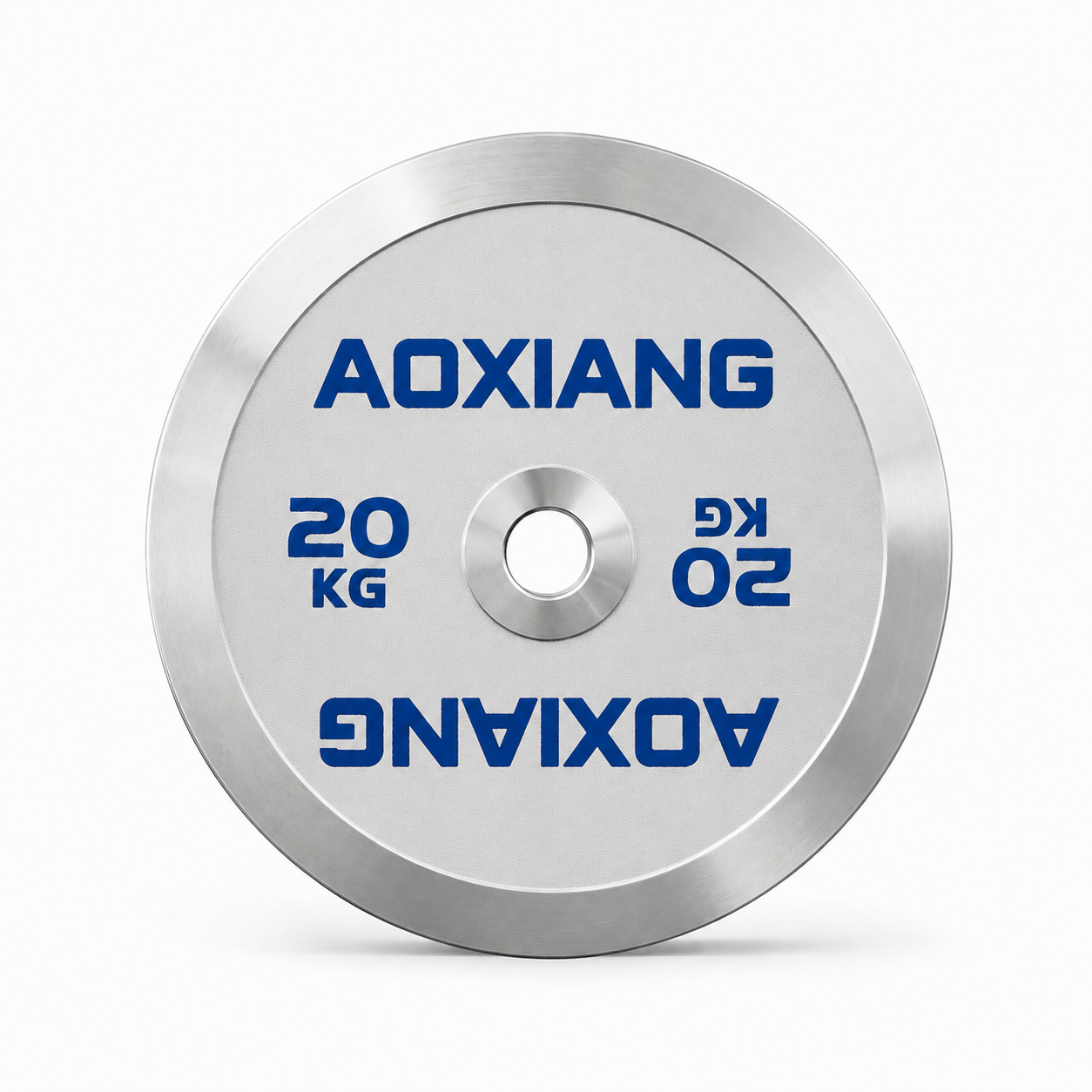
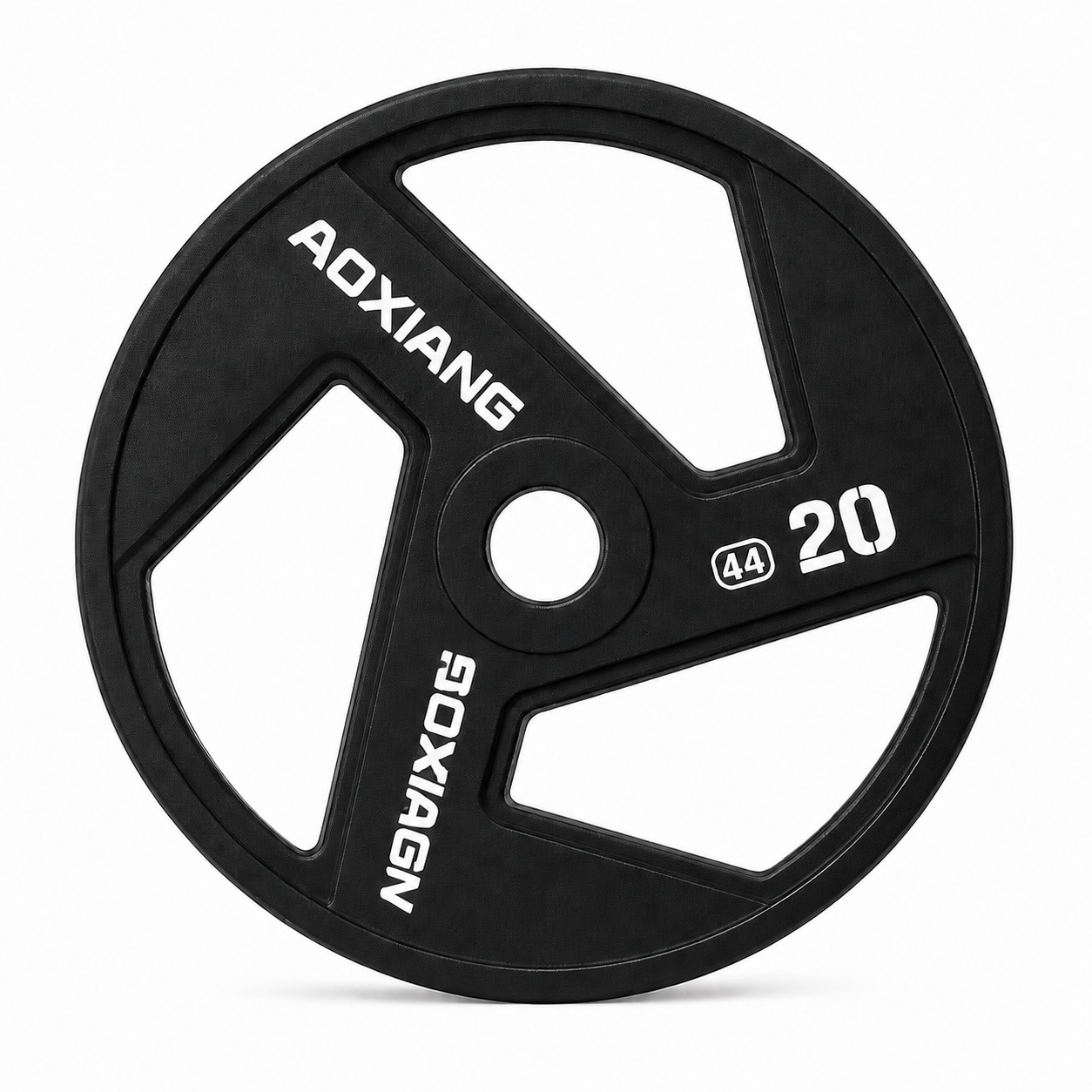
Olympic Weight Plate Factory: Leading China OEM Manufacturer
Optimizing Inventory with a Professional Olympic Weight Plate Factory
For large-scale fitness distributors and regional gym equipment suppliers, managing a diverse product catalog requires more than just shelf space; it requires a highly responsive supply chain. Whether you are supplying a national chain of commercial gyms or a network of boutique strength studios, the ability to offer a wide range of weight increments without bloating your warehouse costs is critical. Partnering with a professional olympic weight plate factory allows you to leverage specialized manufacturing to increase your SKU breadth while maintaining lean inventory levels. By utilizing a reliable commercial weight plate manufacturer, you can transition from carrying high-cost, slow-moving stock to a more agile model of replenishment based on real-time market demand.
The challenge for many importers is the balance between offering a complete set of weight increments—from small fractional plates to heavy 25kg or 45lb units—and the capital tied up in that inventory. A dedicated olympic weight plate factory provides the ability to scale your offerings through wholesale arrangements that favor high-volume, high-turnover goods. Instead of investing heavily in a single, static product line, you can utilize China sourcing to access a variety of material finishes and weight profiles, ensuring your customers always find the specific specifications they require without your firm facing excessive dead stock or high landed cost volatility.
Material and Application Comparison for Procurement
Selecting the appropriate material profile is a critical decision for distributors aiming to optimize their total cost of ownership and product durability. A professional olympic weight plate factory typically produces various grades of plates to meet different commercial requirements, from high-impact functional training environments to traditional strength training setups. Understanding the distinction between cast iron, bumper, and urethane options is essential for maintaining high distributor margins and ensuring long-term client satisfaction.
When conducting wholesale olympic plates China sourcing, buyers should evaluate how material choice impacts both the initial purchase price and the long-term maintenance load for the end-user. For example, while cast iron offers a cost-effective solution for standard strength gyms, high-performance facilities often require the durability and floor protection provided by premium bumper or urethane options. This comparison helps procurement leads align their product tiers with the specific needs of their target market segments.
| Material Type | Surface Finish | Common Process | Commercial Application | Commercial Duty Tier | QC Focus Point |
|---|---|---|---|---|---|
| Cast Iron | Paint or Powder Coating | Sand Casting & Machining | Standard Strength Training | Budget / Entry-Level | Weight Tolerance & Flatness |
| Bumper Plate | Rubberized Coating | Compression Molding | CrossFit & Olympic Lifting | Standard Commercial | Coating Adhesion & Bounce |
| Urethane | Polyurethane Encapsulation | High-Pressure Molding | Premium High-Impact Gyms | Premium / High-End | Bond Line & Material Density |
Before finalizing a bulk order, we recommend requesting a detailed spec sheet to confirm the weight tolerance and material grade for your specific MOQ. Our team can provide samples for physical evaluation to ensure the coating adhesion and concentricity meet your brand standards. Contact us to discuss your custom branding requirements or to book a factory audit for your next large-scale shipment.
Beyond standard product availability, a sophisticated olympic weight plate factory serves as a strategic partner in your brand development. For distributors looking to move beyond generic white-labeling, the capacity for OEM and ODM services is a decisive factor in establishing market authority. Whether you require a specific color-coded system for easier weight identification or a unique embossed logo for a signature product line, a specialized China factory can execute these requirements through precision machining and advanced surface finishing techniques.
Customization is not limited to aesthetics; it extends to the functional architecture of the plates. Advanced custom branding requests often involve specialized diameter tolerances or specific center-hole-to-rim ratios to ensure compatibility with high-end barbell sleeves. By managing these technical details directly with the supplier, you can ensure that your proprietary product line maintains a high level of professional consistency. This level of control over the manufacturing route—from initial sand casting to the final powder coating or urethane encapsulation—is what allows professional importers to protect their distributor margins while offering products that meet or exceed industry-standard commercial specifications.
Material Selection and Manufacturing Standards for Commercial Weight Plate Manufacturer
Selecting a reliable olympic weight plate factory requires a deep understanding of how raw materials and manufacturing precision impact your long-term total cost of ownership. For distributors and gym equipment importers, the choice between cast iron, steel, or advanced coatings determines not only the product's lifespan but also the maintenance load and replacement frequency in a high-traffic commercial environment.
When sourcing wholesale olympic plates China, buyers must evaluate the core construction to ensure the units meet international commercial-grade standards. A professional commercial weight plate manufacturer typically utilizes a sequence of casting, machining, and specialized coating to ensure both weight precision and surface durability. Choosing the wrong material grade can lead to premature cracking, uneven weight distribution, or coating failure, which ultimately erodes your distributor margins and brand reputation.
Material and Coating Specifications for B2B Sourcing
The following table outlines the common material tiers available when working with a professional olympic weight plate factory. This comparison focuses on the trade-offs between initial procurement costs and long-term commercial durability.
| Material Type | Typical Coating/Finish | Manufacturing Process | Commercial Duty Tier | Procurement Focus |
|---|---|---|---|---|
| Cast Iron | Powder Coating or Enamel | Sand Casting & Machining | Standard Commercial | High Volume / Low TCO |
| Steel | Chrome or Galvanized | Precision Machining | Premium / Competition | Precision & Longevity |
| Rubber/Urethane | Encapsulated/Molded | Injection or Dip Molding | High-End Commercial | Floor Protection & Noise |
For high-volume wholesale orders, cast iron remains the industry standard due to its cost-effectiveness and durability. However, premium facilities often offer ODM solutions involving high-grade polyurethane or specialized steel for specialized training environments. When evaluating a supplier, always confirm the weight tolerance standards and the adhesion strength of the coating to prevent peeling during heavy usage.
Technical Manufacturing Processes and Quality Control
Understanding the manufacturing route is essential for any procurement professional assessing the long-term reliability of a batch. A high-tier olympic weight plate factory follows a strict production sequence to ensure the final product survives the rigors of a commercial gym. The process typically begins with sand casting for iron-based units or precision CNC machining for steel-based competition plates. Following the primary shaping, the units undergo a calibration stage to check for flatness and concentricity, ensuring the plates do not wobble or cause uneven wear on barbell sleeves during heavy sets.
Surface finishing is a critical point of inspection during pre-shipment QC. For example, a professional commercial weight plate manufacturer will employ different methods depending on the target market: powder coating provides a durable, scratch-resistant layer for standard gym use, while PU/Urethane molding offers superior impact resistance and floor protection for high-end facilities. When conducting a factory audit or reviewing samples, buyers should pay close attention to the coating adhesion and the precision of the center bore. These technical details directly influence the landed cost and the frequency of replacement, making them vital metrics for maintaining healthy distributor margins.
Before finalizing your bulk order, we recommend requesting a detailed specification sheet to confirm the material grade and the specific finishing methods used. Whether you are looking for standard cast iron or a customized OEM solution, our team can provide technical documentation regarding weight tolerances and manufacturing standards to ensure the products meet your local market requirements. Contact us to discuss your specific MOQ or to arrange a sample evaluation for your next procurement cycle.
Precision Calibration and Surface Finishing Processes
For professional distributors and gym equipment importers, the technical integrity of a weight set determines long-term brand reputation. A high-tier olympic weight plate factory must move beyond simple casting to implement rigorous precision calibration protocols. In a professional commercial weight plate manufacturer setting, weight accuracy is not merely an afterthought but a fundamental requirement of the production line to ensure sourcing reliability for global clients.
The production sequence typically follows a strict path: starting with high-grade iron or steel casting, followed by CNC machining to ensure the center bore is perfectly concentric, and concluding with a specialized calibration phase. Without this systematic approach, batches may suffer from uneven weight distribution or dimensional inconsistencies, leading to increased returns and diminished distributor margins. By adhering to these manufacturing standards, a factory ensures that every unit meets the commercial grade expectations of high-traffic strength facilities.
Achieving consistent weight tolerance requires more than just scale checks; it involves managing the density of the material and the precision of the surface finish. Whether the client requires a bare steel finish, a phosphate treatment, or a thick powder coating, the thickness of the coating must be accounted for during the calibration stage to prevent deviations in the final mass of the plate.
Surface Durability and Coating Selection
The final layer of a plate is a critical factor in its total cost of ownership (TCO) and maintenance load. For high-volume wholesale olympic plates China orders, the choice between different finishes impacts both the aesthetic value and the long-term durability of the product. A professional commercial weight plate manufacturer must offer diverse coating options to satisfy different market segments, ranging from budget-friendly gym setups to premium training environments. High-traffic commercial facilities require coatings that resist chipping, oxidation, and impact damage to minimize replacement cycles and maintain a professional appearance.
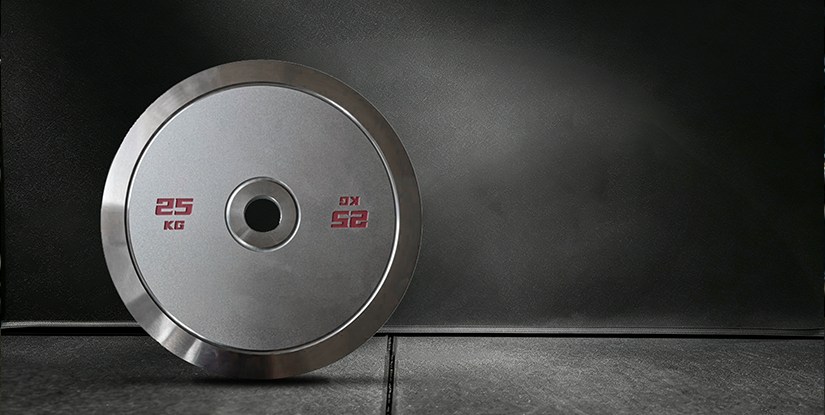
Commonly, two primary high-end finishing routes are utilized in a modern olympic weight plate factory: industrial powder coating and urethane-based finishes. While powder coating provides a rugged, textured surface that is excellent for general commercial use, a urethane coating (often referred to as PU coating) offers a smoother, more premium feel and superior resistance to environmental wear. When evaluating your next batch, consider how the coating adhesion and surface texture will impact the end-user experience and your long-term after-sales support requirements.
| Material Tier | Coating Type | Process Detail | Commercial Duty | Factory QC Point |
|---|---|---|---|---|
| Cast Iron | Paint / Enamel | Spray Application | Budget / Home Gym | Coating Adhesion |
| Steel / Iron | Powder Coating | Electrostatic Spray | Standard Commercial | Surface Uniformity |
| High-Grade Steel | Urethane (PU) | Injection / Dip Molding | Premium / Competition | Bond Line Adhesion |
To ensure the highest standards of sourcing reliability, we recommend that buyers conduct a sample evaluation focusing on the transition between the plate core and the coating layer. A reliable factory will demonstrate consistent thickness and no visible bubbling or peeling during a pre-shipment inspection. Understanding these material-process nuances allows distributors to better manage their SKU breadth and provide accurate technical specifications to their own clients.
Wholesale Olympic Plates China: Sourcing and Logistics Efficiency
For international distributors and gym equipment importers, securing a reliable olympic weight plate factory is the primary lever for controlling total landed cost and maximizing market competitiveness. Sourcing directly from a China factory allows for significant economies of scale, particularly when managing high-volume SKU breadth across various weight denominations. By bypassing intermediary traders, professional buyers can optimize their distributor margins through direct procurement of wholesale olympic plates China, ensuring that capital is preserved for marketing and local distribution rather than excessive middleman markups.
Efficient logistics management is a critical component of the sourcing process. A professional commercial weight plate manufacturer understands that shipping heavy, high-density iron or rubber-coated products requires optimized container loading patterns to reduce volumetric costs. Whether you are ordering standard cast iron plates or premium urethane-coated versions, the ability of the supplier to provide precise packing dimensions and weight-per-pallet data is essential for calculating accurate sea freight and port handling fees. Navigating these variables effectively ensures that your MOQ requirements align with both your warehouse capacity and your budget constraints.
Sourcing Models: Direct Factory vs. Trading Company
When evaluating your next procurement cycle, understanding the structural differences between a direct olympic weight plate factory and a general trading company is vital for long-term profitability. While traders may offer a broader range of disparate products, a dedicated commercial weight plate manufacturer provides the technical depth and control over manufacturing tolerances required for professional strength equipment. For distributors aiming to scale their brand through OEM or ODM services, the choice of partner directly impacts your ability to maintain consistent product quality and manage lead times effectively.
| Sourcing Model | Primary Focus | Technical Control | Customization (OEM/ODM) | Typical MOQ Impact | Supply Chain Advantage |
|---|---|---|---|---|---|
| Direct Factory | Production & Scale | High (Direct Oversight of Casting & Coating) | Deep (Custom Branding & Spec Adjustments) | Optimized for Bulk Volume | Lower Landed Cost & Direct QC |
| Trading Company | Product Variety | Limited (Third-party Oversight) | Standard (Pre-set SKU Selection) | Lower for Mixed Shipments | Simplified Single-invoice Sourcing |
Choosing a direct supplier allows for more granular control over the manufacturing sequence, from the initial sand casting of the iron core to the final application of the powder coating or rubber encapsulation. This direct access is particularly beneficial for large-scale distributors who require specific weight calibration or custom logo embossing to strengthen their brand identity. By establishing a direct relationship, you can also better coordinate pre-shipment inspections and ensure that the export packaging is robust enough to withstand long-distance maritime transit, ultimately protecting your bottom line and reducing the risk of damaged goods upon arrival.
Quality Control and Export Standards
Maintaining a consistent weight tolerance is the most critical metric when auditing a production batch. A professional olympic weight plate factory implements a rigorous calibration sequence—typically moving from the initial sand casting to precision machining of the center bore, followed by surface finishing and final weight calibration. For distributors, a reliable commercial weight plate manufacturer will perform spot-checks on concentricity and flatness to ensure that plates sit flush on the barbell, preventing uneven wear on premium bar sets. This level of technical oversight is essential to prevent high return rates and maintain the reputation of your brand in the commercial market.
Beyond the physical product, the integrity of the export process depends on specialized packaging protocols. Because weight plates are high-density, heavy-load items, standard single-box packing is often insufficient for international sea freight. We recommend that buyers confirm the use of reinforced palletizing and edge protection to mitigate impact damage during container loading. When coordinating with your China factory, ensure that the packaging specifications include moisture-resistant layers for bare iron plates to prevent oxidation during long-duration maritime transit. By prioritizing these QC checkpoints and robust shipping standards, importers can successfully manage the total landed cost and ensure that bulk orders arrive in a condition that meets professional commercial-grade expectations.
Custom Branding and OEM/ODM Capabilities for Global Distributors
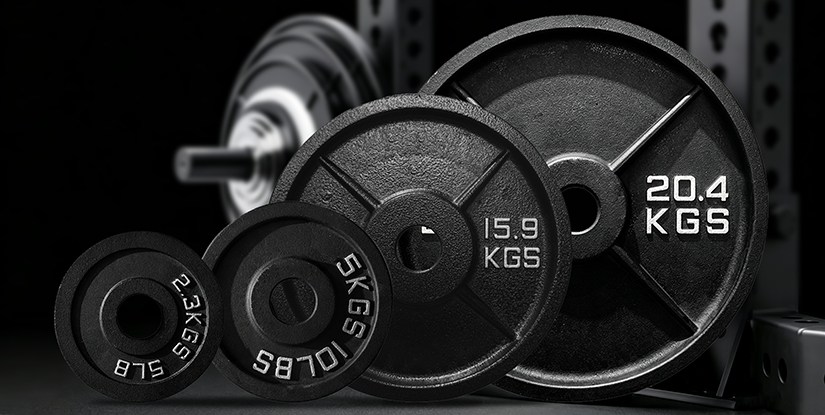
Expanding your product catalog requires more than just adding items; it requires building a cohesive brand identity that resonates with your specific market segment. For distributors looking to move beyond generic stock, partnering with a professional olympic weight plate factory provides the necessary infrastructure for custom branding and high-level product differentiation. By leveraging specialized OEM and ODM services, you can transition from a simple reseller to a recognized brand owner in the commercial fitness space.
The strategic advantage of working directly with a China factory lies in the ability to control every detail of your product's visual and functional identity. Whether you require precision-etched logos on steel plates or specific color-coded rubber bumpers, a dedicated commercial weight plate manufacturer can execute these requirements at scale. This level of customization allows you to optimize your SKU breadth, offering everything from entry-level gym sets to premium competition-grade equipment under your own label.
Managing a diverse inventory also demands a sophisticated approach to sourcing and logistics. A reliable supplier understands that for professional distributors, success is measured by distributor margins and the ability to maintain consistent stock levels. By negotiating specific MOQ thresholds and aligning production cycles with your seasonal demand, you can ensure that your wholesale olympic plates China orders arrive with predictable lead time and optimized landed costs, preventing the stockouts that disrupt commercial distribution networks.
Technical Customization: Materials, Coatings, and Precision Engineering
To maintain high-end commercial standards, an olympic weight plate factory must offer a range of specialized finishes that balance durability with aesthetic appeal. Depending on your target market, you may choose between traditional cast iron with a phosphate treatment for a rugged, industrial look, or advanced high-performance coatings. For premium distributors, offering products with high-grade PU coating or heavy-duty rubberized finishes provides superior floor protection and noise reduction, which are critical selling points for high-traffic commercial gyms.
The manufacturing workflow for premium plates involves a rigorous sequence to ensure structural integrity and dimensional accuracy. The process typically begins with high-quality sand casting or centrifugal casting, followed by precision CNC machining to ensure the center bore is perfectly concentric. This stage is vital for smooth rotation on a barbell, preventing the uneven wear often seen in lower-tier products. Once the base form is perfected, the plates undergo weight calibration to ensure consistency across your entire order, followed by the application of your custom branding via silk-screen printing, laser etching, or deep logo embossing.
| Material Type | Surface Finish | Primary Process | Commercial Use Case | QC Focus Point |
|---|---|---|---|---|
| Cast Iron | Powder Coating | Sand Casting & Powder Coating Line | Standard Commercial Gyms | Coating Adhesion |
| Steel | Chrome Finish | CNC Machining & Plating | Premium Training Studios | Bore Concentricity |
| High-Density Rubber | Urethane/PU Coating | Molding & Injection | High-Impact Weight Rooms | Encapsulation Layer |
For professional buyers, the final stage of production is the most critical for long-term reliability. A reputable commercial weight plate manufacturer implements a strict pre-shipment QC protocol that goes beyond simple visual inspection. This includes checking the flatness of the plate surface to prevent warping and testing the bond line adhesion of the coating to ensure it does not peel under heavy use. By verifying these technical specifications before the product leaves the factory, importers can reduce the risk of costly after-sales returns and maintain a high level of trust with their end-users.
Pre-Shipment Inspection and Export Quality Control
For distributors managing large-scale inventory, the risk of receiving inconsistent batches from a olympic weight plate factory can lead to devastating return rates and damaged reputation. When sourcing high-volume orders, relying on basic visual checks is insufficient for maintaining professional standards. A professional commercial weight plate manufacturer must implement a multi-stage verification process to ensure every unit meets the specific weight and dimensional requirements expected by premium gym operators.
Rigorous quality control standards are the primary defense against the high landed costs of defective shipments. A reliable China factory will not only perform basic visual inspections but also execute systematic pre-shipment inspection protocols. This includes verifying the concentricity of the center bore, checking the adhesion of the powder coating or rubber encapsulation, and conducting weight tolerance spot-checks to ensure the deviation remains within industry-standard margins. Without these strict measures, importers face the high cost of replacing unbalanced or improperly finished plates across an entire facility shipment.
To optimize your wholesale olympic plates China procurement, we recommend requesting a detailed inspection report or arranging a third-party audit before the final container loading. Verifying the flatness of the casting and the durability of the surface finish at the source ensures that your sourcing strategy remains profitable and your client satisfaction stays high.
Technical Inspection Checklist for Bulk Procurement
A professional olympic weight plate factory must provide more than just a product; they must provide a verifiable standard of quality. For distributors, the most critical failure points often occur in the invisible details: the concentricity of the center bore and the long-term adhesion of the surface finish. If the bore is not perfectly centered, the plate will wobble on the barbell, causing uneven wear on expensive commercial bars. Furthermore, inadequate coating adhesion can lead to chipping during high-impact use, increasing maintenance frequency for your end-users and lowering the overall value of your shipment.
To ensure your wholesale olympic plates China arrive ready for immediate commercial deployment, your inspection team or third-party agent should focus on these three technical pillars during the pre-shipment inspection:
| Inspection Focus | Technical Attribute to Verify | Common Failure Mode | Commercial Impact |
|---|---|---|---|
| Bore & Fit | Concentricity and diameter consistency | Off-center hole or irregular edges | Improper barbell seating; uneven weight distribution |
| Surface Integrity | Coating adhesion and finish uniformity | Peeling, bubbling, or uneven thickness | Reduced product lifespan; high replacement costs |
| Packaging & Loading | Export packaging and container stability | Crushed corners or moisture ingress | Damaged inventory; increased landed cost due to loss |
Beyond the physical plate, the logistics safety of a bulk order depends heavily on the quality of the export packaging. High-density foam, reinforced corner protectors, and moisture-resistant liners are essential when shipping heavy steel or rubber-coated units across oceans. A competent supplier will ensure that the container loading plan maximizes space efficiency while preventing shifting during transit. We suggest confirming the specific export packaging specifications and requesting high-resolution photos of the loaded container to verify that your sourcing investment is protected from the factory floor to your warehouse.
| Inspection Point | Material/Coating Check | Weight Calibration | Packaging Standard | Commercial Duty Requirement |
|---|---|---|---|---|
| Cast Iron/Steel Plates | Surface roughness and phosphate treatment uniformity | Standard weight tolerance deviation check | Reinforced cardboard with corner protectors | High-volume gym/commercial facility use |
| Bumper Plates | Rubber/PU compound density and adhesion strength | Precision weight verification for balance | Heavy-duty palletization and shrink wrap | High-impact training and drop-testing environments |
| Machined Steel Plates | Bore concentricity and edge smoothness | Strict calibration for precision loading | Individual protective sleeves and bulk crates | Professional strength and conditioning/competition |
When finalizing your sourcing plan, ensure your supplier provides a clear protocol for these inspection categories. A high-tier factory will differentiate between standard and precision calibration to help you manage the TCO (Total Cost of Ownership) for your clients. We recommend requesting a sample approval and a formal QC report to confirm that the export packaging and weight accuracy align with your specific MOQ and distribution requirements.