Olympic Plate Casting Manufacturer: Step by Step Production
The Economic Impact of Selecting a Reliable Olympic Plate Casting Manufacturer
For large-scale commercial gym chains and international distributors, the procurement of weight plates is not merely a single purchase but a long-term capital expenditure decision. When sourcing from a olympic plate casting manufacturer, the difference between a budget-tier supplier and a professional factory can determine the total cost of ownership for years. A low-quality batch may offer a lower initial landed cost, but the hidden expenses—such as uneven weight distribution, surface oxidation, or premature coating failure—can lead to high replacement costs and diminished brand reputation for the end-user.
Reliable cast iron plate production ensures that every unit meets consistent commercial standards, protecting your distributor margins. By prioritizing a commercial weight plate QC protocol during the manufacturing stage, importers can mitigate the risks of receiving irregular or defective stock. Choosing a specialized China factory that understands the requirements of high-traffic environments allows for better wholesale stability and predictable maintenance cycles. Ultimately, investing in high-grade casting reduces the frequency of replacement and stabilizes the long-term ROI for gym owners and facility managers alike.
Evaluating Manufacturing Tiers for Bulk Procurement
Professional buyers must distinguish between high-volume commodity casting and precision-engineered commercial equipment. While budget options focus solely on minimizing the initial price per unit, a professional olympic plate casting manufacturer focuses on the structural integrity and long-term usability of the product. This distinction is critical when calculating the total cost of ownership for large-scale facility rollouts or distributor inventory stocking.
The following table provides a qualitative comparison to assist in your sourcing strategy, highlighting how different production standards impact your long-term procurement goals.
| Feature | Budget-Tier Production | Premium Commercial-Grade |
|---|---|---|
| Material Consistency | Variable iron density; higher risk of surface impurities | Consistent gray iron; high density for structural durability |
| Surface Finish | Basic paint or raw iron; prone to rapid oxidation | Advanced powder coating or phosphate treatment |
| Weight Accuracy | Higher variance; irregular thickness across the batch | Strictly controlled concentricity and weight distribution |
| Shipping Durability | Standard packaging; higher risk of transit damage | Reinforced export packaging for high-volume sea freight |
| Sourcing Advantage | Lowest initial landed cost | Optimized long-term ROI and lower replacement frequency |
When evaluating your next batch, consider that a higher tier of cast iron plate production often translates to fewer customer returns and higher satisfaction for your end-users. We recommend requesting a detailed specification sheet and confirming the commercial weight plate QC steps taken during the final calibration phase before finalizing your bulk order or OEM agreement.
Critical Failures in Cast Iron Plate Production and Procurement
For distributors and large-scale gym operators, a single defective batch can lead to significant procurement risks. When sourcing from a olympic plate casting manufacturer, overlooking subtle casting flaws can result in uneven weight distribution or surface cracking. These defects do not just impact the aesthetics; they compromise the structural integrity of the equipment, leading to premature wear or even safety concerns in high-traffic commercial environments.
In the context of cast iron plate production, inconsistencies in the cooling process or impurities in the molten metal can create internal voids. For a wholesale buyer, these issues manifest as high return rates and damaged brand reputation. Without rigorous commercial weight plate QC, a China factory might deliver units with concentricity issues or uneven thickness, which directly creates a negative wholesale impact on your margins and client trust. Identifying these failure modes during the sourcing stage is essential to protecting your long-term ROI.
Common Casting Defects and TCO Implications
Understanding the relationship between manufacturing flaws and Total Cost of Ownership (TCO) is vital for professional importers. A lower initial price point is often offset by high replacement costs if the production quality is substandard. For example, common sand casting defects such as air pockets or slag inclusions can lead to structural brittleness. When these plates undergo heavy use in a commercial gym, the risk of cracking increases, necessitating frequent replacement and higher maintenance budgets for the end-user.
Surface finish issues, such as poor coating adhesion or uneven paint, also drive up long-term costs. If the powder coating or enamel layer peels due to improper surface preparation, the underlying iron is exposed to oxidation, leading to rust and reduced lifespan. For a supplier or distributor, this results in higher warranty claims and diminished product value. The following table outlines how different production tiers and potential defects impact your procurement strategy and landed cost.
| Material Tier | Typical Process | Key Component Focus | Commercial Duty | MOQ Impact | Factory QC Point |
|---|---|---|---|---|---|
| Standard Cast Iron | Sand Casting | Base Flatness | Budget / Light Commercial | Low | Surface Smoothness |
| Premium Cast Iron | Precision Casting | Concentricity | High-Traffic Commercial | Medium | Weight Tolerance |
| Coated/Finished Plate | Casting + Powder Coating | Coating Adhesion | Premium Studio/Gym | High | Rim Integrity |
When evaluating your next batch, always confirm whether the olympic plate casting manufacturer performs a weight tolerance spot-check and a concentricity test. High-quality cast iron plate production should ensure that the center bore remains perfectly aligned to prevent wobbling during high-velocity movements. Neglecting these technical details during the commercial weight plate QC phase can lead to increased logistics costs due to returns and a significant decline in your distributor margins.
Mitigating Sourcing Risks Through Pre-Shipment Inspection
To protect your distributor margin, professional procurement must extend beyond the initial order to the final stages of the supply chain. Relying solely on a factory's self-reported standards is a high-risk strategy for large-scale importers. Instead, a rigorous pre-shipment inspection protocol should be integrated into your workflow to verify that the olympic plate casting manufacturer has met all agreed-upon specifications regarding weight, concentricity, and finish. This step is critical for ensuring that every unit in a bulk container meets the durability requirements of a commercial environment.
A structured inspection process helps mitigate common failures in cast iron plate production, such as uneven coating thickness or improper bore alignment. For an OEM or ODM partner, this verification ensures that the commercial weight plate QC performed at the China factory aligns with international commercial standards. By auditing the batch before it leaves the warehouse, you can confirm logistics safety—ensuring that the weight distribution is stable and the packaging is robust enough for long-distance sea freight. This proactive approach reduces the likelihood of expensive returns and protects the landed cost of your inventory.
Material Selection and Casting Processes for Commercial Durability
For distributors and gym equipment importers, selecting a reliable olympic plate casting manufacturer is the first step in mitigating long-term replacement costs. High-volume sourcing requires a deep understanding of how raw material selection directly impacts the lifespan of the inventory. In a professional China factory setting, the quality of the base metal determines whether a plate remains a stable asset or becomes a maintenance liability for the end-user.
The foundation of commercial-grade weight plates typically rests on the quality of the cast iron used during the initial pour. Most high-volume wholesale orders specify the use of gray iron due to its excellent vibration-damping properties and structural density. When a supplier provides plates with inconsistent metallurgical properties, the risk of cracking or uneven wear increases, which can damage a distributor's reputation and increase the total cost of ownership (TCO) for gym operators.
A professional olympic plate casting manufacturer manages several critical stages to ensure commercial durability, starting from the sand casting stage through to the final surface treatment. This process ensures that the cast iron plate production meets the rigorous demands of high-traffic commercial environments.
| Material Type | Primary Process | Commercial Duty Tier | Procurement Benefit | Typical QC Focus |
|---|---|---|---|---|
| Gray Iron | Sand Casting | Standard Commercial | Cost-effective bulk wholesale | Surface smoothness |
| Ductile Iron | Centrifugal Casting | Premium Commercial | Higher impact resistance | Structural density |
| Steel Core with Coating | Molding & Encapsulation | High-End Studio | Floor protection & low noise | Coating adhesion |
Understanding these material tiers allows procurement leads to align their MOQ and budget with the specific needs of their target market, whether they are supplying budget-friendly strength gyms or premium fitness clubs.
Precision in Surface Finishing and Quality Assurance
Once the initial cast iron plate production is complete, the focus shifts to surface integrity. A high-tier olympic plate casting manufacturer does not simply ship raw iron; they implement a multi-stage finishing sequence to prevent oxidation and ensure a professional aesthetic. This stage is critical for distributors, as improper surface treatment leads to premature rusting during sea freight or once the product reaches a humid gym environment.
The most common industrial method involves a rigorous surface finishing sequence. After the sand casting stage, plates undergo mechanical grinding to smooth out any casting flash or irregularities. Following this, a high-grade powder coating process is typically applied. This coating provides a durable, impact-resistant layer that protects the underlying metal and provides the consistent color-coding required for commercial weight identification. For premium orders, the adhesion of this coating is a vital metric during pre-shipment inspections to ensure the finish does not chip under heavy usage.
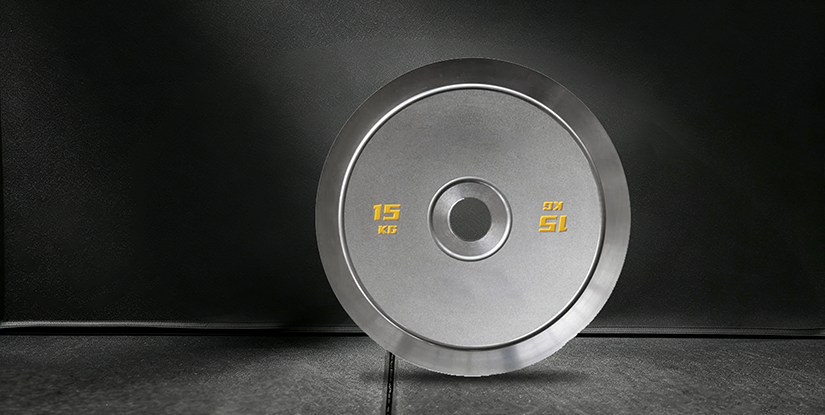
To maintain high standards across large-scale wholesale shipments, a strict commercial weight plate QC protocol must be in place. This involves more than just visual checks; it includes weight calibration to ensure the actual mass aligns with the stamped value and concentricity testing to guarantee the plate sits flat on a barbell. For buyers managing an OEM or ODM contract, these quality checkpoints are the primary defense against high return rates and customer dissatisfaction.
Before finalizing any bulk purchase, we recommend that procurement officers request a detailed specification sheet or a sample evaluation. Confirming the specific MOQ for custom branding and reviewing the factory's pre-shipment inspection reports will ensure your landed cost remains optimized and your product quality stays consistent across all future shipments.
Standardized Commercial Weight Plate QC and Inspection Protocols
For distributors and large-scale gym operators, the cost of a bad batch extends far beyond the initial purchase price. Inconsistent weight distribution or poor surface finishes can lead to high return rates and damaged brand reputation. A professional olympic plate casting manufacturer implements rigorous inspection layers to ensure commercial-grade durability and weight tolerance across every bulk shipment. Without these standardized checks, importers face significant B2B sourcing risk mitigation challenges, such as uneven wear or premature oxidation in high-traffic environments.
Effective commercial weight plate QC begins at the raw material stage and continues through the final cast iron plate production cycle. A reliable factory will not only verify the density of the iron but also perform routine spot-checks on the surface finish consistency. This ensures that every unit in a wholesale order meets the same tactile and visual standards, protecting the distributor from the logistical headache of defective inventory. For those managing high-volume sourcing, these protocols are the primary defense against fluctuating landed cost due to replacement needs.
Technical Inspection Checklist for Procurement Managers
To streamline your sourcing process, we have developed a technical checklist based on industry-standard inspection protocols. This table is designed to assist procurement leads during a factory audit or when requesting pre-shipment reports. By focusing on these specific technical benchmarks, you can ensure that your olympic plate casting manufacturer maintains the high standards required for global distribution.
| Inspection Stage | Key Metric / Component | Commercial Duty Requirement | Procurement Impact |
|---|---|---|---|
| Raw Material Verification | Gray Iron Density & Purity | Uniform density for stable weight | Reduces long-term replacement costs |
| Post-Casting Machining | Bore Concentricity | Smooth fit on Olympic bars | Prevents uneven wear on barbell sleeves |
| Weight Calibration | Standardized Weight Tolerance | Consistency across the entire batch | Protects distributor margin and trust |
| Surface Finishing | Coating Adhesion (Powder/Paint) | Resistance to chipping and oxidation | Lowers maintenance and Opex |
| Final Pre-shipment QC | Visual & Dimension Spot-Check | Uniform logo and rim dimensions | Ensures consistent branding and storage |
When evaluating a potential supplier, we recommend requesting high-resolution photos of the cast iron plate production line specifically focusing on the machining and coating stages. A high-tier olympic plate casting manufacturer will be able to provide documentation regarding their commercial weight plate QC methods, including how they manage weight deviations during the calibration phase. Verifying these technical details upfront is essential for managing your MOQ and ensuring the reliability of your bulk inventory.
Final Export Logistics and Container Loading Protocols
The final phase of the procurement cycle is as critical as the initial casting. Once the commercial weight plate QC is finalized, the focus shifts to protecting your investment during long-haul transit. For a professional olympic plate casting manufacturer, the process does not end at the warehouse door; it extends to the meticulous preparation of export packaging. Whether you are managing a small OEM run or a massive wholesale shipment, the way products are secured in a container directly impacts your final landed cost and inventory integrity upon arrival.
Standard export packaging for heavy iron goods involves heavy-duty corrugated boxes or reinforced palletizing to prevent shifting. A reliable China factory will implement pallet wrapping and corner protection to mitigate the risks of moisture and physical impact during maritime transport. When negotiating bulk orders, it is essential to confirm the specific loading plan with your supplier. High-density loading strategies can optimize container space, effectively lowering the per-unit shipping cost, but they must be balanced with the structural integrity of the export packaging to avoid damage. We recommend discussing lead time and shipping volumes early in the sourcing process to ensure your MOQ requirements align with optimized container utilization. Before finalizing any bulk orders, always request a detailed packing list and a pre-shipment loading simulation to verify that your ODM or custom-branded specifications are protected for global transit.
Optimizing Sourcing via OEM and Private Label Manufacturing
For distributors and gym equipment importers, scaling a product line requires more than just finding a reliable olympic plate casting manufacturer; it requires a strategic partnership that supports brand expansion. Transitioning from a general importer to a recognized brand owner involves leveraging OEM capabilities to differentiate your inventory in a crowded market.
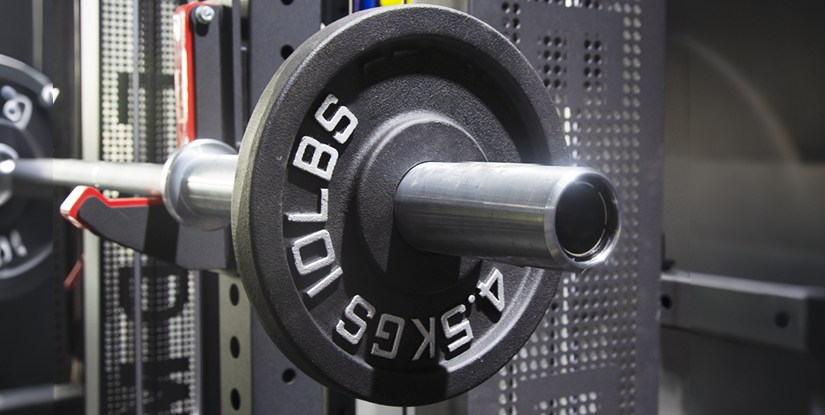
Establishing a distinct brand identity through custom branding—such as unique logo embossing or specific color-coded weight markings—allows you to move away from generic commodity trading. While purchasing off-the-shelf stock is efficient for immediate needs, utilizing Private Label services enables you to build long-term equity and customer loyalty. This approach is particularly effective when working directly with a China factory that can accommodate customized specifications for professional strength facilities.
From a procurement standpoint, the decision to pursue wholesale customization is often driven by the need to control the total landed cost and maintain high margins. By managing the MOQ through direct manufacturing channels, distributors can negotiate better pricing structures for high-volume orders, ensuring that the final product meets the exact aesthetic and functional standards required by premium commercial clients.
Strategic Comparison: Wholesale Sourcing vs. Custom Manufacturing
Selecting the right procurement path depends on your current inventory goals and long-term branding strategy. A professional olympic plate casting manufacturer typically offers two distinct tiers of supply: standard stock orders for rapid deployment and customized production for market differentiation. Understanding these tiers helps importers manage their landed cost and capital expenditure effectively.
Standard wholesale procurement is ideal for distributors needing to replenish stock quickly with minimal lead time. However, if your goal is to establish a premium market presence, investing in ODM or custom production allows for specific technical adjustments. For example, while standard cast iron plate production follows traditional casting methods, custom orders can incorporate specialized surface finishes or unique weight markings to elevate your brand's perceived value in the commercial sector.
| Procurement Tier | Customization Level | Primary Process Focus | Commercial Duty | Typical MOQ Impact | Factory QC Point |
|---|---|---|---|---|---|
| Standard Stock | Low (Standard Logo/Color) | Traditional Sand Casting | General Commercial | Lower (Standard Tiers) | Weight Tolerance & Surface Finish |
| OEM / Private Label | High (Custom Mold/Finish) | Precision Machining & Coating | Premium/Professional | Higher (Custom Setup) | commercial weight plate QC & Branding Adhesion |
| Custom Technical Spec | Full (Specific Material/Tolerance) | Advanced Casting & Calibration | High-End Competition/Facility | Significant (Custom Run) | Concentricity & Dimensional Accuracy |
When evaluating your next batch, consider that higher customization often requires a more rigorous commercial weight plate QC protocol. For instance, specialized coatings or custom-molded rubber rims require additional inspection stages to ensure long-term durability. We recommend requesting a detailed spec sheet and confirming the MOQ for any custom cast iron plate production runs to ensure your project aligns with your distributor margins and shipping schedules.
Export Packaging and International Logistics Efficiency
For large-scale distributors, the procurement cycle does not end at the factory gate. A professional olympic plate casting manufacturer must provide specialized export packaging to protect the integrity of the shipment during long-haul ocean freight. Because cast iron is heavy and susceptible to surface oxidation if moisture is trapped, high-volume wholesale orders require robust protection. Standard industry practice involves palletizing plates with reinforced corner protectors and heavy-duty shrink wrapping to prevent shifting and friction damage within the container.
Optimizing shipping efficiency is a critical component of managing your total landed cost. When sourcing directly from a China factory, we advise buyers to coordinate container loading density carefully. For example, stacking weight plates in a specific orientation can maximize the cubic capacity of a 20ft or 40ft HC container, reducing the per-unit shipping expense. Whether you are ordering standard stock or specialized OEM runs, ensuring that the packaging can withstand the rigors of international transit is essential for maintaining your brand's reputation upon arrival at the destination warehouse.
To ensure seamless global distribution, we recommend discussing your specific logistics requirements early in the sourcing process. You may request a detailed packing list, confirm the MOQ for palletized shipping, or arrange for a pre-shipment inspection to verify both product quality and packaging durability. Contact us to receive a formal quote and discuss how our production and export capabilities can support your next bulk order.
Logistics and Export Readiness for Bulk Orders
Managing international procurement requires more than just selecting a high-quality olympic plate casting manufacturer; it requires a partner capable of sophisticated supply chain execution. For distributors and gym equipment importers, the complexity of moving heavy, high-density cast iron across oceans necessitates rigorous export packaging protocols to prevent transit damage and ensure container efficiency.
A professional China factory understands that shipping costs directly impact your landed cost and overall distributor margins. Therefore, optimizing sea freight through strategic palletization and container loading is a standard part of the service. Whether you are placing small wholesale orders or large-scale bulk orders, the goal is to maximize volume while maintaining structural integrity during long-haul transit.
To maintain predictable inventory cycles, we provide transparent lead time estimates that account for both the cast iron plate production cycle and international shipping windows. Our logistics framework is designed to support various MOQ requirements, allowing you to scale your stock levels based on market demand. By coordinating closely with our supplier team, you can streamline your sourcing process from the initial factory quote to final warehouse arrival.
Shipping Method and Packaging Comparison
Selecting the correct shipping strategy is essential for managing the total cost of ownership. While air freight offers speed, the high density of weight plates makes it cost-prohibitive for most commercial importers. Most professional buyers utilize sea freight to balance speed with a lower landed cost. Below is a comparison of common logistics configurations used to ensure product safety and volume optimization.
| Shipping Method | Typical Packaging Type | Load Density | Best For | Logistics Priority |
|---|---|---|---|---|
| Sea Freight | Heavy-duty Palletization | High | Bulk Procurement | Landed Cost Efficiency |
| Air Freight | Reinforced Carton Box | Low | Sample Evaluation | Speed and Lead Time |
| Express Courier | Individual Box / Small Batch | Very Low | Small Studio Orders | Urgency |
To ensure high-volume stability, our commercial weight plate QC extends to the final loading stage. We implement strict palletization standards, utilizing reinforced wooden or plastic pallets and heavy-duty shrink wrapping to prevent shifting. For larger scale bulk procurement, we specialize in container loading optimization, ensuring that every cubic meter of space is utilized to minimize your shipping expenses per unit. This meticulous approach to export-standard packaging protects your investment from the rigors of maritime transport and port handling.
Before departure, we conduct a final inspection to confirm that the weight distribution within the container is balanced and that the packaging meets all international maritime safety requirements. We recommend contacting our team to discuss your specific volume needs, confirm the current MOQ, and request a detailed shipping quote based on your destination port.