Bumper Plate Factory: Coating and Material Selection
Bumper Plate Factory Selection and Procurement Standards
Selecting a bumper plate factory requires moving beyond simple price-per-unit metrics to evaluate long-term operational durability. A common procurement mistake for distributors is sourcing low-grade, unrated plates that lack consistent density, leading to premature cracking or uneven wear in high-traffic environments. Conversely, professional importers focus on a commercial bumper plate manufacturer that prioritizes standardized material density and high-impact resistance. By establishing strict procurement standards during the initial sourcing phase, buyers ensure that their bulk orders meet the rigorous demands of professional training facilities and heavy-use commercial gyms.
For large-scale deployments, the choice between a rubber/urethane coating and a standard finish directly impacts the total cost of ownership. High-performance facilities require a rubber bumper plate wholesale partner capable of providing materials that offer superior shock absorption and floor protection. A reliable China factory will offer various grades of encapsulation to suit different budget tiers, ensuring that the high-impact resistance of the plate remains consistent even under constant high-volume use. When managing OEM bumper plate production, specifying the exact polymer density and coating adhesion quality is essential to prevent the delamination issues often seen in lower-tier products.
Material and Coating Comparison for Commercial Grade Procurement
Distributors and facility managers must differentiate between material types to balance initial landed cost against long-term maintenance. A professional bumper plate factory typically produces two primary tiers: rubber-encapsulated units for high-impact zones and urethane-coated units for premium, high-durability requirements. Choosing the wrong material can lead to rapid degradation, increasing the replacement frequency for your clients and reducing your distributor margins.
When managing OEM bumper plate production, the quality of the coating adhesion and the density of the internal filler are the most critical variables. A high-tier commercial bumper plate manufacturer ensures that the outer layer is seamlessly integrated with the core to prevent chipping during heavy drops. For those seeking rubber bumper plate wholesale opportunities, understanding the qualitative differences in material performance is essential for providing accurate technical specifications to end-users.
| Material Type | Primary Process | Key Component | Commercial Duty | MOQ Impact | Factory QC Point |
|---|---|---|---|---|---|
| Standard Rubber | Compression Molding | Solid Rubber Core | Budget/General Gym | Lower | Coating Adhesion |
| High-Density Urethane | Injection/Dip Coating | Polyurethane Layer | Premium/Performance | Higher | Surface Uniformity |
| Steel Core/Rubber Rim | Assembly/Casting | Steel Inner Hub | Mid-Tier/Standard | Moderate | Hub Concentricity |
Before finalizing a bulk order, it is highly recommended to request a sample evaluation or a detailed spec sheet from your supplier. Confirming the weight tolerance and the specific density of the outer coating will help mitigate the risk of receiving sub-standard units. For large-scale projects, we suggest booking a pre-shipment inspection to verify the structural integrity of the inner hub and the consistency of the surface finish across the entire batch.
To ensure a successful commercial gym deployment, procurement teams must integrate technical verification into their standard sourcing workflow. Relying solely on a low landed cost can lead to high replacement rates if the product fails to withstand high-volume impact. A professional bumper plate factory provides the necessary documentation and sample validation to ensure that every unit in a bulk shipment meets the required durability standards for professional training environments.
Optimizing your long-term TCO (Total Cost of Ownership) requires a deep understanding of how material density and coating thickness affect product longevity. When coordinating OEM bumper plate production, specify a rigorous quality control (QC) protocol that includes checking the bond between the internal core and the outer shell. This prevents the common failure mode of delamination. For distributors managing large-scale projects, aligning these technical requirements with the expected lead time and shipping schedules is vital to maintaining reliable inventory levels for your clients.
Core Material Profiles: Cast Iron vs. Rubber and Pu Options
Selecting the appropriate material profile is a critical decision for distributors and gym operators managing long-term procurement cycles. A professional bumper plate factory must offer diverse material compositions to satisfy different commercial use cases, ranging from high-impact lifting zones to standard strength training areas. When sourcing through wholesale channels, understanding the trade-offs between density, impact resistance, and maintenance requirements is essential for optimizing your total cost of ownership.
For high-traffic facilities, the choice between a commercial bumper plate manufacturer's standard cast iron offerings and high-end polyurethane (PU) options often depends on the intended training intensity. While cast iron provides a traditional, high-density feel, it lacks the impact absorption required for heavy Olympic lifting. Conversely, rubberized and PU-coated units are engineered to protect both the equipment and the flooring, making them a staple for commercial gym deployment.
Material Performance and Sourcing Tiers
In the global supply chain, rubber bumper plate wholesale orders typically fall into three distinct quality tiers. Procurement leads should evaluate these based on the expected lifecycle of the equipment and the specific durability needs of the end-user. A reliable OEM bumper plate production partner will provide clear specifications regarding the thickness of the outer layer and the stability of the internal steel hub.
| Material Type | Primary Process | Key Component | Commercial Duty | MOQ Impact | Factory QC Point |
|---|---|---|---|---|---|
| Cast Iron | Sand Casting | Steel Inner Ring | Standard Strength Training | Lower MOQ | Surface Smoothness |
| Rubber Coated | Compression Molding | High-Density Rubber | General Weightlifting | Medium MOQ | Coating Adhesion |
| Polyurethane (PU) | Injection/Dip Coating | Reinforced Steel Hub | Premium Olympic/Crossfit | Higher MOQ | Weight Tolerance |
When evaluating a bumper plate factory, importers should prioritize the quality of the internal steel hub and the precision of the weight calibration. For premium wholesale orders, the durability of the outer coating—whether it is a thick rubber dip or a high-grade PU layer—will directly influence the replacement rate and the long-term maintenance load for the facility. It is recommended to request a sample or a technical spec sheet to confirm the coating's resistance to cracking or peeling under heavy use.
The selection of the core material and the subsequent coating process determines the long-term landed cost and replacement frequency for any professional facility. A professional bumper plate factory must ensure that the transition between the internal steel hub and the outer casing is engineered for high-impact scenarios. For large-scale wholesale distributors, the choice between standard rubber and high-grade polyurethane (PU) is not just about aesthetics, but about the durability of the product in a high-throughput commercial environment.
When managing bulk procurement, it is vital to distinguish between basic molding and advanced injection processes. A high-tier commercial bumper plate manufacturer will focus on the integrity of the steel-to-coating bond to prevent the common failure mode of outer-layer delamination. Buyers should evaluate these material profiles based on the specific training environments—such as whether the plates are intended for high-drop Olympic lifting or standard strength training where floor protection and noise reduction are the primary concerns.
Technical Comparison of Material and Coating Specifications
| Material Type | Manufacturing Process | Key Component | Commercial Duty | MOQ Impact | Factory QC Point |
|---|---|---|---|---|---|
| Cast Iron | Sand Casting | Steel Inner Ring | Standard Strength Training | Lower MOQ | Surface Smoothness |
| Rubber Coated | Compression Molding | High-Density Rubber | General Weightlifting | Medium MOQ | Coating Adhesion |
| Polyurethane (PU) | Injection/Dip Coating | Reinforced Steel Hub | Premium Olympic/Crossfit | Higher MOQ | Weight Tolerance |
For distributors seeking OEM bumper plate production capabilities, the precision of the internal weight calibration is a non-negotiable standard. A reliable supplier will implement a strict pre-shipment inspection that checks the concentricity of the steel hub and the uniformity of the coating thickness. If your business model relies on high-end studio deployments, prioritizing the PU-coated or high-density rubber options will reduce the total cost of ownership by minimizing maintenance and replacement needs over time.
For distributors seeking OEM bumper plate production capabilities, the precision of the internal weight calibration is a non-negotiable standard. A reliable supplier will implement a strict pre-shipment inspection that checks the concentricity of the steel hub and the uniformity of the coating thickness. If your business model relies on high-end studio deployments, prioritizing the PU-coated or high-density rubber options will reduce the total cost of ownership by minimizing maintenance and replacement needs over time.
Manufacturing Processes and Surface Finishing Techniques
Selecting a reliable bumper plate factory requires understanding how base materials and surface treatments dictate the total cost of ownership. For high-throughput environments, the relationship between the core weight and the outer coating determines how long the equipment remains viable before requiring replacement. When sourcing rubber bumper plate wholesale, professional buyers must evaluate whether the coating is a superficial layer or a structural integration designed for high-impact commercial gym deployment.
The production sequence typically begins with a high-density core, often consisting of cast iron or a high-density recycled rubber compound. Following the initial molding or casting phase, the unit undergoes precision machining to ensure concentricity. The final durability is largely determined by the application of the rubber/urethane coating, which must adhere seamlessly to the core to prevent delamination during heavy drops. A professional commercial bumper plate manufacturer will implement a multi-stage process—including surface preparation, coating application, and a final curing stage—to ensure the finish withstands constant friction and impact.
| Material Type | Primary Coating | Durability Profile | Commercial Suitability | Procurement Focus |
|---|---|---|---|---|
| High-Density Rubber | Integrated Rubber | High impact absorption | Premium/Competition | Floor protection & noise reduction |
| Cast Iron Core | Urethane/Polyurethane | High abrasion resistance | Standard Commercial | Longevity & aesthetic finish |
| Steel Core | Vinyl/Dip Coating | Moderate impact resistance | Budget/Light Commercial | Cost-effective bulk replacement |
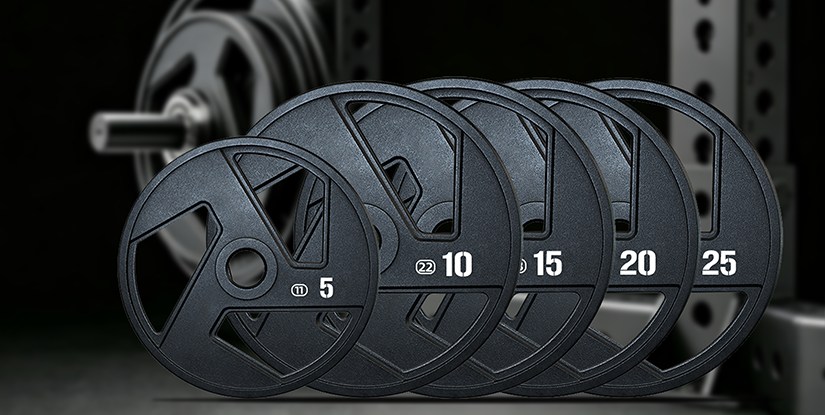
For distributors managing OEM bumper plate production, the choice between a single-piece cast design and a multi-layer assembly affects both the MOQ and the final landed cost. While integrated rubber designs offer superior shock absorption, urethane-coated steel or iron alternatives often provide a more streamlined profile and easier branding opportunities for private label clients. It is standard practice to verify the coating adhesion and weight calibration during the QC process to avoid high return rates in international shipments.
Evaluating Coating Performance and TCO
The choice between different finishing methods directly impacts the long-term maintenance load and the replacement cycle of your inventory. A professional bumper plate factory understands that a cheaper initial purchase price can lead to higher operational costs if the surface degrades under heavy usage. For example, while a simple paint or dip coating might satisfy a low-level budget requirement, it often lacks the impact resistance required for high-traffic commercial settings, leading to unsightly chipping and potential core exposure.
When managing OEM bumper plate production, buyers should distinguish between superficial coatings and structural finishes. High-end PU coating (polyurethane) is typically applied via a more rigorous process than standard vinyl dipping, offering significantly higher abrasion resistance and a more consistent tactile feel. This is critical for distributors who prioritize a premium brand identity for their private label products. In many commercial settings, the ability of the coating to maintain its integrity during high-velocity drops determines the total lifecycle value of the product.
To optimize your sourcing strategy, consider the following technical tiers. A professional commercial bumper plate manufacturer will provide detailed specifications regarding the coating's adhesion and the density of the base material to ensure the product meets the intended commercial duty. For high-volume wholesale orders, selecting the appropriate tier based on your target market—whether it be budget-conscious studios or premium strength facilities—is essential for maintaining healthy distributor margins and minimizing after-sales claims.
Critical Component Inspection and Factory QC Protocols
Maintaining strict quality control standards is a non-negotiable requirement for any bumper plate factory serving the international market. For distributors and large-scale gym operators, the cost of a single faulty batch extends far beyond the initial purchase price; it includes the high price of commercial downtime, labor costs for replacements, and potential damage to flooring or equipment. Effective B2B sourcing risk mitigation requires a partner who implements rigorous testing at every stage of the production cycle.
A professional commercial bumper plate manufacturer must focus on two critical technical pillars: weight tolerance and coating adhesion. During the pre-shipment inspection, technical teams typically verify that the weight deviation remains within industry-standard commercial limits to ensure consistency across a full set. Furthermore, the bond between the inner steel hub and the outer rubber layer must be tested to prevent delamination during high-impact drops. Without these checks, a rubber bumper plate wholesale order could result in premature product failure, eroding your distributor margins and damaging your reputation with end-users.
Precision Calibration and Surface Uniformity Standards
The technical integrity of a batch depends heavily on the precision of the final machining and calibration stages. A reliable bumper plate factory implements a multi-step verification process to ensure that every unit meets the strict demands of heavy-duty training. This begins with a concentricity check, ensuring the steel center hub is perfectly aligned with the outer circumference to prevent uneven wear on barbell sleeves. During OEM bumper plate production, technical inspectors also verify surface uniformity, checking that the rubber or urethane layer is applied without air pockets or thin spots that could lead to structural weakness under repeated impact.
For importers managing high-volume shipments, the weight calibration process is perhaps the most vital component of the final QC. Each plate must undergo a spot-check to ensure weight consistency across the entire order, as significant deviations can lead to client dissatisfaction and increased returns. We recommend that procurement leads request a detailed specification sheet or a sample approval before finalizing a bulk order. This allows you to verify the material density and the quality of the coating adhesion directly. Whether you are managing a small studio upgrade or a large-scale facility deployment, understanding these technical checkpoints helps in calculating a more accurate landed cost and ensures your wholesale procurement aligns with long-term commercial durability requirements. Contact us to discuss your specific MOQ or to request a factory audit to confirm these quality protocols firsthand.
Standardized Inspection Matrix for Procurement Verification
To assist with your technical due diligence, the following table outlines the essential inspection categories used during the production of high-grade plates. A professional bumper plate factory utilizes these qualitative benchmarks to ensure that every batch meets the rigorous expectations of commercial-grade training environments. Understanding these checkpoints allows importers to better evaluate the technical capacity of a supplier and predict long-term product performance.
| Inspection Category | Focus Area | Commercial Standard | QC Checkpoint | Impact on Landed Cost |
|---|---|---|---|---|
| Material Integrity | Inner Steel Hub | Standard thickness/alignment | Hub concentricity and sleeve fit | Reduces barbell wear and replacement frequency |
| Surface Quality | Outer Coating Layer | High-impact resistance | Coating adhesion and surface smoothness | Minimizes maintenance and replacement needs |
| Weight Accuracy | Total Mass Consistency | Industry-standard commercial tolerance | Weight deviation spot-checks | Prevents disputes and high return rates |
| Durability Testing | Impact Performance | High-frequency drop resilience | Rubber/PU layer structural stability | Lowers long-term TCO and replacement cycles |
| Branding/Finish | Visual Identity | Logo and color clarity | Silk-screen or mold precision | Protects your brand identity and premium positioning |
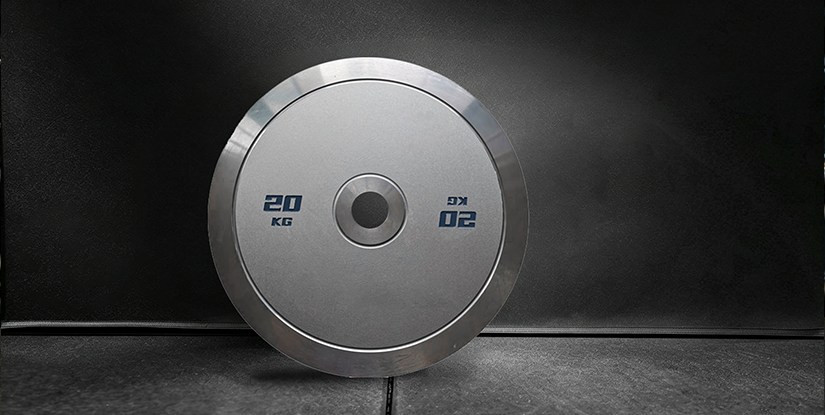
When managing OEM bumper plate production, we suggest that procurement managers focus specifically on the interface between the steel hub and the outer casing. This is a common failure point in lower-tier manufacturing where insufficient bonding leads to delamination. By requesting a sample for a physical impact test, you can verify the quality of the rubber bumper plate wholesale units before the full container is loaded. This proactive approach to sourcing ensures that your inventory remains a high-value asset for your clients, maintaining your reputation as a reliable provider of premium commercial equipment.
Optimizing Sourcing via OEM and Private Label Capabilities
For distributors looking to scale, a professional bumper plate factory offers more than just standard inventory; it provides a strategic pathway to building a proprietary product line. Engaging in OEM or ODM processes allows importers to move beyond generic sourcing and instead develop high-margin, specialized equipment that meets specific regional market demands or high-end studio aesthetics.
Establishing a unique brand identity is a critical differentiator in the competitive commercial fitness landscape. Rather than selling a generic commodity, professional buyers utilize custom branding services to integrate their logos through precision methods such as silk-screen printing or recessed casting. This transformation from a basic supplier to a specialized brand increases the perceived value of your catalog and strengthens long-term client loyalty.
Navigating the complexities of private label production requires a reliable supplier that understands the nuances of commercial-grade specifications. Whether you are requesting a specific color-coded weight system or a unique texture for the outer rim, working directly with a China factory ensures that your design requirements are integrated into the manufacturing workflow. While MOQ requirements vary based on the complexity of the customization—such as specialized rubber compounds or custom metal hubs—the ability to control the product's visual and functional DNA is a vital asset for any growing distribution business.
Customization Depth and Procurement Tiers
Selecting the right level of customization is essential for managing your landed cost and inventory turnover. A professional commercial bumper plate manufacturer typically offers tiered services ranging from simple branding to full technical specification control. Understanding these levels helps procurement managers align their budget with their long-term business scale and the specific needs of their target gym or studio clients.
| Customization Level | Branding Options | Technical Depth | Typical MOQ | Cost Impact |
|---|---|---|---|---|
| Standard Wholesale | Generic or basic color coding | Standard rubber/steel specs | Low | Base Price |
| Private Label | Custom logo (Silk-screen or Recessed) | Standard material/thickness | Medium | Moderate Increase |
| Full OEM/ODM | Full brand identity integration | Custom rubber density or hub design | High | Significant Premium |
When sourcing rubber bumper plate wholesale orders, buyers must weigh the speed of delivery against the depth of customization. While standard stock orders offer the shortest lead time, utilizing OEM bumper plate production allows for a more distinctive product profile that can command higher margins in premium commercial markets. We recommend requesting a detailed specification sheet and confirming the MOQ for any non-standard material or color requests before finalizing your purchase order to ensure seamless logistics and predictable shipping costs.
Technical Execution of Custom Orders
Precision in OEM bumper plate production extends beyond visual branding to the fundamental control of material and structural integrity. For specialized commercial orders, the technical workflow must ensure that custom requests—such as a specific durometer for the rubber outer rim or a unique inner ring diameter—do not compromise the overall weight tolerance or durability. A professional bumper plate factory manages this by integrating custom specifications directly into the initial casting or molding stages, rather than attempting to modify a finished product.
Maintaining high standards for coating adhesion and surface finish is a common point of inspection during pre-shipment QC for large-scale shipments. Whether the order requires a standard powder coating or a specialized UV-resistant finish, the application process must be robust enough to withstand high-frequency impact in commercial environments. For buyers managing bulk imports, verifying these technical layers—such as the thickness of the rubber encapsulation or the stability of the color-coded weight markings—is essential to reducing long-term maintenance costs and ensuring a high-quality landed product for end-users.
Logistics and Export Packaging for Bulk Shipments
Optimizing the landed cost of heavy weight equipment requires more than just finding a competitive unit price; it demands a bumper plate factory that understands the complexities of long-distance maritime logistics. For distributors and gym owners, the true cost of a shipment is dictated by how effectively the goods survive the journey from the China factory to the final destination without structural or cosmetic compromise.
When managing bulk shipments, standard domestic packaging is insufficient. Professional export packaging serves as a critical safeguard against the high-impact environments of sea freight and container stacking. Without reinforced protection, even high-quality products can suffer from surface scuffs, edge deformation, or even structural cracking during transit. For a successful commercial gym deployment, ensuring that the arrival condition matches the factory-out condition is essential for maintaining distributor margins and client satisfaction.
A professional commercial bumper plate manufacturer typically employs multi-layered protection strategies to ensure damage prevention. This includes heavy-duty corrugated boxes, reinforced corner protectors, and palletization techniques designed to stabilize the load within a shipping container. By investing in rigorous packing standards, importers can significantly reduce the frequency of replacement claims and ensure that the rubber bumper plate wholesale orders arrive ready for immediate professional use.
Comparison of Packaging Tiers for Global Sourcing
To manage the landed cost effectively, procurement managers must select a packaging tier that balances protection with shipping volume efficiency. While lower-tier options may reduce initial costs, they often increase the risk of damage during sea freight. A professional bumper plate factory provides structured options to suit different budget requirements and transit distances.
| Packaging Tier | Protection Level | Typical Application | Logistics Strategy |
|---|---|---|---|
| Standard Bulk | Basic Protection | Short-distance domestic or regional transport | Manual stacking with minimal reinforcement |
| Commercial Export | High Protection | Standard international sea freight | Corrugated boxes with reinforced corner guards |
| Premium/Distributor | Maximum Security | Long-haul maritime and multi-modal transport | Heavy-duty palletizing and shrink-wrap stabilization |
For large-scale OEM bumper plate production, the final stage of the supply chain is as critical as the manufacturing process itself. Efficient container loading is a specialized skill; it requires calculating the optimal weight distribution to prevent shifting and ensuring that the vertical stack height does not compromise the bottom layer of plates. When sourcing rubber bumper plate wholesale orders, we recommend the Premium tier for any shipment exceeding 20 days of transit time to ensure the highest level of protection levels. Before finalizing your order, please contact us to request a detailed packaging specification sheet or to confirm the MOQ for customized crate configurations.