Olympic Weight Plate OEM ODM: OEM Manufacturing Supply
Optimizing Inventory with Olympic Weight Plate OEM ODM Services
For large-scale fitness distributors and regional gym equipment suppliers, managing SKU complexity is a constant challenge. A single warehouse may need to stock everything from lightweight fractional plates to heavy professional-grade units to satisfy diverse client needs, ranging from boutique strength studios to full-scale commercial fitness centers. Utilizing professional olympic weight plate OEM ODM services allows these buyers to streamline their procurement by consolidating diverse weight increments and specialized finishes under a single, unified brand identity. This approach minimizes the logistical burden of managing multiple disparate vendors while maximizing the efficiency of a single China factory partnership.
Effective inventory optimization depends on the ability to rapidly pivot between product specifications based on market demand. By working with a dedicated commercial weight plate manufacturer, distributors can request specific weight ranges—such as standard 5kg to 25kg sets—tailored to their target demographics. Whether your clients require rugged, high-impact bumper plates for CrossFit facilities or high-density cast iron plates for traditional weightlifting gyms, OEM solutions ensure that your stock remains relevant and high-margin. Furthermore, establishing a clear MOQ and predictable lead time with a reliable supplier ensures that your warehouse levels are maintained without the risk of excessive capital tie-up or stockouts during peak seasons.
Selecting the Right Material Configuration for Your Market
Choosing the correct material specification is a critical decision for importers balancing durability against landed cost. A mismatch in product tier can lead to high return rates or damaged flooring in client facilities, ultimately hurting your reputation as a distributor. To assist in your procurement planning, the following comparison outlines the common configurations available through professional olympic weight plate OEM ODM production lines. This selection guide is designed to help you align your inventory with the specific functional requirements of your target gym segments.
| Material Type | Surface Finish | Durability Profile | Best Use Case | Sourcing Advantage | Weight Tolerance |
|---|---|---|---|---|---|
| Cast Iron | Powder Coating or Paint | High (Impact Resistant) | Traditional Strength Gyms | Lowest Cost per KG | Standard Commercial |
| Rubber Coated | Vulcanized Rubber Layer | Medium-High (Shock Absorption) | Multi-Purpose Fitness Clubs | Balanced Price/Performance | Strict Commercial |
| Urethane (PU) | Polyurethane Encapsulation | Premium (High Longevity) | High-End Performance Centers | High Margin / Premium Tier | Precision Grade |
When managing a wholesale gym plate supplier relationship, it is vital to understand how these material choices impact your total landed cost and shipping efficiency. For instance, while cast iron options offer the most competitive pricing for bulk orders, rubberized or urethane plates provide the high-end durability expected by premium studio operators. A versatile supplier can often provide customized branding on these different tiers, allowing you to build a cohesive product line under your own label. Before finalizing your next bulk order, we recommend requesting a sample evaluation to inspect coating adhesion and weight consistency across your chosen specifications.
Logistics and Procurement Efficiency for Global Importers
Beyond material selection, the true value of a direct supplier lies in the ability to manage the complex logistics of heavy-duty equipment. For distributors managing large-scale shipments, the difference between a profitable quarter and a logistical bottleneck often comes down to how a factory handles the final stages of the supply chain. Efficient sourcing requires a partner who understands that weight plates are high-density, high-volume cargo where every cubic centimeter of container space impacts your total landed cost.
To ensure maximum shipping efficiency and protect your margins, professional production lines implement rigorous export packaging protocols. This includes reinforced carton structures and standardized palletization designed to withstand the rigors of international ocean freight. A reliable wholesale gym plate supplier will also maintain strict QC standards during the pre-shipment phase—performing weight spot-checks and inspecting the structural integrity of the bore and coating. By coordinating your bulk order with a partner capable of optimized container loading, you can reduce per-unit shipping costs and ensure that your inventory arrives at your warehouse in peak condition, ready for immediate distribution.
Material Selection and Manufacturing Standards for Commercial Plates
Selecting the correct substrate is critical for maintaining low TCO and high turnover in a commercial facility. When managing olympic weight plate OEM ODM projects, importers must align material properties with the specific durability requirements of their target market. A commercial weight plate manufacturer typically offers a range of options, from high-density cast iron for standard strength training to specialized coatings for high-impact environments. Understanding these material distinctions allows distributors to optimize their wholesale inventory based on whether they are supplying budget-friendly gyms or premium training centers.
The choice of material directly impacts the landed cost and the long-term maintenance load for the end-user. For instance, while bare iron is cost-effective for high-volume sourcing, premium facilities often demand specialized finishes to protect flooring and reduce noise. A professional supplier will provide detailed specifications regarding the coating adhesion and the base material density to ensure the product meets international commercial standards.
Material Grade and Application Comparison
| Material Type | Common Process | Primary Application | Commercial Duty Tier | Inventory Impact |
|---|---|---|---|---|
| Cast Iron | Sand casting and powder coating | Standard strength training | Budget/Standard | High density/Standard weight |
| Rubber-Coated | Injection molding or dip coating | High-impact/Crossfit areas | Premium/High-durability | Increased volume/Shipping weight |
| Urethane (PU) | Advanced PU molding | Professional/Competition use | Premium/Elite | High value/Low maintenance |
| Steel | Precision machining/Chrome plating | Precision lifting/Competition | Elite/Professional | High precision/Specialized stock |
For those seeking olympic weight plate OEM ODM solutions, the manufacturing route often begins with precision sand casting to ensure base weight consistency. Following the casting stage, the plates undergo machining to calibrate the center bore for a seamless fit on Olympic bars. Depending on the wholesale order requirements, a China factory may apply different surface treatments, such as phosphate treatment for corrosion resistance or multi-layer powder coating to enhance the visual brand identity of your private label.
When evaluating a wholesale gym plate supplier, it is essential to confirm the specific QC steps for each material. For rubber or PU-coated units, the factory should perform routine checks on coating adhesion and edge thickness to prevent premature peeling during heavy use. For cast iron variants, the focus remains on the concentricity of the bore and the uniformity of the surface finish to ensure professional-grade performance in any commercial setting.
Beyond the core substrate, the manufacturing precision of the center bore and the surface finish determines the long-term reliability of the equipment. A high-tier commercial weight plate manufacturer focuses heavily on the machining stage to ensure that the inner diameter remains consistent, preventing uneven wear on expensive Olympic bars. This level of detail is a hallmark of professional olympic weight plate OEM ODM production, where even minor deviations in concentricity can lead to increased maintenance costs for the end-user.
When managing large-scale sourcing, procurement managers should request documentation regarding the specific finishing processes used. For example, while basic paint may suffice for low-tier gyms, a professional supplier will often utilize advanced powder coating or high-grade polyurethane molding to ensure the coating does not chip or peel under high-volume commercial use. Verifying these technical details during the sample stage is essential to protecting your distributor margins and ensuring customer satisfaction.
Beyond the core substrate, the manufacturing precision of the center bore and the surface finish determines the long-term reliability of the equipment. A high-tier commercial weight plate manufacturer focuses heavily on the machining stage to ensure that the inner diameter remains consistent, preventing uneven wear on expensive Olympic bars. This level of detail is a hallmark of professional olympic weight plate OEM ODM production, where even minor deviations in concentricity can lead to increased maintenance costs for the end-user.
When managing large-scale sourcing, procurement managers should request documentation regarding the specific finishing processes used. For example, while basic paint may suffice for low-tier gyms, a professional supplier will often utilize advanced powder coating or high-grade polyurethane molding to ensure the coating does not chip or peel under high-volume commercial use. Verifying these technical details during the sample stage is essential to protecting your distributor margins and ensuring customer satisfaction.
Reliable olympic weight plate OEM ODM services must also prioritize a rigorous weight calibration process. In a high-output China factory, each batch undergoes systematic weight spot-checks to ensure that the cast or molded units fall within industry-standard tolerances. For distributors, this consistency is vital; uneven weight distribution across a set can lead to client complaints and higher replacement rates. Ensuring that the factory employs a structured sequence—from initial casting to final weight calibration and pre-shipment QC—minimizes the risk of receiving non-compliant inventory.
To ensure smooth logistics, always confirm the MOQ and expected lead time before finalizing your bulk order. Efficient export packaging is just as important as the production itself; high-quality carton drop tests and reinforced palletizing are necessary to protect the integrity of the plates during long-distance sea freight. We recommend requesting a detailed specification sheet and a sample evaluation to verify that the material quality, coating adhesion, and bore fit align with your brand's standards before moving to full-scale production.
Surface Finishing and Marking Processes for Private Label Success
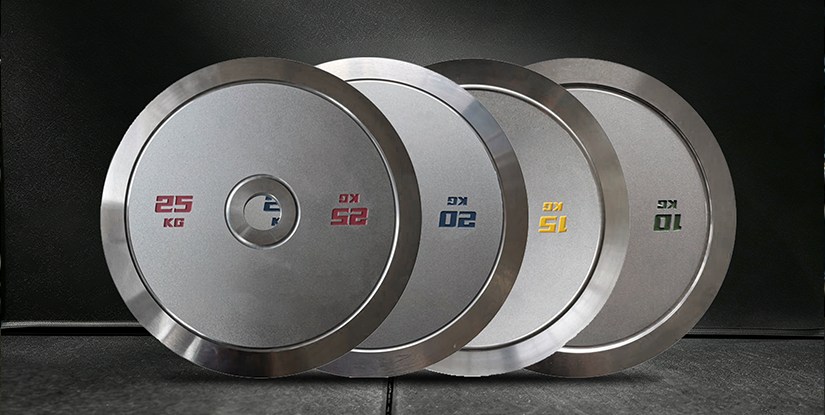
For distributors managing diverse product lines, the aesthetic durability of a weight set directly impacts long-term replacement cycles and brand perception. When sourcing olympic weight plate OEM ODM solutions, the final surface treatment determines how well the product withstands high-traffic commercial environments. A high-quality commercial weight plate manufacturer focuses on two critical areas: the protective coating and the precision of the branding marks.
The choice between a standard paint finish and a more robust powder coating or PU coating affects both the landed cost and the product's resistance to oxidation and impact. For example, a wholesale gym plate supplier can offer various tiers of finish to match your target market, from basic painted cast iron for budget-friendly gyms to high-end polyurethane-encapsulated plates for premium studios. This level of branding customization allows you to build a distinct identity through color-coded weight markings and embossed logos, ensuring your private label stands out in a crowded market.
From a sourcing perspective, the complexity of the surface finish often influences the MOQ and the total lead time. Advanced processes like high-grade PU coating require specific molding stages that differ from simple sand casting, making it essential to confirm the technical specifications with your China factory during the initial OEM or ODM consultation to ensure the final product meets your commercial durability standards.
Technical Comparison of Finishing Tiers and Procurement Impact
Selecting the appropriate finish is a critical decision for distributors balancing competitive pricing with product longevity. The manufacturing route chosen—whether it involves simple surface painting or complex encapsulation—directly dictates the maintenance load for the end-user and the overall landed cost for the importer. To assist in your procurement planning, the following table outlines the typical tiers provided by a professional olympic weight plate OEM ODM partner.
| Material Tier | Finishing Process | Key Component/Detail | Commercial Duty | MOQ Impact | Factory QC Point |
|---|---|---|---|---|---|
| Cast Iron | Paint or Enamel | Single-layer coating | Budget/Standard | Lower | Coating adhesion |
| Cast Iron | Powder Coating | High-durability texture | Commercial-grade | Medium | Surface uniformity |
| Steel/Iron Core | PU/Rubber Coating | Encapsulated layer | Premium/Competition | Higher | Edge bonding/Seamlessness |
| Solid Steel | Chrome Finish | Precision machining | High-end/Specialty | Highest | Bore fit/Concentricity |
When evaluating a wholesale gym plate supplier, it is essential to understand how these processes affect your inventory management. While painted plates offer the lowest entry cost, they are more susceptible to chipping in high-impact environments. Conversely, advanced olympic weight plate OEM ODM options involving polyurethane or specialized rubber molding provide superior floor protection and noise reduction, which is a significant selling point for premium boutique studios. We recommend requesting a sample evaluation or a detailed spec sheet to verify the thickness and durability of the coating before finalizing your bulk order.
Strategic Sourcing: Managing MOQ and Lead Times with China Factories
Navigating the complexities of olympic weight plate OEM ODM requires a clear understanding of how production scale influences your supply chain. For distributors and gym equipment importers, the relationship between MOQ and the total lead time is a critical factor in maintaining optimal inventory turnover and managing landed costs. When sourcing from a China factory, your procurement strategy must account for how specific customization requests alter the standard production cycle.
Standard stock orders typically move through a streamlined process, but specialized olympic weight plate OEM ODM projects involving unique rubber compounds or custom branding often require longer preparation stages. A wholesale buyer must evaluate whether a high MOQ is justified by the reduction in unit cost or if a smaller, more frequent sourcing model better serves their warehouse efficiency. Understanding these variables ensures that your commercial weight plate manufacturer can deliver high-quality units without unexpected delays in your distribution schedule.
Customization Levels and Procurement Variables
To optimize your inventory planning, you must distinguish between standard wholesale procurement and high-level customization. A commercial weight plate manufacturer typically offers different tiers of service that directly impact your MOQ and the total lead time. While purchasing standard stock items allows for faster replenishment, engaging in full olympic weight plate OEM ODM services provides greater brand differentiation but requires a more extensive production cycle.
The following table outlines how different levels of customization affect your logistics and capital requirements when working with a wholesale gym plate supplier.
| Customization Level | Material & Branding Scope | Typical MOQ | Typical Production Cycle | Primary Sourcing Benefit |
|---|---|---|---|---|
| Standard Wholesale | Standard cast iron or rubber; existing color schemes | Low to Moderate | Short (Ready-to-ship or standard batch) | Rapid replenishment & low inventory risk |
| Light OEM | Custom logo (silk-screen/laser) on standard plates | Moderate | Medium (Includes branding & packaging setup) | Enhanced brand identity for distributors |
| Full ODM | Custom material blends, unique colors, or specialized thickness | High | Long (Includes mold development & calibration) | Complete product differentiation & market exclusivity |
When evaluating your next batch, consider that more complex olympic weight plate OEM ODM requests—such as specialized PU coating or custom weight increments—will naturally extend the lead time. We recommend confirming your specific MOQ requirements and requesting a detailed production schedule during the initial inquiry to ensure your landed cost and delivery windows remain predictable.
Optimizing Landed Cost Through Bulk Logistics
For high-volume importers, the true cost of a shipment is not just the unit price, but the total landed cost. Effective sourcing requires a strategic approach to shipping optimization to ensure that weight-heavy cargo like Olympic plates does not erode your distributor margins. Because weight plates are high-density items, the way they are packed and loaded into a container directly impacts your freight-per-unit ratio and overall profitability.
To minimize expenses, we advise a bulk order strategy that prioritizes container utilization. When working with a wholesale gym plate supplier, you should discuss palletization standards and container loading patterns during the pre-shipment phase. High-density loading, such as nesting plates or using specialized export packaging to prevent shifting, can maximize every cubic meter of space. By aligning your MOQ with full container load (FCL) capacities, you can effectively reduce the per-unit shipping cost, making your olympic weight plate OEM ODM program significantly more competitive in your local market.
Export Quality Control and Pre-Shipment Inspection Protocols
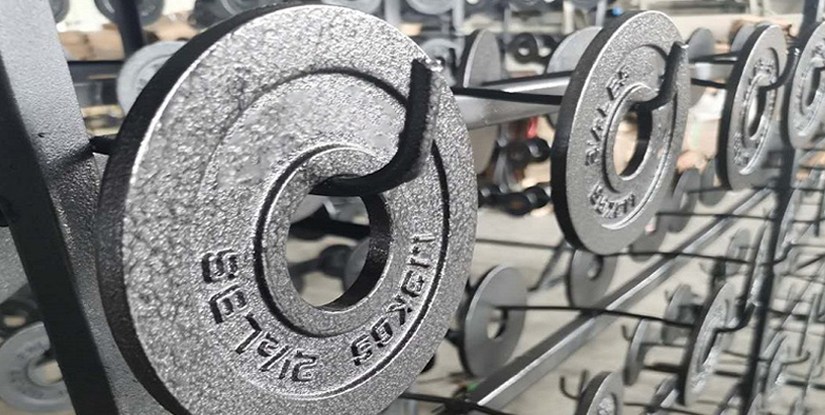
For international distributors and large-scale gym operators, the primary risk in bulk procurement is the discrepancy between sample approval and final container delivery. When managing olympic weight plate OEM ODM projects, relying solely on a China factory production report is insufficient. Without rigorous export quality control, buyers often face shipment risks such as inconsistent weight distribution, uneven surface finishes, or damaged packaging that increases the landed cost through local returns or replacements.
A professional commercial weight plate manufacturer must implement a multi-stage inspection sequence to ensure every unit meets the agreed-upon specifications. This process typically begins with raw material verification, moving through casting, machining, and coating, before reaching the final pre-shipment phase. For a wholesale gym plate supplier, maintaining strict control over weight tolerance and concentricity is essential to prevent product rejection at the destination warehouse.
Standardized Inspection Points for Bulk Orders
To mitigate the high costs of faulty inventory, procurement teams should verify that the factory follows a structured QC checklist. This includes checking the bore fit for barbell compatibility, the adhesion of the powder coating or rubber layer, and the structural integrity of the weight markings. Effective sourcing strategies involve requesting a pre-shipment inspection report that covers these specific technical dimensions.
| Inspection Category | Key Component/Detail | Commercial Duty Level | Typical QC Focus Point |
|---|---|---|---|
| Dimensional Accuracy | Center Bore & Diameter | Commercial/Premium | Concentricity and fitment consistency |
| Weight Precision | Cast Iron/Steel Mass | Standard Commercial | Weight tolerance within agreed range |
| Surface Integrity | Coating or Rubber Layer | High-Usage Commercial | Coating adhesion and edge smoothness |
| Packaging Durability | Export Carton & Pallet | Logistics Efficiency | Drop test compliance and moisture protection |
Technical Checkpoints and Pre-Shipment Protocols
A reliable wholesale gym plate supplier must move beyond basic visual checks to include precise technical calibration. During the final stages of olympic weight plate OEM ODM production, the focus shifts to ensuring that the physical properties of the batch align with the initial sample approved by the buyer. This stage is critical for reducing the total landed cost, as it prevents expensive returns caused by poor fitment or uneven weight distribution that can disrupt a distributor's inventory management.
The inspection sequence typically follows a rigorous path: first, checking the concentricity to ensure the plate sits flat on the barbell without wobbling; second, performing a weight calibration spot-check to verify mass consistency across the batch; and third, testing the coating adhesion to ensure the surface remains intact under high-frequency commercial use. Furthermore, the packaging integrity must be validated through standard drop tests and palletization audits to ensure the goods survive long-distance maritime logistics without structural damage.
For professional importers, conducting a remote or on-site factory audit that includes these specific technical checkpoints is the most effective way to secure long-term supply chain stability. We recommend that procurement leads confirm the specific weight tolerance levels and packaging reinforcement standards before the final container loading to ensure the shipment meets the high-duty requirements of international commercial fitness facilities.
Maximizing Distributor Margins Through Direct Factory Procurement
Optimizing your supply chain requires moving beyond traditional trading models to secure direct olympic weight plate OEM ODM solutions. For international distributors and gym equipment importers, sourcing directly from a China factory eliminates the layered markups typically added by third-party intermediaries. By establishing a direct relationship with a commercial weight plate manufacturer, you can significantly lower your landed cost while maintaining strict control over product specifications and brand identity.
The primary challenge for high-volume distributors is balancing competitive pricing with consistent product density and finish quality. When you bypass the middleman through professional sourcing, you gain the ability to negotiate better MOQ terms and tailor the production schedule to your specific replenishment cycles. This direct-to-factory approach ensures that your wholesale gym plate supplier provides the transparency needed to protect your distributor margins and long-term profitability.
Evaluating Procurement Models: Trader vs. Direct Manufacturer
Selecting the right supply route is a critical decision that impacts your long-term inventory turnover and overall ROI. Professional buyers must evaluate whether the convenience of a trading company outweighs the cost-efficiency and customization depth of a direct olympic weight plate OEM ODM partnership. While traders offer simplified communication, they often introduce hidden costs and limited control over the actual manufacturing specifications.
The following comparison highlights how different procurement models affect your ability to scale and maintain a competitive edge in the commercial fitness market.
| Procurement Model | Customization Capability | Lead Time Stability | Quality Control Access | Pricing Structure |
|---|---|---|---|---|
| Trading Company / Middleman | Limited to existing stock items | Variable; dependent on third-party schedules | Indirect; relies on trader's inspection report | Higher due to multiple markups |
| Direct commercial weight plate manufacturer | High; full OEM and ODM support | Consistent; direct control over production cycles | Direct; ability to perform factory audits | Optimized for bulk wholesale orders |
For distributors aiming to build a proprietary brand, the direct factory model is the only way to ensure that technical details—such as the thickness of the powder coating or the precision of the center bore—meet your specific commercial standards. We recommend requesting a detailed spec sheet and confirming MOQ requirements early in the process to ensure your sourcing strategy aligns with your projected growth and warehouse capacity.