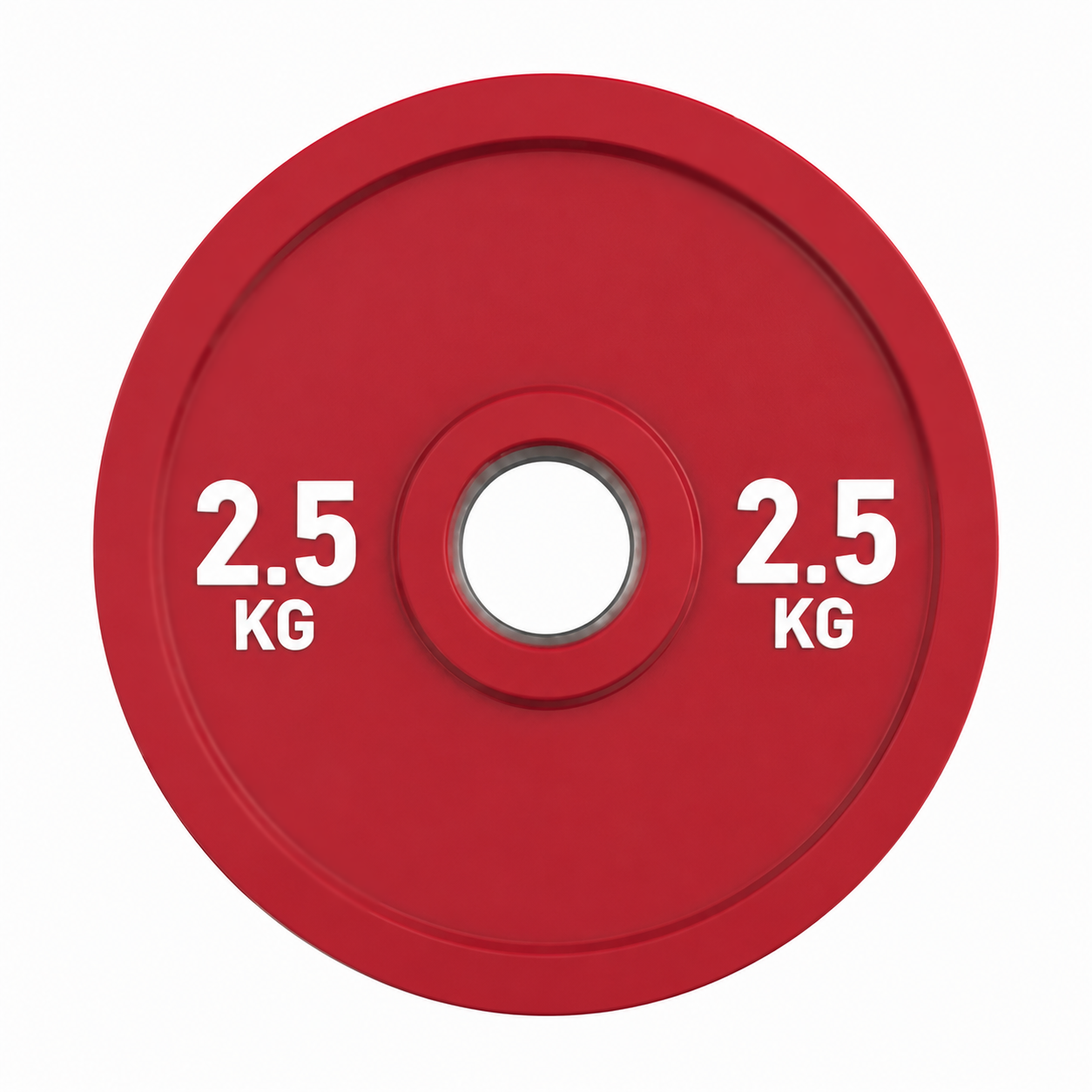
Olympic Plate Sourcing: Export Ready China Manufacturer
Optimizing Olympic Plate Sourcing for Commercial Gyms
Professional olympic plate sourcing involves selecting high-durability weight plates designed for high-traffic environments. For distributors and gym operators, the focus remains on balancing initial wholesale costs with long-term durability to minimize frequent replacement cycles and maintenance expenses in a commercial setting.
The TCO Logic: Why Quality Sourcing Matters
When managing a large-scale facility or distributing fitness equipment, looking only at the unit price is a common procurement error. A low-cost commercial weight plate supplier might offer attractive initial margins, but if the plates suffer from uneven weight distribution, poor coating adhesion, or irregular bore diameters, the long-term costs escalate. Inconsistent quality leads to increased maintenance loads and the need for premature replacement cycles, which directly erodes your profit margins and increases the landed cost over the product lifecycle.
Effective olympic plate sourcing requires a shift in focus from the lowest upfront price to the Total Cost of Ownership (TCO). High-quality wholesale olympic plates—characterized by consistent casting, precision machining, and robust surface finishes—ensure that the equipment remains functional under heavy use. By investing in olympic plate OEM manufacturing that adheres to strict industrial standards, importers can ensure their products withstand the rigors of commercial training, ultimately protecting their brand reputation and reducing the frequency of bulk reorders.
| Material Type | Manufacturing Process | Key Component Detail | Commercial Duty | Procurement Tier |
|---|---|---|---|---|
| Cast Iron | Sand casting and CNC machining | Standardized Olympic bore | High-frequency strength training | Budget / Entry-level Commercial |
| Painted / Powder Coated Iron | Casting followed by multi-layer coating | Enhanced surface adhesion | Standard gym and studio environments | Mid-tier Commercial |
| Rubber Encapsulated | Injection molding over core | Protective outer skin | High-impact and noise reduction | Premium Commercial / Professional |
| Polyurethane (PU) | Precision PU coating | High-density impact layer | Competition and high-end fitness clubs | Elite / High-performance |
Selecting the right specifications during your olympic plate sourcing process allows for better alignment between your facility's usage intensity and your budget. For example, while bare or painted cast iron offers a lower initial wholesale price, the long-term value of rubber or PU-coated options becomes evident in high-traffic facilities where floor protection and noise reduction are critical for operational efficiency.
When negotiating with a commercial weight plate supplier, use these qualitative tiers to define your requirements. A clear understanding of how material choice affects the durability of the coating or the precision of the bore will help you secure a more reliable olympic plate OEM manufacturing partnership that supports your long-term business growth.
To ensure your procurement strategy yields the best possible results, we recommend moving to the next stage of technical evaluation. Contact us to request a detailed specification sheet, confirm current MOQ for your specific material tier, or discuss custom OEM branding options for your next bulk shipment. Our team can also provide guidance on pre-shipment inspection protocols to ensure your landed quality meets your facility's standards.
Material Selection and Manufacturing Processes for Weight Plates
Successful olympic plate sourcing requires a deep understanding of how substrate materials and surface finishes impact the total cost of ownership and long-term durability. For distributors and gym operators, selecting the correct specification is not merely about weight, but about the longevity of the asset in high-traffic environments. A professional commercial weight plate supplier must provide clear distinctions between budget-friendly casting and high-performance precision units to ensure your procurement aligns with your facility's specific usage demands.
When managing bulk orders, the decision between cast iron and advanced polymer coatings often dictates the maintenance load and replacement frequency of your inventory. For example, while standard cast iron is highly cost-effective for high-volume wholesale, high-end facilities often require the impact absorption and surface protection provided by advanced coatings. Understanding these manufacturing routes is essential for effective olympic plate OEM manufacturing and long-term inventory planning.
Commercial Grade Material and Finish Comparison
| Material Type | Common Process | Primary Application | Durability Profile | Sourcing Advantage |
|---|---|---|---|---|
| Cast Iron | Sand casting and machining | Standard commercial gyms | High impact resistance | Low landed cost |
| Steel (Competition) | Precision machining | Professional training centers | Extreme concentricity | Premium positioning |
| Urethane/Polyurethane | Injection molding/encapsulation | High-end fitness clubs | Superior floor protection | High durability/low maintenance |
| Rubber Coated | Dip coating or molding | General fitness facilities | Moderate noise reduction | Balanced TCO |
For procurement leads, the distinction between a standard cast iron plate and a high-spec urethane-coated unit involves more than just aesthetics. It involves evaluating the weight calibration and the thickness of the encapsulation layer. A reliable wholesale olympic plates partner will ensure that the machining of the center bore remains consistent across all production batches to prevent issues with bar fitment and barbell wear. When evaluating your next batch, always confirm the manufacturing sequence—from initial casting to final surface treatment—to ensure the product meets your specific commercial requirements.
Technical precision during the manufacturing stage is what separates high-performing commercial assets from problematic inventory. During olympic plate sourcing, a critical focus must be placed on the weight calibration and concentricity of the center bore. A high-quality commercial weight plate supplier will typically employ a multi-stage process including initial casting, followed by CNC machining of the inner diameter to ensure a smooth, consistent fit on standard Olympic barbells. This prevents the common issue of uneven weight distribution or bar friction, which can lead to premature barbell wear and increased maintenance costs for your facility.
Furthermore, the integrity of the surface finish—whether it is a simple phosphate treatment, a durable powder coating, or a thick urethane encapsulation—is a vital indicator of long-term value. During the olympic plate OEM manufacturing process, the adhesion of the coating to the base metal is a primary point of inspection. Poorly executed coatings can lead to peeling or cracking under heavy use, significantly increasing the total cost of ownership. We recommend that importers and distributors request specific details regarding the thickness of the coating and the precision of the weight tolerance to ensure the landed cost remains optimized against the product's lifespan.
Technical precision during the manufacturing stage is what separates high-performing commercial assets from problematic inventory. During olympic plate sourcing, a critical focus must be placed on the weight calibration and concentricity of the center bore. A high-quality commercial weight plate supplier will typically employ a multi-stage process including initial casting, followed by CNC machining of the inner diameter to ensure a smooth, consistent fit on standard Olympic barbells. This prevents the common issue of uneven weight distribution or bar friction, which can lead to premature barbell wear and increased maintenance costs for your facility.
Furthermore, the integrity of the surface finish—whether it is a simple phosphate treatment, a durable powder coating, or a thick urethane encapsulation—is a vital indicator of long-term value. During the olympic plate OEM manufacturing process, the adhesion of the coating to the base metal is a primary point of inspection. Poorly executed coatings can lead to peeling or cracking under heavy use, significantly increasing the total cost of ownership. We recommend that importers and distributors request specific details regarding the thickness of the coating and the precision of the weight tolerance to ensure the landed cost remains optimized against the product's lifespan.
Critical Quality Control Standards for China Factory Exports
For distributors and large-scale gym operators, the success of olympic plate sourcing depends entirely on the rigor of the pre-shipment inspection. Relying on a commercial weight plate supplier that lacks a structured QC protocol often leads to high return rates and damaged brand reputation due to inconsistent weight or structural flaws. A professional China factory must implement multi-stage verification to ensure every unit meets international commercial gym standards.
The most critical failure point in bulk orders is weight calibration. Without standardized machining and calibrated casting, a shipment of 20kg plates may arrive with significant deviations, affecting the professional feel of a barbell set. High-tier wholesale olympic plates undergo strict spot-checks to ensure the weight tolerance remains within industry-standard ranges. Furthermore, the material integrity of the cast iron or steel must be verified through visual and physical inspection to prevent cracking or uneven surface textures under high-impact use.
Effective olympic plate OEM manufacturing also requires detailed inspection of the center bore and surface finish. A specialized factory must verify the concentricity of the hole to ensure a smooth fit on Olympic barbells, preventing uneven wear on expensive bars. During the OEM process, we focus on the adhesion of the powder coating or rubber encapsulation to ensure it does not peel or chip during heavy usage, preserving the aesthetic and functional longevity of the equipment.
Pre-Shipment Inspection Checklist for Importers
To mitigate the risks associated with long-distance logistics and high-volume shipments, professional buyers should utilize a standardized technical checklist during factory audits. When conducting a bulk order inspection, focus on the structural and surface attributes that directly impact the total cost of ownership and long-term durability in a commercial environment.
| Inspection Metric | Technical Focus Area | Commercial Impact | Verification Method |
|---|---|---|---|
| Bore Precision | Concentricity and center hole alignment | Prevents uneven barbell wear and friction | Visual check and barbell fit test |
| Surface Integrity | Surface coating adhesion and finish consistency | Reduces maintenance and prevents premature rust | Physical scratch and impact test |
| Structural Quality | Casting defects, cracks, or air bubbles | Ensures safety and prevents structural failure | Detailed visual inspection of casting seams |
| Logistics Readiness | Packaging durability and carton strength | Minimizes transit damage and landed cost | Drop test and pallet stability check |
A reliable supplier will provide documented results for these metrics before the final export-ready certification. For high-volume wholesale accounts, we recommend requesting a sample batch for physical validation of the surface coating adhesion and bore tolerances. Establishing these strict QC parameters during the initial sourcing phase protects your margins and ensures your export shipments arrive meeting the highest professional standards.
| Inspection Metric | Technical Focus Area | Commercial Impact | Verification Method |
|---|---|---|---|
| Bore Precision | Concentricity and center hole alignment | Prevents uneven barbell wear and friction | Visual check and barbell fit test |
| Surface Integrity | Surface coating adhesion and finish consistency | Reduces maintenance and prevents premature rust | Physical scratch and impact test |
| Structural Quality | Casting defects, cracks, or air bubbles | Ensures safety and prevents structural failure | Detailed visual inspection of casting seams |
| Logistics Readiness | Packaging durability and carton strength | Minimizes transit damage and landed cost | Drop test and pallet stability check |
A reliable supplier will provide documented results for these metrics before the final export-ready certification. For high-volume wholesale accounts, we recommend requesting a sample batch for physical validation of the surface coating adhesion and bore tolerances. Establishing these strict QC parameters during the initial sourcing phase protects your margins and ensures your export shipments arrive meeting the highest professional standards.
OEM and Private Label Capabilities for Global Distributors
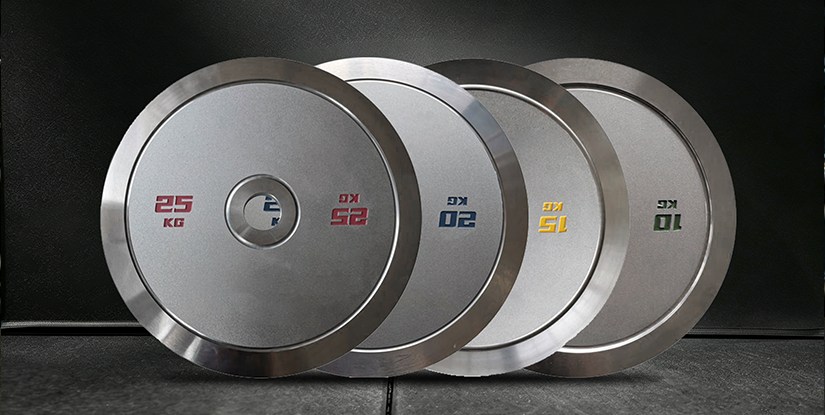
For international distributors and gym equipment importers, professional olympic plate sourcing extends beyond selecting basic weights; it involves building a distinct brand identity through high-value customization. Engaging with a specialized China factory allows you to move from a standard commodity buyer to a specialized brand owner, significantly increasing your long-term market authority.
Our OEM and ODM services are designed to help you differentiate your product lines in a crowded commercial market. Whether you require specific material finishes or unique branding, we provide comprehensive customization options (material/color/logo) to meet your exact specifications. This level of control over your private label offerings ensures that every piece of equipment reinforces your professional standing with end-users.
The strategic B2B value proposition of working with a direct supplier includes the ability to control the aesthetic and functional nuances of your inventory. By leveraging professional olympic plate OEM manufacturing, you can request specific finishes—such as high-durability powder coating or specialized rubber encapsulation—alongside custom embossed or printed logos. This capability is essential for distributors looking to scale their catalog while maintaining a consistent, premium look across all product categories.
Customization Tiers for Commercial Scale
Understanding the technical distinction between standard stock and full customization is vital for effective olympic plate sourcing. For many distributors, the decision rests on the balance between rapid lead times and the desire for a proprietary product line. While standard orders utilize established manufacturing templates to ensure speed, a full OEM engagement allows for granular control over the physical and visual characteristics of the plates.
When ordering wholesale olympic plates, buyers must evaluate how much control they require over the weight calibration, surface finish, and branding. A high-tier commercial weight plate supplier will offer various levels of engagement, ranging from simple logo application to complete structural design adjustments. This flexibility is key to managing your landed cost while meeting the specific aesthetic or durability requirements of your target market.
| Customization Level | Material/Finish Options | Branding Scope | Typical MOQ | Commercial Application |
|---|---|---|---|---|
| Standard Wholesale | Cast iron with enamel or basic powder coating | Standard embossed logo or blank | Low/Standard | Budget commercial gyms and starter sets |
| Professional OEM | Precision machined edges with color-coded PU/Rubber | Custom color branding and high-definition logo | Medium | Premium fitness studios and boutique chains |
| Full ODM/Private Label | Specialized steel or competition-grade materials | Fully bespoke dimensions and custom branding | High | Global distributors and professional strength brands |
For procurement professionals, we recommend requesting a detailed specification sheet or a sample evaluation before committing to a high-volume wholesale order. Confirming the MOQ for specific custom finishes and reviewing the factory's pre-shipment QC protocols for branding adhesion will mitigate the risk of receiving non-compliant inventory. Contact our team to discuss your bulk pricing requirements or to initiate a factory audit for your next major shipment.
Technical Execution of Branding and Quality Assurance
The reliability of your brand is directly tied to the technical precision of your olympic plate OEM manufacturing. For professional distributors, a logo is not merely an aesthetic addition; it is a mark of quality that must withstand heavy usage and environmental friction. The method of application must be chosen based on the plate material and the intended commercial setting to ensure long-term durability and prevent the peeling or fading that can degrade a premium brand reputation.
Common branding methods include casting, etching, and high-durability printing. In a standard casting process, the logo is integrated directly into the mold, creating a permanent, recessed relief that is virtually indestructible. For a more detailed or colorful look, advanced etching or specialized printing on top of a powder coating layer is used. However, for high-intensity commercial environments, we recommend integrated casting or deep-etching to ensure the branding remains intact throughout the product's lifecycle, protecting your investment in your private label identity.
Beyond aesthetics, a professional commercial weight plate supplier must prioritize rigorous weight calibration and export-ready QC. Every batch undergoes a systematic process of machining and weight spot-checks to ensure consistency across the entire set. For high-volume wholesale orders, our pre-shipment QC includes verifying the concentricity of the center bore and testing the adhesion of the coating or rubber encapsulation. This strict attention to detail ensures that your landed cost remains optimized by minimizing returns and maintaining the high standards expected by professional gym operators worldwide.
Logistics and Export Packaging for Bulk Orders
Optimizing olympic plate sourcing requires more than just selecting the right material; it necessitates a rigorous approach to logistics and protection to safeguard your investment during long-distance transit. For distributors and large-scale gym operators, the true cost of a shipment is determined by the landed cost, which is heavily influenced by how efficiently the goods are packed and how well they survive sea freight. Poorly managed logistics can lead to dented edges, damaged coatings, or even broken pallet structures, resulting in costly returns and disrupted project timelines.
To mitigate these risks, a professional commercial weight plate supplier must implement standardized export packaging protocols designed for high-density, heavy-load shipments. This typically involves using reinforced heavy-duty corrugated boxes or specialized wooden crates that can withstand the mechanical stresses of container loading and multi-modal transport. Efficient palletization is equally critical; ensuring that plates are stacked with correct weight distribution prevents the bottom layers from collapsing under extreme pressure during sea freight transit.
A reliable China factory will prioritize breakage prevention by utilizing corner protectors and high-strength shrink wrapping to stabilize each unit. For wholesale olympic plates, this means moving beyond basic wrapping to a structured system where every pallet is documented and secured. By focusing on these granular details of the supply chain, importers can ensure that their bulk orders arrive at the destination in pristine condition, maintaining the integrity of the brand and reducing the total cost of ownership for the end-user.
Comparing Shipping Methods and Total Landed Cost
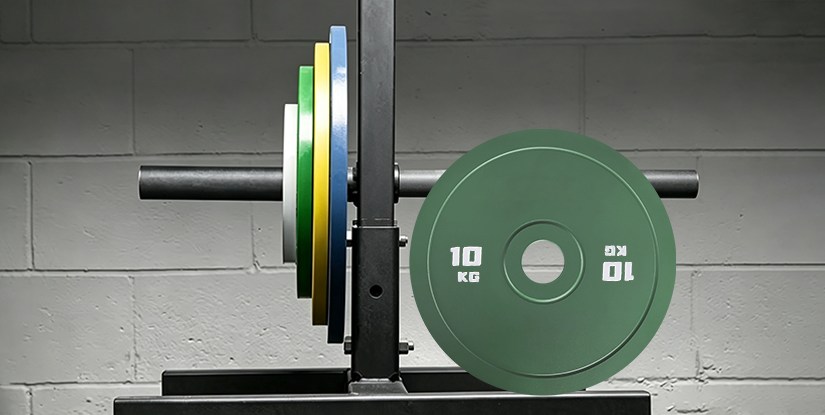
When evaluating the logistics of olympic plate sourcing, the choice between shipping modes dictates both your speed of market entry and your final profit margins. For high-volume importers, understanding the trade-offs between speed and density is essential for accurate procurement planning. While air freight offers rapid delivery for small-scale specialized orders or urgent stock replenishment, the volumetric weight and extreme freight costs usually make it unviable for heavy iron or rubber-coated products. Consequently, most professional distributors rely on sea freight to manage the high weight-to-volume ratio typical of bulk weight plate shipments.
To assist in your procurement modeling, the table below compares standard shipping configurations used by a leading commercial weight plate supplier to optimize container utilization and protect product integrity.
| Shipping Method | Typical Packaging Standard | Logistics Use Case | Landed Cost Impact | Container Loading Efficiency |
|---|---|---|---|---|
| Sea Freight (LCL/FCL) | Heavy-duty palletized shipping with reinforced crates | Bulk wholesale olympic plates and large gym fit-outs | Lowest cost per unit for high-density loads | Maximum; optimized for high-weight capacity |
| Air Freight | Standard reinforced cartons or individual box protection | Small-batch olymptic plate OEM manufacturing samples or urgent restocks | Highest cost due to weight-based surcharges | Low; limited by weight and volume constraints |
| Express Courier | Individual protective boxing and shrink wrapping | Small MOQ testing or single-unit professional orders | Premium cost; best for rapid prototyping | Minimum; not suitable for bulk commercial distribution |
Effective palletized shipping is a core requirement for any factory managing international export. By utilizing standardized pallets and professional protective layering—such as edge guards and heavy-duty film—we ensure that the center of gravity remains stable during the loading and unloading of a shipping container. This structured approach reduces the risk of transit damage and ensures that your sourcing strategy remains cost-effective by minimizing the need for replacement or returns due to shipping-related defects.
Before finalizing your next shipment, we recommend requesting a detailed packing list and a photo of the palletized load from your supplier. This allows you to confirm that the dimensions and protection levels meet your local warehouse receiving standards and will help you calculate a precise landed cost for your distributor margins.
Pre-Shipment Inspection and Container Loading Supervision
The final stage of olympic plate OEM manufacturing involves a rigorous verification process that begins long before the container doors are sealed. For professional buyers, the risk of receiving a shipment with weight discrepancies or damaged finishes is a significant threat to distributor margins. To prevent this, a professional factory implements a multi-step pre-shipment inspection protocol. This includes a systematic weight tolerance check, where a statistical sample of the batch is re-weighed to ensure every plate meets the specified commercial grade within industry-standard deviations. This step is critical to maintain trust with your end-users and ensure compliance with commercial gym standards.
Beyond weight accuracy, the inspection extends to the physical durability of the packaging. Our supplier protocols mandate a strict evaluation of packaging durability, ensuring that the reinforced boxes or wooden crates can withstand the compression of heavy stacking. Once the packaging is verified, container loading supervision is conducted to oversee the physical placement of goods. This process ensures that the weight is distributed evenly across the container floor, preventing shifts in the center of gravity that could lead to structural damage during sea transit. By integrating these high-level QC steps into the final dispatch, we ensure your sourcing results in a safe, efficient, and high-integrity arrival at your destination warehouse.
Strategic Sourcing Checklist for Professional Buyers
Effective olympic plate sourcing requires a rigorous technical audit to ensure long-term commercial durability and predictable landed costs. For distributors and gym operators, the primary risk involves receiving shipments with inconsistent weight profiles or poor material integrity that increases maintenance frequency. A qualified commercial weight plate supplier must demonstrate high-capacity manufacturing and standardized weight calibration protocols to maintain professional standards.
When conducting wholesale olympic plates procurement, buyers should evaluate the China factory based on their ability to manage specific material-to-finish workflows. High-volume orders often require olympic plate OEM manufacturing capabilities to ensure that the center hole diameter remains consistent across various weight denominations, preventing damage to expensive barbell sleeves. Successful sourcing depends on verifying these technical benchmarks before finalizing any MOQ or shipping schedule.
| Material Tier | Primary Process | Commercial Duty | Typical QC Focus |
|---|---|---|---|
| Cast Iron | Sand casting and machining | Standard commercial gyms | Base flatness and bore concentricity |
| Rubber Coated | Encapsulation or dip molding | High-traffic strength facilities | Coating adhesion and edge thickness |
| PU Coated | Polyurethane injection | Premium studios and competition | Color consistency and surface smoothness |
To maximize your return on investment, procurement teams should move beyond surface-level aesthetics and focus on the mechanical durability of each unit. For instance, when evaluating a commercial weight plate supplier, verify whether the casting process includes a precision machining stage for the central bore to ensure a smooth fit on professional barbell sleeves. A lack of concentricity in lower-tier production can lead to uneven weight distribution and increased wear on your barbell hardware, driving up long-term maintenance costs.
The following technical benchmarks are essential for high-volume olympic plate sourcing. Whether you are pursuing a private label solution or standard stock, these factors directly impact your landed cost and distributor margins. If your China factory partner cannot provide clear documentation on their surface finishing or weight tolerance protocols, it may indicate a higher risk of post-delivery disputes or replacement needs.
| Material Type | Surface Finish | Primary Use Case | Procurement Impact |
|---|---|---|---|
| Cast Iron | Powder coating or enamel | Standard commercial strength training | Lower MOQ; ideal for high-volume, budget-conscious distribution |
| Rubber Coated | Vulcanized or dip rubber | High-impact functional training zones | Increased weight-to-volume ratio; better floor protection |
| Polyurethane (PU) | Injection molded coating | Premium studio and competition environments | Highest durability; optimized for long-term lifecycle management |
Before finalizing your next bulk order, we recommend requesting a detailed specification sheet that outlines the specific production sequence—from sand casting to final weight calibration. For large-scale wholesale olympic plates shipments, it is also prudent to confirm the factory's pre-shipment inspection protocols, specifically regarding coating adhesion and carton drop testing, to ensure your inventory arrives in export-ready condition.
Export-Ready Inspection and Branding Precision
Beyond material selection, the final stage of olympic plate sourcing involves verifying the logistics-readiness of your order. For high-volume importers, the greatest hidden cost is often not the unit price, but the damage incurred during ocean freight or the loss of brand equity due to poor branding/logo precision. A professional China factory must treat the finishing of your custom identity with the same technical rigor as the weight calibration itself.
When engaging in olympic plate OEM manufacturing, your pre-shipment inspection (QC) protocol should prioritize three critical areas: branding durability, bore consistency, and packaging integrity. For example, if you are pursuing a private label solution, the logo—whether it is a raised cast relief or a high-grade decal—must withstand high-impact usage and chemical cleaning without peeling or eroding. A failure in branding/logo precision can diminish the perceived value of your brand in the premium commercial market.
Furthermore, ensure your supplier utilizes industry-standard export packaging protocols. For bulk shipments, this typically involves reinforced corrugated cartons and heavy-duty pallets designed to handle the high density and impact risks of iron or rubberized plates. We recommend requesting a video or photographic confirmation of the container loading process and a sample of the carton drop test to ensure your landed cost is not eroded by transit-related breakage or crushed packaging.
Before confirming your next wholesale order, we suggest the following actionable steps to mitigate procurement risk:
- Request a formal specification sheet detailing the coating adhesion and bore tolerance.
- Confirm the MOQ and lead time for custom branding/logo integration.
- Schedule a pre-shipment inspection (QC) focusing on weight spot-checks and packaging strength.
- Verify the factory's capability for specialized export packaging for sea freight.