Olympic Weight Plate Export Supplier: China Source Factory
Olympic Weight Plate Export Supplier: High-Volume Deployment Solutions
When managing large-scale projects such as regional fitness chains, university athletic facilities, or international hotel gym expansions, the complexity of procurement shifts from individual unit quality to total supply chain reliability. A professional olympic weight plate export supplier must provide more than just equipment; they must offer a scalable solution for massive commercial gym deployment. Whether you are outfitting a single boutique studio or a multi-location franchise, the ability to secure consistent batches of high-grade plates is critical to maintaining brand uniformity and operational efficiency across all sites.
For distributors and procurement leads, the challenge often lies in balancing high-volume sourcing requirements with strict quality standards. Relying on a single commercial weight plate manufacturer that lacks the infrastructure for mass production can lead to significant delays in project timelines or inconsistencies in weight calibration. Engaging with a specialized China factory ensures that your order meets the rigorous demands of high-traffic environments while maintaining a predictable landed cost through optimized logistics and production scales.
Successful wholesale olympic plates procurement requires a strategic partnership with a supplier capable of handling diverse specifications under a single contract. From managing specialized MOQ tiers for different plate types to ensuring that custom branding remains consistent across thousands of units, a professional factory acts as an extension of your procurement team. This approach mitigates the risks associated with fragmented sourcing and ensures that your high-volume deployment remains on schedule and within budget.
Material and Coating Selection for Commercial Durability
Selecting the appropriate material for a large-scale facility depends heavily on the intended training environment and the expected lifecycle of the equipment. Procurement professionals must evaluate the trade-offs between traditional cast iron and modern synthetic coatings to optimize the total cost of ownership. For high-impact zones like CrossFit boxes or heavy lifting platforms, durability and floor protection are the primary drivers of the decision.
A professional china fitness equipment factory typically offers several tiers of production, ranging from standard iron plates to premium synthetic-encapsulated options. While cast iron provides a cost-effective solution for traditional strength training, the addition of specialized coatings can significantly reduce maintenance loads and noise levels in multi-use commercial spaces. Choosing the right specification at the sourcing stage prevents premature replacement cycles and high maintenance costs later in the facility's operation.
| Material | Coating Type | Manufacturing Process | Key Component/QC Point | Commercial Duty Tier | Sourcing Context |
|---|---|---|---|---|---|
| Cast Iron | Paint or Enamel | Sand Casting & Machining | Surface Flatness & Rim Smoothness | Budget / Standard Commercial | High-volume wholesale |
| Gray Iron | Powder Coating | Casting & Automated Coating Line | Coating Adhesion & Weight Marking | Standard Commercial / High-Traffic | Standard MOQ requirements |
| Steel Hub | Urethane (PU) | Steel Casting & Injection Molding | Encapsulation Integrity & Hub Center | Premium / Professional Grade | Custom OEM/ODM orders |
| Steel Core | Rubber Encapsulation | Molding & Compression | Thickness Uniformity & Edge Durability | Premium / High-Impact | Specialized bulk procurement |
When evaluating a olympic weight plate export supplier, it is essential to request technical details regarding the coating adhesion and the precision of the weight calibration process. For example, in high-end studio deployments, the uniformity of the polyurethane or rubber layer is a critical inspection point during pre-shipment QC to ensure long-term aesthetic and structural consistency. We recommend that buyers confirm the specific manufacturing route for each SKU to align with their specific facility requirements and budget constraints.
Logistics, Lead Time, and Export Standards for Bulk Procurement
Reliable procurement of wholesale olympic plates requires more than just product selection; it demands a deep understanding of the logistics chain to ensure a predictable landed cost. For large-scale gym deployments, the total cost is heavily influenced by container utilization and the efficiency of the factory in managing shipping volumes. A professional china fitness equipment factory will provide detailed packing specifications, such as the number of units per carton and the total weight per pallet, to help importers optimize sea freight space and reduce per-unit shipping expenses.
Managing the lead time for high-volume orders is a critical component of project management for distributors and facility owners. Large-scale production runs—especially those involving complex processes like steel hub casting or specialized PU molding—require a predictable manufacturing schedule to avoid deployment delays. When sourcing from an olympic weight plate export supplier, it is standard practice to account for both the production duration and the buffer time required for thorough pre-shipment QC and export packaging. This includes verifying the integrity of the weight markings and ensuring the outer coating remains undamaged during transit.
To minimize risk during international sourcing, we recommend establishing a clear protocol for sample approval and factory audit before committing to large-scale wholesale contracts. A transparent supplier should offer clear guidelines regarding MOQ levels for both standard stock items and OEM custom branding requests. By confirming the specific export packaging requirements—such as heavy-duty reinforced cartons or custom crate configurations—you can ensure that your shipment arrives at your warehouse or project site in professional, ready-to-use condition, protecting your margins and your brand reputation.
Material Selection and Manufacturing Processes for Commercial Plates
Selecting a reliable olympic weight plate export supplier requires understanding how raw material composition directly impacts your total cost of ownership. For high-volume gym deployments, importers must choose between density and surface protection to ensure long-term commercial durability. A professional China factory typically offers a tiered selection ranging from traditional cast iron to high-end urethane-encapsulated units to meet different facility requirements.
The manufacturing sequence generally follows a standardized industrial path: raw material casting, precision machining for concentricity, surface treatment, and final weight calibration. When sourcing wholesale olympic plates, the distinction between a budget-tier product and a premium commercial-grade unit lies in the thickness of the coating and the quality of the internal steel hub. A commercial weight plate manufacturer must ensure that the transition between the core material and the outer layer is seamless to prevent delamination during heavy use.
| Material Type | Surface Finish | Primary Manufacturing Process | Commercial Duty Tier | Durability Profile |
|---|---|---|---|---|
| Cast Iron | Powder Coating | Sand Casting & Machining | Standard Commercial | High impact resistance; prone to chipping if dropped |
| Steel Core | Rubber or PU Coating | Centrifugal Casting & Molding | Premium/High-Volume | Excellent floor protection; high impact absorption |
| Gray Iron | Enamel or Paint | Die Casting | Budget/Studio | Good for static weight; lower impact durability |
For distributors managing large-scale inventory, understanding these material trade-offs is essential for calculating landed costs and replacement cycles. Whether you require a China factory capable of OEM production for branded bumper plates or standard wholesale orders for weight lifting platforms, verifying the coating adhesion and base flatness is a critical sourcing step during pre-shipment inspection.
Technical Optimization: Casting and Surface Finishing
The choice between sand casting and CNC machining determines the precision of the inner ring diameter and the overall concentricity of the plate. In many commercial settings, a high-quality olympic weight plate export supplier will utilize sand casting for the initial shape of the iron core, followed by precision machining to ensure the center hole is perfectly calibrated for standard Olympic barbells. This step is vital for preventing uneven wear on your high-end barbell sleeves, which protects your long-term capital expenditure.
Surface treatment is another critical variable in the procurement decision. While powder coating offers a rugged, textured finish that resists scratches in high-traffic strength zones, PU coating provides a smoother, more premium tactile experience often required for boutique studio environments. When coordinating with a commercial weight plate manufacturer, importers should verify if the coating process includes a specialized adhesion stage to prevent peeling or bubbling under heavy impact. A well-executed coating ensures the plate maintains its professional appearance throughout its service life, reducing the frequency of replacement and maintaining the visual standards of your facility.
Pre-Shipment QC and Export Packaging Standards
For distributors and large-scale gym operators, the risk of receiving damaged or non-compliant inventory can significantly increase the landed cost of a shipment. To mitigate this, a professional olympic weight plate export supplier must implement a rigorous pre-shipment QC protocol. This process typically involves a three-stage verification: first, a weight calibration check to ensure each unit falls within the industry-standard tolerance; second, a concentricity inspection to confirm the plate is perfectly balanced; and third, a manual surface check to verify coating adhesion and the absence of structural defects in the casting.
Effective logistics management also relies heavily on specialized export packaging. Because high-volume wholesale olympic plates are heavy and prone to surface abrasion during sea freight, a reliable China factory will utilize heavy-duty corrugated boxes or custom-sized wooden crates. Ensuring that plates are stacked securely with protective dividers prevents the friction that often leads to chipped edges or ruined finishes. When negotiating your next bulk order, confirm that the packaging specifications are optimized for container loading efficiency to maximize your shipping volume and protect your distributor margins.
Optimizing Throughput with Professional Grade Weight Sets
For high-traffic fitness facilities, the durability of weight sets directly dictates long-term operational efficiency. When managing a high-volume gym, equipment wear and tear can rapidly increase maintenance costs and disrupt training flow. Selecting a professional olympic weight plate export supplier ensures that your procurement is focused on assets that withstand constant impact and high turnover. Relying on a specialized China factory for your bulk requirements allows for better control over the total cost of ownership and long-term ROI.
Standard retail-grade plates often fail under the rigors of commercial use, leading to premature surface degradation or weight imbalances. To mitigate these risks, distributors and gym owners should prioritize wholesale olympic plates produced through standardized industrial processes. Sourcing directly from a commercial weight plate manufacturer provides the necessary advantage in securing high-density materials and consistent finishes that are essential for maintaining a professional facility's standard of excellence.
Material Selection and Technical Specifications for Commercial Deployment
Choosing the correct material is a critical procurement decision that affects both your initial landed cost and the long-term maintenance of the facility. For large-scale gym deployments, the choice between cast iron and rubber-encapsulated units often depends on the specific training environment and the required level of floor protection. While cast iron is highly durable for strength-focused zones, rubber or PU-coated plates are essential for high-impact areas to reduce noise and vibration.
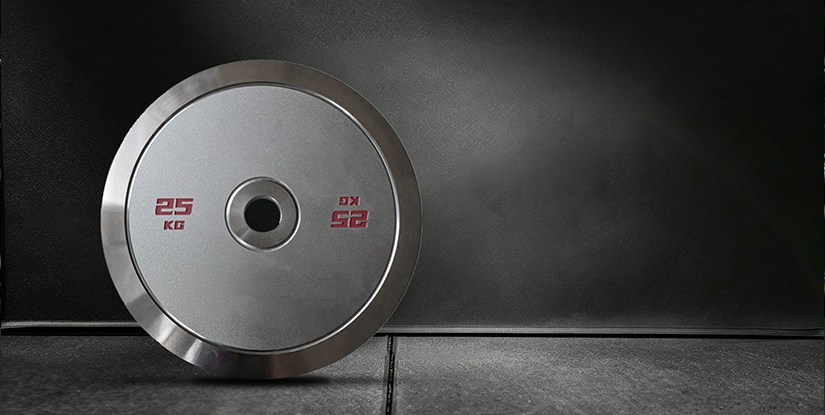
A professional commercial weight plate manufacturer will typically offer several tiers of production to meet different facility budgets and usage intensities. Below is a technical comparison to assist in your sourcing strategy.
| Material Type | Surface Coating | Primary Process | Key Component/QC Point | Commercial Duty | MOQ Impact |
|---|---|---|---|---|---|
| Cast Iron | Powder Coating or Enamel | Sand Casting & Machining | Base Flatness & Weight Calibration | Standard Strength/Budget | Lower |
| Rubber Coated | Vulcanized Rubber/PU | Compression Molding | Coating Adhesion & Hub Integrity | High-Impact/Crossfit | Moderate |
| Steel Hub Bumper | Vinyl or PU Dip | Injection/Dip Coating | Inner Ring Concentricity | Premium/Competition | Higher |
When evaluating an olympic weight plate export supplier, it is vital to understand how these manufacturing routes affect your inventory. For instance, cast iron plates produced via sand casting are cost-effective for traditional weight rooms, whereas molded rubber plates require more complex production cycles but offer superior longevity in high-velocity environments. We recommend requesting a sample or a detailed specification sheet to confirm the surface coating quality and the thickness of the protective layers before finalizing any bulk order.
Strategic Sourcing and Export Logistics Management
Efficient large-scale procurement requires more than just selecting a high-quality product; it requires a partner capable of managing complex global supply chains. For distributors and facility developers, the primary risks involve unpredictable lead times and shipping damage. A reliable olympic weight plate export supplier mitigates these issues by providing standardized export packaging and rigorous pre-shipment protocols designed for long-distance transit.
When ordering wholesale olympic plates, the complexity of the logistics chain increases with the total volume. To ensure your China fitness equipment factory partnership remains profitable, you must align on technical requirements such as container loading optimization and palletization standards. A professional factory will offer scalable solutions, from customized crate configurations to specialized labeling, ensuring that your shipment arrives at the destination warehouse with minimal loss or structural damage. We recommend that buyers confirm the specific MOQ and detailed lead time for their specific volume tier during the initial RFQ phase to maintain project timelines and optimize inventory turnover.
China Factory Production and Quality Control Standards
When sourcing high-volume equipment, the reliability of your olympic weight plate export supplier depends entirely on the rigor of their manufacturing sequence. A professional China factory must move beyond simple casting to ensure that every batch meets the durability requirements of commercial gyms and distributors. High-quality production involves a disciplined transition from raw material to a finished, calibrated product ready for global export.
The production lifecycle typically begins with high-grade sand casting or centrifugal casting to create the base plate structure. Following the initial pour, the units undergo precision machining to ensure the center bore is perfectly aligned. This stage is critical for preventing wobbling during high-intensity use. After machining, the plates move to surface finishing, where they receive either a phosphate treatment, powder coating, or rubber encapsulation to prevent oxidation and improve floor protection.
The Multi-Stage Manufacturing and QC Sequence
To maintain consistent margins for importers, a commercial weight plate manufacturer must implement a multi-layer inspection protocol. This prevents the high cost of returns and replacement planning caused by uneven weight distribution or poor coating adhesion. A reliable China fitness equipment factory integrates quality checks at every transition point in the assembly line.
| Production Stage | Primary Process | Key QC Inspection Point | Commercial Impact |
|---|---|---|---|
| Initial Shaping | Sand Casting | Base flatness and structural integrity | Reduces long-term replacement costs |
| Precision Refinement | CNC Machining | Concentricity check and bore alignment | Ensures smooth plate transitions |
| Surface Treatment | Powder Coating / Rubber Molding | Coating adhesion and surface uniformity | Enhances durability and aesthetic value |
| Final Calibration | Weight Calibration | Weight tolerance spot-check | Maintains professional standard accuracy |
| Pre-Shipment | Final Inspection | Packaging integrity and count verification | Optimizes landed cost and shipping safety |
For distributors managing wholesale olympic plates, the final pre-shipment inspection is the most vital step. This stage verifies not only the product specifications but also the export packaging durability. Ensuring that plates are securely palletized and protected against moisture during sea freight is essential for minimizing damage and maintaining a low total cost of ownership for the end-user.
When sourcing high-volume equipment, the reliability of your olympic weight plate export supplier depends entirely on the rigor of their manufacturing sequence. A professional China factory must move beyond simple casting to ensure that every batch meets the durability requirements of commercial gyms and distributors. High-quality production involves a disciplined transition from raw material to a finished, calibrated product ready for global export.
The production lifecycle typically begins with high-grade sand casting or centrifugal casting to create the base plate structure. Following the initial pour, the units undergo precision machining to ensure the center bore is perfectly aligned. This stage is critical for preventing wobbling during high-intensity use. After machining, the plates move to surface finishing, where they receive either a phosphate treatment, powder coating, or rubber encapsulation to prevent oxidation and improve floor protection.
OEM and Private Label Customization for Global Distributors
Distributors and gym equipment importers often face the challenge of market saturation with generic, unbranded products. To differentiate a product line and build long-term brand equity, transitioning from standard stock to a customized olympic weight plate export supplier model is essential. By leveraging professional OEM and ODM services, you can move beyond simple commodity trading to establishing a specialized brand identity in your local market.
A reliable China factory provides more than just bulk manufacturing; they offer a complete solution for private label development. This includes high-level custom branding options such as precision laser-etched logos, embossed weight markings, or specialized silk-screened color-coding for rapid weight identification. Whether you require specific color/material customization—such as transitioning from standard cast iron to high-grade PU-coated finishes—or unique dimensions for a niche studio, a specialized commercial weight plate manufacturer can align production with your specific market positioning.
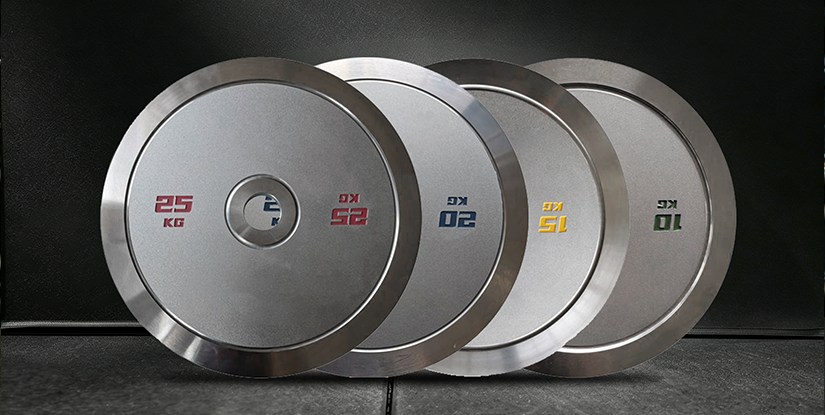
Successful sourcing strategies often depend on balancing these customization depth requirements with a realistic MOQ. While standard stock orders offer faster lead times, wholesale custom runs allow for greater control over the final aesthetic and functional specifications of your equipment line. This capability ensures that your brand identity remains consistent across all product categories, from basic strength tools to premium competition-grade plates.
Customization Tiers for Commercial Sourcing
When negotiating with an olympic weight plate export supplier, it is critical to understand how the depth of customization impacts your landed cost and production schedule. Professional buyers must decide between purchasing standard stock for immediate deployment or investing in a customized production run to build a unique product line. The following comparison outlines the typical technical and logistical trade-offs encountered during the sourcing process.
| Customization Level | Material & Coating Options | Branding & Aesthetics | Typical MOQ Impact | Lead Time & Logistics |
|---|---|---|---|---|
| Standard Wholesale | Commonly cast iron or standard rubberized finishes | Generic weight markings or factory-standard logos | Lower; suitable for small-scale studio replenishment | Faster; utilizes existing factory stock and ready-to-ship containers |
| Professional OEM | Choice of specific colors, PU coating, or specialized finishes | Custom laser-etched or embossed brand logos | Moderate; requires specific production runs | Standard production cycles plus shipping lead times |
| Full ODM / Private Label | Complete control over material grade, hub design, and thickness | Full brand identity integration and custom packaging | Higher; tailored to large-scale distributor volumes | Longer; includes R&D, tooling, and specialized pre-shipment QC |
For distributors seeking to scale, a commercial weight plate manufacturer can offer varying degrees of technical support. For instance, while a basic order might only allow for color-coded silk-screened markings, a high-level ODM request might involve adjusting the base flatness or the thickness of the rubber/PU encapsulation layer to meet specific commercial durability standards. While these advanced specifications increase the MOQ and extend the initial lead time, they significantly enhance the long-term value and marketability of your branded equipment line.
Technical Quality Control and Production Workflow
Achieving consistent high-volume output requires a rigorous manufacturing sequence that a professional China fitness equipment factory follows to mitigate the risk of defective batches. For specialized orders, the process begins with raw material selection—typically high-grade gray iron or specialized steel—followed by precision casting or machining to ensure the concentricity of the center hub. This foundational stage is critical, as any deviation in the inner ring diameter can lead to fitment issues on standard Olympic barbells during heavy commercial use.
Once the base structure is finalized, the weight calibration process begins. In a professional wholesale setting, plates undergo strict weight-check protocols to ensure they fall within industry-standard tolerance bands. Following calibration, the surface treatment phase—such as applying a high-durability powder coating or a specialized PU layer—is monitored for coating adhesion. This prevents premature peeling or cracking under the high-impact conditions typical of a commercial gym environment. Finally, the branding stage, whether through logo embossing or precision silk-screening, is completed before the final pre-shipment inspection. This multi-step workflow ensures that every unit delivered to a distributor meets the high expectations of the global fitness market.
Sourcing Logistics and Bulk Order Management
For global distributors and large-scale gym developers, the complexity of managing international shipments often outweighs the initial product selection. Navigating the nuances of international freight, container optimization, and inventory timelines is essential to maintaining healthy distributor margins. When you partner with a professional olympic weight plate export supplier, the focus shifts from simple purchasing to strategic supply chain management, ensuring that your bulk shipments arrive on schedule and within budget.
Efficiently managing wholesale olympic plates requires more than just placing an order; it requires a deep understanding of how volume affects the total landed cost. A professional China fitness equipment factory provides value by optimizing the physical footprint of every shipment. This includes precise palletization strategies and maximizing container loading efficiency to reduce the per-unit shipping cost, which is a critical factor for high-volume gym deployments and long-term profitability.
Optimizing Lead Time and Shipping Efficiency
The volatility of global logistics means that a predictable lead time is one of the most valuable assets a supplier can offer. For large-scale projects, delays in even a single container can stall an entire facility opening. To mitigate this, professional manufacturers implement rigorous production scheduling and pre-shipment QC protocols to ensure that goods are ready for dispatch exactly when the vessel is booked.
Effective sourcing strategies also involve evaluating the MOQ against the logistical benefits of full container loads (FCL). While smaller orders may offer flexibility, shipping full containers significantly improves the landed cost by maximizing the volume-to-freight ratio. A competent manufacturer will assist in calculating the optimal mix of product weights and quantities to ensure that no space is wasted within the container, thereby protecting your capital efficiency.
Evaluating Sourcing Models: Direct Factory vs. Trading Company
Distributors must decide between the high-volume efficiency of a direct factory and the variety offered by third-party entities. Selecting the right commercial weight plate manufacturer depends on whether your priority is specialized customization or a broad, multi-product catalog. For those seeking deep OEM or ODM integration, working directly with a China factory typically offers the most transparent control over production timelines and technical specifications.
The following table compares common B2B procurement paths to help you evaluate the best model for your inventory requirements and profit margins:
| Sourcing Model | Primary Focus | OEM/ODM Capability | Typical MOQ | QC Oversight | Distributor Margin Potential |
|---|---|---|---|---|---|
| Direct Factory | Volume & Cost Efficiency | High/Specialized | Higher | Direct Factory Inspection | Maximum |
| Trading Company | Product Variety | Limited/Standardized | Lower/Flexible | Third-Party Managed | Moderate |
| Tier-One Manufacturer | Premium Quality & Branding | High/Custom Branding | Strict | Rigorous Pre-shipment QC | Stable/Premium |
When calculating your total investment, remember that a direct supplier can often provide more granular data regarding production stages, which reduces the risk of unexpected quality deviations during transit. Whether you are managing a single gym deployment or a regional distribution network, aligning your sourcing strategy with a partner that offers clear MOQ tiers and robust export support is essential for long-term scalability.
Export Packaging and Pre-Shipment Quality Control
The integrity of a bulk shipment depends heavily on the final stages of the production cycle. For a professional olympic weight plate export supplier, the responsibility extends beyond the casting floor to the rigorous requirements of international transit. High-density weight plates are susceptible to surface abrasions and coating damage if the export packaging is insufficient. To protect your investment and ensure products arrive in retail-ready condition, a high-standard China factory implements multi-layered protection, including reinforced corner guards and heavy-duty corrugated dividers.
To ensure sea freight readiness, a disciplined pre-shipment inspection protocol is mandatory. This process typically includes a weight tolerance spot-check to verify that every unit meets the specified commercial grade without deviation. Furthermore, technicians perform a coating adhesion test to ensure the paint or rubber finish will not chip or peel during the vibration and temperature fluctuations of long-haul ocean freight. Professional palletization—utilizing heat-treated wood or heavy-duty plastic pallets—is essential to prevent shifting and structural failure within the container. By prioritizing these technical QC steps, a reliable commercial weight plate manufacturer minimizes the risk of transit-related claims and protects your distributor margins.