Olympic Weight Plate OEM Factory: China Source Factory
The Economic Impact of Sourcing an Olympic Weight Plate OEM Factory
Distributors often face a critical choice between purchasing from high-markup trading companies or establishing a direct line with an olympic weight plate OEM factory. Relying on middleman traders frequently leads to inflated landed costs and unpredictable quality variations, whereas direct sourcing from a specialized China factory allows for precise control over both product specifications and profit margins. By eliminating intermediary markups, professional buyers can secure more competitive bulk pricing and ensure that their inventory meets specific commercial-grade standards.
For large-scale distributors and warehouse operators, the ability to manage the landed cost effectively is the difference between a high-margin product line and a logistical burden. When you engage with a commercial weight plate manufacturer, you gain the ability to negotiate MOQ levels that align with your warehouse capacity and seasonal demand. This direct relationship optimizes the supply chain, allowing for better forecasting and the ability to scale orders based on market shifts without the volatility typically introduced by third-party distributors.
Optimizing your distributor margin requires more than just finding the lowest price; it requires a partner capable of high-volume wholesale production with consistent precision. A professional olympic weight plate OEM factory provides the scalability needed to move from small-batch specialty orders to high-volume wholesale olympic plates China exports. This strategic advantage ensures that your brand can offer premium, calibrated equipment to gym owners and professional facilities while maintaining a healthy bottom line through optimized production efficiency.
Comparing Sourcing Models for Distribution Efficiency
Understanding the structural differences between various supply chains is essential for long-term profitability. While trading companies offer convenience, they often lack the technical oversight required for high-precision items. In contrast, a professional olympic weight plate OEM factory provides the direct oversight necessary for maintaining strict weight tolerances and surface finish consistency across large-scale shipments.
The following table illustrates how different procurement routes impact your operational efficiency and ability to scale your inventory through direct sourcing.
| Procurement Dimension | Trading Company Model | Direct China factory Model |
|---|---|---|
| Price Structure | Includes intermediary markup | Direct wholesale pricing |
| Customization Capability | Limited to existing stock | Full OEM and ODM support |
| Lead Time Control | Dependent on trader's stock | Direct production scheduling |
| Quality Oversight | Third-party inspection only | Direct factory QC involvement |
| Procurement Efficiency | Variable and fragmented | Streamlined single-source supplier |
For warehouse owners, the primary advantage of working with a commercial weight plate manufacturer is the predictability of the lead time and the ability to implement custom branding. When you bypass the middleman, you reduce the risk of receiving inconsistent batches that could damage your reputation. Instead, you can establish a standardized workflow—from initial MOQ agreement to final pre-shipment inspection—ensuring that every unit of wholesale olympic plates China meets your specific commercial requirements for weight calibration and durability.
Protecting Long-Term ROI Through Quality Control
In the commercial fitness sector, the true cost of a product is not just the initial purchase price, but the total cost of ownership. Low-quality plates often suffer from uneven weight distribution, surface degradation, or bore inconsistencies, leading to high replacement costs and frequent maintenance requests from end-users. By prioritizing a rigorous quality control protocol during the manufacturing process, distributors can protect their long-term ROI and maintain a reputation for reliability.
A professional olympic weight plate OEM factory implements multi-stage inspection routines—from the initial casting stage to the final weight calibration—to ensure every unit meets industry-standard commercial specifications. This level of oversight reduces the frequency of returns and prevents the logistical headaches associated with defective inventory. For those managing high-traffic gym facilities or large-scale distribution networks, investing in precision-machined products from a reliable supplier ensures that the equipment remains a durable asset rather than a recurring expense.
When evaluating your next bulk order, we recommend requesting a detailed specification sheet and discussing specific QC checkpoints with your production partner. Whether you are looking for custom branding or high-volume wholesale shipments, confirming the calibration process and surface finish standards upfront will ensure your procurement strategy supports both immediate margins and long-term commercial durability.
Material Integrity and Precision in Commercial Weight Plate Manufacturing
For distributors and gym owners, the technical discrepancy between a standard casting and a precision-machined unit can significantly impact long-term TCO and equipment lifespan. When sourcing high-volume orders, understanding the metallurgical and mechanical differences is essential to avoid the high replacement costs associated with unevenly weighted or poorly centered plates. A professional olympic weight plate OEM factory focuses on the structural integrity of the core material to ensure that every unit meets the rigorous demands of high-traffic commercial environments.
Reliable wholesale olympic plates China production typically utilizes high-density cast iron or solid steel to provide the necessary density and durability. The manufacturing sequence begins with precision casting, followed by specialized machining processes to ensure the center bore maintains perfect concentricity. Without these rigorous steps, plates may exhibit "wobble" during high-velocity movements, leading to increased wear on barbell sleeves and potential safety risks for the end-user. A qualified commercial weight plate manufacturer will implement a strict weight calibration protocol, utilizing CNC machining to shave or add material until the plate reaches its target weight within industry-standard tolerances.
Commercial-Grade Material and Precision Comparison
| Material Base | Primary Process | Key Component Detail | Commercial Duty Tier | Sourcing Benefit |
|---|---|---|---|---|
| Cast Iron | Sand Casting & Machining | Smooth Bore Interface | Standard Commercial | Optimized for Bulk wholesale |
| Solid Steel | Forging & CNC Machining | High Precision concentricity | Premium/Competition | Long-term Durability |
| Rubber/PU Coated | Molding or Dip Coating | Bond Line Adhesion | High-Impact/Bumper | Floor Protection/Noise Reduction |
Selecting the right olympic weight plate OEM factory involves more than just comparing unit prices; it requires a technical audit of their QC capabilities. Importers should verify whether the factory performs automated weight checks or manual calibration, as the consistency of the center bore determines the professional feel of the entire weight set. When managing bulk procurement, ensuring that the China factory utilizes standardized surface finishing—such as powder coating or phosphate treatment—will prevent premature oxidation and maintain the aesthetic value of your brand's inventory.
The choice between different surface treatments and core materials directly dictates the maintenance load and the eventual landed cost for your clients. For instance, a high-quality commercial weight plate manufacturer must ensure that the bond line between the core and the outer layer is seamless. In premium bumper plate production, the use of high-grade urethane or specialized rubber molding provides superior impact resistance compared to basic vinyl dips. This distinction is vital for distributors targeting high-end fitness centers where equipment longevity and floor protection are non-negotiable performance metrics.
Beyond the core, the surface finishing process serves as a critical defense against environmental wear. While standard iron plates often rely on a simple phosphate treatment, professional-grade units frequently undergo a rigorous powder coating process. This application provides a thick, durable layer that resists chipping and oxidation, even in high-humidity commercial settings. When evaluating an olympic weight plate OEM factory, procurement leads should confirm if the coating adhesion is tested to prevent the peeling that often occurs with lower-tier production methods. This level of technical detail ensures that the product maintains its professional appearance, supporting the long-term brand identity of the importer or studio operator.
For professional importers, the final risk factor in the procurement cycle is not the manufacturing itself, but the lack of a standardized pre-shipment QC protocol. A single batch of inconsistent plates can damage a distributor's reputation and lead to costly returns. To mitigate these risks, a leading olympic weight plate OEM factory must provide transparent documentation regarding weight tolerance, surface finish quality, and coating adhesion. When managing large-scale wholesale orders, it is standard practice for buyers to request a detailed inspection report or even book a third-party audit to verify that the center bore and weight accuracy meet the agreed-upon specifications before the container is sealed.
Effective sourcing also requires a deep understanding of how export packaging influences the final landed cost and product condition upon arrival. High-volume shipments of heavy iron or rubber-coated plates require reinforced, heavy-duty packaging to prevent edge damage and oxidation during sea freight. A reliable commercial weight plate manufacturer will utilize specialized palletizing and corner protection to ensure the integrity of the shipment. For distributors, optimizing the loading density within a 20ft or 40ft container is essential for maximizing shipping efficiency and reducing the per-unit freight cost, which is a critical component of the total procurement budget.
Navigating the complexities of international logistics involves more than just selecting a factory; it requires aligning on MOQ, lead time, and shipping terms. Whether you are pursuing a OEM solution for a private label brand or ordering stock units, clear communication regarding production cycles is vital for inventory planning. We recommend that procurement leads confirm the exact production lead time and the availability of customized export packaging during the initial quote phase. This proactive approach ensures that your supply chain remains resilient and that your inventory arrives at your warehouse in professional, retail-ready condition.
Critical Calibration and Machining Standards for High-Volume Orders
In large-scale procurement, even minor deviations in weight can lead to significant commercial liability and uneven wear on barbell sleeves. A professional olympic weight plate OEM factory must implement rigorous calibration protocols to ensure every unit meets strict commercial-grade standards. When managing bulk order risks, distributors often face the issue of inconsistent plate thickness or uneven weight distribution, which compromises the user experience and equipment longevity.
To mitigate these risks, high-tier manufacturing involves advanced precision machining and CNC processes. Rather than relying solely on basic sand casting, a reputable commercial weight plate manufacturer utilizes specialized machining to refine the center bore and the outer diameter. This ensures perfect concentricity and a smooth fit on Olympic barbells, preventing the wobbling that often occurs with lower-quality wholesale olympic plates China production. Maintaining a tight weight tolerance is not merely about accuracy; it is about ensuring product uniformity across thousands of units in a single shipment, protecting your brand reputation and reducing the total cost of ownership for your clients.
Machining Precision and Calibration Tiers
The difference between a budget-tier unit and a high-performance plate often comes down to the level of post-casting refinement. For professional distributors, understanding these technical distinctions is essential for selecting a olympic weight plate OEM factory that can provide consistent results across massive shipments. While basic casting may suffice for low-intensity settings, commercial environments demand a level of technical precision that prevents equipment imbalance and reduces maintenance frequency.
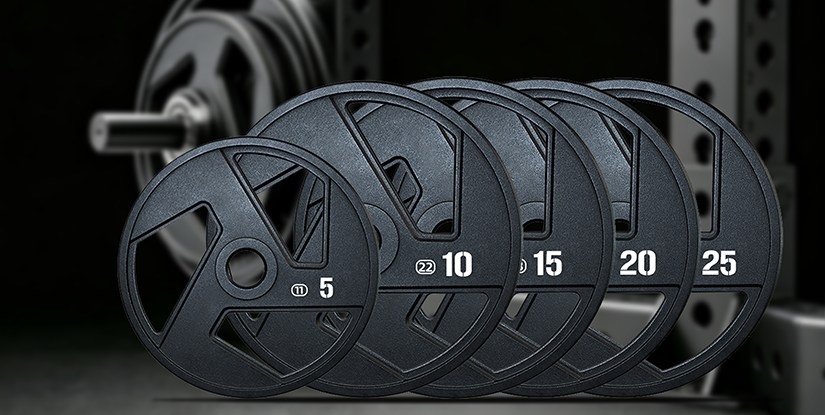
A high-standard commercial weight plate manufacturer will typically employ a multi-stage process involving centrifugal casting or specialized CNC machining to refine the center bore and outer diameter. This stage is critical for ensuring concentricity—the ability of the plate to rotate smoothly on a barbell without wobbling. Without this precision, the uneven weight distribution can cause premature wear on barbell sleeves, increasing the long-term maintenance load for gym operators and decreasing the overall ROI of the equipment set.
| Material & Process | Key Component Detail | Commercial Duty Tier | Procurement Benefit | Factory QC Point |
|---|---|---|---|---|
| Sand Casting + Basic Coating | Standard center bore | Budget / Entry-Level | Low initial landed cost | Visual surface uniformity |
| Centrifugal Casting + Machining | Refined concentricity | Standard Commercial | Balanced weight distribution | Bore diameter consistency |
| Precision CNC + Multi-Layer Coating | High-tolerance Olympic collar fit | Premium / Competition | Maximum durability & smoothness | Weight tolerance spot-check |
When evaluating your next batch of wholesale olympic plates China, we recommend inspecting the center bore and the thickness uniformity. A reliable supplier will provide documentation or sample approval processes that verify these technical specs. For large-scale sourcing, ensuring that the factory utilizes controlled calibration steps will protect your distributor margins by minimizing the rate of returns and complaints regarding weight discrepancies or fitment issues.
When managing high-volume procurement, the technical gap between a standard unit and a professional-grade component determines your long-term replacement frequency. A professional supplier understands that for distributors, the goal is to minimize the total cost of ownership through material consistency and mechanical accuracy.
The refining process must be integrated into the production line to ensure that every unit in a containerized shipment behaves identically. High-tier sourcing strategies should prioritize manufacturers that treat the center bore and outer diameter as critical mechanical interfaces rather than mere aesthetic features. This focus on engineering prevents the common failure mode of uneven weight distribution, which can damage high-end barbell sleeves and increase maintenance costs for your end-users.
To ensure complete transparency during your next bulk order, we suggest requesting a detailed technical spec sheet or a sample evaluation. A professional factory will be able to confirm their specific calibration protocols and the level of machining used for the Olympic collar fit. Confirming these details, alongside the required MOQ and lead time, ensures your shipment meets the exact commercial standards required for your market.
Mitigating Procurement Risks with Professional Factory QC
For distributors and large-scale gym operators, the primary goal of sourcing from an olympic weight plate OEM factory is to ensure consistent product integrity across high-volume shipments. Without rigorous oversight, bulk orders often suffer from invisible defects that escalate landed costs through returns and client dissatisfaction. A professional commercial weight plate manufacturer mitigates these procurement risks by implementing multi-stage verification protocols that protect your distributor margins.
Effective wholesale olympic plates China sourcing requires more than just a low unit price; it demands strict control over weight tolerance and material calibration. During the production sequence—moving from sand casting to final surface finishing—discrepancies in density or uneven weight distribution can lead to unbalanced sets. Furthermore, without a standardized pre-shipment inspection, buyers face the high cost of shipping damage or receiving units with poor concentricity. By auditing the China factory during the final calibration and packaging stages, importers ensure that every batch meets the structural and dimensional standards required for professional commercial environments.
Technical Inspection Points for High-Volume Orders
To maintain a high-performance standard, a professional olympic weight plate OEM factory must focus on specific mechanical and aesthetic benchmarks during the final stages of production. For a commercial weight plate manufacturer, quality is not just about the weight itself, but the precision of the structural components that ensure long-term commercial durability.
During the pre-shipment inspection, technical auditors typically focus on three critical dimensions: concentricity, dimensional accuracy, and surface coating adhesion. A high-quality wholesale olympic plates China order should demonstrate perfect circularity to prevent wobbling during high-intensity use. This requires precise CNC machining of the center bore to ensure a smooth, consistent fit on Olympic barbells. Furthermore, the weight calibration process must be verified through spot-checks to ensure that the density of the cast iron or steel remains uniform across the entire diameter. Finally, the surface coating adhesion must be tested to ensure that the powder coating or rubber layer will not peel or crack under heavy impact, which is a common failure mode in lower-tier production environments.
Beyond the physical product, the export packaging protocol is a vital component of the QC process. For wholesale distributors, the risk of transit damage is high if the factory does not utilize reinforced, moisture-resistant packaging. Standardized export packaging should include heavy-duty corrugated boxes and protective corner reinforcement to secure the weight plates during sea freight, minimizing the risk of dented edges or compromised logo visibility upon arrival at your warehouse.
| Inspection Stage | Focus Area | Commercial Standard | Impact on Landed Cost |
|---|---|---|---|
| Post-Machining | Bore Concentricity | Smooth, uniform fit for Olympic barbells | Reduces returns due to uneven plate rotation |
| Final Calibration | Weight Tolerance | Consistent density across the batch | Protects distributor margins and client trust |
| Surface Finishing | Coating Adhesion | Durable powder coating or rubber encapsulation | Lowers long-term maintenance and replacement costs |
| Pre-Loading | Export Packaging | Reinforced heavy-duty corrugated protection | Minimizes shipping damage and transit claims |
Evaluating these technical benchmarks allows professional buyers to move beyond simple price-per-unit metrics and focus on total cost of ownership. When you finalize your sourcing strategy, we recommend requesting a detailed spec sheet or a sample approval process to verify these QC standards firsthand. Whether you require custom OEM specifications or standard wholesale volumes, confirming these inspection protocols with your factory ensures a seamless transition from production to your local distribution network.
Customization Capabilities: OEM and Private Label Solutions
For distributors and global gym chains, establishing a unique market position requires more than just standard inventory. A professional olympic weight plate OEM factory provides the infrastructure necessary to transform generic equipment into a branded asset. Whether you are launching a boutique fitness line or expanding a regional distribution network, leveraging OEM and ODM services allows you to align your physical products with your specific brand identity.
The scope of customization at a specialized commercial weight plate manufacturer extends far beyond simple aesthetics. We offer comprehensive solutions for private label development, ensuring that every unit reflects your quality standards. This includes high-precision logo embossing directly into the metal or high-durability color customization via specialized coating processes. Such details are critical for professional distributors looking to increase their perceived value and brand recognition in competitive markets.
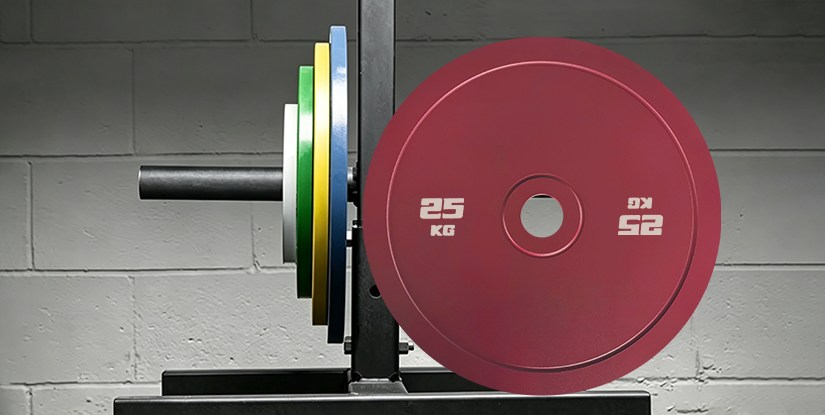
To maintain operational efficiency and manage your landed cost, we provide clear guidelines regarding MOQ and production lead times for all customized orders. From selecting specific base materials to finalizing the final surface finish, our wholesale customization process is designed to scale with your business growth. We assist importers in navigating the transition from standard stock to a fully branded product line through rigorous sample approval and technical consultation.
Customization Tiers for Global Importers
Understanding the distinction between standard procurement and full-scale branding is essential for optimizing your procurement budget. A professional olympic weight plate OEM factory typically offers tiered customization levels to balance brand identity with cost-efficiency. For distributors managing high-volume inventory, choosing the correct tier ensures a predictable lead time and manageable MOQ requirements.
| Customization Tier | Branding & Visual Options | Material & Finish Flexibility | Typical Sourcing Use Case | MOQ Impact |
|---|---|---|---|---|
| Standard Wholesale | Standard logo casting or basic color | Standard cast iron or rubberized finish | Rapid restocking for retail/gyms | Lower |
| Enhanced Private Label | Precision color coating & stencil logo | Choice of specialized coating types | Mid-tier fitness studio branding | Moderate |
| Full OEM Solution | Full custom mold, embossed logo, & bespoke colors | Custom alloy specs & high-end PU/Urethane | Premium global distributor launches | Higher |
When sourcing wholesale olympic plates China, the depth of your ODM request directly influences the production cycle. For example, a simple change in the color of a powder coating is significantly faster than developing a new casting mold for a unique logo shape. We recommend that procurement leads conduct a thorough sample evaluation for any customized tier to verify coating adhesion and weight consistency before committing to a full-scale production run. This proactive approach minimizes the risk of receiving products that do not meet your brand's specific commercial-grade expectations.
Technical Execution and Precision Standards
Achieving high-tier commercial standards requires strict adherence to technical workflows that go beyond basic casting. A professional olympic weight plate OEM factory utilizes specialized machinery to ensure every unit meets international commercial-grade expectations. The production sequence typically moves from raw material casting to advanced CNC machining, which is essential for refining the center bore. This precision step ensures a perfect Olympic collar fit and maintains high concentricity, preventing the wobbling or uneven loading that can damage expensive barbells in a high-traffic gym environment.
For distributors focused on premium branding, the technical execution must also address surface integrity. We employ high-grade surface finishing techniques, such as specialized powder coating or polyurethane application, to ensure long-term durability. During the weight calibration phase, each plate undergoes rigorous checking to ensure weight distribution is uniform across the entire surface. This level of detail is a critical QC requirement for any China factory supplying high-end commercial facilities, where weight accuracy and structural balance are non-negotiable for athlete safety and equipment longevity.
To guarantee that your branded products arrive in top condition, our export-ready protocols include detailed inspection of the logo precision and coating adhesion. This ensures that your custom branding remains intact even under heavy use. By choosing a factory-direct customization route, procurement managers can better control the technical specifications of their products, ensuring that the final landed cost reflects a high-value, professional-grade asset rather than a generic commodity.
Optimizing Logistics and Export Packaging for Global Distribution
Efficient distribution is a critical pillar of a successful procurement strategy when sourcing from an olympic weight plate OEM factory. For distributors and gym equipment importers, the true cost of a shipment is not just the unit price, but the total landed cost, which includes freight, duties, and potential losses from transit damage. Managing bulk orders requires a sophisticated approach to logistics to ensure that high-density steel and rubber products arrive in pristine condition without unnecessary volumetric weight charges.
A professional commercial weight plate manufacturer understands that weight plates are heavy, high-density items that can easily damage standard packaging or shift during sea freight. To mitigate these risks, we implement rigorous export packaging standards designed specifically for long-haul maritime transport. This includes heavy-duty palletization and reinforced outer casing to protect the integrity of the plates and the central bore during handling.
Optimizing sea freight optimization is essential for maintaining competitive distributor margins. By utilizing standardized pallet dimensions and efficient container loading patterns, we help buyers maximize every cubic meter of container space. This systematic approach to shipping safety ensures that your wholesale olympic plates China shipment arrives at your warehouse or distribution center with minimal breakage, reducing the need for costly replacements and ensuring your sourcing process remains profitable and predictable.
Packaging Specifications and Freight Efficiency
Selecting the appropriate packaging method is a strategic decision that directly impacts your total landed cost and warehouse management. Depending on your volume and the sensitivity of your specific product line, a professional olympic weight plate OEM factory will offer different tiers of protection to balance shipping density with product safety.
For high-volume distribution, the choice between standard pallets and heavy-duty crates is a primary factor in optimizing sea freight. While pallets offer faster loading and unloading speeds at the port, reinforced wooden crates provide superior protection against impact and structural shifting during long-distance maritime transit. When managing wholesale olympic plates China orders, understanding these trade-offs allows you to better predict storage requirements and potential transit-related risks.
| Packaging Type | Primary Protection Focus | Logistics Application | Typical MOQ Impact |
|---|---|---|---|
| Standard Palletization | Basic weight stability | Frequent, smaller wholesale shipments | Lower MOQ requirements |
| Reinforced Wooden Crates | Impact resistance and moisture barrier | High-value or premium OEM orders | Higher MOQ for cost efficiency |
| Customized Export Cartons | Surface finish and coating protection | Mixed SKU sourcing and retail-ready sets | Variable by factory specification |
To prevent common failure modes such as rust or coating abrasion, our commercial weight plate manufacturer standards include moisture-resistant wraps and protective layers between stacked units. This level of detail ensures that the steel or PU coating remains intact throughout the export process. Before finalizing your sourcing plan, we recommend confirming the specific packaging requirements and MOQ to ensure your China factory partner aligns with your regional distribution and warehousing capabilities.
Pre-Shipment Inspection and Quality Assurance Protocols
To ensure complete transparency in the supply chain, a reliable olympic weight plate OEM factory must execute a rigorous pre-shipment inspection before any container is sealed. For professional buyers, the risk of receiving a batch with inconsistent weight tolerance or uneven surface finishes can lead to significant financial losses and damaged distributor reputations. We address this by implementing a multi-stage verification process that moves beyond simple visual checks to ensure every unit meets commercial-grade specifications.
Our standard pre-shipment inspection protocols focus on three critical technical areas: weight accuracy, concentricity, and coating adhesion. First, a statistical sampling of the batch is subjected to a precision scale check to verify that the weight tolerance falls within the industry-standard acceptable range for commercial use. Second, the central bore of each plate is inspected for concentricity to ensure a smooth, centered fit on Olympic barbells, preventing uneven loading during high-intensity training. Finally, we perform adhesion tests on the powder coating or rubber encapsulation to ensure the finish will not peel or crack under heavy commercial use.
Effective logistics coordination also involves a final audit of the container loading process. This is not merely about filling space; it is about structural integrity. We monitor the placement of heavy plates to prevent shifting, ensuring that the weight distribution within the container is optimized for sea freight stability. By managing both the technical QC and the physical container loading, we provide a predictable lead time and reduce the likelihood of transit-related damage. This comprehensive approach allows importers to plan their inventory cycles with confidence, knowing that their sourcing from a professional China factory results in high-quality, ready-to-sell commercial equipment.