Bumper Plate Export Manufacturer: Material QC for Export
Bumper Plate Export Manufacturer: Material Selection and Procurement Standards
When sourcing bulk orders from a bumper plate export manufacturer, professional importers must evaluate three critical pillars: material consistency, technical specifications, and long-term logistical reliability. Selecting a wholesale gym plate factory that prioritizes high-grade raw materials minimizes the risk of premature degradation, which can otherwise increase your total cost of ownership and maintenance frequency. For a commercial bumper plate supplier, the primary objective is to provide units that withstand high-volume impact without compromising the integrity of the steel hub or the outer coating.
The foundation of professional rubber bumper plate manufacturing lies in the distinction between high-density rubber and lower-grade recycled composites. While recycled materials may offer a lower initial wholesale price, they often suffer from inconsistent density and uneven wear patterns. In contrast, utilizing high-density rubber or virgin rubber compounds ensures superior impact resistance and predictable bounce characteristics, which are essential for the durability of commercial gyms. A reliable supplier will provide clear documentation regarding the rubber composition to ensure the plates meet the rigorous demands of high-traffic training environments.
Material Selection and Technical Comparison for Bulk Procurement
The technical distinction between material types directly impacts your landed cost and the long-term durability of your inventory. For distributors and gym owners, understanding the trade-offs between rubber, urethane, and steel components is essential for making an informed procurement decision. While certain materials offer better impact absorption to protect flooring, others provide the extreme durability required for high-intensity strength training environments. A professional bumper plate export manufacturer will offer various tiers to suit different market segments, from budget-friendly commercial lines to premium, high-performance units.
The following table provides a qualitative comparison of the most common materials used in professional production to assist in your sourcing strategy.
| Material Type | Typical Use | Durability Profile | Sourcing Impact |
|---|---|---|---|
| High-Density Rubber | Standard Commercial Gyms | High impact absorption; good longevity | Standard wholesale pricing; high volume availability |
| Polyurethane (PU) | Premium Training Facilities | Extreme durability; resistant to cracking | Higher MOQ; premium price point |
| Steel Hub / Core | All Bumper Varieties | Structural stability; precision fit | Critical for weight tolerance and longevity |
| Recycled Rubber | Budget/Entry-Level Facilities | Variable density; prone to uneven wear | Lowest wholesale cost; high risk of rapid degradation |
When evaluating a commercial bumper plate supplier, it is vital to verify how these materials are integrated. For instance, the bond between the steel center ring and the outer rubber layer determines the product's lifespan under heavy use. High-quality manufacturing ensures that the transition between the steel core and the impact-absorbing material is seamless, preventing the common failure mode of outer layer delamination. We recommend requesting material samples or technical spec sheets to confirm that the density and coating adhesion meet your specific commercial standards before finalizing a bulk order.
Core Material Composition: Cast Iron vs. Rubberized Construction
Selecting the appropriate material profile is a critical decision for importers managing long-term TCO and facility maintenance. A professional bumper plate export manufacturer must offer distinct construction types to meet the varied demands of high-traffic commercial environments. Whether your clients require the density of traditional iron or the high-impact resilience of modern synthetics, understanding these material distinctions ensures your inventory aligns with specific facility requirements and prevents premature replacement costs.
When sourcing from a commercial bumper plate supplier, buyers often differentiate between standard weight plates and true high-impact bumper units. While cast iron remains a staple for strength training, the transition toward rubberized construction in many premium facilities is driven by the need for better floor protection and noise reduction during heavy drops. A reliable wholesale gym plate factory will provide clear technical specifications for both to assist your procurement planning.
| Material Type | Primary Construction | Commercial Durability | Impact Absorption | Floor Protection Level | Best Sourcing Use Case |
|---|---|---|---|---|---|
| Cast Iron | Solid Gray Iron Core | High (Rigid) | Low | Standard/Requires Mats | Budget-friendly Strength Training |
| Rubber Bumper | Steel Hub with Rubber Shell | High (Resilient) | High | Excellent | High-Intensity/Olympic Training |
| PU Bumper | Steel Hub with Polyurethane | Premium (High Wear) | Very High | Superior | Elite Performance/Competition |
For distributors managing rubber bumper plate manufacturing orders, the quality of the bond between the inner steel hub and the outer layer is a key inspection point. High-grade units typically utilize a seamless molding or heavy-duty encapsulation process to prevent delamination under repeated heavy use. When negotiating wholesale volumes, it is advisable to confirm the material density and the thickness of the outer layer to ensure the product meets the durability standards of your target market.
A professional bumper plate export manufacturer understands that the structural integrity of a plate depends on the synergy between the internal core and the external coating. For procurement managers, the choice between a solid cast iron profile and a multi-component rubberized assembly directly impacts the landed cost and the long-term maintenance-to-revenue ratio of the supplied facility. A high-quality commercial bumper plate supplier will provide transparency regarding the internal density and the bonding method used to prevent common failure modes like cracking or surface peeling.
When evaluating a wholesale gym plate factory for large-scale distribution, it is essential to distinguish between simple coatings and engineered composite structures. For instance, premium bumper plates often feature a precision-machined steel hub that is integrated with high-density rubber or polyurethane. This construction ensures that the weight remains stable during high-velocity drops, a critical factor for the longevity of the equipment and the protection of the client's flooring. We recommend that buyers request technical details on the hub-to-shell adhesion process to ensure the units can withstand the rigors of professional commercial use.
For distributors managing rubber bumper plate manufacturing orders, the quality of the bond between the inner steel hub and the outer layer is a critical inspection point. High-grade units typically utilize a seamless molding or heavy-duty encapsulation process to prevent delamination under repeated high-impact use. When negotiating wholesale volumes, it is advisable to confirm the material density and the thickness of the outer layer to ensure the product meets the durability standards of your target market.
A professional bumper plate export manufacturer understands that the structural integrity of a plate depends on the synergy between the internal core and the external coating. For procurement managers, the choice between a solid cast iron profile and a multi-component rubberized assembly directly impacts the landed cost and the long-term maintenance-to-revenue ratio of the supplied facility. A high-quality commercial bumper plate supplier will provide transparency regarding the internal density and the bonding method used to prevent common failure modes like cracking or surface peeling.
When evaluating a wholesale gym plate factory for large-scale distribution, it is essential to distinguish between simple coatings and engineered composite structures. Premium bumper plates often feature a precision-machined steel hub that is integrated with high-density rubber or polyurethane. This construction ensures that the weight remains stable during high-velocity drops, a critical factor for the longevity of the equipment and the protection of the client's flooring. We recommend that buyers request technical details on the hub-to-shell adhesion process to ensure the units can withstand the rigors of professional commercial use.
Manufacturing Processes: From Casting to Precision Calibration
A professional bumper plate export manufacturer must maintain a rigorous production sequence to ensure every unit meets international commercial standards. For distributors and gym owners, the reliability of a bulk order depends on the precision of the two primary stages: the structural casting of the core and the high-grade molding of the outer layer. When sourcing from a China factory, understanding these technical transitions is essential for assessing long-term product durability and minimizing replacement costs.
The process begins with high-density casting to create a stable, balanced internal weight structure. Once the core is prepared, the rubber bumper plate manufacturing phase utilizes advanced injection or compression molding techniques. This ensures a seamless bond between the inner weight and the outer protective shell. A high-tier commercial bumper plate supplier will implement a strict weight tolerance check during this stage, ensuring that the final product remains consistent across large wholesale shipments. This precision prevents the uneven wear and structural imbalances that often plague lower-quality sourcing options in the global market.
Technical Tier Comparison: Material and Production Standards
Distributors must evaluate the trade-offs between different production tiers to optimize their landed cost and product positioning. Selecting the wrong grade can lead to high return rates or damaged flooring in commercial settings. A professional bumper plate export manufacturer provides tiered options to suit different market segments, from high-volume budget gyms to premium training facilities.
| Material Tier | Primary Process | Key Component | Commercial Duty | MOQ Impact | Factory QC Point |
|---|---|---|---|---|---|
| Budget Tier | Standard Sand Casting | Basic Rubber Rim | Light Commercial | Low | Surface Smoothness |
| Commercial Tier | Compression Molding | Steel Inner Hub | Full Commercial | Medium | Bond Line Adhesion |
| Premium Tier | Precision Injection | Chrome-Manganese Steel | Professional/Competition | High | Concentricity & Weight Balance |
When managing a wholesale order, procurement officers should verify if the rubber bumper plate manufacturing process includes a secondary calibration step. For OEM or ODM projects, the integration of a steel center ring is a standard requirement for high-durability units to prevent the rubber from tearing during heavy use. We recommend requesting a sample evaluation or a factory audit to confirm that the weight calibration and the quality of the internal filler meet your specific brand identity requirements before finalizing bulk production.
Final Quality Control and Pre-Shipment Inspection Protocols
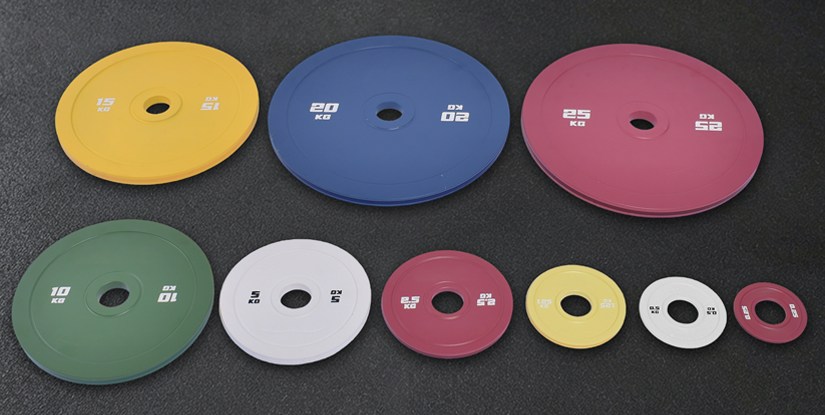
The final phase of production is where a reliable bumper plate export manufacturer mitigates the risk of high return rates and shipping damage. Before any container is loaded, each batch undergoes a rigorous pre-shipment inspection to verify weight accuracy and concentricity. For large-scale wholesale buyers, even minor deviations in weight can lead to significant disputes and damage distributor margins. A professional wholesale gym plate factory typically utilizes standardized weight calibration checks to ensure that every unit within a set remains consistent, protecting the long-term commercial durability of the equipment.
Beyond weight, the inspection focuses heavily on the integrity of the bond line and the durability of the outer coating. High-quality rubber bumper plate manufacturing requires that the rubber-to-steel connection remains seamless under stress. During the QC process, technicians inspect the internal steel hub and the outer rim for any signs of separation or unevenness. Furthermore, specialized export packaging is applied to prevent edge damage during long-distance sea freight. For professional importers, confirming that the commercial bumper plate supplier utilizes heavy-duty, reinforced cartons and optimized palletizing is a critical step in reducing the total landed cost and ensuring the shipment arrives in retail-ready condition.
Critical Component Inspection: The Steel Hub and Bond Line Integrity
For professional importers, the long-term durability of a shipment depends on the internal architecture of each unit. A high-quality bumper plate export manufacturer ensures that the structural integrity begins with a precision-engineered steel core. Unlike budget alternatives that may suffer from internal voids, a professional commercial bumper plate supplier utilizes a high-grade steel hub to provide a stable center of gravity and consistent weight distribution.
The relationship between the steel hub and the outer layer is a critical failure point in low-tier production. During rubber bumper plate manufacturing, the adhesion between the high-density rubber and the internal steel plate must be seamless. If the bond line is weak, the rubber may delaminate or crack under heavy impact, leading to high replacement costs for the end-user. To maintain high distributor margins, it is essential to source from a wholesale gym plate factory that employs rigorous centrifugal casting or high-pressure molding to ensure the rubber encapsulates the steel core without air pockets.
This focus on the internal assembly ensures that every unit meets strict weight tolerance standards required for international commercial use. When managing bulk orders, procurement leads should prioritize manufacturers that emphasize the density of the rubber and the thickness of the steel center, as these factors directly impact the total cost of ownership and the longevity of the equipment in high-traffic environments.
Internal Assembly and Structural Integrity Comparison
Understanding the internal construction is vital for evaluating the long-term ROI of a bulk shipment. A professional bumper plate export manufacturer differentiates itself by the quality of the internal core and the strength of the bond line. For distributors, selecting the wrong assembly method can lead to high return rates and damaged reputation in the commercial market.
| Material Structure | Manufacturing Process | Key Component | Commercial Duty | MOQ Impact | Factory QC Point |
|---|---|---|---|---|---|
| Single-Piece Solid Rubber | Compression Molding | Homogeneous Rubber Body | High-Impact Training | Higher MOQ for Custom Colors | Weight Distribution Uniformity |
| Steel Hub with Rubber Shell | Centrifugal Casting | Internal Steel Core | Standard Commercial Use | Standard Wholesale Tiers | Bond Line Adhesion Strength |
| Hybrid Steel-Rubber Plate | Precision Assembly | Knurled Inner Ring | Premium Strength Training | Lower MOQ for Specialized Series | Hub-to-Rim Concentricity |
When sourcing from a commercial bumper plate supplier, buyers must verify how the steel hub is integrated. A high-quality rubber bumper plate manufacturing process involves ensuring the rubber is vacuum-pressed or centrifugally cast around the steel to prevent delamination. This precision is what separates a reliable wholesale gym plate factory from low-tier producers. We recommend that procurement leads request a sample to inspect the weight distribution and the seamlessness of the bond line before confirming a large-scale order.
China Factory QC Protocols and Pre-Shipment Standards
A professional bumper plate export manufacturer implements a multi-stage validation workflow to mitigate the risks of weight deviation and material failure during long-distance transit. For distributors and gym owners sourcing in bulk, ensuring that each unit meets strict commercial-grade specifications is critical to maintaining brand reputation and minimizing replacement costs. A reliable China factory typically transitions from raw material verification to finished product calibration, ensuring that the internal steel hub and external rubber layers are perfectly integrated for high-impact durability.
The standard rubber bumper plate manufacturing sequence begins with the precision casting of the internal steel ring to ensure a consistent Olympic collar fit. Following the molding of the rubber or PU shell around the core, the product undergoes several critical checkpoints. A professional commercial bumper plate supplier will focus on the bond line adhesion between the rubber and the steel center to prevent delamination under heavy use. Furthermore, a wholesale gym plate factory must conduct a rigorous pre-shipment inspection, which includes weight tolerance spot-checks and surface uniformity tests, to ensure that the landed cost of the shipment is not undermined by high defect rates or non-compliant weight profiles.
Technical QC Checkpoints by Product Tier
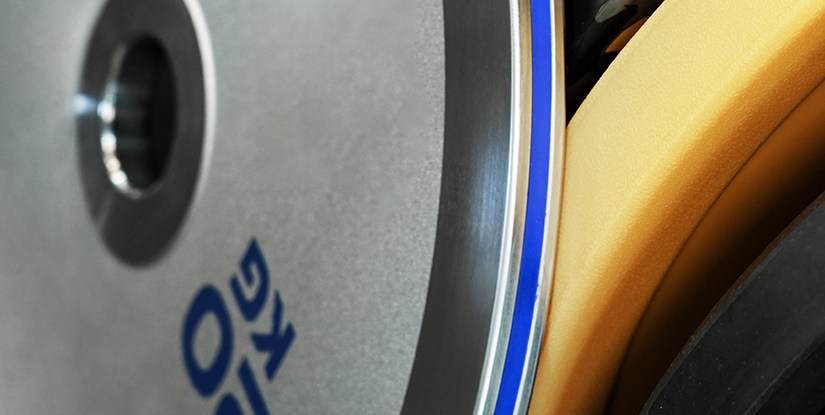
To assist procurement leads in evaluating supplier capabilities, the following table outlines the qualitative differences in quality control standards across various product categories. When sourcing through a wholesale gym plate factory, understanding these tiers helps in calculating the long-term value and total cost of ownership for your inventory.
| Material Type | Primary Process | Key Component Focus | Commercial Duty Tier | MOQ Impact | Factory QC Point |
|---|---|---|---|---|---|
| Standard Rubber | Injection Molding | Rubber/Vinyl Coating | Budget/Entry-Level | Lower | Edge Smoothness |
| High-Density Rubber | Compression Molding | Steel Internal Hub | Commercial-Grade | Medium | Concentricity & Bond Line |
| Polyurethane (PU) | Precision Casting | Steel/High-Grade Core | Premium/Competition | Higher | Coating Adhesion & Weight Uniformity |
For professional importers, the distinction between a standard commercial bumper plate supplier and a high-end manufacturer often lies in the precision of the internal components. While budget options focus on basic weight, a top-tier bumper plate export manufacturer prioritizes the seamless integration of the steel hub and the outer coating. This ensures that the plate maintains its concentricity and remains balanced during high-velocity use, protecting your clients' equipment and reducing the frequency of replacement-related support requests.
Before finalizing a bulk order, we recommend requesting a detailed specification sheet or a sample for evaluation. Confirming the MOQ and discussing custom branding or private label requirements early in the process ensures that your specific quality standards are met during the pre-shipment phase. We invite you to contact our team to request a quote or to book a factory audit to verify our production standards firsthand.
Export Packaging and Container Loading Optimization
The final stage of the rubber bumper plate manufacturing workflow focuses on logistics-ready preparation. For high-volume distributors, the integrity of the product depends as much on the export packaging as it does on the initial casting. A professional bumper plate export manufacturer utilizes heavy-duty, reinforced corrugated cartons designed to withstand the vertical pressure of stacking within a shipping container. This prevents the deformation of the rubber edges and ensures that the weight profile remains intact from the factory floor to the destination warehouse.
Efficient container loading is a critical variable in managing the total landed cost of your shipment. A seasoned wholesale gym plate factory will optimize palletization strategies—either through standard palletized shipping or specialized crate configurations—to maximize volume utilization while maintaining structural stability. This precision in loading minimizes the risk of shifting or damage during sea transit, which is vital for maintaining distributor margins. When negotiating your next bulk order, we recommend discussing specific packaging requirements and MOQ tiers to align shipping volumes with your warehouse capacity and local distribution needs.
Optimizing Bulk Orders: MOQ, Lead Times, and Export Packaging
Managing international procurement requires a clear understanding of how production scales with volume. For a professional bumper plate export manufacturer, the relationship between order size and logistics efficiency is fundamental to maintaining distributor margins. Large-scale distributors and gym chains often face the challenge of balancing inventory availability with the high landed costs of air freight, making it essential to partner with a wholesale gym plate factory that offers predictable production scheduling and robust export solutions.
When sourcing via OEM or ODM models, the MOQ (Minimum Order Quantity) directly influences both the unit price and the production lead time. Small, frequent orders may offer flexibility but often lack the cost-effectiveness of bulk shipments. Conversely, high-volume orders allow the China factory to optimize machine calibration and raw material usage, typically resulting in lower per-unit costs for the supplier. A professional commercial bumper plate supplier will provide a structured timeline that accounts for material casting, rubber molding, and pre-shipment QC to ensure your delivery dates align with your market launch or facility opening.
Effective export packaging is a critical, often overlooked component of the procurement process. To protect the integrity of the rubber coating and the precision of the steel hubs during long-distance sea freight, we utilize heavy-duty, reinforced cartons and palletized shipping methods. This ensures that when your bulk shipment arrives at your warehouse, the products are ready for immediate distribution without the need for costly replacements due to transit damage.
For high-volume importers, the risk of transit-related damage can significantly inflate the total landed cost. A professional bumper plate export manufacturer must implement a standardized, multi-layered protection strategy to safeguard heavy, high-density goods during sea freight. This involves more than just standard boxing; it requires specialized logistics planning to ensure that weight, volume, and structural integrity are maintained from the China factory to your local distribution center.
Standardized Export Packaging and Sea Freight Protection
To mitigate the physical stresses of containerized shipping, we employ heavy-duty, double-walled corrugated cartons designed to withstand stacking pressure. For large-scale rubber bumper plate manufacturing orders, individual plates are often nested or separated by protective dividers to prevent surface abrasion between the rubber skins and the steel hubs. This level of detail is a hallmark of a reliable commercial bumper plate supplier, ensuring that the premium finish of your private label products remains intact upon arrival.
Beyond individual boxing, the palletization process is critical for optimizing warehouse efficiency and shipping safety. We utilize heat-treated, export-grade wooden pallets that are securely shrink-wrapped and reinforced with edge protectors. This prevents shifting during ocean transit, which is essential for maintaining the concentricity and structural alignment of the plates. By prioritizing high-standard export packaging, we help distributors reduce the frequency of claims and ensure that their wholesale shipments arrive in a condition that meets strict commercial-grade expectations.
Order Scale and Logistics Comparison
Understanding how order volume affects your procurement cycle is essential for accurate inventory planning and margin protection. The following table outlines the typical relationship between order scale and operational variables when working with a professional bumper plate export manufacturer. These tiers help distributors and gym equipment importers align their budget with realistic lead times and customization capabilities.
| Order Scale | Typical MOQ | Customization Level (OEM/ODM) | Packaging Type | Lead Time Impact |
|---|---|---|---|---|
| Sample/Trial | 1–5 Sets | Standard Stock | Single Reinforced Carton | Short (Standard Production) |
| Small Wholesale | 50–100 Units | Basic Color/Logo | Standard Export Carton | Moderate (Material Sourcing) |
| Bulk Distribution | 500+ Units | Full OEM Specifications | Palletized/Reinforced Box | Extended (Production Capacity) |
| Tier-One Project | 1,000+ Units | Advanced ODM/Private Label | Custom Container Loading | Significant (Material/Logistics) |
For buyers focused on long-term sourcing efficiency, moving toward higher volume tiers allows for more complex private label integration and optimized container utilization. While smaller orders offer speed, large-scale wholesale procurement from a reliable factory provides the best opportunity to negotiate lower landed costs and implement highly specific brand identities across your entire product line.