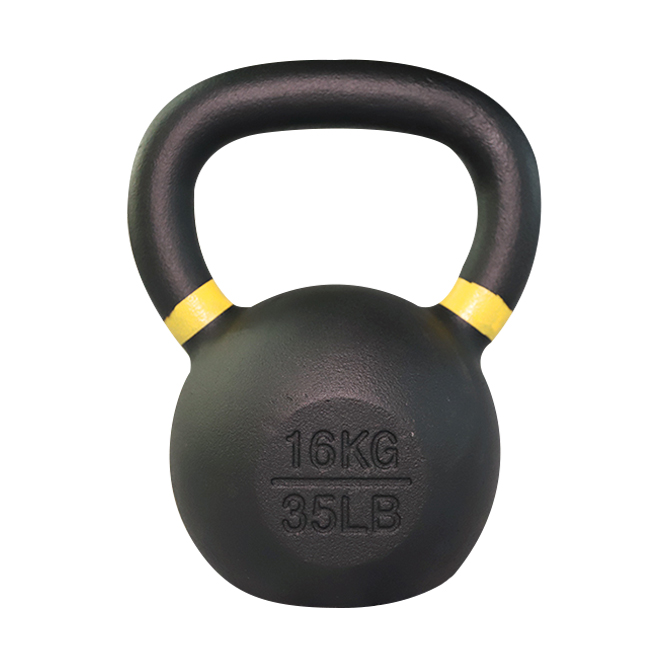
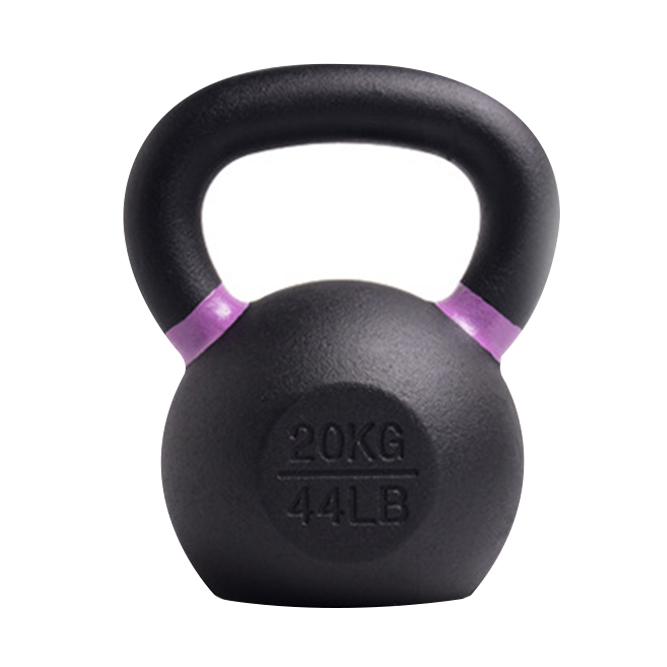
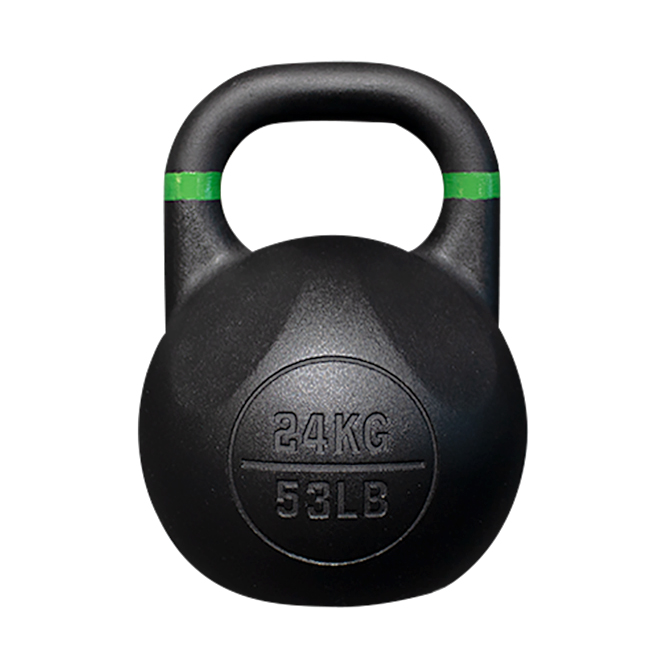
One Piece Casting Kettlebell Private Label Manufacturer: Factory
Optimizing Commercial Space with One Piece Casting Kettlebell Private Label Manufacturer Solutions
Many professional buyers make the mistake of sourcing multi-piece assembly kettlebells to save on initial unit costs, only to face high replacement rates due to handle-to-body separation. A more strategic procurement approach is to partner with a one piece casting kettlebell private label manufacturer that produces single-mold units. This ensures superior structural integrity and maximizes space efficiency in high-traffic gym environments by providing a uniform, stackable footprint that reduces warehouse and floor clutter.
Selecting a commercial kettlebell OEM specialized in single-mold production allows distributors to offer products with higher durability and lower long-term maintenance costs. Unlike assembly-based models, a single-piece cast iron kettlebell factory produces equipment that resists mechanical failure under heavy usage. For importers, this translates to higher client retention and a better total cost of ownership (TCO) for the end-user. When managing large-scale wholesale orders, the consistency of a single-piece casting process significantly reduces the risk of defective SKUs compared to complex multi-part components.
From a logistics and inventory standpoint, these units are optimized for high-density storage. Whether you are sourcing for a boutique studio or a large-scale commercial facility, working directly with a China factory ensures you can leverage economies of scale through optimized MOQ tiers and streamlined export packaging. This structural simplicity also simplifies the pre-shipment QC process, as inspectors can more easily verify weight distribution and coating adhesion across a single, seamless surface.
Comparison of Commercial Kettlebell Sourcing Options
When evaluating your next bulk order, understanding the qualitative differences between various manufacturing methods is essential for calculating long-term ROI. The following table compares the single-piece casting approach against common alternatives to help you determine the best fit for your distribution or facility requirements.
| Material & Structure | Manufacturing Process | Key Component Focus | Commercial Duty Tier | MOQ Impact | Factory QC Point |
|---|---|---|---|---|---|
| Single-Piece Cast Iron | Sand Casting & Powder Coating | Seamless handle-to-body junction | Premium Commercial | Standard Tier | Base flatness & coating adhesion |
| Two-Piece Assembly | Welded Handle & Casting | Handle-to-body junction weld | Standard Commercial | Lower Tier | Weld integrity & weight balance |
| Coated/Encapsulated | Casting & Rubber/PU Molding | Encapsulation layer thickness | Premium/Boutique | Higher Tier | Coating thickness & weight tolerance |
| Budget Composite | Injection or Mixed Material | Outer shell durability | Budget/Entry-Level | Variable | Material consistency & seam strength |
For professional buyers, the choice of a one piece casting kettlebell private label manufacturer often hinges on the balance between initial landed cost and long-term maintenance. While assembly-based or coated models offer specific aesthetic benefits, the single-piece casting method remains the industry standard for durability and space utilization in heavy-use environments. We recommend requesting a sample evaluation or a detailed spec sheet from your supplier to confirm that the handle texture and base stability meet your specific branding and quality standards before finalizing a large-scale wholesale contract.
To ensure your procurement strategy aligns with long-term profitability, we suggest initiating a formal inquiry to confirm specific MOQ requirements and lead time for your customized order. Whether you require specialized ODM services for unique handle textures or standard OEM production for your existing brand identity, our technical team is prepared to provide detailed documentation. We invite you to request a formal quote, ask for a full product specification sheet, or arrange a factory audit to verify our production standards and pre-shipment QC protocols before finalizing your bulk purchase.
Material and Surface Engineering for High-Traffic Environments
Selecting a reliable one piece casting kettlebell private label manufacturer requires a deep understanding of how material integrity affects long-term operational costs. For distributors and gym owners, the primary concern is not just the initial purchase price, but the total cost of ownership within high-traffic environments. Using high-quality cast iron as the base material ensures structural stability, but the surface engineering determines how much time staff must spend on maintenance and replacement.
In many commercial settings, the friction from heavy usage can lead to premature chipping or oxidation if the manufacturing standards are low. When sourcing from a China factory, professional buyers must evaluate the adhesion of the finish to ensure it survives the rigors of a professional strength floor. A well-executed powder coating process provides a durable barrier that protects the metal from moisture and reduces the frequency of cleaning, directly impacting the efficiency of facility maintenance.
To assist in your procurement decision, the following table compares common surface treatments used by a commercial kettlebell OEM to meet different durability requirements.
| Material/Finish Type | Primary Process | Commercial Duty Tier | Maintenance Requirement | Best Use Case |
|---|---|---|---|---|
| Bare Cast Iron | Sand Casting & Phosphate | Budget/Standard | Moderate (Rust Prevention) | Standard Commercial Gyms |
| Powder Coated | Electrostatic Spray | Premium Commercial | Low (High Durability) | High-Traffic Training Centers |
| PU/Rubber Coated | Injection/Dip Coating | Premium/Specialty | Very Low (Floor Protection) | Boutique Studios & Luxury Gyms |
When evaluating a cast iron kettlebell factory, we recommend requesting specific details regarding the coating adhesion and the thickness of the finish. Ensuring a consistent one piece casting kettlebell private label manufacturer utilizes a standardized coating line will prevent uneven wear and extend the lifespan of your branded inventory.
Technical Considerations for Long-Term Durability
The choice between a standard finish and a specialized coating significantly impacts the long-term replacement cycles for a distributor. While bare iron with a phosphate treatment is a cost-effective option for standard gym setups, it often requires more frequent inspection for oxidation. In contrast, a high-quality PU coating or premium powder finish offers superior resistance to impact and moisture, making it a preferred selection for high-end boutique studios where floor protection and aesthetic longevity are critical to the brand identity.
For buyers focusing on total cost of ownership, the interaction between the handle texture and the coating layer is a vital quality check. A professional one piece casting kettlebell private label manufacturer ensures that the coating does not fill the knurling excessively, which could compromise grip performance. During your factory audit or sample evaluation, we suggest checking the coating adhesion and base flatness to ensure the product meets the rigorous demands of professional strength training environments.
Pre-Shipment QC and Export Packaging Standards
Reliable procurement goes beyond material selection; it extends to the rigorous pre-shipment QC protocols established by a professional cast iron kettlebell factory. For an importer, the risk of receiving damaged or non-compliant units is a direct threat to distributor margins. A high-standard production line must include specific weight tolerance spot-checks and a thorough inspection of the handle-to-body junction to ensure every unit meets the promised commercial specifications before it enters a shipping container.
Furthermore, the durability of the product during transit is a critical factor in the total landed cost. Professional wholesale suppliers utilize reinforced export packaging designed to withstand the heavy, concentrated weight of metal equipment. This typically involves heavy-duty corrugated boxes, custom pallets, and specialized corner protection to prevent impact damage during sea freight. When you engage with a one piece casting kettlebell private label manufacturer, ensure that their packaging protocols are robust enough to maintain product integrity from the warehouse to your local distribution center, minimizing the need for costly returns or replacements.
Precision Casting and Surface Finishing Processes
A professional one piece casting kettlebell private label manufacturer ensures that every unit meets the rigorous demands of high-traffic commercial environments. For distributors and gym owners sourcing in bulk, the structural integrity of the bell is directly tied to the manufacturing route used during production.
The standard production sequence begins with high-grade sand casting, a method widely utilized by a reliable China factory to create a single, seamless iron body. This method is preferred for commercial kettlebell OEM projects because it eliminates the structural weak points often found in multi-piece assemblies. Following the initial casting, the units undergo machining to ensure the handle and base meet industry-standard specifications for balance and concentricity.
To achieve long-term commercial durability, the surface must be treated to prevent oxidation and handle heavy use. Most premium cast iron kettlebell factory operations implement a multi-stage powder coating process. This creates a resilient, textured layer that protects the iron while providing a consistent grip. For high-end procurement, ensuring the weight tolerance is strictly controlled during the calibration stage is essential to maintaining professional standards across a full set. A reputable supplier will also conduct a pre-shipment QC to inspect coating adhesion and base flatness before the goods are palletized for export.
Surface Finish Selection for Wholesale Distribution
Selecting the appropriate finish is a critical decision for importers evaluating the Total Cost of Ownership (TCO) and long-term maintenance requirements. While standard powder coating offers excellent durability for traditional strength training, specialized coatings like polyurethane (PU) are increasingly requested for premium studio environments where floor protection and aesthetic branding are high priorities. A professional one piece casting kettlebell private label manufacturer provides these options to help distributors tailor their product catalogs to specific market tiers.
The following table compares the most common industrial finishes to assist in your sourcing decisions, focusing on how material choices impact your wholesale margins and end-user maintenance loads.
| Material/Finish | Manufacturing Process | Key Component Focus | Commercial Duty Tier | MOQ Impact | Factory QC Point |
|---|---|---|---|---|---|
| Powder Coating | Electrostatic spray and heat curing | Coating adhesion and grip texture | Standard Commercial | Standard | Surface uniformity |
| PU Coating | Polyurethane dip or injection | Encapsulation layer thickness | Premium/Studio | Higher | Bond strength to iron |
| Bare Iron/Phosphate | Chemical treatment and oxidation prevention | Base flatness and handle smoothness | Budget/Traditional | Low | Rust resistance level |
When managing a large-scale bulk order, it is vital to understand that premium finishes like PU coating often involve more complex production steps, which can influence lead time and landed cost. For distributors focusing on high-turnover commercial gyms, a high-quality powder coating is often the most efficient way to balance durability with competitive pricing. We recommend requesting a sample evaluation or a detailed spec sheet to confirm that the coating thickness and handle texture meet your specific brand identity requirements before finalizing your OEM contract.
Standardized Factory QC and Export Inspection Protocols
Maintaining consistent quality across bulk shipments is a critical challenge for importers sourcing from a one piece casting kettlebell private label manufacturer. Without rigorous oversight, distributors risk high return rates and increased landed cost due to weight discrepancies or surface defects. A professional China factory mitigates these risks by implementing standardized inspection protocols throughout the production cycle.
Effective commercial kettlebell OEM production requires more than just casting; it demands a systematic approach to quality control. A reliable cast iron kettlebell factory must conduct regular pre-shipment inspection to verify that every unit meets the specified weight tolerance and surface finish requirements. This prevents the common industry failure of uneven weight distribution or brittle coatings that can compromise commercial utility.
To ensure high-volume reliability, professional export packaging is non-negotiable. For heavy iron goods, this typically involves reinforced cartons and palletization to withstand long-distance maritime transit. By optimizing the export packaging and container loading efficiency, a supplier can help buyers maximize shipping volume and minimize damage-related losses. When negotiating MOQ and lead time, importers should always confirm that the factory utilizes industry-standard protective materials to secure the shipment during transit.
Technical Inspection Checklist for Bulk Procurement
When conducting a factory audit or requesting a sample approval, professional buyers should utilize a structured checklist to evaluate the technical integrity of the product. A high-tier one piece casting kettlebell private label manufacturer will provide detailed data on these specific inspection points to ensure the batch meets commercial-grade standards before leaving the warehouse.
| Inspection Dimension | Key Component / Feature | Commercial Duty Requirement | Typical QC Focus Point |
|---|---|---|---|
| Physical Integrity | Base Flatness | Stable placement on gym flooring | Surface levelness and concentricity |
| Surface Quality | Coating Adhesion | Durability against high-frequency use | Resistance to chipping or peeling |
| Ergonomics | Knurling & Handle | Consistent grip texture | Handle-to-body junction smoothness |
| Accuracy | Weight Calibration | Precise weight distribution | Weight tolerance spot-check |
| Logistics Safety | Export-grade Carton | Protection during maritime transit | Reinforced corners and moisture resistance |
| Shipping Stability | Palletization | Efficient container loading | Stacking strength and load-bearing security |
For distributors managing high-volume inventory, the final stage of pre-shipment inspection is the most critical for protecting profit margins. Beyond the physical product, ensure the factory provides a clear protocol for palletization and container loading. This includes verifying the use of heavy-duty dividers and moisture-absorbent materials to prevent rust during sea freight. A well-organized export packaging strategy not only protects the one piece casting kettlebell private label manufacturer's reputation but also reduces the risk of damaged goods arriving at your warehouse, thereby optimizing your total landed cost. We recommend requesting a detailed packaging specification and a sample of the palletized load during the OEM or ODM development phase to confirm it meets your local logistics requirements.
Sourcing and Customization: OEM and Private Label Logistics
Selecting a reliable one piece casting kettlebell private label manufacturer is a critical decision for distributors looking to build long-term brand equity. While standard stock orders provide speed, professional buyers often require commercial kettlebell OEM services to differentiate their product lines in competitive markets. Whether you are launching a premium studio line or a high-volume retail collection, understanding the technical boundaries of customization is essential for maintaining margins and ensuring product consistency.
The distinction between standard wholesale and custom branding lies in the level of control over technical specifications. For a cast iron kettlebell factory, high-tier ODM requests typically involve precise adjustments to the handle texture, the specific depth of the knurling, and the exact dimensions of the logo placement. High-volume importers must also account for how these customizations impact the MOQ and the overall lead time for container loading.
Technical Specifications for Custom Orders
When moving beyond off-the-shelf products, professional procurement teams must define specific parameters to ensure the final units meet their brand identity. A standard one piece casting kettlebell private label manufacturer can facilitate several levels of customization to meet different commercial tiers.
| Customization Type | Technical Focus | Commercial Duty Tier | Typical MOQ Impact | Factory QC Point |
|---|---|---|---|---|
| Logo Branding | Embossed casting or laser-engraved logo placement | Budget to Premium | Standard | Logo clarity and adhesion |
| Handle Texture | Custom knurling depth and grip ergonomics | Commercial to Competition | Moderate | Consistency across weight sets |
| Surface Finish | Powder coating color or PU coating thickness | Premium Commercial | High | Coating adhesion and smoothness |
| Weight Tolerance | Precision calibration for specific weight increments | Professional/Competition | High | Weight uniformity and concentricity |
For distributors, the choice between a standard supplier and a full-service OEM partner often comes down to the complexity of the technical requirements. While a basic wholesale order might only offer color variations, a dedicated China factory capable of ODM can adjust the base flatness or the handle-to-body junction to meet specific regional ergonomic standards. We recommend requesting a sample approval and a detailed specification sheet before committing to large-scale production to verify that the weight tolerance and coating quality align with your market positioning.
Optimizing Procurement: Stock vs. Custom Production
Understanding the logistics of a one piece casting kettlebell private label manufacturer requires a clear distinction between rapid restocking and strategic brand building. For many distributors, the decision is driven by the trade-off between immediate shipping readiness and the long-term value of a proprietary product line. While standard stock items are optimized for speed, a full OEM or ODM engagement allows for the refinement of technical details that define a premium brand.
When sourcing from a cast iron kettlebell factory, procurement managers must evaluate how customization depth influences the final landed cost. High-tier customization, such as specialized powder coating or precision knurling, naturally elevates the MOQ requirements and extends the production lead time. We suggest that buyers align their inventory turnover rates with these production cycles to ensure a consistent supply chain without excessive warehousing costs.
To assist in your decision-making process, we have outlined the typical sourcing models used by professional importers below. Before finalizing a bulk order, it is standard practice to confirm the specific MOQ for customized units and request a formal quote to account for any technical adjustments in the casting or coating phases.
Strategic Procurement for Global Distributors
For international distributors and large-scale fitness importers, selecting a one piece casting kettlebell private label manufacturer is a critical decision that impacts both long-term brand reputation and the total landed cost of goods. Sourcing directly from a specialized China factory allows procurement professionals to bypass middleman markups and gain direct control over product specifications, ensuring that every unit meets the rigorous demands of high-traffic commercial environments.
The primary challenge in bulk procurement is maintaining strict weight consistency and surface integrity across large shipments. When you engage in commercial kettlebell OEM services, you are not just buying hardware; you are securing a scalable production partner capable of managing complex logistics. By optimizing your sourcing strategy through a direct cast iron kettlebell factory, you can better manage your inventory turnover and improve distributor margins through more predictable lead time and MOQ structures.
Effective procurement requires a deep understanding of how manufacturing variables influence the final landed cost. A professional one piece casting kettlebell private label manufacturer provides the transparency needed to calculate true costs, including custom branding, specialized packaging for export, and freight-ready palletization, ensuring your wholesale orders arrive without the common quality discrepancies found in lower-tier supply chains.
Evaluating Sourcing Models and Procurement Metrics
To maximize profitability and supply chain stability, professional buyers must evaluate the structural differences between various supply channels. Choosing a direct one piece casting kettlebell private label manufacturer offers significant advantages in terms of technical customization and cost-efficiency compared to purchasing through third-party intermediaries. The following comparison highlights the critical B2B metrics that impact your total procurement strategy and long-term distributor margins.
| Procurement Metric | Direct Factory Model | Trading Company Model |
|---|---|---|
| Customization Capability | High (Full OEM/ODM control) | Limited (Standardized inventory only) |
| Pricing Structure | Optimized for high-volume wholesale | Includes service markups and margins |
| Quality Control Oversight | Direct factory inspection and QC | Dependent on third-party reporting |
| Branding Integration | Seamless private label application | Basic logo or limited options |
| Logistics & Shipping | Direct export and container loading | Consolidated but less specialized |
| Typical MOQ | Tiered based on production volume | Often lower but with higher unit costs |
When evaluating your next bulk order, consider how these models affect your ability to scale. A specialized cast iron kettlebell factory can provide granular control over the casting and coating processes, allowing you to request specific knurling textures or specialized powder coating finishes that align with your brand identity. For distributors looking to optimize their landed cost, establishing a direct relationship with a supplier ensures that pre-shipment inspections and export-grade packaging are treated as standard operating procedures rather than optional add-ons.
Optimized Logistics and Brand Integration
Successful international distribution depends on more than just product quality; it requires a seamless integration of manufacturing and logistics. A professional one piece casting kettlebell private label manufacturer understands that for a wholesale buyer, the product is only as good as its arrival condition. This includes ensuring that weight-heavy shipments are palletized with heavy-duty, export-grade packaging that prevents movement and impact damage during long-haul ocean freight. By managing the entire process from the initial pour to final container loading, a reliable factory minimizes the risk of transit-related damage and unexpected port delays.
Furthermore, the ability to implement high-fidelity private label solutions is a key differentiator for distributors looking to build brand equity. Whether it is through precision sandblasting to prepare the surface for a custom powder coating or high-contrast logo casting, a specialized supplier ensures your brand identity remains consistent and professional. When you secure a partnership with an experienced commercial kettlebell OEM, you are investing in a supply chain that supports scalable growth, offering predictable lead time and optimized shipping configurations that protect your distributor margins and reduce the total cost of ownership for your end clients.