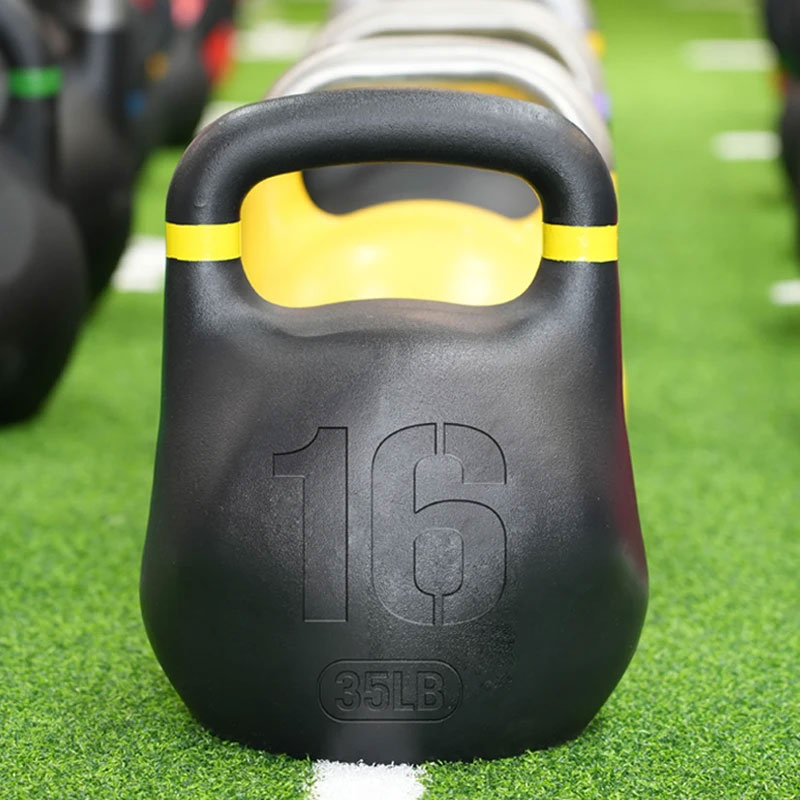
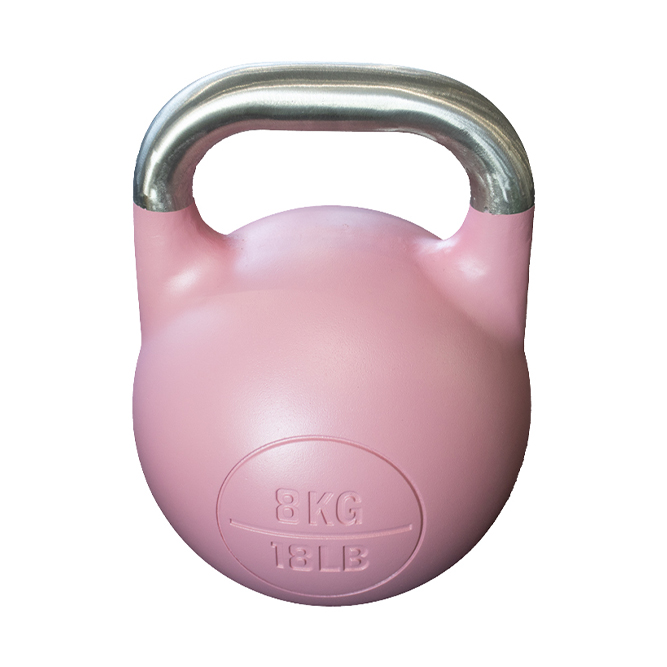
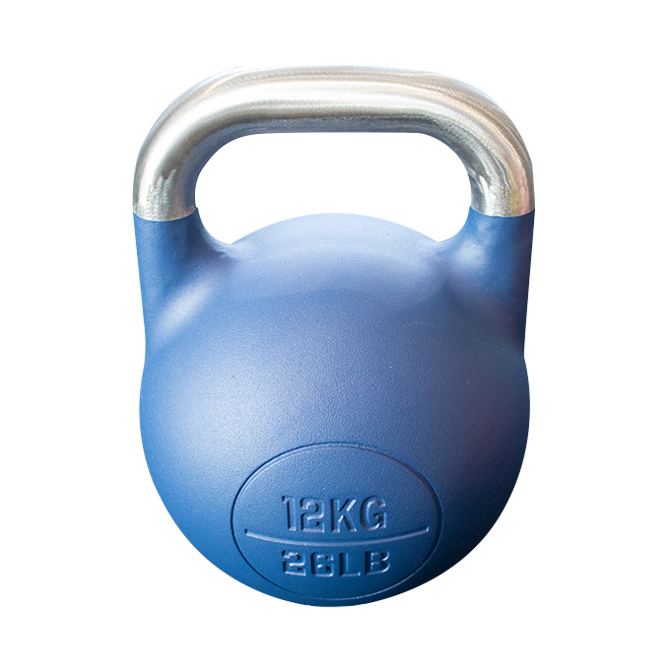
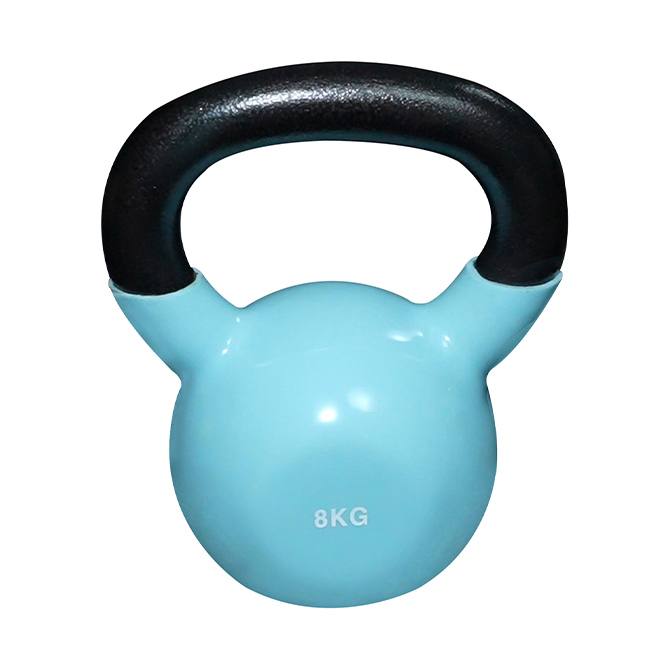
Kettlebell Mold Making Factory: OEM Contract Manufacturing
Strategic Advantages of Partnering with a Kettlebell Mold Making Factory
A specialized kettlebell mold making factory provides the technical infrastructure required to produce high-precision, consistent weight increments for global distribution. For importers and distributors, utilizing a professional kettlebell mold making factory ensures scalable production, optimized SKU expansion, and a reliable China sourcing partner for long-term inventory stability.
In the competitive fitness equipment market, relying on generic stock often limits your ability to scale. When you transition to commercial kettlebell OEM workflows, you move beyond standard availability to controlled production cycles. This strategic shift allows professional buyers to manage distributor margins more effectively by reducing the landed cost per unit through bulk manufacturing efficiencies. Rather than competing solely on price for off-the-shelf products, a dedicated fitness equipment mold manufacturing partner enables you to introduce unique product lines that define your brand identity in the commercial sector.
The complexity of high-precision casting requires specialized tooling that standard traders cannot provide. By engaging directly with a factory, you gain access to advanced high-precision casting techniques and customized handle geometries. This capability is essential for meeting the demands of premium training facilities that require specific grip textures or specialized coating adhesion. Whether you are looking to increase your wholesale catalog depth or develop a proprietary competition-style steel bell, direct engagement with the manufacturer ensures that your technical specifications are met during the initial tooling phase, reducing the risk of costly product recalls or weight discrepancies in the field.
Deciding between purchasing standard inventory or investing in custom tooling depends heavily on your specific business model, target market, and long-term growth objectives. For many distributors, the choice involves balancing immediate availability against the long-term value of a proprietary product line. A professional kettlebell mold making factory can support both paths, providing high-volume stock for rapid replenishment or specialized production for market differentiation.
Standard stock procurement is an efficient way to maintain baseline SKU breadth with low upfront risk. However, as a professional buyer, you may find that standard units lack the specific surface finish or handle-to-body junction refinements required for premium commercial settings. In contrast, moving toward commercial kettlebell OEM production allows you to control the technical nuances—such as the specific knurling depth or the thickness of a powder coating layer—ensuring your products meet the exact durability standards your clients expect. This level of control is a hallmark of professional fitness equipment mold manufacturing, allowing you to move from a commodity buyer to a brand owner.
The following table outlines the typical procurement differences between sourcing standard wholesale products and utilizing specialized factory-direct customization:
| Sourcing Dimension | Standard Wholesale Stock | Custom OEM/ODM Production |
|---|---|---|
| Production Control | Pre-existing designs and molds | Proprietary mold and custom geometry |
| Brand Identity | Standard logo or generic finish | Custom branding and unique colors |
| Weight Tolerance | Industry-standard commercial spec | Highly controlled precision calibration |
| Typical MOQ | Lower for standard SKUs | Higher due to tooling requirements |
| Lead Time | Short (based on current stock) | Extended (includes mold development) |
| Landed Cost Potential | Stable, predictable pricing | Optimized through bulk scale |
| Factory QC Focus | Standard pre-shipment inspection | Strict adherence to custom specs |
When evaluating your next procurement cycle, consider your current inventory turnover and the level of market saturation in your region. If you aim to compete on volume and speed, standard sourcing from a reliable supplier is highly effective. However, if your goal is to capture the premium segment of the market with high-performance competition-spec bells or specialized coated units, partnering with a factory for custom mold development is the superior strategy for building long-term distributor value and protecting your margins.
Material Selection and Casting Processes for Commercial Durability
Selecting the right base material is a critical decision for distributors and gym owners looking to optimize long-term TCO. A professional kettlebell mold making factory must balance weight consistency with structural integrity to ensure products withstand high-volume usage. Whether you are sourcing for a boutique studio or a large-scale fitness distributor, understanding the distinction between cast iron and steel-based construction is essential for managing replacement cycles and maintenance loads.
For most high-volume wholesale orders, sand casting with gray iron remains the industry standard due to its cost-effectiveness and reliable weight calibration. However, for premium competition-grade units, a commercial kettlebell OEM may utilize solid steel or chrome-manganese steel to achieve higher density and precision. The choice of material directly impacts the commercial durability of the unit, especially regarding how the surface interacts with various powder coating or encapsulation methods over time.
Material and Process Specifications for Bulk Procurement
When evaluating a fitness equipment mold manufacturing partner, buyers should inspect the transition between the casting phase and the surface finishing stage. A high-quality China factory will typically follow a sequence of casting, followed by CNC machining for the handle area to ensure concentricity, and finally, a rigorous coating process to prevent oxidation. This ensures that the wholesale batches delivered to your warehouse maintain a consistent aesthetic and functional grip.
| Material Tier | Primary Process | Key Component Focus | Commercial Duty | MOQ Impact | Factory QC Point |
|---|---|---|---|---|---|
| Cast Iron | Sand Casting | Handle-to-body junction | Standard Commercial | Lower | Base flatness |
| Steel / Chrome | Machining & Plating | Knurling precision | Premium / Competition | Higher | Coating adhesion |
| Steel Core | Assembly / Welding | Internal weight stability | Adjustable / Specialty | Variable | Weight calibration |
Understanding these variables allows importers to better manage their landed cost and SKU breadth. For instance, while cast iron offers a more economical entry point for entry-level gym packages, steel-based options provide the longevity required for high-traffic commercial facilities. We recommend discussing specific weight tolerance expectations and coating requirements with your supplier during the initial OEM or ODM consultation to ensure the final product aligns with your brand identity and market positioning.
Choosing between various finishing methods is not merely an aesthetic decision; it is a strategic procurement move that affects product longevity and distributor margins. A specialized kettlebell mold making factory must provide clarity on how different coatings interact with the underlying cast or forged metal to prevent premature failure in commercial environments.
Casting and Coating Comparison for Professional Procurement
When managing a diverse SKU portfolio, importers must decide between the durability of a rugged surface and the premium feel of a smooth finish. A professional commercial kettlebell OEM will offer different pathways—such as sand casting for traditional iron bells or precision machining for steel-based units—to meet different market tiers. The following table outlines the technical trade-offs essential for your next bulk order assessment.
| Process/Finish Type | Base Construction | Surface Characteristics | Commercial Application | Maintenance Profile |
|---|---|---|---|---|
| Sand Casting | Gray Iron | Textured, organic feel | Standard Commercial Gyms | Low (Oxidation risk) |
| Powder Coating | Cast Iron or Steel | Smooth, durable, color-rich | Boutique Studios / CrossFit | Moderate (Impact resistance) |
| PU Coating | Steel / Cast Core | Seamless, high-density grip | Premium Fitness Centers | Low (Highly durable) |
| Chrome Plating | Solid Steel | High-gloss, precision fit | Competition / Professional | Very Low (High longevity) |
For distributors, the choice of a fitness equipment mold manufacturing partner often hinges on the stability of the coating adhesion. While powder coating is a popular choice for adding brand colors and basic protection, high-end clients often demand PU coating for its superior impact resistance and seamless finish. When calculating your total landed cost, consider that higher-tier coatings may increase the initial unit price but significantly reduce the frequency of replacement and customer complaints due to chipped or peeling surfaces. We suggest requesting sample evaluations to verify the weight tolerance and handle-to-body junction integrity before finalizing any large-scale production agreement.
Comparing Production Routes for Wholesale Inventory Optimization
Selecting the correct manufacturing route is a critical decision for distributors looking to balance SKU breadth with overall landed cost. When sourcing from a kettlebell mold making factory, the choice between traditional casting and modern molding determines your long-term inventory efficiency and profit margins. A professional commercial kettlebell OEM must align the production method with your specific market positioning, whether you are supplying high-end boutique studios or high-volume retail warehouses.
The primary tension in procurement lies between the durability of traditional methods and the precision of specialized molding. Utilizing a specialized fitness equipment mold manufacturing approach allows for greater consistency in weight distribution and surface finish. However, the impact on your wholesale budget depends heavily on the complexity of the mold and the required MOQ for custom designs. Understanding these trade-offs is essential for optimizing sourcing workflows and maintaining healthy distributor margins.
| Production Method | Primary Material | Commercial Duty Tier | Inventory/SKU Impact | Typical Procurement Focus |
|---|---|---|---|---|
| Sand Casting | Cast Iron | Standard Commercial | High (Standard Weights) | Low landed cost / High durability |
| Injection/Die Casting | Steel or Composite | Premium / Competition | Medium (Precision SKUs) | Weight accuracy / Surface finish |
| Coating/Molding | PU or Rubber | Boutique / Studio | High (Aesthetic Variety) | Floor protection / Brand identity |
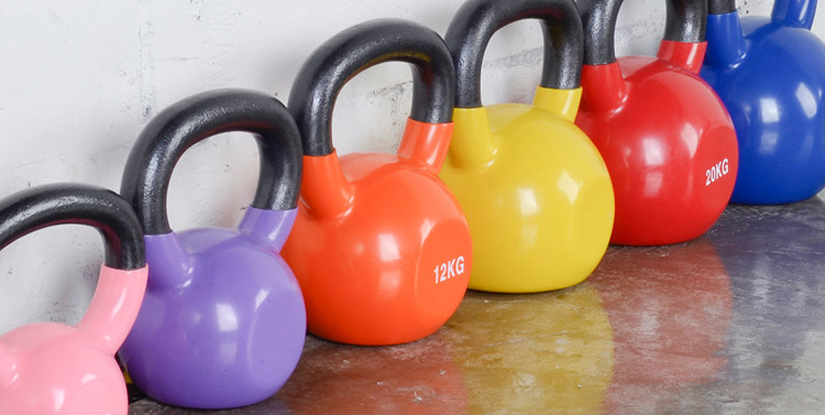
For many importers, the kettlebell mold making factory offers different paths to satisfy diverse client needs. A commercial kettlebell OEM partner can facilitate a transition from high-volume, low-cost cast iron units to high-precision, specialized steel bells. By evaluating these routes during the initial sourcing phase, you can better manage your lead time expectations and ensure your wholesale inventory meets the specific durability requirements of your target commercial or retail sectors.
| Material Category | Primary Process | Key Component Detail | Commercial Duty | MOQ Impact | Factory QC Point |
|---|---|---|---|---|---|
| Cast Iron | Sand Casting | Handle-to-body junction | Standard Commercial | Lower | Base flatness |
| Solid Steel | Die Casting | Precision knurling | Premium / Competition | Higher | Weight tolerance spot-check |
| PU/Rubber | Injection Molding | Encapsulation layer | Boutique / Studio | Variable | Coating adhesion |
When evaluating a kettlebell mold making factory, procurement professionals must look beyond the surface finish to the structural integrity of the unit. For instance, in high-volume fitness equipment mold manufacturing, the transition from sand casting to more advanced methods often dictates the level of weight calibration achievable. While cast iron remains a staple for high-durability, low-cost commercial kettlebell OEM orders, precision-driven markets increasingly demand the tighter tolerances found in steel-based or molded options.
Effective sourcing requires a deep understanding of how these material choices affect your total landed cost and replacement planning. A specialized kettlebell mold making factory can provide technical data on how different processes, such as powder coating or PU encapsulation, impact the long-term maintenance load for your end-users. We recommend requesting a detailed specification sheet or a sample evaluation to confirm that the handle texture and weight consistency align with your brand standards before proceeding with a full wholesale order.
Precision Engineering and Quality Control in Kettlebell Manufacturing
For distributors and importers, the value of a kettlebell mold making factory lies in its ability to deliver uniform mass distribution and repeatable dimensions. In the commercial fitness sector, weight discrepancies across a single SKU set can lead to significant returns and damaged distributor margins. High-tier commercial kettlebell OEM production requires strict adherence to precision engineering to ensure that each unit meets the expected weight class without excessive overages that erode your profit margins.
Reliable fitness equipment mold manufacturing typically follows a rigorous sequence to maintain high standards. The process often begins with high-grade sand casting to form the primary body, followed by CNC machining to refine the handle geometry and ensure a smooth, ergonomic grip. This technical precision is vital for maintaining a consistent weight tolerance across bulk orders. When sourcing from a professional China factory, buyers should verify that the quality control protocols include weight calibration and concentricity checks to prevent unbalanced or defective units from entering the export supply chain.
Technical Comparison of Manufacturing Methods and QC Benchmarks
Selecting the correct production route is essential for optimizing the total landed cost and long-term durability of your inventory. A professional kettlebell mold making factory will offer different manufacturing tiers depending on whether your target market requires budget-friendly commercial units or high-end competition-grade equipment. Understanding these technical distinctions helps procurement managers justify MOQ requirements and set realistic expectations for product lifespan.
| Material Tier | Primary Process | Key Component Detail | Commercial Duty | QC Inspection Point |
|---|---|---|---|---|
| Cast Iron | Sand Casting | Single-piece body | Standard Commercial | Base flatness and handle smoothness |
| Steel | Machining & Welding | Handle-to-body junction | Premium/Competition | Welding integrity and concentricity |
| Chrome-Manganese | Precision Casting | Refined handle texture | Professional/Olympic | Weight calibration and surface finish |
When managing a large-scale wholesale order, the inspection of the coating adhesion and the handle texture becomes a critical pre-shipment step. For example, in commercial kettlebell OEM production, the transition from the casting stage to the powder coating line must be seamless to prevent peeling or chipping during heavy use. A reliable supplier will implement a standardized weight tolerance spot-check to ensure that the final density of the iron or steel remains consistent, protecting your brand reputation and reducing the risk of costly replacement planning.
Customization Capabilities: OEM and ODM Solutions for Distributors
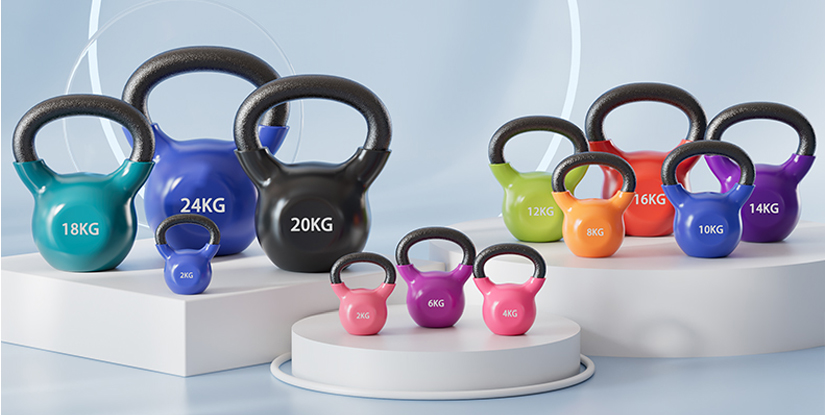
For international distributors and large-scale gym equipment importers, a professional kettlebell mold making factory offers more than just standard inventory; it provides a strategic advantage in market positioning. When sourcing from a China factory, the ability to transition from purchasing off-the-shelf products to developing proprietary lines is essential for long-term growth and high-volume wholesale success.
The distinction between basic procurement and high-level commercial kettlebell OEM services lies in the depth of technical control. While standard stock orders focus on immediate replenishment, ODM and private label solutions allow you to dictate the specific brand identity through unique handle textures, specialized coating colors, and custom weight markings. This customization scope enables distributors to offer differentiated products that command higher distributor margins and build stronger loyalty among professional training studios and commercial fitness centers.
Technical Comparison of Customization Depth and Sourcing Models
Navigating the technical requirements of fitness equipment mold manufacturing requires a clear understanding of how much control you can exert over the final product. Whether you are looking for a simple logo application or a complete structural redesign, the complexity of the mold directly affects your initial investment, the MOQ, and the total lead time for your shipment.
When working with a professional kettlebell mold making factory, you must decide between standard production and high-specification custom development. For example, a basic commercial kettlebell OEM request might involve applying a standard powder coating to an existing mold, whereas a full development project involves creating a new mold to change the handle diameter or the body silhouette. Understanding these tiers helps in managing your landed cost and setting realistic expectations for your distributor network.
| Customization Tier | Technical Scope | Material & Finish Control | Typical MOQ | Lead Time Impact |
|---|---|---|---|---|
| Standard White Label | Existing mold, custom color or logo only | Standard cast iron with industry-standard powder coating | Lower | Short (Standard production cycle) |
| Advanced OEM | Custom handle texture or specific weight marking | Choice of specific coatings (e. liệu PU or rubberized finishes) | Moderate | Medium (Requires additional machining/coating steps) |
| Full ODM Development | New mold creation, unique geometry, or specialized steel | Custom alloy selection and precision CNC machining | Higher | Long (Includes mold design, casting, and testing) |
For procurement leads, selecting the right level of customization is a balance between product differentiation and supply chain stability. While full custom molds offer the highest barrier to entry for competitors, standard commercial kettlebell OEM processes allow for faster replenishment and lower risk when managing warehouse inventory levels.
Streamlining Global Sourcing: MOQ, Lead Times, and Export Logistics
Managing a high-performance inventory requires a deep understanding of how a kettlebell mold making factory operates within the global supply chain. For distributors and large-scale importers, success is not just about product quality, but about the precision of replenishment cycles and the predictability of landed costs. Navigating the logistics of a China factory involves balancing production volumes against shipping schedules to ensure consistent SKU availability in your local warehouse.
Unexpected delays in production or rigid MOQ requirements can quickly erode your distributor margins if not managed with professional foresight. When sourcing through commercial kettlebell OEM channels, the lead time—encompassing everything from mold preparation and casting to final surface treatment and export packaging—must be integrated into your seasonal procurement plan. A failure to account for these variables often leads to stockouts during peak demand or excessive capital being tied up in slow-moving inventory.
To maintain a competitive edge in fitness equipment mold manufacturing, professional buyers must evaluate wholesale partners based on their ability to scale production without compromising the calibration or surface integrity of the units. Efficient inventory management relies on a supplier that offers transparent timelines and flexible OEM or ODM solutions, allowing you to optimize your product mix according to market trends and warehouse capacity.
| Sourcing Model | Production Basis | Customization Potential | Primary Advantage | Typical MOQ Impact |
|---|---|---|---|---|
| Standard Wholesale | Existing Mold Sets | Minimal (Logo/Color Only) | Rapid replenishment and lower initial capital | Low to Moderate |
| Commercial Kettlebell OEM | Custom Tooling/Molds | High (Shape, Handle, Weight) | Unique product differentiation and brand identity | High |
| Full ODM Services | New Engineering/Design | Maximum (Full Specification) | Complete control over product architecture | Very High |
Selecting the right partnership model is a strategic decision that directly affects your long-term landed cost and product development speed. While standard stock orders allow for faster movement and lower entry barriers, utilizing a kettlebell mold making factory for specialized production is essential when your brand requires a proprietary look or specific weight increments that are not industry-standard.
When a kettlebell mold making factory develops a new mold for a client, the initial investment is higher due to the engineering required for weight calibration and handle-to-body junction stability. However, for established distributors, this approach secures a unique market position and protects your catalog from being easily replicated by competitors using generic stock. We recommend evaluating your current SKU breadth and determining if your growth strategy relies on rapid, high-volume replenishment or on the development of high-margin, specialized equipment through professional fitness equipment mold manufacturing.
Optimizing your supply chain requires a rigorous focus on the final stages of production and transit. For high-volume importers, the reliability of a kettlebell mold making factory is often proven during the final QC and export stages, rather than just the initial casting. Ensuring that every unit meets your brand's specifications before it leaves the China factory is critical to preventing costly returns and maintaining your reputation as a premium provider.
Critical QC Checkpoints and Export Logistics
Professional procurement managers must verify that the kettlebell mold making factory implements a standardized pre-shipment inspection protocol. This process should include a detailed weight tolerance spot-check to ensure consistency across the entire batch, as well as an inspection of the handle-to-body junction and coating adhesion. For commercial-grade equipment, even minor deviations in surface finish or weight distribution can lead to increased maintenance loads and customer dissatisfaction.
Efficient export packaging is the final safeguard for your product integrity. High-density corrugated cartons and reinforced palletizing are industry-standard requirements to protect the cast iron or powder-coated surfaces during long-distance maritime shipping. We advise distributors to confirm that the packaging design accounts for the specific weight and density of the kettlebells to prevent crushing or shifting within the container. By prioritizing these technical details, you optimize your total landed cost and ensure that your bulk orders arrive ready for immediate distribution or retail display.