Cast Iron Fitness Equipment OEM Manufacturer: Wholesale
Cast Iron Fitness Equipment OEM Manufacturer: Strategic Sourcing for High-Traffic Facilities
Selecting a reliable cast iron fitness equipment OEM manufacturer requires a rigorous evaluation of three critical pillars: structural durability, surface finish consistency, and logistical reliability. For distributors and facility operators, the primary risk is not just equipment failure, but the long-term impact of substandard casting on maintenance overhead and brand reputation. When managing high-traffic gym environments, procurement professionals must move beyond simple price-per-unit metrics to assess how a China factory manages weight tolerances and coating adhesion throughout the production cycle. A failure to validate these technical specifications during the sourcing phase often leads to increased replacement cycles and diminished profit margins for the importer.
In professional strength training settings, the demand for commercial-grade casting is driven by the need for constant, predictable performance under heavy use. Standard residential-grade products often lack the density and structural integrity required for high-volume turnover, leading to premature chipping or uneven weight distribution. A professional commercial gym equipment manufacturer ensures that every piece of iron undergoes a standardized sequence—from the initial sand casting to the final surface treatment—to withstand the mechanical stresses typical of professional training. This level of precision is essential for maintaining a high-quality facility standard and ensuring long-term value for the end-user.
For those looking to scale their product lines, securing wholesale cast iron weights directly from a specialized factory offers significant advantages in both customization and cost control. Whether you are developing a private label line or stocking a high-end distribution warehouse, understanding the nuances of the manufacturing process allows for better inventory planning and more accurate landed cost projections. Navigating the complexities of wholesale procurement requires a partner capable of meeting specific MOQ requirements while maintaining strict quality control standards for every exported batch.
Technical Comparison of Casting Methods and Surface Finishes
The decision between different manufacturing routes directly impacts the total cost of ownership (TCO) and the maintenance load for the facility. For example, choosing between basic sand casting and more refined processes determines the level of surface smoothness and the durability of the grip. When sourcing wholesale cast iron weights, procurement leads must evaluate how the surface treatment interacts with the base material to prevent rust or chipping in humid gym environments. A high-quality commercial gym equipment manufacturer will provide clear documentation regarding the sequence of their production, ensuring that the final product meets the rigorous demands of professional strength training.
The following table outlines the standard industry tiers to assist in your technical evaluation. This comparison helps importers determine the appropriate tier based on their target market, whether it be budget-conscious studios or premium high-traffic clubs.
| Material & Process | Surface Finishing | Key Component Detail | Commercial Duty Tier | MOQ Impact | Factory QC Point |
|---|---|---|---|---|---|
| Sand Casting | Bare Iron / Phosphate | Standard Knurling | Budget / Entry-Level | Low | Base Flatness |
| Sand Casting | powder coating | Smooth/Textured Grip | Standard Commercial | Medium | Coating Adhesion |
| Precision Casting | Chrome / Enamel | High-Definition Knurling | Premium / Competition | High | Weight Tolerance |
| Cast Iron Base | PU / Rubber Coating | Encapsulated Grip | High-Traffic / Durable | Medium | Layer Thickness |
To ensure long-term durability vs maintenance, we recommend a strict pre-shipment inspection protocol. When evaluating a cast iron fitness equipment OEM manufacturer, ask for specific details regarding their surface finishing protocols. A robust China factory fitness equipment OEM should be able to demonstrate how they manage the transition from the raw casting stage to the final coating application. Verifying the adhesion of the coating and the consistency of the weight distribution during the calibration phase is essential to minimizing future replacement costs and protecting your distributor margins.
Effective procurement of high-volume inventory requires a deep understanding of how manufacturing precision translates into shipping efficiency and landed cost. For many importers, the hidden danger in sourcing is the discrepancy between theoretical weight and actual delivered weight. A professional cast iron fitness equipment OEM manufacturer must implement a rigorous weight tolerance spot-check before any palletization occurs. Without this calibration step, a single shipping container could arrive with significant weight deviations, negatively impacting your inventory accuracy and increasing the total cost of ownership due to unexpected shipping weight surcharges or customs discrepancies.
Beyond the physical product, the logistics of a bulk order demand a partner who understands export-ready packaging. High-density cast iron products are heavy and prone to surface impact damage if not secured correctly. A reliable China factory fitness equipment OEM will utilize reinforced corner protection and standardized pallet dimensions to maximize container utilization. This attention to detail ensures that your wholesale shipment arrives at your warehouse with minimal loss, protecting your margins and reducing the administrative burden of handling damaged goods or processing replacement claims.
When negotiating terms, we suggest focusing on the complete lifecycle of the order—from initial OEM design approval to final pre-shipment inspection. Successful distributors do not just look for the lowest price; they look for a supplier who can guarantee consistency across multiple production runs. We recommend requesting a detailed spec sheet and confirming the specific MOQ for custom branding or specialized finishes early in the process. This proactive approach to sourcing allows for better lead time management and ensures that your brand identity is executed with the technical precision required by the global commercial market.
Material Selection and Surface Finishing for Commercial Durability
When sourcing from a cast iron fitness equipment OEM manufacturer, the primary concern for distributors is the structural integrity of the base material. High-volume wholesale orders require equipment that can withstand high-frequency use in commercial environments without cracking or degrading. Most premium China factory production lines utilize gray iron through a sand casting process to ensure a dense, durable core that maintains its shape under heavy impact.
The choice between different casting methods and surface treatments directly impacts the long-term TCO (Total Cost of Ownership) and the maintenance load for the end-user. A professional commercial gym equipment manufacturer will typically offer various finishing tiers to meet different market segments, from budget-friendly bare iron to premium coated options. Selecting the correct specification is vital for managing replacement cycles and maintaining distributor margins.
| Material Type | Common Process | Commercial Duty Tier | Surface Finish | Maintenance Profile |
|---|---|---|---|---|
| Gray Iron | Sand Casting | Standard Commercial | Phosphate or Paint | Low - Occasional Wipe |
| Cast Iron | Sand Casting | Premium Commercial | Powder Coating | Very Low - High Durability |
| Steel Core | Machining | High-End/Competition | Chrome or PU Coating | Moderate - Specialized Care |
For those looking to secure wholesale cast iron weights, understanding the distinction between simple casting and advanced surface applications is essential. While sand casting provides the necessary density for commercial-grade equipment, the secondary coating process—such as a high-grade powder coating line—determines how well the product resists oxidation and surface wear in high-humidity gym environments. When evaluating a China factory fitness equipment OEM, always confirm the specific finishing route to ensure the landed cost aligns with your target market's durability expectations.
Evaluating Coating Durability and TCO
The decision between different surface applications is a critical lever in managing the total cost of ownership. While a basic phosphate treatment is cost-effective for high-volume wholesale distribution, it offers less protection against environmental oxidation compared to advanced options. For distributors targeting high-traffic facilities, the selection of a robust coating can significantly reduce long-term maintenance requirements and prevent premature replacement cycles.
A high-quality cast iron fitness equipment OEM manufacturer will typically offer three distinct finishing tiers. Powder coating provides a thick, durable layer that is highly resistant to chipping, making it a standard for durable commercial-grade products. In contrast, a PU coating (polyurethane) offers a smoother, more premium tactile feel which is often preferred for high-end studio environments, though it may require more specific handling during the sourcing process to ensure maximum adhesion. Bare iron, while the most economical, requires more frequent cleaning and oversight to prevent rust in humid climates.
When negotiating with a China factory fitness equipment OEM, buyers should request specific details regarding the coating adhesion and the thickness of the application. For large-scale wholesale cast iron weights orders, opting for a premium powder coating or PU coating can mitigate the risk of surface degradation, thereby protecting your brand identity and improving the long-term ROI for your clients. We recommend requesting a sample evaluation to verify that the finish meets your specific commercial durability standards before finalizing any bulk production or OEM specifications.
Pre-Shipment Quality Control and Weight Tolerance Standards
Precision in mass production is a non-negotiable requirement for professional importers. Even with high-quality materials, a lack of rigorous QC protocols can lead to significant issues during the sourcing process, such as inconsistent product dimensions or weight discrepancies. For distributors, receiving a shipment where individual units vary significantly from the stated specifications can damage professional reputation and increase the frequency of customer returns.
A professional commercial gym equipment manufacturer implements a multi-stage inspection sequence to mitigate these risks. Before any palletization occurs, a standard pre-shipment protocol includes a weight tolerance spot-check. This ensures that each unit falls within an acceptable industry-standard deviation, maintaining the accuracy required for professional training environments. Furthermore, a thorough inspection of the handle-to-body junction and the base flatness is essential to ensure structural stability during heavy use.
Beyond weight, surface integrity is a critical checkpoint. The factory must verify coating adhesion across the entire surface, particularly in high-friction areas like the handle or grip. This prevents premature chipping or peeling, which can compromise the product's lifespan and aesthetic value. When discussing MOQ and lead times for large-scale wholesale orders, we recommend that buyers request a detailed inspection report or a sample approval process to confirm that the casting quality, knurling depth, and coating durability meet their specific commercial-grade requirements.
Manufacturing Processes and Weight Tolerance Calibration
Reliable sourcing begins with understanding the technical rigor required from a cast iron fitness equipment OEM manufacturer. For distributors and gym equipment importers, the primary risk in bulk procurement is weight variance and surface inconsistency. A professional China factory must implement a structured production sequence—starting from high-grade sand casting to final calibration—to ensure every unit meets the commercial-grade standards expected in high-traffic fitness environments.
The precision of the sand casting process determines the structural integrity and the final weight accuracy of the product. In many commercial settings, a lack of strict weight tolerance control leads to significant issues during inventory audits and customer disputes. To mitigate this, a reputable commercial gym equipment manufacturer utilizes a systematic calibration stage after the casting and surface treatment phases. This ensures that the deviation between the actual weight and the labeled weight remains within industry-standard acceptable margins, protecting your profit margins and brand reputation.
Effective wholesale procurement requires a partner who prioritizes these technical benchmarks. When managing high-volume wholesale cast iron weights orders, the factory must demonstrate a consistent ability to manage both the casting density and the final coating adhesion. This level of engineering oversight is essential for maintaining a low total cost of ownership and reducing the frequency of replacement requests from your end-users.
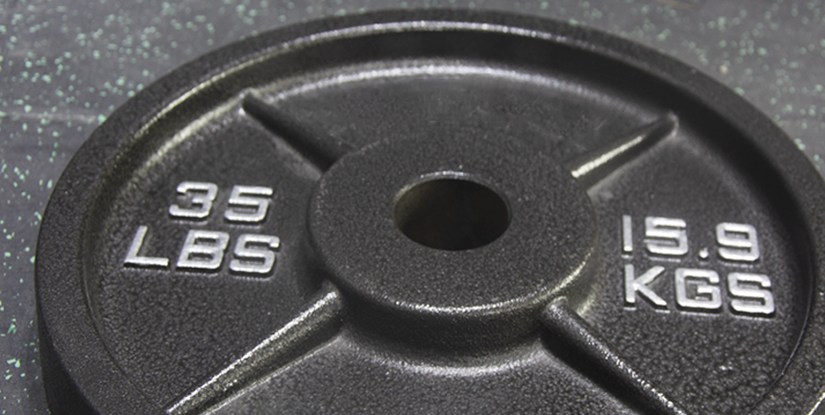
Technical Comparison of Casting and Finishing Methods
When evaluating your next batch, you must distinguish between different production routes to manage your landed cost and product longevity. For instance, while sand casting is the industry standard for high-volume production, the choice of surface finishing—such as powder coating or specialized dipping—will dictate how the equipment performs under heavy commercial use. A professional cast iron fitness equipment OEM manufacturer will provide clear documentation on these processes to ensure your private label meets specific market requirements.
| Material/Process | Primary Method | Commercial Duty Tier | Key Procurement Focus | Factory QC Point |
|---|---|---|---|---|
| Sand Casting | Traditional Mold | Standard Commercial | Volume and Cost Efficiency | Casting Density and Surface Smoothness |
| Die Casting | Precision Mold | Premium/Competition | High Weight Precision | Dimensional Consistency |
| Powder Coating | Electrostatic Spray | High-Traffic Commercial | Coating Adhesion and Durability | Layer Uniformity and Impact Resistance |
| PU/Rubber Coating | Dip/Molding | Premium/Studio | Floor Protection and Grip | Encapsulation Integrity |
To ensure a successful sourcing strategy, we recommend requesting a detailed specification sheet that outlines the specific surface treatment used for your order. For instance, if you are ordering wholesale cast iron weights for a high-end boutique studio, you may require a thicker powder coating or a high-grade PU finish to prevent chipping. We suggest confirming the weight tolerance bands and the specific coating adhesion standards during your initial inquiry to ensure the final product aligns with your brand's quality expectations.
Optimizing TCO Through High-Quality Cast Iron Sourcing
For professional distributors and gym operators, the initial purchase price is only one part of the financial equation. Selecting a reliable cast iron fitness equipment OEM manufacturer is a strategic decision that dictates your long-term Total Cost of Ownership (TCO). When sourcing in bulk, the focus must shift from the lowest unit cost to the durability of the commercial-grade casting and the resilience of the surface finishing. Lower-quality units often suffer from premature oxidation or coating failure, leading to high replacement costs and diminished brand reputation.
In the context of China factory sourcing, procurement professionals must evaluate how manufacturing consistency impacts the lifecycle of the equipment. High-standard wholesale cast iron weights utilize refined sand casting and robust coating applications to ensure the product survives high-traffic commercial environments. By investing in superior material integrity upfront, importers reduce the frequency of returns, minimize maintenance labor, and protect their profit margins over the long term.
Qualitative Comparison of Casting and Finishing Tiers
To effectively manage TCO, procurement leads should categorize orders based on the intended environment. A commercial gym equipment manufacturer typically offers different tiers of production, ranging from basic utility to high-end studio specifications. Understanding these distinctions prevents the common mistake of over-investing in low-traffic areas or under-investing in high-impact zones where maintenance costs can escalate quickly.
| Material Tier | Primary Process | Surface Finish | Commercial Duty | TCO Impact | Procurement Focus |
|---|---|---|---|---|---|
| Standard Gray Iron | Basic Sand Casting | Phosphate or Paint | Budget / High-Traffic | Low initial cost; higher maintenance | Volume / MOQ |
| Refined Cast Iron | Precision Sand Casting | Powder Coating | Premium / Professional | Balanced durability and longevity | Reliability / Branding |
| High-Grade Alloy | Advanced Casting | Chrome or Specialized Coating | Elite / Competition | Highest initial cost; minimal upkeep | Aesthetics / Longevity |
When evaluating a China factory for your next bulk order, we recommend requesting specific details on the powder coating adhesion and the density of the sand casting used. For distributors looking to provide long-lasting solutions, a mid-to-high tier specification ensures that the wholesale cast iron weights remain aesthetically consistent and structurally sound throughout their service life, effectively lowering the long-term cost of replacement and labor.
Supply Chain Reliability and Pre-Shipment Verification
The hidden risk in international procurement often lies in the gap between the sample approval and the final arrival at your warehouse. To mitigate this, a professional cast iron fitness equipment OEM manufacturer must implement a rigorous pre-shipment QC protocol that extends beyond simple visual checks. For large-scale importers, the cost of a single faulty shipment—due to incorrect weight tolerance or peeling finishes—can quickly erase the benefits of a low unit price and disrupt the entire landed cost calculation.
A reliable China factory ensures that every batch undergoes systematic verification. This includes a weight tolerance spot-check across a statistical sample to ensure compliance with your technical specifications, alongside a physical inspection of the coating adhesion. For instance, testing how the finish reacts to standard commercial handling prevents the common issue of chipping during transit or early use. When managing a high-volume bulk order, these technical checkpoints are essential for maintaining the integrity of your brand and ensuring that your sourcing strategy remains profitable and scalable.
China Factory Capabilities: OEM, MOQ, and Export Standards
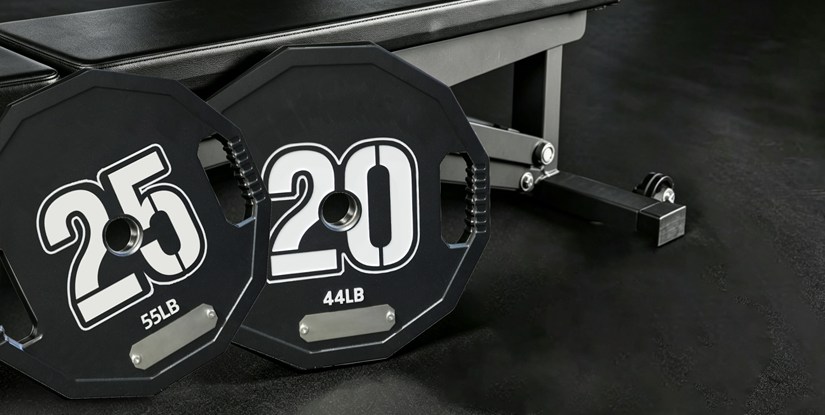
For international distributors and large-scale gym equipment importers, selecting a reliable cast iron fitness equipment OEM manufacturer is a critical decision for maintaining consistent product quality and healthy profit margins. A specialized China factory fitness equipment OEM provides more than just raw production; it offers a structured supply chain capable of scaling from standard stock orders to highly specific OEM/ODM requirements. Understanding the operational boundaries of a factory is essential for managing lead times, landed costs, and inventory turnover effectively.
The distinction between standard wholesale and customized production often centers on the level of OEM involvement. While a supplier may offer ready-to-ship wholesale cast iron weights for rapid restocking, professional buyers often require ODM services to differentiate their product lines. This includes custom weight increments, specific handle textures, or branded logo integration via sandblasting or specialized coating techniques. Depending on the complexity of these customizations, MOQ levels will vary significantly to ensure production efficiency and cost-effectiveness for the distributor.
Operational Tiers for Commercial Sourcing
| Service Type | Primary Focus | Customization Level | Typical MOQ Impact | Best For |
|---|---|---|---|---|
| Standard Wholesale | Rapid Stock Replenishment | Low (Standard Finishes) | Lower/Standard | Small Studios & Retailers |
| OEM Production | Brand Identity & Differentiation | Medium (Branding/Color) | Moderate | Regional Distributors |
| Full ODM Solution | New Product Development | High (Tooling/Dimensions) | Higher | Large-Scale Importers |
When sourcing specialized equipment, buyers should request a detailed specification sheet to confirm that the China factory can meet specific commercial-grade standards. We recommend initiating a dialogue regarding MOQ for custom branded batches early in the procurement cycle to ensure accurate lead time forecasting and optimized shipping container loading plans.
Standardizing Export Quality and Packaging Protocols
Reliability in the global supply chain depends heavily on the rigorousness of pre-shipment inspection. A professional commercial gym equipment manufacturer must implement multi-stage quality control to prevent costly returns or damage during transit. For cast iron products, the inspection sequence typically begins with a weight tolerance spot-check to ensure each unit meets the declared specification within industry-standard margins. This is followed by a visual and physical assessment of the surface finishing, such as checking for coating adhesion or imperfections in the powder coating layer, ensuring the product meets the durability requirements of high-traffic commercial environments.
Beyond the product itself, the integrity of the export packaging is a vital component of the total landed cost. High-density casting can be prone to edge chipping if not protected correctly during long-distance maritime shipping. A capable cast iron fitness equipment OEM manufacturer will utilize reinforced corrugated boxes, moisture-resistant liners, and heavy-duty pallets to secure the load. For bulk shipments, optimizing container loading density—ensuring weights are nested or stacked according to weight-bearing limits—is essential for distributors to maximize their shipping efficiency and overall ROI per container.
To ensure your procurement requirements are fully met, we suggest requesting a sample approval or a factory audit before committing to large-scale production. Contact us to discuss your specific MOQ, custom branding options, or to receive a detailed quote for your next bulk order.
Pre-Shipment Inspection and Export Packaging Protocols
Ensuring the integrity of heavy iron goods during long-haul maritime transit is a critical factor for distributors and gym equipment importers. When sourcing from a cast iron fitness equipment OEM manufacturer, the risk of surface oxidation, dented casting edges, or pallet instability can significantly impact your landed cost and product sellability. Relying on standard domestic shipping methods for bulk orders is a common failure mode in international procurement.
A professional commercial gym equipment manufacturer must implement a rigorous pre-shipment inspection (PSI) protocol. This process typically involves a final weight tolerance spot-check and a visual inspection of the coating adhesion to ensure no premature rust or chipping occurs. For high-volume wholesale cast iron weights, this stage is non-negotiable to prevent costly returns and maintain your brand reputation.
Beyond inspection, specialized export packaging is essential for logistics safety. High-density foam corner protectors, heavy-duty corrugated boxes, and reinforced wooden pallets are industry standards used to secure heavy weights. This level of bulk order protection ensures that the items arrive at your warehouse in the same condition they left the China factory, minimizing damage-related claims and optimizing your inventory turnover. We recommend confirming specific palletization requirements and crate dimensions during your initial sourcing discussion to align with your local warehouse capacity and shipping constraints.
Technical Inspection Checklist for B2B Procurement
To mitigate the risks of receiving substandard batches, professional buyers should utilize a standardized technical checklist during factory audits or remote inspections. A reliable China factory fitness equipment OEM will provide transparency regarding their internal quality control metrics. When evaluating your next shipment, ensure your inspection team or third-party agent focuses on the following critical procurement dimensions to protect your distributor margins.
| Inspection Category | Focus Area | Commercial Duty Standard | B2B Sourcing Impact |
|---|---|---|---|
| Dimensional Integrity | Weight tolerance and concentricity | Standardized deviation limits | Ensures accurate inventory counts |
| Surface Quality | Coating adhesion and texture | Uniformity of powder coating or paint | Reduces customer returns/complaints |
| Structural Strength | Handle-to-body junction and weld quality | Smooth, seamless transitions | Long-term durability for commercial use |
| Export Readiness | Palletization and sea freight durability | Reinforced crates and corner protection | Minimizes damage during maritime transit |
During the final stage of the cast iron fitness equipment OEM manufacturer workflow, the emphasis shifts from individual unit precision to logistical stability. For large-scale wholesale cast iron weights, the packaging must withstand the vertical pressure of container stacking. We advise all importers to verify the thickness of the corrugated layers and the structural integrity of the wooden pallets used for the final load. Confirming these details early in the sourcing process allows you to better calculate the total landed cost and prepare your warehouse for efficient unloading upon arrival.
Shipping Method and Packaging Optimization for Bulk Imports
Selecting the correct shipping method is a strategic decision that directly affects your total landed cost and inventory availability. For distributors managing high-volume orders, the choice between air and sea transit requires a balance between speed and the structural protection of the goods. A competent China factory fitness equipment OEM will provide detailed packing lists and dimensions to help you optimize container utilization and minimize shipping-related damage.
| Shipping Method | Packaging Type | Protection Level | Suitability for Wholesale | Cost Impact |
|---|---|---|---|---|
| Sea Freight (LCL/FCL) | Reinforced wooden crates or heavy-duty pallets | High (Optimized for vertical stacking) | Best for high-volume bulk orders | Lowest per-unit cost for large shipments |
| Air Freight | Standard corrugated cartons with foam inserts | Medium (Optimized for impact resistance) | Best for small replenishment or samples | High per-unit cost; higher speed |
| Express Courier | Single-unit protective boxing | Low to Medium (Optimized for handling) | Best for prototyping and single SKUs | Highest per-unit cost; fastest delivery |
When executing a large-scale wholesale procurement, sea freight remains the industry standard due to its superior ability to handle the density of heavy iron goods. To ensure your wholesale cast iron weights arrive without surface abrasions or structural deformation, we recommend requesting a detailed specification of the palletization method. This includes verifying the use of moisture-resistant barriers and corner protectors, which are essential for long-duration maritime transit. Confirming these packaging standards during the initial sourcing phase will allow you to better manage your warehouse logistics and ensure a predictable arrival of your commercial-grade inventory.