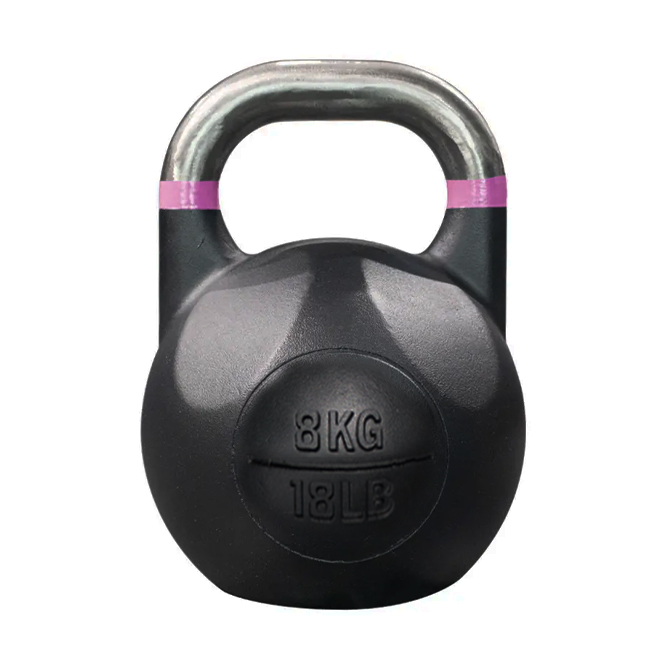
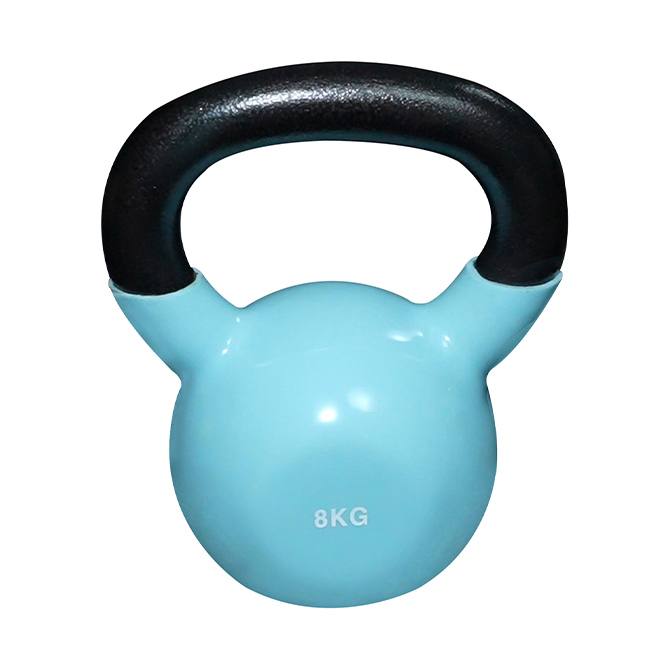
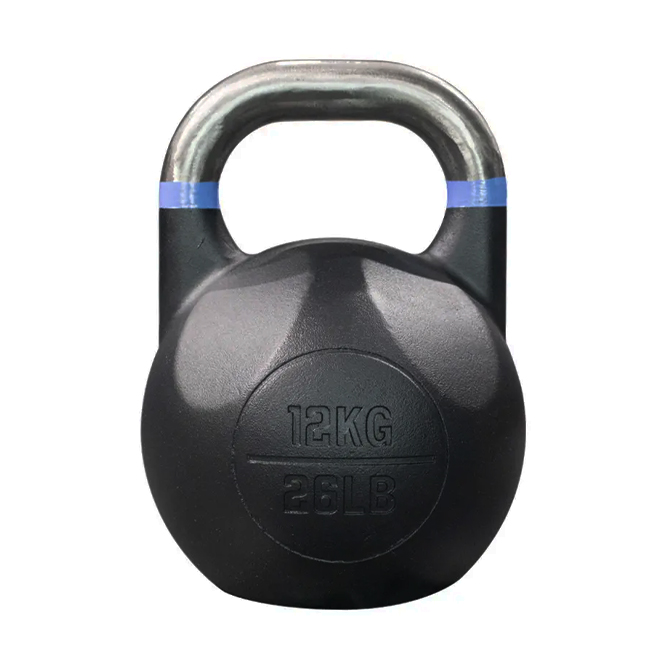
Kettlebell Mold Manufacturer: Global Export from China
The Strategic Value of a Professional Kettlebell Mold Manufacturer
A professional kettlebell mold manufacturer provides the foundational precision required for mass-producing consistent, high-grade fitness equipment. For international distributors and gym owners, sourcing directly from a China factory ensures standardized weight distribution and structural integrity, which are essential for maintaining professional training environments.
Procurement professionals often face the hidden costs of low-quality casting, where uneven weight distribution or brittle handles lead to frequent replacements and diminished brand reputation. By partnering with an experienced commercial kettlebell supplier, buyers can mitigate these risks through standardized manufacturing protocols. This strategic move shifts the focus from simple unit costs to a comprehensive view of TCO, ensuring that every batch meets the rigorous demands of high-traffic commercial facilities.
Optimizing your long-term ROI requires more than just finding the lowest price; it requires a cast iron kettlebell factory capable of delivering consistent product specifications across large wholesale orders. When a supplier maintains strict control over the casting and coating stages, the resulting products exhibit superior long-term durability and lower maintenance costs. This reliability allows distributors to offer premium products to their clients without the burden of high return rates or premature equipment failure.
Evaluating Sourcing Options: Factory-Direct vs. Unverified Traders
When planning large-scale inventory procurement, understanding the distinction between a specialized manufacturer and a general trading company is vital for managing landed costs and product longevity. While unverified traders may offer lower upfront quotes, they often lack control over the casting and finishing stages, leading to inconsistencies in weight accuracy and surface durability. For professionals managing high-volume distribution, these variables can result in unpredictable replacement cycles and increased customer complaints.
A professional kettlebell mold manufacturer offers a more stable supply chain by managing the entire production sequence—from the initial sand casting to the final powder coating application. This direct oversight ensures that the handle-to-body junction and the coating adhesion meet commercial-grade standards. For distributors, this translates to a more predictable ROI and a more reliable brand image in the competitive fitness market.
| Sourcing Category | Primary Material & Process | Key Component Focus | Commercial Duty Level | Typical MOQ Impact | Procurement Advantage |
|---|---|---|---|---|---|
| Professional Manufacturer | Cast Iron & Powder Coating | Handle Texture & Weight Accuracy | Premium/Commercial | Higher Stability | Low TCO & High Consistency |
| Unverified Trader | Mixed/Standard Cast Iron | Basic Surface Finish | Budget/Entry-Level | Variable/Low | Low Initial Unit Cost |
| Specialized OEM Partner | Precision Casting & Custom Coating | Custom Branding & Tooling | High-End Commercial | Negotiable/Scalable | Maximum Brand Differentiation |
To ensure your procurement strategy aligns with your business goals, we recommend requesting a detailed specification sheet or a sample evaluation for any bulk order. Whether you are looking to establish a private label or expand your current inventory, confirming the factory QC protocols and discussing your specific MOQ requirements will help secure the best long-term value for your distribution or retail business.
Maximizing Operational Efficiency via OEM/ODM and Customization
Beyond basic product consistency, high-level distributors often require specialized solutions to differentiate their market offerings. A capable kettlebell mold manufacturer provides essential OEM and ODM services that allow you to move beyond generic stock items. Whether you need specific handle dimensions for a particular grip style or a custom color palette for your brand identity, a professional China factory can integrate these requirements into the initial casting and coating stages of production.
Engaging in OEM procurement allows you to embed your own brand identity directly into the product, from the logo embossed on the cast iron body to the specific texture of the powder coating. This capability is a critical tool for distributors looking to build long-term brand equity rather than just selling unbranded commodities. By managing these specifications at the source, you ensure that your custom branding remains consistent across every shipment, regardless of the volume or weight range ordered.
Furthermore, professional sourcing involves more than just selecting a design; it requires verifying the stability of lead times and the reliability of bulk order fulfillment. A specialized commercial kettlebell supplier understands that for a large-scale distributor, a delayed shipment can disrupt an entire seasonal launch. Therefore, we prioritize transparent communication regarding production cycles and pre-shipment inspection schedules to ensure your inventory arrives on time and meets every specified technical requirement.
Material Selection and Casting Processes for Commercial Tiers
Selecting a reliable kettlebell mold manufacturer requires a deep understanding of how base materials impact long-term commercial durability and total cost of ownership. For high-volume distributors and gym equipment importers, the choice between traditional cast iron and advanced steel-based options often dictates the frequency of replacement and the stability of distributor margins. A professional China factory will typically offer different casting routes to meet specific wholesale price points and performance requirements.
The most common method for producing commercial-grade weights is sand casting, which utilizes gray iron to create a robust, single-piece body. This process is industry-standard for mass-market commercial kettlebell supplier requirements due to its cost-effectiveness in bulk production. However, the precision of the cast iron kettlebell factory process determines the final weight tolerance and handle concentricity, which are critical factors during pre-shipment QC to avoid high return rates for overseas buyers.
| Material Tier | Primary Process | Commercial Duty | Procurement Focus | Typical MOQ Impact |
|---|---|---|---|---|
| Gray Cast Iron | Sand Casting | Standard Commercial | High Durability / Low TCO | Standard Wholesale Tiers |
| Solid Steel | CNC Machining | Premium / Competition | Precision & Longevity | Higher Minimums |
| Ductile Iron | Centrifugal Casting | High-Impact / Heavy Use | Impact Resistance | Custom Order Basis |
When sourcing equipment, buyers must evaluate the relationship between the casting method and the final surface finish. For example, a kettlebell mold manufacturer must ensure that the transition from the sand casting stage to the powder coating or encapsulation line is seamless. Any imperfections in the base casting can lead to coating failure or handle-to-body separation, increasing maintenance loads for the end-user and reducing the landed cost-efficiency for the importer.
Comparison of Surface Finishing and Coating Methods
Beyond the base casting, the secondary treatment process defines the product's visual identity and tactile feedback. A professional kettlebell mold manufacturer must manage the transition from raw iron to a finished surface with high precision. For distributors, the choice between a standard paint finish and a specialized coating layer affects not only the aesthetics but also the long-term replacement planning and maintenance load in high-traffic commercial environments.
Commonly, high-tier commercial kettlebell supplier options focus on coating adhesion and thickness consistency. While basic enamel or paint finishes are standard for entry-level wholesale, premium tiers utilize advanced application methods to protect the iron core from oxidation and impact. When evaluating a cast iron kettlebell factory, it is essential to verify whether they utilize a specialized powder coating line or a dip-molding process for encapsulated models, as these significantly impact the durability of the handle and the grip texture.
| Surface Treatment | Application Method | Commercial Application | Procurement Advantage | Typical QC Inspection Point |
|---|---|---|---|---|
| Powder Coating | Electrostatic Spray | Standard Commercial Gyms | High Durability / Low Maintenance | Coating Adhesion & Uniformity |
| PU Coating | Liquid Dip / Molding | Boutique Studios & Premium Centers | Floor Protection / Ergonomic Grip | Encapsulation Integrity |
| Enamel / Paint | Liquid Spray | Budget-Oriented Distribution | Optimized Landed Cost | Surface Smoothness |
For buyers managing large-scale wholesale orders, understanding these technical nuances is vital for reducing the total cost of ownership (TCO). A lack of rigorous pre-shipment QC on the coating layer can result in peeling or oxidation, which damages the brand identity of the importer. We recommend requesting a sample approval or a detailed material specification sheet to confirm that the coating method aligns with your specific market positioning and intended commercial duty.
Critical Inspection Points for High-Volume Sourcing
When managing large-scale procurement, identifying a reliable kettlebell mold manufacturer requires more than just reviewing a catalog; it demands a rigorous technical audit of the production output. For distributors and gym equipment importers, the cost of oversight is high. A single batch of unevenly cast units can lead to significant commercial liability, damaged brand reputation, and increased returns. To ensure high-tier commercial duty, professional buyers must implement strict validation protocols during the pre-shipment phase.
The primary concern for any commercial kettlebell supplier is the structural integrity of the unit. This includes a thorough assessment of the base flatness to ensure the bell sits stable on gym flooring without wobbling. Furthermore, a systematic weight tolerance spot-check is essential. While minor variations are industry-standard, significant deviations in a cast iron kettlebell factory setting can disrupt weight-training programs and lead to customer disputes. Buyers should request data on how the China factory manages weight consistency across different production runs to mitigate sourcing risks and ensure long-term commercial durability.
Surface integrity and ergonomic precision are often the first points of failure in lower-tier production. A professional kettlebell mold manufacturer must guarantee that the finish is not merely aesthetic but functional for high-traffic environments. For instance, the powder coating adhesion must be robust enough to withstand repetitive impact and friction without chipping or peeling, which can expose the underlying iron to oxidation. During your sourcing process, you should verify if the factory utilizes a standardized industrial coating line to ensure uniform thickness and durability across the entire batch.
Ergonomics and structural junctions represent another critical layer of quality control. The handle-to-body junction must be flawlessly integrated, whether through single-piece casting or precision welding, to prevent structural fatigue under heavy loads. Additionally, the knurling consistency on the grip is a vital metric for commercial-grade equipment; uneven or shallow texture can compromise user safety during high-intensity movements. We recommend that importers request detailed photos or video evidence of the grip texture and handle smoothness before finalizing any wholesale order.
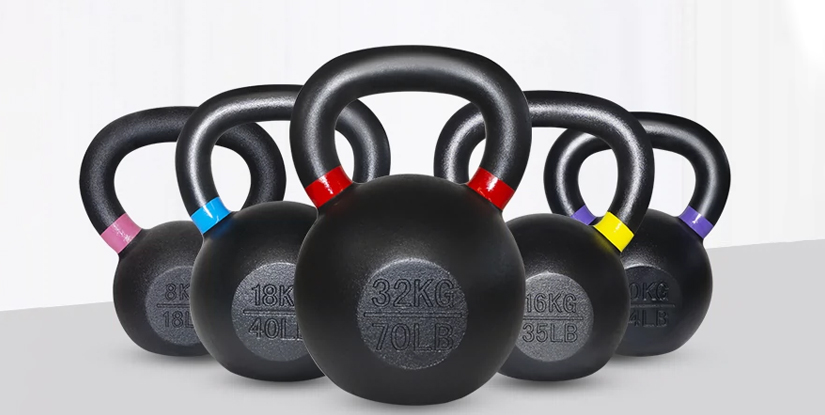
Finally, the integrity of the export packaging determines the landed cost and final product condition upon arrival. For bulk shipments, standardizing export packaging protocols—such as heavy-duty corrugated boxes and reinforced corner protectors—is essential to prevent damage during maritime transit. A reliable commercial kettlebell supplier will provide a clear pre-shipment inspection report that covers these physical attributes, ensuring that your MOQ-driven purchase arrives in a condition that meets your brand's quality standards.
Inspection Benchmarks for Commercial-Grade Procurement
To streamline your procurement strategy and minimize the risk of high return rates, it is necessary to understand the qualitative differences between production tiers. A professional kettlebell mold manufacturer will offer clear distinctions in manufacturing standards to help you align your order with specific market demands. Below is a technical comparison to assist in your decision-making process.
| Inspection Category | Budget Tier (Standard) | Premium Tier (Commercial Duty) | QC Focus Point |
|---|---|---|---|
| Casting Quality | Basic sand casting with standard surface texture | Refined casting with smooth transition zones | Base flatness and concentricity |
| Surface Finish | Standard paint or basic powder coat | High-adhesion industrial powder coating | Coating adhesion and chipping resistance |
| Handle Ergonomics | Basic cast texture or simple knurling | Precision-engineered knurling and grip profile | Handle-to-body junction integrity |
| Weight Consistency | Standard weight tolerance bands | Strict high-precision weight calibration | Weight deviation per unit |
| Sourcing Strategy | Lower MOQ for stock items | High-tier OEM and ODM customization | Brand identity and spec compliance |
Selecting the right commercial kettlebell supplier involves balancing the landed cost against the expected wear in a professional gym environment. While budget-tier options may suit specific low-traffic retail needs, premium-grade units are essential for high-use commercial facilities where durability and safety are non-negotiable. We suggest requesting a sample evaluation or a detailed pre-shipment inspection report to verify these technical benchmarks before finalizing your wholesale contract.
OEM and Private Label Capabilities for Global Distributors
Expanding your product line requires more than just standard inventory; it requires a partner capable of high-level OEM and ODM services. For distributors looking to build long-term brand equity, working with a professional kettlebell mold manufacturer provides the technical foundation necessary to transition from a mere importer to a recognized brand owner. By leveraging specialized custom branding, you can move beyond generic white-label products to offer specialized equipment that fits your specific market positioning.
The ability to implement private label solutions—ranging from specialized color/logo customization on the cast iron body to unique handle textures—allows you to differentiate your catalog in a crowded professional market. This level of customization is essential for increasing your distributor margin, as branded, specialized equipment typically commands a higher price point and stronger customer loyalty than unbranded, commodity-grade units. Whether you require specific weight increments or unique aesthetic finishes, a dedicated China factory can adjust production workflows to meet your exact brand identity requirements.
Customization Levels and Procurement Tiers
Deciding between standard wholesale orders and full-scale branding depends on your current market scale and inventory strategy. A professional commercial kettlebell supplier will typically offer tiered engagement levels to accommodate different business stages, from small-scale studio replenishment to large-scale distributor launches. Understanding these tiers helps in calculating your landed cost and long-term ROI.
When sourcing from a cast iron kettlebell factory, you must weigh the benefits of speed against the value of brand differentiation. Standardized products offer the fastest lead times and lowest MOQ, making them ideal for rapid stock replenishment. However, utilizing OEM services allows you to implement custom branding and specialized finishes, which are critical for establishing a premium presence in the professional fitness market.
| Customization Level | Branding Options | Typical MOQ | Lead Time Impact | Commercial Application |
|---|---|---|---|---|
| Standard Wholesale | No branding or generic logo | Low | Shortest | Studio replenishment and entry-level retail |
| Enhanced Branding | Laser-etched or painted logo | Medium | Moderate | Regional distributors and fitness franchises |
| Full OEM/Private Label | Custom colors, textures, and packaging | High | Longest | Global brands and specialized equipment lines |
For procurement managers, the choice is driven by the intended market position. A kettlebell mold manufacturer can provide highly customized solutions, but these require more intensive pre-shipment QC and longer production cycles. We recommend requesting a detailed spec sheet and confirming the exact MOQ for your desired level of customization before proceeding with a bulk order to ensure your shipping and warehouse planning remains accurate.
Optimizing Logistics, QC, and Landed Cost for Bulk Imports

Successful international procurement relies on more than just the initial order; it depends on the rigor of the supply chain management. For distributors and large-scale importers, the primary risk in sourcing from a kettlebell mold manufacturer is the discrepancy between the ordered specification and the delivered product. To mitigate this, high-volume buyers must implement a strict pre-shipment inspection protocol. This process ensures that every unit in a bulk shipment meets the required weight tolerance, coating adhesion, and handle ergonomics before it leaves the China factory, preventing the high costs associated with international returns or damaged brand reputation.
Effective logistics management also requires a clear understanding of the total landed cost. When sourcing from a commercial kettlebell supplier, the final price is a combination of the unit cost, freight, duties, and the quality of the export packaging. Premium export-grade packaging—designed to withstand sea freight stacking and long-distance handling—is essential for maintaining the integrity of the powder coating and preventing dented cast iron bodies. By coordinating closely with your cast iron kettlebell factory regarding container loading patterns and specialized crating, you can optimize container utilization and reduce the per-unit shipping expense, directly improving your overall distributor margin.
Optimizing Logistics and Export Packaging for Bulk Orders
Managing the landed cost of heavy iron goods requires more than just favorable factory-direct pricing; it requires a sophisticated approach to transit safety. For importers, the primary risk during sea freight is not just the freight rate, but the potential for product loss due to mishandling. A professional kettlebell mold manufacturer must implement rigorous export packaging standards to ensure that high-density items arrive in retail-ready condition.
When managing bulk orders, the structural integrity of the outer casing is paramount. Because cast iron products are prone to impact damage and surface oxidation if moisture enters the packaging, standard consumer-grade boxes are insufficient. To ensure effective shipping damage prevention, a reliable commercial kettlebell supplier will utilize heavy-duty cartons specifically designed to withstand the compressive force of stacked heavy weights. Furthermore, professional palletization—using reinforced wooden or plastic pallets and industrial-grade shrink wrap—is essential to stabilize the load within a shipping container, preventing shifting that leads to crushed corners or broken seals.
Optimizing these China factory logistics workflows directly impacts your distributor margins. By coordinating with a cast iron kettlebell factory to optimize carton dimensions and weight distribution, buyers can maximize container utilization, effectively lowering the total landed cost per unit. This level of logistical planning is a critical component of a successful long-term sourcing strategy for commercial fitness distributors.
Managing the landed cost of heavy iron goods requires more than just favorable factory-direct pricing; it requires a sophisticated approach to transit safety. For importers, the primary risk during sea freight is not just the freight rate, but the potential for product loss due to mishandling. A professional kettlebell mold manufacturer must implement rigorous export packaging standards to ensure that high-density items arrive in retail-ready condition.
When managing bulk orders, the structural integrity of the outer casing is paramount. Because cast iron products are prone to impact damage and surface oxidation if moisture enters the packaging, standard consumer-grade boxes are insufficient. To ensure effective shipping damage prevention, a reliable commercial kettlebell supplier will utilize heavy-duty cartons specifically designed to withstand the compressive force of stacked heavy weights. Furthermore, professional palletization—using reinforced wooden or plastic pallets and industrial-grade shrink wrap—is essential to stabilize the load within a shipping container, preventing shifting that leads to crushed corners or broken seals.
Optimizing these China factory logistics workflows directly impacts your distributor margins. By coordinating with a cast iron kettlebell factory to optimize carton dimensions and weight distribution, buyers can maximize container utilization, effectively lowering the total landed cost per unit. This level of logistical planning is a critical component of a successful long-term sourcing strategy for commercial fitness distributors.
Managing the landed cost of heavy iron goods requires more than just favorable factory-direct pricing; it requires a sophisticated approach to transit safety. For importers, the primary risk during sea freight is not just the freight rate, but the potential for product loss due to mishandling. A professional kettlebell mold manufacturer must implement rigorous export packaging standards to ensure that high-density items arrive in retail-ready condition.
When managing bulk orders, the structural integrity of the outer casing is paramount. Because cast iron products are prone to impact damage and surface oxidation if moisture enters the packaging, standard consumer-grade boxes are insufficient. To ensure effective shipping damage prevention, a reliable commercial kettlebell supplier will utilize heavy-duty cartons specifically designed to withstand the compressive force of stacked heavy weights. Furthermore, professional palletization—using reinforced wooden or plastic pallets and industrial-grade shrink wrap—is essential to stabilize the load within a shipping container, preventing shifting that leads to crushed corners or broken seals.
Optimizing these China factory logistics workflows directly impacts your distributor margins. By coordinating with a cast iron kettlebell factory to optimize carton dimensions and weight distribution, buyers can maximize container utilization, effectively lowering the total landed cost per unit. This level of logistical planning is a critical component of a successful long-term sourcing strategy for commercial fitness distributors.
Establishing Long-Term Partnerships with a Reliable Supplier
For professional distributors and gym equipment importers, moving beyond one-off procurement to a structured supply chain is a critical milestone. Selecting a professional kettlebell mold manufacturer allows your business to transition from reactive purchasing to a predictable, scalable growth model. Whether you are expanding a product line or securing stock for a seasonal surge, working directly with a China factory ensures that your inventory levels align with market demand and your specific brand requirements.
A stable long-term partnership with a specialized commercial kettlebell supplier provides much more than just physical goods; it offers a competitive edge in the global market. By securing a consistent wholesale source, you can better manage your landed costs, stabilize your pricing structures, and mitigate the risks associated with inconsistent product quality. From managing MOQ requirements for custom branding to ensuring predictable lead time for large-scale shipments, a direct sourcing relationship minimizes the friction often found when dealing with multiple middle-tier traders.
Effective scalability requires a partner who understands the nuances of high-volume production and the strict quality standards of the commercial fitness industry. Whether you require OEM services for private label expansion or need to secure high volumes of standard cast iron units, a dedicated factory can provide the structural support necessary to scale your operations efficiently and reliably.
Evaluating Supplier Capabilities and Procurement Readiness
To ensure a high return on investment, procurement managers must look beyond the base unit price and evaluate the complete supply chain-readiness of their chosen kettlebell mold manufacturer. A high-performing partner should demonstrate transparency in their technical capabilities and a structured approach to high-volume export. Relying on a cast iron kettlebell factory that lacks rigorous documentation can lead to significant hidden costs, such as unexpected customs delays, high return rates due to coating failure, or inconsistent weight tolerances that damage your brand reputation.
The following checklist is designed to assist importers and distributors in performing a preliminary evaluation of a potential commercial kettlebell supplier. Use these criteria to determine if the manufacturer can meet your specific commercial-grade requirements and support your long-term growth.
| Evaluation Category | Critical Procurement Metric | Commercial Duty Standard | Impact on Landed Cost/ROI |
|---|---|---|---|
| Production Type | OEM/ODM Capability | Custom branding and specialized handle textures | Enables high-margin private label product lines |
| Quality Control | Pre-shipment Inspection | Coating adhesion and weight tolerance checks | Reduces costly returns and after-sales liabilities |
| Logistics Readiness | Export Packaging | Reinforced cartons and palletized loading | Minimizes transit damage and warehouse loss |
| Financial Model | MOQ and Lead Time | Predictable production cycles and volume tiers | Optimizes cash flow and inventory turnover |
Before finalizing any large-scale purchase, we recommend a structured approach to validation. Start by requesting a detailed specification sheet to verify material compositions and surface finish processes. Following this, confirm the specific MOQ for your desired configuration, especially if you are requesting custom branding or unique weight increments. For high-volume distributors, it is standard practice to request a sample approval or schedule a virtual factory audit to observe the production flow, from the initial casting stage to the final pre-shipment QC and container loading. This proactive diligence ensures that your partnership is built on technical reliability and optimized commercial efficiency.