Pu Kettlebell Made in China: Factory Production and Export
Strategic Sourcing for Pu Kettlebell Made in China: Procurement Overview
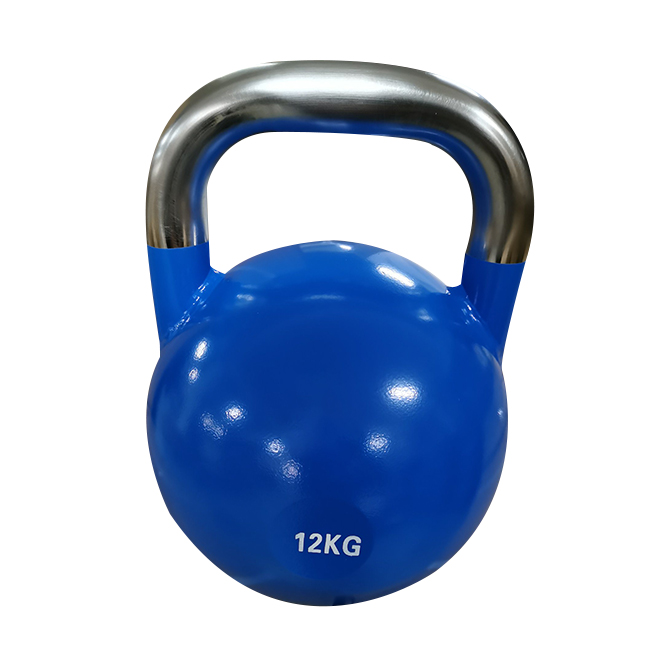
A pu kettlebell made in China is a high-end commercial fitness tool featuring a solid core encapsulated in a premium polyurethane coating. Professional distributors and gym owners choose this specific pu kettlebell made in China to offer clients a durable, floor-friendly, and aesthetically premium option that justifies higher retail margins in boutique studios and luxury fitness centers.
For many importers, the decision to move from standard cast iron to a pu kettlebell manufacturer involves balancing durability with visual appeal. While traditional iron bells are cost-effective, the polyurethane coating provides a seamless, non-slip texture that protects both the equipment and the facility's flooring. This transition is a key strategic move for distributors looking to elevate their product catalog from basic utility to premium commercial-grade offerings.
The production process begins with high-precision casting to ensure a consistent core shape. Following the initial shaping, the bells undergo a specialized injection or dipping process to apply the polyurethane coating. This layer is critical for maintaining weight tolerance and ensuring the surface does not chip or peel under heavy commercial gym usage. When managing commercial kettlebell wholesale orders, buyers must verify that the coating adhesion is uniform to prevent long-term maintenance issues in high-traffic environments.
Comparison of Manufacturing Standards and Sourcing Value
Selecting the right pu kettlebell manufacturer requires a clear understanding of how different production tiers affect your total landed cost and long-term replacement cycles. For distributors, the goal is to source a product that minimizes maintenance while maximizing the perceived value for the end-user. Depending on your target market—whether it is a high-traffic commercial gym or a premium boutique studio—the choice of core material and coating precision will directly impact your distributor margins and customer satisfaction.
The following table outlines the technical differences between standard and premium production routes to assist in your sourcing decisions. This comparison helps professional buyers determine the optimal balance between wholesale cost and commercial-grade durability.
| Manufacturing Standard | Core Material | Coating Type | Commercial Durability | Sourcing Advantage |
|---|---|---|---|---|
| Standard Commercial | Cast Iron | Standard Polyurethane | Moderate; suitable for general fitness centers | Lower MOQ and competitive initial price |
| Premium Professional | High-Density Steel | Reinforced Polyurethane | High; optimized for high-impact studio use | Higher retail margin and brand identity value |
| Boutique/Elite | Precision-Cast Core | Seamless Injection PU | Extreme; minimal wear and high aesthetic longevity | Ideal for luxury branding and high-end OEM projects |
When evaluating a China fitness equipment factory, we recommend requesting a sample to inspect the handle-to-body junction and the coating adhesion. A high-quality pu kettlebell made in China should exhibit a seamless transition between the core and the outer shell to prevent peeling. Before finalizing a large-scale wholesale order, always confirm the factory's ability to meet your specific weight calibration requirements and verify their pre-shipment QC protocols for coating thickness and base flatness.
Optimizing Logistics and Customization for Global Distribution
Efficient sourcing requires more than just finding a quality product; it requires a partner capable of managing complex logistics and bespoke branding requirements. For distributors managing large-scale gym deployments, understanding a China factory workflow is essential to avoid delays in project timelines and unexpected increases in the landed cost. A professional pu kettlebell manufacturer should provide transparency regarding production capacity and shipping readiness to ensure your inventory remains consistent.
To reduce buyer friction, we offer comprehensive OEM and ODM services tailored to your brand identity. This includes custom color matching for the polyurethane layer, laser-etched or printed logos for brand recognition, and specialized packaging solutions. Whether you are looking for a private label product to strengthen your market position or a specific weight configuration for a boutique studio chain, our production lines are designed to scale with your demand. We also provide customized export packaging to ensure that heavy, high-density units arrive at your warehouse or client site without surface damage or structural issues during long-distance sea freight.
Effective procurement planning also relies on clear communication regarding MOQ and lead times. Standard production cycles for a pu kettlebell made in China typically depend on the total volume and the complexity of the OEM specifications. To optimize your inventory turnover and cash flow, we recommend a phased ordering approach. We provide detailed documentation for every batch, including pre-shipment QC reports that verify weight accuracy and coating integrity. By aligning your procurement schedule with our production lead times, you can maintain a lean but reliable supply chain for your commercial clients.
Material Composition and Coating Durability for Commercial Use
When sourcing a pu kettlebell made in China, procurement professionals must prioritize the structural integrity of the internal core to ensure long-term value. High-tier commercial gym installations require equipment that can withstand high-volume throughput without weight drift or structural failure. Most premium units utilize a heavy-duty cast iron core, which provides the necessary density and stability required for professional strength training environments.
The outer layer is the most critical factor for commercial durability in high-traffic facilities. A high-grade polyurethane coating serves as a protective barrier, engineered to prevent the common issues found in lower-quality alternatives, such as chipping or skin irritation. For distributors and gym owners, selecting a pu kettlebell made in China with a seamless encapsulation process ensures the product remains functional and aesthetically professional under heavy use, ultimately reducing the total cost of ownership and maintenance frequency.
Understanding the trade-offs between different coatings is essential when managing sourcing from China factory direct channels. Below is a comparison of common material configurations used in the industry to assist in your procurement decision.
| Material Configuration | Primary Process | Core Component | Commercial Duty Tier | Maintenance Requirement |
|---|---|---|---|---|
| Cast Iron with Paint | Sand Casting & Spray | Gray Iron | Budget / Entry-Level | Moderate (Rust Prevention) |
| Rubber Coated | Injection Molding | Cast Iron | Standard Commercial | Low (Impact Protection) |
| Polyurethane (PU) Coated | High-Grade Encapsulation | Cast Iron | Premium / High-Traffic | Minimal (High Durability) |
| Competition Steel | Machining & Chrome | Solid Steel | Professional Competition | Very Low (Precision Focus) |
For those looking for commercial kettlebell wholesale opportunities, the choice of coating directly impacts your wholesale margins and product lifespan. While rubber-coated options offer excellent impact absorption, the polyurethane coating is often preferred by pu kettlebell manufacturer partners for high-end studios due to its superior surface finish and resistance to environmental wear. When evaluating a China fitness equipment factory, we recommend requesting samples to inspect the coating adhesion and the smoothness of the handle-to-body transition to ensure it meets your brand's quality standards.
Selecting the right specification is a strategic decision for any pu kettlebell manufacturer supplying high-end fitness facilities. The relationship between the internal core and the external layer determines the long-term reliability of the unit. In many commercial settings, the primary failure mode is not the internal weight, but the degradation of the surface finish due to improper bonding or low-grade polymers. This can lead to peeling, which compromises the aesthetic and functional value of your inventory.
To ensure successful wholesale distribution, buyers should focus on the quality of the encapsulation process. A high-quality pu kettlebell made in China typically undergoes a precision molding process where the polyurethane layer is tightly bonded to the cast iron core. This provides superior wear resistance and a seamless texture that is highly sought after in boutique studios and premium training centers. When negotiating MOQ or volume pricing, always verify that the manufacturer employs a consistent molding technique to prevent air bubbles or uneven thickness across the weight increments.
Evaluating these technical details during the sourcing phase allows for more accurate landed cost projections and lower replacement rates. We recommend that procurement leads request a detailed specification sheet or a physical sample to test the coating adhesion and surface density before finalizing any bulk order with a China factory.
Evaluating these technical details during the sourcing phase allows for more accurate landed cost projections and lower replacement rates. We recommend that procurement leads request a detailed specification sheet or a physical sample to test the coating adhesion and surface density before finalizing any bulk order with a China factory.
Manufacturing Processes: From Casting to Polyurethane Encapsulation
Understanding the structural transition from a core to a finished surface is critical for distributors managing long-term replacement cycles. A high-quality pu kettlebell made in China typically begins with a robust casting stage, where the internal weight is established through industrial sand casting or centrifugal methods. This core provides the necessary density and balance required for professional training environments.
The technical distinction in a commercial kettlebell wholesale order lies in the subsequent encapsulation. Once the gray iron or steel core is precision-machined to ensure weight tolerance, it undergoes a specialized polyurethane coating process. This secondary layer is not merely a surface finish but a structural integration that protects the core from oxidation and impact. For a pu kettlebell manufacturer, maintaining consistent coating adhesion is the primary factor in reducing the Total Cost of Ownership (TCO) for the end-user, as it prevents the peeling or cracking often seen in lower-tier products.
By investing in this multi-stage production route—moving from raw casting to advanced polymer application—a China factory can deliver a product that balances extreme durability with a premium tactile feel. This process ensures that the commercial duty requirements of high-traffic gyms are met while keeping maintenance loads low for the facility operator.
Comparison of Manufacturing Methods and Commercial Durability
When evaluating procurement options, buyers must weigh the initial landed cost against the long-term maintenance requirements of their facility. Selecting the correct manufacturing route is essential for managing the lifecycle of your inventory and ensuring high turnover rates in commercial settings. The following table compares the standard production tiers available through a professional pu kettlebell manufacturer to assist in your sourcing decisions.
| Material | Process | Key Component | Commercial Duty | MOQ Impact | Factory QC Point |
|---|---|---|---|---|---|
| Gray Iron Core | Sand Casting & PU Molding | Encapsulation Layer | Premium / High-Traffic | Moderate | Coating Adhesion |
| Solid Steel | CNC Machining & Powder Coating | Handle Texture | Standard Commercial | Low | Surface Uniformity |
| Cast Iron | Basic Casting & Enamel | Base Flatness | Budget / Light Use | Very Low | Weight Tolerance |
For distributors seeking a high-end product, the pu kettlebell made in China utilizing a dual-layer casting and polyurethane encapsulation method offers the best ROI. While the complexity of the molding process may affect the initial wholesale unit price, the resulting product significantly reduces the frequency of replacements due to surface damage or core oxidation. This makes it a preferred choice for high-end studio operators and large-scale gym franchises. If your project requires specific branding or custom weight increments, please contact us to discuss OEM capabilities and lead times for your next bulk order.
Critical Inspection Points for High-Volume Sourcing
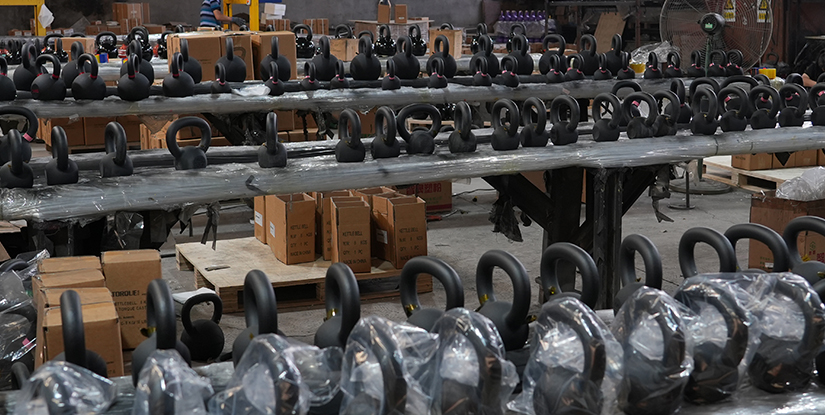
Reliability in a pu kettlebell made in China is not determined solely by the raw material, but by the rigor of the pre-shipment inspection protocols. For professional buyers, the primary risk in bulk procurement is inconsistent coating adhesion or weight deviations that occur after the product has left the factory. A professional pu kettlebell manufacturer mitigates these risks by implementing a multi-stage QC process that targets the most common failure modes in commercial environments.
During the inspection of a commercial kettlebell wholesale shipment, specialized technicians focus on the interface between the cast core and the polyurethane layer. A critical check involves testing the coating adhesion to ensure the polymer shell does not delaminate under high-impact usage. Furthermore, the factory must verify the weight tolerance of each unit to ensure that the casting dimensions remain within industry-standard margins. This level of scrutiny is essential when managing large-scale bulk orders where even a minor deviation can lead to significant inventory discrepancies or client dissatisfaction.
Beyond the physical product, a reliable China fitness equipment factory provides transparency regarding the entire supply chain, including packaging durability and container loading efficiency. For distributors and importers, understanding the specific lead time for both standard stock and custom OEM or ODM requests is vital for maintaining a consistent supply to retail or commercial clients. We recommend that buyers request a detailed specification sheet and a sample evaluation to confirm that the manufacturing precision aligns with your brand's quality standards before finalizing any large-scale sourcing contract.
China Factory QC Standards and Pre-Shipment Inspection Protocols
For distributors and large-scale importers, a single defective batch can significantly impact distributor margins and long-term TCO. Maintaining consistent pu kettlebell made in China standards requires rigorous oversight at every stage of production. A professional china fitness equipment factory must implement multi-stage verification to ensure that the polyurethane layer remains intact under high-frequency commercial use, preventing the high return rates often seen with lower-tier commercial kettlebell wholesale options.
Effective quality control begins with the weight calibration of the inner core to ensure strict weight tolerance compliance across the entire shipment. Following the casting and molding phase, technical teams must perform a factory inspection specifically targeting coating adhesion. This process ensures the PU layer is seamlessly bonded to the core, preventing peeling or cracking during heavy use. For wholesale buyers, verifying these technical checkpoints during a pre-shipment audit is essential to guarantee commercial durability and minimize the risk of damaged goods upon arrival at the warehouse.
Pre-Shipment Inspection Checklist for High-Volume Orders
When managing bulk procurement, the final pre-shipment inspection (PSI) serves as the last line of defense against landed cost increases. A professional pu kettlebell manufacturer utilizes a specific checklist to validate that every unit meets the expectations of a premium fitness studio or commercial gym. This rigor ensures that the pu kettlebell made in China arriving at your facility is ready for immediate deployment without the need for secondary sorting or replacement.
The technical inspection focuses on three critical dimensions of commercial-grade reliability: handle integrity, surface finish, and export packaging. First, inspectors verify the handle-to-body junction to ensure the grip remains smooth and free of any casting irregularities that could cause discomfort. Second, the surface finish is evaluated for coating uniformity; the polyurethane layer must be inspected for any bubbles, thin spots, or adhesion failures that might compromise the product's aesthetic and functional longevity. Finally, for large-scale commercial kettlebell wholesale shipments, the export packaging must be verified for structural strength. This includes checking the thickness of the master cartons and the stability of the internal dividers to prevent crushing or friction damage during long-distance ocean freight. For distributors, confirming these protocols during a factory audit or through a sample approval process is a vital step in securing reliable bulk order performance.
Technical Specification Comparison for Bulk Procurement
To assist procurement officers in evaluating different production tiers, the following table outlines the qualitative differences between standard and premium production. When sourcing a pu kettlebell made in China, understanding these technical variances is essential for calculating long-term durability and managing potential replacement cycles. A high-tier pu kettlebell manufacturer will typically offer the premium specifications listed below to meet the demands of high-traffic commercial environments.
| Material & Process Tier | Handle Texture & Grip | Coating Thickness & Adhesion | Weight Calibration Accuracy | Primary Commercial Use Case |
|---|---|---|---|---|
| Standard Commercial | Standard cast texture | Uniform thin layer | Standard tolerance | Small studios & boutique gyms |
| Premium Commercial-Grade | Precision-molded ergonomic grip | Thick, multi-layer PU coating | Strict weight tolerance compliance | High-traffic gyms & hotel fitness centers |
| Professional/Competition | Advanced texture/smooth finish | High-density, impact-resistant layer | Precision calibrated core | Professional training & elite facilities |
For a china fitness equipment factory, these distinctions directly impact the wholesale value and the total cost of ownership. While budget-tier options may offer a lower initial landed cost, premium-grade units with superior coating thickness and weight calibration ensure higher durability and lower maintenance requirements for the end-user. We recommend that distributors request a detailed spec sheet or a physical sample to verify the handle texture and coating quality before finalizing any large-scale bulk order.
Customization Capabilities: OEM and ODM Solutions
For distributors and large-scale gym chains, generic inventory often fails to build long-term brand equity. A specialized pu kettlebell made in China provides a strategic advantage by allowing importers to transition from mere resellers to established brand owners. Through professional OEM and ODM services, a China factory can transform standard production runs into proprietary product lines that command higher margins in the North American market.
Standardizing your product line requires more than just a logo; it requires control over the visual and tactile identity of your gear. Whether you are looking to implement custom colors to match a studio's aesthetic or require precise logo embossing on the PU skin, a reliable supplier can accommodate these specific requirements. We facilitate full private label integration, ensuring that your brand identity is seamlessly embedded into the product through high-grade molding and finishing techniques.
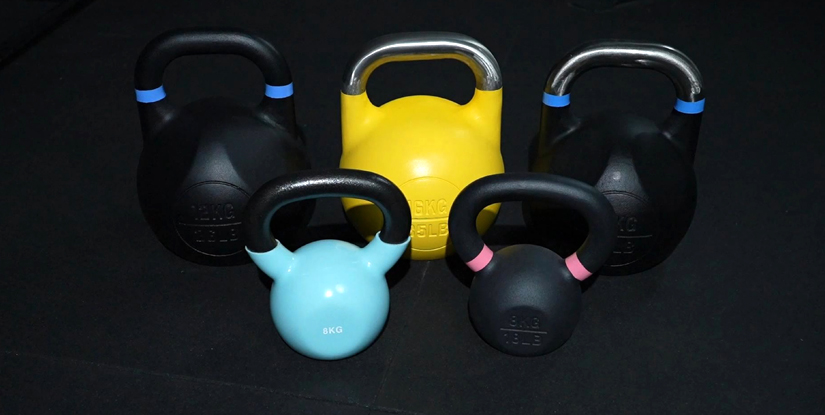
Strategic sourcing involves balancing high-end customization with logistical feasibility. While custom colors and specialized textures enhance the premium feel of the pu kettlebell made in China, these requests are typically tied to a specific MOQ to ensure production efficiency. By working directly with a commercial kettlebell wholesale partner, you can negotiate design specifications—such as handle texture or specific weight increments—that align with your commercial gym branding goals and target market positioning.
Customization Levels and Procurement Tiers
Selecting the appropriate level of customization is a critical decision for procurement managers balancing brand differentiation against total landed cost. Depending on whether your project requires a rapid deployment of equipment or a long-term proprietary product line, the following tiers outline the typical service offerings provided by a professional pu kettlebell manufacturer.
| Customization Tier | Scope of Service | Key Specifications | Typical MOQ | Procurement Focus |
|---|---|---|---|---|
| Standard Stock | Pre-set colors and weights | Standard handle texture and generic logo placement | Low | Speed to market and lower initial capex |
| Enhanced Branding | Custom color and logo | Custom PU color and silk-screen or embossed branding | Medium | Distributor margins and brand recognition |
| Full Customization | Complete design control | Custom handle texture, weight increments, and bespoke casing | High | Premium market positioning and product exclusivity |
When evaluating a pu kettlebell made in China, buyers must account for how customization affects the overall lead time and shipping density. While standard stock orders can often be fulfilled quickly for immediate gym deployment, advanced ODM requests—such as developing a unique handle texture or non-standard weight increments—require longer production cycles for mold calibration and quality testing. We recommend confirming all technical specifications, including the thickness of the PU coating and the precision of the internal steel core, during the sample approval stage to mitigate risks during large-scale wholesale shipments.
Technical Execution of the Pu Coating and Logo Integration
Achieving a premium finish requires a sophisticated PU coating process that goes beyond simple dipping. For high-end commercial applications, the production typically begins with a high-density internal core, often made of solid steel or cast iron, which is then precision-machaled to ensure weight consistency. The subsequent injection molding or high-grade polyurethane encapsulation must ensure a seamless bond between the internal weight and the outer skin. This stage is critical for preventing delamination or air pockets, which can compromise the durability of the pu kettlebell made in China under heavy usage in commercial settings.
To maintain brand integrity, the integration of a client's visual identity must be executed with precision. We utilize two primary methods: high-definition silk-screening for surface logos or deep logo embossing directly into the mold. The latter is highly preferred for professional distributors as it ensures the branding remains intact even after years of friction and heavy use. During the production of a pu kettlebell made in China, we also implement strict protocols for color consistency, using standardized color-matching systems to ensure that every batch in a large commercial kettlebell wholesale order matches your existing product lines perfectly.
A rigorous QC inspection is embedded at every stage of this customization process. This includes checking the adhesion of the PU layer, the smoothness of the handle texture, and the clarity of the embossed branding. For procurement leads, understanding these technical nuances is essential for managing the production lead time. While specialized customization may extend the initial schedule, a well-managed China factory workflow ensures that these quality-critical steps—from molding to final calibration—do not compromise your delivery windows or landed cost targets. We suggest requesting a detailed spec sheet or a sample evaluation to confirm that the coating thickness and branding precision meet your specific commercial standards before proceeding with bulk orders.
Optimizing Logistics and Landed Cost for Bulk Orders
For distributors and gym equipment importers, the total landed cost of a pu kettlebell made in China extends far beyond the initial factory invoice. Managing the weight-to-volume ratio is critical to maintaining healthy distributor margins. Because PU-coated units are often bulkier than traditional cast iron, procurement professionals must strategically plan container loading to prevent shipping costs from eroding profit margins.
Efficient commercial kettlebell wholesale procurement requires a deep understanding of shipping methods, specifically the trade-offs between LCL (Less than Container Load) and FCL (Full Container Load). While LCL offers flexibility for smaller MOQ requirements, FCL provides significantly better cost-efficiency for high-volume orders. When sourcing through a China fitness equipment factory, optimizing the volumetric footprint of each unit ensures you maximize the capacity of a 20ft or 40ft container, effectively lowering the per-unit freight expense.
Logistics Optimization Framework
| Shipping Method | Best Use Case | Volume Efficiency | Landed Cost Impact |
|---|---|---|---|
| LCL (Less than Container Load) | Small studio replenishment or testing new SKUs | Lower: Subject to shared container space constraints | Higher per-unit freight cost due to volume-based pricing |
| FCL (Full Container Load) | Large-scale distributor stock or gym deployments | High: Maximizes total weight and volume capacity | Lowest: Optimized for bulk order efficiency and scale |
To achieve the most competitive pu kettlebell made in China pricing, we recommend coordinating closely with your supplier during the packing stage. By utilizing specialized export packaging and optimizing the stacking patterns of the PU-coated bells, a factory can help reduce dead space within the container. This level of coordination is essential for professional sourcing agents aiming to stabilize the total cost of goods sold (COGS) in highly competitive markets.
| Packaging Strategy | Recommended Application | Durability & Protection | Impact on Lead Time/Cost |
|---|---|---|---|
| Standard Export Carton | Standard wholesale replenishment | Moderate: Suitable for stable environments | Faster turnaround; lower cost per unit |
| Reinforced Wooden Crate | Long-distance ocean freight (FCL) | High: Protects PU coating from impact/crushing | Extended lead time; higher logistics expense |
| Customized OEM Branding Box | Premium retail-ready distribution | Variable: Depends on material thickness | Increased MOQ; requires advance design approval |
When calculating the total expenditure for a pu kettlebell made in China, procurement managers should evaluate the trade-off between protection and volume. While reinforced crates provide superior security for the polyurethane layer during heavy ocean transit, they increase the volumetric weight, which can impact your commercial kettlebell wholesale budget. For a pu kettlebell manufacturer, providing flexible packaging options allows importers to choose between maximizing unit count per container or ensuring maximum surface protection for high-end studio equipment.
To mitigate risks during the sourcing process, we advise requesting a pre-shipment inspection that specifically checks the integrity of the export packaging. A reliable China fitness equipment factory will offer detailed loading plans to ensure that your bulk shipment arrives with minimal coating damage, thereby protecting your long-term distributor margins and reducing replacement costs. Before finalizing your next bulk order, please contact us to confirm the current MOQ and receive a customized shipping quote based on your specific weight and volume requirements.
Pre-Shipment Inspection and Export Standards
To ensure the integrity of a pu kettlebell made in China during long-haul ocean transit, a rigorous pre-shipment inspection is non-negotiable. For professional buyers, the risk of receiving damaged polyurethane coatings or dented handles can lead to significant replacement costs and disrupted distribution timelines. A reliable pu kettlebell manufacturer implements specific quality control checkpoints—not just for the product itself, but for the entire export-ready assembly.
High-standard commercial kettlebell wholesale orders should undergo a thorough verification of the handle-to-body junction and the adhesion of the PU coating. During the final QC phase, the factory should inspect for weight tolerance consistency and base flatness to ensure every unit meets commercial-grade specifications. This level of scrutiny prevents the common failure modes seen in lower-tier shipments, such as uneven weight distribution or coating peeling, which can compromise the long-term reliability of your inventory.
Furthermore, managing the complexity of international logistics requires precise documentation and packaging strategy. Whether you are ordering standard units or requesting OEM customized branding, the factory must provide accurate packing lists, commercial invoices, and certificates of origin to ensure smooth customs clearance. For large-scale sourcing, we recommend requesting a loading plan and photographic evidence of the reinforced cartons or pallets before the container is sealed. This proactive approach to lead time management and quality verification helps stabilize your landed cost and ensures your shipment arrives ready for immediate retail or studio deployment.