One Piece Casting Kettlebell Custom Manufacturer: Casting
Optimizing Commercial Gym Footprint with One Piece Casting Kettlebells
When managing high-traffic training environments, procurement professionals must balance equipment density with long-term asset utility. A professional one piece casting kettlebell custom manufacturer provides a strategic advantage by delivering units that minimize footprint while maximizing durability. Choosing the wrong equipment profile often leads to increased maintenance cycles, uneven weight distribution, or premature surface degradation, which ultimately erodes the total ROI of a facility upgrade. By sourcing directly from a China factory, distributors can secure high-density, single-mold units that offer superior stability and a more streamlined storage profile compared to multi-piece assembly alternatives.
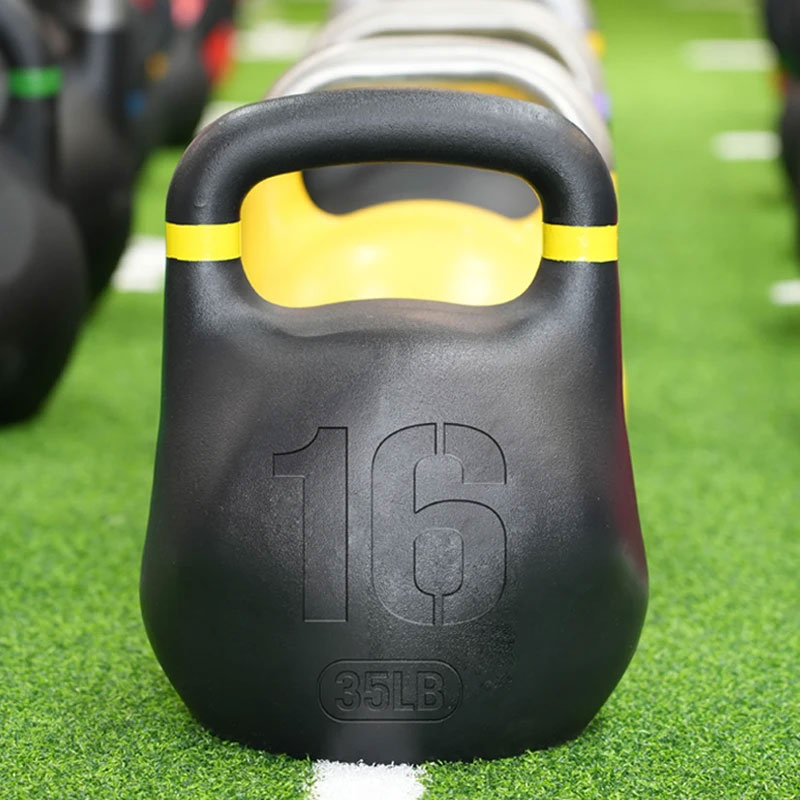
The structural integrity of a one piece casting kettlebell custom manufacturer product stems from the seamless integration of the handle and the bell body. Unlike assembly-based models that may suffer from junction fatigue or weight imbalances, single-mold production ensures a uniform center of gravity. This precision is vital for commercial kettlebell production, where equipment must withstand thousands of high-impact repetitions without compromising the handle-to-body connection. For gym owners, this translates to lower replacement frequencies and a more predictable capital expenditure cycle.
Space optimization is a critical factor in modern studio design, where every square meter of floor space carries a high commercial value. Single-piece cast iron units offer a more compact and predictable shape, allowing for tighter nesting in storage racks and more efficient floor layouts. This efficiency is particularly important for wholesale buyers who are outfitting boutique studios or multi-functional training zones where floor-space-to-revenue ratios are tightly monitored. High-quality cast iron kettlebell OEM solutions allow for easier organization, ensuring that even high-volume weight sets do not become a disorganized obstacle in high-intensity training areas.
From a long-term ROI perspective, the maintenance load of cast iron equipment is significantly lower than that of complex, multi-component systems. Because there are no mechanical joints or separate handle attachments to fail, the primary focus for the end-user remains on surface upkeep rather than structural repair. When calculating the landed cost of a shipment, importers should consider that the durability of a single-piece casting reduces the long-term need for replacement parts or specialized technician visits, making it a more cost-effective choice for large-scale facility management.
Single-Piece Cast vs. Two-Piece Assembly: Commercial Comparison
For procurement leads evaluating a one piece casting kettlebell custom manufacturer, understanding the structural differences between casting methods is essential for long-term asset management. While two-piece assembly models may offer lower initial costs, they often introduce vulnerabilities at the handle-to-body junction. In high-volume commercial environments, these failure points can lead to increased maintenance requirements and safety risks. By opting for a single-piece mold, distributors ensure maximum weight stability and structural reliability, which is a hallmark of professional commercial kettlebell production.
| Feature | Single-Piece Cast (One-Piece) | Two-Piece Assembly (Multi-Piece) |
|---|---|---|
| Structural Integrity | Seamless, unified construction | Potential junction or weld fatigue |
| Weight Stability | High; uniform center of gravity | Variable; potential for internal shifting |
| Maintenance Load | Minimal; surface-only upkeep | Moderate; requires joint inspection |
| Commercial Durability | Premium; optimized for heavy use | Standard; suitable for light use |
| Sourcing Advantage | Higher durability for long-term ROI | Lower initial cost for budget tiers |
| Factory QC Focus | Base flatness and casting density | Handle-to-body junction strength |
When conducting a factory audit or reviewing a sample, buyers should specifically inspect the base flatness and the smoothness of the handle transition. A reliable cast iron kettlebell OEM partner will demonstrate a consistent casting process that eliminates air pockets or structural weak points. For those looking to optimize their sourcing strategy, selecting single-piece units minimizes the risk of defective returns and ensures that the equipment meets the rigorous demands of professional training facilities.
Supply Chain Logistics and Customization Capabilities
Scaling a fitness brand requires more than just a quality product; it requires a predictable supply chain. A professional one piece casting kettlebell custom manufacturer provides the infrastructure necessary for distributors to manage inventory without constant friction. Whether you are outfitting a single boutique studio or managing a nationwide distribution network, the ability to control your brand identity through OEM or ODM services is a critical competitive advantage. This allows for seamless integration of your logo and custom color palettes, ensuring your equipment reflects your specific market positioning.
Managing the logistics of heavy iron goods requires specialized expertise to maintain a competitive landed cost. A seasoned China factory understands that the weight-to-volume ratio of kettlebells significantly impacts container optimization. To mitigate shipping expenses, we implement standardized export packaging protocols, including reinforced carton structures and protective corner guards to prevent surface damage during transit. For large-scale wholesale orders, coordinating with a professional supplier ensures that palletization and container loading are optimized to maximize every cubic meter of shipping space.
Understanding the threshold for custom orders is essential for effective procurement planning. Most commercial kettlebell production lines operate with a specific MOQ to balance production efficiency with client needs. For distributors seeking to launch a private label, we offer tiered options that allow for brand customization while maintaining reasonable lead time expectations. By aligning your procurement schedule with our production cycles, you can ensure a steady flow of stock, avoiding the common pitfalls of stockouts during peak seasonal demand.
Before finalizing a bulk order, we recommend a thorough evaluation of our production and shipping standards. We encourage professional buyers to request a detailed specification sheet, confirm the current MOQ for custom branding, and undergo a sample approval process. For high-volume distributors, we also offer the option to book a virtual or on-site factory audit to inspect our export packaging and pre-shipment QC protocols, ensuring your investment arrives ready for immediate commercial deployment.
Technical Specifications of One Piece Casting Kettlebell Custom Manufacturer Processes
For professional importers and distributors, sourcing high-volume strength equipment requires a deep understanding of structural integrity. A professional one piece casting kettlebell custom manufacturer utilizes specialized metallurgical processes to ensure that every unit meets the rigorous demands of commercial gym environments. Unlike assembly-based models, single-piece production eliminates structural failure points, providing the high commercial durability required for high-traffic facilities and long-term rental fleets.
The standard manufacturing route begins with high-grade gray iron, a material favored in the industry for its density and vibration-dampening properties. Through precision sand casting, the molten metal is poured into meticulously prepared molds, creating a seamless, monolithic structure. This process is critical for maintaining a consistent center of gravity and ensuring that the handle-to-body junction remains an integral part of the bell, rather than a potential point of mechanical failure.
The following table outlines the technical differences between various production methods to assist in your sourcing decisions based on intended end-use and durability requirements.
| Material & Process | Key Component Focus | Commercial Duty Tier | Typical Durability Profile |
|---|---|---|---|
| Gray Iron Sand Casting | Seamless Body & Handle | Premium Commercial | High impact resistance; excellent for heavy lifting |
| Powder Coated Casting | Coating Adhesion & Grip | Standard Commercial | Surface protection against oxidation and scratches |
| Single-Piece Molded Unit | Weight Tolerance & Balance | Professional/Competition | Maximum structural integrity for high-intensity use |
When conducting a factory audit or reviewing a China factory specification sheet, procurement leads should focus on the post-casting stages. This includes CNC machining for handle smoothness and a multi-stage surface finishing process. A reliable cast iron kettlebell OEM partner will implement strict QC protocols to monitor weight tolerance and base flatness, ensuring that bulk shipments arrive with uniform dimensions and consistent performance across all SKUs. Depending on your MOQ, these technical refinements can be customized to meet specific brand identity or functional requirements.
Evaluating Surface Finishing for Long-Term TCO
Beyond the core casting, the surface treatment significantly impacts the Total Cost of Ownership (TCO) and maintenance load for a facility. For distributors, selecting the appropriate finish is a strategic decision that affects both the aesthetic appeal and the longevity of the product in high-use environments. A professional one piece casting kettlebell custom manufacturer offers various coating options to suit different commercial settings, from heavy-duty strength zones to premium wellness studios.
The primary choice for many bulk buyers involves deciding between a standard powder coating or a more specialized PU coating. While powder coating provides a durable, hard-wearing layer that protects the gray iron from oxidation, a high-grade polyurethane (PU) coating offers enhanced impact resistance and a smoother tactile experience. This distinction is vital when calculating the long-term replacement planning and the potential for surface degradation in high-traffic commercial gyms.
| Finishing Method | Primary Benefit | Commercial Application | Procurement Focus |
|---|---|---|---|
| Powder Coating | High oxidation resistance | Standard commercial strength zones | Durability and cost-efficiency |
| PU Coating | Superior impact absorption | Premium studios and boutique gyms | Texture and floor protection |
| Bare Iron / Phosphate | Minimalist, traditional feel | Functional strength training areas | Lowest initial landed cost |
When finalizing your commercial kettlebell production order, ensure your supplier provides clarity on the application method. High-quality surface finishing should not only protect the metal but also maintain consistent knurling depth and grip texture. We recommend requesting a sample evaluation or a detailed specification sheet to verify the adhesion strength and coating uniformity before proceeding with full-scale wholesale shipments. This step ensures that your branded equipment maintains its professional appearance throughout its operational lifecycle.
Critical Inspection Points for Bulk Import and Export Quality
For distributors managing large-scale inventory, the final stage of the production cycle is where the most significant risks to profitability occur. A professional one piece casting kettlebell custom manufacturer must implement a multi-layered inspection protocol that extends beyond simple weight checks. When sourcing high-volume orders, your pre-shipment inspection should prioritize three critical structural and aesthetic factors: handle texture, base flatness, and coating adhesion. Failure to verify these points can lead to high return rates and diminished distributor margin due to product inconsistencies.
First, the handle texture or knurling must be inspected for uniformity. In a high-quality cast iron kettlebell OEM process, the grip should remain tactile and consistent even after the application of a protective layer. Second, the base flatness is a non-negotiable metric for commercial stability; any deviation in the casting mold can result in a wobbling unit that compromises user safety. Finally, the coating adhesion must be rigorously tested to ensure the finish does not chip or peel under the mechanical stress of heavy usage, which is essential for maintaining a premium brand image for your private label products.
To mitigate the risks associated with international sourcing, we recommend that all procurement leads confirm the specific export packaging standards used by the factory. High-density foam inserts, reinforced corrugated boxes, and palletized loading configurations are industry-standard requirements to prevent damage during sea freight. By establishing these strict requirements during the initial MOQ negotiation and sample approval stage, you can ensure a lower landed cost and a more reliable supply chain for your commercial fitness distribution business.
Material Selection and Surface Finishing for Commercial Durability
Selecting a reliable one piece casting kettlebell custom manufacturer requires a deep understanding of how raw material integrity affects long-term commercial durability. For high-volume wholesale procurement, the foundation of every unit begins with high-grade cast iron, specifically gray iron, which is the industry standard for providing the necessary density and impact resistance required in high-traffic gym environments.
When sourcing from a China factory, importers must evaluate the transition from raw casting to the final finished product. A professional one piece casting kettlebell custom manufacturer utilizes sand casting techniques to create a seamless, single-piece body. This method is preferred in commercial kettlebell production because it eliminates the structural weak points found in two-piece assemblies, significantly reducing the risk of failure during heavy use. This structural integrity is a critical factor for distributors managing total cost of ownership and replacement cycles for their clients.
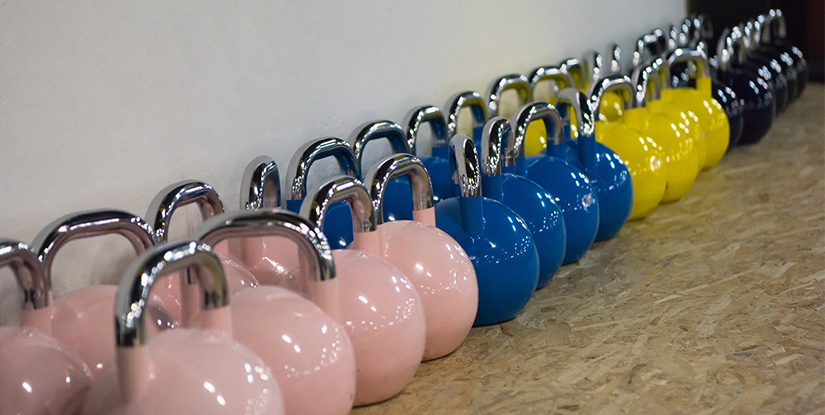
Beyond the core shape, the surface treatment determines the product's lifespan and brand identity. While bare iron is common, most professional cast iron kettlebell OEM orders specify a high-quality powder coating. This process provides a consistent, durable layer that protects the iron from oxidation and provides a better grip for the end-user. For premium distribution, manufacturers may also offer PU coated or rubber coated options to enhance floor protection and noise reduction in commercial settings.
| Material Type | Primary Process | Key Component Feature | Commercial Duty Tier | MOQ Impact | Factory QC Point |
|---|---|---|---|---|---|
| Gray Iron | Sand Casting | Single-piece body | Standard Commercial | Standard | Base Flatness |
| Ductile Iron | Precision Casting | High-impact resistance | Premium/Competition | Higher | Handle/Body Junction |
| Steel Core | Machining/Welding | Adjustable weight | Specialty/Training | Variable | Weight Calibration |
For buyers looking to optimize their sourcing strategy, understanding these material nuances is essential for maintaining high margins. A well-managed quality control process at the factory level should include checking the knurling depth on the handle and the coating adhesion to ensure the finish does not chip under heavy commercial use. We recommend requesting a sample to verify the base flatness and surface texture before proceeding with large-scale bulk orders.
The choice between different surface finishes significantly impacts the total cost of ownership and the maintenance requirements for a commercial facility. When managing large-scale commercial kettlebell production, the distinction between a standard finish and a premium encapsulation determines whether a product remains a long-term asset or becomes a recurring replacement expense.
Comparing Surface Finishing for High-Traffic Environments
In many commercial settings, the primary concern for a supplier is the long-term durability of the exterior layer. A standard powder coating is a highly effective and cost-efficient solution for wholesale orders, offering a hard, protective shield that prevents rust and provides a reliable grip. However, for high-end studios or facilities where floor protection and noise reduction are priorities, PU coating (polyurethane) or rubber-based finishes are the industry-standard choice for premium tier-one units.
From a sourcing perspective, the quality of the surface finishing is often judged by the coating adhesion. A high-quality one piece casting kettlebell custom manufacturer ensures that the coating is chemically or thermally bonded to the cast iron body to prevent chipping, which can create safety hazards or aesthetic issues in a professional gym. When evaluating your next batch, consider how the finish interacts with the knurling of the handle, as poorly applied coatings can fill the grip texture and reduce performance.
To ensure your OEM or ODM project meets your brand's quality standards, we suggest focusing on these three critical procurement dimensions: the durability of the coating, the consistency of the handle texture, and the overall weight tolerance. For large-scale export projects, we recommend a formal sample approval process to verify these technical specifications before finalizing the MOQ and production schedule.
Quality Control Standards for Commercial Kettlebell Production
Maintaining strict oversight during commercial kettlebell production is essential for distributors and gym equipment importers to minimize replacement costs and ensure user safety. A professional one piece casting kettlebell custom manufacturer implements multi-stage verification to ensure every unit meets international commercial standards. For B2B buyers, this rigorous process reduces the risk of defective batches, protecting your profit margins and brand reputation when sourcing in bulk from a China factory.
Reliability in high-volume orders depends on systematic factory inspection protocols that target specific structural and aesthetic vulnerabilities. During the production cycle, a one piece casting kettlebell custom manufacturer focuses on several critical checkpoints to ensure the final product is fit for high-traffic commercial environments. These inspections typically include verifying the weight tolerance of the cast iron body, the uniformity of the surface finish, and the durability of the coating layer to prevent premature chipping or oxidation.
Critical Inspection Points for B2B Procurement
When evaluating a cast iron kettlebell OEM partner, procurement managers should verify that the factory performs detailed spot-checks on the following components. A high-quality one piece casting kettlebell custom manufacturer will provide transparency regarding their calibration and finishing processes to ensure consistency across large wholesale shipments.
- Weight Accuracy: Verifying that the cast iron density and volume result in a consistent weight tolerance across the entire production run.
- Handle and Grip Integrity: Inspecting the knurling depth and the smoothness of the handle-to-body junction to ensure a safe, non-slip grip.
- Surface and Coating Adhesion: Testing the surface finish, particularly for powder coating or paint, to ensure it can withstand heavy use without peeling.
- Base Flatness: Checking the bottom of the bell to ensure it sits stable on gym floors, reducing noise and movement during storage.
Commercial-Grade Inspection Checklist for Importers
To streamline your sourcing process, use the following technical breakdown to evaluate a potential one piece casting kettlebell custom manufacturer. This table serves as a procurement checklist to ensure the technical specifications of your bulk order align with the requirements of high-traffic fitness facilities.
| Inspection Stage | Focus Area | Commercial Standard | Procurement Impact | Factory QC Point |
|---|---|---|---|---|
| Casting & Shaping | Body Symmetry | Uniformity of bell shape | Stable movement/storage | Base flatness check |
| Machining | Handle Texture | Consistent knurling depth | User grip safety | Handle-to-body junction |
| Surface Treatment | Coating Adhesion | Durable powder coating | Reduced maintenance/TCO | Layer thickness uniformity |
| Final Calibration | Weight Consistency | Standard weight tolerance | Accurate training load | Weight spot-check |
| Pre-shipment | Export Packaging | Protective reinforcement | Reduced transit damage | Container loading stability |
For distributors managing complex logistics, we recommend requesting a sample approval or a formal factory audit before finalizing large wholesale contracts. Verifying these specific cast iron kettlebell OEM benchmarks ensures that your landed cost remains optimized by avoiding the high costs associated with defective returns or substandard material performance.
Pre-Shipment Inspection and Export Logistics Optimization
The final stage of the procurement cycle involves rigorous pre-shipment inspection (PSI) to mitigate the risks of transit damage or weight discrepancies. For international distributors, a professional one piece casting kettlebell custom manufacturer ensures that every bulk order undergoes a final verification of both product integrity and export packaging. This stage is critical for maintaining your distributor margins and ensuring that the landed cost is not inflated by unexpected replacement requirements due to poor container loading or insufficient protection.
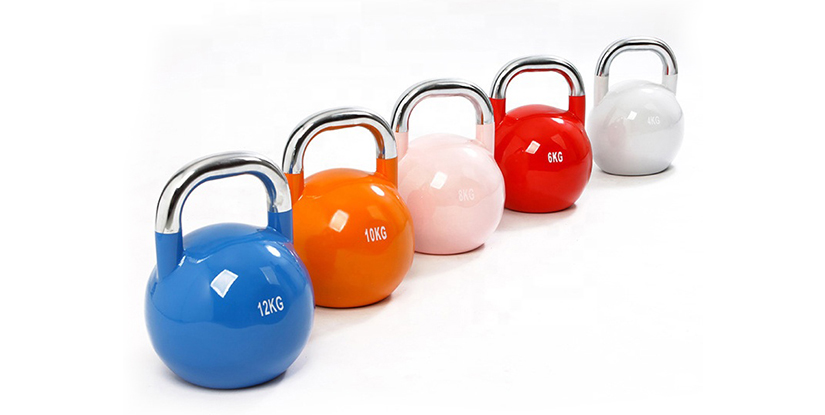
Efficient logistics management is just as vital as the casting process itself. To prevent shifting or impact damage during sea freight, a reliable supplier will utilize heavy-duty, reinforced cartons and standardized palletizing methods. By confirming these export packaging protocols and establishing a clear lead time during the initial sourcing phase, importers can better manage warehouse space and inventory turnover. Whether you are managing a small wholesale shipment or a full container load, clear communication regarding logistics and inspection timelines is the foundation of a successful long-term partnership with a China factory.
OEM and Private Label Capabilities for Global Distributors
For global distributors and large-scale fitness importers, the ability to differentiate a product line through unique brand identity is a critical competitive advantage. A professional one piece casting kettlebell custom manufacturer provides more than just equipment; they offer a complete private label solution that allows your company to transition from a simple wholesale buyer to a recognized brand owner in your local market.
Standard production often meets basic requirements, but high-tier commercial kettlebell production demands specific aesthetic and functional customization. Whether you are looking for unique color schemes through advanced powder coating or specific logo placements via sandblasting or heat-transfer methods, a specialized China factory can execute these requirements at scale. This OEM and ODM service model is designed to help you build a cohesive product catalog that meets the professional standards of commercial gyms and boutique studios worldwide.
Working directly with a one piece casting kettlebell custom manufacturer ensures that your branding efforts are integrated into the manufacturing process rather than added as an afterthought. This includes everything from the precision of the handle texture to the final coating adhesion, ensuring that your proprietary mark remains durable under heavy commercial use. By leveraging these customization capabilities, distributors can optimize their sourcing strategy to offer premium, branded heavy-duty equipment that justifies higher margins and builds long-term customer loyalty.
Technical Customization Tiers for Professional Sourcing
When evaluating your next bulk order, understanding the distinction between standard commercial specifications and premium private label options is essential for optimizing your landed cost and market positioning. A professional one piece casting kettlebell custom manufacturer offers different levels of customization that directly impact your product's perceived value and long-term durability in high-traffic environments.
The following table outlines the technical differences between standard and premium tiers to assist in your procurement decision, particularly when managing diverse branding requirements and budget constraints.
| Material & Finish | Primary Process | Key Component/Detail | Commercial Duty | MOQ Impact | Factory QC Point |
|---|---|---|---|---|---|
| Cast Iron with Paint | Sand Casting & Spray | Standard Handle Texture | Standard Commercial | Lower | Coating Adhesion |
| Powder Coated Iron | Casting & Powder Line | Consistent Surface Finish | Premium Commercial | Moderate | Base Flatness |
| PU/Rubber Coated | Casting & Dip Molding | Protective Outer Layer | High-End/Boutique | Higher | Encapsulation Integrity |
| Competition Spec | Precision Casting | Refined Knurling/Window | Professional/Elite | Highest | Weight Tolerance |
Choosing the right cast iron kettlebell OEM path depends on your target end-user. For general gym supply, a standard powder coating provides a reliable, cost-effective solution. However, for premium studio brands, specifying a specialized surface finish or a more refined handle-to-body junction can significantly increase your distributor margins. We recommend requesting a sample evaluation for any custom branding or specialized coating to ensure the final product aligns with your brand identity before proceeding with full-scale commercial kettlebell production.
Optimizing Logistics and Export-Ready Quality Control
Managing the complexities of international bulk orders requires more than just a reliable product; it demands a seamless transition from the factory floor to your local warehouse. For professional importers, the primary concern is not just the unit price, but the total landed cost and the reliability of the arrival state. A professional one piece casting kettlebell custom manufacturer mitigates these risks by implementing rigorous quality control (QC) protocols that address the specific vulnerabilities of heavy cast iron goods during long-distance transit.
Effective shipping logistics for heavy equipment must account for weight distribution and impact resistance. Our export packaging protocols are designed to prevent surface damage—such as coating chips or handle oxidation—by utilizing reinforced cartons and optimized palletization. This ensures that every unit arriving at your facility meets the high standards expected by your clients, reducing the need for costly returns or replacement planning. Whether you are sourcing a single SKU or a diverse weight range, our factory ensures that packaging density is optimized to maximize container utilization, directly supporting your wholesale efficiency.
To ensure complete transparency during the sourcing process, we encourage all partners to engage in a structured sample evaluation before finalizing large-scale contracts. This stage allows you to inspect the weight calibration, the texture of the knurling, and the durability of the finish under your specific branding requirements. By conducting a thorough pre-shipment inspection or requesting detailed QC reports, you can verify that the cast iron kettlebell OEM output aligns perfectly with your commercial grade expectations, ensuring a predictable and profitable supply chain for your distribution network.
Sourcing and Logistics: Managing Lead Times and Export Packaging
Efficient supply chain management is a critical differentiator when selecting a one piece casting kettlebell custom manufacturer. For international distributors and gym equipment importers, the ability to synchronize commercial kettlebell production schedules with global shipping windows is essential to maintaining consistent inventory levels and optimizing the landed cost of each unit.
Failure to account for realistic lead time variables—such as raw material availability or seasonal production surges in the China factory—can result in costly stockouts or delayed product launches. A professional one piece casting kettlebell custom manufacturer provides transparent timelines that include casting, surface treatment, and final QC, allowing buyers to plan wholesale arrivals with precision. Furthermore, ensuring high standards for export packaging is non-negotiable for cast iron kettlebell OEM orders. Because cast iron is high-density and heavy, improper palletization or insufficient crate reinforcement can lead to dented handles or coating damage during sea freight. Implementing robust shipping safety protocols, such as reinforced corner protectors and heavy-duty export cartons, protects your MOQ requirements and ensures the product arrives in a retail-ready state, preserving your distributor margins.
Logistics Strategy: Sea Freight vs. Air Freight Optimization
Deciding between air and sea logistics depends heavily on your inventory turnover goals and the total weight of your bulk order. For large-scale distributors, sea freight remains the industry standard due to its cost-effectiveness for high-density items. However, the high mass of cast iron requires specialized palletization and strict weight distribution protocols to prevent shifting within the container. A reliable one piece casting kettlebell custom manufacturer will utilize reinforced wooden pallets and edge protectors to mitigate the impact of maritime movement, ensuring the integrity of the powder coating and handle geometry remains intact upon arrival.
While air freight offers significantly faster lead time advantages, the high cost-per-kilogram often makes it impractical for heavy cast iron kettlebell OEM production unless you are fulfilling an urgent, small-batch replenishment. For most wholesale procurement cycles, optimizing sea freight through consolidated container loading is the most effective way to manage the landed cost. We recommend reviewing the specific dimensions and weight-per-unit of your selection to coordinate with your logistics provider, ensuring that the protective layers and crating methods align with your warehouse receiving capabilities.
| Shipping Method | Primary Logistics Focus | Packaging Requirement | Typical Use Case | Impact on Landed Cost |
|---|---|---|---|---|
| Sea Freight | Volume & Weight Stability | Reinforced Pallets & Export Crates | Large Bulk Orders / Annual Stocking | Lowest Cost per Unit |
| Air Freight | Speed & Transit Security | Double-Walled Cartons & Padding | Urgent Restock / Sample Approval | Highest Cost per Unit |
To ensure your procurement strategy is optimized, please contact us to request a detailed packing list, confirm your specific MOQ, or discuss customized export packaging solutions for your next shipment.
Pre-Shipment Inspection and Quality Assurance Protocols
Before any container is sealed, a rigorous QC protocol is executed to verify that every unit meets commercial-grade expectations. For a professional one piece casting kettlebell custom manufacturer, the inspection process begins with a weight tolerance spot-check to ensure consistency across the entire bulk order. This is followed by a visual assessment of the surface finish, checking for any irregularities in the powder coating or casting seams that could compromise the product's aesthetic or functional longevity.
A critical step in our commercial kettlebell production involves inspecting the handle-to-body junction and the knurling texture. Even in a one-piece cast design, the grip must be free of sharp edges or casting defects that could cause user discomfort. We also conduct a base flatness test to ensure stability during high-intensity training. By maintaining these strict standards during pre-shipment, we reduce the risk of returns and ensure that your cast iron kettlebell OEM shipment arrives ready for immediate distribution or retail display.