Kettlebell Made in China: OEM Manufacturing Process
Standardized Production for a Kettlebell Made in China
A kettlebell made in China typically undergoes a rigorous industrial sequence to ensure durability for high-traffic fitness environments. Professional importers and distributors prioritize these standardized manufacturing stages to guarantee weight consistency and surface integrity, making a reliable commercial kettlebell manufacturer a vital partner for long-term inventory stability.
The production cycle begins with high-grade sand casting to form the primary body. This method is industry-standard for creating the robust, heavy-duty shapes required for commercial use. After the initial casting, the units undergo various machining steps to refine the handle geometry and ensure concentricity. This foundational stage is critical for distributors, as any structural defect at the casting level can lead to high return rates and diminished profit margins during bulk wholesale distribution.
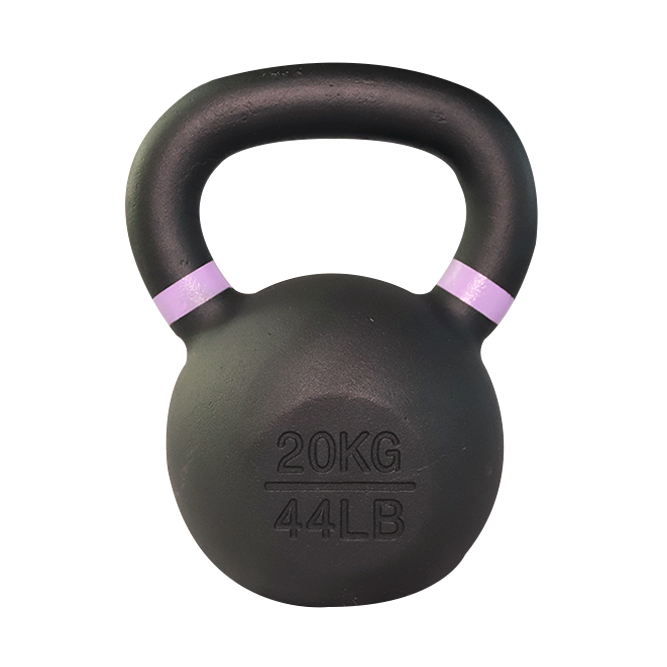
Once the raw cast iron shape is finalized, the process moves to surface treatment. For many commercial-grade units, a specialized powder coating line is utilized to provide a durable, textured finish. This step is essential for protecting the metal from oxidation and improving grip ergonomics. A professional kettlebell OEM factory will manage everything from the initial phosphate treatment to the final application of the coating, ensuring the finish adheres well to the cast iron surface and can withstand the rigors of daily commercial gym usage.
Material and Surface Finish Comparison for Bulk Procurement
Selecting the correct material and finish is a critical decision for procurement officers balancing durability against landed cost. While a standard cast iron kettlebell wholesale order offers the best ROI for heavy-duty strength training, specialized coatings can significantly alter the product's lifecycle and maintenance requirements. Understanding these differences helps distributors manage long-term replacement planning and client expectations regarding floor protection and grip stability.
The following table outlines the primary production routes used by a professional commercial kettlebell manufacturer to assist in your sourcing evaluation. We categorize these by commercial duty and the impact on your initial investment and long-term maintenance load.
| Material & Finish Type | Primary Process | Key Component Detail | Commercial Duty Tier | MOQ Impact | Factory QC Point |
|---|---|---|---|---|---|
| Bare/Phosphate Cast Iron | Sand Casting & Oxidation Control | Standard Cast Handle | Budget / High-Traffic | Low | Base Flatness & Weight Spot-check |
| Powder Coated Iron | Casting & Electrostatic Spray | Textured Grip Surface | Commercial / Standard | Medium | Coating Adhesion & Surface Uniformity |
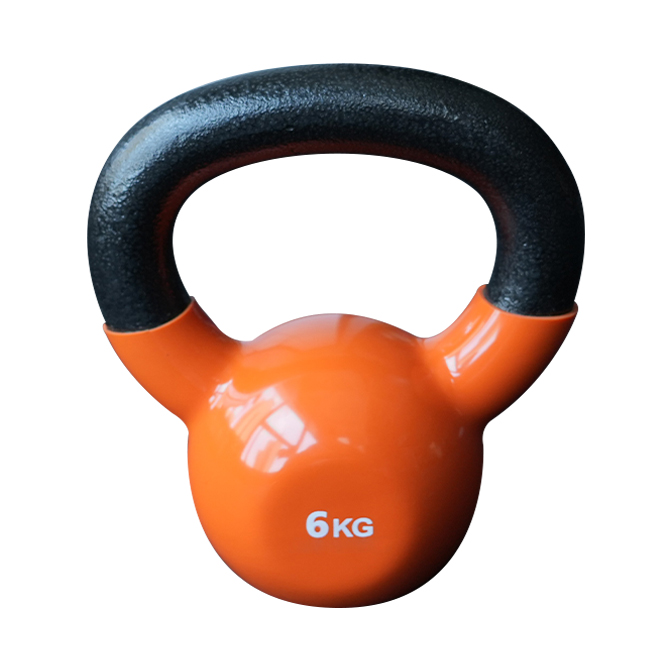
| PU or Rubber Coated | Casting & Injection/Dip Molding | Integrated Protective Layer | Premium / Specialized | High | Encapsulation Integrity & Coating Thickness |
When sourcing a kettlebell made in China, we recommend verifying the specific coating adhesion and handle texture with your supplier. For high-end studio clients, a premium PU-coated finish provides superior floor protection and a more refined aesthetic, whereas standard powder coating offers an efficient, cost-effective solution for large-scale commercial gym rollouts. Please contact us to request a technical spec sheet or to discuss OEM customization for your specific brand identity.
Optimizing Logistics: QC, Lead Time, and Export Standards
Effective procurement extends far beyond the casting mold; it requires precise coordination of the final stages of the supply chain. For distributors managing large-scale gym rollouts, understanding the relationship between production complexity and lead time is essential for maintaining predictable inventory cycles. A professional kettlebell OEM factory typically manages a structured timeline that accounts for casting, coating, and the final weight calibration stages.
Before any container is loaded, a rigorous pre-shipment QC protocol must be executed. This is not merely a visual check, but a technical validation of the batch. Reliable manufacturers conduct systematic weight calibration to ensure each unit remains within industry-standard tolerance bands, preventing the costly issue of uneven weight distribution in bulk orders. Furthermore, inspectors should verify the integrity of the handle-to-body junction and the uniformity of the coating or encapsulation layer. For high-volume buyers, requesting a detailed inspection report focusing on base flatness and knurling consistency can significantly reduce the risk of post-delivery disputes.
To minimize the risk of transit damage and optimize your landed cost, specialized export packaging is mandatory. For heavy iron products, this involves reinforced corrugated boxes and protective dividers to prevent metal-on-metal impact during sea freight. When negotiating your next order, we suggest clarifying the MOQ for specific finishes, as premium coatings or custom branding requirements may impact both the minimum order quantity and the total production window. Whether you are seeking a standard cast iron kettlebell wholesale solution or a custom private label project, aligning on these logistical benchmarks ensures a seamless transition from the factory floor to your warehouse.
Material Selection and Surface Finishing Processes
For professional importers and distributors, selecting the correct base material is the first step in ensuring long-term product turnover and minimizing replacement costs. When sourcing a kettlebell made in China, the choice between raw cast iron and advanced coated steel dictates the total cost of ownership and the target market segment. A commercial kettlebell manufacturer must provide clear documentation on material density and surface adhesion to ensure the units meet the rigorous demands of high-traffic training environments.
The foundational stage of production typically relies on high-quality sand casting. This method is industry-standard for producing cast iron kettlebell wholesale orders because it ensures a dense, uniform structure that resists cracking under heavy use. During this stage, the China factory focuses on the precision of the mold to ensure the handle-to-body junction remains seamless and the base flatness is consistent. Precise weight calibration at this stage is critical to maintaining the commercial-grade standards expected by global distributors.
| Material Type | Primary Process | Surface Finish | Commercial Durability | Procurement Focus |
|---|---|---|---|---|
| Cast Iron | Sand Casting | Powder Coating | High (Standard Commercial) | High Volume / Low TCO |
| Steel | Machining | Chrome Finish | Very High (Competition) | Premium / Specialty SKU |
| Iron Core | Casting | PU or Rubber Coating | High (Floor Protection) | Studio / Boutique Gyms |
Beyond the core casting, the surface treatment determines the product's longevity and branding potential. A professional kettlebell OEM factory offers various finishing routes, such as powder coating for enhanced grip and rust resistance, or polyurethane (PU) coating for a premium, smooth texture. For distributors, the choice of coating is not just about aesthetics but also about maintenance loads and the ability to implement custom branding or private label identities. When evaluating sourcing options, buyers should verify the adhesion quality of the coating to prevent peeling in high-humidity environments, which can impact the landed cost through increased replacement rates.
Evaluating Coating Durability and Surface Finishing
Choosing between powder coating and PU coating is a critical decision for distributors balancing budget and premium positioning. Powder coating is the industry-standard solution for high-volume wholesale orders, providing a rugged, textured layer that increases grip and protects the iron core from oxidation. This process is highly effective for standard commercial gym environments where durability and cost-efficiency are the primary procurement drivers. However, if your target market includes boutique studios or high-end home gym retailers, a polyurethane (PU) coating offers a smoother, more aesthetic finish that is often perceived as a premium tier.
From a technical perspective, the success of these finishes depends entirely on the quality of the pre-treatment stage. A reliable kettlebell OEM factory will implement a thorough cleaning and phosphate treatment process before any coating is applied. This ensures superior coating adhesion, preventing the common failure mode of surface peeling or chipping during heavy use. For large-scale importers, verifying these specific surface finishing steps is essential to ensure the long-term value of the shipment and to keep the total landed cost low by reducing the frequency of replacements due to surface degradation.
Precision Calibration and Commercial Grade Specifications
For professional importers and distributors, the technical integrity of a kettlebell made in China depends on the strictness of weight calibration and dimensional consistency. When sourcing in bulk, the primary risk is not just aesthetic variance, but inconsistent weight distribution that affects a facility's professional standards. A reliable commercial kettlebell manufacturer must ensure that every unit meets a standardized weight tolerance to prevent discrepancies in strength programming and training reliability.
In high-volume wholesale procurement, precision extends beyond the scale to the structural geometry of the bell. High-tier production involves a rigorous sequence of sand casting, followed by machining to ensure base flatness and concentricity. This ensures that the center of gravity remains stable during movement. For those seeking cast iron kettlebell wholesale opportunities, verifying the casting consistency is essential to avoid air pockets or structural weaknesses that could lead to premature failure in a high-traffic gym environment. A professional kettlebell OEM factory will implement a weight tolerance spot-check during the pre-shipment phase to ensure that the actual mass aligns with the labeled weight, protecting your brand's reputation and reducing the long-term cost of replacement or client dissatisfaction.
Technical Standards Comparison for Professional Procurement
Understanding the qualitative differences between production tiers is vital when evaluating your next batch. A professional kettlebell made in China is often categorized by its manufacturing route and intended use, which directly impacts your landed cost and distributor margins. While budget tiers focus on high-volume output with minimal finishing, premium tiers focus on dimensional accuracy and specialized coatings for long-term commercial durability.
| Material & Process | Key Component | Commercial Duty Tier | Primary Sourcing Use Case | Factory QC Point |
|---|---|---|---|---|
| Sand Casting & Powder Coating | Cast Iron Bell | Standard Commercial | General Gyms & Studio Wholesale | Base Flatness & Coating Adhesion |
| Precision Casting & PU Coating | Polyurethane Layer | Premium Commercial | High-End Boutique & Hotel Gyms | Coating Uniformity & Grip Texture |
| Machined Steel & Chrome Finish | Precision Handle | Competition Spec | Professional Training & Events | Weight Tolerance & Handle Concentricity |
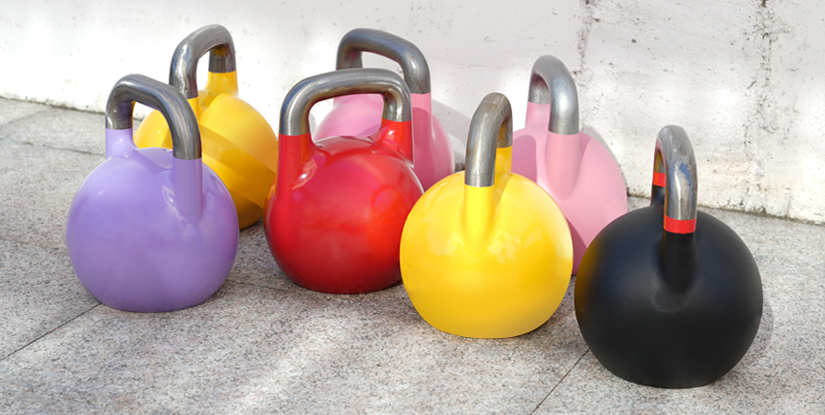
When negotiating with a kettlebell OEM factory, it is prudent to request specific details regarding the handle-to-body junction and the knurling depth. For high-traffic facilities, a single-piece cast iron construction offers the best balance of durability and cost-efficiency. However, if your brand identity focuses on premium studio environments, sourcing a PU-coated version can reduce floor impact and increase the perceived value of your product line. We recommend confirming the specific manufacturing process and weight calibration methods during the initial sample approval stage to ensure the final product aligns with your quality expectations.
Pre-Shipment Inspection and Export Standards
To maintain a high-margin business model, distributors must minimize the risk of returns caused by shipping damage or weight discrepancies. A professional kettlebell OEM factory should implement a multi-stage quality control protocol before any container is sealed. This process begins with a rigorous weight calibration check, where a random sample from the current production batch is verified against the target weight to ensure consistency across the entire order. This step is critical for maintaining professional standards in commercial settings where precision is expected.
Beyond weight, the pre-shipment inspection must evaluate the structural integrity of the cast iron, the uniformity of the powder coating or PU layer, and the ergonomics of the handle texture. For high-volume wholesale orders, we also emphasize the importance of export-grade packaging. This includes heavy-duty corrugated boxes and reinforced corner protection to withstand long-distance maritime transit. Ensuring that your kettlebell made in China arrives with zero surface defects or structural flaws is the most effective way to protect your landed cost and ensure a seamless delivery to your end clients. We suggest discussing specific packaging requirements and your required MOQ during the initial quote request to align on both quality and logistics.
Factory QC Protocols and Pre-Shipment Inspection
For professional distributors and gym equipment importers, the cost of a failed shipment often exceeds the initial savings of a low-tier kettlebell made in China. Relying on a commercial kettlebell manufacturer that lacks rigorous inspection protocols can lead to high return rates, damaged reputation, and increased TCO due to uneven weight distribution or surface defects. Implementing a strict factory inspection protocols system ensures that every batch meets the durability requirements of high-traffic commercial facilities.
A reliable kettlebell OEM factory must prioritize several critical inspection points to maintain commercial-grade standards. First, weight tolerance must be verified through calibrated testing to ensure consistency across the entire cast iron kettlebell wholesale order. Second, the surface finish consistency is vital; inspectors typically check the adhesion of the powder coating or the smoothness of the handle knurling to prevent grip failure. Finally, a thorough pre-shipment check includes verifying base flatness and the integrity of the handle-to-body junction to prevent structural failure during heavy use. By establishing these standards during the sourcing phase, buyers can mitigate the risks of receiving substandard units and ensure a seamless wholesale delivery process.
Standardized Inspection Checklist for Bulk Procurement
To ensure high-volume orders align with commercial-grade expectations, professional buyers should demand a structured inspection report. A qualified kettlebell OEM factory will provide documentation covering the following critical quality control dimensions before any shipment leaves the facility. This level of transparency is essential for maintaining distributor margins and ensuring product reliability in high-traffic gym environments.
| Inspection Category | Key Component/Focus | Commercial Duty Standard | Typical QC Check Point |
|---|---|---|---|
| Weight Accuracy | Core Mass/Body | Consistent weight distribution | Calibrated weight tolerance spot-check |
| Surface Integrity | Handle & Coating | High coating adhesion | Knurling depth and grip texture uniformity |
| Structural Geometry | Base & Handle | Stable, flat seating | Base flatness and concentricity check |
| Logistics Readiness | Export Packaging | High-impact resistance | Reinforced corner protection and pallet stability |
Beyond individual unit testing, the export packaging process is a vital component of the final pre-shipment stage. For a kettlebell made in China to arrive in a retail-ready or gym-ready state, the packaging must withstand long-distance maritime transit. This includes using heavy-duty corrugated boxes, reinforced palletizing, and moisture-resistant wrapping to prevent rust or surface degradation during sea freight. We recommend that all importers confirm the specific export packaging standards with their supplier to prevent damage-related claims and ensure a smooth arrival at your warehouse or distribution center.
Finalizing Bulk Order Logistics and Shipping Readiness
Effective bulk order verification is the final safeguard against unexpected landed costs and logistics delays. For large-scale distributors, the transition from the kettlebell OEM factory to the international port requires more than just a completed production line; it requires a verified state of shipping readiness. A professional supplier will conduct a final tally to ensure that the total weight, piece count, and SKU variety match the original purchase order exactly, preventing discrepancies during customs clearance or warehouse intake.
To protect your margins and ensure product integrity, always confirm that the export-standard packaging is executed according to your specific requirements. High-density, reinforced outer cartons and stabilized palletization are non-negotiable for heavy cast iron products to prevent shifting or box crushing during ocean transit. By prioritizing these final pre-shipment inspection and packing protocols, importers can minimize the risk of transit-related damage, ensuring that every unit of your kettlebell made in China arrives at its destination ready for immediate commercial distribution.
OEM and Private Label Capabilities for Global Distributors
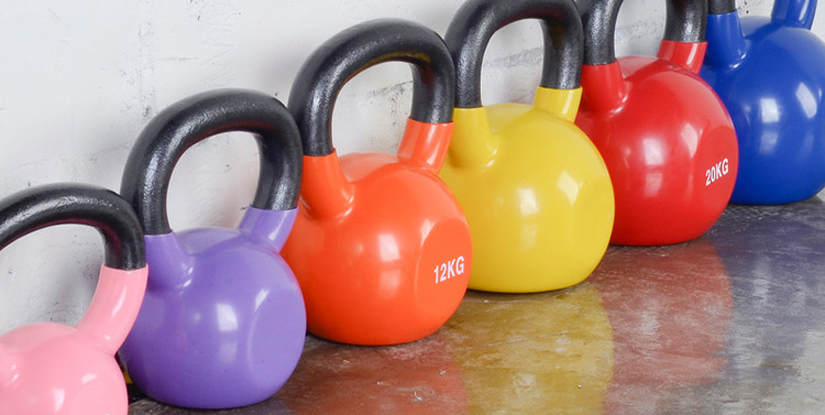
For international distributors and fitness equipment importers, moving beyond generic stock products is essential to building a recognizable market presence. Sourcing a kettlebell made in China through professional OEM services allows you to transition from a mere reseller to a legitimate brand owner. By leveraging the technical expertise of a specialized factory, you can integrate your unique brand identity directly into the production line, ensuring that every unit shipped carries your professional mark.
The strategic advantage of custom branding extends far beyond a simple logo plate. It involves precise control over the product's visual and tactile characteristics, such as specific powder coating colors or unique handle textures. While high-volume wholesale orders typically require a set MOQ, the ability to customize specifications allows distributors to differentiate their product tiers. This capability is designed to protect your distributor margin by providing a high-value, proprietary product that cannot be easily price-compared against generic, unbranded alternatives in the open market.
Customization Tiers and Material Specifications
When evaluating a commercial kettlebell manufacturer, procurement leads must distinguish between standard production and high-tier customization. The choice between a traditional cast iron surface and specialized coatings significantly impacts the long-term maintenance load and the landed cost of your shipment. For instance, a standard sand-cast finish provides a durable, cost-effective solution for high-traffic strength facilities, whereas a premium PU coating offers superior grip and floor protection, making it a preferred option for boutique studios or high-end home gym distributors.
To assist in your sourcing decision, the following table outlines the technical trade-offs between common commercial finishes. This comparison is intended to help buyers align product specifications with their specific market positioning and budget requirements.
| Material & Finish | Process Type | Key Component Detail | Commercial Duty | MOQ Impact | Factory QC Point |
|---|---|---|---|---|---|
| Cast Iron (Bare) | Sand Casting | Standard Knurling | Budget / High-Volume | Lower | Base Flatness |
| Powder Coated | Electrostatic Spray | Color-Matched Grip | Standard Commercial | Moderate | Coating Adhesion |
| PU Coated | Polyurethane Dip | Smooth/Textured Shell | Premium / Boutique | Higher | Encapsulation Layer |
| Rubber Coated | Injection/Molding | Impact-Resistant Body | High-End Commercial | Highest | Bonding Strength |
Choosing the correct cast iron kettlebell wholesale specification is a critical step in managing your total cost of ownership. A kettlebell OEM factory can typically adjust the handle texture or the thickness of the coating layer to meet your specific brand standards. We recommend requesting a sample evaluation or a detailed spec sheet to confirm how these materials perform under your local environmental conditions before proceeding with a full-scale bulk order.
Logistics, Export Packaging, and Shipping Optimization
Managing the logistics of a kettlebell made in China requires more than just selecting a high-quality supplier; it demands precise coordination of the entire export sequence. For large-scale bulk orders, the weight-to-volume ratio of cast iron presents a unique challenge for shipping optimization. To protect your margins and minimize the landed cost, a professional kettlebell OEM factory will implement specialized export packaging protocols. This includes using heavy-duty corrugated cartons and reinforced corner protectors to ensure that the heavy, dense units do not cause structural failure during long-haul maritime transit.
Efficient container loading is a critical component of the procurement process. Because kettlebells are highly dense, the primary goal is to maximize the weight capacity of a 20ft or 40ft container rather than the volumetric space. A seasoned kettlebell OEM factory will provide detailed packing lists and loading diagrams to help you plan your inventory arrival. This transparency allows distributors to accurately calculate the number of units per container, ensuring that the lead time and shipping schedules align with your local warehouse availability and market demand.
Export Packaging and International Logistics Optimization
For distributors and large-scale gym operators, the total landed cost of a kettlebell made in China is determined by more than just the factory-direct price. Efficient export packaging and optimized sea freight logistics are critical to protecting your margins. Without professional handling, heavy cast iron units can suffer surface abrasions or packaging failure during transit, leading to costly returns and damaged commercial gym equipment shipping cycles.
A professional commercial kettlebell manufacturer must implement rigorous palletization standards to ensure stability within a shipping container. For bulk wholesale orders, we typically utilize heavy-duty reinforced cartons and standardized pallets to maximize space efficiency and damage prevention. By optimizing the volumetric weight and ensuring secure stacking, a reliable supplier helps importers reduce the landed cost per unit, directly improving the distributor's bottom line and ensuring the kettlebell made in China arrives in pristine, retail-ready condition.
Packaging Method Comparison for Volume Optimization
Choosing between standard wholesale shipping and specialized OEM requirements depends on your specific distribution model and warehouse efficiency needs. A professional kettlebell OEM factory provides different configurations to balance protection against the total landed cost. For instance, high-volume cast iron kettlebell wholesale orders often prioritize container density, whereas custom branded orders require specialized handling for brand identity preservation.
| Order Type | Primary Packaging | Load Stability | Logistics Focus | Typical MOQ Impact |
|---|---|---|---|---|
| Standard Wholesale | Reinforced Corrugated Cartons | Standard Palletizing | Sea Freight Volume Maximization | High volume reduces per-unit cost |
| Custom OEM/ODM | Branded Color-Coded Boxes | Custom Protective Inserts | Retail-Ready Presentation | Higher MOQ for custom branding |
| Premium/Competition | High-Density Protective Sleeves | Multi-Layered Crating | Damage Prevention for Precision Units | Varies by weight and coating spec |
When managing a kettlebell made in China sourcing project, it is vital to confirm palletizing standards with your supplier before the pre-shipment inspection. For heavy cast iron products, we recommend requesting detailed photos of the carton reinforcement and stacking patterns. This ensures that your sea freight optimization plan accounts for the actual weight distribution within the container, preventing crushed boxes or damaged coating layers during long-distance transit. To ensure your specific logistics requirements are met, please contact us to confirm the MOQ and customized packaging options for your next bulk order.
Before any kettlebell made in China leaves the facility, a rigorous pre-shipment inspection is mandatory to mitigate the risks of international transit. For a professional kettlebell OEM factory, the process extends beyond mere weight verification; it includes a comprehensive audit of the container loading plan. This ensures that the heavy, dense nature of the product does not lead to structural damage or surface deformation under high-pressure stacking.
To protect your investment, we implement strict moisture protection protocols, such as moisture-absorbent silica packets and heavy-duty plastic wrapping, to prevent oxidation or rust during long-duration sea freight transit. This level of detail in bulk order QC is essential for distributors to maintain a low replacement rate and high customer satisfaction. We recommend that buyers schedule a final inspection or request high-resolution documentation of the container loading process to verify that the palletization and weight distribution meet the required safety standards for stable, long-distance transport.