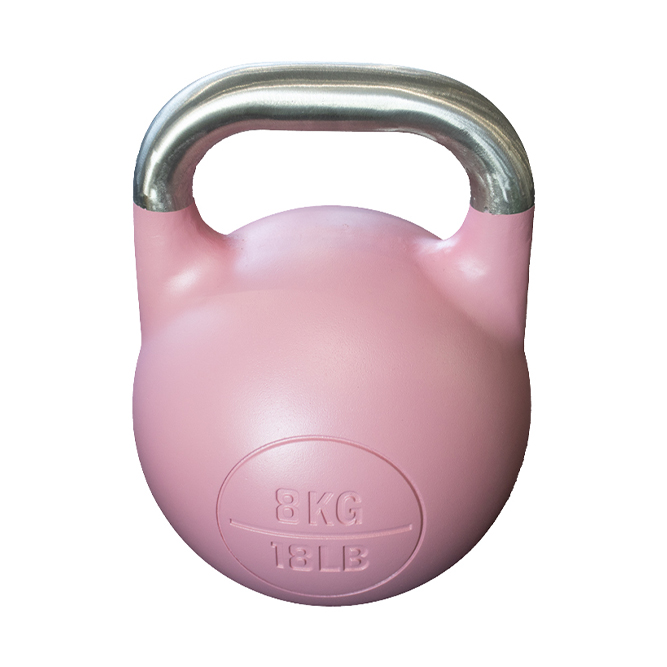
How Heavy Is Pink Kettlebell | Pink Kettlebell Weight
Optimizing SKU Breadth with Standardized Pink Kettlebell Weight Increments
Determining how heavy is pink kettlebell selection depends on balancing client progression needs with inventory overhead. B2B buyers prioritize standardized weight increments to ensure equipment density remains high while minimizing the number of unique SKUs required for a complete boutique studio setup.
The Relationship Between Weight Increments and Procurement ROI
For facility owners, the cost-efficiency of a fitness rollout is dictated by SKU density. Selecting a range that follows boutique gym equipment standards—such as 2kg or 4kg jumps—allows distributors to provide a seamless progression path without over-ordering redundant units. When procurement managers fail to align on specific pink kettlebell weight increments, they often face the hidden cost of fragmented inventory, where mismatched weight gaps lead to client dissatisfaction and inefficient storage utilization.
Strategic sourcing focuses on high-demand weight clusters to maximize capital turnover. Rather than purchasing an erratic assortment, professional buyers invest in standardized sets that satisfy the most common training protocols, ensuring that every dollar spent on specialized aesthetic equipment yields the highest possible utility per square foot.
Investment Configuration and Inventory Complexity
When sourcing commercial pink kettlebell sets, the configuration of weight increments directly influences your initial capital outlay and long-term inventory management. A highly granular selection offers better client progression but increases the complexity of your shipping logistics and storage footprint. Conversely, a streamlined selection reduces SKU count, lowering the total investment while maintaining high turnover for standard boutique studio programming.
| Configuration Strategy | Weight Increment Options | Investment Level | Inventory Complexity |
|---|---|---|---|
| Standardized Boutique Set | 4kg - 5kg gaps | Moderate | Low (Optimized for ROI) |
| High-Precision Progression | 1kg - 2kg gaps | High | High (Requires more SKUs) |
| Basic Starter Inventory | 8kg+ gaps | Low | Minimal (Fast turnover) |
Distributors should evaluate these models based on their specific target market. For high-end studios focusing on female-centric strength training, the 2kg increment model often provides the best balance between specialized service and manageable warehouse overhead. For large-scale distributors, focusing on standardized sets helps mitigate the risks associated with high MOQ requirements and fragmented shipping volumes.
Balancing Granularity and Budget Optimization
A common pitfall in procurement strategy involves over-investing in hyper-granular weight increments that offer diminishing returns. While narrow weight gaps satisfy niche training needs, they significantly expand the total SKU count, which can strain a procurement budget and complicate scaling equipment across multiple locations. Instead of aiming for an exhaustive range, buyers should focus on budget optimization by identifying the most critical weight clusters that drive consistent studio turnover.
Effective scaling requires a tiered approach to inventory. Rather than attempting to fill every possible weight gap in a single shipment, distributors often benefit from a phased rollout. Start with a foundational set of standardized pink kettlebell weights that meet high-volume demand, then expand the collection as the facility matures. This method minimizes initial capital expenditure and ensures that shipping costs and storage footprints remain manageable during the early stages of market penetration.
Evaluating Density and Casting Precision for Commercial Pink Kettlebell Sets
When procurement managers ask how heavy is pink kettlebell equipment in a professional setting, the answer must extend beyond the number on the handle. True commercial-grade quality is defined by the internal density and the structural integrity of the cast, ensuring that a 12kg bell is identical in feel and balance to its 16kg counterpart.
The Importance of Casting Precision and Density Consistency
For boutique fitness studios, aesthetic appeal must be matched by rigorous manufacturing standards. High-quality commercial pink kettlebell sets rely on advanced casting precision to prevent air pockets or uneven weight distribution, which can compromise user safety and equipment longevity. Maintaining high density consistency is vital; if the weight distribution is off-center, it creates an unbalanced training experience that can lead to client dissatisfaction and increased liability. For distributors and facility owners, sourcing equipment with verified casting standards ensures that the boutique gym equipment standards are met, providing a reliable, high-end feel that justifies premium membership rates.
| Procurement Tier | Casting Method | Density Reliability | Best Use Case |
|---|---|---|---|
| Standard Boutique | Sand Cast | Moderate | Small Studios / Home Gyms |
| Premium Commercial | Precision Iron Cast | High | High-Traffic Boutique Gyms |
| Elite Professional | Precision Molded | Very High | Global Fitness Chains |
Evaluating Density and Casting Precision for Commercial Pink Kettlebell Sets
When procurement managers ask how heavy is pink kettlebell equipment in a professional setting, the answer must extend beyond the number on the handle. True commercial-grade quality is defined by the internal density and the structural integrity of the cast, ensuring that a 12kg bell is identical in feel and balance to its 16kg counterpart.
The Importance of Casting Precision and Density Consistency
For boutique fitness studios, aesthetic appeal must be matched by rigorous manufacturing standards. High-quality commercial pink kettlebell sets rely on advanced casting precision to prevent air pockets or uneven weight distribution, which can compromise user safety and equipment longevity. Maintaining high density consistency is vital; if the weight distribution is off-center, it creates an unbalanced training experience that can lead to client dissatisfaction and increased liability. For distributors and facility owners, sourcing equipment with verified casting standards ensures that the boutique gym equipment standards are met, providing a reliable, high-end feel that justifies premium membership rates.
| Material/Coating Type | Weight Increment Precision | Density Stability | Durability Profile |
|---|---|---|---|
| Cast Iron (Painted) | High | Excellent | High impact resistance; prone to paint chipping |
| Vinyl Coated | Moderate | Variable | Soft touch; potential for coating separation over time |
| Urethane Coated | High | Very High | Superior abrasion resistance; optimal for high-traffic |
When evaluating pink kettlebell weight increments for large-scale rollouts, buyers must consider the manufacturing tolerance. High-end urethane options typically offer the most stable density, making them a safer long-term investment for distributors. While vinyl offers a lower initial cost, the density stability of precision-cast iron or urethane ensures that the weight remains consistent even under heavy usage, protecting the long-term ROI of the facility.
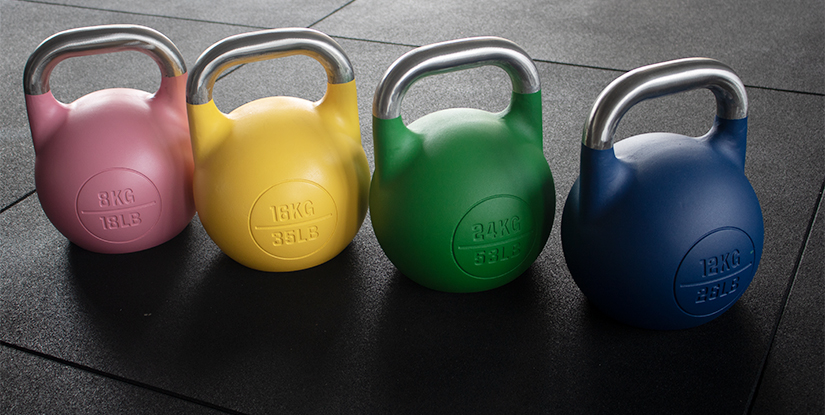
Managing Durability and Logistics for High-Volume Orders
For distributors and facility managers, the technical challenge of sourcing a full range of weights lies in balancing structural durability with efficient shipment stability. When ordering large-scale collections, the physical integrity of the coating and the precision of the weight increments dictate the total cost of ownership (TCO) and the ease of international logistics.
Quality Control and Shipment Stability in Volume Orders
When managing volume orders, especially for global distribution, the logistics of weight density becomes a critical factor. Heavier pink kettlebell weight increments require specialized packaging to ensure shipment stability and prevent impact damage during transit. A lack of rigorous quality control can lead to micro-cracks in the coating or even structural shifts in the cast iron core. For commercial settings, it is essential to verify that the supplier uses reinforced, stackable packaging. This not only protects the aesthetic finish—vital for the boutique fitness market—but also optimizes container space, reducing the per-unit shipping cost for the buyer.
Furthermore, procurement professionals should prioritize manufacturers that demonstrate strict quality control regarding the bond between the weight core and the outer layer. In high-traffic commercial settings, the durability of the finish is tested daily by friction and impact. Selecting equipment with high-grade urethane or reinforced coatings ensures that the pink kettlebell weight increments remain visually consistent and structurally sound over years of heavy use, preventing the premature replacement cycles that can erode a studio's profit margins.
Boutique Gym Equipment Standards: Balancing Aesthetic Appeal and Load Accuracy
When sourcing for high-end studios, buyers often ask how heavy is pink kettlebell equipment compared to standard black iron. The challenge lies in ensuring that the aesthetic choice of a colored coating does not compromise the precision of the weight increments or the density consistency required for professional training.
Standardizing Weight Increments for Commercial Use
In professional boutique gym equipment standards, color is frequently used to denote specific weight jumps, helping instructors and clients identify loads quickly. However, a common procurement pitfall is selecting pink kettlebells that lack uniform density. High-quality manufacturers use specialized casting processes to ensure that the weight increments—typically moving from 4kg to 16kg or 20kg—remain precise despite the thick powder coating or urethane finish.
For distributors and facility managers, verifying these specifications is vital. In many commercial gym settings, a slight deviation in density can lead to an unbalanced feel during high-repetition movements. We recommend requesting density verification reports to ensure your pink kettlebell sets meet the same rigorous calibration standards as traditional cast iron or competition-grade bells, maintaining both visual appeal and athletic integrity.
Standardizing Weight Increments for Commercial Use
In professional boutique gym equipment standards, color is frequently used to denote specific weight jumps, helping instructors and clients identify loads quickly. However, a common procurement pitfall is selecting pink kettlebells that lack uniform density. High-quality manufacturers use specialized casting processes to ensure that the weight increments—typically moving from 4kg to 16kg or 20kg—remain precise despite the thick powder coating or urethane finish.
For distributors and facility managers, verifying these specifications is vital. In many commercial gym settings, a slight deviation in density can lead to an unbalanced feel during high-repetition movements. We recommend requesting density verification reports to ensure your pink kettlebell sets meet the same rigorous calibration standards as traditional cast iron or competition-grade bells, maintaining both visual appeal and athletic integrity.
Inventory Configuration and Procurement Suitability
To assist in inventory planning and facility layout, we have outlined common configuration models below. Choosing the right set depends on whether your target demographic focuses on high-repetition functional training or strength-based conditioning.
| Configuration Type | Typical Weight Range | Standard Pink Kettlebell Weight Increments | Primary Use Case | Procurement Suitability |
|---|---|---|---|---|
| Light/Aerobic Set | 4kg – 8kg | 2kg jumps | Yoga, Pilates, & Mobility | Boutique Studios & Hotel Gyms |
| Intermediate Set | 10kg – 16kg | 2kg or 4kg jumps | HIIT & Functional Training | Standard Boutique Gyms |
| Strength/Progressive Set | 18kg – 24kg+ | 4kg jumps | Strength & Conditioning | Performance-Focused Gyms |
When evaluating commercial pink kettlebell sets, consider the MOQ and shipping volume. Heavier sets provide higher density but require more robust shipping logistics and specialized floor loading considerations for your facility layout.
The Impact of Coating Thickness on Load Accuracy
A critical technical trade-off in boutique procurement is the relationship between aesthetic coating thickness and weight deviation. While a thick, high-gloss pink finish enhances visual appeal, excessive coating can skew the intended load accuracy. For distributors, this often results in "phantom weight" issues where the bell feels heavier or more unbalanced than its nominal rating due to non-uniform paint distribution.
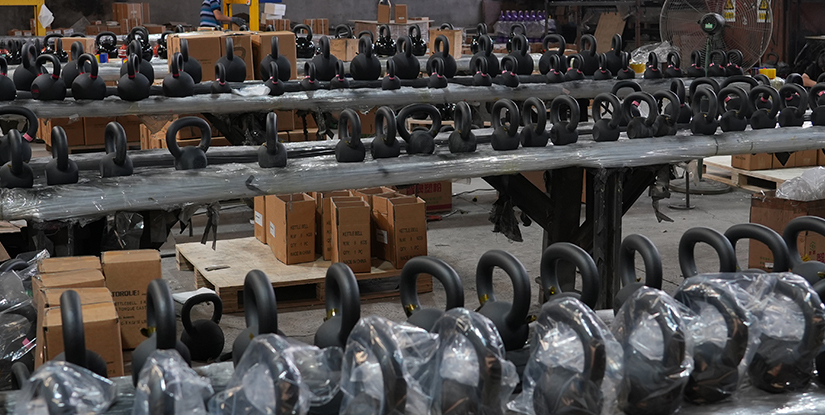
To ensure long-term facility maintenance and product reliability, rigorous quality control must be a prerequisite for any wholesale order. High-tier manufacturers implement strict calibration protocols to account for the volume of the outer shell and the coating layers. When sourcing, prioritize suppliers who can guarantee a minimal weight deviation percentage, ensuring that the pink kettlebell weight remains consistent across the entire set. This precision prevents client dissatisfaction and ensures that your equipment maintains its professional standard despite the decorative finish.
Logistics and Volume Management for High-Density Color-Coded Inventory
When planning a studio rollout, procurement managers must evaluate how heavy is pink kettlebell inventory relative to total shipping volume and landed costs. Unlike standard black cast iron, specialized color-coded equipment often involves higher manufacturing complexities that directly impact your bottom line.
Budgeting for Specialized Finishes and Weight Increments
The cost-per-unit vs. weight ratio is a critical metric for distributors. While standard black kettlebells are commodity items, pink kettlebell weight increments often require specialized coating costs, such as high-durability polyurethane or premium powder coating, to ensure the color remains vibrant under heavy use. This specialized finish increases the initial unit price but is essential for meeting boutique gym equipment standards regarding aesthetics and long-term durability.
When sourcing, consider that a diverse range of pink kettlebell weight increments can complicate your shipping density. A full set with granular weight jumps requires more container space and higher freight costs compared to a limited selection. To optimize ROI, we recommend balancing a high-demand core set with a strategic selection of weights that satisfy client programming without inflating your inventory carrying costs or shipping overhead.
Evaluating Configuration Models and Procurement ROI
Selecting the right configuration of commercial pink kettlebell sets requires balancing aesthetic consistency with shipping density. Procurement managers must decide between highly granular sets that offer precision for boutique studios and streamlined sets that optimize container volume. The following comparison outlines how different weight ranges impact your landed costs and storage efficiency.
| Configuration Type | Typical Weight Range | Cost Impact | Ideal Use Case | Density/Volume Efficiency |
|---|---|---|---|---|
| Standard Boutique Set | 4kg – 16kg | Moderate | Yoga & Pilates Studios | High (Compact Footprint) |
| Full Commercial Set | 4kg – 32kg | Higher | High-End Fitness Clubs | Medium (Requires More SKU Space) |
| Specialized Strength Set | 12kg – 24kg+ | Premium | Strength-Focused Studios | Low (Larger Physical Volume) |
When calculating total cost of ownership, remember that a wider variety of pink kettlebell weight increments increases your SKU complexity. While a comprehensive range adds value to a facility, it also increases the risk of dead stock and higher freight-per-unit ratios. For distributors looking to maximize container utilization, focusing on high-turnover weight increments provides the best balance between specialized aesthetics and logistics efficiency.
Optimizing Inventory Density and Shipping Efficiency
For large-scale distributors, managing the weight-to-volume ratio is essential when importing specialized color-coded gear. Because pink kettlebell weight increments often utilize specific coating thicknesses, the physical dimensions can vary slightly from standard iron models, impacting how many units fit within a standard shipping container. To maximize profitability, procurement teams should prioritize color-coded storage efficiency by utilizing modular racking systems that accommodate the specific diameters of these sets.
Furthermore, when negotiating with factories, always clarify the MOQ considerations regarding specific weight ranges. Ordering a highly fragmented set of weights may lead to higher shipping volumes per unit of actual mass, driving up landed costs. To maintain high inventory density, we suggest sourcing consolidated batches that group similar weight classes together. This strategy reduces empty space in freight containers and ensures that your warehouse footprint remains optimized for high-turnover boutique studio orders.
Maintenance Protocols for Powder-Coated Pink Kettlebell Surfaces
Preserving the aesthetic appeal of boutique fitness studios requires strict adherence to surface care protocols. High-quality powder-coated pink kettlebells are designed for durability, but their finish requires specific handling to prevent the premature degradation often seen in lower-grade commercial pink kettlebell sets.
To maintain structural integrity and visual density, facility managers must prioritize moisture control. Even though the weight of the kettlebell remains constant, oxidation can occur if moisture is trapped under a compromised coating. We recommend wiping down equipment with a dry, lint-free microfiber cloth after use to prevent buildup. To ensure long-term chip prevention, avoid storing kettlebells in high-humidity areas without ventilation, as this can weaken the bond between the powder-coated surfaces and the cast iron core. Following these boutique gym equipment standards ensures that the vibrant pink hue remains consistent, protecting your long-term ROI and equipment resale value.
Maintenance Protocols for Powder-Coated Pink Kettlebell Surfaces
Preserving the aesthetic appeal of boutique fitness studios requires strict adherence to surface care protocols. High-quality powder-coated pink kettlebells are designed for durability, but their finish requires specific handling to prevent the premature degradation often seen in lower-grade commercial pink kettlebell sets.
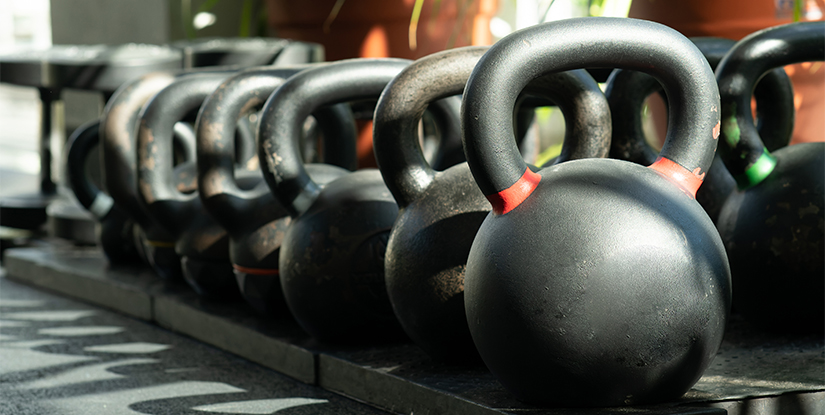
To maintain structural integrity and visual density, facility managers must prioritize moisture control. Even though the weight of the kettlebell remains constant, oxidation can occur if moisture is trapped under a compromised coating. We recommend wiping down equipment with a dry, lint-free microfiber cloth after use to prevent buildup. To ensure long-term chip prevention, avoid storing kettlebells in high-humidity areas without ventilation, as this can weaken the bond between the powder-coated surfaces and the cast iron core. Following these boutique gym equipment standards ensures that the vibrant pink hue remains consistent, protecting your long-term ROI and equipment resale value.
When sourcing for large-scale rollouts or distributor inventory, understanding the technical trade-offs between different surface finishes is essential for calculating Total Cost of Ownership (TCO). While the pink kettlebell weight remains the same across different finishes, the long-term maintenance burden varies significantly based on material choice.
| Finish Type | Durability Rating | Maintenance Frequency | Cleaning Requirements |
|---|---|---|---|
| Powder-Coated | High | Monthly/Quarterly | Damp cloth; mild soap only |
| Neoprene Coated | Medium | Weekly | Avoid harsh chemicals; prevents tearing |
| Cast Iron (Painted) | Low | Bi-Weekly | Requires rust prevention/oil treatment |
For high-traffic commercial settings, powder-coated options typically offer the best balance between aesthetic longevity and low labor costs. While neoprene may feel softer, it is more susceptible to UV degradation and chemical breakdown from gym cleaning agents, which can affect your long-term replacement cycles.
Storage and Inspection Standards for Long-Term Inventory Integrity
To maximize the lifespan of commercial pink kettlebell sets, distributors and facility managers must implement rigorous storage and inspection cycles. A common oversight in boutique fitness environments is improper rack placement, which leads to unnecessary surface friction. We advise against stacking kettlebells directly on top of one another or allowing metal-on-metal contact during storage. Instead, utilize dedicated, padded racks to avoid abrasive contact that can chip the powder coating and expose the underlying iron to oxidation.
Regular inspection cycles—ideally once per quarter—are essential for identifying micro-cracks or coating thinning. During these checks, verify that the storage environment remains climate-controlled; extreme temperature fluctuations can cause expansion and contraction issues that compromise the bond of the pink finish. By maintaining these strict standards, procurement professionals ensure that the visual quality of their inventory remains high, reducing the frequency of replacement and protecting the brand aesthetics of high-end studio rollouts.
Procurement Strategies for Tiered Weight Distributions in Studio Rollouts
Optimizing your inventory for boutique fitness environments requires a calculated balance between equipment density and functional variety. When procurement managers ask how heavy is pink kettlebell weight for a standard rollout, the answer dictates long-term ROI and floor space efficiency.
Maximizing ROI Through Strategic Weight Increments
For high-end studios, the economic logic centers on pink kettlebell weight increments that serve the broadest demographic. Rather than over-investing in a massive variety of niche weights that clutter the floor, smart distributors focus on high-demand tiers. A well-structured set follows boutique gym equipment standards, prioritizing common transitions (such as 2kg or 4kg jumps) to ensure users can progress without constant re-ordering. This approach optimizes the density vs. variety trade-off, ensuring your capital is tied up in high-utilization assets rather than stagnant, specialized SKUs.
| Tier Focus | Typical Weight Range | Procurement Logic | ROI Impact |
|---|---|---|---|
| Beginner/Aerobic | 2kg – 8kg | High volume, low cost | Fast turnover, high utility |
| Intermediate/Strength | 10kg – 16kg | Mid-range density | Core studio staple |
| Advanced/Power | 20kg+ | Lower volume, higher unit cost | Niche professional appeal |
To streamline your purchasing process, we have categorized commercial pink kettlebell sets into three distinct procurement models. Selecting the right configuration depends on your facility's square footage, target client demographic, and the specific Minimum Order Quantity (MOQ) requirements of your logistics provider.
| Set Configuration | Weight Distribution | Typical MOQ | Strategic Value |
|---|---|---|---|
| Starter Studio Set | 4kg – 12kg (Light focus) | Low (Per unit/small sets) | Ideal for boutique yoga/pilates integration with low initial CAPEX. |
| Standard Commercial | 4kg – 20kg (Balanced) | Medium (Full color-coded sets) | Best for general fitness studios requiring high-utilization versatility. |
| Premium Full-Spectrum | 4kg – 32kg (Comprehensive) | High (Full container/palletized) | Maximizes long-term ROI by eliminating the need for future restocks. |
When evaluating pink kettlebell weight options for a large-scale rollout, procurement managers should prioritize the Standard Commercial tier. This configuration offers the most stable return on investment by covering the widest range of user progressions, thereby reducing the frequency of replacement orders and shipping costs associated with small-batch replenishment.
Beyond initial selection, long-term profitability depends on a procurement strategy that accounts for logistics and lifecycle maintenance. When sourcing commercial pink kettlebell sets, buyers must evaluate the durability of the coating and handle integrity to prevent premature wear in high-traffic environments. A high-quality powder coat or silicone finish is essential; while it may slightly increase initial unit costs, it drastically reduces the total cost of ownership by minimizing surface degradation and color fading. From a logistics standpoint, selecting standardized weight increments allows for more efficient palletization and optimized shipping volumes, which is critical when managing international freight costs for heavy equipment. Prioritize suppliers who offer robust quality control protocols to ensure that the weight consistency across your entire inventory remains within strict tolerances, protecting your brand reputation and operational uptime.