How Much Does a Pink Kettlebell Weight | Standard Weight
Verifying Supplier Standards and Manufacturing Precision
High-quality pink kettlebells for commercial use are specialized cast iron or steel implements finished with durable, non-toxic coatings. Professional buyers prioritize these units because they combine aesthetic appeal for boutique studios with the rigorous weight distribution consistency required for high-traffic strength training environments.
Prioritizing Weight Accuracy and Durability
When managing pink fitness equipment sourcing, procurement managers must look beyond color to technical integrity. In a commercial setting, slight deviations in mass can disrupt a client's training rhythm and lead to uneven wear. Reliable manufacturers ensure strict manufacturing precision to meet standard commercial kettlebell weight increments, preventing the discrepancies often found in lower-tier fitness products.
True durability in boutique settings depends on weight distribution consistency. If the center of gravity shifts due to poor casting, it increases the risk of injury and shortens the product's lifecycle. For distributors and facility owners, verifying that the internal weight remains stable under the colored coating is essential for maintaining long-term ROI and reducing replacement frequency during high-intensity sessions.
Selecting the right material profile is a critical decision for long-term facility maintenance and total cost of ownership. Different coating methods impact how the pink hue interacts with the core weight and how the surface reacts to heavy usage in high-traffic boutique gyms.
| Material Type | Durability Profile | Weight Tolerance | Surface Finish |
|---|---|---|---|
| Cast Iron | High (Hard Impact) | Strict (±1-3%) | Smooth/Painted |
| Vinyl Coated | Moderate (Abrasion Risk) | Variable | Sleek/Matte |
| Silicone/Rubber | High (Impact Absorption) | Moderate | Textured/Grippy |
For large-scale rollouts, understanding these distinctions helps avoid common SKU pitfalls. While cast iron offers the highest precision for strict weight increments, vinyl coatings are often preferred for aesthetic boutique gym weight standards due to their premium look. However, buyers should note that thicker coatings can slightly alter the perceived mass. When negotiating MOQ or shipping volumes, always confirm if the weight is calculated based on the core mass or the total finished product to ensure your inventory remains compliant with professional strength standards.
Mitigating Batch Risks Through Strict Quality Control
To avoid the pitfalls of low-quality batches, professional procurement teams must implement rigorous quality control (QC) protocols during the supplier verification phase. A common issue in mass-produced pink fitness equipment is significant weight deviation, where the finished product fails to meet the declared mass due to inconsistent coating thickness. This discrepancy can lead to compliance issues and client dissatisfaction in high-end boutique gym settings.
When negotiating MOQ for large-scale studio rollouts, do not rely solely on factory certifications. Request a pre-shipment inspection report that specifically highlights batch consistency across different weight increments. A reliable manufacturer should provide data showing that the mass remains within a strict tolerance range, ensuring that a 12kg unit is functionally identical to another 12kg unit in the same shipment. Verifying these technical specifications upfront protects your brand reputation and ensures long-term durability in professional strength environments.
Standardizing Weight Increments for Boutique Studio Programming
Optimizing inventory for boutique studios requires a strategic approach to weight distribution. Unlike traditional gyms, boutique environments often prioritize aesthetic cohesion and specific progressive loading patterns. When managing pink fitness equipment sourcing, procurement managers must decide between high-density small increments and broader weight gaps to balance SKU variety against storage footprints.
For many high-end studios, programming consistency relies on predictable jumps in resistance. While heavy iron bells often move in 4kg increments, lighter boutique sets frequently utilize 2kg increments to accommodate female-focused strength training and mobility-heavy classes. Standardizing weight increments across your entire set ensures a seamless user experience during progressive overload sessions.
| Increment Strategy | Primary Use Case | Inventory Complexity | Procurement Focus |
|---|---|---|---|
| 2kg Increments | Mobility & Beginner Strength | High (More SKUs) | High-precision casting |
| 4kg Increments | Advanced Strength & HIIT | Moderate (Fewer SKUs) | Durability & Coating |
| Mixed Progression | Multi-modality Studios | Variable | Boutique gym weight standards |
From a logistics standpoint, choosing a 4kg-heavy distribution can reduce shipping volumes and storage rack requirements, but may limit the granularity of specialized classes. We recommend a hybrid approach for distributors looking to satisfy high-end studio demands while maintaining manageable MOQ levels.
Standardizing Weight Increments for Boutique Studio Programming
Optimizing inventory for boutique studios requires a strategic approach to weight distribution. Unlike traditional gyms, boutique environments often prioritize aesthetic cohesion and specific progressive loading patterns. When managing pink fitness equipment sourcing, procurement managers must decide between high-density small increments and broader weight gaps to balance SKU variety against storage footprints.
For many high-end studios, programming consistency relies on predictable jumps in resistance. While heavy iron bells often move in 4kg increments, lighter boutique sets frequently utilize 2kg increments to accommodate female-focused strength training and mobility-heavy classes. Standardizing weight increments across your entire set ensures a seamless user experience during progressive overload sessions.
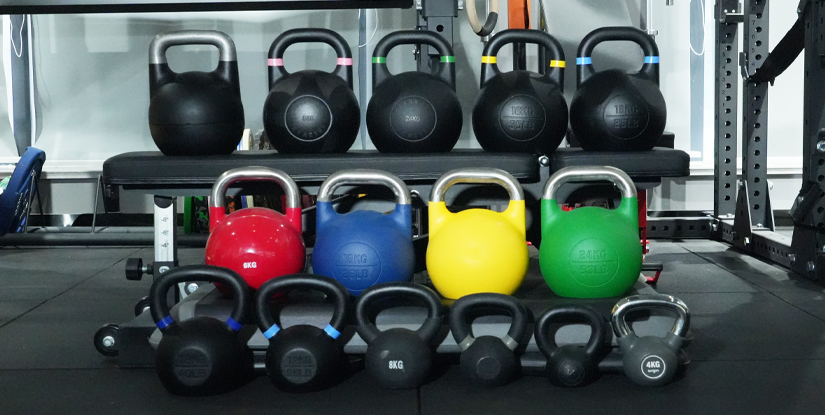
When determining how much does a pink kettlebell weight for a full studio rollout, buyers should evaluate the trade-off between SKU density and unit cost. A high-variety strategy offers more granular progression but increases the complexity of inventory management and shipping logistics. Conversely, a high-density strategy focuses on standard commercial kettlebell weight increments that maximize storage efficiency.
| Increment Strategy | Primary Use Case | Inventory Complexity | Procurement Focus |
|---|---|---|---|
| 2kg/4lb Increments | Mobility & Beginner Strength | High (More SKUs) | High-precision casting |
| 4kg/8lb Increments | Advanced Strength & HIIT | Moderate (Fewer SKUs) | Durability & Coating |
| Mixed Progression | Multi-modality Studios | Variable | Boutique gym weight standards |
From a logistics standpoint, choosing a 4kg-heavy distribution can reduce shipping volumes and storage rack requirements, but may limit the granularity of specialized classes. We recommend a hybrid approach for distributors looking to satisfy high-end studio demands while maintaining manageable MOQ levels and optimizing total SKU selection.
Logistics and Sourcing Trade-Offs for Specialized Sets
When finalizing a purchase order, understanding how much does a pink kettlebell weight is only the first step; the real challenge lies in managing the complexities of specialized color runs. Unlike standard black cast iron, colored coatings require stricter quality control to ensure aesthetic uniformity across different production batches.
Procurement managers must account for the fact that specialized colors often come with a higher MOQ compared to standard black equipment. Maintaining color consistency is a common pain point; a slight deviation in the pink hue between a 4kg and 12kg unit can diminish the premium look of a boutique studio. Furthermore, because specialized coatings can slightly alter the outer dimensions, buyers should verify manufacturing tolerances to ensure the bells still fit standard storage racks and meet precise weight specifications.
From a logistics perspective, high-variety sets increase shipping volume and complexity. To optimize your budget, we suggest consolidating orders into larger, standardized weight jumps where possible. This strategy mitigates the risk of color mismatch and helps manage the overhead costs associated with sourcing low-volume, niche-colored fitness gear.
Quality Control Protocols for Colored Cast Iron and Urethane Finishes
When sourcing aesthetic equipment, the primary concern for facility managers is how long the color remains intact under heavy usage. In high-traffic environments, the coating integrity of your inventory determines both the aesthetic longevity and the long-term replacement cycle of the set.
Material Composition and Coating Durability
Effective pink fitness equipment sourcing requires a deep understanding of how the color is applied to the base material. For boutique studio environments, the choice between cast iron and urethane involves a direct trade-off between initial procurement costs and long-term maintenance requirements. While standard commercial gym standards allow for various finishes, the durability of the pink pigment depends heavily on the bonding strength of the outer layer to the core weight.
| Finish Type | Durability Profile | Maintenance Level | Best Use Case |
|---|---|---|---|
| Painted Cast Iron | Moderate; prone to chipping | Higher; requires periodic touch-ups | Budget-conscious boutique studios |
| Urethane Encapsulated | High; impact and scratch resistant | Low; easy to sanitize and clean | High-traffic commercial facilities |
Distributors should prioritize urethane-coated options when the goal is a premium, low-maintenance look. Unlike traditional paint, which can flake during high-intensity interval training (HIIT) or heavy drops, high-grade urethane provides a seamless, durable shell that protects the internal mass while maintaining color consistency across various weight increments.
Quality Control Protocols for Colored Cast Iron and Urethane Finishes
When sourcing aesthetic equipment, the primary concern for facility managers is how long the color remains intact under heavy usage. In high-traffic environments, the coating integrity of your inventory determines both the aesthetic longevity and the long-term replacement cycle of the set.
Material Composition and Coating Durability
Effective pink fitness equipment sourcing requires a deep understanding of how the color is applied to the base material. For boutique studio environments, the choice between cast iron and urethane involves a direct trade-off between initial procurement costs and long-term maintenance requirements. While standard commercial gym standards allow for various finishes, the durability of the pink pigment depends heavily on the bonding strength of the outer layer to the core weight.
| Finish Type | Chip Resistance | Surface Texture | Maintenance Requirements | Cost-Efficiency |
|---|---|---|---|---|
| Painted Cast Iron | Moderate/Low | Smooth/Hard | Periodic touch-ups needed | High (Lower initial SKU cost) |
| Urethane Coating | High | Slightly Textured | Minimal (Easy to sanitize) | Medium (Higher upfront investment) |
From a procurement standpoint, understanding how much does a pink kettlebell weight is only half the battle; the other half is ensuring that weight remains visible and unblemished. While painted cast iron offers a lower entry price for smaller studio rollouts, urethane-encapsulated models provide a superior ROI for multi-site operators due to their resistance to impact-induced flaking and easier sanitation protocols.
Inspecting Color Uniformity and Coating Adhesion
Beyond weight accuracy, the visual consistency of a set is a critical metric for high-end studio aesthetics. When evaluating factory samples, buyers must look beyond a single unit. True boutique gym weight standards demand that every SKU in a set—from 4kg to 16kg—exhibits identical color saturation and shade depth. Discrepancies in pigment density across a shipment can diminish the premium feel of a curated gym space.
To mitigate the risk of premature wear, request documented adhesion testing results from your manufacturer. A high-quality finish should pass a cross-hatch test without peeling, ensuring the coating remains bonded to the core even under thermal fluctuations. Furthermore, when negotiating MOQ considerations, ensure your quality control checklist specifically includes color uniformity inspections. This prevents the common issue where different production batches result in mismatched pink hues, which can compromise the professional appearance of a standardized commercial fitness inventory.
Managing Warranty Claims and Material Defect Liability
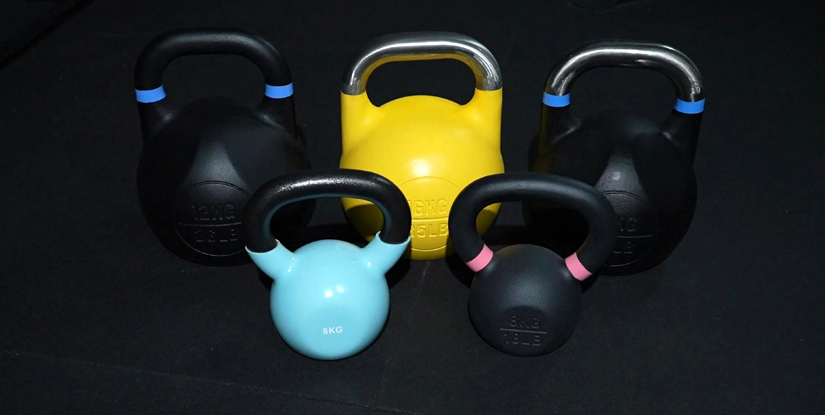
When sourcing specialized colorways for boutique studios, understanding the distinction between cosmetic wear and material defect liability is critical for long-term asset management. A standard commercial warranty typically covers manufacturing flaws that compromise the functional utility of the equipment rather than superficial surface changes caused by high-frequency usage.
In the realm of pink fitness equipment sourcing, common disputes often arise from coating integrity. Reliable manufacturers define defects as issues such as premature coating peeling, uneven color distribution across a production batch, or compromised handle structural integrity. High-quality QC standards ensure that the powder coating or silicone finish remains bonded to the cast iron or steel core, preventing the oxidation that can occur if the sealant fails. For distributors, verifying that a supplier maintains strict tolerances for both weight accuracy and surface adhesion is essential to minimizing costly returns and maintaining client trust during multi-site rollouts.
Managing Warranty Claims and Material Defect Liability
When sourcing specialized colorways for boutique studios, understanding the distinction between cosmetic wear and material defect liability is critical for long-term asset management. A standard commercial warranty typically covers manufacturing flaws that compromise the functional utility of the equipment rather than superficial surface changes caused by high-frequency usage.
In the realm of pink fitness equipment sourcing, common disputes often arise from coating integrity. Reliable manufacturers define defects as issues such as premature coating peeling, uneven color distribution across a production batch, or compromised handle structural integrity. High-quality QC standards ensure that the powder coating or silicone finish remains bonded to the cast iron or steel core, preventing the oxidation that can occur if the sealant fails. For distributors, verifying that a supplier maintains strict tolerances for both weight accuracy and surface adhesion is essential to minimizing costly returns and maintaining client trust during multi-site rollouts.
To optimize your procurement strategy, you must evaluate whether your supply chain relies on direct-from-factory shipments or localized stockists. While factory-direct models offer higher margins, they require more rigorous internal oversight regarding weight precision and shipping damage. Conversely, local distributors offer faster recourse for immediate operational needs but may lack the granular control over specific color batches or weight precision stability.
| Sourcing Model | Warranty Scope | Defect Resolution Speed | Maintenance Responsibility |
|---|---|---|---|
| Factory Direct (Bulk) | Structural & Core Manufacturing | Slower (International Transit) | Buyer-Led (On-site Inspection) |
| Local Distributor | Surface & Functional Utility | Faster (Local Replacement) | Distributor-Assisted |
For large-scale facility rollouts, we recommend verifying that the manufacturer guarantees consistency across commercial kettlebell weight increments. This ensures that a 4kg unit from one production run matches the physical dimensions and weight distribution of a 4kg unit from another, preventing discrepancies in client training experiences and equipment organization.
Standardizing Inspection and Claim Documentation
To protect your ROI during multi-site rollouts, facility managers must implement a rigorous inspection protocol. When a discrepancy is identified, do not rely on verbal descriptions. Effective claims management requires a standardized documentation kit: high-resolution photos of the specific batch number or manufacturing stamp, clear images of the weight discrepancy (ideally alongside a calibrated digital scale), and a detailed description of the failure mode. This level of precision is vital when addressing how much does a pink kettlebell weight relative to its advertised mass, as it distinguishes between expected surface scuffs and actual manufacturing deviations.
Routine inspections should focus on the structural integrity of the pink coating and the stability of the handle. Check for micro-cracks in the finish or irregular weight distribution that could indicate internal casting voids. By distinguishing between routine wear-and-tear—such as minor paint abrasions from floor contact—and actual material defects like structural cracking or weight inaccuracy, procurement teams can streamline the dispute process with overseas suppliers and ensure boutique gym weight standards remain uncompromised.
Optimizing SKU Selection for Multi-Site Rollouts
Maximizing ROI during a multi-site rollout requires a strategic approach to weight distribution. Rather than over-ordering every possible mass increment, procurement managers must balance variety with SKU rationalization to ensure high inventory turnover and reduced storage overhead across all locations.
Balancing Weight Increments and Inventory Costs
When managing pink fitness equipment sourcing for boutique studio chains, the goal is to identify the most high-demand commercial kettlebell weight increments. Over-specifying a set with too many niche weights can tie up capital in slow-moving stock. Instead, focus on a core range—typically 4kg to 16kg—that covers the majority of female-centric and functional training demographics. By optimizing your selection toward these standard increments, you improve inventory turnover and minimize the logistical burden of restocking multiple branches with highly specialized, low-velocity items.
| Sourcing Strategy | Weight Range Focus | Impact on ROI |
|---|---|---|
| High-Density Core | 4kg – 12kg (Standard) | Higher turnover; lower storage costs |
| Full Boutique Set | 4kg – 24kg (Extended) | Higher initial CAPEX; niche utility |
Optimizing SKU Selection for Multi-Site Rollouts
Maximizing ROI during a multi-site rollout requires a strategic approach to weight distribution. Rather than over-ordering every possible mass increment, procurement managers must balance variety with SKU rationalization to ensure high inventory turnover and reduced storage overhead across all locations.
Balancing Weight Increments and Inventory Costs
When managing pink fitness equipment sourcing for boutique studio chains, the goal is to identify the most high-demand commercial kettlebell weight increments. Over-specifying a set with too many niche weights can tie up capital in slow-moving stock. Instead, focus on a core range—typically 4kg to 16kg—that covers the majority of female-centric and functional training demographics. By optimizing your selection toward these standard increments, you improve inventory turnover and minimize the logistical burden of restocking multiple branches with highly specialized, low-velocity items.
Configuration Comparison for Procurement
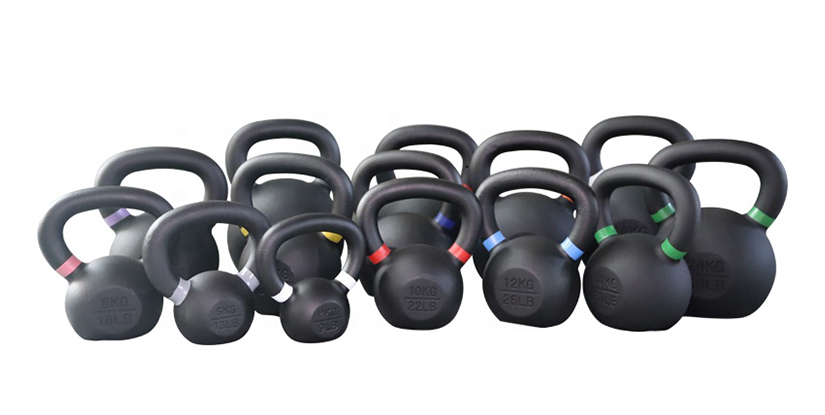
Deciding how much does a pink kettlebell weight matters less than deciding which weight profile fits your facility's density requirements. A high-density approach focuses on the most popular mass distributions to keep shipping volumes predictable, whereas a diverse range provides a premium experience at a higher logistical cost.
| Configuration Type | Typical Weight Profile | Target Use Case | Logistics & Shipping Impact |
|---|---|---|---|
| Beginner/High-Density | 4kg, 6kg, 8kg, 10kg | Boutique Studios / Small Gyms | Low volume; optimized for small containers |
| Intermediate/Standard | 4kg to 16kg (2kg steps) | Commercial Training Centers | Moderate volume; balanced pallet density |
| Advanced/Full Spectrum | 4kg to 24kg (Variable steps) | High-End Performance Labs | High volume; increased shipping/storage costs |
For distributors managing multiple locations, selecting the High-Density Core profile often yields a better long-term return. While a full spectrum offers more versatility, the increased weight-to-volume ratio in shipping can significantly inflate landed costs and complicate warehouse management. Aligning your boutique gym weight standards with high-velocity increments ensures your capital remains liquid rather than sitting in low-demand, heavy inventory.
Prioritizing Durability and Coating Quality
Beyond the weight distribution, the long-term value of your procurement depends heavily on material integrity. For boutique settings, the aesthetic appeal of pink equipment is a primary draw, but it must not compromise durability. Low-quality powder coating or thin paint layers often chip under high-frequency use, leading to premature replacement cycles and increased maintenance costs. When vetting manufacturers, prioritize high-grade, impact-resistant finishes that can withstand floor drops and constant handling.
Furthermore, optimizing logistics optimization requires a clear understanding of MOQ considerations and packaging efficiency. High-quality manufacturers often provide nested or optimized stacking configurations that maximize container space, reducing the landed cost per unit. By selecting a supplier that offers standardized coating thickness and robust packaging, you mitigate the risk of transit damage and ensure that your boutique gym weight standards are met with equipment that remains visually consistent throughout its operational lifespan.
Logistics Strategy and Landed Cost Calculations for Heavy Freight
When determining how much does a pink kettlebell weight impacts your bottom line, the actual mass is only one variable in the total landed cost. For procurement managers, the relationship between commercial kettlebell weight increments and the physical dimensions of the packaging determines the efficiency of your international freight strategy.
Optimizing Volumetric Weight and Freight Class
Efficient pink fitness equipment sourcing requires a deep understanding of how density affects shipping costs. Because kettlebells are high-density items, they often hit maximum weight limits before reaching high volumetric weight thresholds. However, when ordering diverse sets, the way different commercial kettlebell weight increments are nested or palletized can significantly alter the shipping density.
A common pitfall in large-scale studio rollouts is failing to account for freight class adjustments. If the packaging for lighter pink sets is disproportionately large compared to the actual mass, you will pay for "dim weight" rather than actual weight. To optimize your ROI, work with your supplier to ensure that the master carton dimensions are tightly calibrated to the weight of the bells, minimizing empty air and reducing the overall footprint during ocean or air transit.
Shipping Configuration and Unit Cost Efficiency
Selecting the right shipping method depends heavily on your SKU density and total order volume. For distributors and boutique gym owners, understanding the trade-off between LCL (Less than Container Load) and FCL (Full Container Load) is essential to minimizing the landed cost per unit. While LCL offers flexibility for smaller boutique studio weight standards, FCL provides the highest cost-efficiency for large-scale facility rollouts due to optimized palletization and reduced handling risks.
| Shipping Method | Ideal Order Profile | Weight Distribution Strategy | Cost-Efficiency per Unit |
|---|---|---|---|
| LCL (Less than Container Load) | Small boutique studio restocking or sample sets. | Mixed SKU weight distribution; higher risk of shifting. | Lower initial capital outlay; higher per-unit freight cost. |
| FCL (Full Container Load) | Large-scale gym rollouts or regional distributor inventory. | High-density palletization; optimized for heavy mass. | Highest ROI; lowest per-unit cost for heavy freight. |
When calculating your budget, remember that heavier weight increments typically offer better volumetric efficiency. If your procurement strategy involves a wide range of lighter pink kettlebells, ensure your supplier uses reinforced, compact master cartons to prevent the "empty space" penalty in ocean freight billing.
Mitigating Breakage and Ensuring Coating Integrity
Beyond freight classes, the physical vulnerability of the product dictates your long-term replacement costs. High-quality pink fitness equipment sourcing requires strict quality control (QC) regarding the coating integrity of the kettlebells. The pigment and powder coating must withstand both the mechanical stress of impact and the friction of repeated handling. During the manufacturing phase, ensure the factory performs rigorous adhesion tests to prevent chipping, which can lead to premature aesthetic degradation in high-traffic boutique environments.
To protect your investment, implement a rigorous palletization strategy. Heavy, low-density orders are prone to structural failure if not secured correctly. Request that your supplier uses heavy-duty, double-walled corrugated boxes and reinforced corner protectors for all master cartons. Proper palletization not only reduces the breakage risk during ocean transit but also ensures that the weight distribution remains stable, preventing the crushing of lighter SKUs by heavier ones. A higher MOQ (Minimum Order Quantity) can often be leveraged to negotiate customized, high-density packaging configurations that optimize the landed cost by maximizing container utilization while safeguarding the product's visual and structural integrity.