Difference Between Weight Plates and Bumper Plates | Weight
Economic Drivers: SKU Breadth vs. Specialized Inventory
For a high-volume commercial gym facility, the decision between stocking standard iron plates or high-performance rubberized versions often comes down to long-term budget allocation. While iron plates offer a lower initial purchase price, professional buyers must evaluate the difference between weight plates and bumper plates through the lens of facility longevity and floor protection.
Analyzing TCO and Material Durability
When conducting commercial gym equipment sourcing, procurement managers should look beyond the immediate invoice. The choice between iron vs rubber weight plates involves a critical trade-off between upfront capital expenditure and the Total Cost of Ownership (TCO). Iron plates are cost-effective for traditional strength zones, but they lack the shock absorption required for high-impact training. Conversely, investing in high-quality bumper plates reduces the frequency of barbell maintenance and floor repairs, ultimately lowering operational overhead in heavy-use environments.
| Metric | Standard Iron Plates | Olympic Bumper Plates |
|---|---|---|
| Initial Unit Cost | Lower | Higher |
| Impact Resistance | Low (Brittle) | High (Shock-Absorbent) |
| Typical Use Case | Bodybuilding/Fixed Strength | Olympic Lifting/CrossFit |
| Long-term TCO | Higher (Due to floor/bar wear) | Lower (Durability in high-impact) |
Economic Drivers: SKU Breadth vs. Specialized Inventory
For a high-volume commercial gym facility, the decision between stocking standard iron plates or high-performance rubberized versions often comes down to long-term budget allocation. While iron plates offer a lower initial purchase price, professional buyers must evaluate the difference between weight plates and bumper plates through the lens of facility longevity and floor protection.
Analyzing TCO and Material Durability
When conducting commercial gym equipment sourcing, procurement managers should look beyond the immediate invoice. The choice between iron vs rubber weight plates involves a critical trade-off between upfront capital expenditure and the Total Cost of Ownership (TCO). Iron plates are cost-effective for traditional strength zones, but they lack the shock absorption required for high-impact training. Conversely, investing in high-quality bumper plates reduces the frequency of barbell maintenance and floor repairs, ultimately lowering operational overhead in heavy-use environments.
| Metric | Standard Iron Plates | Olympic Bumper Plates |
|---|---|---|
| Initial Unit Cost | Lower | Higher |
| Impact Resistance | Low (Brittle) | High (Shock-Absorbent) |
| Typical Use Case | Bodybuilding/Fixed Strength | Olympic Lifting/CrossFit |
| Long-term TCO | Higher (Due to floor/bar wear) | Lower (Durability in high-impact) |
From a logistics and warehouse perspective, specialized olympic bumper plate specifications—such as high-density virgin rubber—ensure consistent diameter tolerances. For distributors, this precision reduces return rates caused by uneven weight distribution. While iron plates occupy less space in shipping containers due to their density, the durability of rubberized surfaces prevents the rapid oxidation and surface chipping often seen in low-grade metal plates, making them a more stable long-term asset for global export orders.
Economic Drivers: SKU Breadth vs. Specialized Inventory
For a high-volume commercial gym facility, the decision between stocking standard iron plates or high-performance rubberized versions often comes down to long-term budget allocation. While iron plates offer a lower initial purchase price, professional buyers must evaluate the difference between weight plates and bumper plates through the lens of facility longevity and floor protection.
Analyzing TCO and Material Durability
When conducting commercial gym equipment sourcing, procurement managers should look beyond the immediate invoice. The choice between iron vs rubber weight plates involves a critical trade-off between upfront capital expenditure and the Total Cost of Ownership (TCO). Iron plates are cost-effective for traditional strength zones, but they lack the shock absorption required for high-impact training. Conversely, investing in high-quality bumper plates reduces the frequency of barbell maintenance and floor repairs, ultimately lowering operational overhead in high-use environments.
| Metric | Standard Iron Plates | Olympic Bumper Plates |
|---|---|---|
| Initial Unit Cost | Lower | Higher |
| Impact Resistance | Low (Brittle) | High (Shock-Absorbent) |
| Typical Use Case | Bodybuilding/Fixed Strength | Olympic Lifting/CrossFit |
| Long-term TCO | Higher (Due to floor/bar wear) | Lower (Durability in high-impact) |
Optimizing Inventory Strategy and Logistics
Strategic procurement requires balancing SKU breadth against facility layout optimization. For distributors, managing high-density iron plates offers better shipping efficiency, but specialized olympic bumper plate specifications often demand higher MOQs to ensure weight consistency across a full set. We advise buyers to prioritize rubberized inventory for high-impact zones to extend maintenance cycles. By diversifying your stock between low-cost iron for basic strength and durable bumpers for functional areas, you optimize both warehouse volume and long-term ROI.
Material Composition and Impact Resistance
The fundamental difference between weight plates and bumper plates lies in their material density and how they manage kinetic energy. While standard plates are designed for static stability, bumper plates are engineered to withstand the high-velocity impact of heavy drops common in functional training environments.
Iron vs Rubber Weight Plates
When conducting commercial gym equipment sourcing, procurement managers must distinguish between the rigid structure of cast iron and the elastic properties of high-density rubber. Traditional iron plates offer high density and a compact profile, making them ideal for strength training where floor impact is minimal. However, they lack impact absorption capabilities, which can lead to structural damage or floor fatigue over time.
In contrast, professional-grade bumper plates utilize a high-density rubber or urethane coating over a solid core. This composition allows the plate to compress slightly upon contact, effectively dissipating shock waves. For distributors and facility owners, investing in rubber-encased options reduces long-term maintenance costs and protects the integrity of the lifting platform, even in high-traffic weightlifting zones.
Evaluating Longevity and Maintenance Requirements
Selecting the correct material profile directly impacts your total cost of ownership. While iron plates provide unmatched density, the lack of shock dissipation can lead to faster wear on both the equipment and the facility flooring. For high-impact environments, understanding the technical nuances of olympic bumper plate specifications is essential for long-term durability.
| Material Type | Typical Use Case | Durability Profile | Maintenance Needs |
|---|---|---|---|
| Iron Plates | Bodybuilding & Powerlifting | High rigidity; prone to chipping | Low; periodic rust prevention |
| Rubberized Bumper Plates | Olympic Lifting & CrossFit | High impact resistance; shock absorbing | Moderate; surface cleaning |
| Urethane Bumper Plates | Premium Commercial Gyms | Extreme wear resistance; non-marking | Minimal; highly durable surface |
From a procurement standpoint, rubberized bumper plates offer a more versatile ROI for multi-functional facilities. Although the initial unit cost may be higher than iron, the reduction in floor damage and the ability to handle high-velocity drops significantly lowers long-term maintenance and replacement frequency.
Evaluating Longevity and Maintenance Requirements
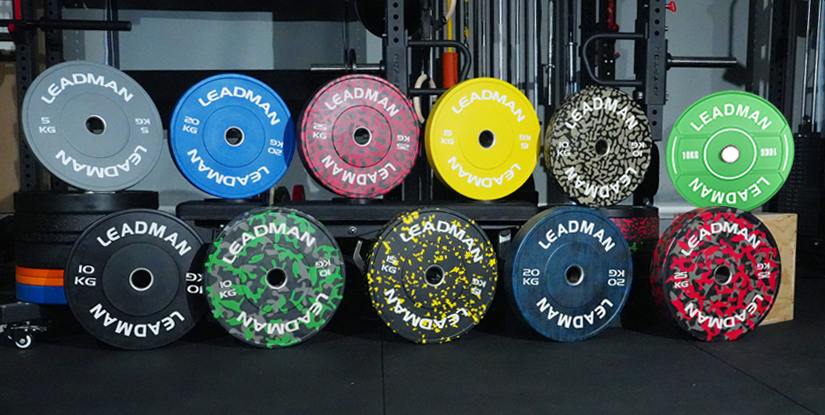
Selecting the correct material profile directly impacts your total cost of ownership. While iron plates provide unmatched density, the lack of shock dissipation can lead to faster wear on both the equipment and the facility flooring. For high-impact environments, understanding the technical nuances of olympic bumper plate specifications is essential for long-term durability.
| Material Type | Typical Use Case | Durability Profile | Maintenance Needs |
|---|---|---|---|
| Iron Plates | Bodybuilding & Powerlifting | High rigidity; prone to chipping | Low; periodic rust prevention |
| Rubberized Bumper Plates | Olympic Lifting & CrossFit | High impact resistance; shock absorbing | Moderate; surface cleaning |
| Urethane Bumper Plates | Premium Commercial Gyms | Extreme wear resistance; non-marking | Minimal; highly durable surface |
From a procurement standpoint, rubberized bumper plates offer a more versatile ROI for multi-functional facilities. Although the initial unit cost may be higher than iron, the reduction in floor damage and the ability to handle high-velocity drops significantly lowers long-term maintenance and replacement frequency.
Optimizing Facility Layout with Olympic Bumper Plate Specifications
When planning a commercial floor layout, the primary difference between weight plates and bumper plates lies in their physical volume and impact profile. While iron plates offer a slim profile for strength training, rubberized bumper plates require a larger footprint, which directly affects how much space your storage solutions and weight trees must occupy.
Spatial Impact and Storage Density
For distributors and facility managers, the choice between iron vs rubber weight plates is a trade-off between density and durability. Standard iron plates are significantly thinner, allowing for higher storage density on shorter barbell sleeves and compact racks. However, high-quality olympic bumper plate specifications usually involve a thicker cross-section to accommodate the high-density rubber or urethane coating. This increased thickness means that while they are safer for high-impact lifting, they will occupy more linear shelf space and require deeper storage footprints in your facility.
| Plate Type | Profile Thickness | Storage Density | Best Use Case |
|---|---|---|---|
| Standard Iron | Low / Slim | High | Bodybuilding & Strength Racks |
| Standard Bumper | Medium / Thick | Moderate | CrossFit & Olympic Lifting |
| Urethane Bumper | High / Maximum | Low | High-Traffic Commercial Gyms |
When conducting commercial gym equipment sourcing, procurement teams must account for these volumetric differences to ensure facility layout optimization. A mismatch between plate thickness and barbell sleeve capacity can lead to uneven loading or inadequate storage. For instance, a high-density rubber bumper plate might occupy 25-40% more linear space than a comparable cast iron plate, necessitating larger weight trees or deeper shelving units in your inventory plan.
Successful distributors often prioritize a hybrid approach: utilizing slim-profile iron plates for traditional strength zones to conserve floor space, while reserving deeper, high-impact storage areas for the bulkier rubberized plates required for functional training zones. This strategic allocation ensures that your facility footprint remains efficient while meeting the diverse needs of high-performance athletes.
Optimizing Facility Layout with Olympic Bumper Plate Specifications
When planning a commercial floor layout, the primary difference between weight plates and bumper plates lies in their physical volume and impact profile. While iron plates offer a slim profile for strength training, rubberized bumper plates require a larger footprint, which directly affects how much space your storage solutions and weight trees must occupy.
Spatial Impact and Storage Density
For distributors and facility managers, the choice between iron vs rubber weight plates is a trade-off between density and durability. Standard iron plates are significantly thinner, allowing for higher storage density on shorter barbell sleeves and compact racks. However, high-quality olympic bumper plate specifications usually involve a thicker cross-section to accommodate the high-density rubber or urethane coating. This increased thickness means that while they are safer for high-impact lifting, they will occupy more linear shelf space and require deeper storage footprints in your facility.
| Plate Type | Profile Thickness | Storage Density | Best Use Case |
|---|---|---|---|
| Standard Iron | Low / Slim | High | Bodybuilding & Strength Racks |
| Standard Bumper | Medium / Thick | Moderate | CrossFit & Olympic Lifting |
| Urethane Bumper | High / Maximum | Low | High-Traffic Commercial Gyms |
Strategic Inventory Allocation
When conducting commercial gym equipment sourcing, procurement teams must account for these volumetric differences to ensure effective space-saving. A mismatch between plate thickness and barbell sleeve capacity can lead to uneven loading or inadequate storage. A high-density rubber bumper plate typically occupies significantly more linear space than a comparable cast iron plate, necessitating larger weight trees or deeper shelving units in your inventory plan.
To optimize high-traffic zones, we recommend a hybrid procurement decision model: utilize slim-profile iron plates for traditional strength zones to maximize high-density storage, while reserving specialized, deeper storage areas for the bulkier bumper plates required in functional training zones. This approach balances durability with spatial efficiency, ensuring your facility footprint remains optimized for diverse athlete needs.
Operational Longevity and Maintenance Requirements
Understanding the technical difference between weight plates and bumper plates is essential for calculating long-term operational costs. While both serve primary lifting functions, their material compositions dictate vastly different upkeep schedules and total cost of ownership (TCO) profiles for high-traffic facilities.
Material Durability: Iron vs Rubber Weight Plates
When managing commercial gym equipment sourcing, procurement managers must weigh initial capital expenditure against long-term maintenance. The primary distinction lies in how the surface reacts to environmental factors and mechanical impact. Iron plates, often featuring a powder-coated or painted surface coating, are susceptible to oxidation and rust if the coating chips or if stored in high-humidity environments. This necessitates periodic inspection to prevent structural degradation.
Conversely, rubber-encapsulated bumper plates offer superior impact resistance, making them ideal for high-volume lifting environments. While they are more resilient to drops, they require different care; rubber can degrade under extreme UV exposure or through contact with certain industrial cleaning solvents. For distributors and facility owners, selecting the right material ensures that the equipment remains a durable asset rather than a recurring replacement expense.
| Maintenance Factor | Standard Iron Plates | Rubber Bumper Plates |
|---|---|---|
| Primary Risk | Oxidation and rust | Surface abrasion/UV degradation |
| Surface Care | Maintain coating integrity | Avoid harsh chemical solvents |
| Typical Lifecycle | Long (if kept dry) | High (optimized for impact) |
Operational Longevity and Maintenance Requirements
Understanding the technical difference between weight plates and bumper plates is essential for calculating long-term operational costs. While both serve primary lifting functions, their material compositions dictate vastly different upkeep schedules and total cost of ownership (TCO) profiles for high-traffic facilities.
Material Durability: Iron vs Rubber Weight Plates
When managing commercial gym equipment sourcing, procurement managers must weigh initial capital expenditure against long-term maintenance. The primary distinction lies in how the surface reacts to environmental factors and mechanical impact. Iron plates, often featuring a powder-coated or painted surface coating, are susceptible to oxidation and rust if the coating chips or if stored in high-humidity environments. This necessitates periodic inspection to prevent structural degradation.
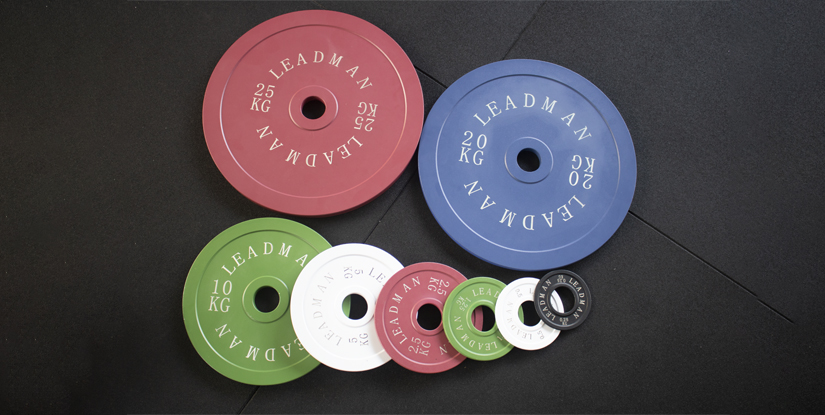
Conversely, rubber-encapsulated bumper plates offer superior impact resistance, making them ideal for high-volume lifting environments. While they are more resilient to drops, they require different care; rubber can degrade under extreme UV exposure or through contact with certain industrial cleaning solvents. For distributors and facility owners, selecting the right material ensures that the equipment remains a durable asset rather than a recurring replacement expense.
Maintenance and Lifecycle Comparison
The following table assists buyers in evaluating the technical trade-offs between standard iron and high-density rubber options to optimize facility inventory planning.
| Plate Type | Primary Maintenance Need | Typical Lifespan | Ideal Environment |
|---|---|---|---|
| Standard Iron Plates | Rust prevention and coating inspection | Long-term (if humidity-controlled) | Strength training zones; low-impact areas |
| Olympic Bumper Plates | Surface cleaning; avoiding chemical solvents | High (optimized for repeated drops) | CrossFit boxes; Olympic lifting platforms |
From a logistics and warehousing perspective, buyers should note that while bumper plates offer higher durability during heavy use, iron plates may offer a more compact footprint for long-term storage in limited-space facilities.
Logistics and Storage Optimization
Efficient inventory management requires strict adherence to specific storage protocols to protect your capital investment. For distributors managing high-volume orders, environmental control is a non-negotiable factor. Maintaining consistent humidity control in your warehouse is vital; even high-quality rubber-encapsulated surfaces can suffer from mold or scent issues if moisture levels are not regulated.
When auditing olympic bumper plate specifications, ensure your facility can accommodate their larger volumetric footprint compared to iron alternatives. A professional wholesale procurement tip: always request reinforced, moisture-resistant packaging for sea freight to prevent oxidation during transit. Implementing standardized stacking protocols prevents structural deformation of the rubber ring, ensuring your equipment maintains its precision and shape over multiple years of service.
Sourcing Diligence: QC Standards for International Shipments
When evaluating the difference between weight plates and bumper plates, procurement managers must prioritize long-term durability and impact resistance. The choice between iron vs rubber weight plates significantly affects your total cost of ownership and facility maintenance cycles.
Standard iron plates are rigid and durable for static lifting but lack the shock absorption required for high-impact Olympic movements. Conversely, high-density rubber bumper plates are engineered to withstand frequent drops, protecting both the equipment and your flooring. During commercial gym equipment sourcing, we advise distributors to implement strict quality control protocols. For international shipments, this includes verifying rubber density uniformity and ensuring the steel core's structural integrity to prevent cracking under heavy stress, especially when shipping high-volume MOQs across long distances.
Sourcing Diligence: QC Standards for International Shipments
When evaluating the difference between weight plates and bumper plates, procurement managers must prioritize long-term durability and impact resistance. The choice between iron vs rubber weight plates significantly affects your total cost of ownership and facility maintenance cycles.
Standard iron plates are rigid and durable for static lifting but lack the shock absorption required for high-impact Olympic movements. Conversely, high-density rubber bumper plates are engineered to withstand frequent drops, protecting both the equipment and your flooring. During commercial gym equipment sourcing, we advise distributors to implement strict quality control protocols. For international shipments, this includes verifying rubber density uniformity and ensuring the steel core's structural integrity to prevent cracking under heavy stress, especially when shipping high-volume MOQs across long distances.
To optimize your inventory, utilize the following technical comparison to evaluate material durability and maintenance requirements across different commercial setting scenarios.
| Feature | Standard Iron Plates | Olympic Bumper Plates |
|---|---|---|
| Primary Material | Cast Iron / Steel | High-Density Vulcanized Rubber |
| Impact Tolerance | Low (Risk of cracking oise) | High (Designed for drops) |
| Maintenance | Rust prevention/coating checks | Periodic surface cleaning |
| Typical Usage | Bodybuilding / Strength Training | Olympic Lifting / CrossFit |
| Edge Profile | Hard/Rigid | Soft/Shock-Absorbent |
When reviewing olympic bumper plate specifications, ensure the inner diameter is precision-machined to prevent wobbling, which can lead to premature wear on the barbell sleeves and increase long-term replacement costs.
To minimize replacement costs, implement a rigorous shipment inspection focusing on coating integrity and material homogeneity. For iron plates, verify that the powder coating or plating is seamless to prevent oxidation in humid gym environments. For rubber products, demand density consistency tests to ensure no air pockets exist within the vulcanized structure. A failure in these QC standards often leads to uneven weight distribution or surface peeling, which negatively impacts your total cost of ownership. Prioritize suppliers who provide batch-specific technical data to ensure every unit meets the rigorous demands of high-traffic commercial facilities.
Logistics and Export Packaging for Heavy Weight Loads
When calculating the total landed cost for a facility upgrade, procurement managers must look beyond the unit price of the plates. The physical properties of your selected inventory directly dictate your freight expenses and container utilization efficiency.
Optimizing Freight Through Material Selection
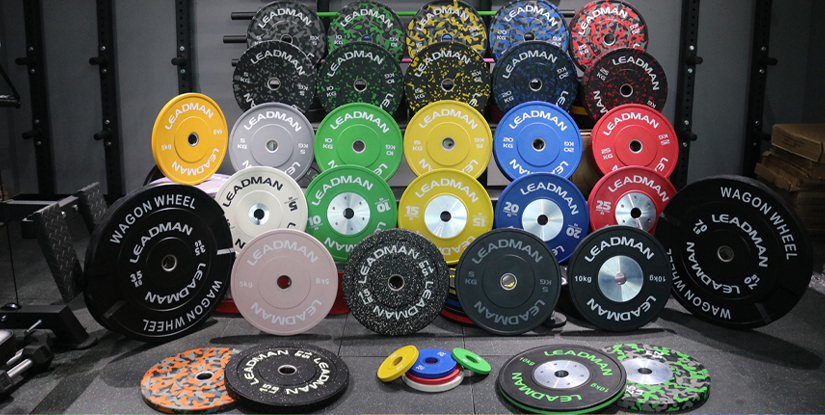
The choice between iron vs rubber weight plates creates a significant divergence in shipping density and volumetric weight. Iron plates are much thinner and more compact, allowing for higher density per pallet. This makes them ideal for maximizing weight-to-volume ratios during sea freight. Conversely, rubber-coated bumper plates are significantly thicker to accommodate the shock-absorption material. This increased volume often leads to higher volumetric weight charges, even if the actual weight remains the same. For large-scale commercial gym equipment sourcing, understanding this trade-off is essential for freight cost optimization. If your budget is tight and shipping space is limited, iron plates offer a more cost-effective way to move heavy loads without paying for "empty air" in a container.
| Procurement Factor | Iron/Cast Iron Plates | Rubber Bumper Plates |
|---|---|---|
| Shipping Density | High (Compact) | Low (Bulky) |
| Volumetric Weight Impact | Minimal | Significant |
| Container Utilization | Optimal for weight-heavy loads | Requires careful stacking |
| Landed Cost Profile | Lower freight-to-value ratio | Higher freight-to-value ratio |
Logistics and Export Packaging for Heavy Weight Loads
When calculating the total landed cost for a facility upgrade, procurement managers must look beyond the unit price of the plates. The physical properties of your selected inventory directly dictate your freight expenses and container utilization efficiency.
Optimizing Freight Through Material Selection
The choice between iron vs rubber weight plates creates a significant divergence in shipping density and volumetric weight. Iron plates are much thinner and more compact, allowing for higher density per pallet. This makes them ideal for maximizing weight-to-volume ratios during sea freight. Conversely, rubber-coated bumper plates are significantly thicker to accommodate the shock-absorption material. This increased volume often leads to higher volumetric weight charges, even if the actual weight remains the same. For large-scale commercial gym equipment sourcing, understanding this trade-off is essential for freight cost optimization. If your budget is tight and shipping space is limited, iron plates offer a more cost-effective way to move heavy loads without paying for "empty air" in a container.
| Procurement Factor | Iron/Cast Iron Plates | Rubber Bumper Plates |
|---|---|---|
| Shipping Density | High (Compact) | Low (Bulky) |
| Volumetric Weight Impact | Minimal | Significant |
| Container Utilization | Optimal for weight-heavy loads | Requires careful stacking |
| Landed Cost Profile | Lower freight-to-value ratio | Higher freight-to-value ratio |
Beyond the shipping container, long-term TCO is influenced by the storage footprint and durability of the product. While olympic bumper plate specifications often demand a larger physical profile for impact resistance, they also require more substantial racking systems. Procurement teams should evaluate if the increased volume of bumper plates will necessitate higher facility maintenance or specialized storage solutions compared to the more space-efficient iron alternatives.
Logistics and Export Packaging for Heavy Weight Loads
When calculating the total landed cost for a facility upgrade, procurement managers must look beyond the unit price of the plates. The physical properties of your selected inventory directly dictate your freight expenses and container utilization efficiency.
Optimizing Freight Through Material Selection
The choice between iron vs rubber weight plates creates a significant divergence in shipping density and volumetric weight. Iron plates are much thinner and more compact, allowing for higher density per pallet. This makes them ideal for maximizing weight-to-volume ratios during sea freight. Conversely, rubber-coated bumper plates are significantly thicker to accommodate the shock-absorption material. This increased volume often leads to higher volumetric weight charges, even if the actual weight remains the same. For large-scale commercial gym equipment sourcing, understanding this trade-off is essential for freight cost optimization. If your budget is tight and shipping space is limited, iron plates offer a more cost-effective way to move heavy loads without paying for "empty air" in a container.
| Procurement Factor | Iron/Cast Iron Plates | Rubber Bumper Plates |
|---|---|---|
| Shipping Density | High (Compact) | Low (Bulky) |
| Volumetric Weight Impact | Minimal | Significant |
| Container Utilization | Optimal for weight-heavy loads | Requires careful stacking |
| Landed Cost Profile | Lower freight-to-value ratio | Higher freight-to-value ratio |
Managing MOQ and Bulk Shipping Logistics
To minimize overhead, buyers should align orders with factory MOQ requirements and standardized palletization protocols. When arranging bulk shipping, request reinforced protective packaging to prevent surface deformation or coating cracks during transit. Efficient commercial gym equipment sourcing relies on securing high-density stacking configurations that prevent shifting within the container. By optimizing the pallet layout, distributors can reduce the risk of damage and ensure that every cubic meter of freight space contributes to a lower per-unit landed cost.
Strategic Procurement: Selecting the Right Mix for Your Client Base
Understanding the fundamental difference between weight plates and bumper plates is essential for calculating the long-term profitability of a fitness facility. While one offers immediate cost advantages, the other provides the structural resilience required for high-impact training environments.
Evaluating Total Cost of Ownership (TCO)
When managing commercial gym equipment sourcing, procurement managers often face a trade-off between upfront capital expenditure and long-term maintenance cycles. Standard iron plates typically offer a lower initial price point, making them attractive for bodybuilding-focused studios or traditional weight rooms where heavy lifting is controlled. However, the iron vs rubber weight plates debate extends beyond the purchase price; it involves the secondary costs of floor damage and equipment wear.
In high-traffic functional training zones or CrossFit boxes, the durability of rubberized bumpers is a critical factor in reducing replacement frequency. While bumper plates require a higher initial investment, their ability to absorb impact minimizes the need for frequent floor repairs and protects the structural integrity of your barbell sets. For distributors and facility owners, choosing the right material mix ensures a more predictable total cost of ownership (TCO) by extending the lifecycle of the entire training ecosystem.
| Feature Factor | Standard Iron Plates | Olympic Bumper Plates |
|---|---|---|
| Primary Use Case | Bodybuilding & Strength | Olympic Lifting & HIIT |
| Impact Resilience | Low (Fragile under drop) | High (Designed for drops) |
| Maintenance Cycle | Higher (Rust/Paint wear) | Lower (Rubber durability) |
| Floor Protection | Minimal | Maximum |
To optimize your facility layout and procurement budget, you must align plate selection with specific user behavior. A failure to match the equipment to the training style often results in premature wear or unnecessary replacement costs. Use the following comparison to determine your optimal inventory mix based on facility type and usage intensity.
| Plate Type | Ideal Setting | Long-term ROI Factor |
|---|---|---|
| Standard Iron Plates | Traditional Bodybuilding Gyms | High (Low upfront cost, ideal for controlled movements) |
| Olympic Bumper Plates | CrossFit Boxes & Functional Training | High (Reduces floor/barbell replacement frequency via impact resistance) |
| Hybrid/Mixed Inventory | Multi-purpose Commercial Clubs | Optimal (Balances capital expenditure with specialized zone durability) |
When auditing olympic bumper plate specifications, remember that high-density rubber density directly influences both bounce and shelf life. For high-volume distributors, sourcing plates with high impact resistance is a strategic move to minimize warranty claims and ensure long-term client satisfaction.
Optimizing Wholesale Procurement and Logistics
For distributors managing high-volume orders, inventory optimization requires balancing diverse SKU requirements with shipping efficiency. When coordinating wholesale procurement, prioritize suppliers offering mixed-order capability to combine various iron and rubber specifications within a single container. This strategy maximizes shipping volume and reduces landed costs per unit. Additionally, ensure strict quality control protocols are in place to verify olympic bumper plate specifications before dispatch, preventing costly returns and ensuring consistent density across all weight increments.