Powder Coated Weight Plate Manufacturer: Wholesale Material
Evaluating a Powder Coated Weight Plate Manufacturer for Bulk Sourcing
When initiating a high-volume procurement cycle, professional buyers must navigate three critical checkpoints: assessing the structural integrity of the base material, verifying the technical specifications of the surface finish, and confirming the logistical reliability of the powder coated weight plate manufacturer. Selecting a partner based solely on low unit costs often leads to significant hidden expenses, such as premature oxidation or coating failure. A qualified commercial weight plate supplier ensures that the base cast iron meets density standards and that the application process is optimized for high-traffic gym environments. By prioritizing these technical variables during the sourcing phase, distributors can secure a stable long-term ROI and minimize the maintenance costs associated with equipment replacement.
The durability of weight plates in a commercial setting depends heavily on the synergy between the cast iron substrate and the protective layer. In high-impact environments, standard paint often chips or flakes, creating a maintenance burden for facility managers. A professional China factory weight plate OEM utilizes industrial-grade powder coating processes to ensure superior powder coating adhesion. This high-durability finish protects the metal from moisture and physical abrasion, which is essential for maintaining a premium aesthetic in professional training facilities. When ordering wholesale powder coated plates, it is vital to confirm that the coating is applied through a controlled thermal process to prevent peeling during heavy use.
Technical Specification Comparison for Commercial Procurement
Selecting the appropriate specification requires a clear understanding of how different finishes impact the total cost of ownership. For distributors, the choice between a standard finish and a premium coating dictates both the initial landed cost and the long-term replacement cycle of the inventory. While a basic finish may offer lower entry-level pricing, the technical durability of the surface determines whether the product remains viable for high-traffic commercial use or becomes a liability due to premature wear.
| Material Type | Surface Finish | Commercial Duty Tier | Primary Procurement Benefit | Typical Application |
|---|---|---|---|---|
| Cast Iron | Powder Coating | Premium Commercial | High abrasion resistance and long-term aesthetics | Commercial strength training facilities |
| Cast Iron | Rubber Coating | High-Impact Commercial | Noise reduction and floor protection | Crossfit and heavy lifting zones |
| Steel/Iron | Vinyl Dip | Budget/Studio | Low cost and easy cleaning | Boutique studios or home-gym distribution |
When evaluating wholesale powder coated plates, procurement officers should request details regarding the thermal application process. A high-quality powder coated weight plate manufacturer will typically utilize a multi-stage process involving surface degreasing and heat-curing to ensure the finish does not delaminate under heavy impact. For those looking to expand their product lines, a China factory weight plate OEM can often provide custom color options or specialized textures to differentiate your brand in the local market. We recommend requesting a sample evaluation to verify the coating thickness and surface consistency before finalizing any bulk order or high-volume contract.
Standardizing Quality Through Pre-Shipment Inspection
To mitigate the risks of importing substandard inventory, professional importers must look beyond the initial quote and focus on the technical rigor of the production line. A reliable commercial weight plate supplier maintains a structured quality control sequence that begins with the raw casting and ends with rigorous final inspections. For high-volume orders, the critical variables often include the precision of the weight tolerance and the consistency of the coating thickness. A failure in either area can lead to uneven plate distribution or unsightly surface degradation, both of which damage a distributor's reputation and increase the total cost of ownership for the end-user.
A sophisticated China factory weight plate OEM will implement a multi-stage verification process to ensure every unit meets export standards. This typically involves a specialized industrial powder coating line where temperature and application consistency are strictly monitored. During the pre-shipment QC phase, technicians should perform spot-checks on the coating adhesion and the concentricity of the center hole to ensure seamless fitment on Olympic bars. For buyers managing large-scale bulk sourcing projects, we recommend requesting a detailed inspection report or a sample approval process. Confirming these technical benchmarks—such as the uniformity of the finish and the stability of the weight—before container loading is essential to ensuring a successful, low-maintenance product launch in your target market.
Material Composition and Surface Coating Standards
Selecting a reliable powder coated weight plate manufacturer is critical for distributors and gym operators who prioritize long-term durability and low maintenance costs. High-volume sourcing from a professional China factory ensures that the core material and surface finishes meet the rigorous demands of high-traffic commercial environments.
The foundational material for most high-durability plates is high-grade cast iron. This material provides the necessary density and structural integrity required for heavy lifting. During the manufacturing process, the commercial weight plate supplier must ensure the casting phase is executed with precision to prevent air pockets or structural weaknesses. Once the gray iron or cast iron shape is finalized, the plates undergo machining to ensure concentricity and flatness, which are essential for stable loading on barbell sleeves.
To protect the iron core from oxidation and physical wear, a high-quality powder coating is applied. Unlike standard liquid paint, this process involves applying dry resin powder that is electrostatically adhered to the surface and then cured in a high-temperature oven. This creates a much tougher, more resilient finish. For a wholesale powder coated plates order, this coating step is vital to prevent chipping and rust, directly impacting the total cost of ownership by reducing the need for frequent replacements or refinishing in a commercial setting.
Comparison of Commercial Surface Finishes
When managing inventory or building a new facility, understanding the trade-offs between different finishes is essential for optimizing your landed cost and durability. A professional commercial weight plate supplier will typically offer various coating tiers to match specific facility needs, ranging from standard budget options to premium high-impact finishes. Choosing the correct coating ensures that the plates withstand constant impact without degrading the appearance of the gym or requiring premature replacement.
| Material Type | Primary Process | Key Component/Layer | Commercial Duty Tier | MOQ Impact | Factory QC Point |
|---|---|---|---|---|---|
| Cast Iron | Sand Casting | Powder Coating | Standard Commercial | Lower | Coating Adhesion |
| Cast Iron | CNC Machining | PU Coating | Premium/High-End | Moderate | Layer Uniformity |
| Steel Core | Injection Molding | Rubber Coating | High-Impact/Bumper | Higher | Edge Smoothness |
The distinction between a standard powder coated weight plate manufacturer and a premium provider often lies in the precision of the secondary processes. For instance, while sand casting is the industry standard for creating the base plate shape, the subsequent coating process determines how the product performs under heavy use. High-traffic commercial gyms often prefer PU or rubberized finishes to reduce noise and floor vibration, whereas standard strength training facilities may opt for the cost-effective durability of high-grade powder coating. When evaluating your next batch of wholesale powder coated plates, we recommend requesting a sample to inspect the thickness and adhesion of the finish to ensure it meets your specific commercial standards.
Manufacturing Processes and Weight Calibration Accuracy
Achieving long-term commercial durability requires a rigorous production sequence that starts with high-quality raw materials. For distributors and gym owners, understanding the transition from raw iron to a finished product is essential for evaluating the total cost of ownership. A professional powder coated weight plate manufacturer ensures that every unit meets the structural requirements of high-traffic fitness environments through standardized industrial stages.
The production cycle typically begins with sand casting to create the foundational shape of the plate. Once the cast iron or gray iron blanks are cooled, they undergo precision machining to ensure the center hole is perfectly concentric. This step is critical for preventing wobbling during high-speed lifting. Following the structural refinement, the plates enter a specialized powder coating line, where a durable polymer layer is electrostatically applied and heat-cured. This process provides a robust barrier against oxidation and physical impact, which is a primary requirement for a commercial weight plate supplier serving international markets.
Final weight calibration is the most vital stage for maintaining professional standards. After the coating process, each plate is measured to ensure it stays within the industry-standard tolerance bands. This calibration ensures that a 20kg plate actually performs as a 20kg unit, protecting the integrity of your client's training sessions. For a China factory managing high-volume exports, maintaining this precision across thousands of units is the hallmark of a reliable wholesale powder coated plates provider.
| Material Tier | Primary Process | Surface Finish | Commercial Durability | Sourcing Profile |
|---|---|---|---|---|
| Standard Cast Iron | Sand Casting | Basic Paint | Moderate | Budget/Entry-level |
| Premium Cast Iron | Sand Casting + Machining | Powder Coating | High | Standard Commercial |
| Centrifugal Casting | PU or Rubber Coating | Very High | Premium/Competition |
When managing China factory weight plate OEM projects, buyers should prioritize manufacturers that integrate weight calibration and coating adhesion tests into their standard QC protocols. This oversight reduces the risk of premature chipping or weight discrepancies, ultimately lowering your long-term maintenance and replacement costs.
Selecting the appropriate finish is not merely an aesthetic choice; it is a strategic procurement decision that directly impacts the longevity of your inventory and the total cost of ownership. For a professional commercial weight plate supplier, the distinction between a simple paint job and a high-grade coating determines how well the product withstands the rigorous mechanical stress of a commercial gym floor. High-volume importers must weigh the initial wholesale pricing against the long-term maintenance requirements of the specific material finish being sourced.
Comparing Commercial Coating Standards for Bulk Procurement
The following table provides a technical overview of common surface treatments used in high-volume production. This comparison helps procurement managers align their product selection with their target market's needs, whether sourcing for budget-conscious training centers or high-end performance studios.
| Coating Type | Primary Benefit | Durability Level | Maintenance Load | Typical Sourcing Context |
|---|---|---|---|---|
| Basic Enamel/Paint | Cost Efficiency | Standard | Moderate (Chipping risk) | Budget/Entry-level projects |
| Powder Coating | Impact Resistance | High | Low (Consistent finish) | Standard Commercial/Distributor stock |
| PU Coating | Precision & Texture | Very High | Very Low (Smooth surface) | Premium/Competition-grade OEM |
| Rubber Coating | Noise Reduction | Extreme | Minimal (High protection) | High-traffic/Performance environments |
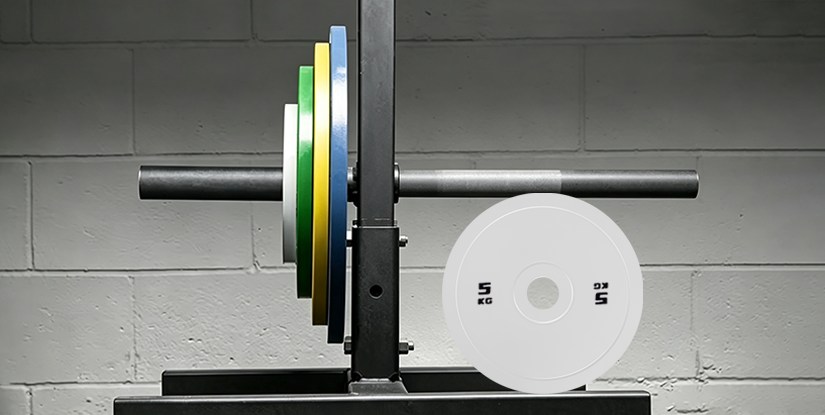
When evaluating a powder coated weight plate manufacturer, it is essential to confirm that the coating process includes a proper pre-treatment stage. A high-quality China factory will typically utilize a phosphate treatment or chemical cleaning stage before the electrostatic application to ensure maximum adhesion. Without this step, the coating may peel under heavy use, leading to premature oxidation of the iron core. For those looking to secure a long-term partnership, we recommend requesting a sample evaluation to inspect the coating adhesion and edge durability before finalizing your bulk order or OEM agreement.
Pre-Shipment Inspection and Export Logistics
For distributors and large-scale importers, the final stage of the procurement process is just as critical as the initial material selection. A professional powder coated weight plate manufacturer must implement a rigorous pre-shipment inspection to ensure that the high-volume order matches the approved sample. This stage focuses on two non-negotiable metrics: weight tolerance and coating adhesion. Even a minor discrepancy in weight across a large batch can lead to significant issues for gym operators and can damage a distributor's reputation. Consequently, a reliable commercial weight plate supplier will perform spot-checks on weight accuracy and physical stress tests on the coating to ensure no chipping occurs during transit or initial handling.
Beyond product quality, efficient export packaging is vital for managing the landed cost and reducing damage risks during long-distance sea freight. Standard industry practice involves using reinforced heavy-duty corrugated boxes or custom wooden crates to secure the plates. Proper palletization and secure container loading are essential to prevent shifting during maritime transport. When negotiating with a China factory, procurement managers should clarify the specific packaging standards to ensure the goods arrive in a condition that allows for immediate retail or commercial distribution. We recommend that buyers confirm the lead time and packaging specifications early in the sourcing process to ensure seamless integration into their supply chain and inventory planning.
China Factory QC Protocols and Export Inspection Points
Maintaining high standards during the manufacturing process is essential for any powder coated weight plate manufacturer working with international distributors. When sourcing from a China factory, the difference between a profitable shipment and a costly return often lies in the rigor of the pre-shipment inspection. A professional commercial weight plate supplier must implement multi-stage protocols to ensure that every unit meets the durability requirements of high-traffic fitness facilities.
The primary objective of a strict quality control system is to mitigate the risks associated with batch defects, such as uneven weight distribution or surface failure. For importers, a single faulty batch can damage brand reputation and increase maintenance costs. Therefore, verifying the weight tolerance and coating adhesion is a non-negotiable step in the sourcing process. Without these checks, issues like flaking paint or inconsistent plate thickness can arise, leading to higher long-term replacement rates for the end-user.
To ensure batch consistency across large wholesale orders, the factory must focus on several critical inspection points. This includes checking the concentricity of the center hole to ensure smooth loading on bars, as well as testing the bond between the powder coating and the cast iron base. For high-volume OEM or ODM projects, these protocols must be documented to provide transparency regarding the lead time and final product reliability. Buyers should always confirm if the supplier performs these checks in-house or via a third-party inspection before the container is sealed for export.
Pre-Shipment Inspection Checklist for Importers
To minimize the risk of unexpected landed cost increases, professional buyers should utilize a standardized checklist when conducting a factory audit or requesting a pre-shipment report. A reliable powder coated weight plate manufacturer will provide detailed documentation regarding the following technical stages to ensure the wholesale powder coated plates arrive in optimal condition for commercial use.
| Inspection Stage | Key Component/Process | Commercial Duty Focus | Typical QC Point |
|---|---|---|---|
| Casting & Machining | Center hole concentricity | Smooth bar loading | Alignment check |
| Surface Preparation | Phosphate/Pre-treatment | Long-term coating adhesion | Surface cleanliness |
| Coating Application | Powder coating thickness | Impact resistance | Uniformity & coverage |
| Final Calibration | Weight tolerance | Batch consistency | Weight spot-check |
| Export Packaging | Pallet/Corner protection | Transit safety | Load stability |
When managing a China factory weight plate OEM project, the inspection of the export packaging is as critical as the product itself. Heavy plates generate significant kinetic energy during sea freight; therefore, the factory must use reinforced pallets and protective corner guards to prevent denting or coating damage. Verifying the logistics readiness—including container loading patterns and pallet weight limits—helps ensure that your wholesale shipment arrives without structural compromise, protecting your distributor margins and overall ROI.
Before finalizing any bulk order, we recommend requesting a sample approval or a formal pre-shipment inspection report. This allows you to confirm that the powder coating thickness, surface finish, and weight accuracy align with your brand's quality standards. Clear communication regarding MOQ and lead time during this phase will ensure a smooth transition from production to international shipping.
OEM and Private Label Customization Capabilities
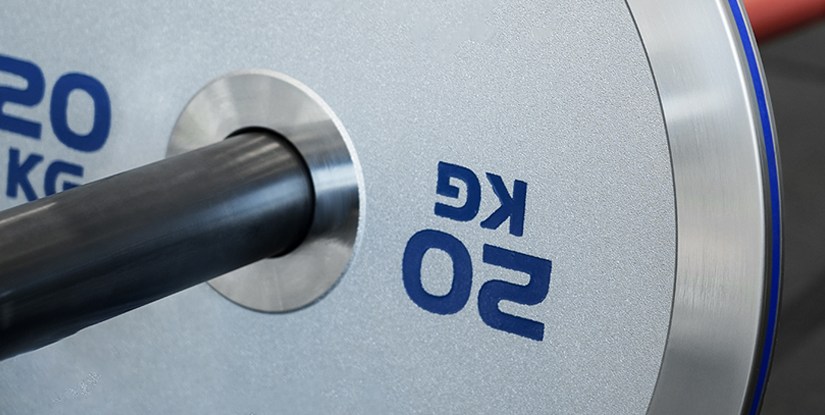
Expanding your product portfolio requires more than just standard stock; it demands a powder coated weight plate manufacturer capable of translating your brand identity into high-durability physical assets. For distributors and large-scale gym operators, the ability to transition from generic imports to a private label model is a critical lever for increasing brand equity and long-term customer loyalty. Whether you are launching a boutique studio line or a high-volume distribution network, professional custom branding ensures your equipment stands out in a competitive commercial market.
Our China factory provides comprehensive OEM and ODM solutions tailored to specific market positioning. We understand that for a commercial weight plate supplier, customization goes beyond a simple logo; it involves technical specifications such as the thickness of the powder coating, the texture of the rim, and the precision of the weight markings. We offer tiered customization options to accommodate different MOQ requirements, ensuring that both emerging fitness brands and established global distributors can scale their specialized product lines efficiently.
Typical customization scope for wholesale partners includes:
- Custom logo application via high-durability raised casting or precision stencil painting.
- Color-coded powder coated finishes to assist with weight identification in high-traffic facilities.
- Specific plate diameter and thickness adjustments to meet regional or specialized training standards.
- Branded packaging and palletizing configurations to optimize sourcing and landed cost during transit.
When planning your next procurement cycle, we recommend discussing your specific custom branding needs and MOQ thresholds early in the process to ensure seamless production scheduling and consistent factory output.
Technical Specification and Customization Standards
To maintain a competitive edge in the distribution market, buyers must ensure that their wholesale powder coated plates meet strict technical requirements. A professional powder coated weight plate manufacturer does not merely provide a finish; we provide a controlled manufacturing process that dictates the longevity of the product. From the initial casting to the final application of the coating, every step is designed to reduce maintenance frequency and increase the commercial lifespan of the equipment.
The following table outlines the technical customization variables available through our China factory weight plate OEM services. This allows importers to select the appropriate tier based on their target market—whether it is a budget-conscious gym or a premium boutique studio.
| Customization Variable | Standard Commercial Tier | Premium Professional Tier | Procurement Impact |
|---|---|---|---|
| Color Customization | Standard black or dark grey | Custom brand-aligned color palette | Brand identity & shelf appeal |
| Surface Texture | Smooth matte finish | Granular or textured non-slip grip | Durability & hand-feel quality |
| Weight Tolerance | Standard commercial variance | High-precision calibration | Equipment consistency & accuracy |
| Branding Method | Stencil paint or decal | Raised casting or embossed metal | Long-term logo durability |
| Coating Thickness | Standard protective layer | Heavy-duty multi-coat application | Resistance to chipping & abrasion |
For distributors looking to optimize their sourcing strategy, understanding these specifications is vital for managing the landed cost and product positioning. We recommend requesting a detailed specification sheet or a physical sample to evaluate the texture and coating adhesion before committing to a full wholesale order. Once your technical requirements are finalized, our factory can provide a formal quote including the specific MOQ and estimated lead time for your customized production run.
| Customization Variable | Standard Commercial Tier | Premium Professional Tier | Procurement Impact |
|---|---|---|---|
| Color Customization | Standard black or dark grey | Custom brand-aligned color palette | Brand identity & shelf appeal |
| Surface Texture | Smooth matte finish | Granular or textured non-slip grip | Durability & hand-feel quality |
| Weight Tolerance | Standard commercial variance | High-precision calibration | Equipment consistency & accuracy |
| Branding Method | Stencil paint or decal | Raised casting or embossed metal | Long-term logo durability |
| Coating Thickness | Standard protective layer | Heavy-duty multi-coat application | Resistance to chipping & abrasion |
For distributors looking to optimize their sourcing strategy, understanding these specifications is vital for managing the landed cost and product positioning. We recommend requesting a detailed specification sheet or a physical sample to evaluate the texture and coating adhesion before committing to a full wholesale order. Once your technical requirements are finalized, our factory can provide a formal quote including the specific MOQ and estimated lead time for your customized production run.
Logistics, Export Packaging, and Landed Cost Optimization
For professional importers, the total landed cost extends far beyond the initial FOB price. When sourcing bulk orders from a powder coated weight plate manufacturer, the efficiency of your supply chain is heavily dictated by how the goods are secured for long-distance transit. Poorly managed export packaging leads to chipped coatings, bent edges, or structural deformation, forcing distributors to absorb high replacement costs and damaging profit margins.
A professional China factory mitigates these risks through standardized sea freight optimization and heavy-duty palletization. Instead of loose stacking, high-volume wholesale orders are typically secured on reinforced pallets with edge protectors and industrial shrink wrap. This systematic approach ensures shipping damage prevention during turbulent ocean transit and efficient container loading. By investing in robust packaging, buyers reduce the frequency of quality claims and ensure that the commercial weight plate supplier delivers a product that arrives in retail-ready condition, ultimately protecting the long-term ROI of the shipment.
Packaging and Logistics Strategy Comparison
To optimize your procurement budget, you must select a packaging tier that aligns with your specific distribution model and storage capabilities. Selecting the wrong strategy can lead to unexpected costs in either freight volume or product damage. A reliable commercial weight plate supplier will offer tiered options to balance protection and landed cost.
| Packaging Type | Protection Level | Volume Efficiency | Cost Impact | Sea Freight Suitability | Load Type |
|---|---|---|---|---|---|
| Standard Bulk | Basic | High (Loose Stacking) | Lowest | Moderate (Risk of surface scuffs) | Loose Load |
| Standard Palletized | Medium | Medium | Standard | High (Stable for long transit) | Palletized |
| Premium Export | Maximum | Lower (Requires more space) | Higher | Highest (Ideal for long-haul ocean) | Reinforced Pallet / Crating |
When coordinating with your China factory weight plate OEM partner, we recommend the palletized approach for most wholesale distribution to ensure stability. For high-end commercial weight plate supplier orders destined for premium fitness centers, the premium export tier provides the necessary security for the powder coating. We suggest confirming your specific MOQ and volume requirements with us to calculate the most efficient container loading plan for your next shipment.
Pre-Shipment QC and Final Documentation
Before the final container is sealed, a rigorous pre-shipment QC protocol is essential to prevent costly returns. A professional powder coated weight plate manufacturer does not merely count units; they perform a technical audit of the batch. This includes a randomized weight tolerance check to ensure consistency across the entire shipment and a visual inspection of the coating adhesion. This step identifies any potential peeling or bubbling that could lead to premature wear in a commercial gym environment, ensuring your wholesale powder coated plates meet the durability standards expected by your clients.
Beyond physical inspection, logistics coordination requires precise management of shipping documentation and container loading optimization. To minimize your landed cost, the factory must maximize the volumetric efficiency of every 20ft or 40ft container. This involves calculating the exact weight-to-volume ratio to prevent under-utilization or overloading. We recommend that distributors align their lead time expectations with the actual production and vessel scheduling cycles to avoid warehouse stockouts. By verifying all packing lists, commercial invoices, and certificates of origin during the pre-shipment QC phase, you ensure a seamless customs clearance process and a predictable arrival at your destination port.