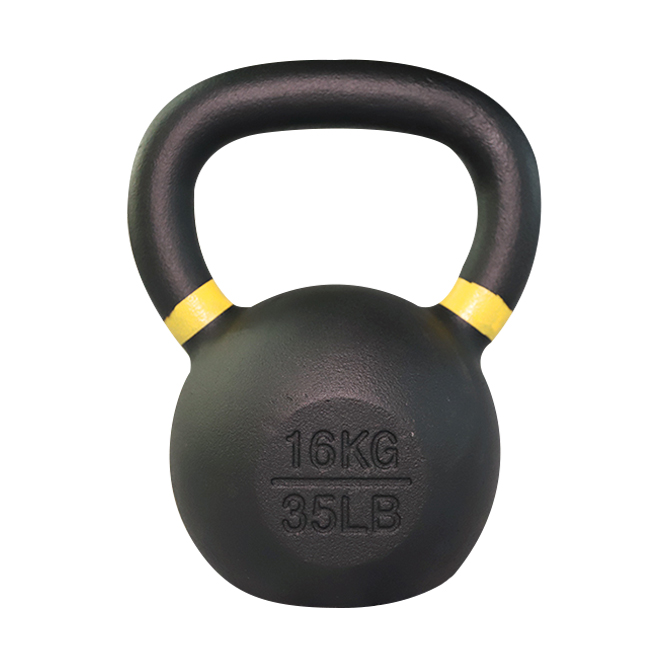
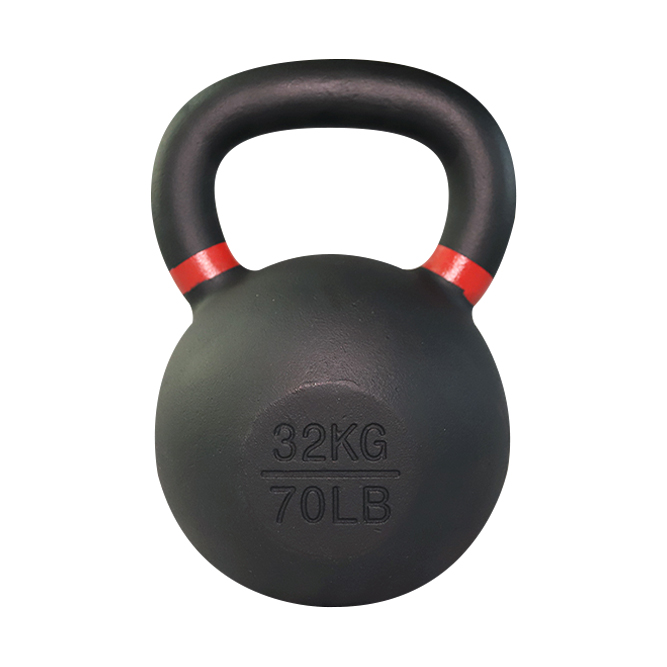
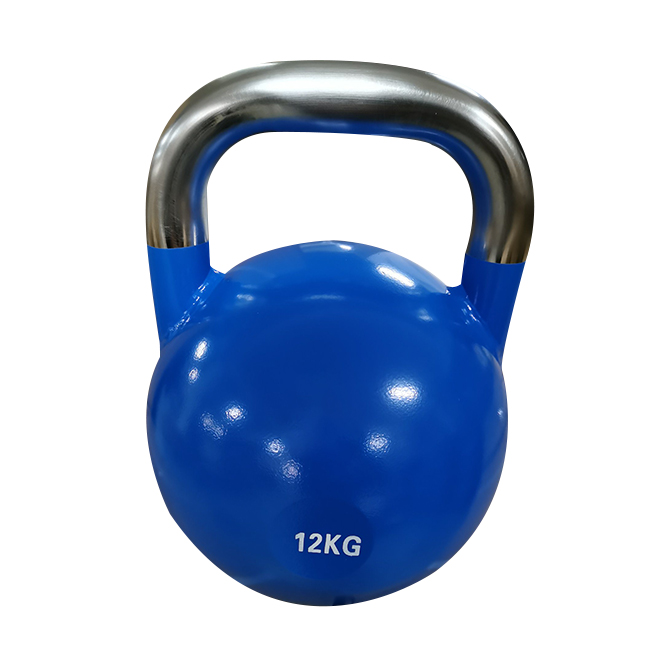
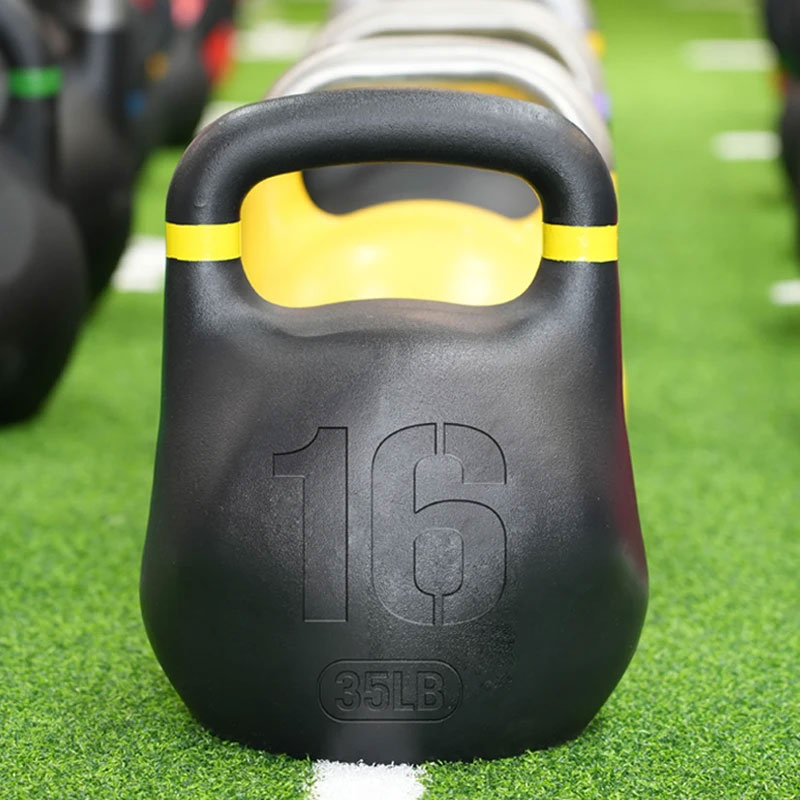
Private Label Kettlebell Manufacturer: Leading China OEM
Strategic Sourcing with a Private Label Kettlebell Manufacturer
Distributors often struggle with thin margins when purchasing generic, unbranded stock that lacks a distinct market identity. A common procurement mistake is sourcing from high-markup traders who offer little control over branding or product specifications, leading to low brand recognition and high competition on price alone. To secure long-term growth, professional buyers partner with a private label kettlebell manufacturer to control the entire supply chain, from material selection to final logo application, ensuring a higher value proposition for their specific target markets.
By shifting from a standard retail-oriented model to a direct wholesale kettlebell supplier relationship, distributors can achieve significant brand differentiation. Instead of competing solely on the lowest price for generic items, you can offer a specialized product line that reflects your company's standards. This direct sourcing approach allows for better margin control, as you bypass intermediary markups and work directly with the factory to optimize the landed cost of each unit.
Working with a professional private label kettlebell manufacturer enables you to implement custom branded kettlebells that build customer loyalty. Whether you require specific handle textures, specialized powder coating colors, or unique weight increments, a China factory capable of OEM and ODM services can translate your brand identity into physical hardware. This level of customization transforms a basic commodity into a premium branded asset, allowing you to command better pricing in the commercial and high-end home gym sectors.
Evaluating Procurement Models for Distribution Efficiency
Choosing between purchasing ready-to-ship stock and initiating a full production run is a critical decision for any importer. While standard stock orders allow for faster turnaround, they often limit your ability to differentiate your catalog. Conversely, a dedicated commercial kettlebell factory provides the infrastructure necessary to develop high-specification products tailored to your regional market demands, though this typically requires higher initial volume commitments.
The following table illustrates the strategic trade-offs between these two primary procurement methods to assist in your inventory planning and budget allocation.
| Procurement Model | Customization Depth | Typical MOQ | Lead Time | Landed Cost Impact | Primary Use Case |
|---|---|---|---|---|---|
| Standard Stock Order | Low (Logo only) | Low to Moderate | Short (Ready to ship) | Lower (Standard shipping rates) | Testing new markets or rapid replenishment |
| custom branded kettlebells (OEM/ODM) | High (Material, Color, Grip) | High (Production-based) | Longer (Includes production & QC) | Optimized (Bulk container efficiency) | Building a long-term brand identity |
When evaluating a wholesale kettlebell supplier, it is essential to consider how the production model affects your total landed cost. While OEM orders require a higher MOQ and longer lead times, the ability to optimize container loading patterns and control specific material finishes often results in a more competitive price per unit for high-volume distributors. Selecting a factory that offers both stock and custom manufacturing allows you to balance rapid market entry with long-term brand scaling.
Optimizing Logistics and Quality Control for Global Export
A critical failure point in bulk procurement is the lack of standardized export packaging, which often leads to surface damage or weight discrepancies upon arrival. A professional private label kettlebell manufacturer mitigates these risks by implementing rigorous pre-shipment protocols. For high-volume distributors, this means ensuring that every batch undergoes a systematic process: from initial sand casting and weight calibration to final surface finishing and multi-stage inspection. A reliable China factory will prioritize coating adhesion and handle-to-body junction integrity to ensure the product survives the rigors of long-distance maritime transit.
Beyond product specs, shipping efficiency is a vital component of your total landed cost. When working with a specialized supplier, you can coordinate optimized container loading patterns specifically designed for heavy steel or cast iron goods. This includes utilizing reinforced corner protection and palletization strategies that maximize volume utilization within a standard 20ft or 40ft container. By aligning your sourcing schedule with the factory production cycle, you can better manage lead times and ensure a steady flow of inventory to your warehouse without the volatility of spot-market purchasing.
To ensure long-term commercial durability, we recommend requesting a detailed specification sheet and a sample evaluation before finalizing any large-scale wholesale agreement. Whether you are focused on standard cast iron units or premium custom branded kettlebells, verifying the weight tolerance bands and surface finish consistency through a formal factory audit or third-party inspection is the most effective way to protect your distributor margins and brand reputation.
Material and Casting Specifications for Commercial Inventory
Selecting a reliable private label kettlebell manufacturer requires a deep understanding of how raw material integrity affects your long-term bottom line. For distributors and gym chains, the initial unit price is only one component of the total cost of ownership. High-quality cast iron construction ensures that the center of gravity remains stable through years of high-volume use, reducing the frequency of replacement cycles and protecting your profit margins during bulk sourcing.
When evaluating a wholesale kettlebell supplier, procurement professionals must distinguish between standard casting and premium finishes. A common failure mode in lower-tier production is poor coating adhesion, which leads to premature rusting and unsightly chipping in humid commercial environments. By partnering with a professional commercial kettlebell factory, you can ensure that each unit undergoes a standardized surface treatment, such as high-grade powder coating, to enhance durability and maintain a premium brand aesthetic.
Commercial Grade Material Comparison
| Material Type | Primary Process | Surface Finish | Commercial Duty Tier | Procurement Benefit |
|---|---|---|---|---|
| Cast Iron | Sand Casting | Powder Coating | Standard Commercial | High durability and low cost |
| Solid Steel | Machining | Chrome Finish | Premium/Competition | Precision weight and grip |
| Cast Iron | Centrifugal Casting | PU/Rubber Coating | High-End Studio | Floor protection and grip |
Optimizing your custom branded kettlebells involves selecting the right manufacturing route to balance durability with your target landed cost. For instance, a China factory specializing in sand casting can offer highly competitive MOQ levels for standard commercial weights, whereas precision-machined steel options may require higher minimums due to more intensive OEM production requirements. Always confirm the weight tolerance bands and coating adhesion standards with your supplier during the initial sourcing phase to avoid unexpected replacement costs.
The selection of a manufacturing route directly influences both the durability of the product and the scalability of your inventory. For instance, standard sand casting remains the industry-standard method for mass-market distribution due to its structural stability and cost-efficiency. However, if your target market involves boutique studios or high-end wellness centers, you may opt for advanced surface treatments like PU coating to provide enhanced grip and floor protection.
From a procurement standpoint, the complexity of the manufacturing process dictates the lead time and shipping logistics. A highly specialized factory may offer specialized finishes, but these often require more rigorous pre-shipment QC to ensure the coating adhesion meets commercial standards. When negotiating your next bulk order, it is advisable to request specific details regarding the weight calibration process and the thickness of the encapsulation layer to ensure the finished product aligns with your brand's quality promises.
Critical Quality Control and Pre-Shipment Inspection
For professional buyers, the risk of receiving a shipment with inconsistent weight or defective surfaces can severely impact distributor margins. A high-tier private label kettlebell manufacturer must implement a rigorous quality control sequence that goes beyond visual inspection. This process typically begins with a weight tolerance spot-check to ensure that each unit stays within a narrow, industry-standard deviation. Inconsistent weights across a bulk order can lead to significant issues for commercial gym operators who rely on precision for training consistency.
Beyond weight, technical durability is verified through detailed inspections of the handle and surface integrity. A professional commercial kettlebell factory will perform a check on the handle knurling to ensure the texture is consistent and provides a reliable grip without being overly abrasive. Additionally, testing for coating adhesion is a vital step in the pre-shipment inspection. This prevents the common issue of paint or rubber chipping during heavy usage, which would otherwise increase the maintenance load and reduce the total cost of ownership for your end-users.
When managing a large-scale wholesale order, we recommend that procurement leads request a detailed report on these specific QC checkpoints. Confirming that the manufacturer conducts thorough inspections on the handle-to-body junction and base flatness will ensure that your custom branded kettlebells arrive ready for high-intensity commercial environments. By verifying these technical standards during the sourcing phase, you mitigate the risk of high return rates and protect your brand reputation in the international market.
Precision in Production: From Sand Casting to Weight Calibration
For professional importers and distributors, the technical integrity of a private label kettlebell manufacturer determines the long-term replacement rate and brand reputation. Relying on a China factory that understands the transition from basic sand casting to high-precision manufacturing is essential for maintaining consistent inventory quality and minimizing landed cost through reduced defect rates.
The standard manufacturing route begins with sand casting to create the core shape of the bell. While sand casting is a cost-effective method for high-volume wholesale orders, it often requires secondary machining to ensure the handle-to-body junction meets commercial-grade standards. Without rigorous weight calibration and concentricity checks, bulk shipments may suffer from inconsistent weight distribution, leading to customer dissatisfaction and higher return rates for the supplier.
To ensure durability, a professional commercial kettlebell factory implements a multi-stage process: starting with the raw casting, followed by surface grinding to smooth the grip, and concluding with a specialized coating application such as powder coating or PU coating. This structural precision ensures that the custom branded kettlebells you source can withstand the high-impact environments of commercial gyms without premature surface degradation or handle failure.
Manufacturing Method Comparison for Procurement Strategy
Selecting the correct production method is a critical procurement decision that directly affects your distributor margins and the target market positioning of your strength equipment. A professional private label kettlebell manufacturer will provide distinct manufacturing routes based on your brand identity requirements—whether you are targeting high-volume budget fitness centers or premium boutique studios.
| Material & Process | Key Component Focus | Commercial Duty Tier | Typical MOQ Impact | Factory QC Point |
|---|---|---|---|---|
| Sand Casting | Cast Iron Core | Budget / Standard | Lower MOQ requirements | Base flatness & weight tolerance |
| Die Casting | Smooth Handle Profile | Mid-Tier / Commercial | Moderate MOQ for mold setup | Surface smoothness & concentricity |
| Solid Steel / Chrome | Competition-Spec Handle | Premium / Professional | Higher MOQ for precision runs | Knurling depth & junction strength |
| PU/Rubber Coating | Encapsulation Layer | High-End / Studio | Variable based on coating line | Coating adhesion & seam integrity |
When evaluating a wholesale kettlebell supplier, it is vital to understand how these processes impact the total cost of ownership. For instance, while sand casting is the industry-standard for mass-market distribution, adding a high-quality powder coating or PU coating requires a specialized production line to ensure long-term coating adhesion. We recommend requesting a sample evaluation or a detailed spec sheet to confirm that the weight tolerance and handle texture align with your specific market needs before finalizing a bulk order.
Critical Inspection Points for Handle and Coating Integrity
Technical failure in the handle or surface layer is a primary driver of after-sales friction for distributors. A reliable private label kettlebell manufacturer must implement a rigorous inspection protocol that targets the most vulnerable areas of the product: the handle texture and the coating adhesion. For high-volume wholesale orders, even minor inconsistencies in the handle-to-body junction or the grip surface can lead to significant replacement costs and diminished brand trust.
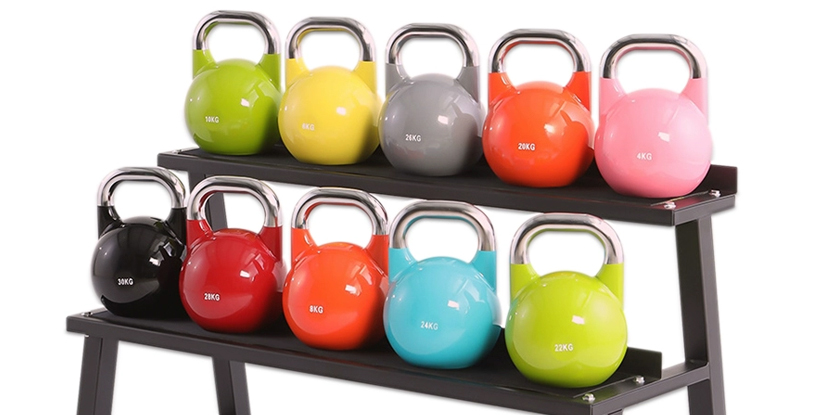
During the pre-shipment QC phase, a professional commercial kettlebell factory conducts a weight tolerance spot-check to ensure every unit within a batch falls within the industry-standard deviation. Beyond weight, inspectors focus heavily on the handle texture, ensuring the knurling or smooth profile is consistent and free of casting burrs that could cause injury. For coated models, the adhesion of the outer layer—whether it is powder coating or PU coating—is tested to prevent chipping or peeling during heavy commercial use.
To safeguard your landed cost and prevent shipping delays, we prioritize high-standard export packaging. This involves specialized crating or reinforced heavy-duty cartons designed to withstand the rigors of international sea freight and long-distance container loading. By ensuring that both the structural integrity of the handle and the durability of the coating are verified before leaving the China factory, we help you maintain a seamless supply chain and protect your distributor margins.
Custom Branding and OEM/ODM Capabilities for Distributors
Partnering with a professional private label kettlebell manufacturer allows distributors to move beyond generic stock items and build genuine brand equity. For professional buyers, the ability to transition from standard wholesale procurement to specialized custom branded kettlebells is a critical lever for increasing market differentiation and protecting distributor margins in competitive fitness territories.
A specialized China factory provides the technical infrastructure necessary to handle complex OEM and ODM requests. This goes far beyond simple logo application; it involves the precise integration of your brand identity into the physical product architecture. Whether you are looking to refine the handle texture for a specific grip feel or require a unique color palette to match a studio's aesthetic, a dedicated supplier can manage these variables at the production level.
Scope of Customization and Production Flexibility
Successful sourcing requires a clear understanding of how much control you can exert over the final unit. Most professional distributors utilize OEM services to adjust core physical attributes, ensuring the product aligns with their specific market tier (e.g., budget-friendly commercial vs. premium competition-grade).
- Branding Integration: Options typically include laser etching, sandblasting, or high-durability paint stencils for your logo, ensuring the brand remains visible even after heavy commercial use.
- Color Customization: Beyond standard black or iron finishes, manufacturers can provide specific powder coating colors to meet the requirements of boutique studios or specialized training facilities.
- Weight Calibration: Customizing the weight increments is essential for specialized training programs, requiring precise control during the sand casting or machining phases.
- Handle and Texture: Adjusting the knurling depth or the handle-to-body junction dimensions to suit different user preferences.
While these customizations offer significant value, they are inherently tied to the MOQ. Standard stock orders generally require lower volume, whereas full ODM projects involving unique molds or custom colors will necessitate a higher MOQ to offset the setup costs and specialized production line adjustments. When evaluating your next batch, consider the trade-off between product uniqueness and the total landed cost of specialized production.
Technical Comparison: Wholesale vs. Custom OEM/ODM Orders
To optimize your procurement strategy, it is essential to distinguish between purchasing standard inventory and initiating a specialized production run. A typical wholesale kettlebell supplier provides ready-to-ship units that are cost-effective for rapid stock replenishment. However, for distributors aiming to establish a high-tier market presence, the technical advantages of a private label kettlebell manufacturer become evident through greater control over material and finish specifications.
The following table outlines the typical procurement differences between high-volume stock orders and fully customized production. This comparison is designed to assist procurement leads in balancing the need for brand differentiation against the constraints of MOQ and lead time.
| Feature / Dimension | Standard Wholesale Product | Custom OEM/ODM Order |
|---|---|---|
| Primary Material | Standard cast iron or steel | Specific steel grades or customized density |
| Surface Finish | Standard black powder coating or bare iron | Custom color palettes or specialized coating |
| Branding Method | Standard stencil or heat transfer | Laser etching, sandblasting, or embossed logo |
| Handle Texture | Industry-standard knurling | Customized knurling depth or grip profile |
| Packaging Type | Standard export bulk packaging | Branded retail-ready or customized storage boxes |
| Production Lead Time | Short (based on current stock availability) | Extended (due to mold and setup requirements) |
| Typical MOQ | Lower (often based on weight/carton volume) | Higher (driven by custom tooling and setup) |
| Commercial Duty | Standard commercial-grade | Tier-specific (Premium/Competition or Heavy-Duty) |
When planning your long-term inventory, remember that while standard wholesale orders offer the fastest route to market, a dedicated custom branded kettlebells program builds a more resilient and defensible brand identity. Always confirm the specific MOQ and potential impact on the total landed cost before finalizing your specification sheet with your China factory partner.
Quality Control and Export Readiness for Global Distribution
For professional importers, the risk of receiving a shipment with inconsistent weight or compromised surface integrity can lead to significant financial losses and damaged distributor reputations. Relying on a commercial kettlebell factory that maintains rigorous technical protocols is the only way to ensure that every unit arriving at your warehouse meets your brand's promised standards. A professional private label kettlebell manufacturer must address not only the physical product but also the technicalities of branding durability and international shipping logistics.
The QC process must be integrated into every stage of production—from the initial sand casting or machining of the steel body to the final application of the coating. A critical inspection point for any wholesale kettlebell supplier is checking the coating adhesion and the handle-to-body junction to prevent premature peeling or structural failure during high-intensity commercial use. Furthermore, weight tolerance spot-checks are essential to ensure that the final product aligns with the weight specifications promised in your procurement contract.
Beyond the product itself, the logistics of export require specialized attention to prevent transit damage. High-quality packaging—such as reinforced cartons or custom-fitted dividers—is necessary to protect the surface finish and prevent dents during long-distance ocean freight. When calculating your total landed cost, you must account for these packaging requirements, potential volume-based shipping optimizations, and the impact of the manufacturing lead time on your inventory turnover. We recommend that buyers request a detailed pre-shipment inspection report and a sample evaluation to confirm that all branding, weight accuracy, and packaging standards meet your specific commercial requirements before the final container loading.
Factory QC and Export Standards for Bulk Shipments
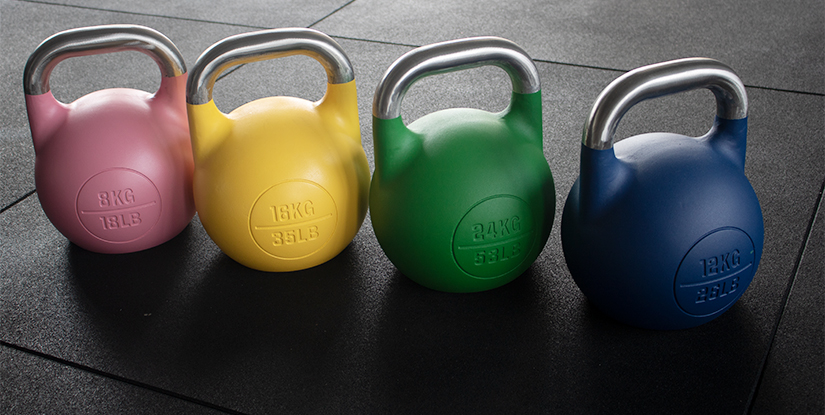
Maintaining strict quality control is essential when sourcing from a private label kettlebell manufacturer to ensure that every unit in a bulk shipment meets commercial-grade specifications. For distributors and gym owners, inconsistent weight or poor coating adhesion can lead to high return rates and increased landed cost risks. A professional wholesale kettlebell supplier must implement standardized protocols to guarantee that the product delivered matches the approved sample perfectly.
Reliable China sourcing requires more than just selecting a commercial kettlebell factory; it requires a rigorous pre-shipment inspection process. High-volume buyers should verify that the custom branded kettlebells undergo specific testing for handle-to-body junction integrity, coating durability, and weight consistency. Without these QC protocols, a shipment may arrive with surface defects or weight deviations that compromise the professional image of your brand.
Standardized Inspection Points for Commercial Batches
To minimize the risk of faulty inventory, procurement leads should ensure the following technical benchmarks are addressed during the pre-shipment phase:
| Inspection Category | Key Focus Area | Commercial Duty Standard | Typical QC Check |
|---|---|---|---|
| Weight Accuracy | Body and Handle Mass | Consistent weight tolerance | Weight tolerance spot-check |
| Surface Integrity | Coating Adhesion | High-durability finish | Scratch and peel resistance |
| Ergonomics | Handle Texture | Uniform knurling depth | Grip smoothness and consistency |
| Structural Integrity | Junction Points | Stable casting or welding | Base flatness and balance |
Critical Checkpoints for High-Volume Export Shipments
For professional importers, the final stage of production is where the highest risk of landed cost inflation occurs. A single oversight in the casting inspection or a failure in the powder coating line can result in a batch that is unfit for high-traffic commercial environments. When coordinating with a private label kettlebell manufacturer, technical oversight must extend beyond the product itself to the logistics of the entire shipment.
The transition from production to global distribution requires specialized export packaging to mitigate transit-related damage. Because cast iron and steel components are heavy and often have textured surfaces, standard cardboard is insufficient for long-distance sea freight. A reliable wholesale kettlebell supplier will utilize reinforced heavy-duty cartons and internal dividers to prevent metal-on-metal friction, which can damage the coating or knurling during ocean transit. Furthermore, ensuring shipping safety through palletization and corner protection is a non-negotiable requirement for maintaining a professional brand identity upon arrival at your warehouse.
To ensure your next procurement cycle is seamless, we recommend requesting a detailed pre-shipment inspection report from your commercial kettlebell factory. This should include verified data on weight calibration, coating adhesion, and handle texture consistency. We also encourage partners to discuss OEM packaging requirements and MOQ-specific shipping configurations early in the process to optimize your total landed cost and ensure your custom branded kettlebells arrive in showroom-ready condition.
Optimizing Sea Freight Safety and Container Loading
Efficient logistics management is a critical component of the total landed cost for any professional importer. When managing bulk orders, the way products are arranged within a shipping container directly impacts both shipping efficiency and the safety of the inventory. A sophisticated wholesale kettlebell supplier understands that maximizing container volume is only beneficial if the structural integrity of the products remains intact throughout the long-duration sea freight process.
To achieve maximum shipping container optimization, our production team implements a structured loading protocol. This involves precise palletization where heavy cast iron or steel units are secured to reinforced pallets, preventing shifting during ocean transit. We utilize heavy-duty packaging solutions, including high-density dividers and edge protectors, to mitigate the impact of vibration and movement. For high-volume distributors, we provide customized crate or pallet configurations that align with your specific warehouse handling equipment, ensuring that your custom branded kettlebells arrive without surface abrasions or structural compromise.
We recommend that procurement leads confirm all packaging specifications and any OEM branding requirements during the initial sourcing phase. By aligning on pallet dimensions, weight limits, and container loading density early, you can more accurately forecast your MOQ-based shipping costs and streamline your import logistics. Contact us to request a detailed shipping specification sheet or to discuss tailored export solutions for your next bulk procurement cycle.
Optimizing Your Procurement: MOQ and Lead Time Management
Understanding the relationship between order volume and production efficiency is critical for distributors managing inventory cycles. A professional private label kettlebell manufacturer typically scales production based on specific volume thresholds to optimize the cost-per-unit for overseas importers. When sourcing through a wholesale kettlebell supplier, buyers must balance the benefits of high-volume wholesale orders against the logistical constraints of warehouse space and capital tie-up.
Achieving economies of scale is the primary driver for reducing landed costs in global sourcing. Larger production runs allow a China factory to streamline the casting and coating sequences, reducing the downtime between batches. Conversely, smaller orders involving custom branded kettlebells often incur higher custom branding costs due to the specialized setup required for machine-specific logo applications or unique colorway requests. For many distributors, a strategic MOQ is the pivot point where high-quality OEM production meets maximum cost-efficiency.
Managing production cycles effectively requires clear communication regarding material availability and machine scheduling. A commercial kettlebell factory must account for time-intensive stages such as sand casting, weight calibration, and multi-layer powder coating before the pre-shipment phase. To minimize risk, we recommend buyers confirm their MOQ and request a detailed lead time estimate during the initial ODM consultation to ensure alignment with seasonal demand and shipping schedules.
Procurement Scenario Comparison: Stock vs. Customization
To optimize your procurement strategy, you must evaluate whether your business model requires immediate inventory availability or long-term brand equity through differentiation. Choosing between purchasing off-the-shelf units from a wholesale kettlebell supplier and initiating a full OEM project depends heavily on your current cash flow, market positioning, and required lead time. While stock orders offer speed, custom branded kettlebells build lasting professional value for your distribution network.
| Procurement Model | Typical MOQ | Production Lead Time | Branding Capability | Primary Advantage | Ideal For |
|---|---|---|---|---|---|
| Standard Stock Order | Low to Medium | Short (Ready to Ship) | Logo on packaging or small stickers | Rapid inventory turnover | Small studios and boutique fitness shops |
| Custom Private Label | Higher Volume | Long (Production + Shipping) | Full brand integration (Cast/Paint/Logo) | High distributor margins and brand identity | Large-scale distributors and global gym chains |
| Full ODM Solution | Highest Volume | Extended (R&D + Manufacturing) | Complete specification control | Market exclusivity and unique product lines | Premium equipment brands and large manufacturers |
When calculating your total landed cost, do not overlook the impact of shipping logistics on smaller, customized batches. High-volume orders typically offer better container utilization, effectively lowering the freight cost per unit. Whether you are selecting a standard weight set or developing a specialized product line, we recommend requesting a formal quote and a detailed specification sheet to confirm the exact MOQ and production timeline before finalizing your procurement plan.
Mitigating Supply Chain Risks Through Factory-Direct Verification
Unpredictable production delays can severely impact distributor margins and warehouse availability. To prevent these disruptions, professional buyers often bypass middle-market traders to work directly with a commercial kettlebell factory. Direct engagement allows for real-time monitoring of the casting and coating stages, ensuring that your order moves through the production sequence without unexpected bottlenecks. By establishing a direct line of communication, you gain visibility into material availability and machine scheduling, which is essential for maintaining a stable supply chain.
A critical step in reducing procurement risk is implementing a rigorous QC protocol. Rather than relying on third-party reports, we advise importers to coordinate a pre-shipment inspection that focuses on high-risk areas such as coating adhesion, handle-to-body junction integrity, and weight tolerance consistency. A thorough inspection ensures that the bulk order meets the exact specifications of your private label kettlebell manufacturer agreement before the goods enter the final logistics phase. This proactive approach minimizes the likelihood of receiving defective units and ensures that your container loading is optimized for both safety and volume efficiency.
To ensure your next procurement cycle is seamless, we suggest requesting a sample approval and a comprehensive production timeline during your initial consultation. Whether you are managing a standard wholesale replenishment or a complex OEM project, verifying the factory's capacity for your specific MOQ will help you secure more predictable lead times and a more reliable landed cost.