Stainless Steel Plate Manufacturer Fitness: Wholesale
The Strategic Value of a Stainless Steel Plate Manufacturer Fitness Partner
Selecting a specialized stainless steel plate manufacturer fitness partner requires a rigorous evaluation of three critical procurement checkpoints: technical specification compliance, supply chain reliability, and total landed cost optimization. For professional distributors, the risk of sourcing from unverified entities often results in inconsistent weight tolerances or premature surface oxidation, which directly compromises your brand reputation. By establishing a direct relationship with a specialized stainless steel plate manufacturer fitness, you mitigate these variables through standardized manufacturing protocols and transparent logistics, ensuring that every bulk shipment meets the high-durability expectations of premium commercial gym environments.
A professional commercial fitness plate supplier provides more than just hardware; they offer a scalable foundation for your inventory management. When you transition from small-scale purchasing to high-volume wholesale procurement, the efficiency of your China factory source determines your ability to maintain competitive pricing in North American markets. A reliable supplier understands that your profit depends on minimizing the gap between the factory gate and your warehouse, specifically through optimized MOQ structures and predictable lead times that allow for leaner, more efficient stock rotation.
Procurement Value Comparison: Specialized Manufacturing vs. General Trading
For distributors and warehouse operators, the distinction between sourcing from a specialized manufacturer and a general trading company is often the difference between high-margin stability and unpredictable overhead. A dedicated stainless steel plate manufacturing facility allows for tighter control over the production sequence, from initial casting to the final surface finishing, which is essential for maintaining consistent product standards across large-scale orders.
The following table outlines the qualitative differences in B2B procurement metrics when selecting your next stainless steel plate manufacturer fitness partner. This comparison focuses on how direct sourcing impacts your ability to provide high-tier equipment to your end-users while protecting your distributor margins.
| Procurement Metric | Standard Trading/General Supplier | Specialized Manufacturer (Direct) |
|---|---|---|
| Product Specialization | Generic fitness hardware | High-grade stainless steel weight plates |
| Customization Capability | Limited to stock items | Full OEM and branding support |
| Quality Control (QC) | Third-party inspection reliant | In-house pre-shipment QC and calibration |
| Lead Time Predictability | Variable based on sub-suppliers | Stable, controlled by factory production cycles |
| Pricing Structure | Markup-heavy wholesale | Direct factory-to-distributor pricing |
| Supply Chain Control | Low oversight of raw materials | High control over material grade and finishing |
When evaluating your next batch, consider that a specialized supplier can offer much more than just a lower unit price; they offer the technical documentation and consistency required for high-end commercial projects. We recommend that buyers request a detailed specification sheet and confirm the specific MOQ for any custom branding or ODM requests to ensure your inventory replenishment remains both cost-effective and high-performing.
Protecting Brand Identity Through Customization and QC
For distributors managing high-end gym catalogs, the ability to offer custom branding is a significant competitive advantage. A professional stainless steel plate manufacturing facility provides the infrastructure for sophisticated OEM and ODM services, allowing you to integrate your own logo or specific color-coding into the production line. This level of customization is not merely about aesthetics; it is about building a cohesive brand identity that signals premium quality to your end-users, whether they are boutique studios or large-scale commercial franchises.
However, high-tier branding must be backed by rigorous QC protocols to prevent costly returns and reputation damage. A reliable supplier implements a multi-stage inspection sequence that begins with raw material verification and extends through machining, surface finishing, and final weight calibration. Beyond the product itself, the integrity of the entire shipment depends on professional export packaging. High-density carton construction and reinforced palletizing are industry standards used to protect the weight and finish of the plates during long-haul ocean freight, ensuring that the landed condition of your bulk order matches the quality of the initial sample approval.
Material Grades and Durability for Commercial Weight Plate Selection
Selecting a reliable stainless steel plate manufacturer fitness partner requires understanding how material grades directly impact your long-term TCO. For distributors and gym operators, the initial wholesale price is often less critical than the long-term durability of the inventory. Choosing high-grade materials ensures that stainless steel weight plates maintain their structural integrity and aesthetic appeal even under high-frequency usage in demanding commercial environments.
When sourcing through a commercial fitness plate supplier, the distinction between different steel grades and surface treatments becomes a vital procurement factor. Lower-grade alloys may suffer from premature oxidation or surface degradation, leading to increased maintenance costs and diminished resale value. By partnering with a professional China factory, importers can access optimized manufacturing routes that balance material strength with cost-efficiency, ensuring a lower total cost of ownership through extended product lifespans.
A professional stainless steel plate manufacturer fitness expert will prioritize corrosion resistance and weight stability. In high-humidity or high-traffic facility settings, the quality of the metal substrate and the precision of the stainless steel plate manufacturing process determine whether your assets remain a premium part of your inventory or become a recurring replacement expense. This level of technical oversight is essential when managing large-scale sourcing projects where reliability is non-negotiable.
Technical Comparison of Surface Treatments and Material Tiers
Procurement professionals must differentiate between surface finishes to avoid the hidden costs of rapid oxidation and coating failure. While bare metal options offer a specific aesthetic, high-traffic facilities typically require advanced protective layers to ensure long-term durability. The choice between powder coating and PU coating often depends on the intended facility environment and the desired level of impact resistance. For example, a PU coating provides a denser, more resilient finish that is highly effective for high-end studio environments, whereas a standard powder coating offers a durable, cost-effective solution for general commercial gym settings.
The following table provides a qualitative breakdown of common material and coating configurations to assist in your sourcing decisions and inventory planning:
| Material Tier | Surface Treatment | Key Component / Finish | Commercial Duty | MOQ Impact | Factory QC Point |
|---|---|---|---|---|---|
| Premium Grade | PU Coated | High-density polyurethane layer | High-end Studios / Boutique Gyms | Higher | Coating adhesion and thickness |
| Standard Commercial | Powder Coated | Electrostatic powder finish | Full-scale Commercial Gyms | Moderate | Surface uniformity and chip resistance |
| Budget / Basic | Painted / Enamel | Liquid paint finish | Entry-level / Home-gym distribution | Lower | Paint peeling and oxidation levels |
| Industrial / Heavy | Bare / Phosphate | Industrial metal substrate | Outdoor or High-humidity environments | Variable | Corrosion resistance and weight stability |
To optimize your procurement, we recommend requesting a sample evaluation or a detailed spec sheet from your supplier to verify the coating adhesion and material density. Understanding these technical nuances allows you to better manage your MOQ and lead time expectations while ensuring that your landed cost reflects a high-quality, long-lasting asset. For large-scale wholesale orders, we suggest a pre-shipment inspection to confirm that the surface treatment meets your specific brand identity standards.
Manufacturing Processes: From Casting to Precision Machining
For distributors and professional importers, the technical integrity of a stainless steel plate manufacturer fitness determines the long-term replacement rate and brand reputation. High-tier procurement requires moving beyond simple casting to a structured production sequence that ensures both structural uniformity and weight accuracy. A professional stainless steel plate manufacturer fitness utilizes a multi-stage workflow to mitigate common failure modes like uneven weight distribution or coating delamination in high-traffic commercial environments.
The production cycle typically begins with high-grade material selection, followed by industrial casting to establish the base geometry. To achieve the precision required for professional strength training, the raw cast units undergo CNC machining to refine the center bore and outer edges. This ensures a perfect fit on Olympic bars and prevents irregular wobbling during high-intensity use. Following machining, the plates move through a specialized surface treatment line—such as precision polishing or multi-stage coating—before a final weight calibration stage. This rigorous sequence allows a China factory to maintain high output volumes while meeting the strict tolerance requirements expected by global distributors.
Understanding these technical tiers helps procurement leads optimize their sourcing strategy based on target market segments, whether providing budget-friendly gym solutions or premium studio equipment.
| Material Tier | Primary Process | Key Component Detail | Commercial Duty | MOQ Impact |
|---|---|---|---|---|
| Standard Cast Iron | Sand Casting | Basic Bore Fit | Budget/General Gym | Lower |
| Polished Steel | CNC Machining | Precision Center Bore | Premium/Studio | Moderate |
| Stainless Steel Grade | Advanced Machining | High-Tolerance Edge | Elite/Competition | Higher |
When evaluating stainless steel weight plates, buyers should request specific details regarding the stainless steel plate manufacturing steps, particularly the calibration method used to ensure weight consistency across large wholesale batches. A reliable commercial fitness plate supplier will provide transparency regarding their surface finishing and the durability of the metal-to-coating adhesion.
Selecting the correct production route is a critical component of the procurement decision. While sand casting provides a cost-effective foundation for high-volume orders, it often results in a more textured surface and wider tolerance bands. For distributors targeting high-end boutique studios or professional training facilities, incorporating CNC machining is essential to ensure the concentricity and smoothness required for elite-tier equipment. This technical distinction directly impacts the total cost of ownership and the long-term maintenance load for the end-user.
Technical Comparison of Manufacturing Methods
The following comparison outlines how different manufacturing paths affect the final product quality and the logistical requirements for bulk orders. A professional stainless steel plate manufacturer fitness will typically offer these tiers to accommodate different market positioning and budget constraints.
| Manufacturing Method | Primary Process | Surface Finishing | Commercial Duty Tier | Procurement Context |
|---|---|---|---|---|
| Sand Casting | Traditional Casting | Basic/Textured | Budget / Standard Gym | High Volume / Low Cost |
| CNC Machining | Precision Machining | Smooth / Polished | Premium / Professional Studio | Precision / High Durability |
| Hybrid Process | Casting + Machining | Standardized Finish | Commercial / Mid-Tier | Balanced TCO / Reliability |
To mitigate the risk of uneven wear or weight discrepancies, we recommend that buyers confirm the specific calibration and surface treatment protocols during the initial inquiry. Whether you are focused on high-speed turnover or premium durability, understanding the nuances between basic casting and precision machining will ensure your stainless steel weight plates meet the rigorous demands of your target market. We suggest requesting a sample or a detailed technical specification sheet to verify the bore fit and edge finish before finalizing any large-scale wholesale agreement.
Quality Control and Export Logistics Optimization
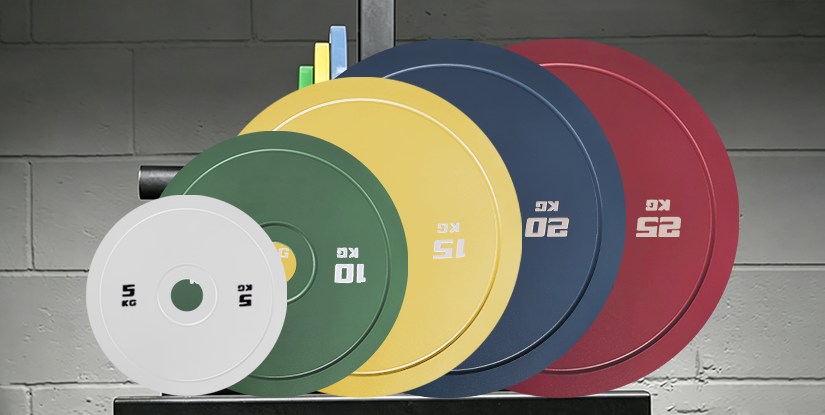
For large-scale importers, the technical specification is only as reliable as the final inspection. A professional stainless steel plate manufacturer fitness must implement a multi-stage quality control (QC) protocol that transcends simple visual checks. In a high-standard China factory, the focus shifts from mere production volume to the precision of the weight tolerance and the integrity of the center bore. Without rigorous oversight, even high-grade stainless steel plate manufacturing can suffer from dimensional drift, leading to significant issues during container loading and eventual retail or facility installation.
Effective sourcing requires a deep understanding of how pre-shipment inspection protocols impact your landed cost. We recommend that distributors focus on three critical inspection points: weight accuracy spot-checks, surface coating adhesion, and bore concentricity. A reliable commercial fitness plate supplier will provide detailed reports confirming that each batch meets the agreed-upon weight tolerance thresholds. This level of transparency ensures that your wholesale orders arrive with consistent performance, reducing the need for costly returns or on-site adjustments at the destination gym.
Furthermore, the durability of your shipment depends heavily on the quality of the export packaging. For heavy stainless steel weight plates, the packaging must be engineered to withstand the mechanical stresses of ocean freight and multi-point handling. We utilize reinforced carton structures and customized palletization to prevent edge deformation and ensure maximum stability during transit. When negotiating your next bulk order, we encourage you to confirm the specific packaging standards and the frequency of QC checkpoints to ensure your inventory arrives in pristine, commercial-ready condition.
To ensure your procurement meets these technical standards, please contact us to request a formal specification sheet, confirm the current MOQ for your desired grade, or schedule a remote factory audit to review our inspection processes.
Optimizing Inventory with Custom OEM and Private Label Solutions
For international distributors and large-scale gym equipment importers, the ability to move beyond generic stock is a critical lever for increasing distributor margin. Relying solely on standard inventory often leads to price wars in saturated markets. By partnering with a specialized stainless steel plate manufacturer fitness expert, you can transition from a simple reseller to a brand owner through strategic OEM and ODM services.
The strategic advantage of private label manufacturing lies in building a recognizable brand identity that fosters customer loyalty. Rather than competing on the lowest price for unbranded goods, custom branding allows you to control the perceived value of your product line. Whether it is a specific logo etching on the plate face or a unique color-coded edge system, these details facilitate market differentiation in competitive regions.
Working directly with a China factory provides the necessary scale to implement these customizations without the overhead of independent production. While wholesale orders for standard stock are efficient for rapid replenishment, OEM solutions allow you to tailor the product to specific regional demands or premium tier requirements. Most professional supplier engagements will establish a specific MOQ for custom orders to balance production costs with your desired exclusivity. This approach ensures that your inventory is not just a commodity, but a proprietary asset that drives long-term growth.
Customization Tiers and Procurement Comparison
Selecting the right procurement model is essential for balancing your initial landed cost against long-term market positioning. For many importers, the decision between purchasing standard stock or initiating a full-scale stainless steel plate manufacturing run depends on current warehouse capacity and the required level of product exclusivity. A professional commercial fitness plate supplier will typically offer three distinct levels of engagement to suit different business scales.
A budget-conscious procurement strategy often utilizes standard stock to maintain high turnover and low MOQ requirements. However, if your goal is to establish a premium presence, moving toward specialized production allows for higher perceived value. Below is a comparison to assist your sourcing decision-making process regarding production complexity and lead times.
| Customization Level | Branding & Appearance | Production Complexity | Typical Lead Time | Business Application |
|---|---|---|---|---|
| Standard Stock | Generic or unbranded | Low (Ready-to-ship) | Short (Standard shipping) | Rapid replenishment/Small distributors |
| OEM | Logo etching or custom color | Medium (Standard molds) | Moderate (Production cycle) | Brand building/Mid-size importers |
| ODM | Full custom specs & design | High (New tooling/molds) | Long (Design to delivery) | Market leaders/Proprietary lines |
When evaluating stainless steel weight plates for custom runs, it is vital to confirm how customization affects the final landed cost. While ODM offers the highest level of differentiation, it requires a deeper commitment to volume and a longer planning horizon. We recommend requesting a detailed specification sheet or a sample approval process to ensure that your custom branding meets your quality expectations before finalizing a large-scale wholesale order.
Technical Execution of Brand Integration
Achieving a high-end aesthetic requires precise technical execution during the stainless steel plate manufacturing process. For professional distributors, the distinction between a generic product and a premium branded asset lies in the precision of the surface treatments. High-quality stainless steel weight plates utilize advanced methods to ensure that custom logos do not degrade under heavy commercial use. This level of detail is essential when you are positioning your product as a top-tier solution for high-traffic training facilities.
The integration of brand identity typically follows a specific manufacturing sequence to ensure durability. For standard branding, laser etching is the industry-standard method, providing a clean, permanent mark that resists wear and maintains legibility. For more complex or multi-color requirements, CNC machining can be used to create recessed areas for specialized logo integration, or high-precision silk-screen techniques can be applied. A professional commercial fitness plate supplier ensures that these markings are applied after the primary surface finish is established, preventing any compromise to the plate's structural integrity or weight calibration.
To maintain consistency across large wholesale shipments, the factory must implement rigorous quality control at each stage of the customization. This includes checking coating adhesion for branded colors and verifying that laser etching depth remains uniform across the entire batch. Furthermore, specialized export packaging is required for customized runs to protect delicate surface finishes and branded elements during long-distance transit. When managing your sourcing, we recommend confirming that the China factory provides a pre-shipment inspection report specifically covering the integrity of your custom branding and the robustness of the protective packaging to minimize the risk of transit-related damage.
China Factory Export Standards and Pre-Shipment QC Protocols
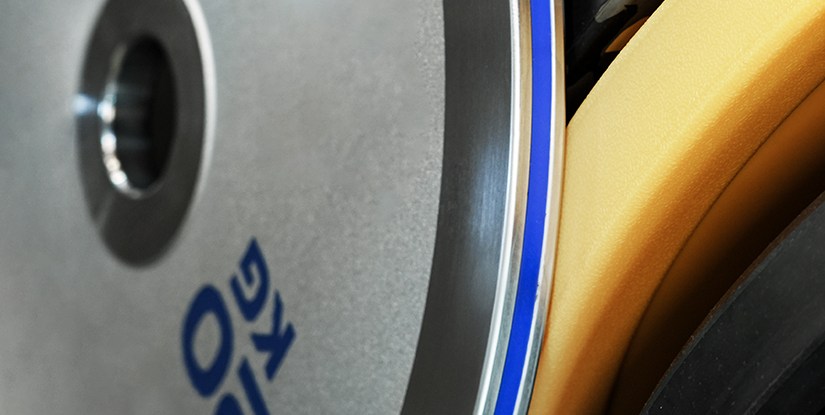
For distributors and large-scale gym operators, the primary risk in overseas sourcing is the discrepancy between a sample and a bulk shipment. A reliable stainless steel plate manufacturer fitness must implement a multi-stage inspection sequence to ensure that every unit meets commercial-grade expectations. When sourcing directly from a China factory, the absence of rigorous oversight often leads to increased landed costs due to weight variances or surface imperfections that compromise the professional look of a premium facility.
Effective stainless steel plate manufacturing requires more than just a finished product; it requires a systematic approach to quality assurance. During the pre-shipment QC phase, technicians focus on critical variables such as the weight tolerance of each unit and the consistency of the surface finish. These inspections ensure that the stainless steel weight plates can withstand high-frequency use in commercial environments without premature oxidation or physical degradation. By prioritizing these technical checkpoints, a professional commercial fitness plate supplier mitigates the risk of returns and protects the distributor's margin.
To maintain high commercial durability, the inspection protocol typically follows a standard sequence: initial raw material verification, post-machining dimensional checks, and final surface adhesion testing. For wholesale orders, this might also include a randomized weight spot-check to ensure the entire batch aligns with the specified weight class. We recommend that buyers request a detailed QC report or schedule a remote factory audit to confirm these processes are in place before finalizing the shipment.
Beyond individual unit integrity, logistics efficiency is determined by the rigor of the export packaging standards. A high-tier stainless steel plate manufacturer fitness expert understands that the final landed cost is heavily influenced by how effectively the product occupies container volume and how well it survives the transit from a China factory to your local warehouse. Poorly managed bulk shipments often suffer from dented edges or surface scuffing, which can damage a distributor's reputation and increase replacement costs.
Standardized packaging standards for stainless steel weight plates typically involve heavy-duty, reinforced corrugated cartons or custom wooden crates for large-scale wholesale shipments. We focus on several key technical layers to ensure protection: first, a protective film or specialized coating layer to prevent oxidation during long-sea transit; second, internal dividers or structural support to prevent impact damage; and third, optimized palletization to maximize container density. This systematic approach to logistics efficiency ensures that your commercial fitness plate supplier delivers a product that arrives in showroom condition, ready for immediate deployment in high-end facilities.
To optimize your sourcing strategy, we suggest reviewing the specific palletization dimensions and container loading plans during the initial inquiry phase. Confirming the MOQ alongside the packaging specifications allows for better freight cost estimation and warehouse space planning. For large-scale procurement, you may also request a sample of the export-ready packaging to verify that the protection levels meet your regional shipping requirements and local handling standards.
To effectively evaluate a potential partner, professional buyers should utilize a qualitative comparison of production tiers. Understanding whether a facility produces standard stock or specialized commercial-grade equipment allows for better alignment between your procurement budget and the long-term durability requirements of your clients.
| Material & Process Tier | Key Component Focus | Commercial Duty Level | Typical MOQ Impact | Primary Factory QC Point |
|---|---|---|---|---|
| Standard Cast Iron & Paint | Base Flatness & Surface Coating | Budget/Entry-Level Commercial | Low | Weight Spot-Check |
| Stainless Steel & Machining | Bore Fit & Concentricity | Premium/High-End Commercial | Medium | Dimensional Tolerance |
| Custom OEM/ODM Spec | Logo Embossing & Edge Finish | Professional/Specialized | High | Surface Adhesion & Aesthetic Consistency |
When finalizing your selection, we recommend requesting a technical spec sheet to confirm the specific manufacturing route used for your order. A professional stainless steel plate manufacturer fitness will provide clarity on the precision of the machining and the durability of the surface treatment. For distributors managing large-scale inventory, confirming these technical benchmarks and the MOQ during the initial sourcing phase is essential for maintaining a predictable supply chain and protecting your long-term margins.
Streamlining Global Sourcing: MOQ and Lead Time Management
Efficient inventory planning for distributors requires a precise understanding of how production scales affect your landed cost. When sourcing from a stainless steel plate manufacturer fitness, the relationship between volume and speed is critical for maintaining warehouse turnover. Large-scale wholesale orders typically benefit from optimized production runs, yet they require longer advance planning to manage shipping logistics and container space effectively.
Managing a China factory production schedule involves balancing the MOQ against your specific market demand. For high-end stainless steel weight plates, production cycles are often longer due to the precision required in the machining and surface finishing stages. If your procurement strategy relies on rapid replenishment, you must account for the lead time, which encompasses raw material sourcing, casting, specialized coating application, and the final pre-shipment inspection. Failing to align these timelines can lead to stockouts or excessive warehousing costs.
To optimize your commercial fitness plate supplier selection, we recommend a tiered procurement approach. For stainless steel plate manufacturing projects requiring OEM specifications, a longer lead time is standard to ensure custom branding and quality calibration meet your standards. For standard stock replenishment, maintaining a consistent order rhythm helps mitigate the risks of global shipping fluctuations and ensures a stable supply chain for your distribution network.
Sourcing Models: Stock Replenishment vs. Custom Production
Professional buyers must choose between speed and specification. Standardized production allows for faster shipping, whereas customized runs offer higher brand differentiation. Use the table below to evaluate how different sourcing models impact your procurement timeline and customization depth.
| Sourcing Model | Typical Production Cycle | Customization Level | Customization Scope | Best For |
|---|---|---|---|---|
| Standard Stock | Short (Ready to Ship) | Low | Standard dimensions and finish | Rapid replenishment and small-batch orders |
| OEM | Medium to Long | High | Logo, color, and specific plating | Building a distinct brand identity |
| ODM | Long | Very High | Full technical spec and material adjustment | Developing proprietary product lines |
When negotiating with a supplier, clarify whether your requested customization applies to the physical dimensions or merely the surface aesthetic. For example, a factory can easily adjust a logo via laser marking or silk-screening on existing stainless steel weight plates, but altering the core metallurgy or weight tolerance typically requires a higher MOQ and a much longer production cycle. Understanding these nuances ensures your landed cost remains predictable and your inventory stays optimized.
To secure the most efficient terms, we suggest requesting a detailed spec sheet and confirming current production capacity before finalizing your bulk order. If your project involves complex stainless steel plate manufacturing, we recommend booking a pre-shipment inspection to verify that all custom branding and weight calibrations align with your initial approval samples.
Logistics and Export Quality Control Protocols
Reliable international shipping depends on more than just transit speed; it requires rigorous export packaging and standardized quality inspection. For distributors importing heavy, high-density items, the risk of transit damage or weight discrepancies can significantly impact the total landed cost. A professional stainless steel plate manufacturer fitness must implement a multi-stage QC process that begins at the casting stage and extends through to container loading.
During the pre-shipment phase, a reputable supplier will conduct specific spot-checks on the stainless steel weight plates. This typically includes verifying the bore fit for concentricity, checking the adhesion of the surface coating, and performing weight tolerance spot-checks to ensure compliance with your order specifications. For large-scale wholesale shipments, these inspections are vital to prevent costly returns or client dissatisfaction due to dimensional inaccuracies.
To protect your investment during long-haul ocean freight, specialized export packaging is mandatory. High-grade stainless steel plate manufacturing standards require heavy-duty, reinforced cartons or customized wooden crates designed to withstand stacking pressures in a shipping container. We recommend that buyers confirm the specific packaging configuration—such as palletization and corner protection—during the initial sourcing phase to ensure the goods arrive at your warehouse in optimal condition, ready for immediate distribution.