Weifang Kettlebell Manufacturer: Export Ready China Factory
Optimizing Commercial Floor Layout with High-Volume Sourcing
When managing a high-traffic fitness facility, the strategic selection of equipment directly impacts your operational efficiency and total cost of ownership. A professional Weifang kettlebell manufacturer provides more than just weight; they provide a standardized solution that mitigates the risks of inconsistent weight distribution, premature surface degradation, and high maintenance costs. For distributors and gym owners, the procurement logic must extend beyond the initial purchase price to include the landed cost and the long-term durability of the units in a high-intensity environment. Selecting the right commercial kettlebell supplier ensures that your floor layout remains optimized, as high-quality casting and consistent coating adhesion prevent the rapid wear that often necessitates frequent replacement cycles.
Effective space management in a commercial setting requires equipment that is both durable and easy to organize. Whether you are sourcing wholesale cast iron kettlebells for a functional training zone or specialized coated versions for a premium studio, the uniformity of the product dimensions is critical. A standardized handle-to-body ratio and consistent bell diameter allow for more efficient storage solutions and cleaner floor transitions. By working directly with a China kettlebell OEM factory, procurement leads can specify the exact coating or material finish—such as powder coating or PU encapsulation—that best suits their facility's maintenance capabilities and aesthetic standards, ultimately protecting the long-term ROI of the initial capital expenditure.
Material and Surface Finish Comparison for Procurement Decisions
Selecting the appropriate material profile is a critical decision for distributors evaluating the long-term maintenance load and floor protection requirements of their clients. While standard gray iron casting remains the industry-standard for high-volume durability, the choice between bare finishes and advanced coatings significantly alters the total cost of ownership. A professional Weifang kettlebell manufacturer understands that different commercial environments—ranging from rugged strength zones to high-end boutique studios—require specific surface treatments to manage friction, noise, and impact.
The following table provides a qualitative comparison of common commercial-grade options to assist in your sourcing strategy. This technical breakdown helps procurement leads determine which specifications align with their specific facility needs and budget constraints.
| Material | Surface Finish | Floor Impact | Maintenance Level | Best For (Commercial Use) |
|---|---|---|---|---|
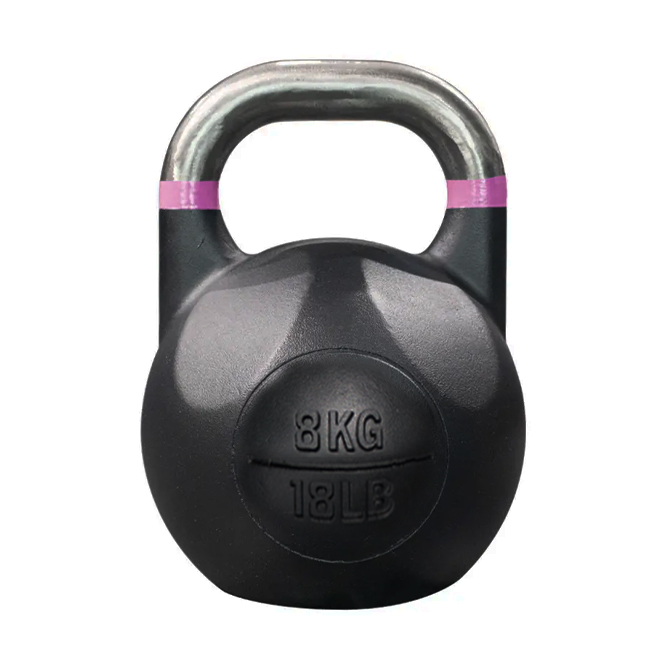
| Cast Iron | Powder Coating | Moderate | Low | High-traffic functional training zones |
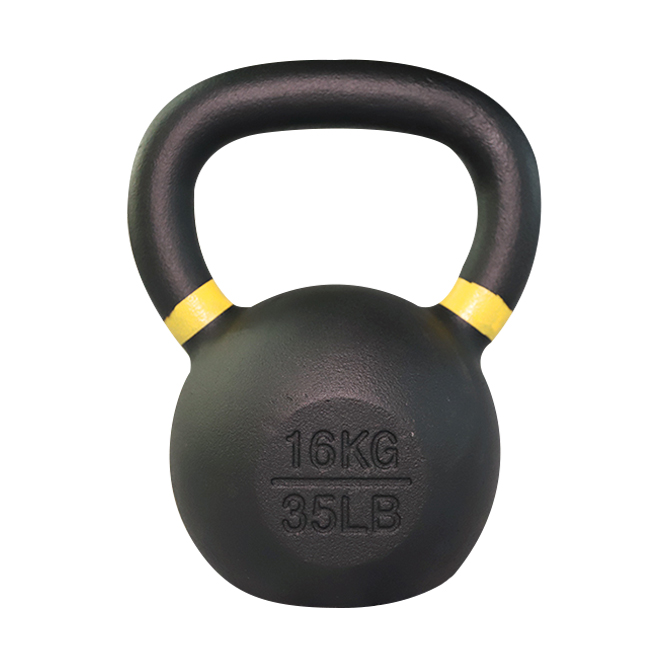
| Cast Iron | Enamel / Paint | Moderate | Medium | Standard commercial gym setups |
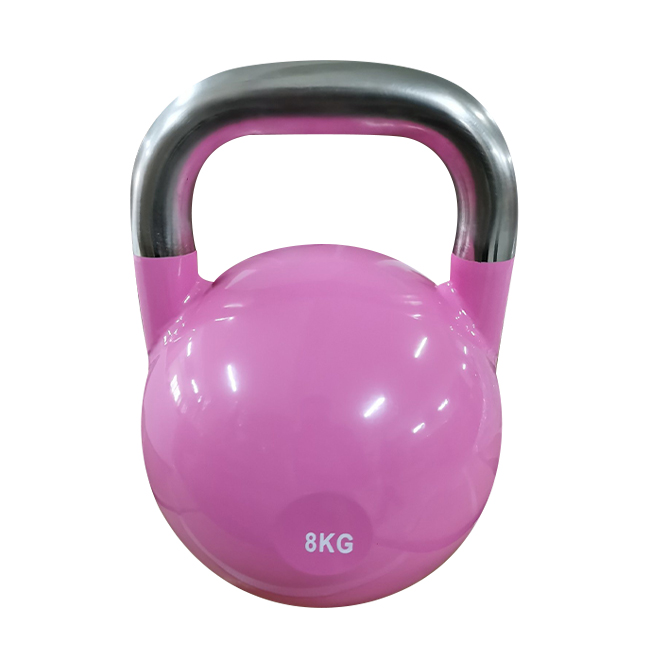
| Cast Iron | PU / Rubber Coated | Low | Very Low | Premium studios and boutique fitness |
| Gray Iron | Bare / Phosphate | High | High | Budget-conscious or outdoor training |
When evaluating a China kettlebell OEM factory for a large-scale order, it is essential to verify the coating adhesion and handle-to-body junction integrity. For example, a high-quality powder coating line ensures the finish will not chip during heavy use, which reduces the frequency of replacement and protects your distributor margins. We recommend requesting a sample to inspect the handle texture and the thickness of the encapsulation layer before finalizing your bulk order or custom branding requirements.
Standardizing Quality Through Factory QC and Export Logistics
For international distributors and large-scale fitness brands, the primary risk in high-volume sourcing is not just the unit price, but the variability in product quality and shipping damage. A reliable Weifang kettlebell manufacturer mitigates these risks by implementing a rigorous production sequence: beginning with precision sand casting, followed by CNC machining for handle-to-body concentricity, and concluding with standardized surface treatment. In a professional China factory setting, quality control is not a single step but a continuous process that ensures every unit meets the expected weight tolerance bands and aesthetic standards required for premium commercial deployment.
Effective procurement management requires visibility into the final stages of the supply chain, specifically regarding export packaging and container loading efficiency. When placing bulk orders, the way products are palletized and protected determines the final landed cost and the rate of return-related losses. We focus on optimizing the volumetric efficiency of each shipment, using reinforced corner protection and heavy-duty export-grade cartons to ensure that the coating adhesion and handle integrity remain uncompromaged during long-distance maritime transit. This attention to detail reduces the administrative burden of handling damaged goods and protects your operational ROI.
Beyond standard stock availability, many professional buyers leverage custom branding and OEM capabilities to build their own brand identity in the competitive fitness market. Whether you require specific logo etching on the gray iron body or a specialized color-coded PU coating for weight identification, a direct-to-factory sourcing model provides the necessary flexibility. We recommend that procurement leads initiate a formal factory audit or request a detailed specification sheet to confirm that your specific requirements for knurling depth, handle texture, and weight precision are fully aligned with our production capabilities before finalizing the order.
Material Selection and Casting Standards for Weifang Kettlebell Manufacturer
Selecting the right material profile is a critical procurement decision factor for distributors looking to optimize the Total Cost of Ownership (TCO). As a professional Weifang kettlebell manufacturer, we understand that the choice between raw cast iron and advanced surface treatments directly impacts long-term commercial durability and replacement cycles in high-traffic environments.
For high-volume wholesale cast iron kettlebells, the manufacturing sequence typically begins with high-grade gray iron sand casting to ensure structural density. Once the bell shape is achieved, the unit undergoes precision machining to refine the handle-to-body junction and knurling depth. For premium commercial applications, a professional powder coating or PU encapsulation layer is applied to mitigate oxidation and improve grip ergonomics. This standardized China factory process ensures that every unit meets the weight tolerance and surface adhesion requirements expected by global fitness distributors.
| Material Type | Surface Process | Key Component Focus | Commercial Duty Tier | MOQ Impact | Factory QC Point |
|---|---|---|---|---|---|
| Gray Iron | Phosphate Treatment | Handle Texture | Budget/Standard | Low | Base Flatness |
| Cast Iron | Powder Coating | Coating Adhesion | Commercial | Medium | Weight Tolerance |
| Cast Iron | PU/Rubber Encapsulation | Handle-to-Body Junction | Premium | High | Encapsulation Integrity |
When sourcing from a commercial kettlebell supplier, buyers must evaluate how these material choices affect landed cost and durability. While raw iron offers the lowest initial Capex, coated options provide better long-term ROI by reducing maintenance loads and protecting floor surfaces. We recommend consulting our China kettlebell OEM factory technical team to align your material specifications with your specific market's durability requirements and OEM branding needs.
Optimizing Procurement Based on Material Durability
The selection between raw casting and advanced encapsulation is not merely a matter of aesthetics; it is a strategic decision regarding your product lineup's longevity. For distributors managing large-scale gym deployments, the choice of finish dictates the frequency of replacement and the long-term maintenance load. A premium coating or encapsulation layer, while increasing the initial unit cost, often yields a superior ROI by protecting the core iron from oxidation and reducing the risk of surface degradation in high-humidity training environments.
When evaluating a Weifang kettlebell manufacturer for your next bulk order, it is essential to verify how each material tier aligns with your target market's usage density. For example, high-traffic commercial facilities often prioritize the durability of the handle-to-body junction and the adhesion strength of the coating to prevent peeling during intense training. We suggest reviewing our technical specification sheets to confirm how our specific casting and coating processes meet your quality standards before finalizing your wholesale procurement plan.
Rigorous QC and Export-Ready Packaging Standards
A common failure mode in international procurement occurs when sub-standard packaging fails to protect the product during long-haul maritime transit. To mitigate this risk, our China kettlebell OEM factory implements a strict pre-shipment QC protocol that extends beyond the physical product to the logistics preparation. This includes a multi-stage weight calibration check to ensure every unit falls within the industry-standard tolerance band, alongside a final inspection of coating adhesion and handle texture integrity.
For high-volume wholesale cast iron kettlebells, the protection of the casting surface is paramount. We utilize reinforced export packaging designed to withstand the stresses of container loading and sea freight. This involves heavy-duty corrugated cartons and specialized palletization techniques that prevent shifting and impact damage. By prioritizing these structural and protective steps, we ensure that your landed cost is not inflated by damaged goods upon arrival, maintaining a predictable and efficient supply chain for your distribution business.
Comparing Commercial Kettlebell Tiers and Production Processes
Selecting the right product specifications is a critical decision for distributors and gym owners managing long-term capital expenditure. When sourcing from a Weifang kettlebell manufacturer, understanding the distinction between material finishes is essential for calculating the total cost of ownership and long-term ROI. Different production routes serve different market segments, from high-traffic strength studios to premium boutique environments.
The choice between raw iron and advanced coatings directly impacts maintenance frequency and product lifespan. For high-volume wholesale cast iron kettlebells, the primary concern is often the durability of the surface finish under heavy use. Conversely, premium clients may require specialized finishes to protect flooring and enhance the user experience. A professional commercial kettlebell supplier will provide clear documentation on how each finish is applied, whether through a standard powder coating line or a specialized PU coating process, to ensure the product meets your brand's quality standards.
| Material Type | Surface Process | Commercial Duty | Maintenance Requirement | Procurement Context |
|---|---|---|---|---|
| Cast Iron | Phosphate or Paint | Standard Commercial | Moderate (Rust Prevention) | High-volume wholesale |
| Cast Iron | Powder coating | Premium Commercial | Low (High Adhesion) | Standardized OEM orders |
| Cast Iron | PU coating | Elite/Boutique | Minimal (Floor Protection) | Specialized niche sourcing |
A professional China kettlebell OEM factory must ensure that the manufacturing sequence—from initial sand casting to final surface treatment—is optimized for the target market's durability requirements. For instance, while raw cast iron is cost-effective for bulk distribution, the application of a multi-stage coating process significantly reduces the long-term maintenance load for facility managers. When evaluating your next batch, consider how the handle-to-body junction integrity and the consistency of the coating adhesion will affect your replacement planning and overall distributor margins.
To optimize your procurement strategy, we recommend requesting a detailed specification sheet that outlines the specific finishing methods used for each weight tier. A reliable supplier will be able to confirm the weight tolerance bands and the precision of the knurling depth, ensuring that your branded products meet the high expectations of commercial end-users. Whether you are seeking high-volume wholesale cast iron kettlebells for a large-scale gym chain or specialized coated units for a boutique studio, aligning your order with the appropriate production tier will maximize your ROI and minimize unexpected landed costs.
The manufacturing sequence—from the initial stage of sand casting to the final application of a surface finish—determines the long-term reliability of the product in a high-traffic environment. For distributors, a failure in the manufacturing chain, such as poor coating adhesion or inconsistent weight calibration, can lead to high replacement rates and diminished brand trust. A professional Weifang kettlebell manufacturer ensures that every unit undergoes a rigorous production route to maintain high commercial standards.
During the production process, the transition from the casting stage to the finishing stage is a critical point for quality control. For example, after the gray iron body is shaped through sand casting, it must be thoroughly cleaned and prepared before entering a professional powder coating line. This ensures that the coating adheres perfectly to the surface, preventing peeling or chipping during heavy use. For premium orders, the focus shifts to more complex processes like PU or rubber encapsulation, which provide additional floor protection and a more refined grip for high-end studio settings.
Beyond surface aesthetics, technical precision in the manufacturing process is vital for commercial-grade equipment. A reliable China kettlebell OEM factory implements strict protocols for weight tolerance and handle-to-body junction integrity. During the pre-shipment QC phase, technicians must verify that the knurling depth is consistent and that the weight deviation falls within the industry-standard tolerance band. This level of oversight is essential for a commercial kettlebell supplier to guarantee that bulk shipments arrive with the consistency required for professional gym chains and large-scale distributors.
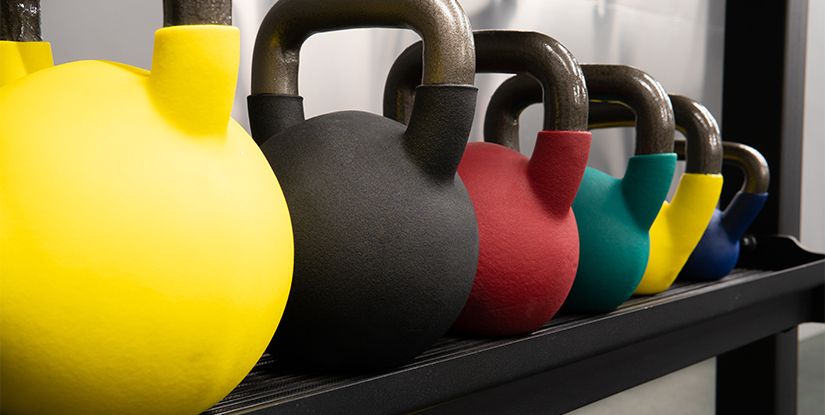
Ensuring Precision via China Kettlebell OEM Factory Quality Control
For distributors and gym equipment importers, the difference between a profitable shipment and a costly return lies in the rigor of the manufacturing oversight. A professional Weifang kettlebell manufacturer must implement multi-stage protocols to ensure that every unit meets the high standards of commercial durability required by global fitness facilities. Relying on a high-standard China kettlebell OEM factory allows buyers to mitigate risks associated with weight discrepancies and surface irregularities before the goods leave the port.
In the wholesale procurement of iron-based training tools, the primary pain points for buyers are inconsistent weight distribution and premature coating failure. If a batch arrives with significant casting defects or uneven handle textures, the resulting replacement costs and damage to your brand reputation can quickly erode your distributor margins. To avoid these high-cost errors, it is essential to partner with a commercial kettlebell supplier that prioritizes standardized calibration and strict pre-shipment inspection protocols.
A reliable China factory focuses on three critical checkpoints to ensure long-term ROI for the end user: weight tolerance stability, handle-to-body junction integrity, and coating adhesion. During the manufacturing sequence—moving from sand casting to machining and finally to the powder coating line—the quality control team must verify that the gray iron body is free from structural voids. Furthermore, a thorough pre-shipment inspection should include a spot-check of the knurling depth and the smoothness of the grip to ensure consistent performance in high-traffic commercial environments.
When managing wholesale orders, transparency regarding these technical standards is vital. Whether you are ordering cast iron kettlebells for a boutique studio or a large-scale fitness center, confirming the specific QC steps for your MOQ ensures that your landed cost remains optimized by reducing the need for after-sales adjustments or replacement shipments.
Technical Standards for Commercial-Grade Production
To assist in your procurement decision-making, the following table illustrates the qualitative differences between standard production and the high-performance specifications typically offered by a premium commercial kettlebell supplier. Understanding these tiers helps in calculating the long-term value and total cost of ownership for your inventory.
| Material & Process | Key Component Detail | Budget Tier (Standard) | Premium Tier (Commercial) | QC Focus for Importers |
|---|---|---|---|---|
| Cast Iron Body | Base Flatness & Casting | Basic sand casting; irregular base | Refined gray iron; high concentricity | Structural voids & surface smoothness |
| Surface Finishing | Powder Coating Adhesion | Single-coat paint; prone to chipping | Multi-layer powder coating; durable | Coating adhesion & color consistency |
| Handle Design | Knurling & Texture | Basic texture; inconsistent depth | Precision knurling; ergonomic grip | Handle-to-body junction & grip comfort |
| Weight Calibration | Weight Accuracy | High tolerance variance | Strict industry-standard calibration | Weight tolerance spot-check |
When sourcing through a Weifang kettlebell manufacturer, we recommend evaluating the specific manufacturing route for your customized orders. For instance, a high-quality China kettlebell OEM factory will typically employ a sequence involving precision machining of the handle area to ensure the weight distribution remains stable. This is critical for reducing maintenance loads and increasing the lifespan of the product in high-volume training environments.
For distributors looking to maximize their margins, selecting the correct tier of cast iron kettlebells is a balance between initial wholesale pricing and the durability required by the target market. A premium specification reduces the frequency of replacement requests and enhances your brand identity in the commercial sector. We suggest requesting a detailed spec sheet or a sample approval to verify the knurling depth and base flatness before finalizing your bulk order or OEM contract.
Logistics and Export-Ready Packaging Standards
Optimizing the landed cost of heavy iron goods requires more than just low unit pricing; it requires sophisticated logistics management. For a professional Weifang kettlebell manufacturer, the challenge is ensuring that high-density shipments arrive at international destinations without structural or surface damage. Inefficient packing leads to wasted container space and increased shipping fees, while inadequate protection results in chipped coatings and dented bells, directly impacting your distributor margins.
To mitigate these risks, a high-tier commercial kettlebell supplier employs rigorous export packaging protocols designed for long-haul sea freight. Standard industry-best practices for bulk orders include individual unit protection, heavy-duty corrugated boxing, and reinforced corner protection. For large-scale wholesale shipments, we implement strict palletization standards. This involves securing the kettlebells on heat-treated pallets with high-strength shrink wrapping and edge protectors to prevent shifting during transit. This systematic approach ensures maximum container density while maintaining the safety of the load.
Effective sourcing from a China kettlebell OEM factory also involves precise coordination of the lead time and shipping schedules. By optimizing the volume-to-weight ratio through standardized box dimensions, we help importers reduce the total cost of ownership. Whether you are managing a single container or a multi-container sea freight shipment, our logistics team ensures that every pallet is documented and prepared for the rigors of international maritime transport. We recommend discussing your specific container loading requirements and volume-based MOQ with your factory contact to ensure your delivery timeline and shipping safety align with your distribution needs.
Custom Branding and OEM/ODM Capabilities for Global Distributors
Transitioning from generic sourcing to a specialized Weifang kettlebell manufacturer allows distributors to move beyond commodity trading and toward building a proprietary brand. For high-volume importers, the ability to implement custom branding is a critical lever for increasing brand equity and securing long-term market positioning in the commercial fitness sector.
When sourcing through a professional China kettlebell OEM factory, procurement leads can move beyond standard stock items to develop products that match specific regional market demands. This level of private label integration ensures that your brand identity is embedded directly into the product through precision-etched logos, custom handle textures, or unique color-coded coating systems. This strategic shift from buying unbranded units to developing a branded line significantly improves the distributor margin by allowing for premium pricing in local markets.
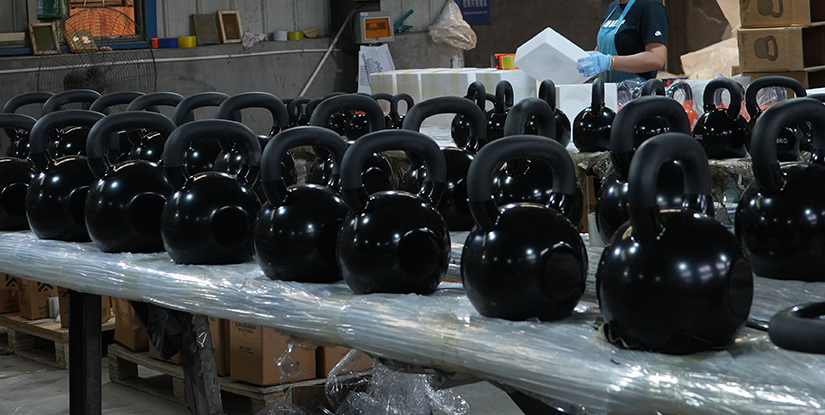
Effective OEM and ODM partnerships require clear communication regarding MOQ and lead time to maintain healthy inventory turnover. A reliable supplier will provide transparent timelines for mold development, casting, and the final coating process, ensuring that your customized product batches arrive in sync with your regional marketing cycles and warehouse capacity.
Selecting the right branding method is a technical decision that affects both the aesthetic value and the long-term durability of the unit. For distributors managing large-scale inventory, the choice between surface-level marking and structural integration is a key factor in total cost of ownership and product longevity.
Technical Comparison of Customization Tiers
| Material/Method | Branding Technique | Typical Application | Commercial Duty | MOQ Impact | Factory QC Point |
|---|---|---|---|---|---|
| Cast Iron | Embossed/Raised Logo | Classic wholesale cast iron kettlebells | High | Moderate | Casting mold precision |
| Cast Iron | Laser Engraving | Premium Powder Coated Units | High | Low | Coating adhesion |
| Cast Iron | Stencil/Paint | Budget/Entry-Level Commercial | Standard | Low | Paint thickness uniformity |
| PU/Rubber Coated | Embedded Mold Logo | Premium Studio/Boutique Lines | Premium | High | Encapsulation integrity |
For those seeking a commercial kettlebell supplier that offers specialized finishes, the application of a powder coating or a PU coating must be monitored closely. In a professional China factory environment, the branding process is not merely aesthetic; it is a component of the product's structural integrity. For instance, when using an embossed logo during the sand casting stage, the branding becomes part of the iron body itself, offering the highest durability for heavy-duty use. Conversely, when applying a stencil or laser engraving on top of a powder coating, the factory must ensure that the process does not compromise the coating adhesion or create weak points in the surface layer.
To optimize your procurement strategy, we recommend evaluating these options based on your target market's expected wear-and-tear. If your goal is to provide high-end boutique studio equipment, a PU coated finish with a precision-molded logo provides a superior tactile experience. For mass-market gym distribution, standard wholesale cast iron with embossed branding offers the most reliable ROI due to its low maintenance and high resistance to surface degradation. We invite you to contact us to request a detailed spec sheet, confirm your MOQ for custom orders, or schedule a sample approval process to verify these technical standards before your full-scale production run.
Transitioning from generic sourcing to a specialized Weifang kettlebell manufacturer allows distributors to move beyond commodity trading and toward building a proprietary brand. For high-volume importers, the ability to implement custom branding is a critical lever for increasing brand equity and securing long-term market positioning in the commercial fitness sector.
When sourcing through a professional China kettlebell OEM factory, procurement leads can move beyond standard stock items to develop products that match specific regional market demands. This level of private label integration ensures that your brand identity is embedded directly into the product through precision-etched logos, custom handle textures, or unique color-coded coating systems. This strategic shift from buying unbranded units to developing a branded line significantly improves the distributor margin by allowing for premium pricing in local markets.
Effective OEM and ODM partnerships require clear communication regarding MOQ and lead time to maintain healthy inventory turnover. A reliable supplier will provide transparent timelines for mold development, casting, and the final coating process, ensuring that your customized product batches arrive in sync with your regional marketing cycles and warehouse capacity.
Selecting the right branding method is a technical decision that affects both the aesthetic value and the long-term durability of the unit. For distributors managing large-scale inventory, the choice between surface-level marking and structural integration is a key factor in total cost of ownership and product longevity.
Logistics and Export Packaging for Bulk Orders
Managing the logistics of heavy iron shipments requires more than standard shipping methods; it requires a specialized approach to protect your profit margins. For distributors and gym equipment importers, the primary concern is ensuring that high-density weight arrives without surface damage or structural compromise. A professional Weifang kettlebell manufacturer understands that improper handling during transit leads to dented coatings, rusted surfaces, or broken pallets, all of which increase your landed cost and reduce consumer trust.
When placing bulk orders, the complexity of weight distribution becomes a critical factor in shipping safety. Unlike lighter fitness accessories, cast iron products demand rigorous stabilization to prevent shifting within containers. Relying on a China kettlebell OEM factory that utilizes standardized export packaging protocols ensures that your inventory remains intact from the warehouse floor to your local distribution center. Without these protections, the risk of damage during sea freight increases significantly, potentially negating the benefits of wholesale sourcing.
To achieve landed cost optimization, we implement a multi-layered protection strategy designed for long-distance maritime transport. This includes heavy-duty palletization and reinforced corner protection to withstand the mechanical stresses of container loading and unloading. By utilizing high-strength corrugated boxes and moisture-resistant wraps, we provide essential sea freight protection for all wholesale cast iron kettlebells. This systematic approach to damage prevention minimizes the need for replacement claims and ensures that your commercial kettlebell supplier delivers a product that meets professional commercial-grade standards upon arrival.
Packaging and Shipping Efficiency Comparison
Effective logistics planning is a core component of professional procurement. When sourcing from a Weifang kettlebell manufacturer, buyers must evaluate how different product types affect container utilization and shipping costs. Choosing the right material and packaging configuration allows distributors to maximize weight density per cubic meter, directly impacting the total landed cost of each unit.
The following table outlines the standard packaging and shipping profiles for the primary product lines offered by a professional commercial kettlebell supplier. This comparison is designed to assist procurement leads in calculating volume efficiency and determining the best shipping method for their specific inventory needs.
| Packaging Type | Protection Level | Shipping Method | Weight Density | Volume Efficiency |
|---|---|---|---|---|
| Standard Industrial Carton | Medium (Standard for wholesale cast iron kettlebells) | LCL / FCL Sea Freight | High | Optimized for standard pallet dimensions |
| Reinforced Heavy-Duty Box | High (Ideal for PU or Rubber Coated units) | FCL Sea Freight | Medium | Requires more buffer space for coating protection |
| Custom OEM Branded Case | Premium (Retail-ready for distributors) | Air or Sea Freight | Medium | Designed for high-visibility and shelf-ready display |
For large-scale distributors, we recommend coordinating with your China kettlebell OEM factory to align packaging dimensions with your specific container-loading software. Whether you require standard industrial cartons for maximum density or specialized protection for coated models, our factory can adjust the palletization strategy to meet your MOQ and shipping constraints. Please contact our sales team to request a detailed packing list or to confirm the specific shipping dimensions for your next bulk order.
Operational Workflow for International Procurement
A reliable Weifang kettlebell manufacturer must provide full visibility into the final stages of the supply chain to mitigate procurement risks. For professional buyers, the process does not end at production; it concludes only when the inventory is safely unloaded at your facility. Our workflow is designed to ensure that every shipment of wholesale cast iron kettlebells undergoes rigorous pre-shipment checks to maintain the integrity of the product and the efficiency of your sea freight logistics.
Our standard operating procedure includes a systematic approach to quality and logistics. Once the production run meets the required weight tolerance and coating adhesion standards, we initiate the pre-shipment inspection. This stage is critical for a commercial kettlebell supplier to verify that the physical dimensions and handle textures align with the approved sample. Following approval, the goods move to our warehouse management system, where they are categorized by weight and coating type to ensure accurate order fulfillment and prevent mixing of SKUs during the high-volume packing process.
To maximize your ROI and reduce the landed cost, we prioritize container optimization during the loading supervision phase. Our team manages the loading process to ensure that weight is distributed evenly across the floor of the container, preventing the shifting that often causes damage in lower-tier shipments. We provide comprehensive shipping documentation and coordinate closely with your freight forwarder to manage lead time expectations and customs requirements. Whether you are managing a single FCL (Full Container Load) or complex LCL (Less than Container Load) shipments, our factory ensures that your procurement schedule remains predictable and your inventory arrives in professional, retail-ready condition.